Join Groups & Channels, No Spamming









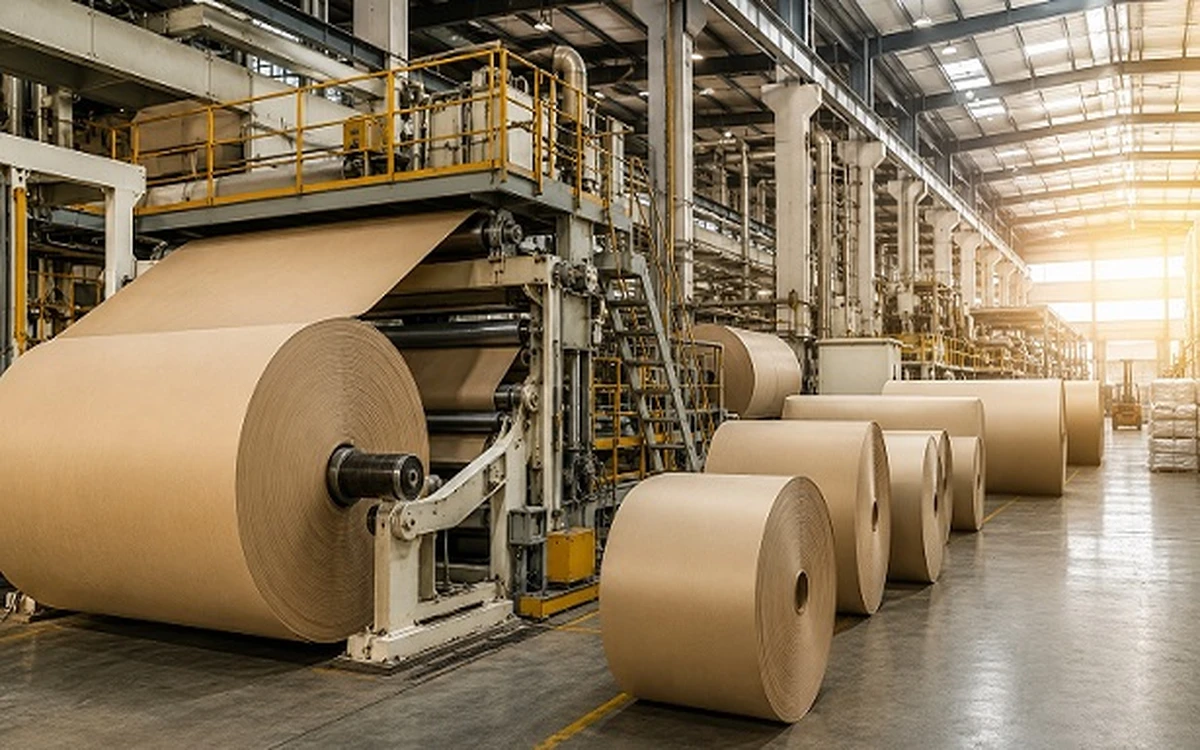
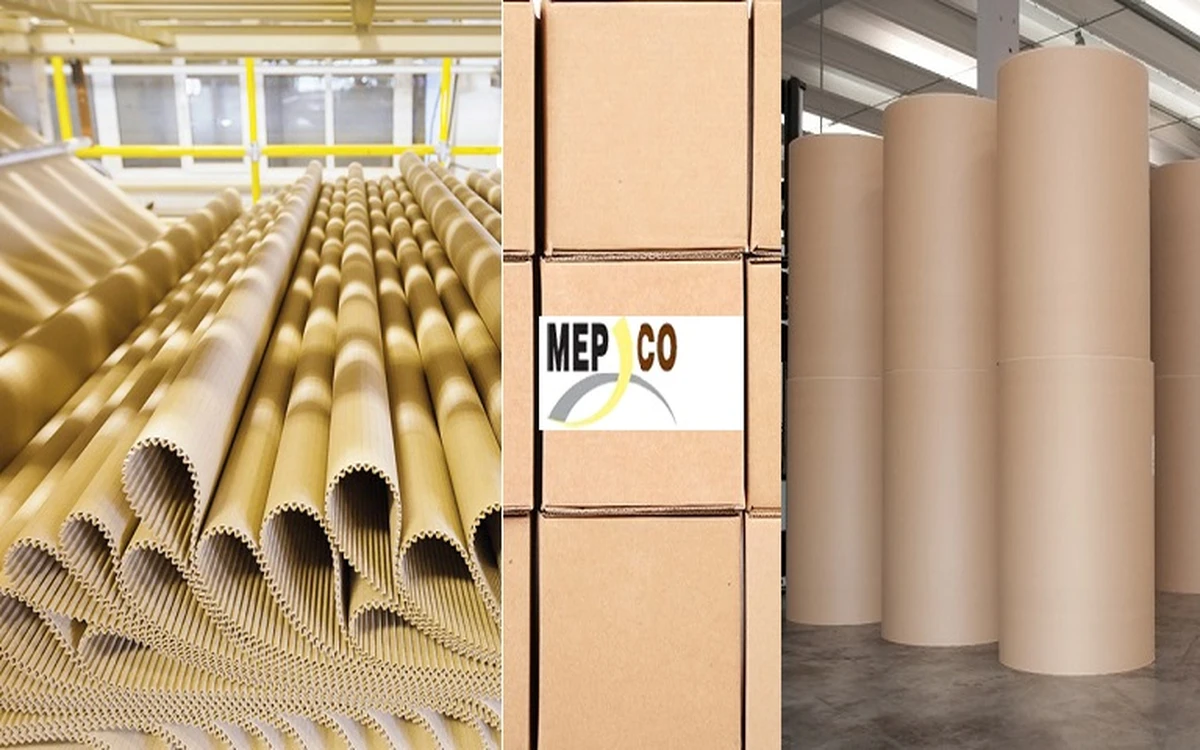
Morbi paper mills see full-capacity operations as ceramic industry revives; Kraft paper exports to China spike, Prices strengthen; Janmashtami shutdown ahead

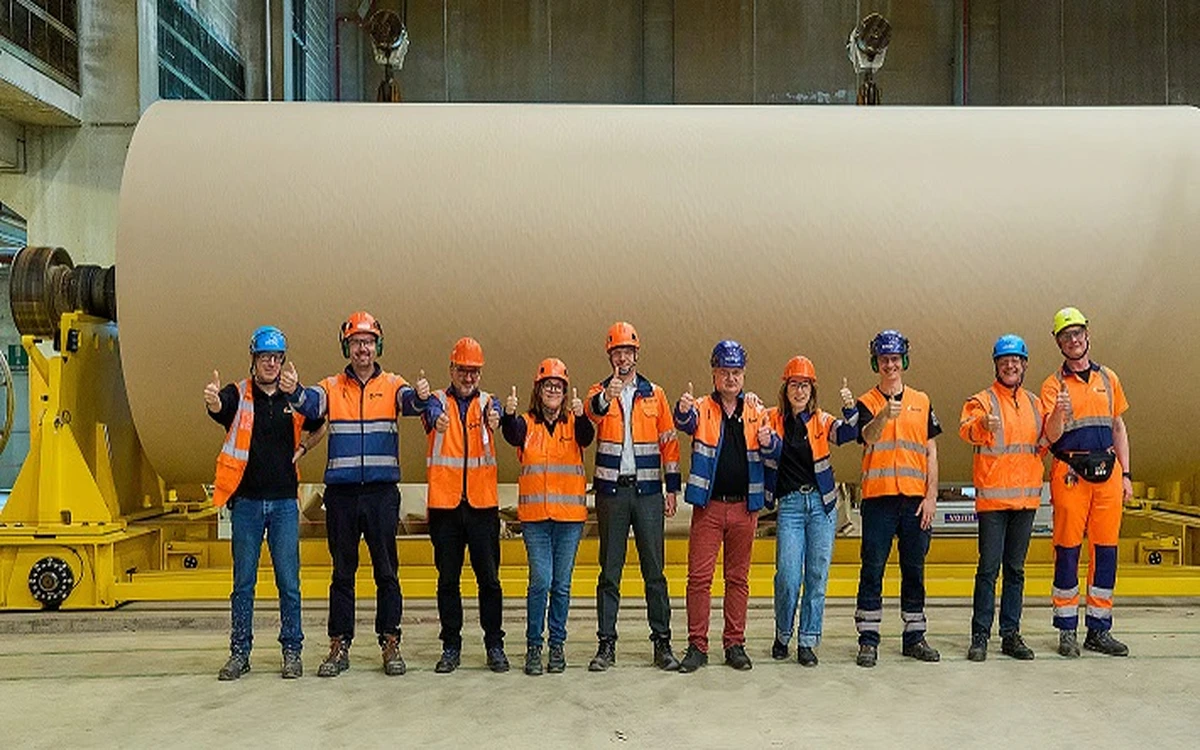
The BE and caustic soda plant marks a key milestone for Mohit Paper Mills, enabling full utilization of installed capacity and enhancing overall production efficiency
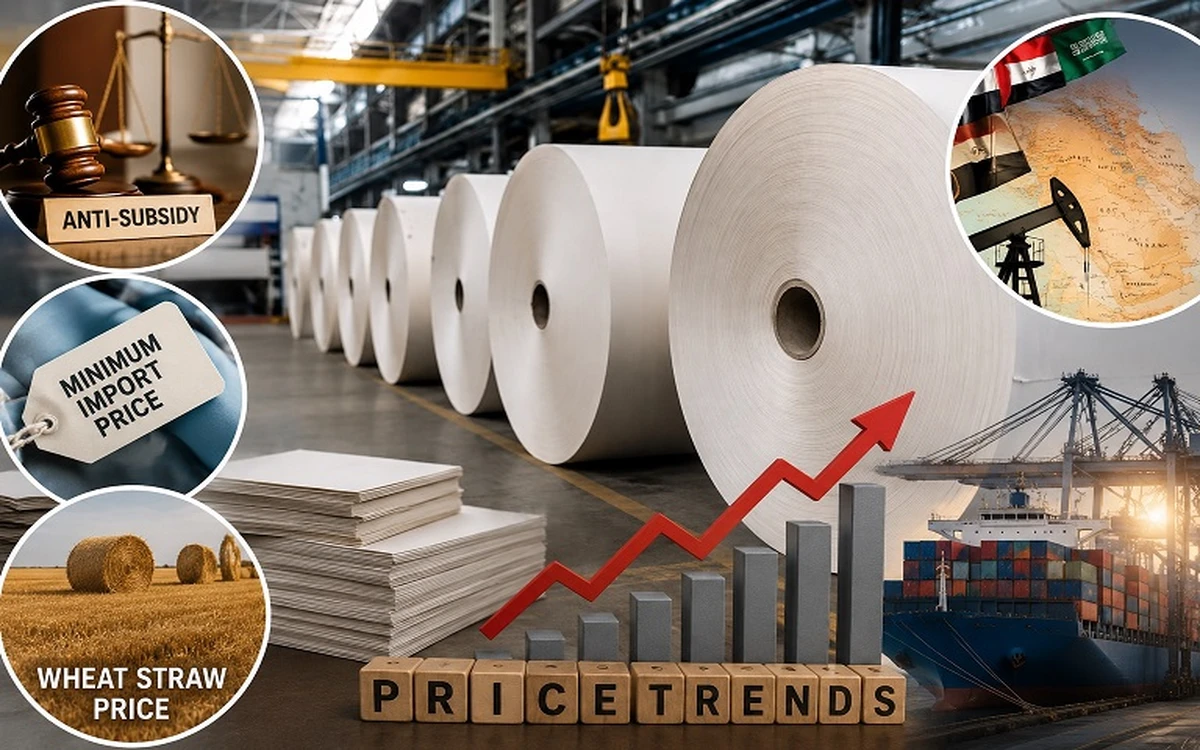
Expert Views on the paper market scenario, How the West Asia Crisis Helped the Industry, MIP for WPP, Anti-Subsidy implementation, and paper price trends
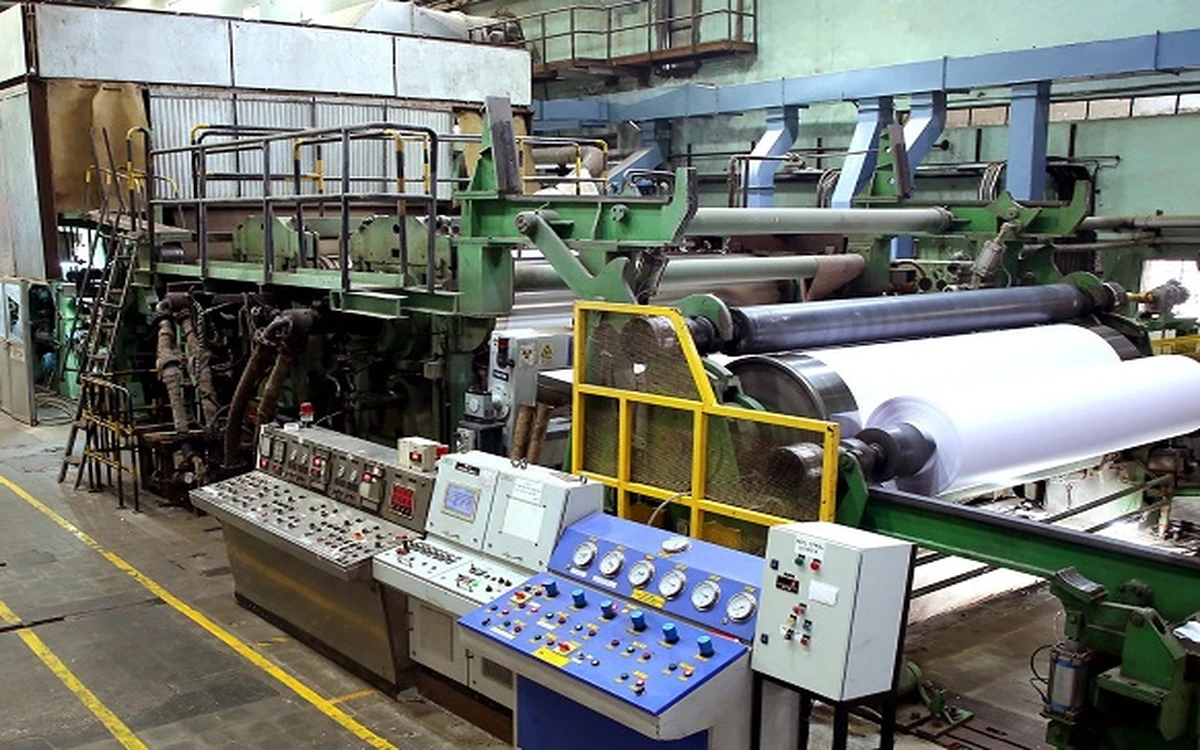
Pudumjee Paper intends to develop new varieties addressing applications for stronger paper bags and cupcakes; Plans 68,000 MT Mahad Specialty Paper Facility within 5 years
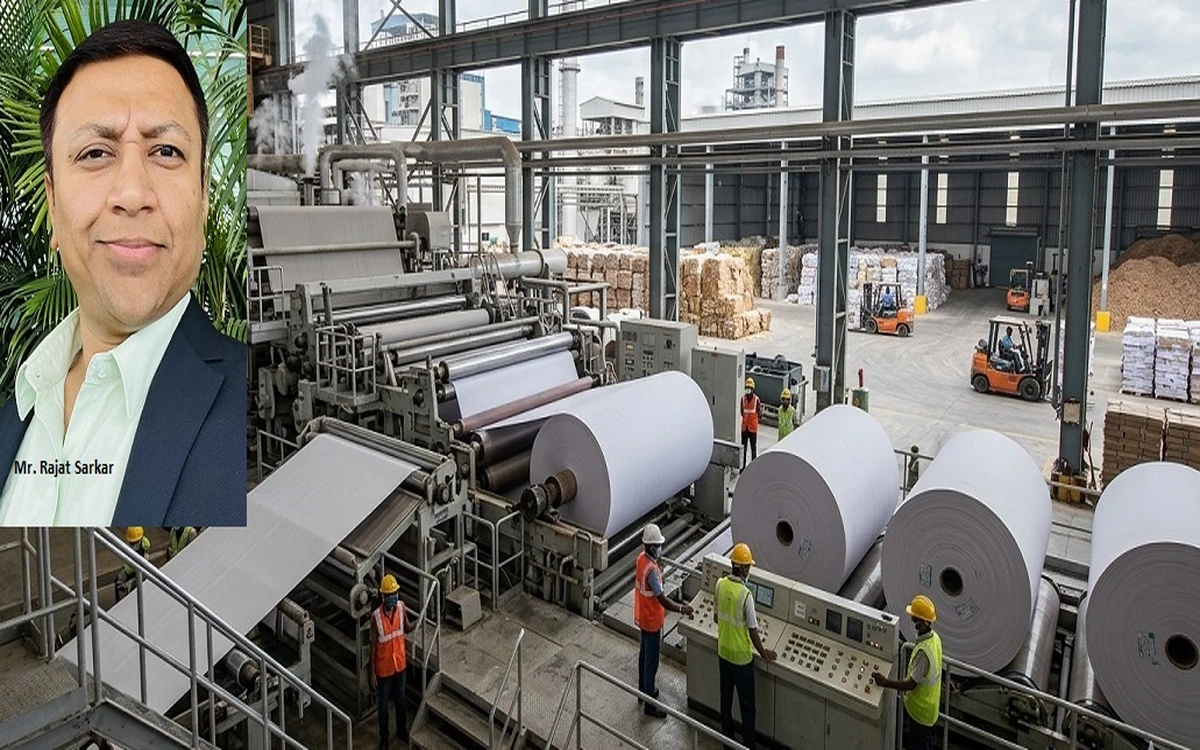
India Paper Industry at an Inflection Point: War, Costs, and Capacity; Demand growth expected at 5–7% in FY26
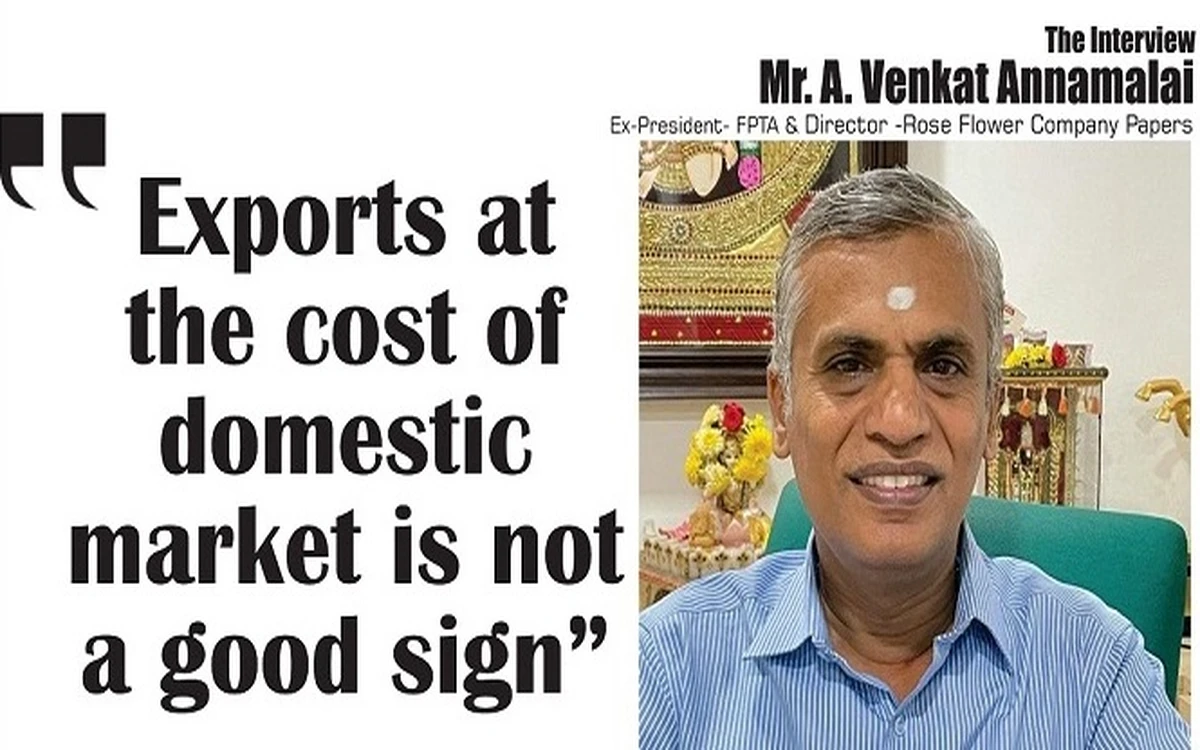
“Surging exports of paper will most certainly keep the domestic prices quite high”: Mr. A. Annamalai, Director – RFC
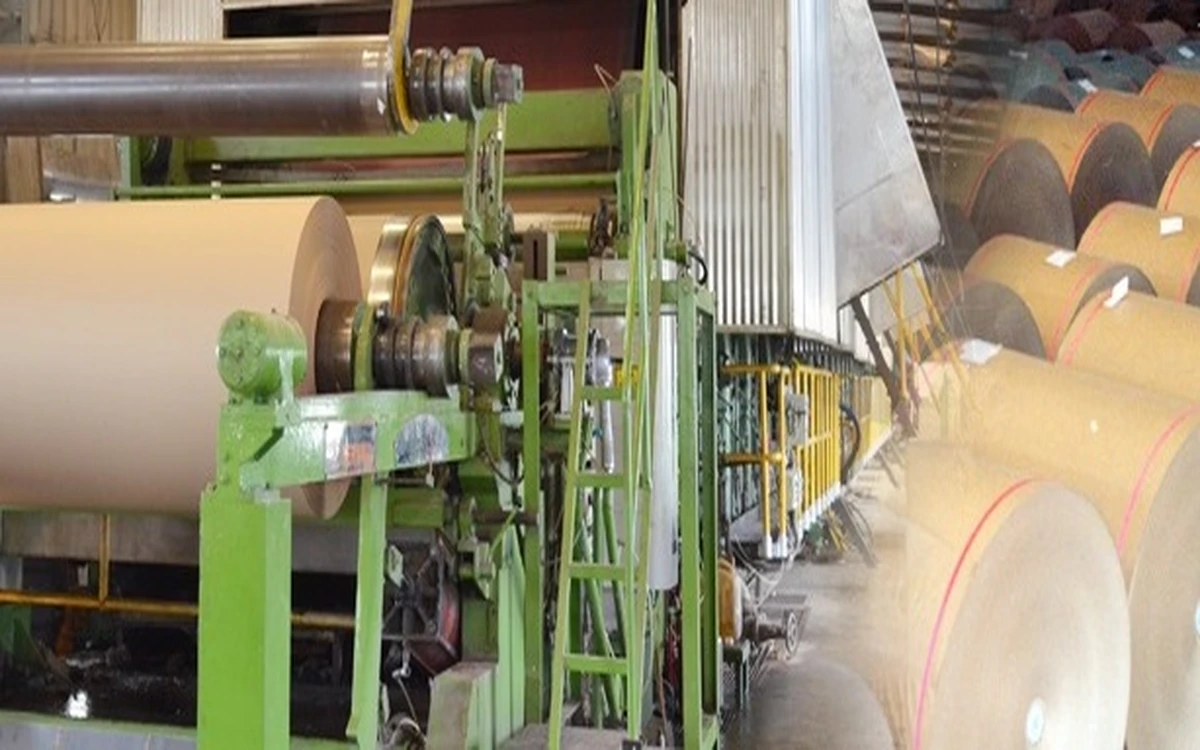
The Status of the Global Container board Industry, Recycled Paper Demand and Supply and its impact on the Indian Industry

Akshay Jain, director of Silverton Pulp & Paper, says it's time to promote agro residue as a raw material to lessen the scarcity of fibre
Advantageously located, a new paper mill is all set to roll kraft paper in Madhya Pradesh
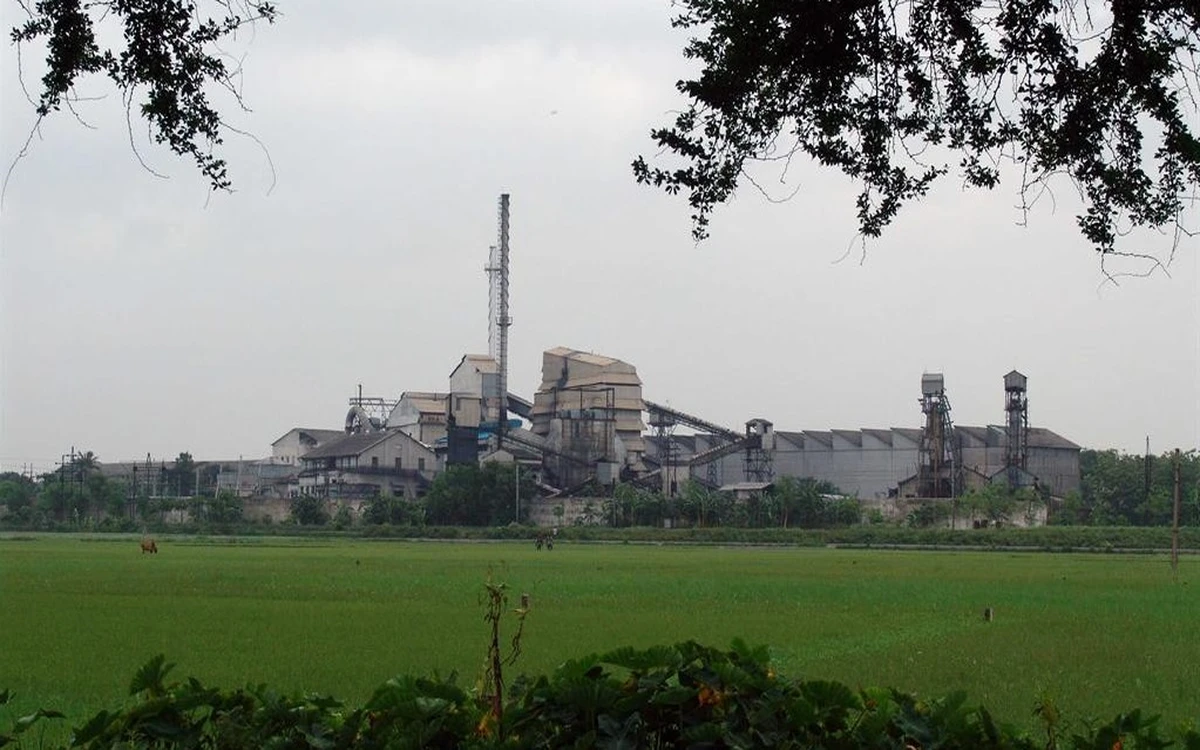
Several agile interventions helped ITC-PSPD fortify its clear leadership of the Value Added Paperboards (VAP) segment

Indian paper industry is entering a sensitive phase, with coal and starch availability emerging as critical concerns; Price Hikes Indicated

Paper and Packaging Board Market May Face Cost Pressures Through March 2027; FPTA Advises Traders
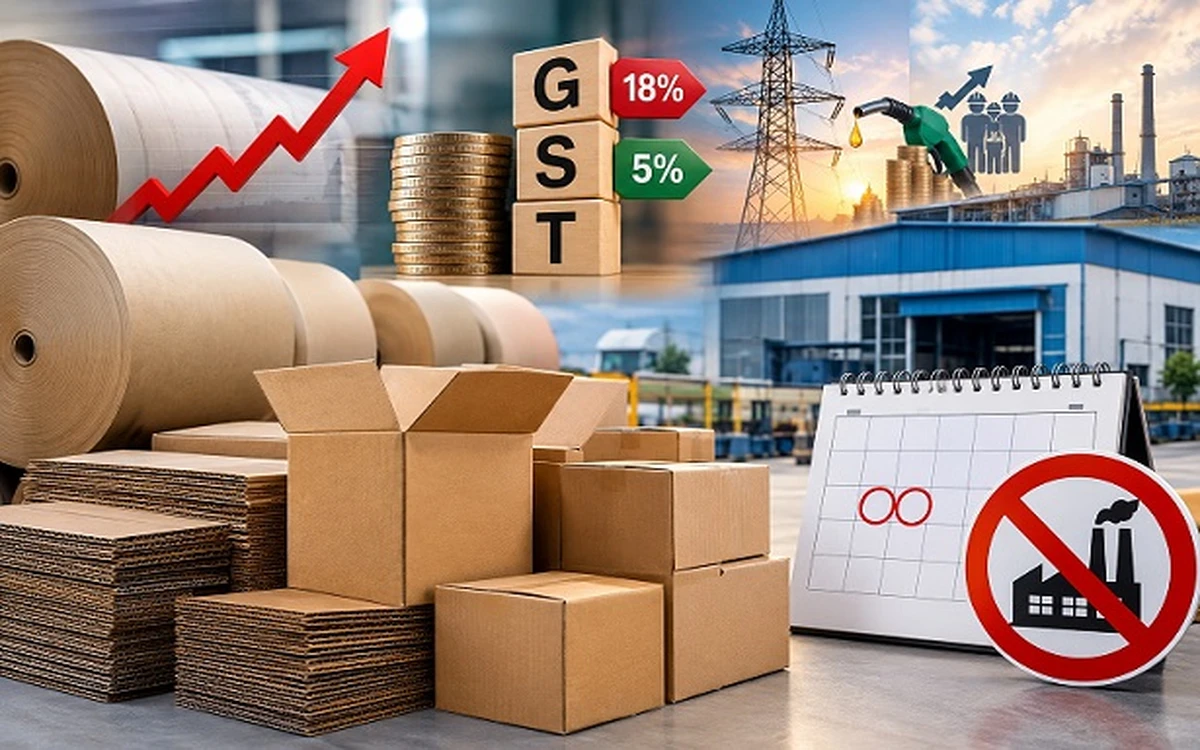
Overall Increase in Kraft Paper Prices Could Reach 35%; Industry Calls for 20% Box Price Increase, Voluntary Shutdown Proposed

Ruchira Papers Invests a Sizeable Capex of Rs. 235–240 Crore Towards Writing & Printing Paper Capacity Expansion
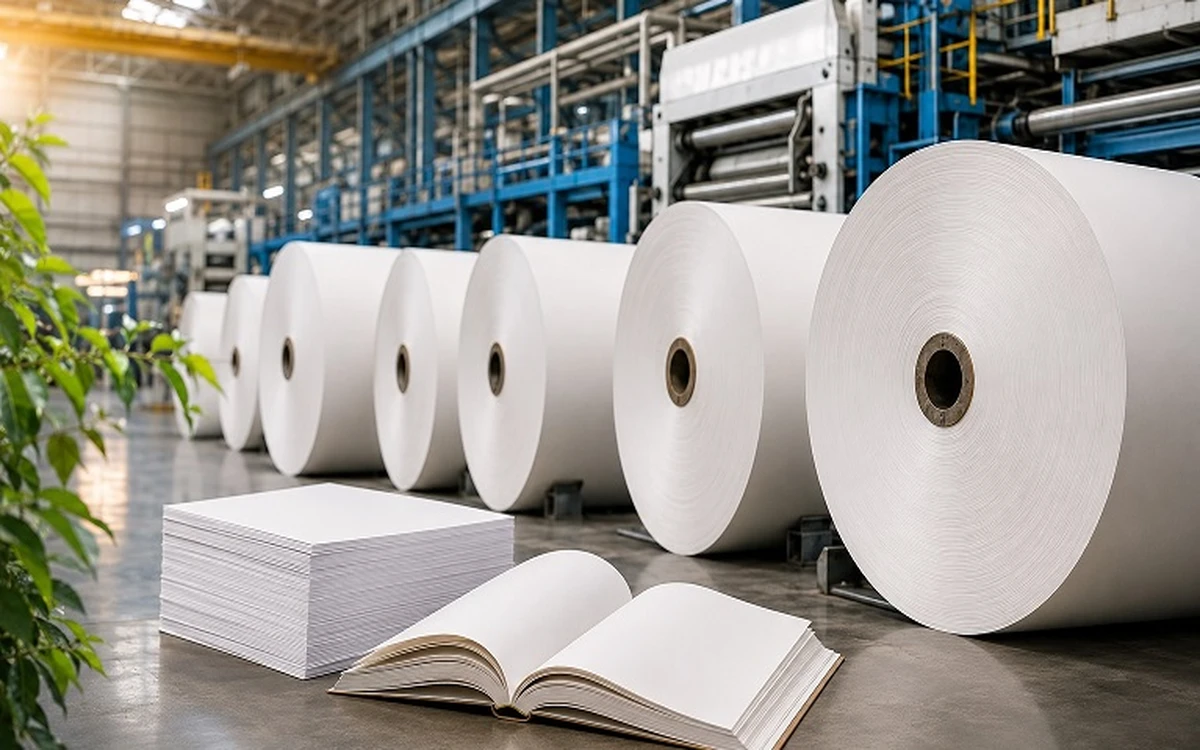
Paper mills inflated the basic ex-mill price of paper post GST 2.0, AINMA seeks action against Anti-Profiteering
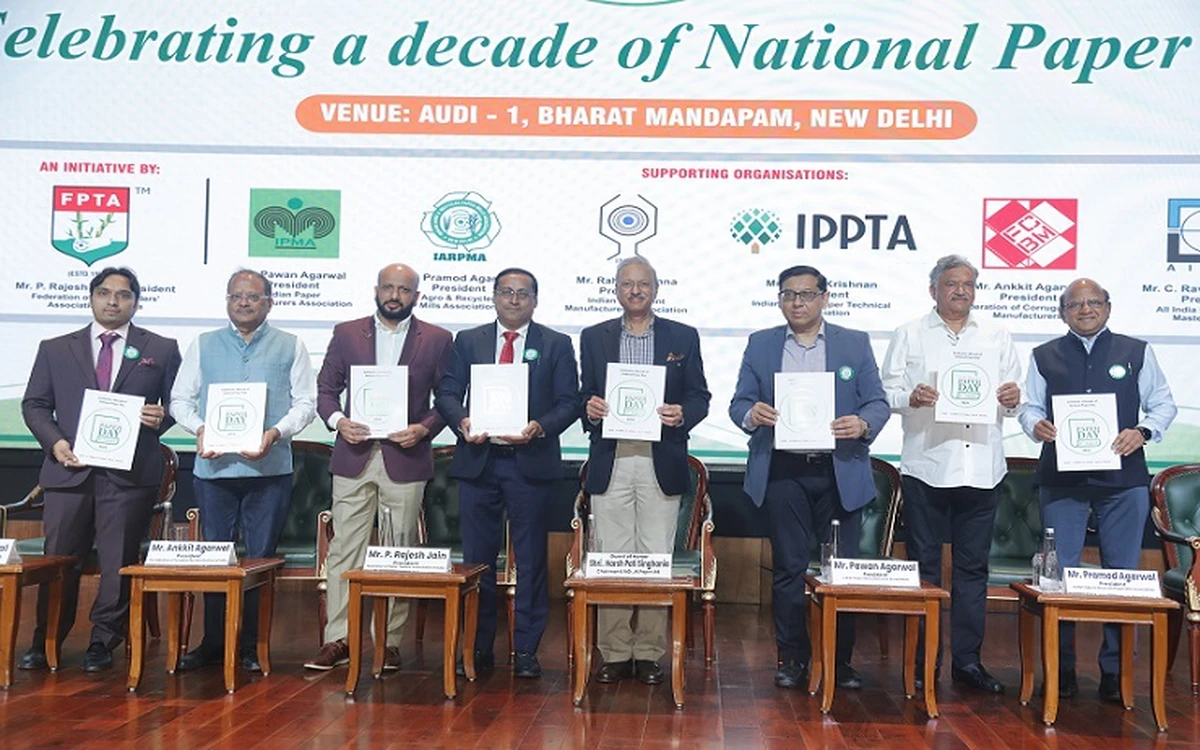
Seven Leading Associations Unite to Celebrate National Paper Day, Highlighting Paper's Sustainability and Circular Economy Advantage

Scientists from IIT-Guwahati develop India's first biodegradable plastic

Navneet Education focuses on brand building, curriculum-led growth, and export recovery; expects stationery margins to improve in FY27

It is estimated that USD10B to USD20B worth of single-use plastic packaging will convert to molded fiber, ZUME
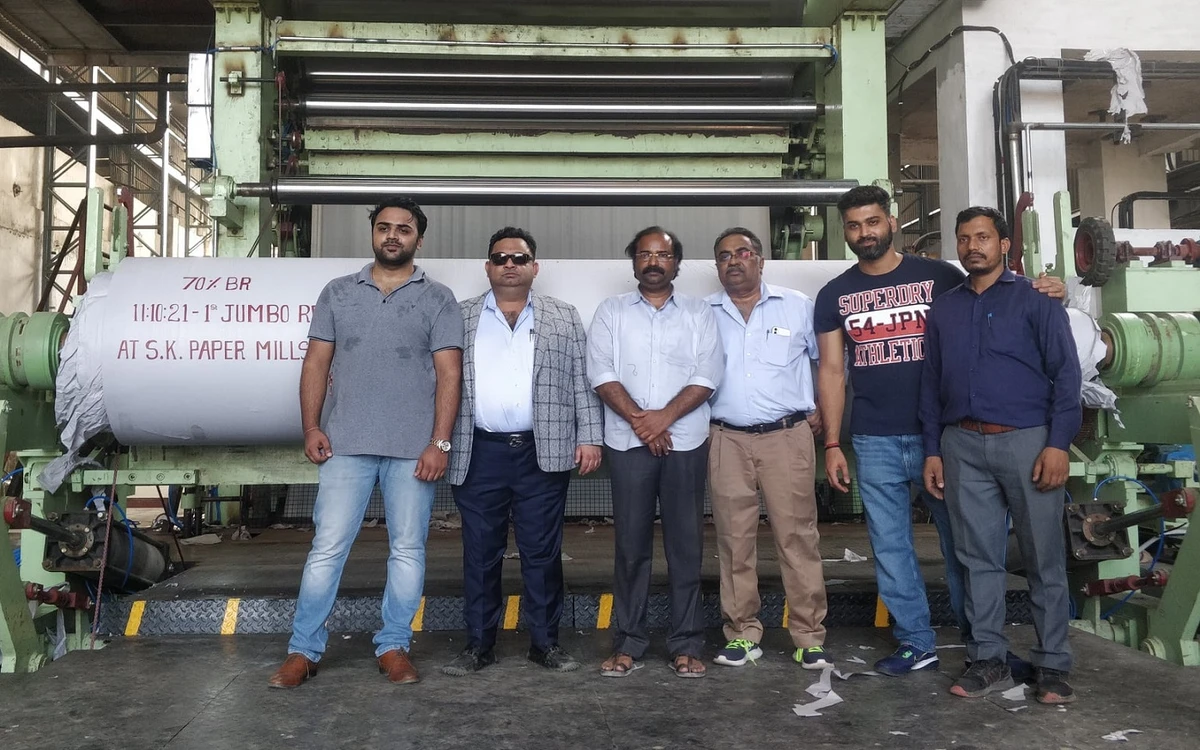
Muzaffarnagar gets a new capacity of Tissue Paper and MG Poster paper

“The integration of digitalization, automation, and Artificial Intelligence (AI) is no longer a futuristic concept—it is the baseline for competitiveness in 2036” - Vinit Garg, Director, Vizen Solutions
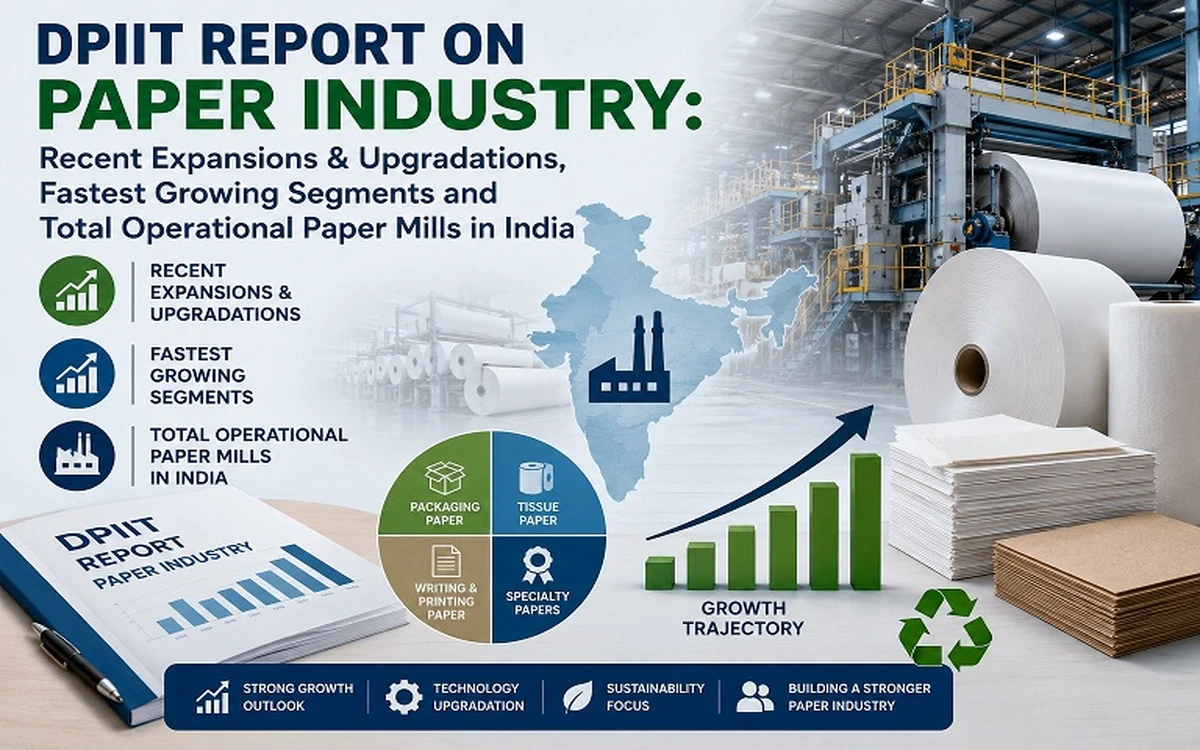
DPIIT Report on the Paper Industry: Recent Expansions & Upgrades, Fastest-Growing Segments, and Total Operational Paper Mills in India
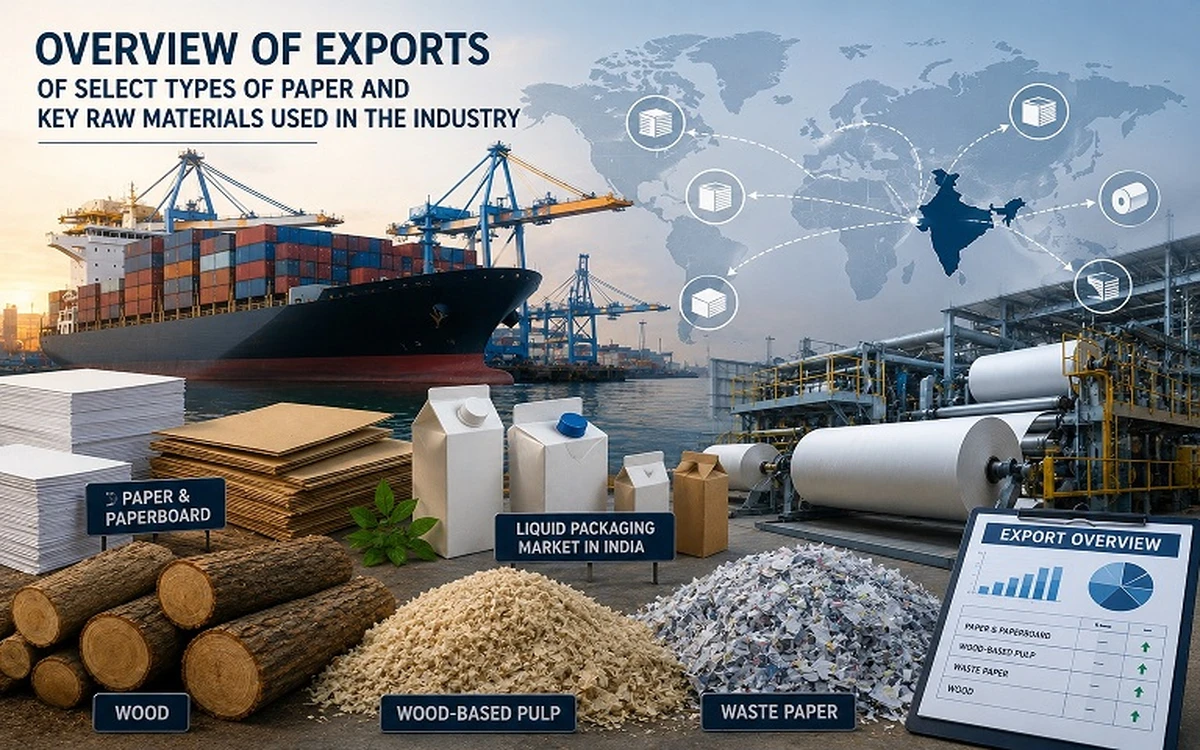
Overview of exports of select type of paper and key raw material used in the industry by Crisil Intelligence

Margin pressure pushes Pulp & Paper Packaging sector toward AI-Driven cost optimization, Cutting costs by 8–20%
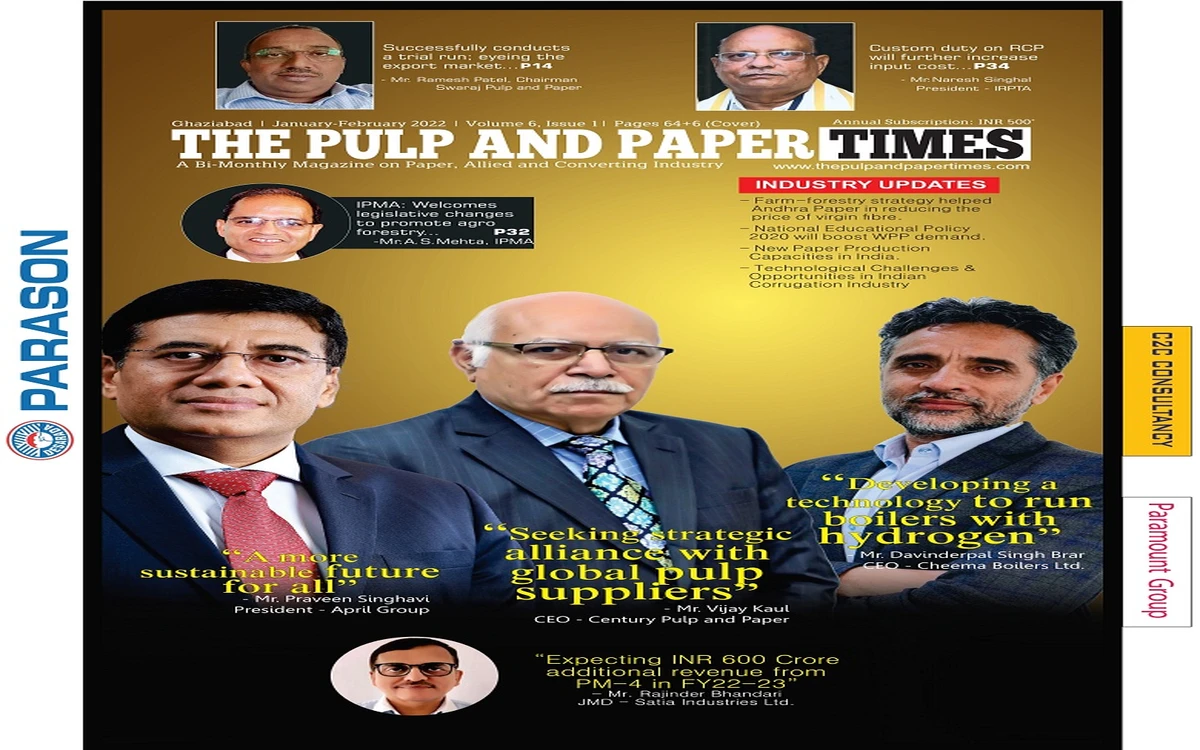
The Pulp and Paper Times Magazine : Volume 6, Issue 1

The Pulp and Paper Times Magazine : Volume 5, Issue 6
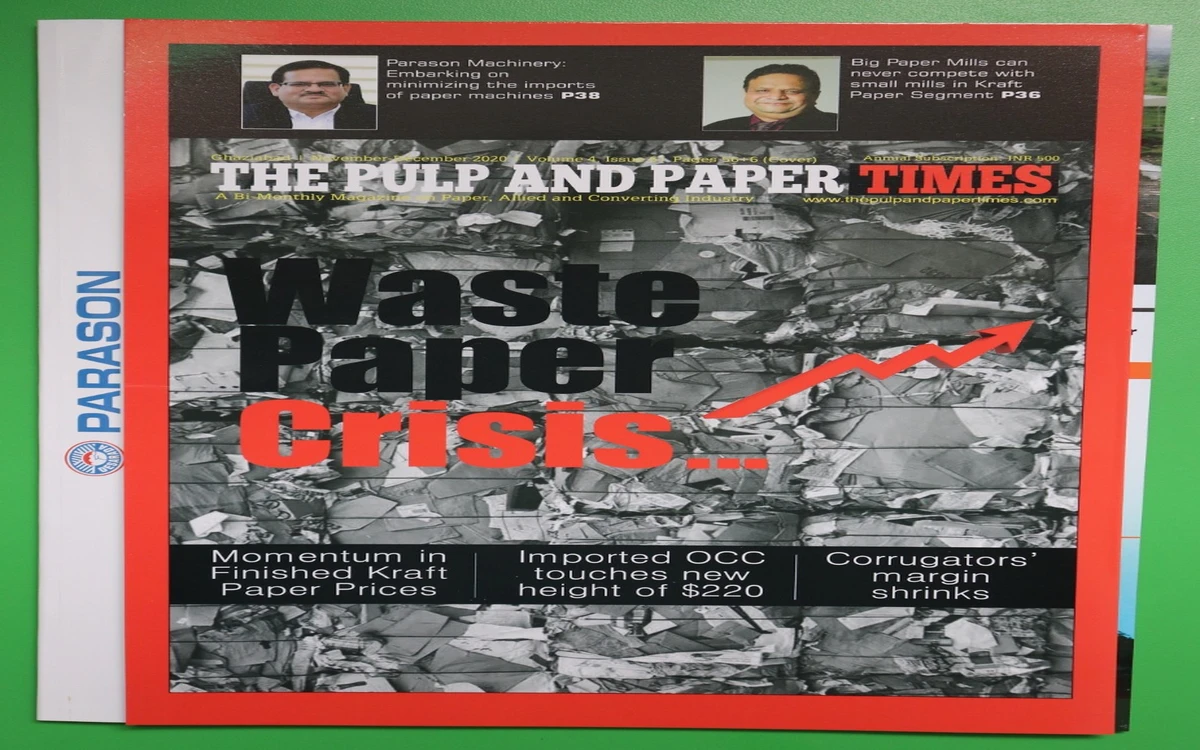
The Pulp and Paper Times: Volume 4, Issue 6
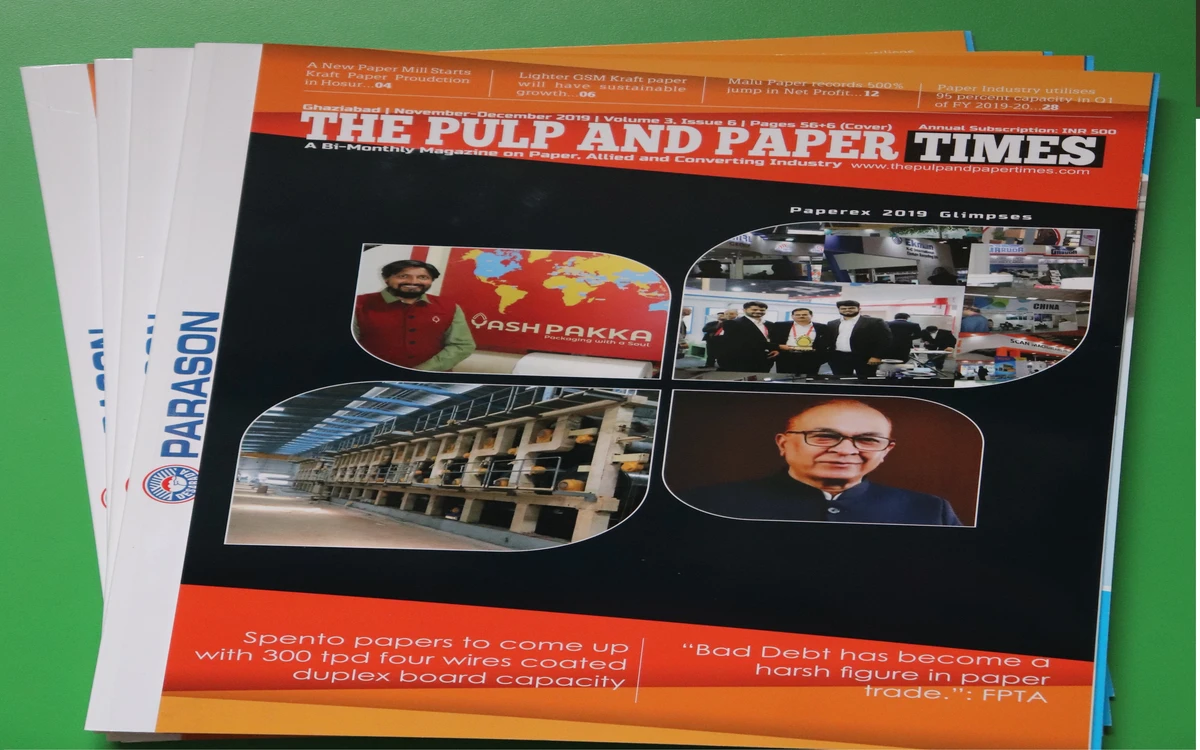
The Pulp and Paper Times : Volume 3, Issue 6
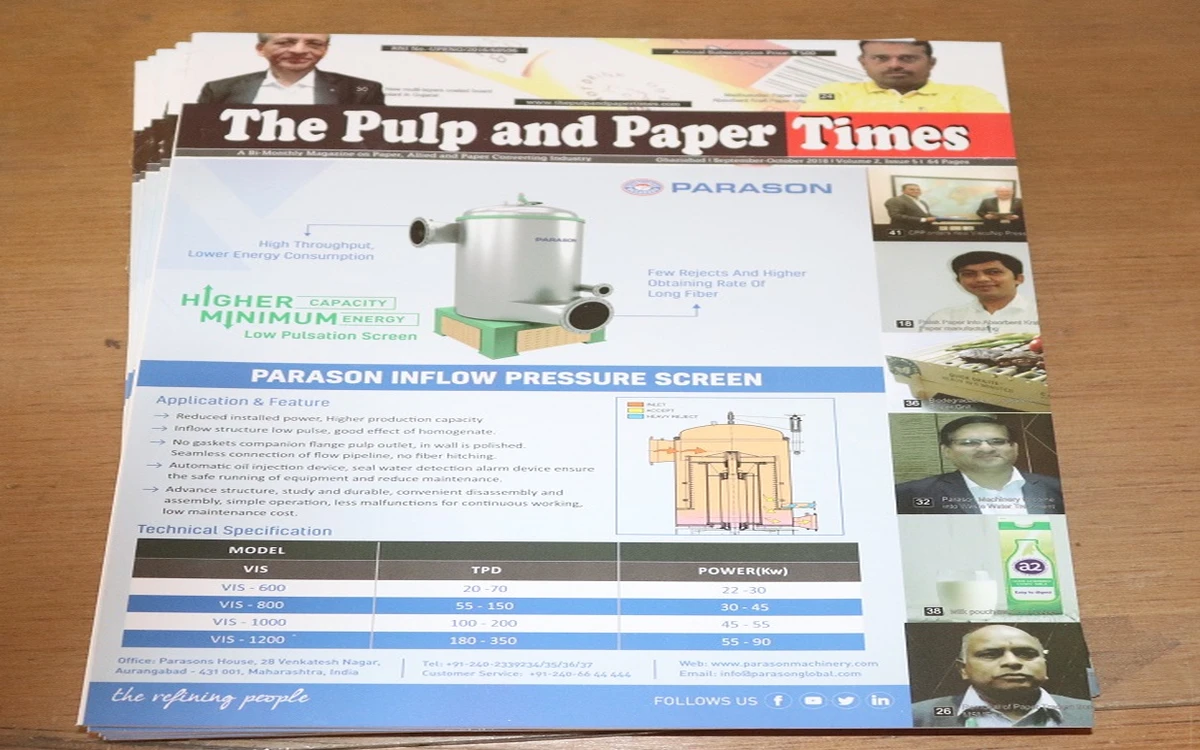
The Pulp and Paper Times: Volume 2 Issue 5

The Pulp and Paper Times, Volume 1, Issue 3
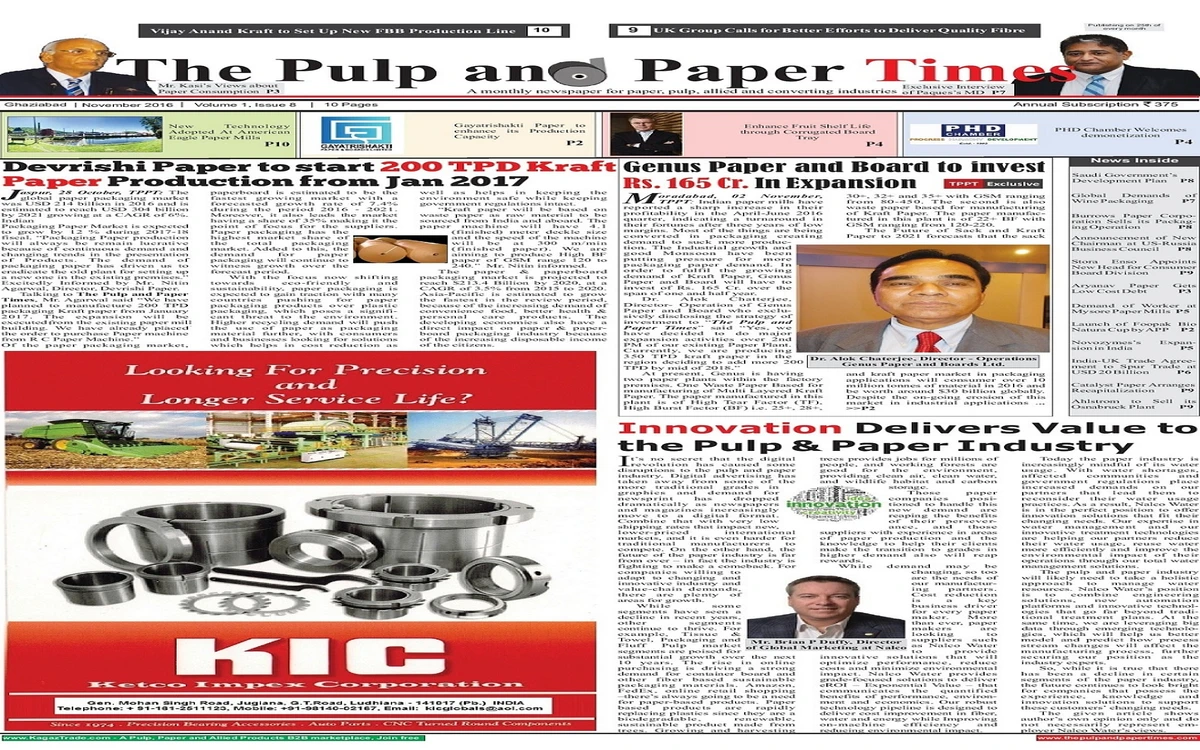
The Pulp and Paper Times, November 2016 Issue

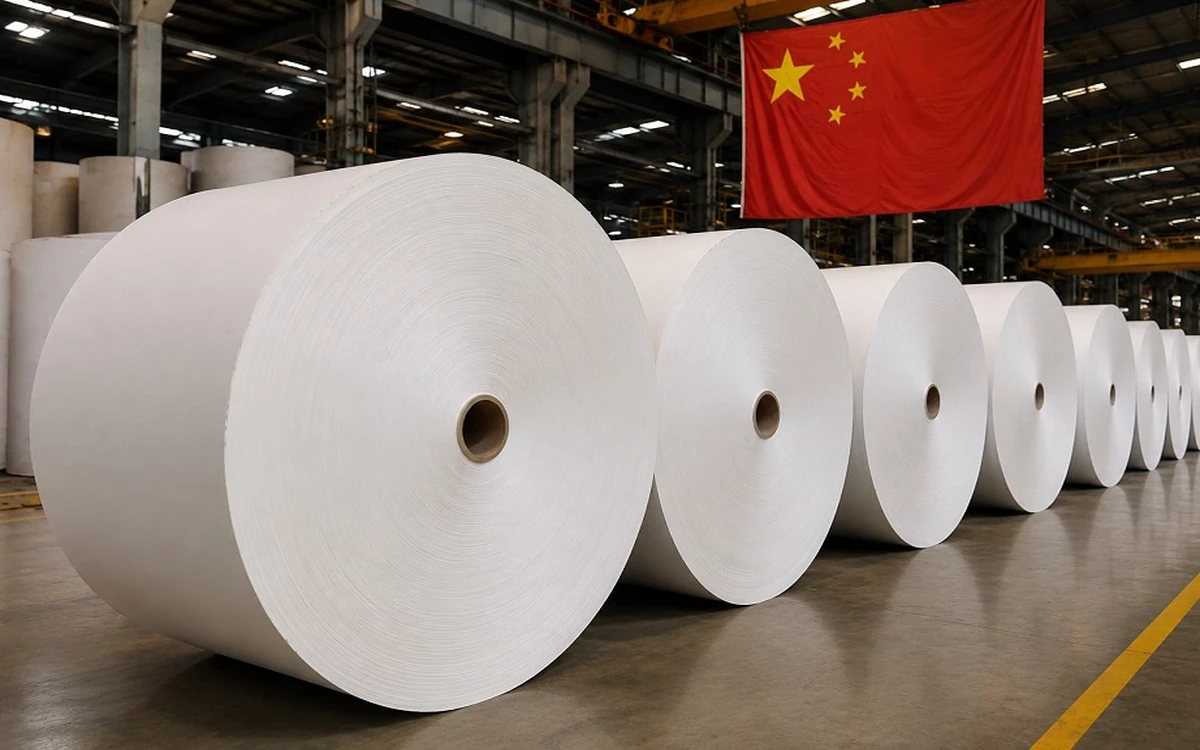
India Considers Anti-Subsidy Probe into Multi-Layer Paperboard Imports from China, Indonesia
- The product under consideration in the present investigation is "Multi-Layer Paperboard made of at least 51% white / virgin wood pulp, whether coated or uncoated"
The Pulp and Paper Times
India’s commerce ministry has launched an anti-subsidy investigation into imports of multi-layer paperboard from China and Indonesia, signalling a closer scrutiny of trade practices in the sector. The move follows concerns from domestic manufacturers over alleged subsidised imports impacting local industry competitiveness.
According to the notification issued by Ministry of Commerce & Industry Department of Commerce Director General of Trade Remedies on 20th March 2026, Indian Paper Manufacturers Association has alleged that the producers/exporters of the multi-layer paperboard from China and Indonesia have benefited from the actionable subsidies provided at various levels by the Governments of the subject countries, including the Governments of different provinces and municipalities in which producers/exporters are located, and other 'Public Bodies'.

The product under consideration in the present investigation is "Multi-Layer Paperboard made of at least 51% white / virgin wood pulp, whether coated or uncoated". The product under consideration includes Folding Box Board (FBB), Solid Bleached Sulphate Board (SBS), Cup Stock Paper or Board and Liquid Packaging Board, all in the range of 140 to 450 GSM. For the purpose of the present investigation, the scope of the product under consideration excludes the following:
i. Paperboards made out of more than 49% recycled/brown pulp or fibre per-se.
ii.Coated/uncoated cigarette boards
iii.Two side coated artboard when imported for printing purposes.
iv.Four and more layered paperboard, either coated, uncoated or laminated with plastic material, aluminium, or other metal for liquid packaging material.

Multi-layer paperboard is majorly used in the packaging sector for pharmaceuticals, FMCG products, food & beverages, electronics and high end cosmetics. The subject goods are also used for printing of brochures, as book covers and in publishing industry. Multi-layer Paperboard (cup stock) is also used to manufacture disposable cups.
India has emerged as a significant market for paper and paperboard imports in recent years, driven by rising demand from the packaging, e-commerce, and consumer goods sectors. Data from UN COMTRADE shows that India imported paper and paperboard products worth approximately USD 857 million from China in 2024, underscoring the scale of trade exposure.

The subject goods are classified under Chapter 48, Schedule I to the Customs Tariff Act, 1975 under the headings 4805 and 4810. The product under consideration is classified under HS codes 4805 91 00, 4805 92 00, 4805 93 00, 4810 92 00, 4810 99 00. However, it is also imported under multiple HS codes including 4802 2090, 4802 5790, 4804 1900, 4804 3900, 4804 4200, 4804 5200, 4804 5900, 4805 1900, 4810 1320, 4810 1330, 4810 1390, 4810 1430, 4810 1490, 4810 1910, 4810 1920, 4810 1990, 4810 2200, 4810 2900, 4810 3100, 4810 3200. 4810 3990, 4811 5110, 4811 5190, 4811 5910, 4811 5990, 4811 9099, 4819 1010, 4819 1090 and 4819 2090. The Customs classification is only indicative and not binding on the scope of the product under consideration.
BASIS OF ALLEGED SUBSIDISATION
The applicant has alleged that the Government of China PR and the Government of Indonesia maintains various countervailable subsidy programs. The domestic industry has submitted that there is sufficient evidence showing that the exporters of the subject goods have received subsidies in the form of grants, loans, guarantees, taxes, export credits, goods and services, or equity infusions, which provide countervailable benefit. The information provided by the applicant shows sufficient prima facie evidence that the below mentioned programs constitute actionable subsidies as per the Agreement on Subsidies and Countervailing Measures and the Anti-Subsidy Rules, 1995.

The domestic industry has claimed that the volume of subject imports has increased in absolute terms and in relation to production and consumption in India at prices below the selling price and cost of sales of the domestic industry. The rate of increase in volume of imports has significantly exceeded the rate of increase in demand in the country. The domestic industry has further claimed that, due to imports of subsidised product under consideration into India, the market share of the Indian industry has declined while that of the subject imports has increased. The profitability of the domestic industry has declined and it has suffered losses, cash losses and has recorded a negative return on capital employed.


3 days ago
Total Views : 892
last week
Total Views : 819
last month
Total Views : 1944

2 months ago
Total Views : 514
2 months ago
Total Views : 1119
3 months ago
Total Views : 2791
4 months ago
Total Views : 1307
5 months ago
Total Views : 2443
5 months ago
Total Views : 3168

5 months ago
Total Views : 2123