Join Groups & Channels, No Spamming









Morbi paper mills see full-capacity operations as ceramic industry revives; Kraft paper exports to China spike, Prices strengthen; Janmashtami shutdown ahead
The BE and caustic soda plant marks a key milestone for Mohit Paper Mills, enabling full utilization of installed capacity and enhancing overall production efficiency
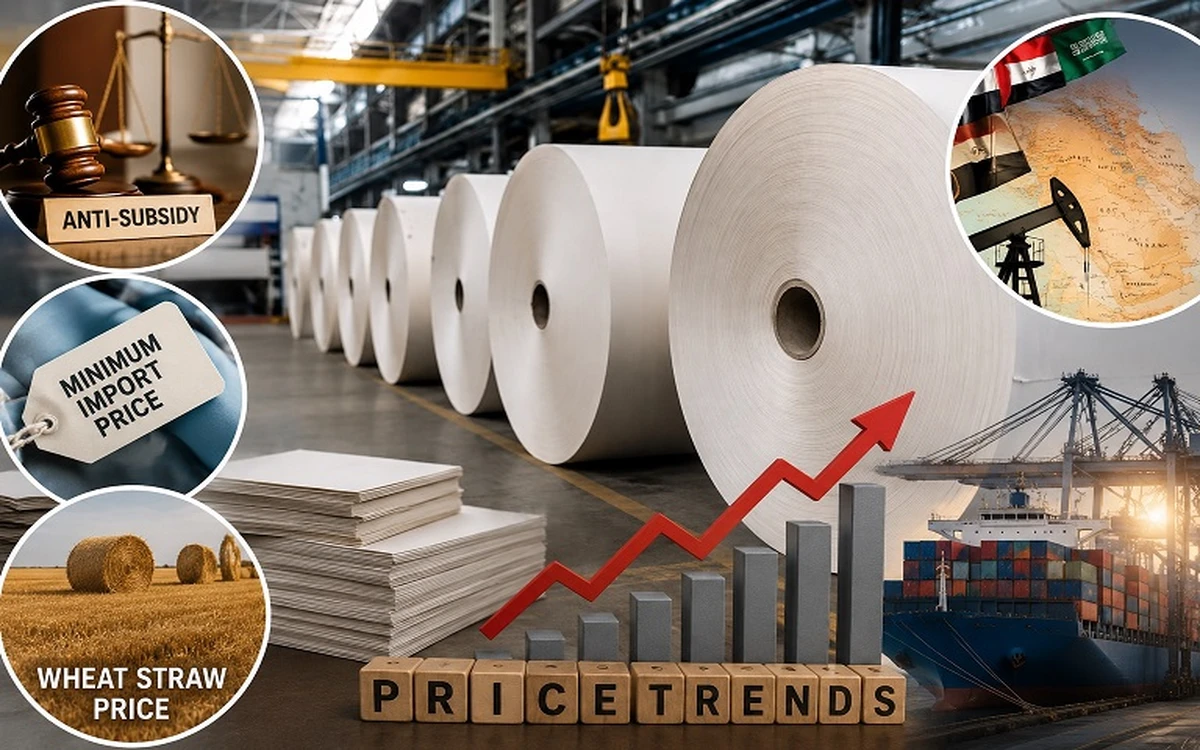
Expert Views on the paper market scenario, How the West Asia Crisis Helped the Industry, MIP for WPP, Anti-Subsidy implementation, and paper price trends
Pudumjee Paper intends to develop new varieties addressing applications for stronger paper bags and cupcakes; Plans 68,000 MT Mahad Specialty Paper Facility within 5 years
India Paper Industry at an Inflection Point: War, Costs, and Capacity; Demand growth expected at 5–7% in FY26
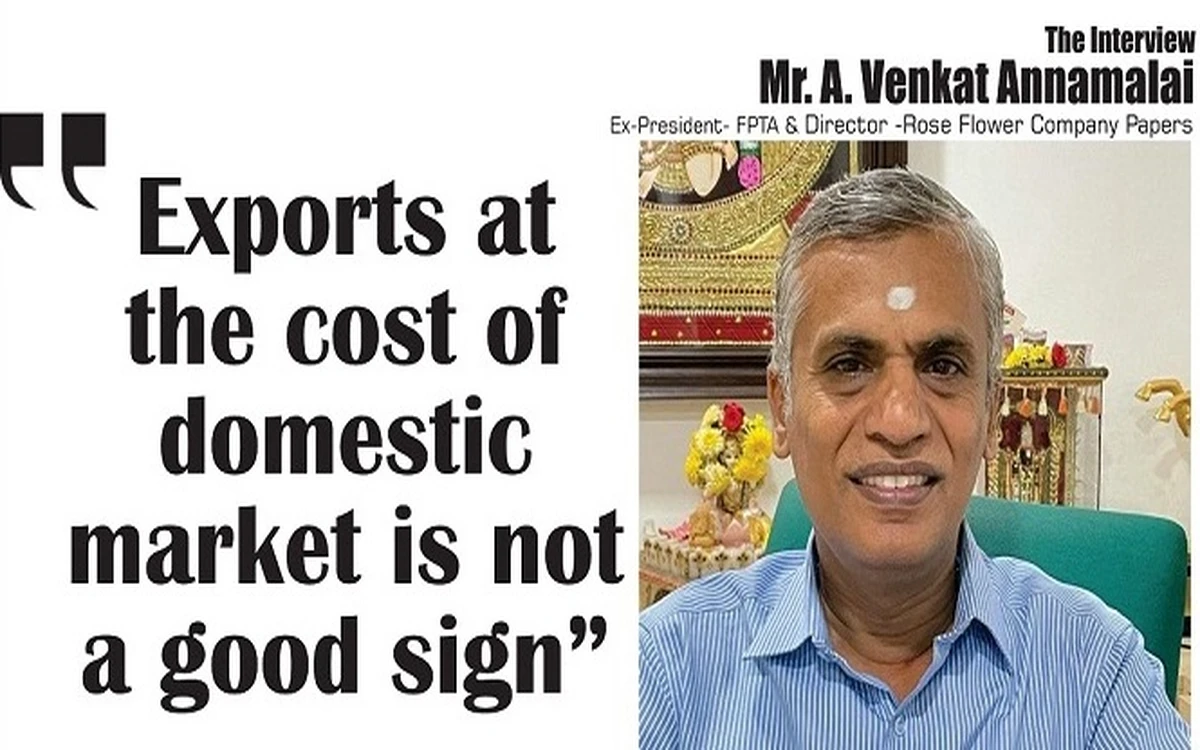
“Surging exports of paper will most certainly keep the domestic prices quite high”: Mr. A. Annamalai, Director – RFC
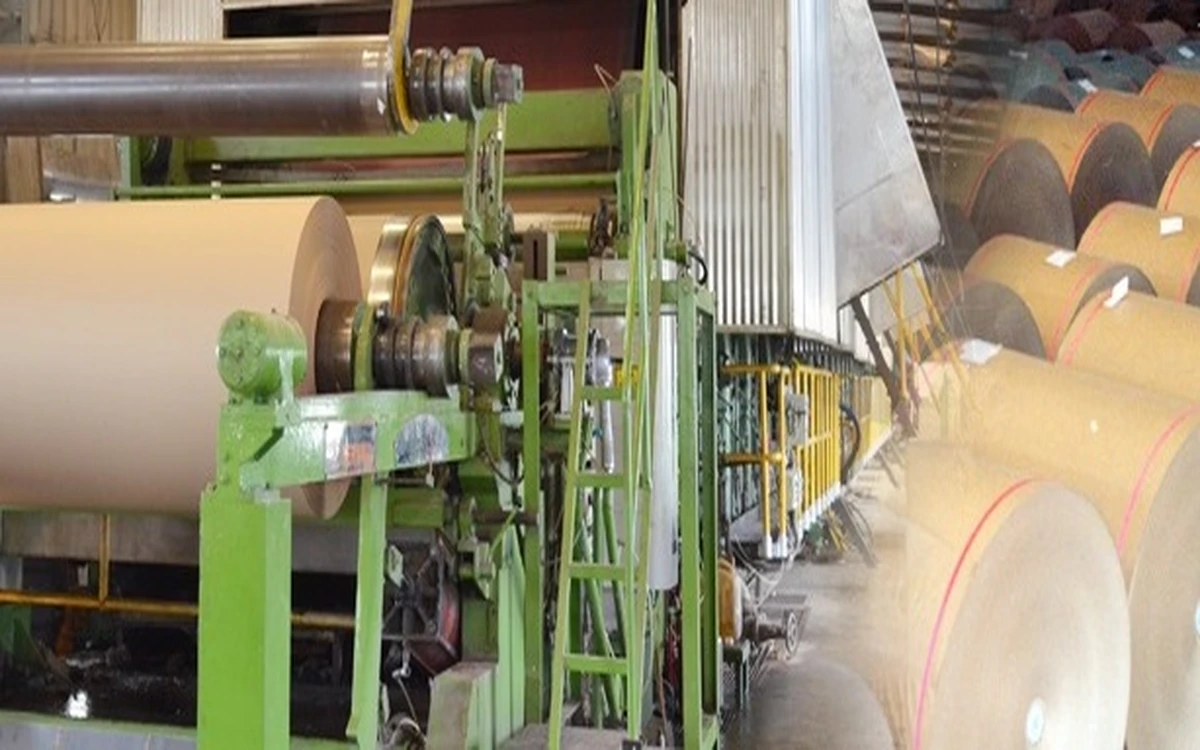
The Status of the Global Container board Industry, Recycled Paper Demand and Supply and its impact on the Indian Industry

Akshay Jain, director of Silverton Pulp & Paper, says it's time to promote agro residue as a raw material to lessen the scarcity of fibre
Advantageously located, a new paper mill is all set to roll kraft paper in Madhya Pradesh
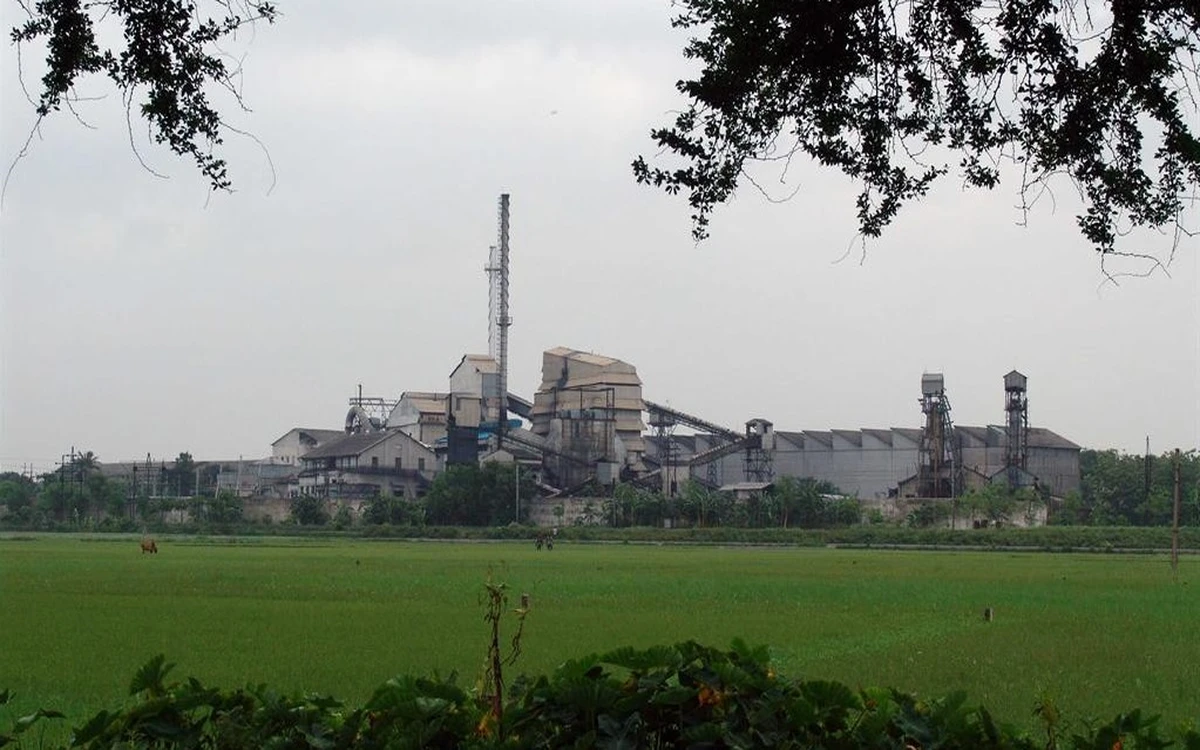
Several agile interventions helped ITC-PSPD fortify its clear leadership of the Value Added Paperboards (VAP) segment
Pakka Advances PM4 Development; flexC Base Paper Trials Underway in Europe, with a Distributor Soft Launch Expected
Paper and Packaging Board Market May Face Cost Pressures Through March 2027; FPTA Advises Traders
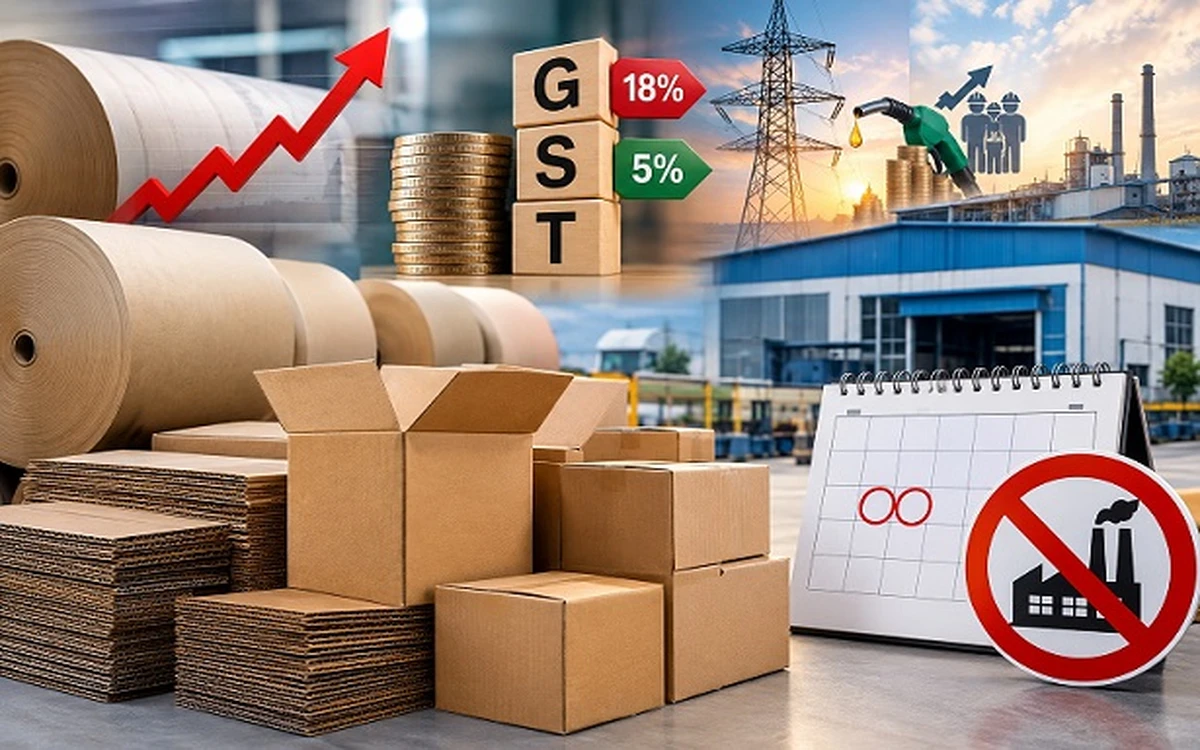
Overall Increase in Kraft Paper Prices Could Reach 35%; Industry Calls for 20% Box Price Increase, Voluntary Shutdown Proposed
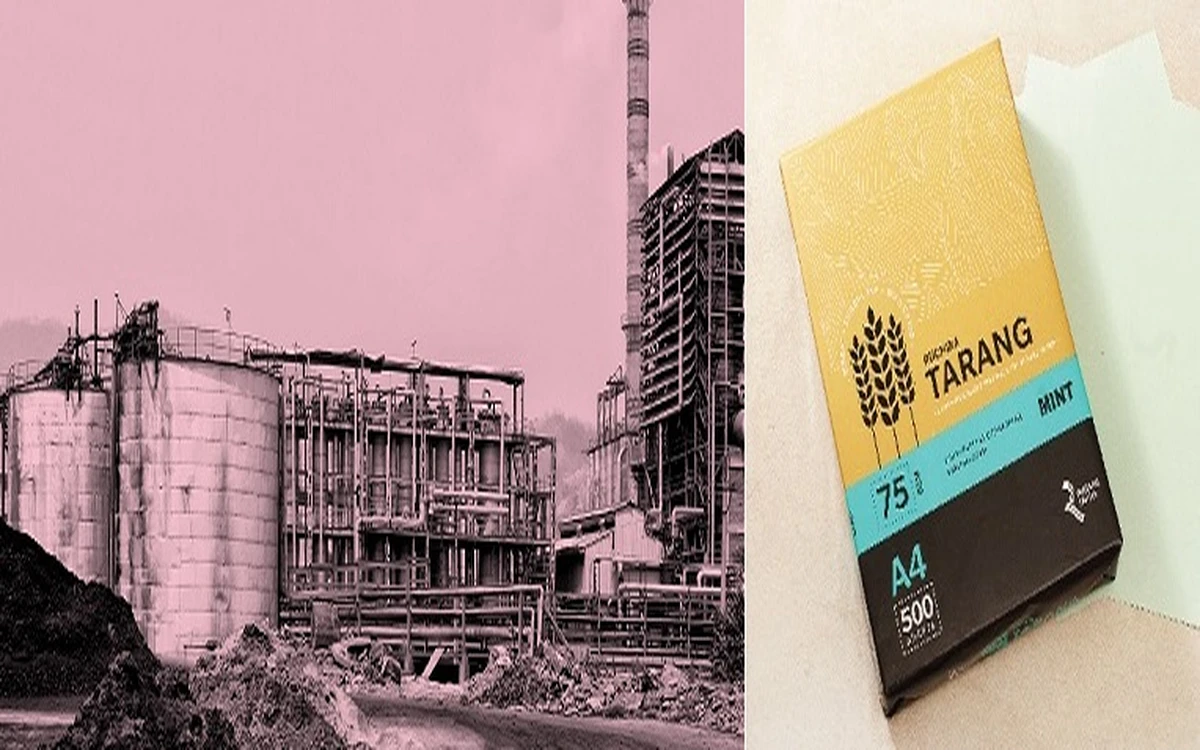
Ruchira Papers Invests a Sizeable Capex of Rs. 235–240 Crore Towards Writing & Printing Paper Capacity Expansion
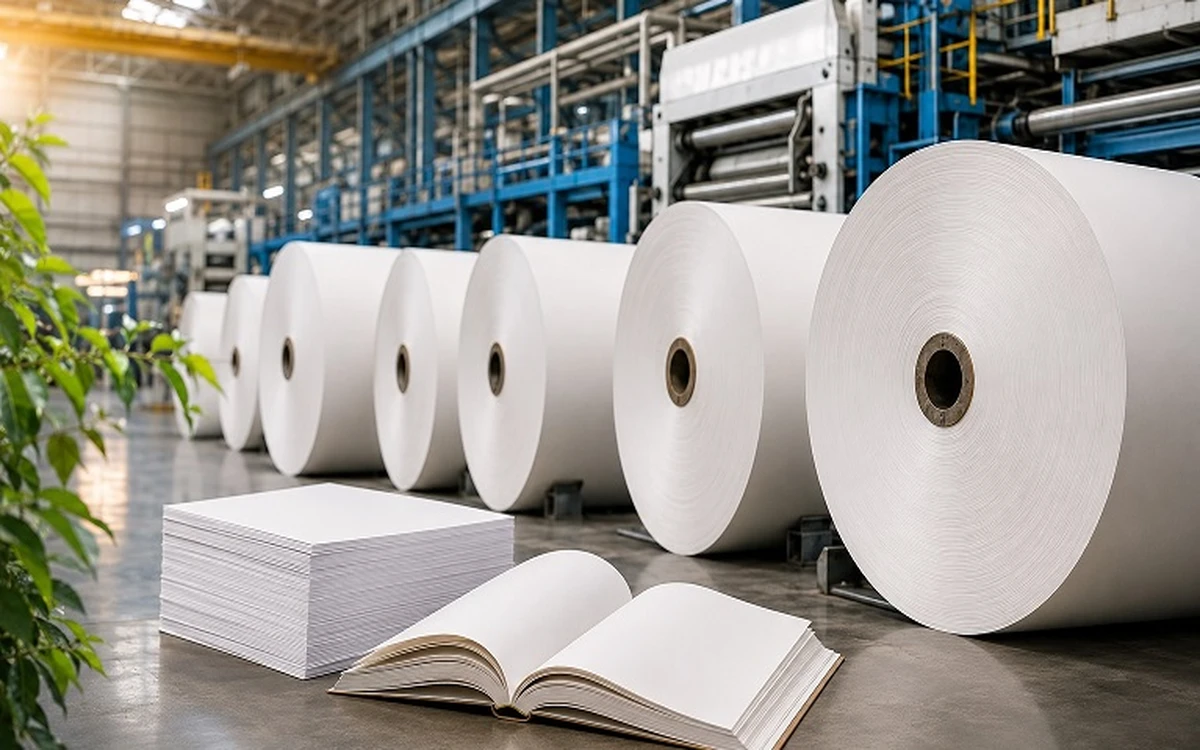
Paper mills inflated the basic ex-mill price of paper post GST 2.0, AINMA seeks action against Anti-Profiteering
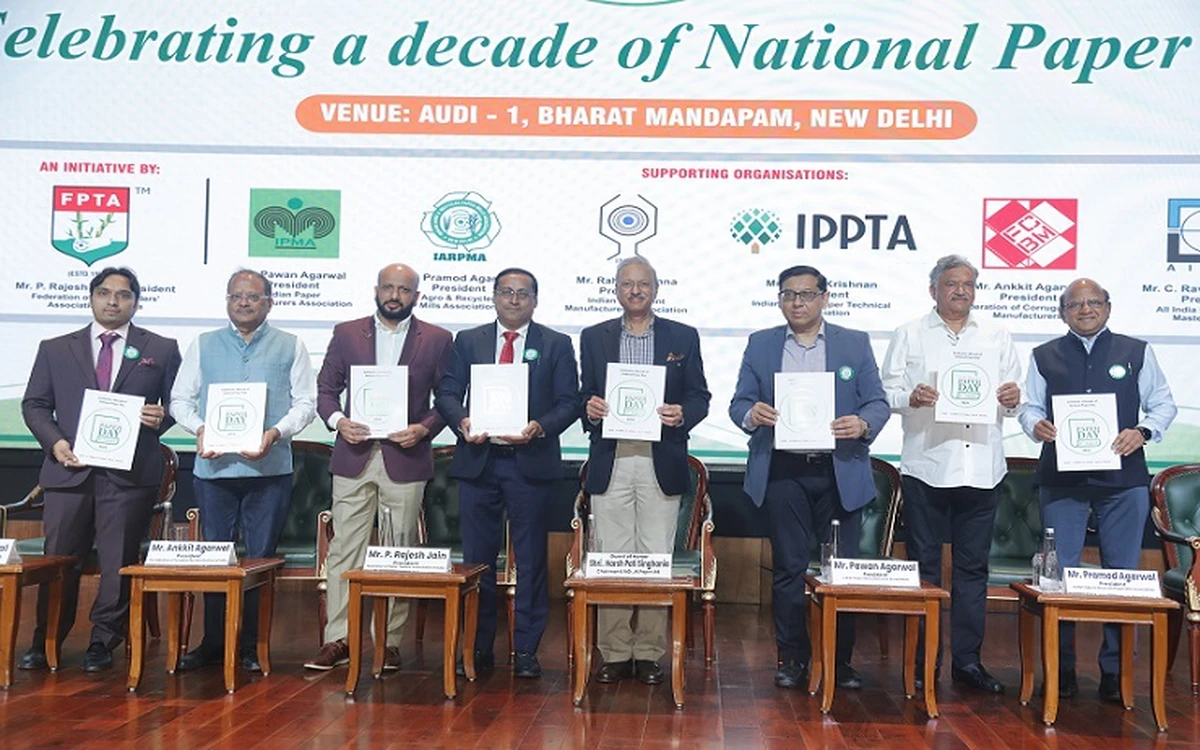
Seven Leading Associations Unite to Celebrate National Paper Day, Highlighting Paper's Sustainability and Circular Economy Advantage
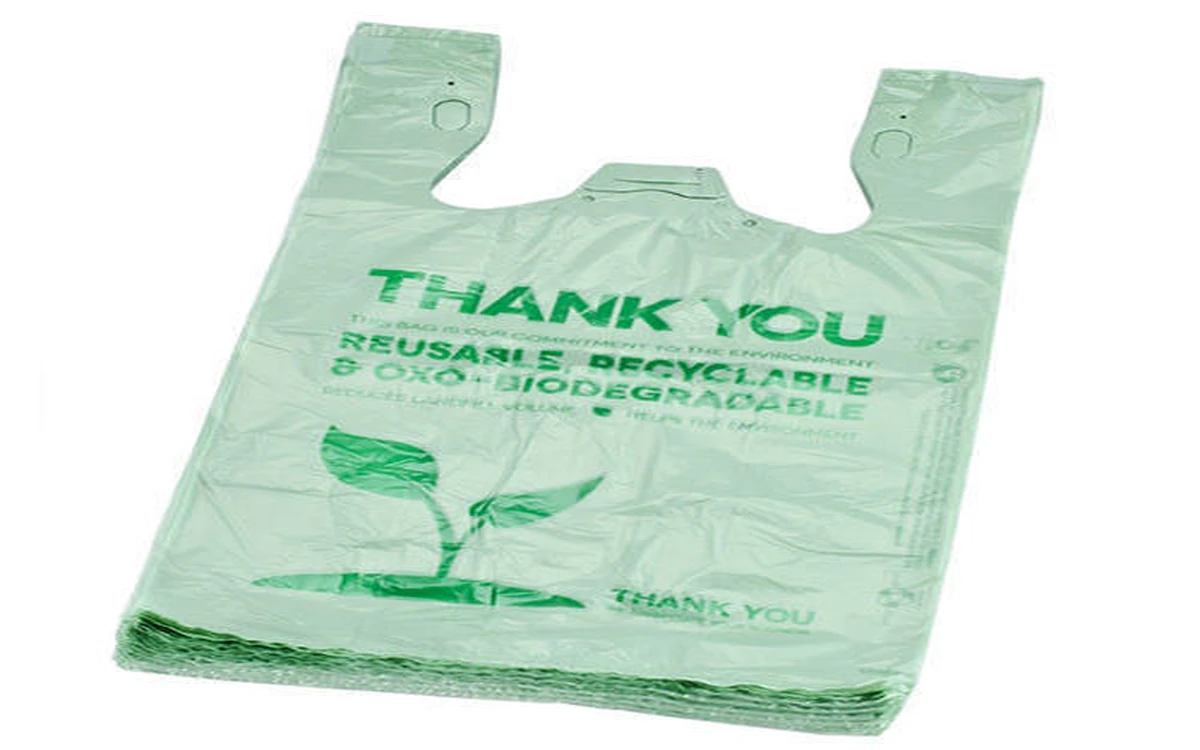
Scientists from IIT-Guwahati develop India's first biodegradable plastic

Navneet Education focuses on brand building, curriculum-led growth, and export recovery; expects stationery margins to improve in FY27

It is estimated that USD10B to USD20B worth of single-use plastic packaging will convert to molded fiber, ZUME
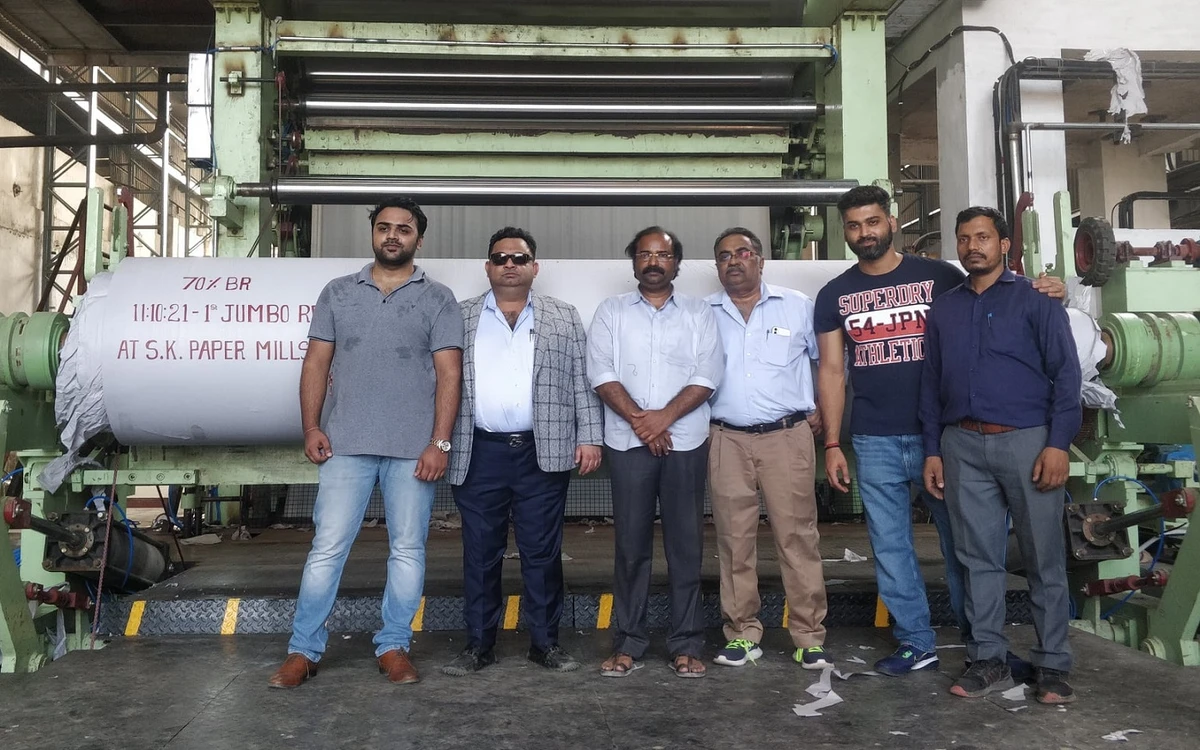
Muzaffarnagar gets a new capacity of Tissue Paper and MG Poster paper
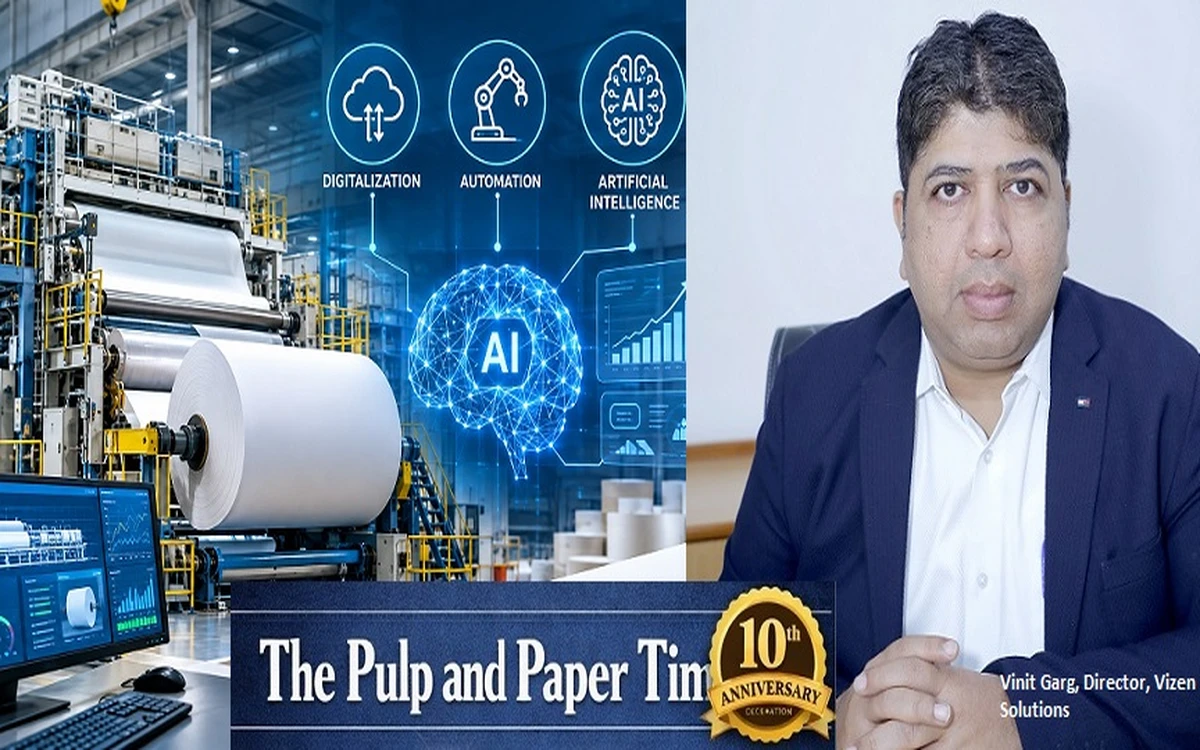
“The integration of digitalization, automation, and Artificial Intelligence (AI) is no longer a futuristic concept—it is the baseline for competitiveness in 2036” - Vinit Garg, Director, Vizen Solutions
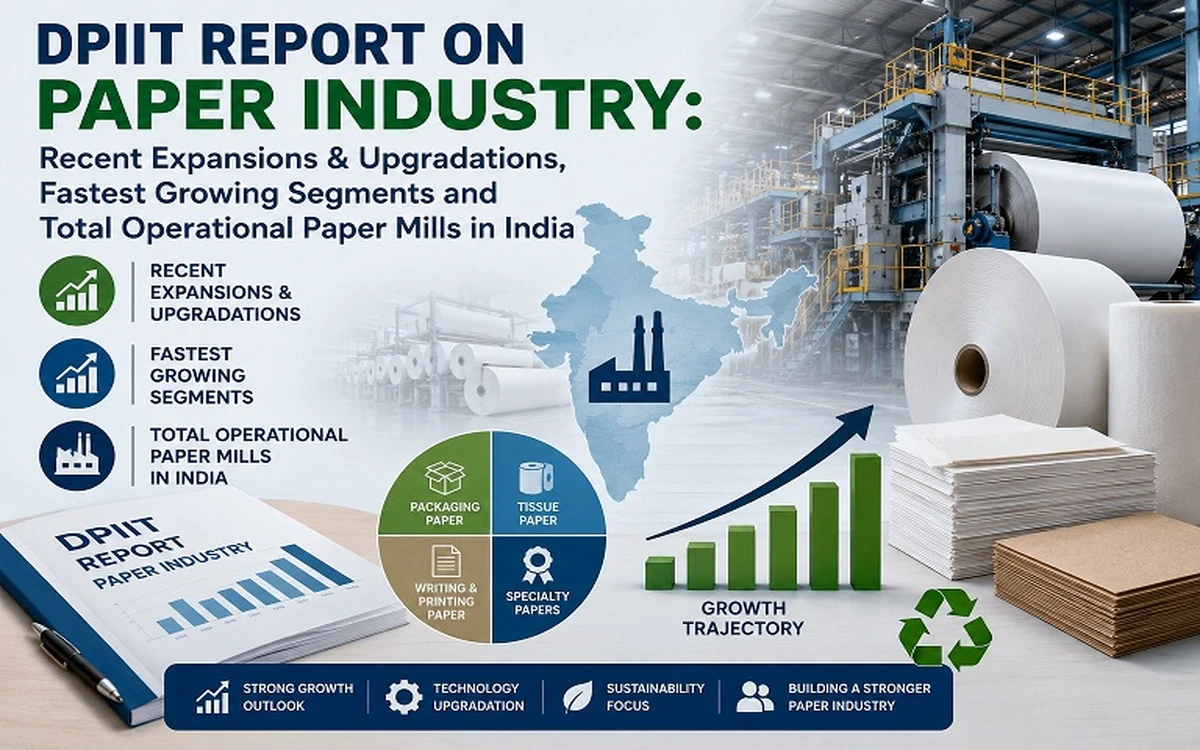
DPIIT Report on the Paper Industry: Recent Expansions & Upgrades, Fastest-Growing Segments, and Total Operational Paper Mills in India
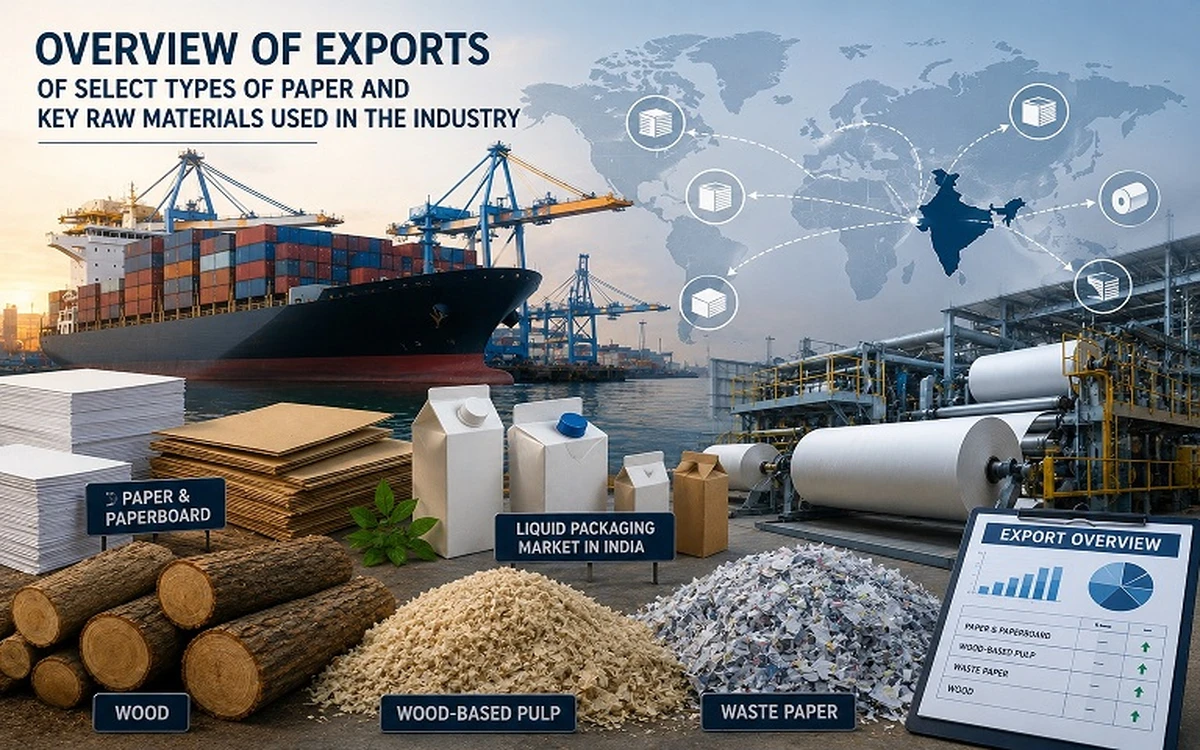
Overview of exports of select type of paper and key raw material used in the industry by Crisil Intelligence

Margin pressure pushes Pulp & Paper Packaging sector toward AI-Driven cost optimization, Cutting costs by 8–20%
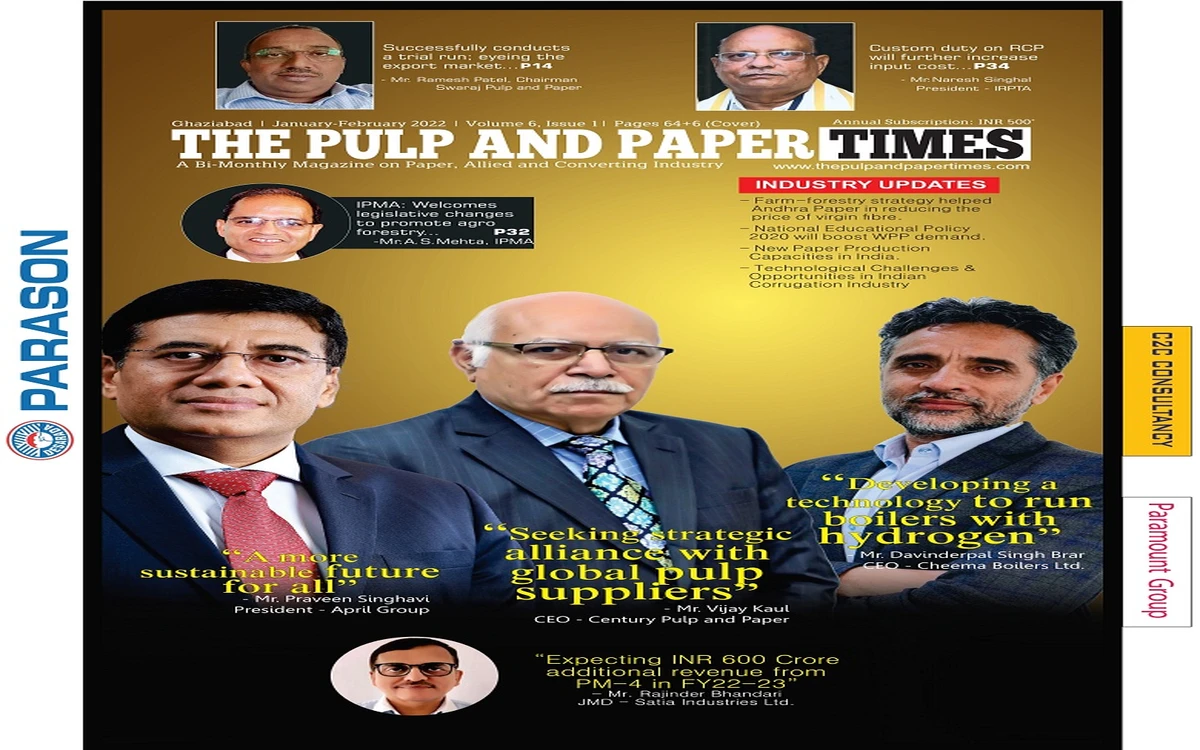
The Pulp and Paper Times Magazine : Volume 6, Issue 1

The Pulp and Paper Times Magazine : Volume 5, Issue 6
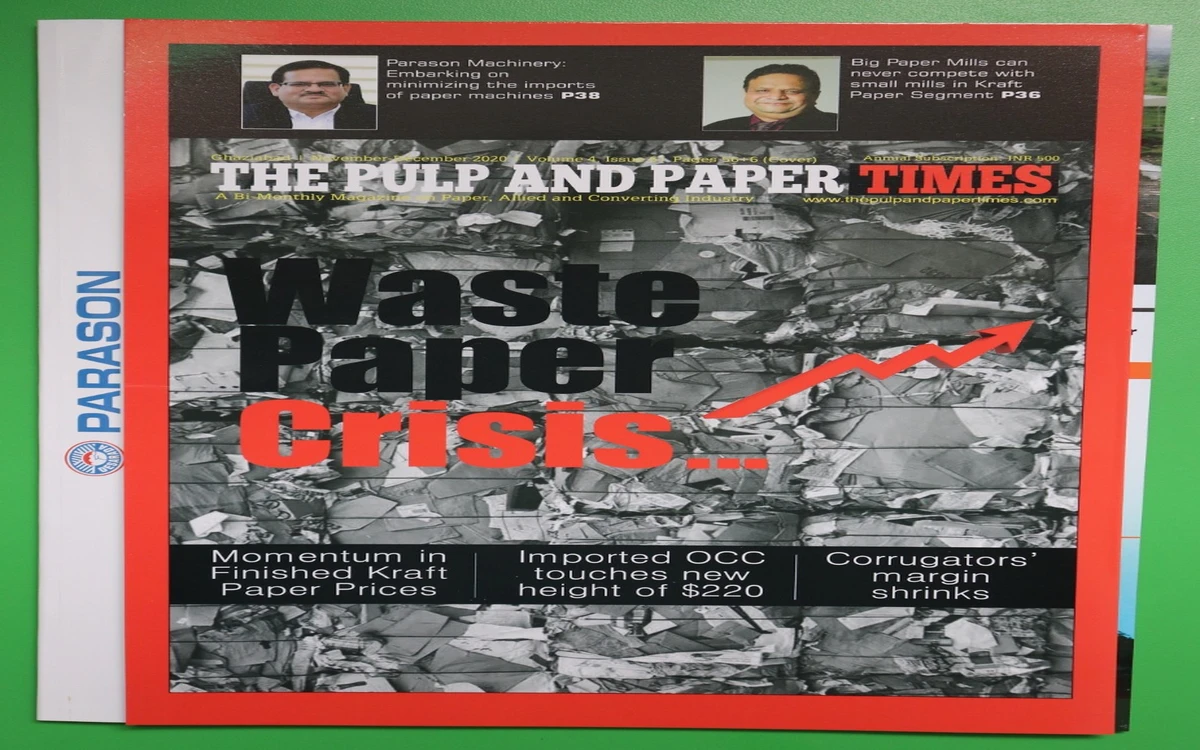
The Pulp and Paper Times: Volume 4, Issue 6
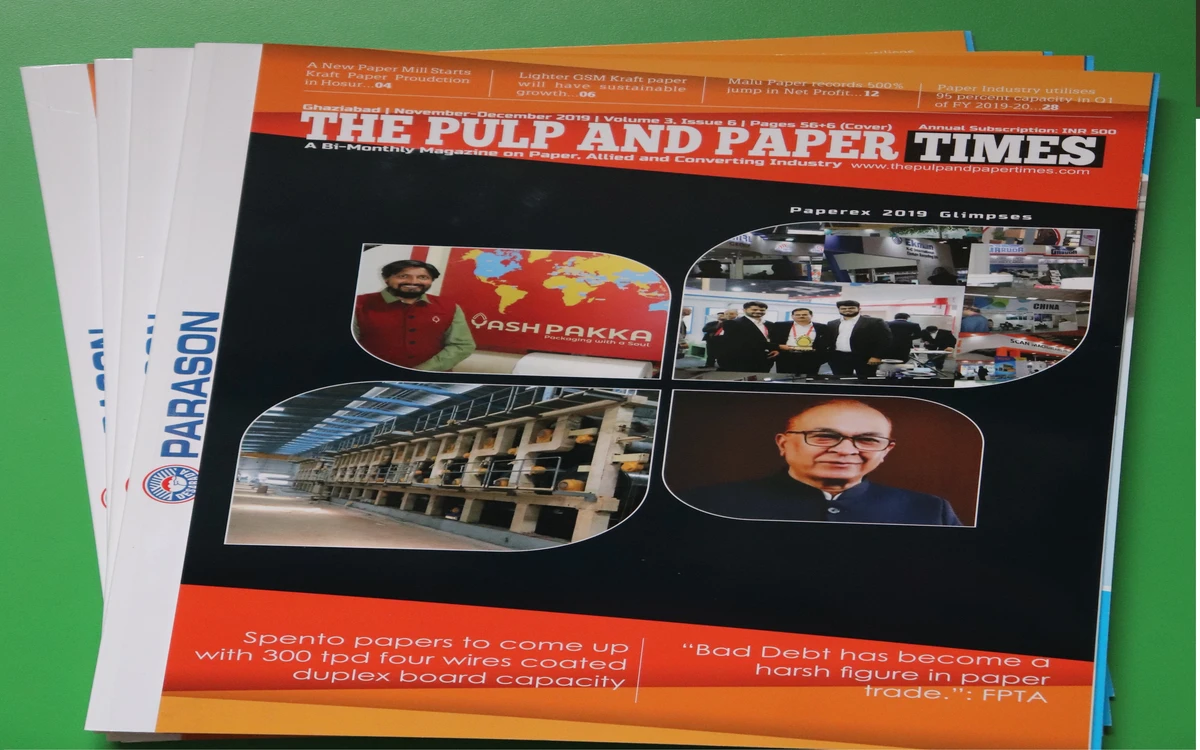
The Pulp and Paper Times : Volume 3, Issue 6
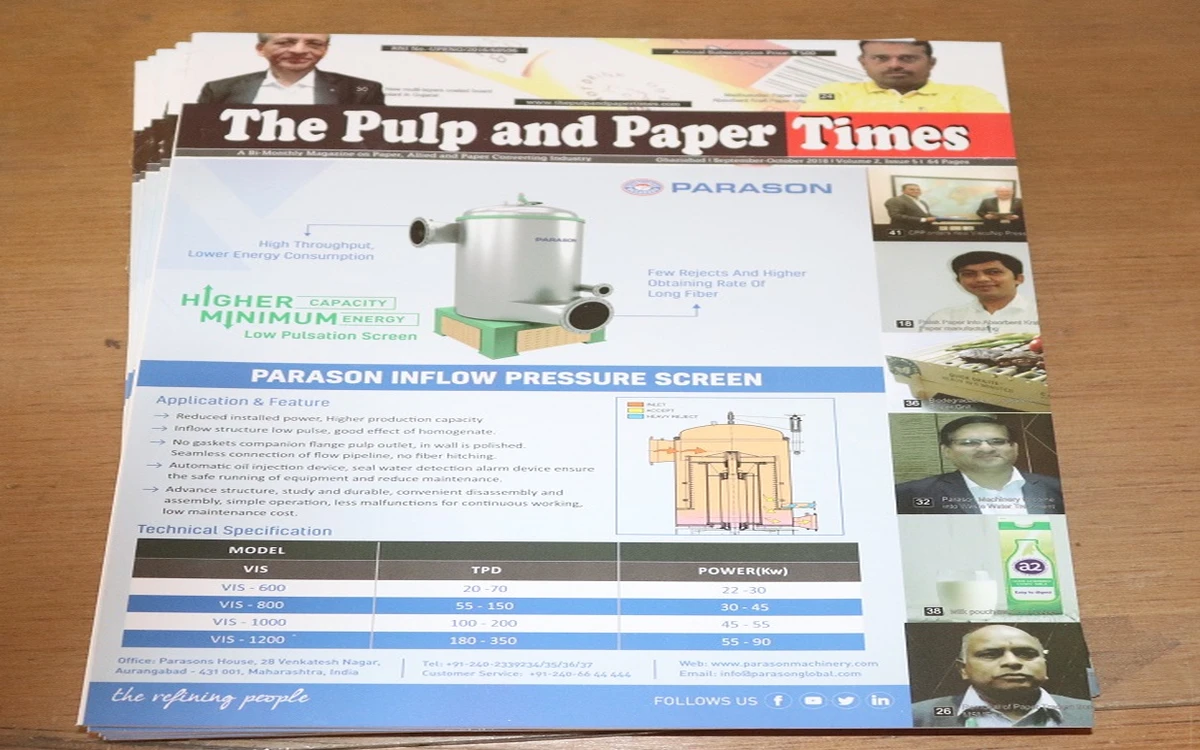
The Pulp and Paper Times: Volume 2 Issue 5
The Pulp and Paper Times, Volume 1, Issue 3
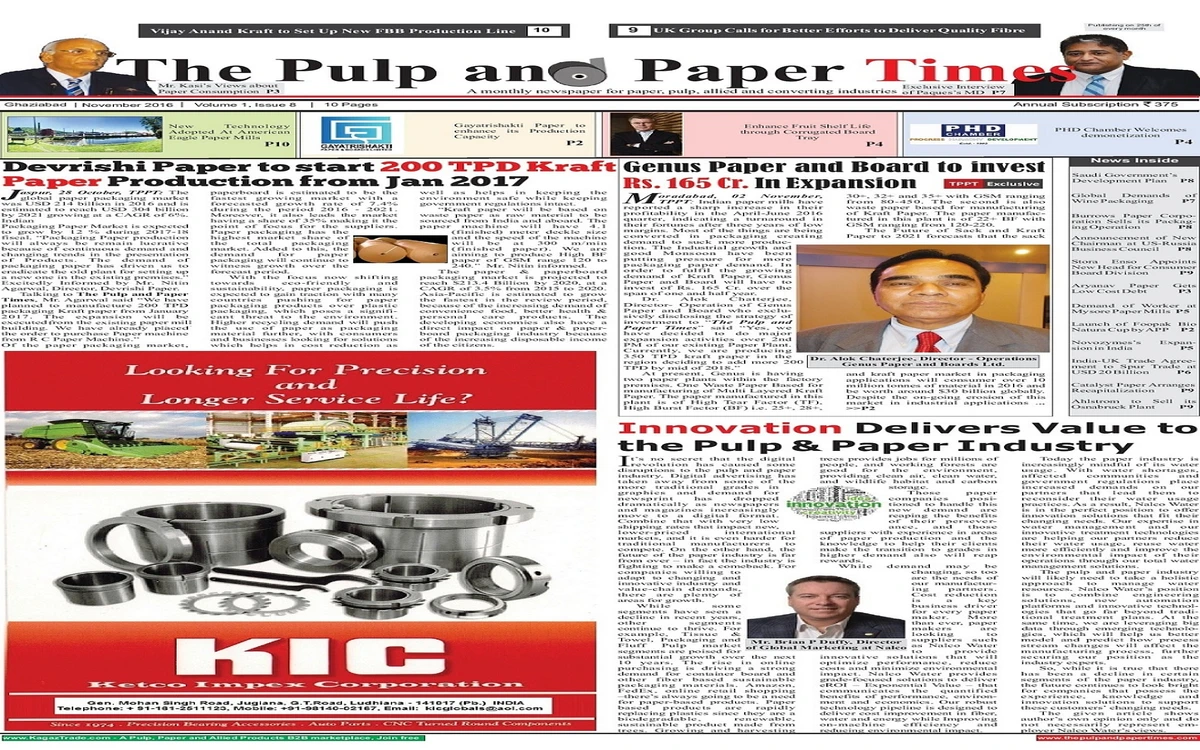
The Pulp and Paper Times, November 2016 Issue
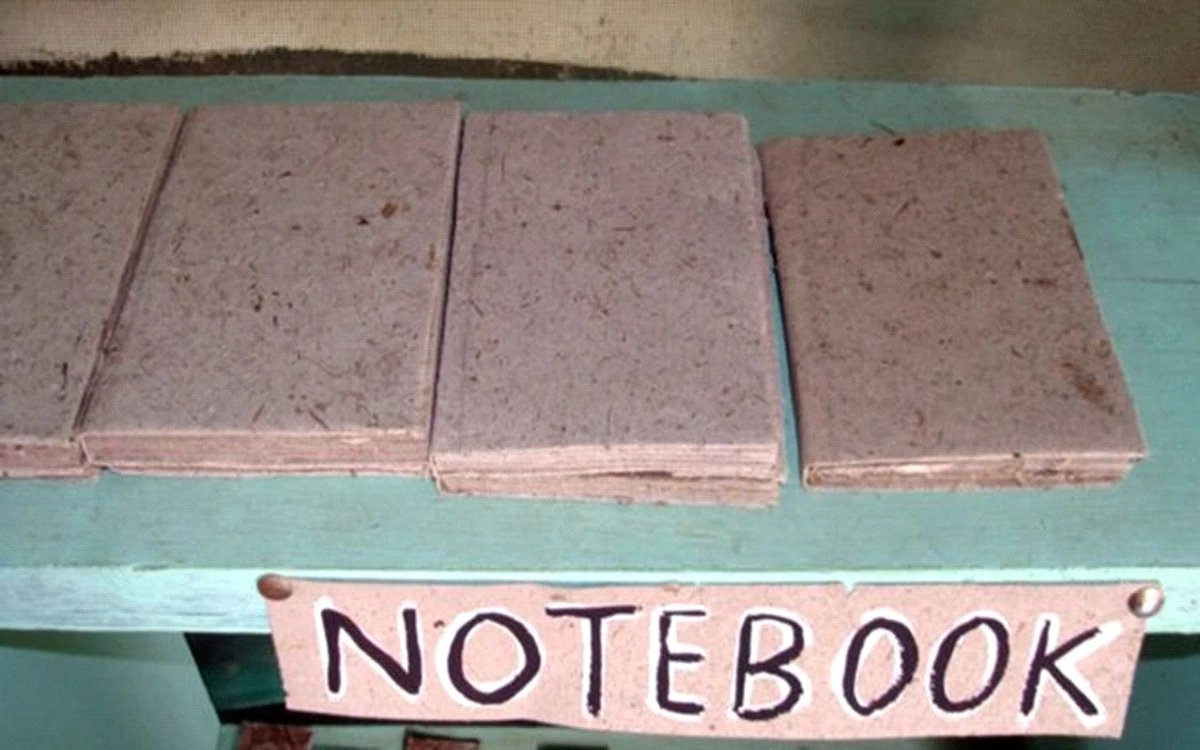
While elephant poachers are only interested in the animals' tusks, for Kenyan entrepreneur John Matano it is all about what comes out of the other end of the world's largest land mammal.
This is because the 58-year-old collects elephant dung that he turns into high quality paper. And for a continuing supply of dung, he very much wants Kenya's elephants to remain alive and well. While some people might be a bit sniffy about the thought of elephant droppings being turned into paper, it is in fact a small but growing industry in the East African country, with 17 firms now involved, according to official government figures.
"If you ask me 'is paper from elephant dung of reasonable quality?', the answer is a big yes," says Mr Matano, whose business Nampath Paper employs 42 people, and makes an annual profit of 2.3m Kenyan shillings ($23,000; £15,700).
Elephant corridor
Kenya's elephant dung paper industry is centred on the Mwaluganje Elephant Sanctuary, a community-owned 36 sq km (14 sq mile) conservation area for elephants, 28 miles (45km) south west of the coastal city of Mombasa. Making the paper started as a pilot project in 1994, before commercialisation began a decade later when local farmers such as Mr Matano set up their own paper-making businesses. The sanctuary itself was established in 1993 both to help elephants, but also to assist 200 or so local farmers. The farmers had for generations had to put up with elephants from the nearby government-owned Shimba Hills National Reserve walking into their farmlands and eating or destroying crops. This resulted in serious and sometimes deadly conflicts between humans and elephants. So the Mwaluganje Elephant Sanctuary was established adjacent to the national reserve, with financial assistance and support from the United States Agency for International Development, and UK animal charity Born Free Foundation.
The idea was that the surrounding farmers would receive a share of the tourism revenues from the sanctuary to make up for any crops that are destroyed by elephants. The farmers also ceded part of their lands to create a migratory elephant corridor between the Shimba Hills National Reserve, and the Tsavo West and Tsavo East national parks some 100km to the west. In addition, the sanctuary aimed to encourage farmers to explore additional income strands, such as bee keeping, and selling elephant dung for turning into paper, or making the paper themselves.
Saving trees
Mr Matano says that making paper from elephant dung "is not complicated at all, it is an easy affair". The faeces, which is full of grass and other plant fibre that has been broken down by the elephant's digestive system, is first thoroughly washed.
"After washing, clean fibres remain," says Mr Matano. "Then the fibre is boiled for four hours in a vat to thoroughly ensure it is clean.
"Then after that, much of the process is similar to that of making regular paper [from wood pulp]."
Mr Matano adds: "An average elephant eats 250kg of food each day. Out of that amount about 50kg of dung is produced, and 125 sheets of [A4] paper can be produced from each 50kg." He says that both the price and quality is similar to standard paper, but with the added benefit of reducing deforestation.
"It is saving the indigenous tree populations of nearby forests from being destroyed," says Mr Matano, who now has shops in Mombasa and capital Nairobi.
"The business is very reliable, and has a promising future. It is important for poaching and illegal logging to go down to 0%." The Kenya Wildlife Service (KWS), a government agency, says that the elephant dung paper industry is indeed helping both Kenya's remaining 7,000 elephants and to reduce illegal logging.
"Lots of the paper products from elephant dung have been provided to us here at KWS," says Paul Gathitu, spokesman for the organisation.
"It is a good effort, it helps humans coexist with elephants."
'Doesn't stink'
Another Kenyan business making paper from elephant dung is established paper manufacturer Nairobi-based Transpaper Kenya. Image caption Jane Muihia says dung paper - which she is holding - is of the same quality as standard paper While most of its products are made from different types of indigenous tree species, 20% now come from elephant dung.
“Paper from elephant dung is equal in quality to regular paper. In price it is also almost the same," says Jane Muihia, of Transpaper Kenya.
"It does not stink as it goes through all the regular stages of manufacture."
She adds that her company produced 2,809 tonnes of paper from animal dung last year, and it expects that figure to triple by the end of this year. Back at the Mwaluganje Elephant Sanctuary its manager, Kafe Mwarimo, says that the elephant dung paper industry has so far helped more than 500 local people pull themselves out of poverty.And with 600 elephants regularly passing through, the raw material is not in short supply.
Sources: bbc.com