Join Groups & Channels, No Spamming









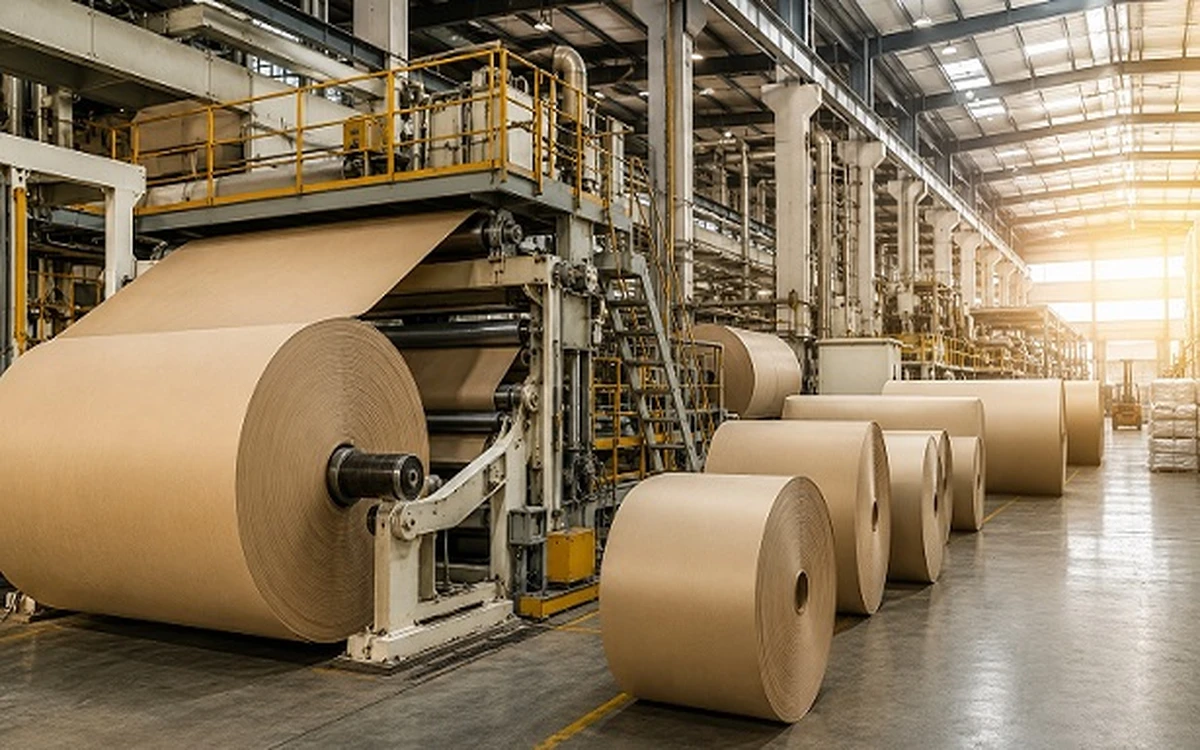
Morbi paper mills see full-capacity operations as ceramic industry revives; Kraft paper exports to China spike, Prices strengthen; Janmashtami shutdown ahead
The BE and caustic soda plant marks a key milestone for Mohit Paper Mills, enabling full utilization of installed capacity and enhancing overall production efficiency
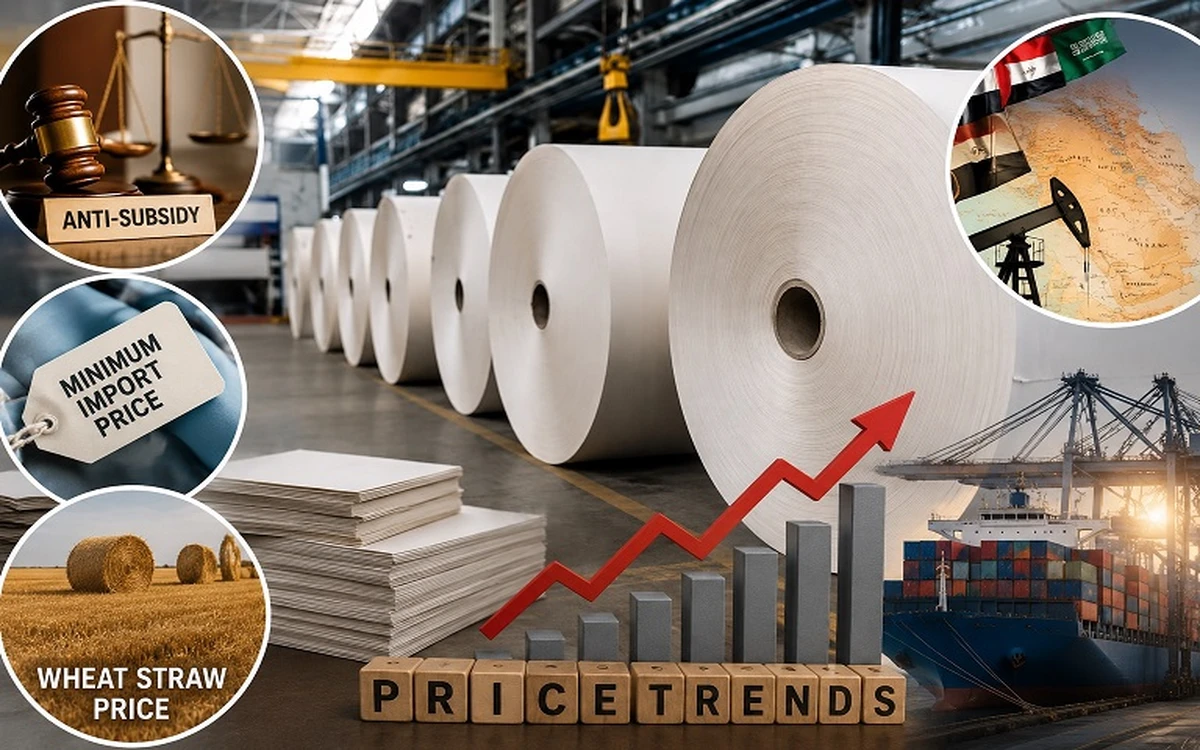
Expert Views on the paper market scenario, How the West Asia Crisis Helped the Industry, MIP for WPP, Anti-Subsidy implementation, and paper price trends
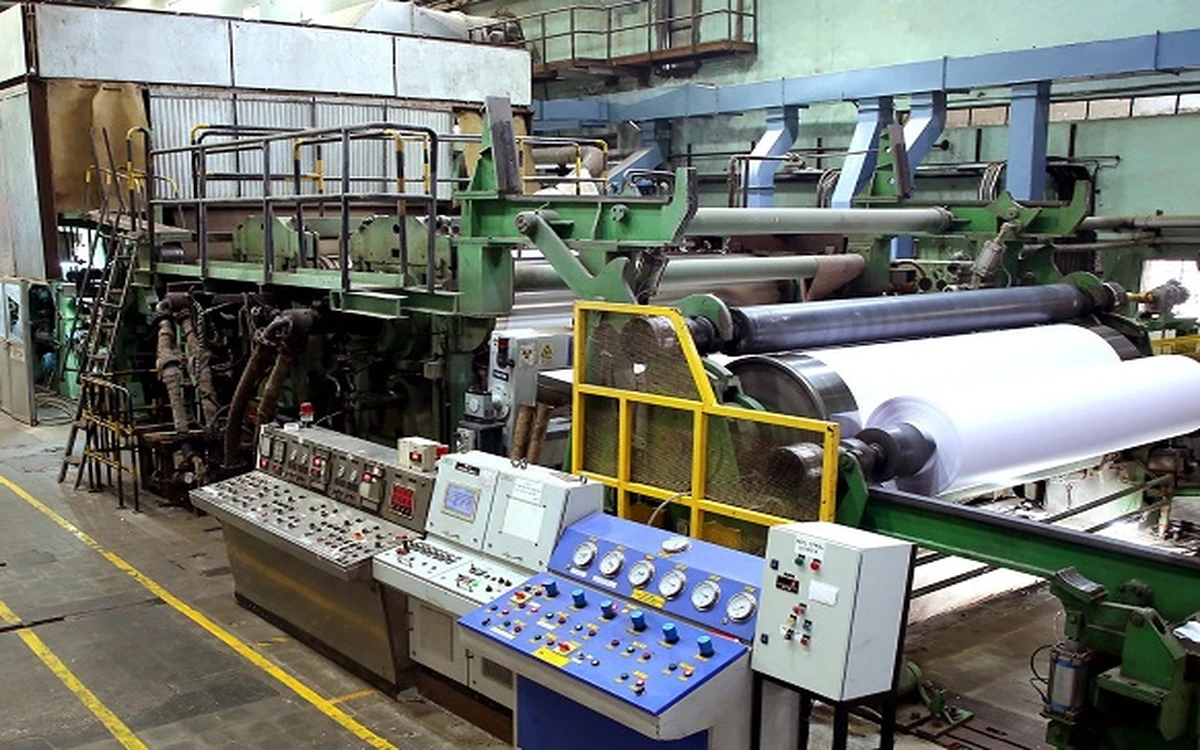
Pudumjee Paper intends to develop new varieties addressing applications for stronger paper bags and cupcakes; Plans 68,000 MT Mahad Specialty Paper Facility within 5 years
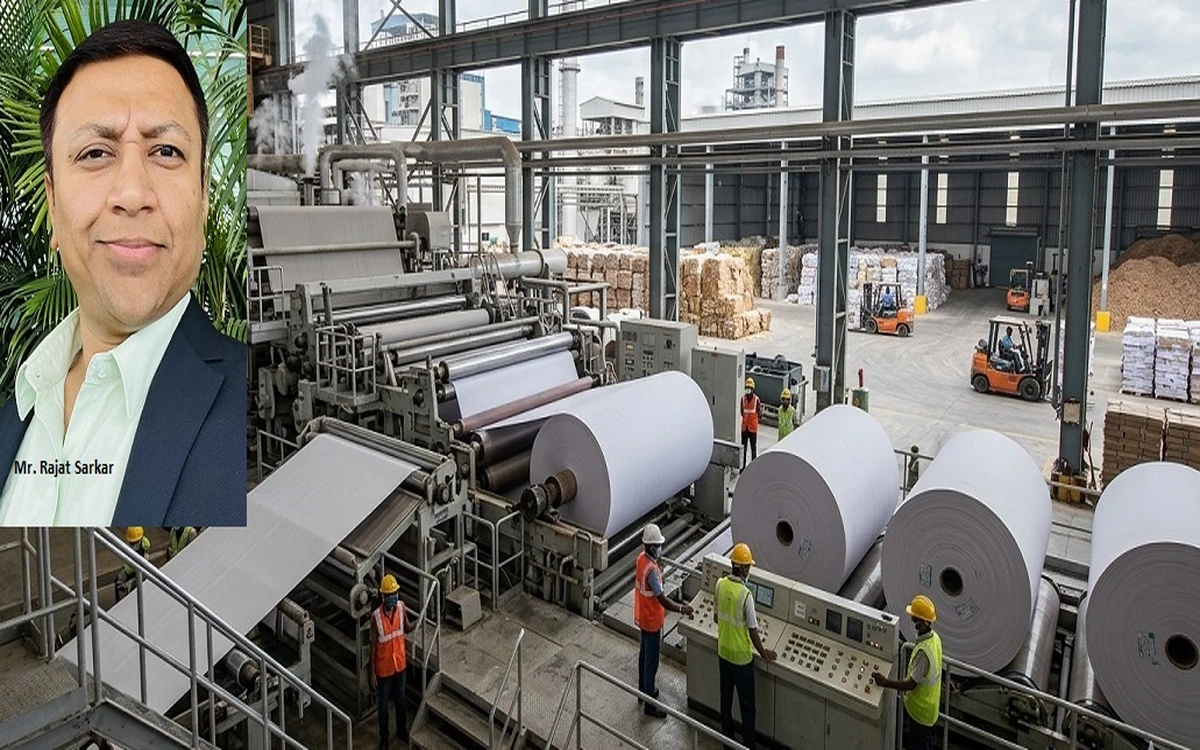
India Paper Industry at an Inflection Point: War, Costs, and Capacity; Demand growth expected at 5–7% in FY26

“Surging exports of paper will most certainly keep the domestic prices quite high”: Mr. A. Annamalai, Director – RFC
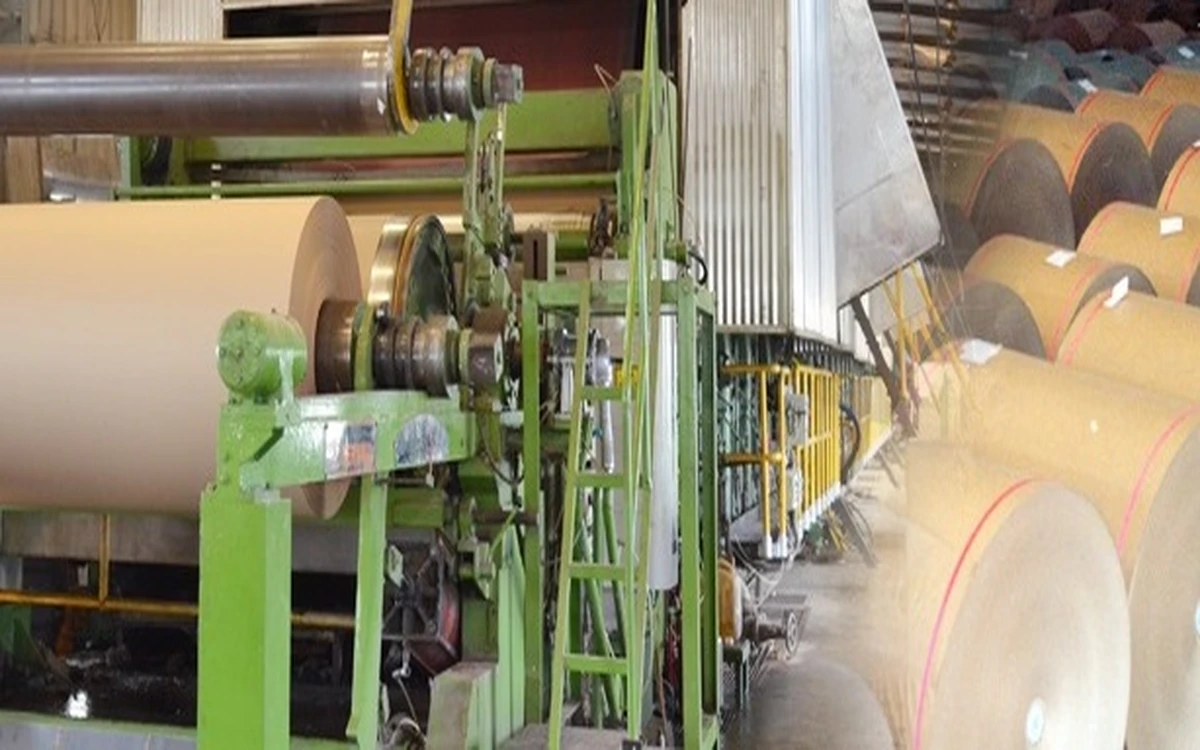
The Status of the Global Container board Industry, Recycled Paper Demand and Supply and its impact on the Indian Industry

Akshay Jain, director of Silverton Pulp & Paper, says it's time to promote agro residue as a raw material to lessen the scarcity of fibre
Advantageously located, a new paper mill is all set to roll kraft paper in Madhya Pradesh
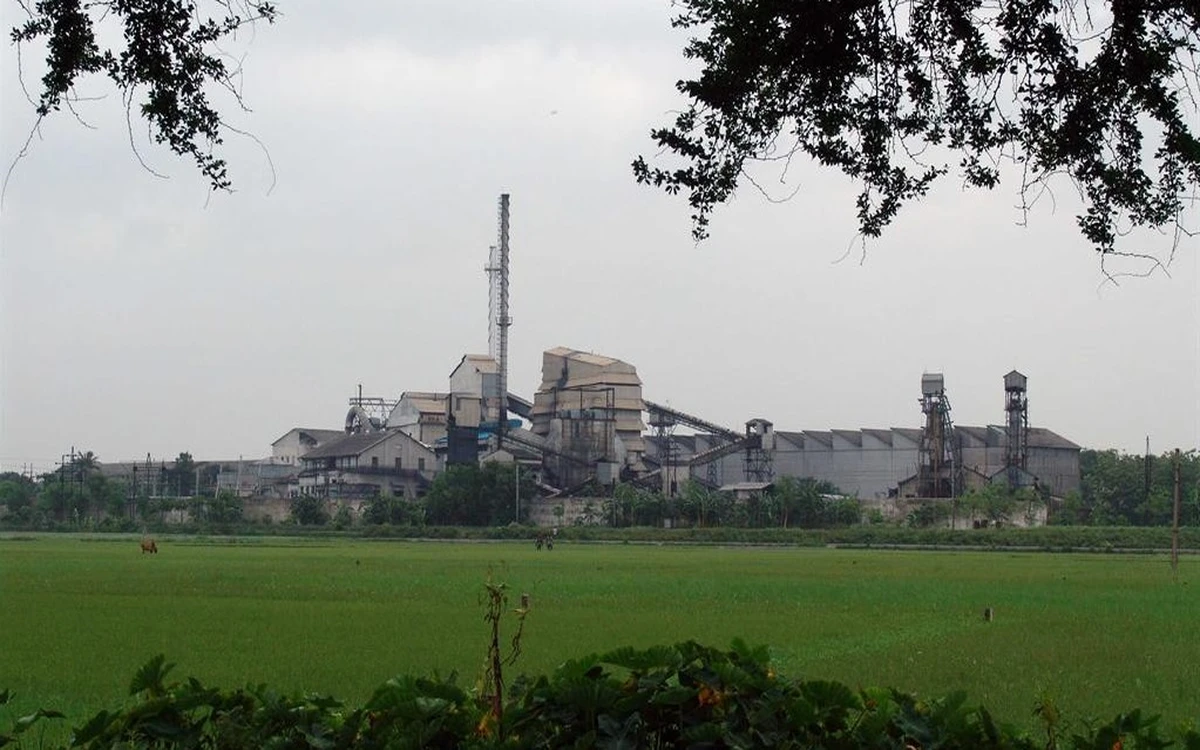
Several agile interventions helped ITC-PSPD fortify its clear leadership of the Value Added Paperboards (VAP) segment
Pakka Advances PM4 Development; flexC Base Paper Trials Underway in Europe, with a Distributor Soft Launch Expected
Paper and Packaging Board Market May Face Cost Pressures Through March 2027; FPTA Advises Traders
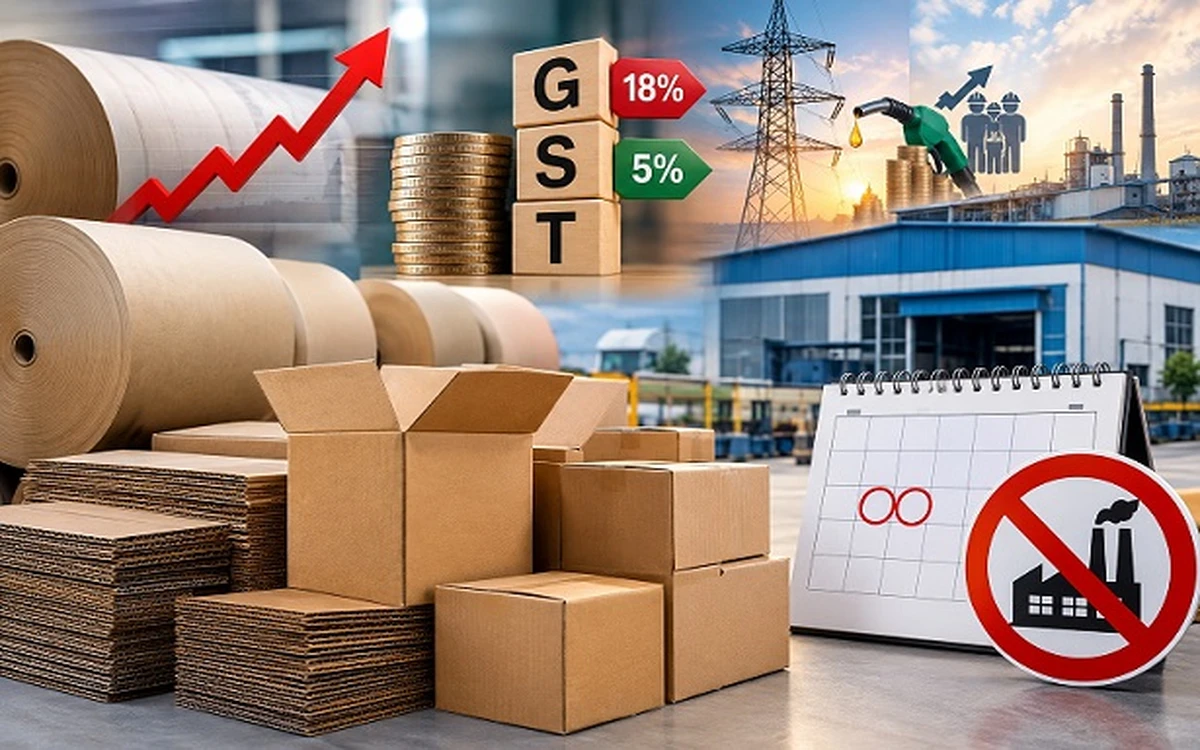
Overall Increase in Kraft Paper Prices Could Reach 35%; Industry Calls for 20% Box Price Increase, Voluntary Shutdown Proposed
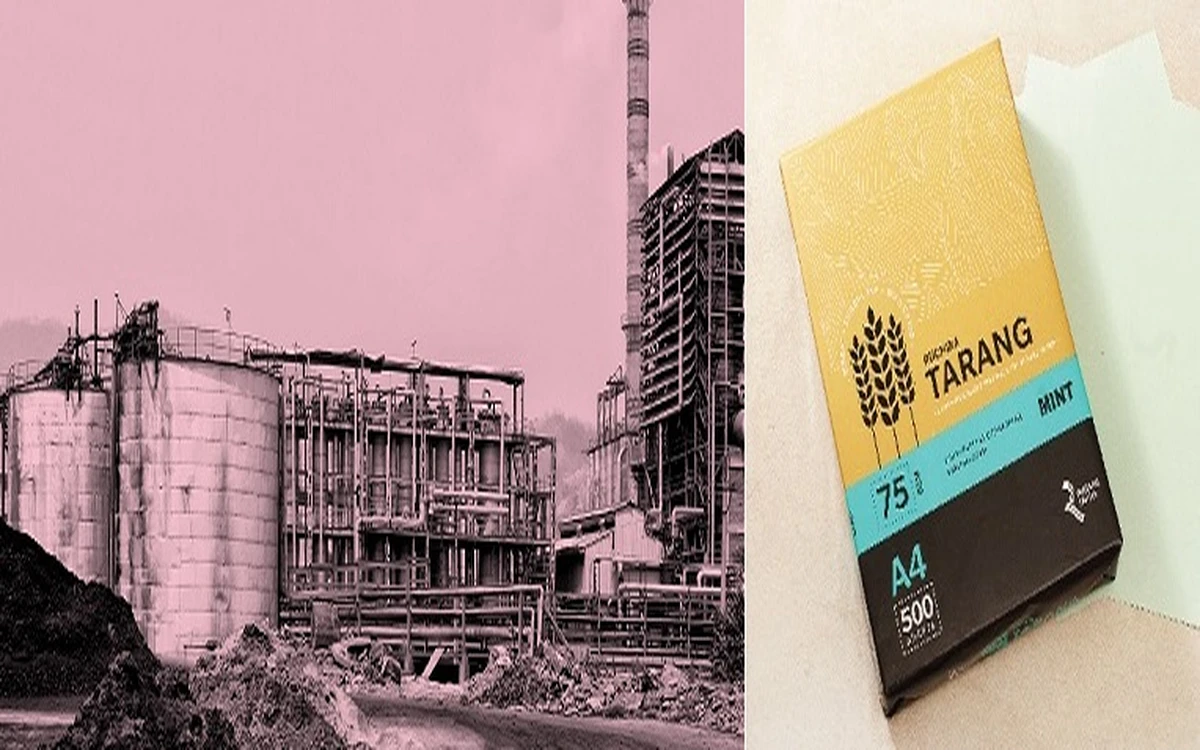
Ruchira Papers Invests a Sizeable Capex of Rs. 235–240 Crore Towards Writing & Printing Paper Capacity Expansion
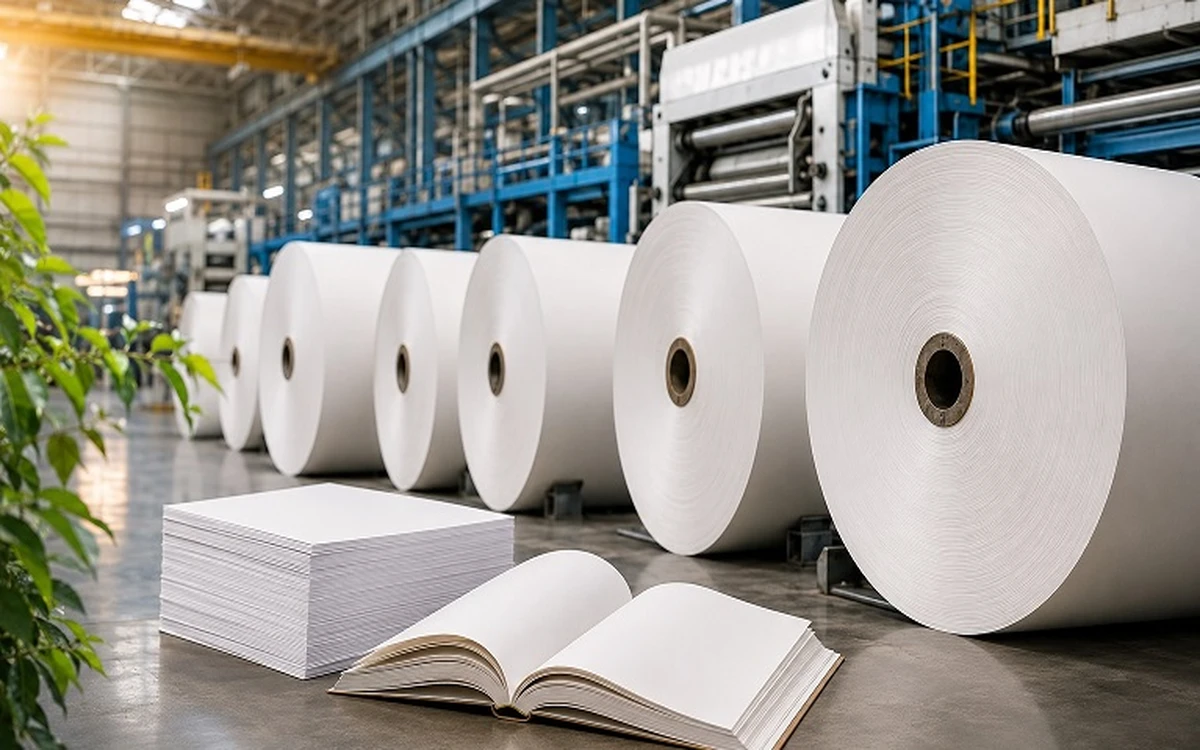
Paper mills inflated the basic ex-mill price of paper post GST 2.0, AINMA seeks action against Anti-Profiteering
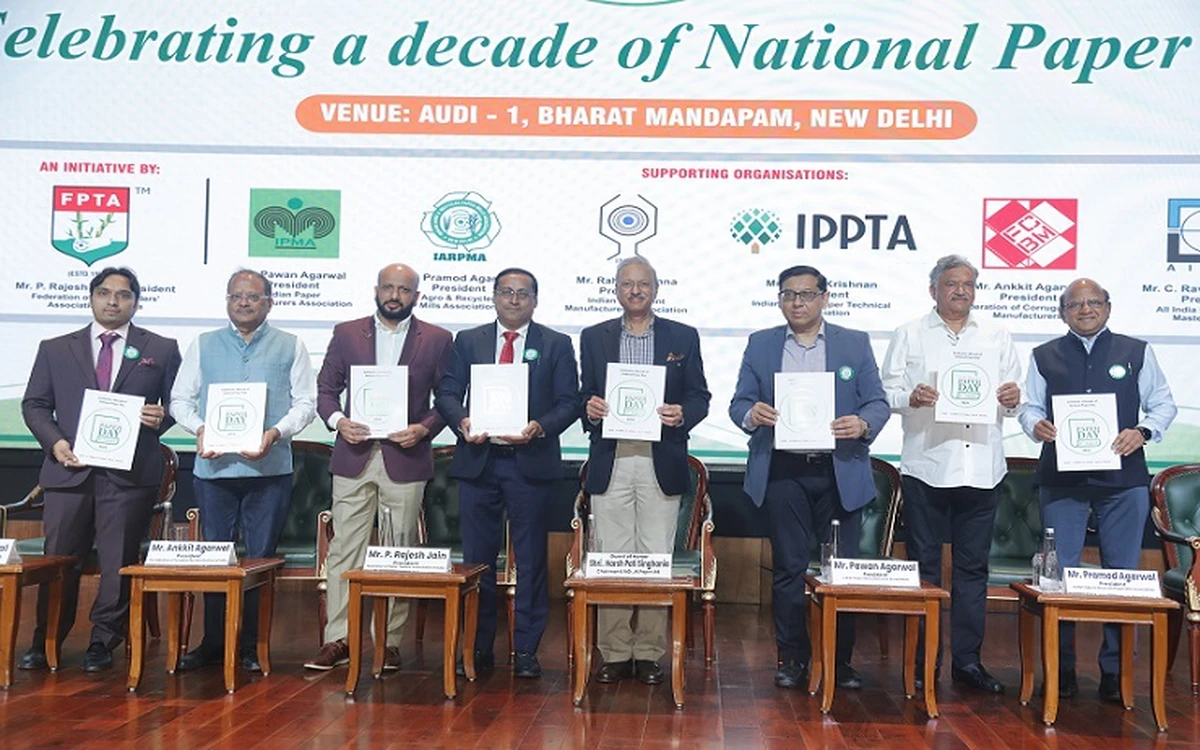
Seven Leading Associations Unite to Celebrate National Paper Day, Highlighting Paper's Sustainability and Circular Economy Advantage
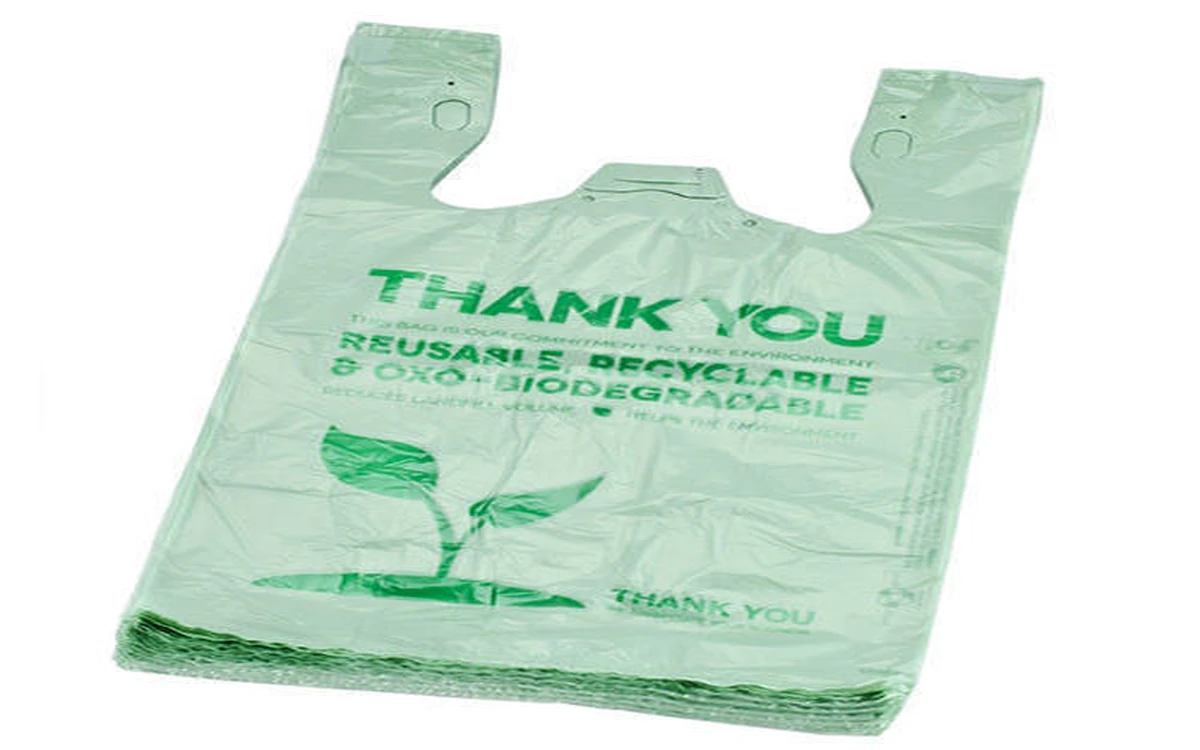
Scientists from IIT-Guwahati develop India's first biodegradable plastic

Navneet Education focuses on brand building, curriculum-led growth, and export recovery; expects stationery margins to improve in FY27

It is estimated that USD10B to USD20B worth of single-use plastic packaging will convert to molded fiber, ZUME
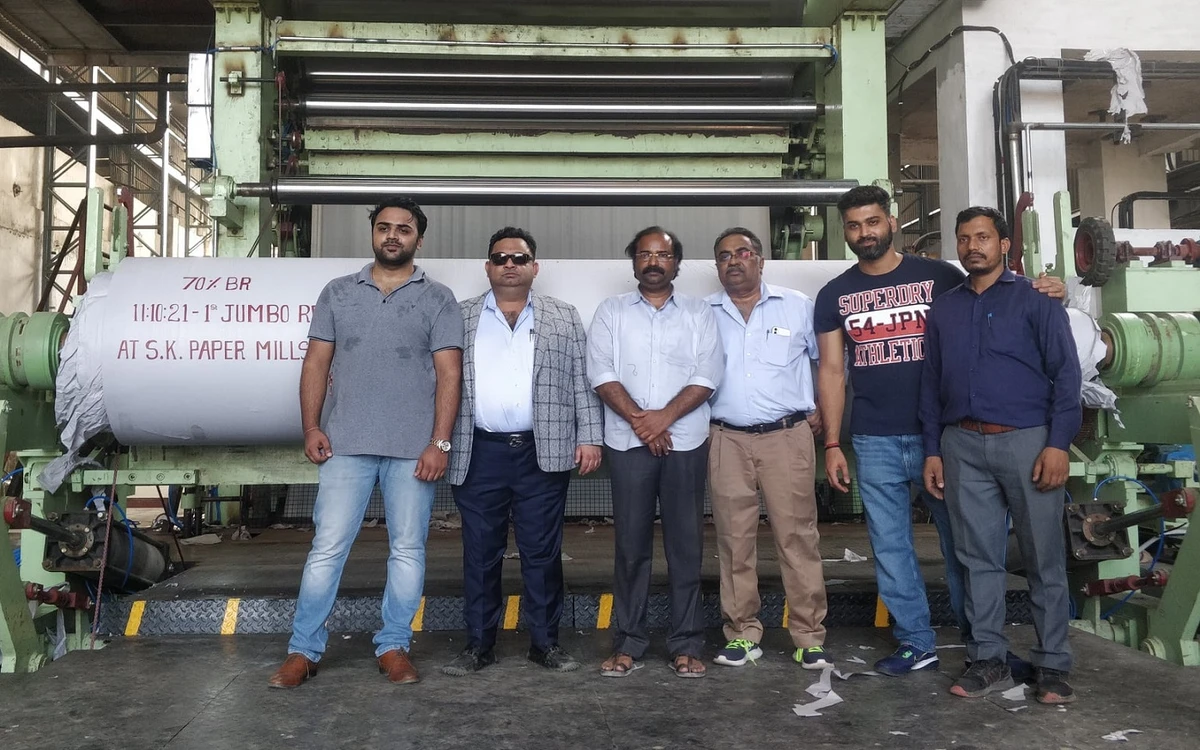
Muzaffarnagar gets a new capacity of Tissue Paper and MG Poster paper

“The integration of digitalization, automation, and Artificial Intelligence (AI) is no longer a futuristic concept—it is the baseline for competitiveness in 2036” - Vinit Garg, Director, Vizen Solutions
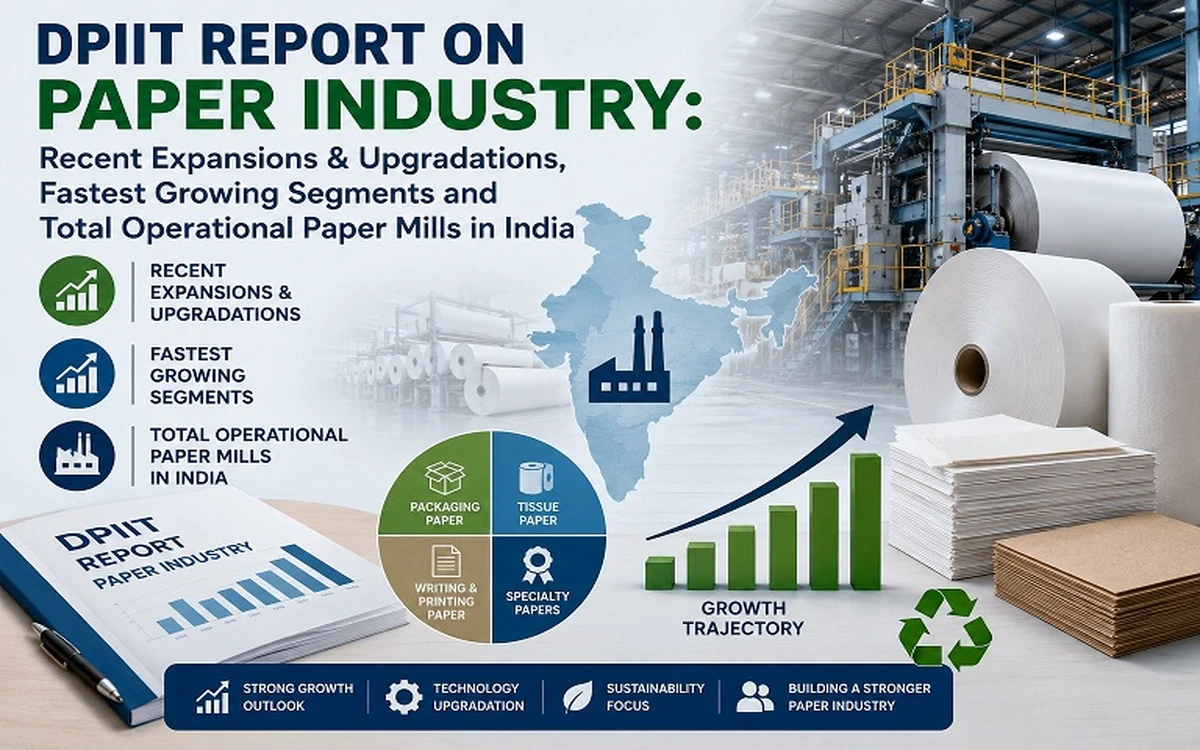
DPIIT Report on the Paper Industry: Recent Expansions & Upgrades, Fastest-Growing Segments, and Total Operational Paper Mills in India
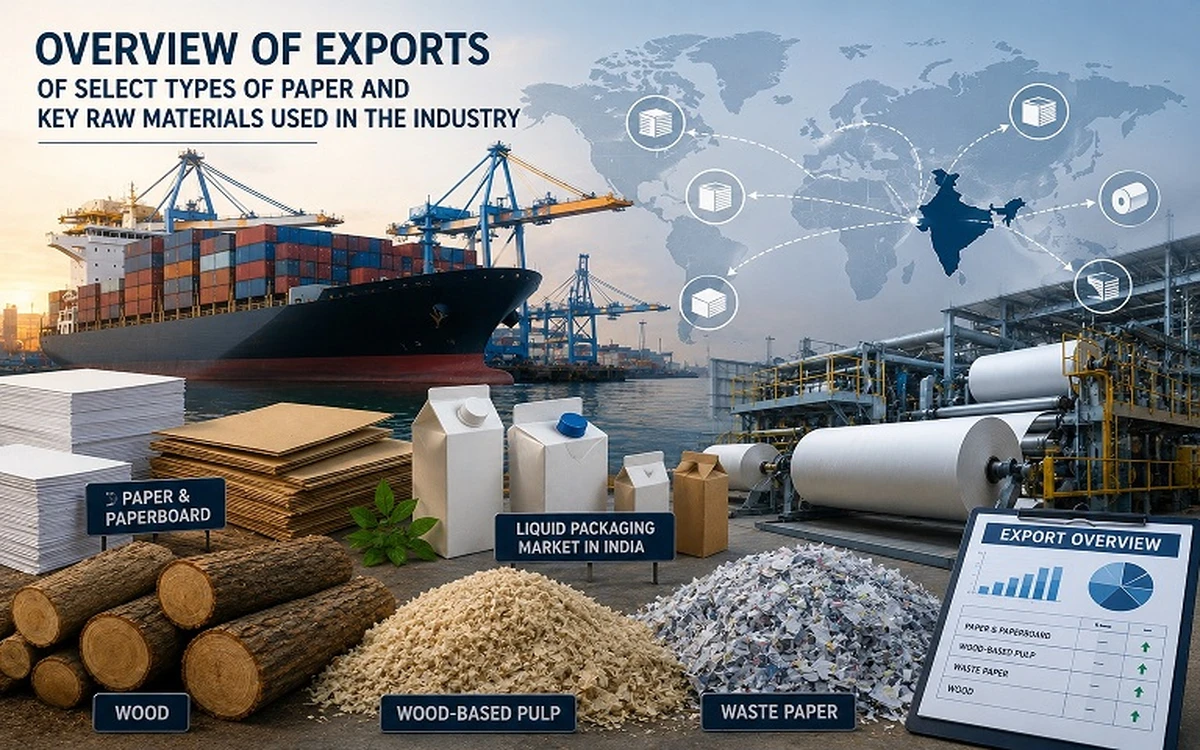
Overview of exports of select type of paper and key raw material used in the industry by Crisil Intelligence

Margin pressure pushes Pulp & Paper Packaging sector toward AI-Driven cost optimization, Cutting costs by 8–20%

The Pulp and Paper Times Magazine : Volume 6, Issue 1

The Pulp and Paper Times Magazine : Volume 5, Issue 6
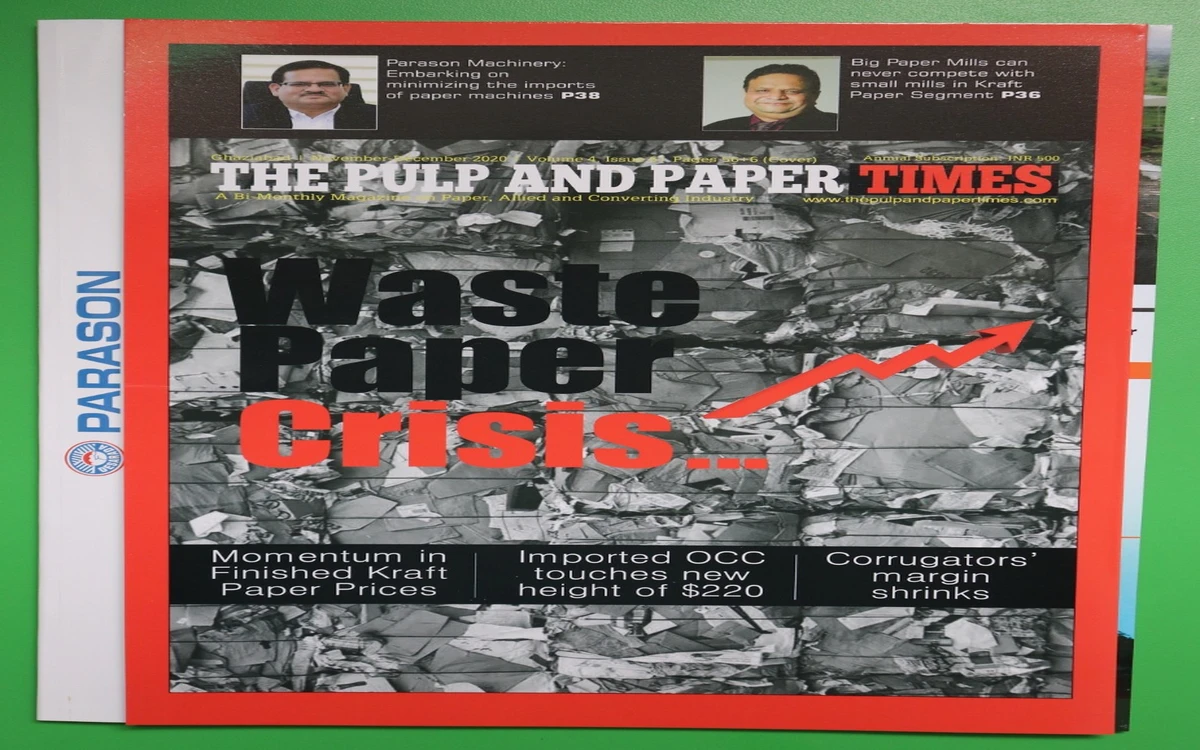
The Pulp and Paper Times: Volume 4, Issue 6
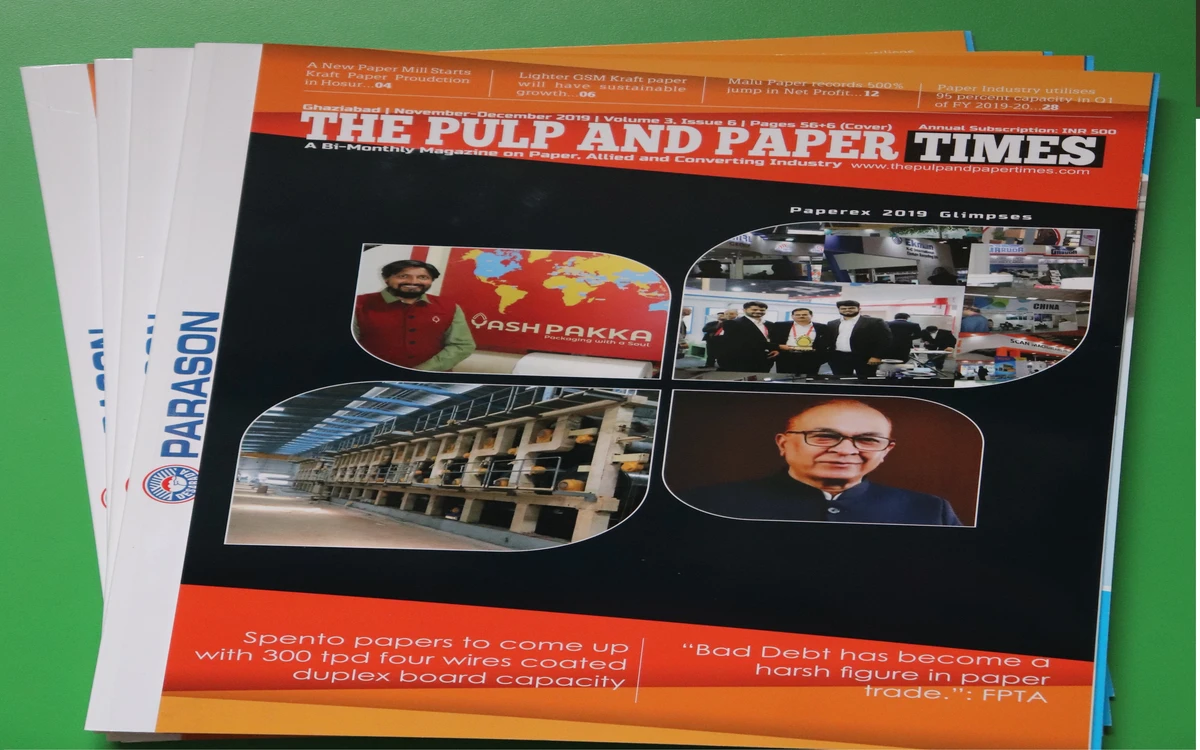
The Pulp and Paper Times : Volume 3, Issue 6
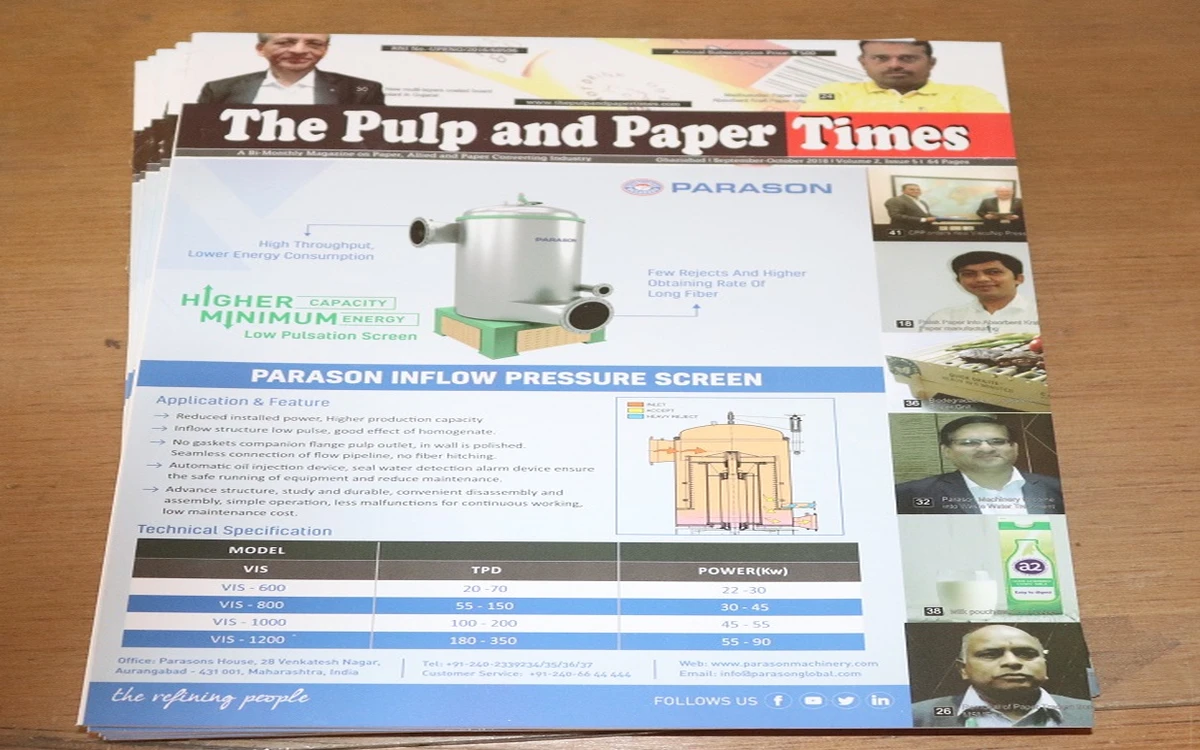
The Pulp and Paper Times: Volume 2 Issue 5
The Pulp and Paper Times, Volume 1, Issue 3
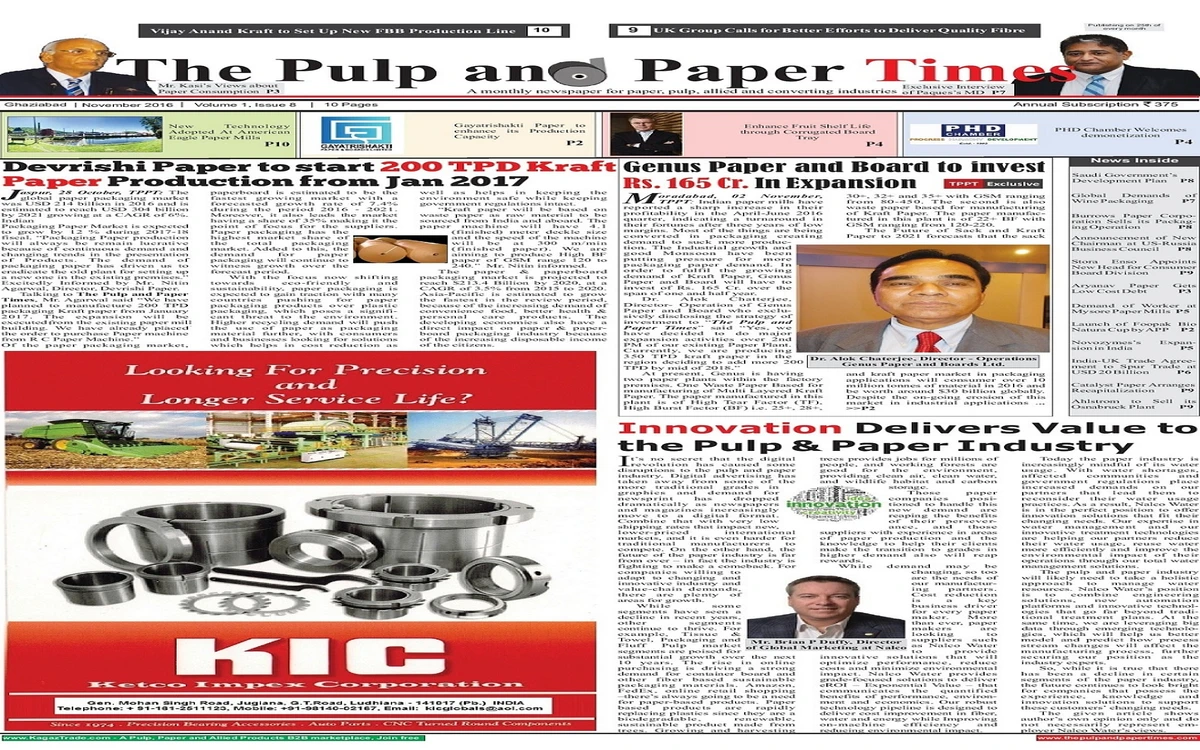
The Pulp and Paper Times, November 2016 Issue
CHICAGO - It's a common assumption: if paper comes from trees, then using paper must be bad for forests, right? Wrong. American-manufactured paper actually benefits our nation's forestland and is a driving force in maintaining it for future generations.
"It may seem counterintuitive, but the responsible production and use of paper is sustainable and helps keep forest land in the U.S. as forests," said Kate McGlynn, Product Environmental Steward for Boise Paper. "Using wood-based products like office paper actually gives American landowners incentive to sustainably manage their forests."
If you're striving to "go green" this Earth Day, here's some good news: your office paper is green, as long as it comes from a responsible producer. Here are a handful of ways that paper use and production can support a healthy, forested landscape for future generations.
Supporting Sustainable Forest Management - About 90 percent of the wood harvested in the United States, for products like paper and lumber, is from trees grown on private forestland -- land used to generate income for families and businesses. By providing a dependable market for responsibly grown trees, manufacturers like Boise Paper encourage landowners to manage their forestland, rather than sell it for development or agriculture. In fact, the net total of U.S. forest area has actually increased since the government started the Forest Census in the 1950s, with millions more acres of forest today than we had a generation ago.
Taking Advantage of a Truly Sustainable Product - Paper is a unique material, derived from a renewable natural resource and also recyclable. Over the past few decades, recycling efforts in offices, schools and homes have been extremely successful, and today, the majority of paper products in the U.S. get recycled. Recycling paper products allows wood fibers to be used again and again. And, critically, it keeps paper products out of landfills. It is a misperception that using recycled paper saves trees. It is actually this redirecting of waste from landfills that makes using recycled paper good for the environment. Paper with recycled content provides a market for the avoided waste.
Encouraging Strong Ecosystems - The role of foresters today is to nurture a natural process. U.S. foresters follow sound scientific principles, as well as national, state and local requirements, to grow forests in a healthy way. The goal is to preserve the ecosystem and encourage continual growth. The real threats to U.S. forests include forest fires, degradation and poor management -- all of which a healthy forestry industry can help prevent.
"We've come a long way since the destructive logging practices of the past," McGlynn said. "Today, responsible forestry practices in the United States support our natural ecosystems and resiliency. By using wood-based products when we need them and choosing paper that is responsibly sourced, each of us can help sustain the future and health of our forests.†Source: Boise Paper