Join Groups & Channels, No Spamming









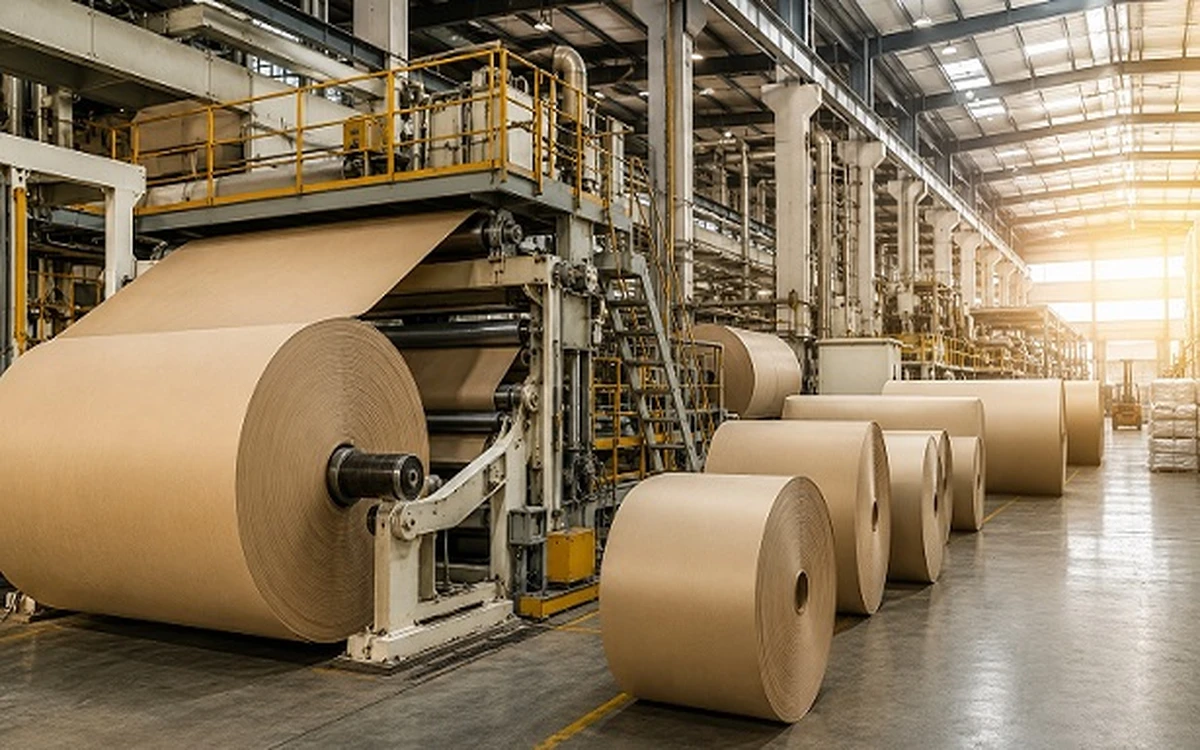
Morbi paper mills see full-capacity operations as ceramic industry revives; Kraft paper exports to China spike, Prices strengthen; Janmashtami shutdown ahead
The BE and caustic soda plant marks a key milestone for Mohit Paper Mills, enabling full utilization of installed capacity and enhancing overall production efficiency
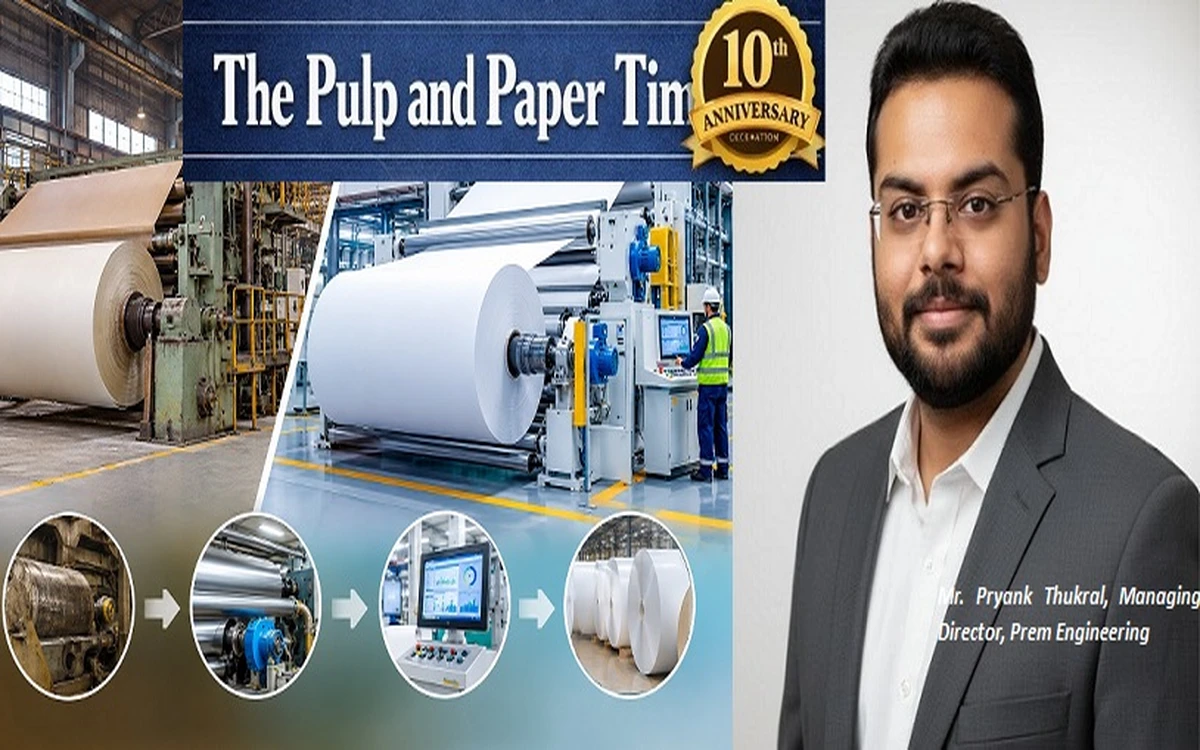
Expert Views on the paper market scenario, How the West Asia Crisis Helped the Industry, MIP for WPP, Anti-Subsidy implementation, and paper price trends
Pudumjee Paper intends to develop new varieties addressing applications for stronger paper bags and cupcakes; Plans 68,000 MT Mahad Specialty Paper Facility within 5 years
India Paper Industry at an Inflection Point: War, Costs, and Capacity; Demand growth expected at 5–7% in FY26
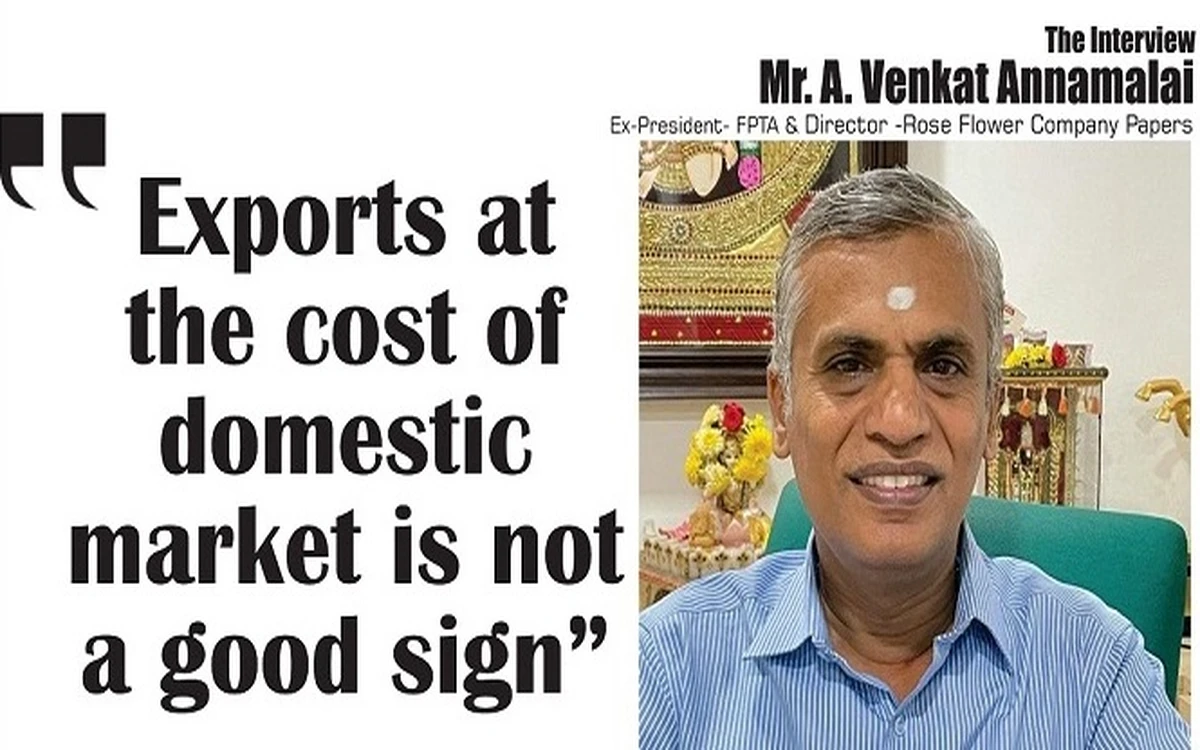
“Surging exports of paper will most certainly keep the domestic prices quite high”: Mr. A. Annamalai, Director – RFC
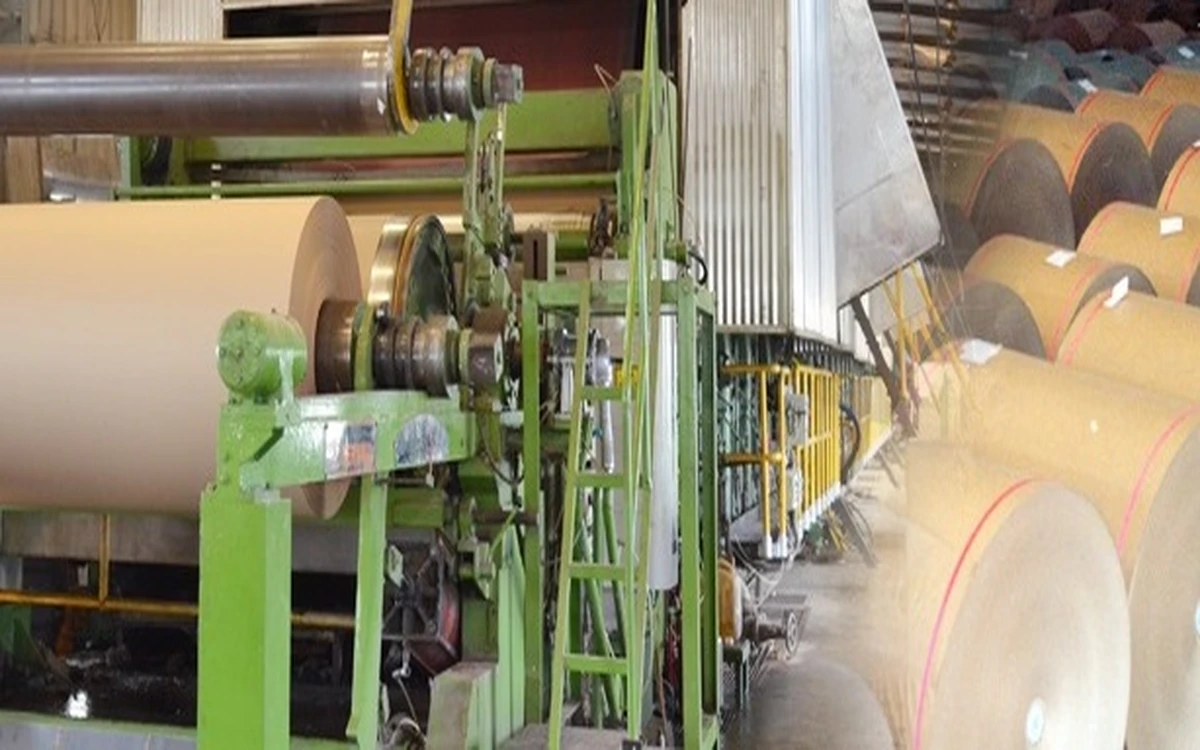
The Status of the Global Container board Industry, Recycled Paper Demand and Supply and its impact on the Indian Industry

Akshay Jain, director of Silverton Pulp & Paper, says it's time to promote agro residue as a raw material to lessen the scarcity of fibre
Advantageously located, a new paper mill is all set to roll kraft paper in Madhya Pradesh
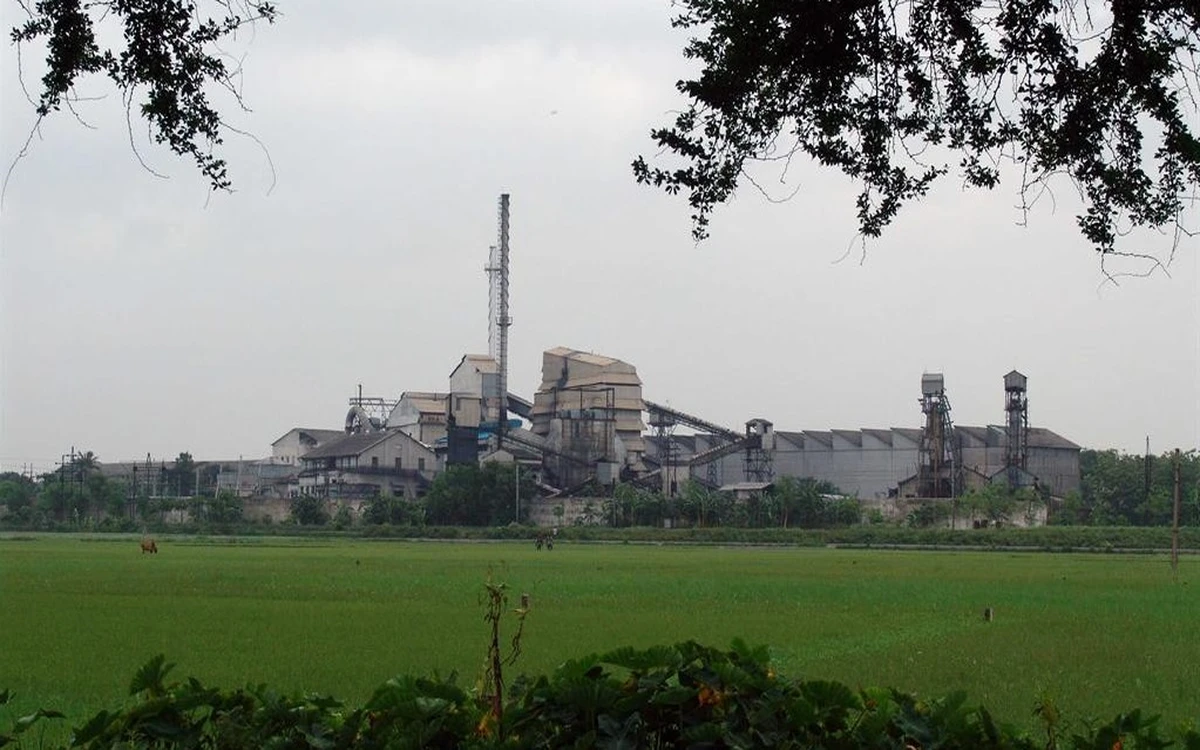
Several agile interventions helped ITC-PSPD fortify its clear leadership of the Value Added Paperboards (VAP) segment

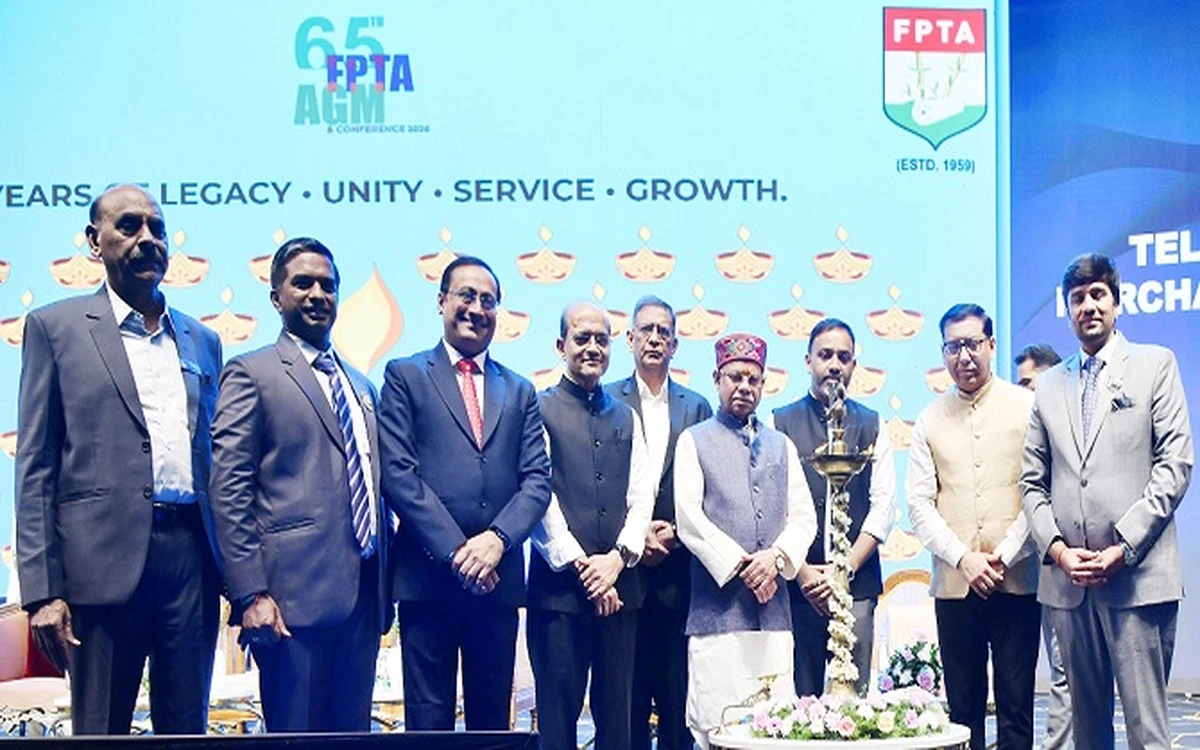
Paper and Packaging Board Market May Face Cost Pressures Through March 2027; FPTA Advises Traders

Steeper-than-expected drop in realisations hits Seshasayee Paper’s FY2025–26 operating margins; Box boards, Absorption Kraft, and Virgin Kraft now form a growing share of the product mix
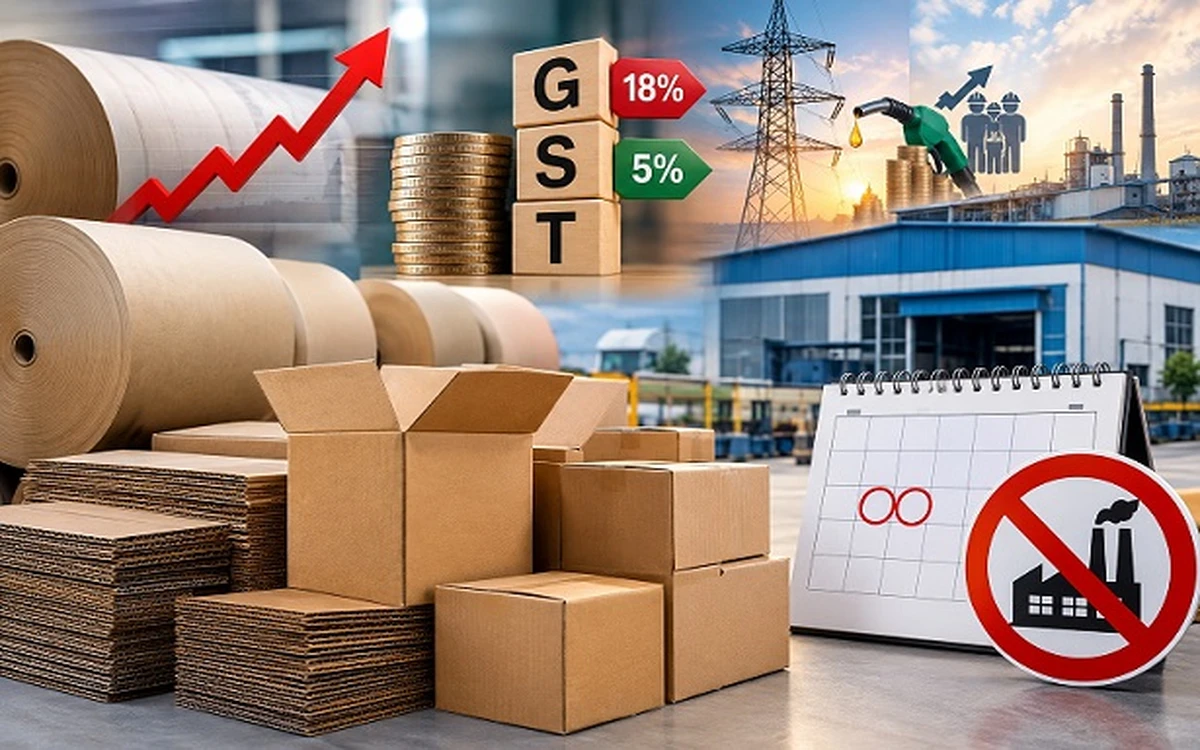
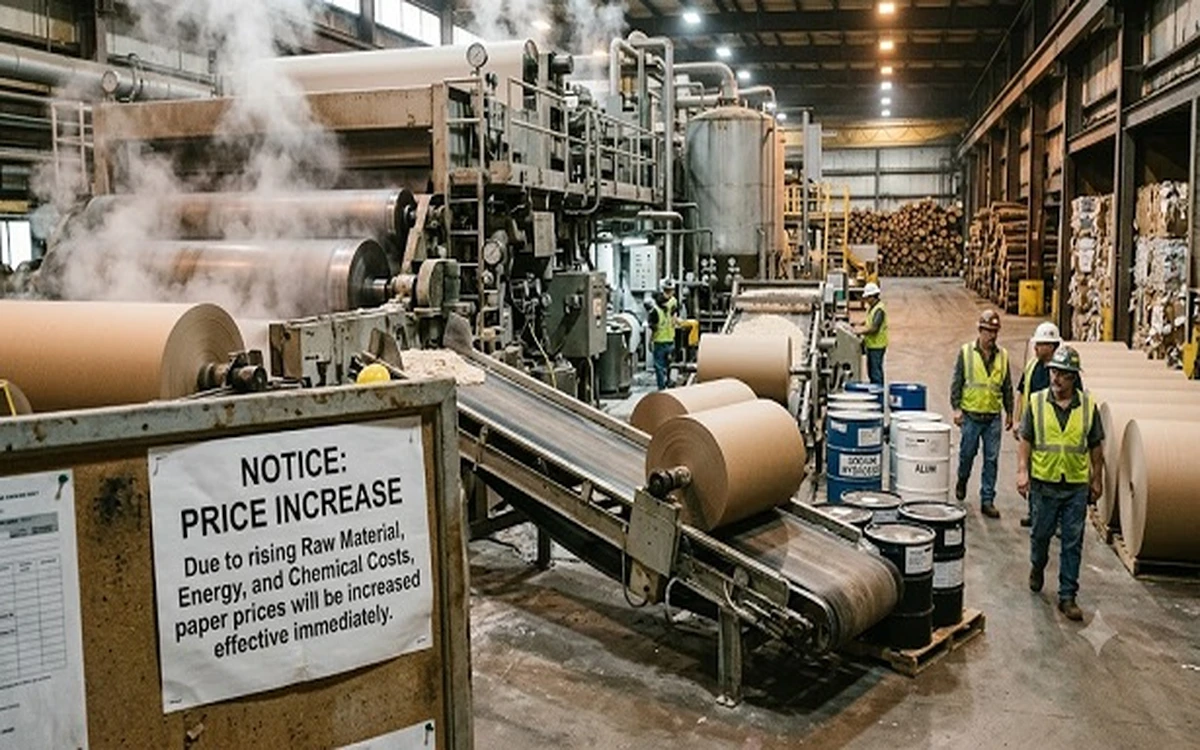
Overall Increase in Kraft Paper Prices Could Reach 35%; Industry Calls for 20% Box Price Increase, Voluntary Shutdown Proposed
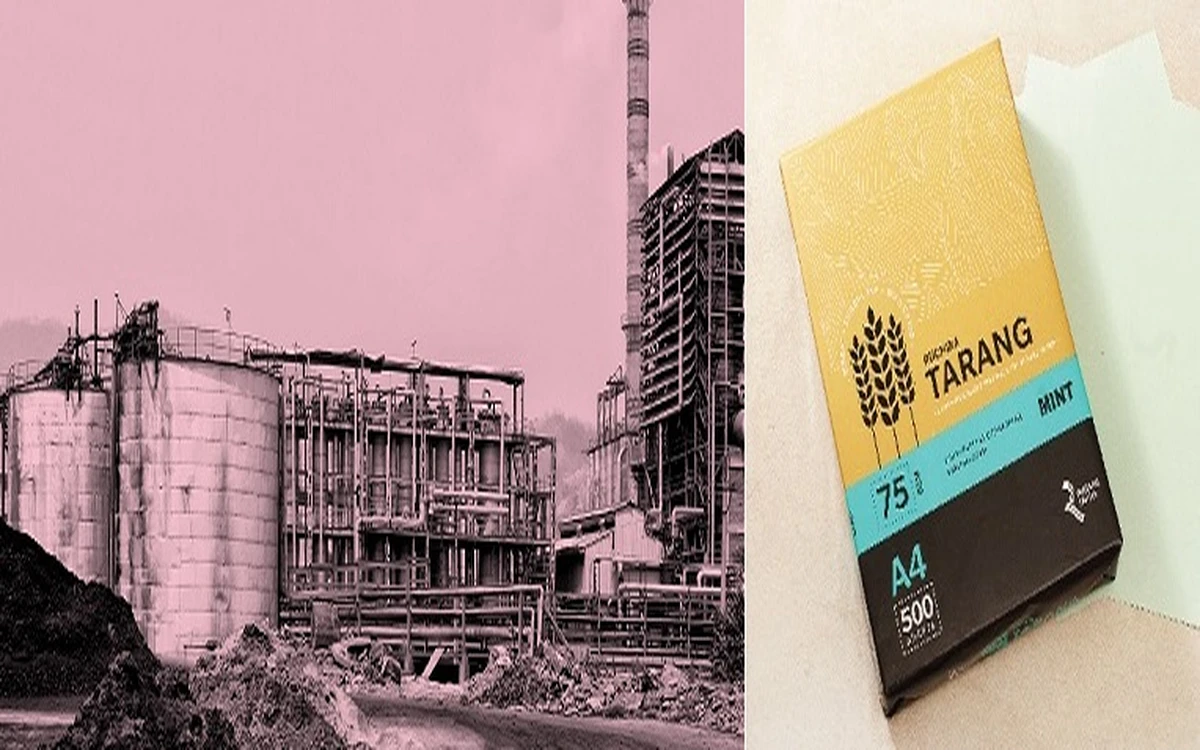
Ruchira Papers Invests a Sizeable Capex of Rs. 235–240 Crore Towards Writing & Printing Paper Capacity Expansion
Paper mills inflated the basic ex-mill price of paper post GST 2.0, AINMA seeks action against Anti-Profiteering
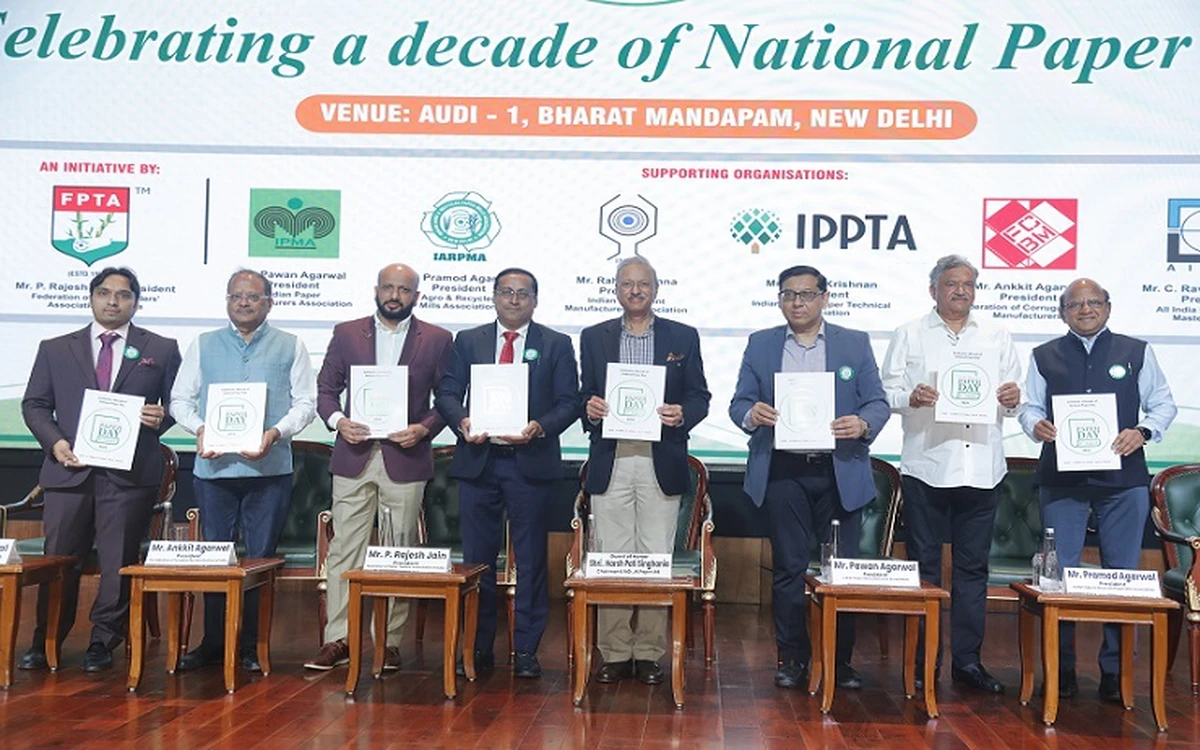
Seven Leading Associations Unite to Celebrate National Paper Day, Highlighting Paper's Sustainability and Circular Economy Advantage
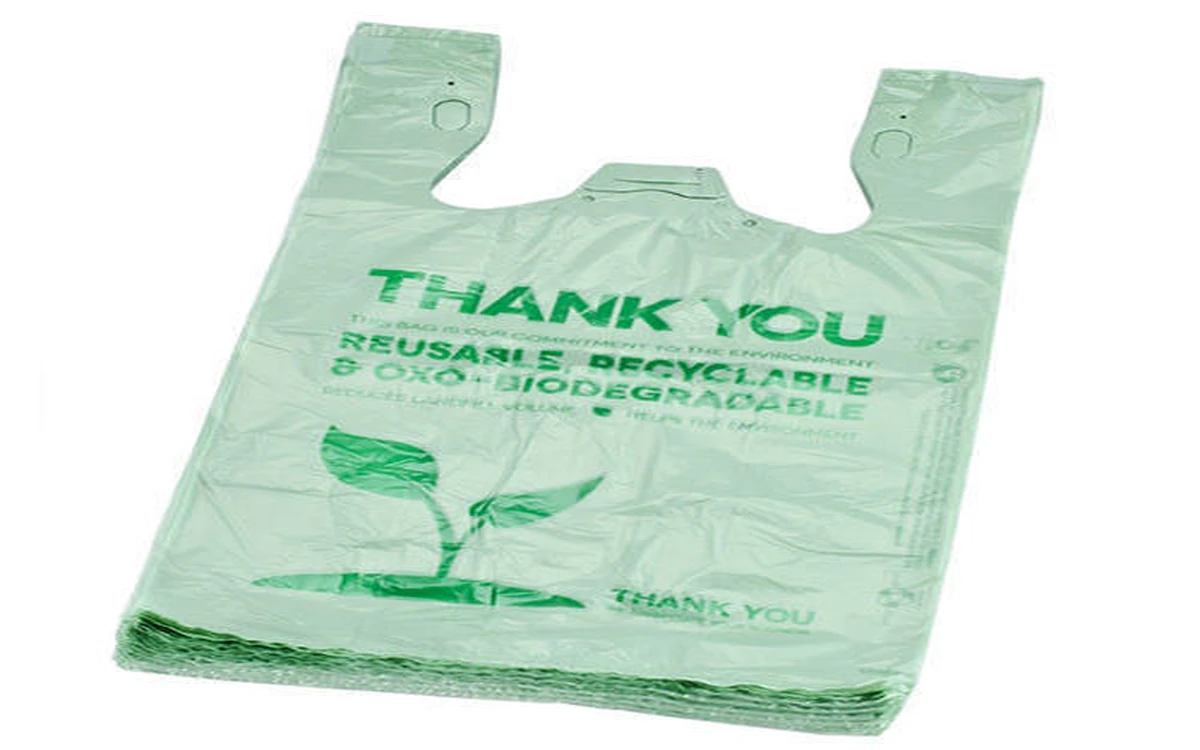
Scientists from IIT-Guwahati develop India's first biodegradable plastic
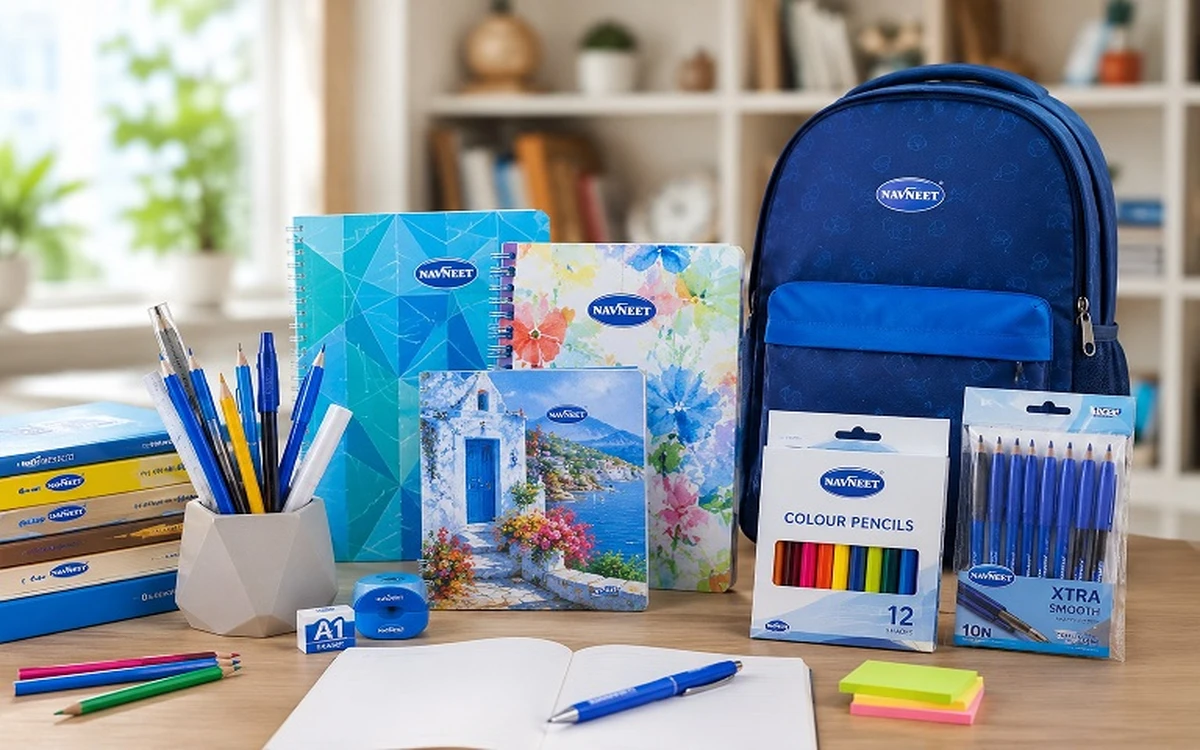
Navneet Education focuses on brand building, curriculum-led growth, and export recovery; expects stationery margins to improve in FY27

It is estimated that USD10B to USD20B worth of single-use plastic packaging will convert to molded fiber, ZUME
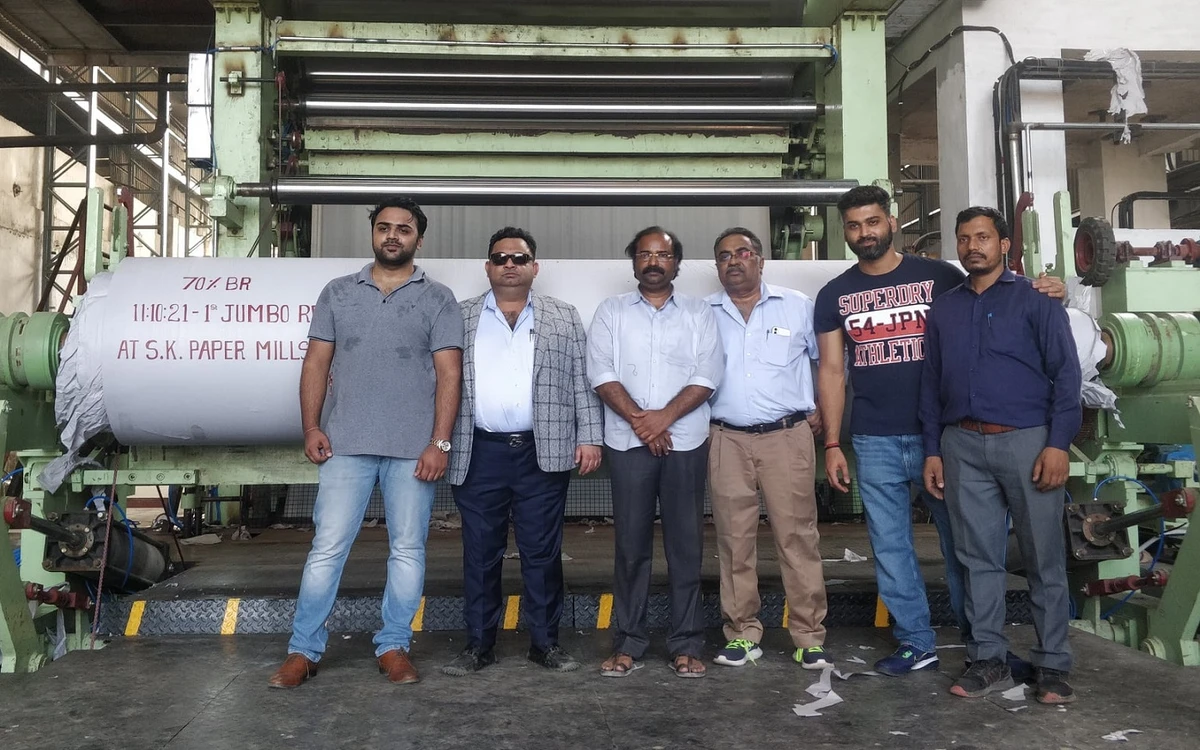
Muzaffarnagar gets a new capacity of Tissue Paper and MG Poster paper

“The integration of digitalization, automation, and Artificial Intelligence (AI) is no longer a futuristic concept—it is the baseline for competitiveness in 2036” - Vinit Garg, Director, Vizen Solutions
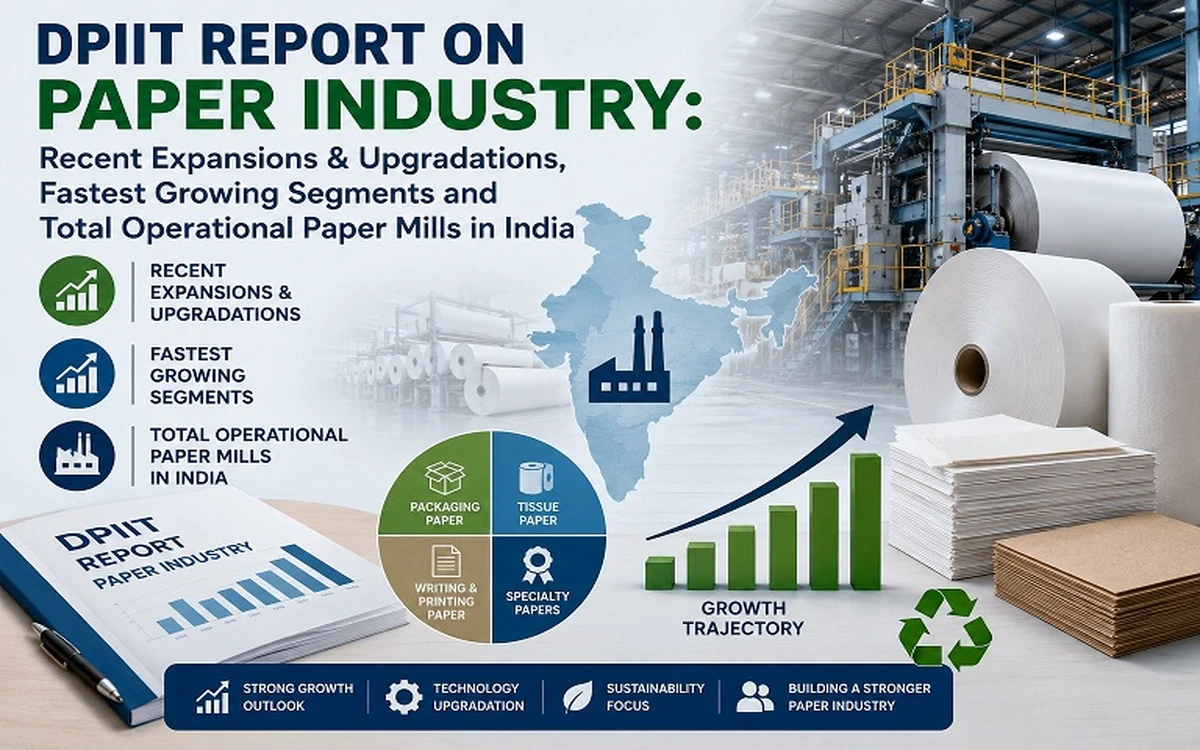
DPIIT Report on the Paper Industry: Recent Expansions & Upgrades, Fastest-Growing Segments, and Total Operational Paper Mills in India
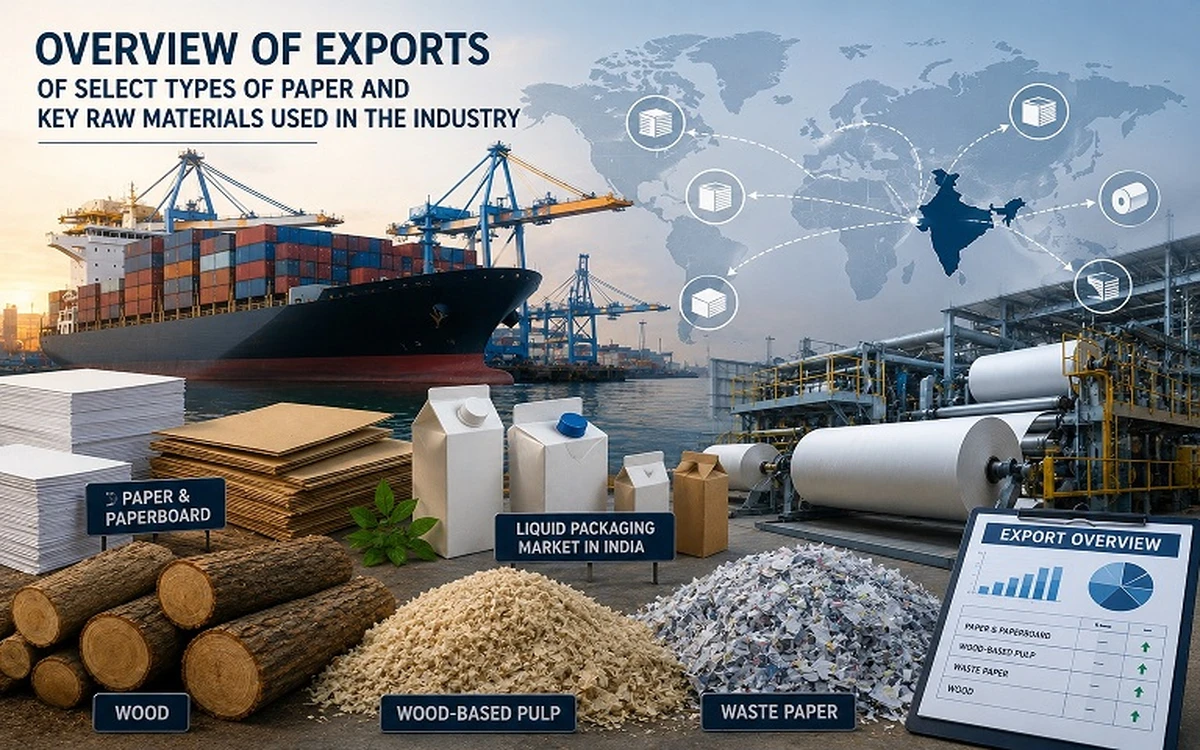
Overview of exports of select type of paper and key raw material used in the industry by Crisil Intelligence

Margin pressure pushes Pulp & Paper Packaging sector toward AI-Driven cost optimization, Cutting costs by 8–20%
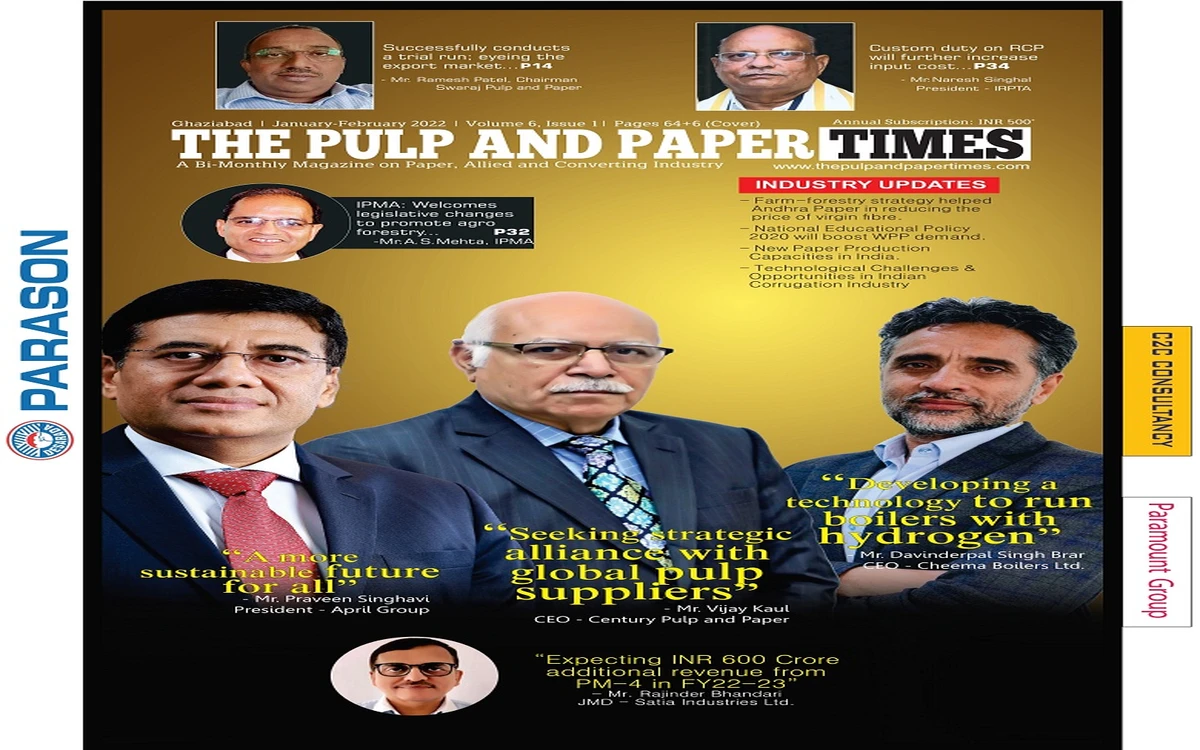
The Pulp and Paper Times Magazine : Volume 6, Issue 1
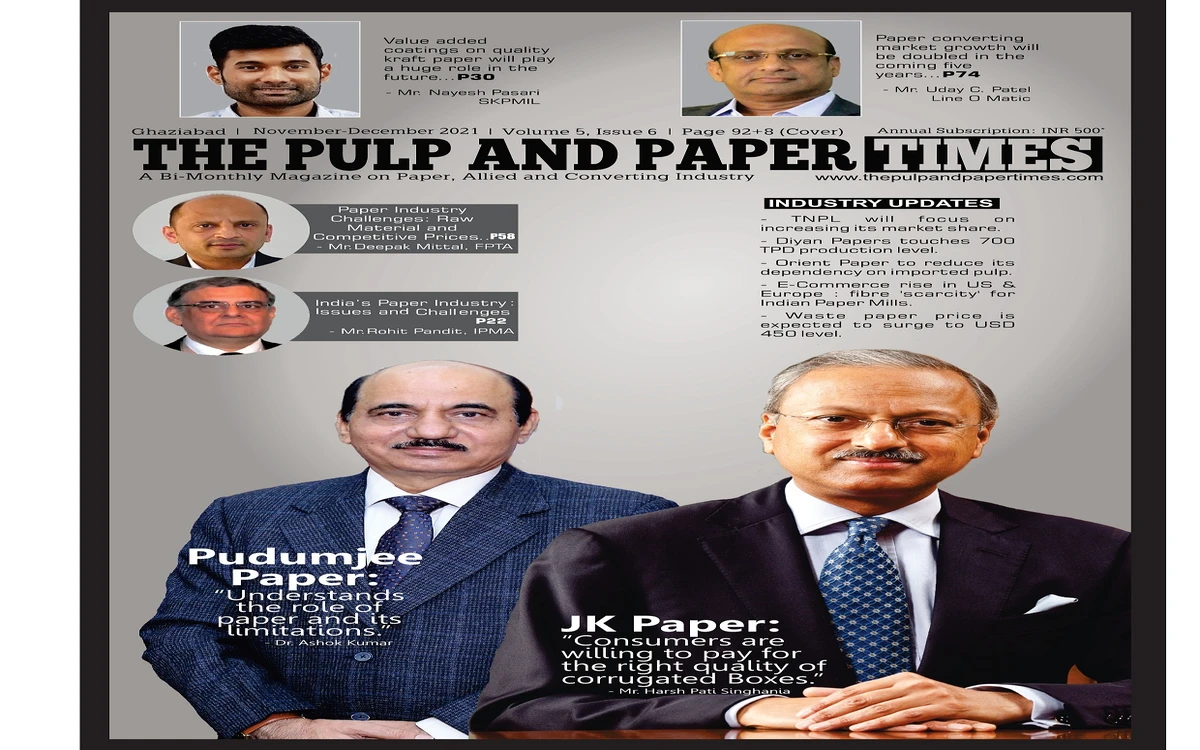
The Pulp and Paper Times Magazine : Volume 5, Issue 6
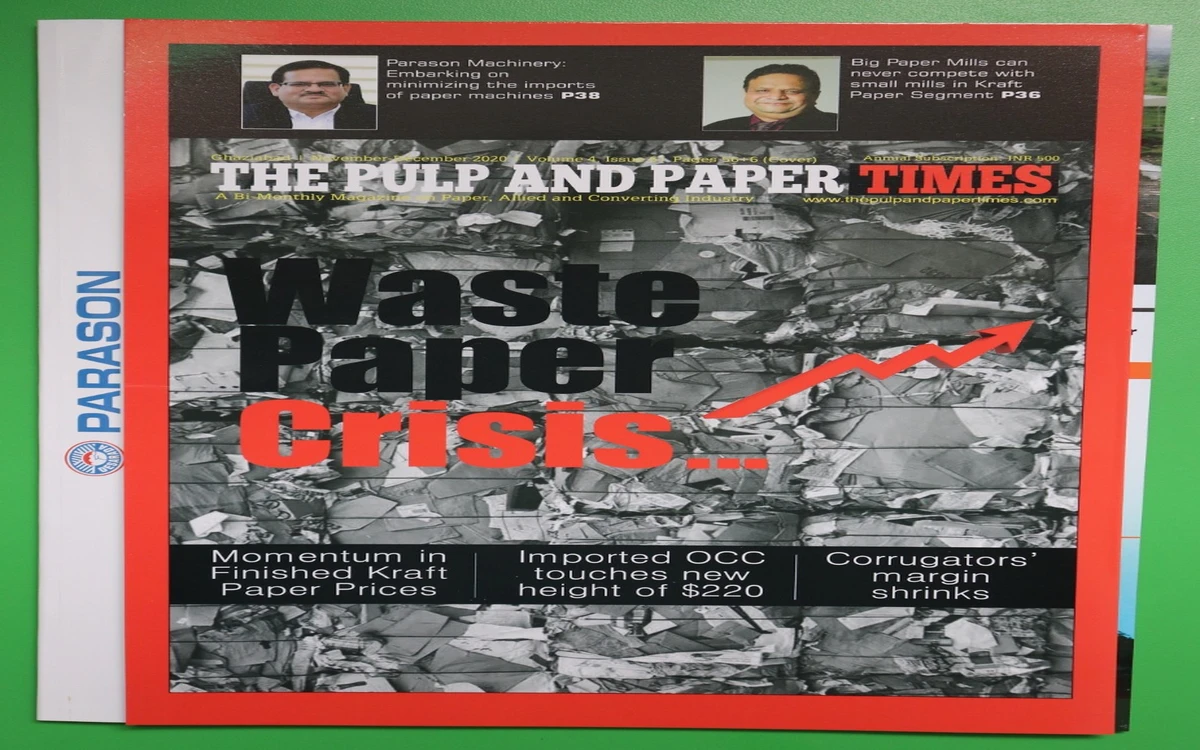
The Pulp and Paper Times: Volume 4, Issue 6
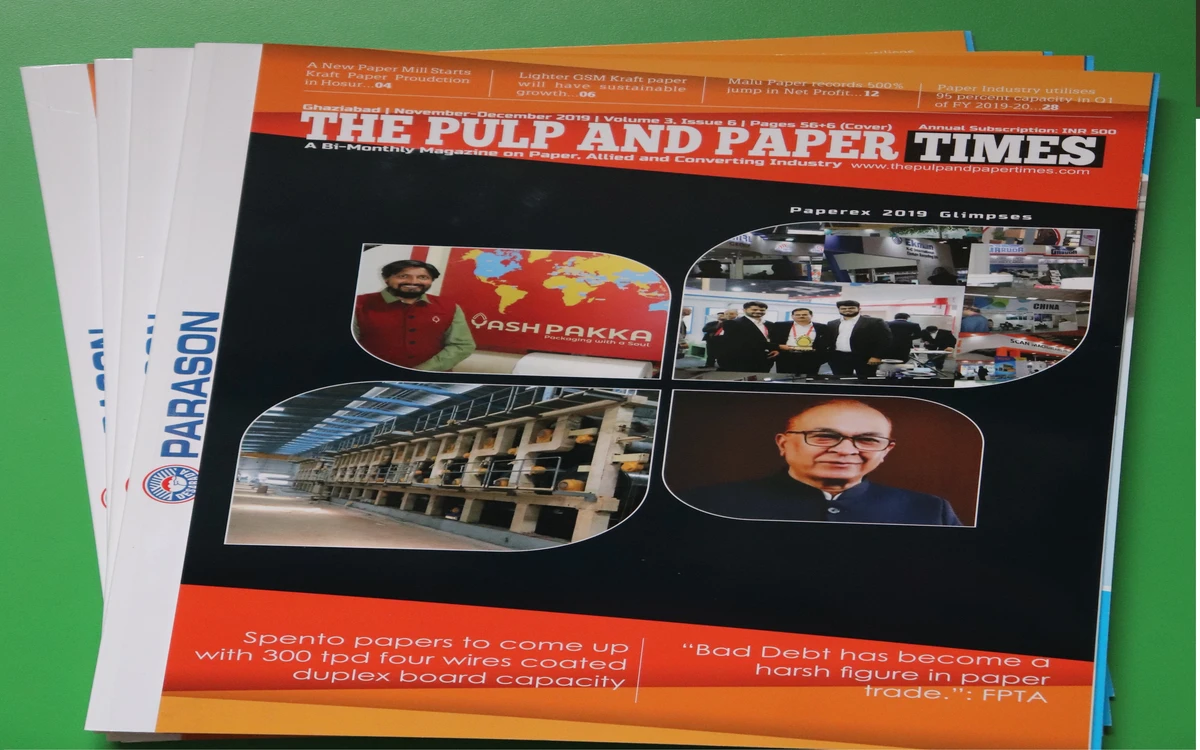
The Pulp and Paper Times : Volume 3, Issue 6
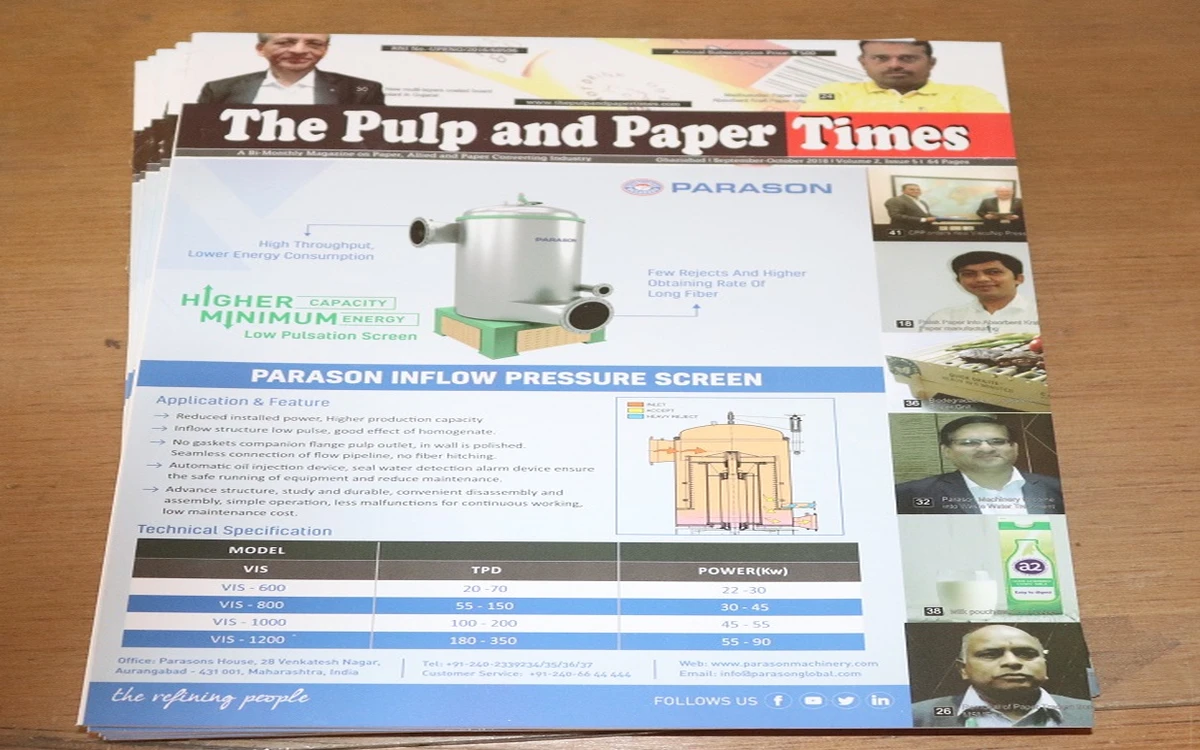
The Pulp and Paper Times: Volume 2 Issue 5
The Pulp and Paper Times, Volume 1, Issue 3
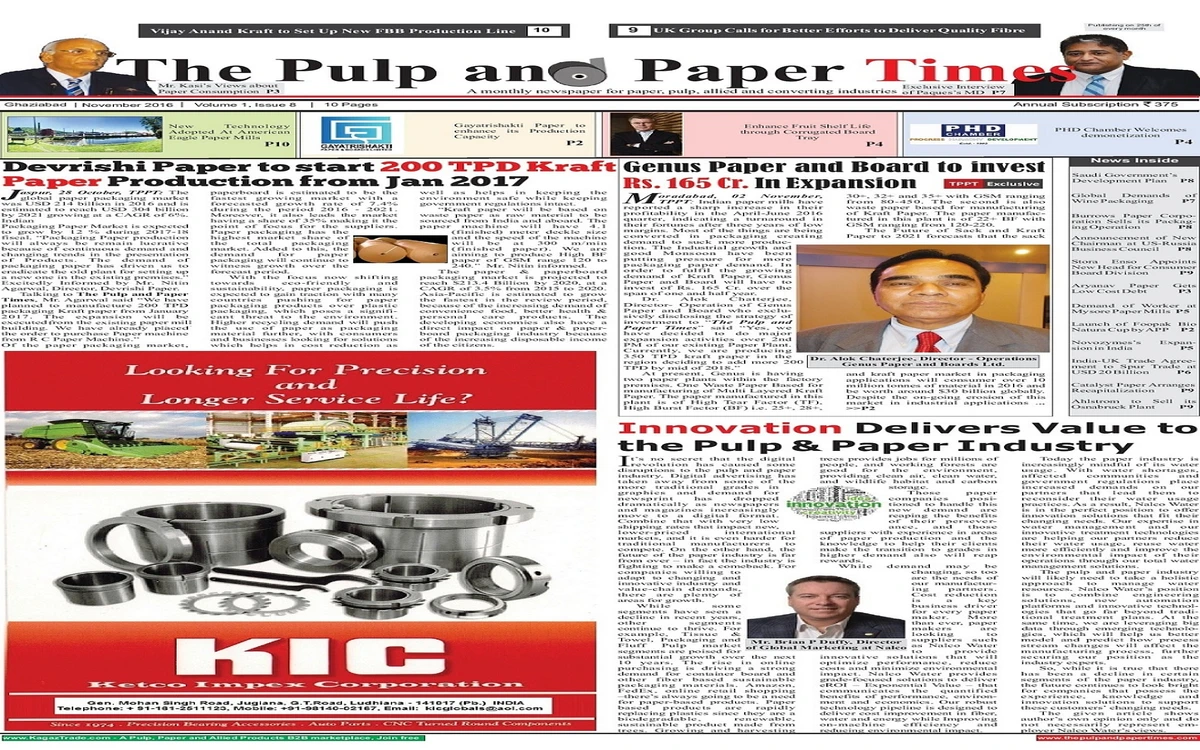
The Pulp and Paper Times, November 2016 Issue
- Product innovations like pigment-dyed WPP enhanced aesthetic appeal, while the launch of OBA-free tissue paper not only improved quality
- OPIL pursued a focused strategy to optimise its product market mix, balancing volume growth with profitability
- Strengthened its position in the copier paper segment, delivering a 4.6-fold increase in sales.
The Pulp and Paper Times
Orient Paper is an Indian company with a legacy of leadership in making highquality paper in a sustainable manner. Orient Paper offers a product portfolio across three key categories, addressing consumer and industrial needs.
With a legacy spanning across 88 years, OPIL is entering a transformative phase. The company is working on a strategy for capacity expansion, product diversification and market development; these initiatives are designed to futureproof our business and stay ahead of customer needs
For the paper industry, 2024-25 was a year marked by formidable challenges and measured resilience. The sector grappled with multiple headwinds: rising raw material costs, increased imports, sharper competition and evolving consumer expectations. As pricing remained under pressure and margins tightened, companies across the board were compelled to recalibrate their strategies and re-examine their fundamentals. Orient Paper and Industries Limited (OPIL) was not insulated from these macroeconomic headwinds.

Despite testing circumstances, OPIL focused on capability building with continued investments in technological upgrades, process improvements and operational efficiency. These efforts are already contributing to improved quality consistency and cost optimisation and are expected to support stronger operational margins across the medium term.
“Looking ahead to 2025-26, we expect the operating environment to remain challenging, marked by persistent margin pressures stemming from subdued realisations and escalating input costs. Nonetheless, the continued growth in tissue and value-added segments offers promising opportunities. Leveraging its strong technical expertise and unwavering focus on customer needs, OPIL is equipped to navigate the evolving landscape with resilience, agility and strategic foresight,” Mr. CK Birla, Chairman, Orient Paper & Industries Limited said in the Annual report for 24-25.
“The year 2024-25 was a defining chapter for Orient Paper & Industries Limited - a year marked by bold transformation, decisive execution, and meaningful progress across business verticals. Despite an external environment characterised by volatility in raw material costs, competitive pressures, and macroeconomic uncertainties, we responded with agility and focus. Through strategic recalibration, targeted investments, and deep operational discipline, we emerged stronger and future-ready,” Mr. Anant Agarwal, Managing Director & CEO of Orient Paper & Industries Limited, stated in the annual report for FY 24-25.

Mr. Agarwal further stated that, In parallel, our Writing and Printing Paper (WPP) output also grew, backed by operational uptime and a sharper alignment with customer needs. Product innovations like pigment-dyed WPP enhanced our aesthetic appeal, while the launch of OBA-free tissue paper not only improved quality but also delivered significant cost savings. These moves reflect our evolving brand promise - anchored in innovation, quality, and relevance.
One of the most significant milestones was the multi-fold surge in bamboo-based tissue sales. We are deeply encouraged by the growing market response to this sustainable, wood-free category. The switch to bamboo tissue at high footfall locations such as the Mumbai International Airport demonstrates our credibility and leadership in the premium eco-conscious tissue segment, he said.

Mr. Agarwal stated that, cost optimisation remained a central focus, especially amid rising input costs. Our sourcing strategy prioritised local procurement and alternative fibre species. Notably, we introduced a mix hardwood species - significantly more cost-effective than traditional eucalyptus - into our raw material basket. The expansion of our local plantation program was equally impactful. In just three years, plantation coverage expanded from ~6,000 acres to nearly 18,000 acres, with an ambitious target of 25,000 acres under way. These efforts are expected to significantly strengthen long-term cost stability and fibre security.
“We are actively investing in plant reliability, with the introduction of hot standby systems for critical equipment and the institutionalisation of preventive maintenance practices. These steps are essential to sustaining rated production levels and minimising unplanned downtime.” He informed.
In 2024-25, Orient Paper and Industries Limited strengthened its position in the copier paper segment, delivering a 4.6-fold increase in sales. This exponential growth reflects the company’s focus on quality enhancement, capacity scaling and a complete revamp of its distribution network. Copier paper, being less seasonal in nature, offers consistent demand throughout the year, contributing to operational stability and better capacity utilisation. Orient’s improved product finish, runnability, and packaging quality have driven strong acceptance across institutional and retail channels, positioning copier paper as a key growth driver.

Product market mix optimization
During 2024-25, OPIL pursued a focused strategy to optimise its product market mix, balancing volume growth with profitability. A key achievement was the 13% year-on year increase in Writing and Printing Paper (WPP) production, enabled by improved operational efficiencies, better plant uptime, and a sharper alignment of product offerings with customer requirements. This growth not only strengthened the Company’s position in the domestic market but also enhanced its capacity utilisation.
In the tissue segment, while the entry of new players in the western region led to a short-term erosion in market share, the Company responded with agility by strengthening its presence in the central, eastern, and southern markets. In South India, a major tissue key account scaled its procurement by more than 55% per month in Q4, reflecting Orient’s capability to deepen customer relationships and deliver value at scale.
The Company sharpened its focus on profitable overseas markets. By prioritising regions with favourable margins and building long-term customer relationships, Orient is steadily positioning its export portfolio for sustainable growth. These deliberate and agile product market interventions underscore the Company’s strategic intent to build a balanced, competitive, and future ready business portfolio.
In 2024-25, the tissue segment emerged as the principal value contributor, driven by improved net sales realisations and rising demand across retail, institutional, and export channels. This segment played a pivotal role in enhancing margins and overall profitability. In contrast, Writing and Printing Paper (WPP) continued to act as the Company’s primary volume contributor, maintaining steady demand despite relatively lower margins. This dual segment approach enabled the Company to maintain financial and operational resilience amid a dynamic business environment.
The Company also advanced a clear strategic shift towards value-added products, concentrating on two critical areas i.e. tissue products and sustainable paper-based alternatives to plastic. The continued emphasis on tissue reflects evolving consumer preferences for hygiene centric products, while addressing functionality and environmental considerations. Orient is expanding its product portfolio to include innovative, paper-based solutions that can replace plastics, especially in packaging and food service applications. These steps align the Company’s offerings with global sustainability trends and position it to meet emerging customer expectations more effectively.
Category development of bamboo
OPIL made significant progress in expanding its bamboo-based tissue product line in 2024-25, reinforcing its commitment to sustainability, innovation, and category leadership. Building on the Company’s inhouse pulping capabilities and environmentally responsible sourcing practices, bamboo-based tissue products were launched in key metropolitan markets including Bangalore and Delhi. These products received a strong market acceptance, driven by rising consumer awareness and institutional demand for ecofriendly alternatives.
The strategic thrust on bamboo as a core raw material translated into robust volume growth. Sales of bamboo tissue rose sharply by 275% in 2024-25. This performance reflects the product’s growing traction and the Company’s ability to scale niche, high-potential categories.
A landmark achievement during the year was the complete switch from conventional white tissue to bamboo-based tissue at the Mumbai International Airport. This transition, made on sustainability grounds, demonstrates the product’s premium positioning and acceptance in highvisibility, high-footfall locations. As bamboo tissue gains prominence, Orient continues to position itself at the forefront of sustainable paper solutions, unlocking new opportunities across the institutional, retail, and export segments.
Raw Material Sourcing
Ensuring a reliable and cost effective raw material supply remained a strategic priority for OPIL in 2024-25, particularly in the face of continued local sourcing challenges. The Company responded with a multi-pronged approach aimed at enhancing raw material security, reducing input costs, and strengthening sustainability credentials.
A milestone was the significant increase in bamboo procurement from Assam, which helped raise bamboo’s contribution to the raw material mix by 1000 bps. This not only diversified sourcing but also aligned with the Company’s sustainability goals. Additionally, Orient introduced locally sourced mix hardwood - a new pulpable species nearly 60% more cost-effective than conventional eucalyptus into its raw material portfolio, opening opportunities for cost optimisation.
To expand its supply base, the Company developed new catchment areas in Odisha and onboarded over 30 small village-level suppliers, along with three large-scale vendors. This has helped decentralise sourcing and create inclusive supply chains.
The plantation program also witnessed progress, with the total plantation area expanding from roughly 6,000 acres in 2021-22 to approximately 18,000 acres by 2024-25. The roadmap now includes scaling plantations to 25,000 acres, ensuring long-term fibre availability and cost stability. These plantations shall be ready for cultivation starting 2028-29 and shall provide a significant cost upside following harvesting.
Raw material shortages are likely to persist through 2025-26, keeping procurement costs high. OPIL aims to mitigate this by strengthening local sourcing, optimising the raw material mix as per availability and scaling local mixed hardwood procurement. This shall ensure long-term cost efficiency and supply stability.
In 2024-25, OPIL continued to strengthen its operational foundation with a focus on enhanced production, quality excellence, and technological upgrades. Paper production increased by approximately 11%, while chemical production also saw healthy growth, driven by process optimisation and better capacity utilisation. Yield and coal consumption metrics improved significantly, reflecting greater operational efficiency.
To strengthen raw material security, the Company expanded pulpwood plantations to approximately 36,000 acres over the past two years, with an additional 22,000 acres targeted in 2025-26. This is part of a broader strategy to increase local sourcing from 40-45% to 80% over the next five years, reducing a dependence on external catchments and ensuring long-term supply stability. Simultaneously, strong partnerships with key vendors ensured reliable access to high-quality raw materials and supported uninterrupted production.
The Company introduced 7 new products: 3 in the Writing and Printing segment, 3 in the Wellness and Hygiene segment and 1 in the Sustainable Product category. The Company continued to debottleneck its existing capacities and invested Rs. 60 Crs in FY25. Amongst key projects were the modernization and digitalization of processes in the pulp-mill and paper machines. This was done to improve reliability.
Value-added products represented~51% of the company’s product mix. The Company sustained Mission Khushi, its initiative to empower employees to become customer champions and build deeper customer relationships.

3 hours ago
Total Views : 367
1 days ago
Total Views : 1789
3 days ago
Total Views : 572
5 days ago
Total Views : 1232
last week
Total Views : 3583
last week
Total Views : 2624
last week
Total Views : 766
last week
Total Views : 3501
2 weeks ago
Total Views : 3571
2 weeks ago
Total Views : 6885