Join Groups & Channels, No Spamming









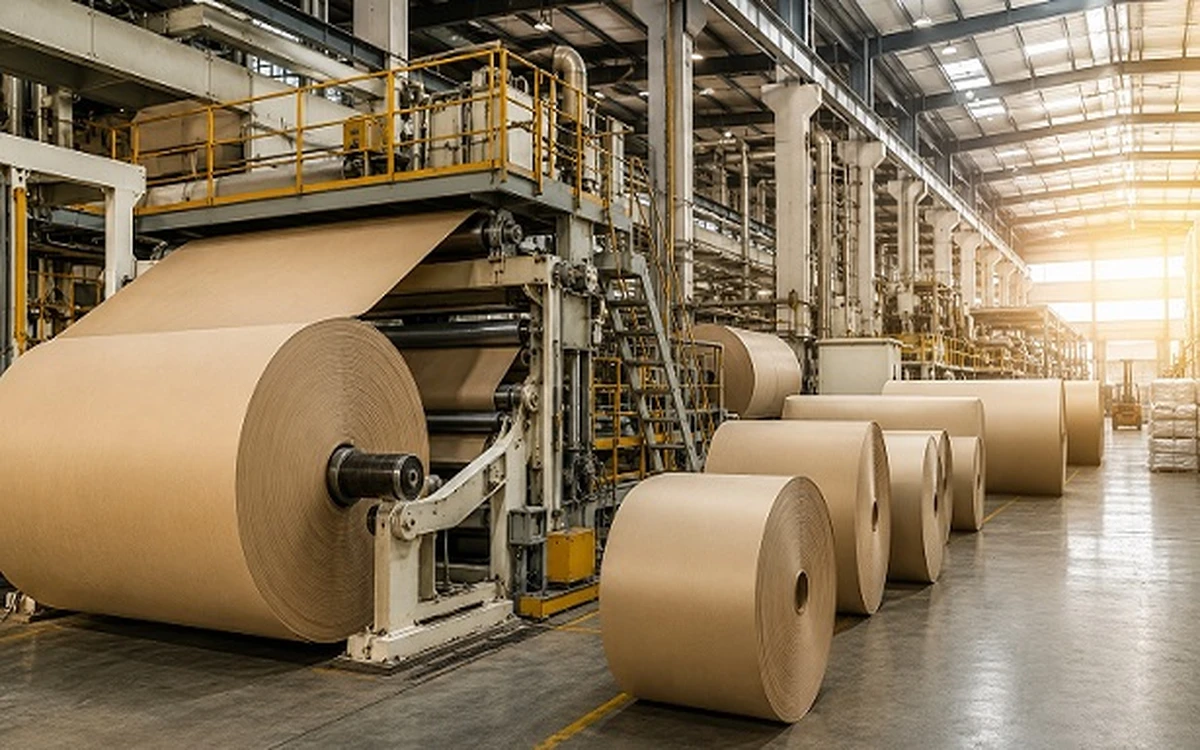
Morbi paper mills see full-capacity operations as ceramic industry revives; Kraft paper exports to China spike, Prices strengthen; Janmashtami shutdown ahead

The BE and caustic soda plant marks a key milestone for Mohit Paper Mills, enabling full utilization of installed capacity and enhancing overall production efficiency
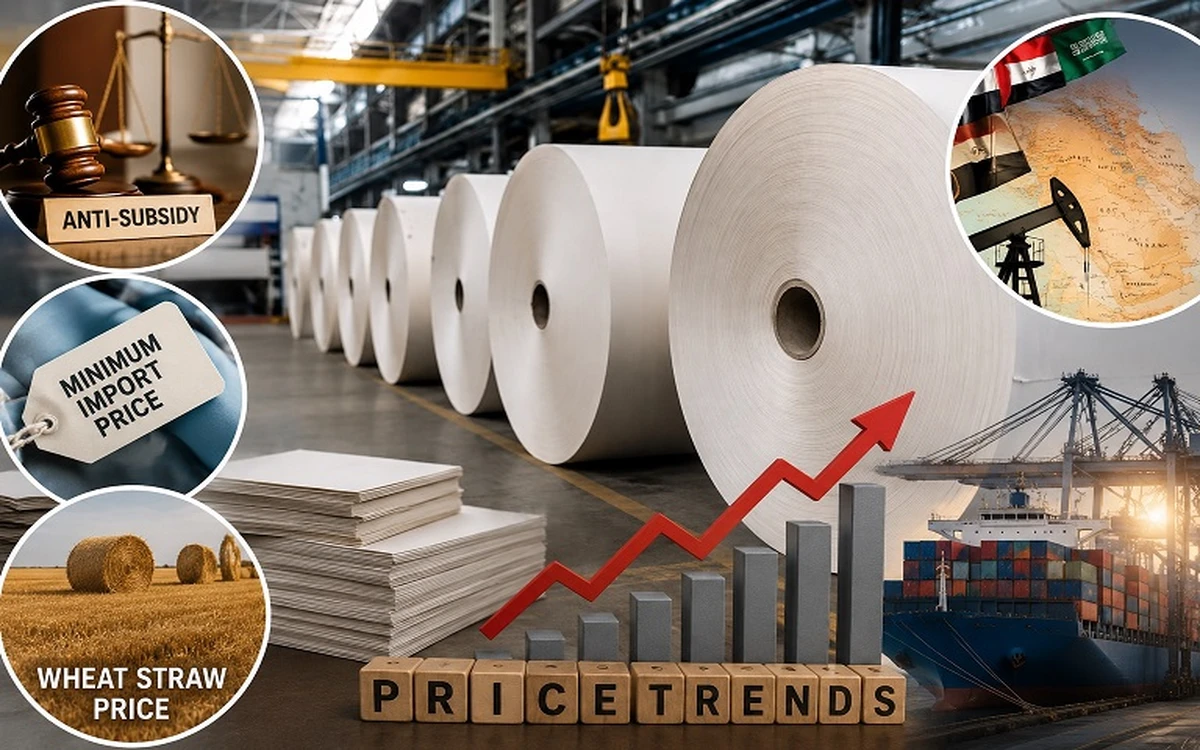
Expert Views on the paper market scenario, How the West Asia Crisis Helped the Industry, MIP for WPP, Anti-Subsidy implementation, and paper price trends
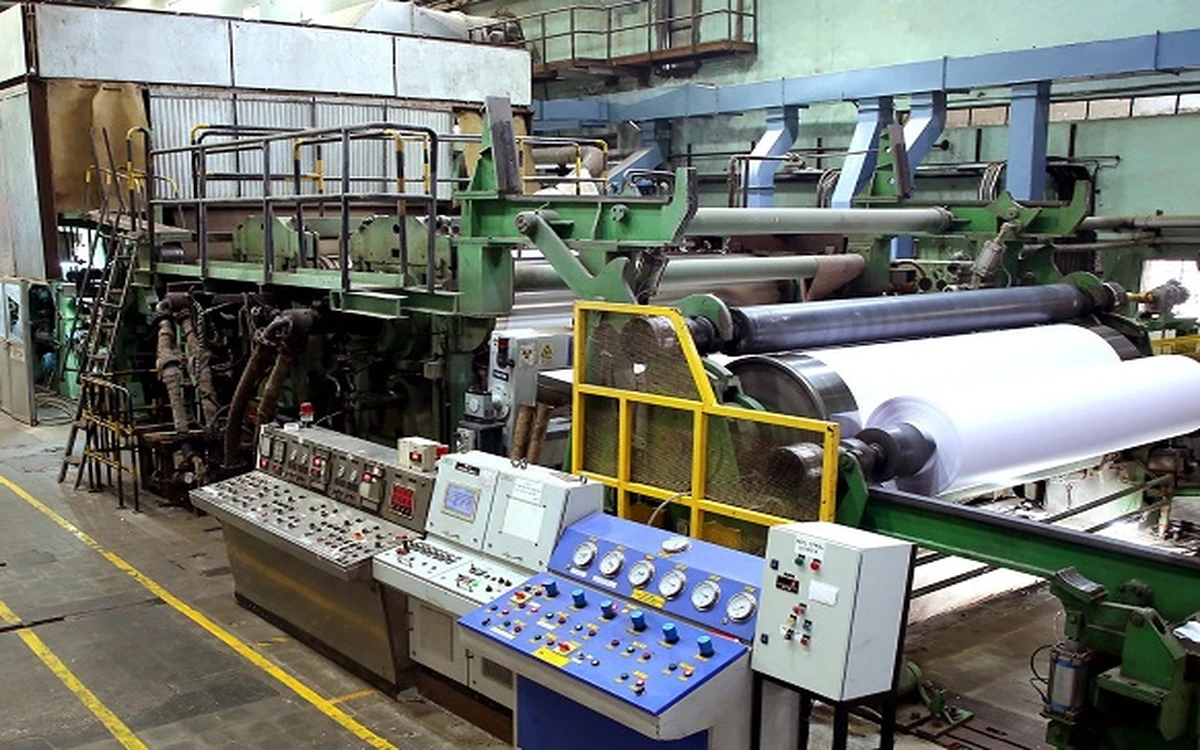
Pudumjee Paper intends to develop new varieties addressing applications for stronger paper bags and cupcakes; Plans 68,000 MT Mahad Specialty Paper Facility within 5 years
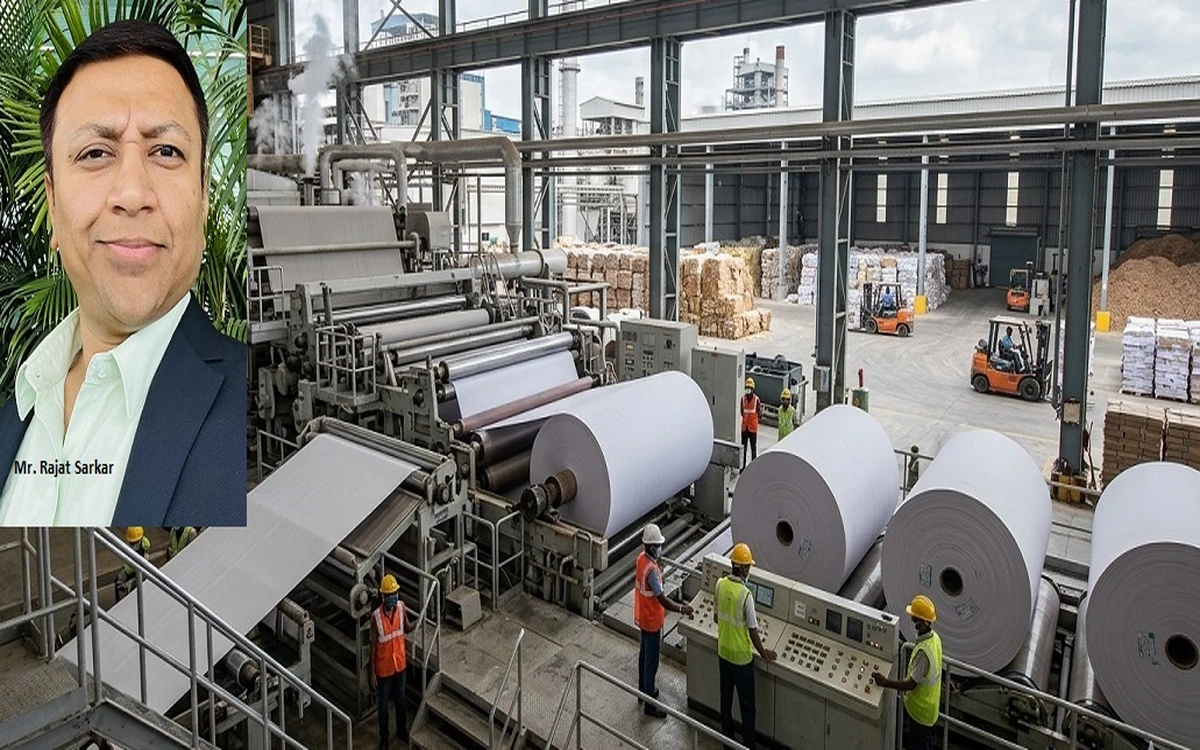
India Paper Industry at an Inflection Point: War, Costs, and Capacity; Demand growth expected at 5–7% in FY26
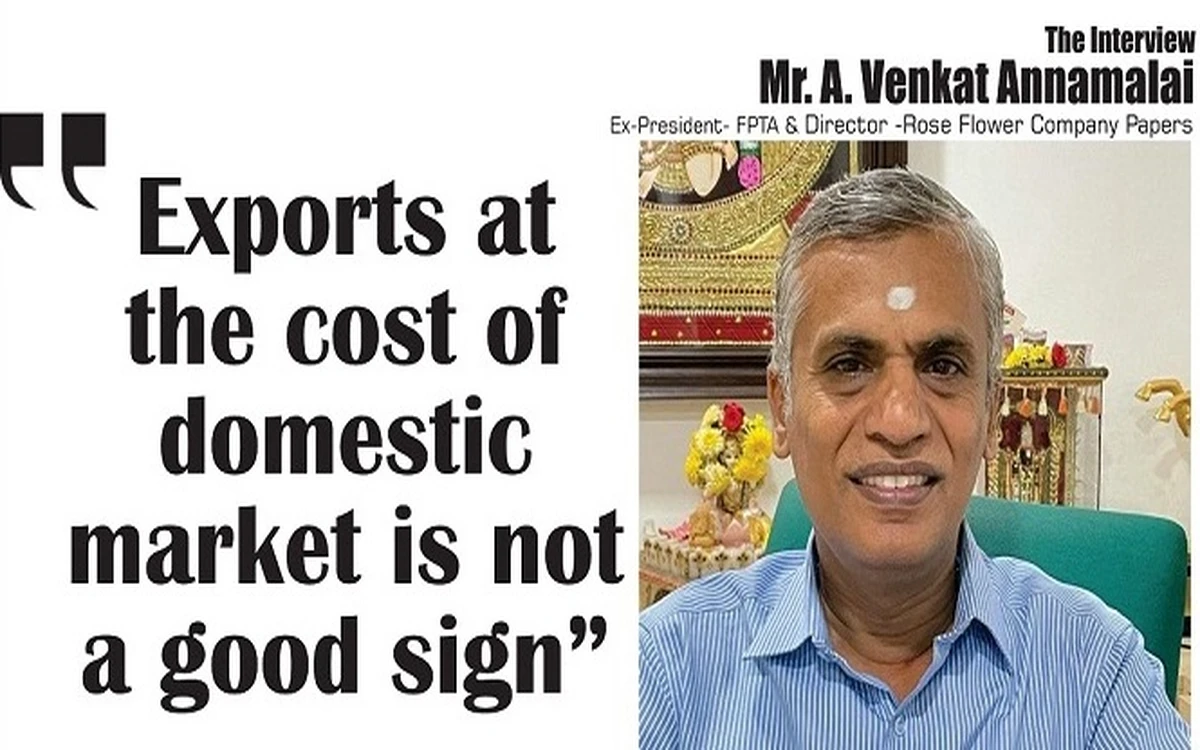
“Surging exports of paper will most certainly keep the domestic prices quite high”: Mr. A. Annamalai, Director – RFC
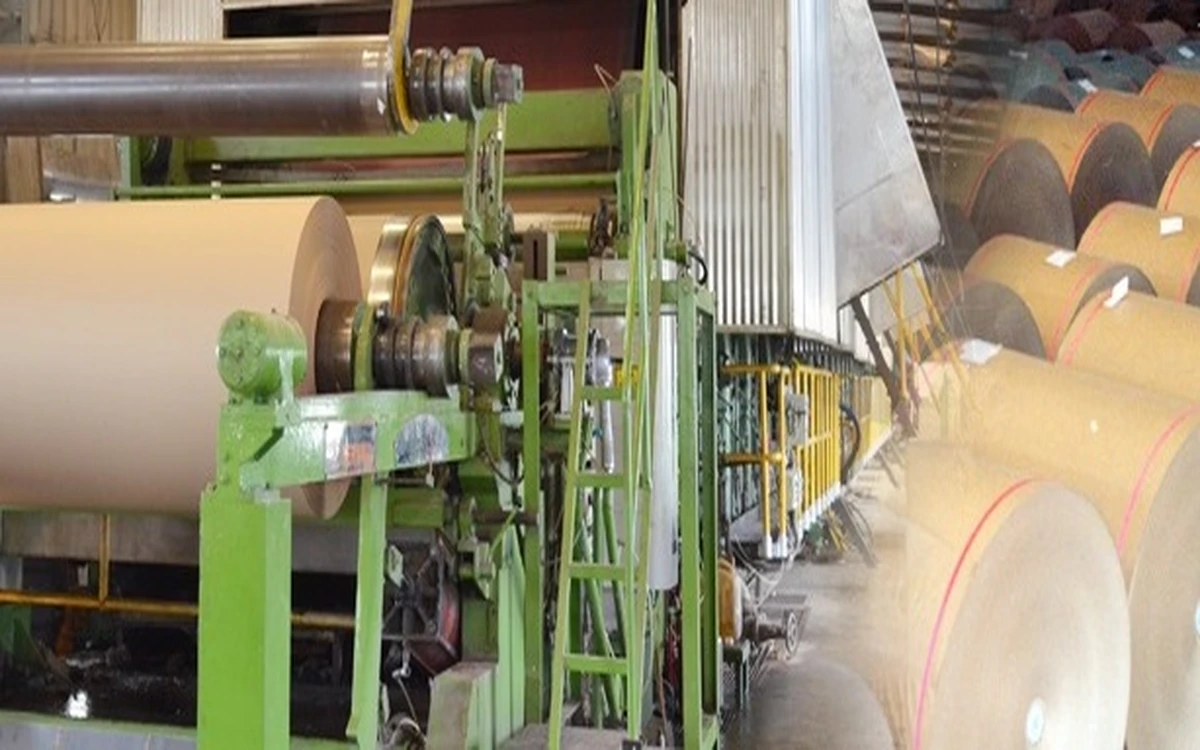
The Status of the Global Container board Industry, Recycled Paper Demand and Supply and its impact on the Indian Industry

Akshay Jain, director of Silverton Pulp & Paper, says it's time to promote agro residue as a raw material to lessen the scarcity of fibre
Advantageously located, a new paper mill is all set to roll kraft paper in Madhya Pradesh

Several agile interventions helped ITC-PSPD fortify its clear leadership of the Value Added Paperboards (VAP) segment
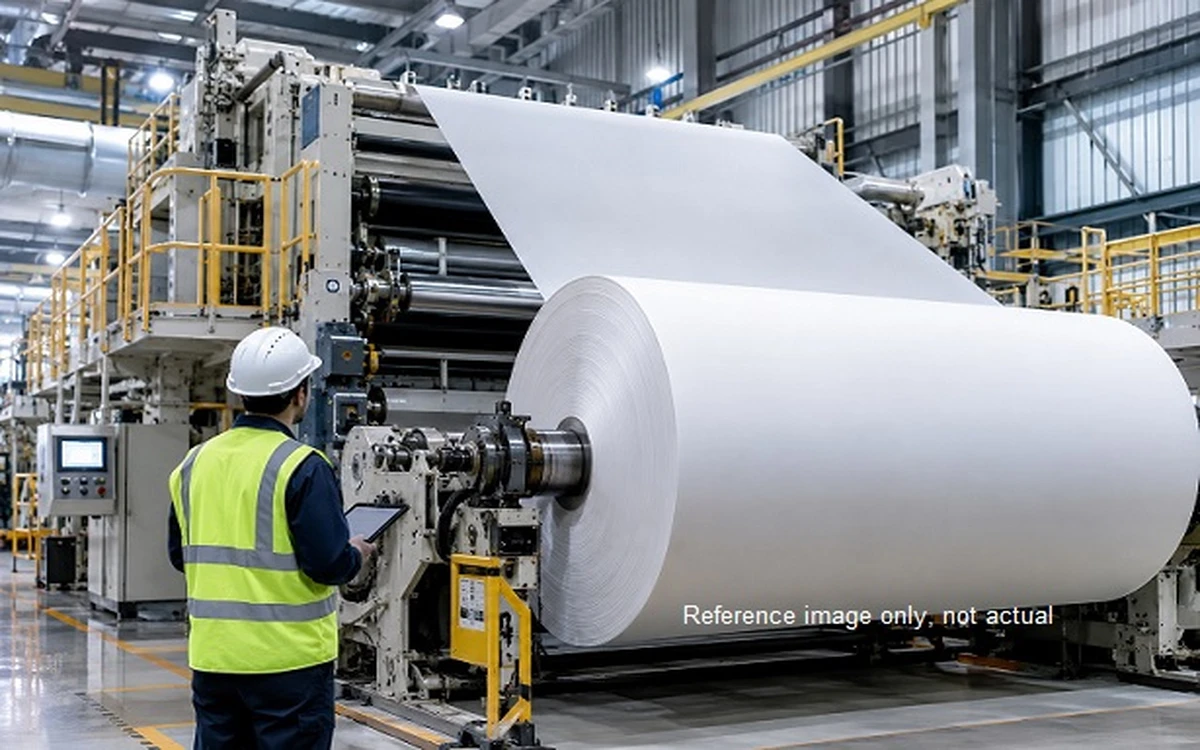
Pakka Advances PM4 Development; flexC Base Paper Trials Underway in Europe, with a Distributor Soft Launch Expected
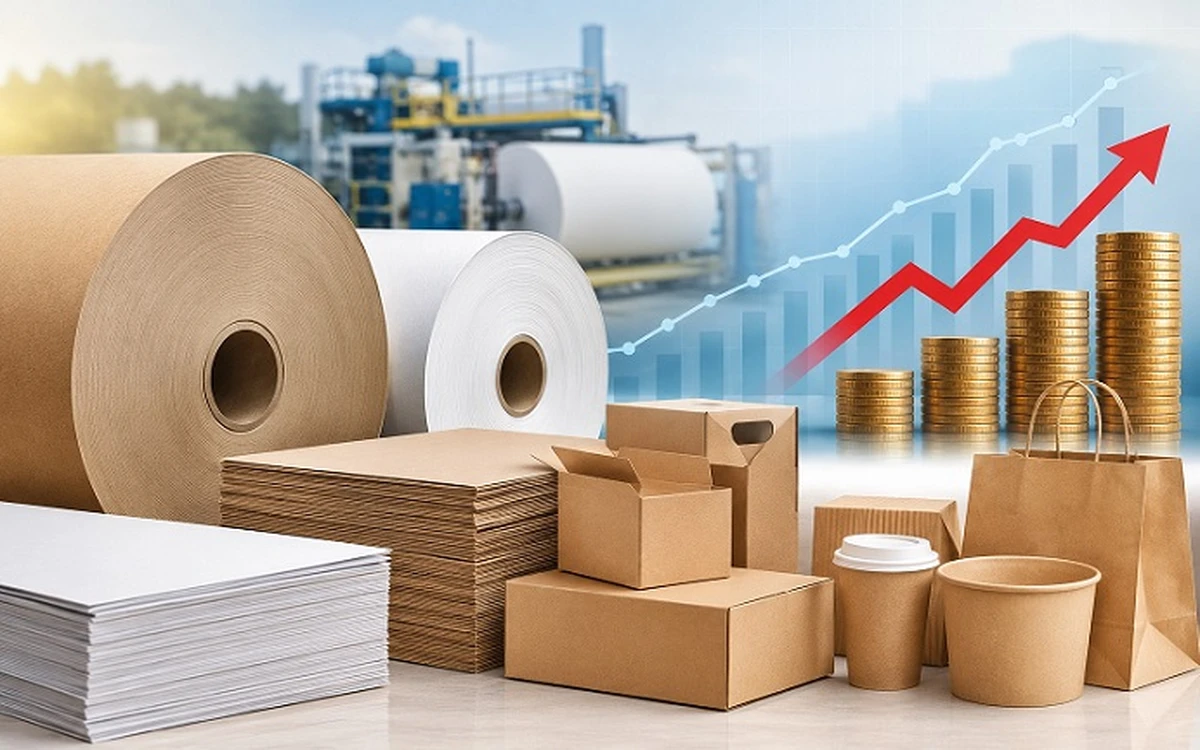
Paper and Packaging Board Market May Face Cost Pressures Through March 2027; FPTA Advises Traders

Overall Increase in Kraft Paper Prices Could Reach 35%; Industry Calls for 20% Box Price Increase, Voluntary Shutdown Proposed

Ruchira Papers Invests a Sizeable Capex of Rs. 235–240 Crore Towards Writing & Printing Paper Capacity Expansion
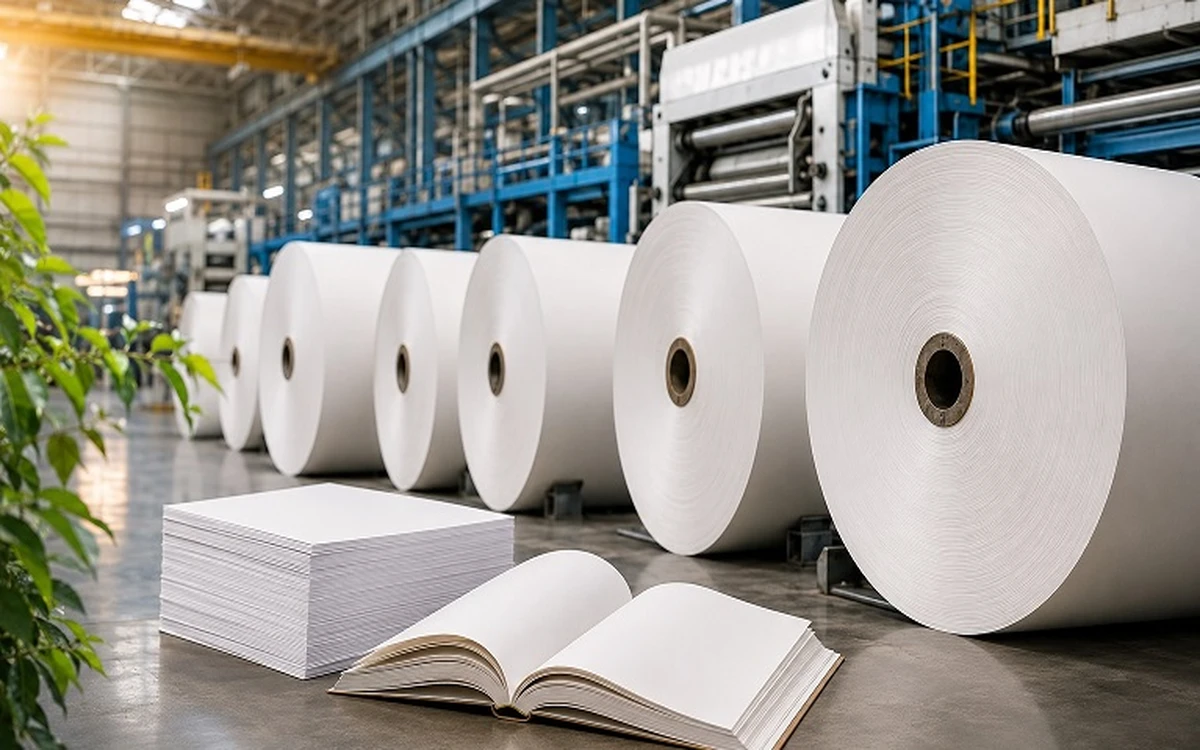
Paper mills inflated the basic ex-mill price of paper post GST 2.0, AINMA seeks action against Anti-Profiteering
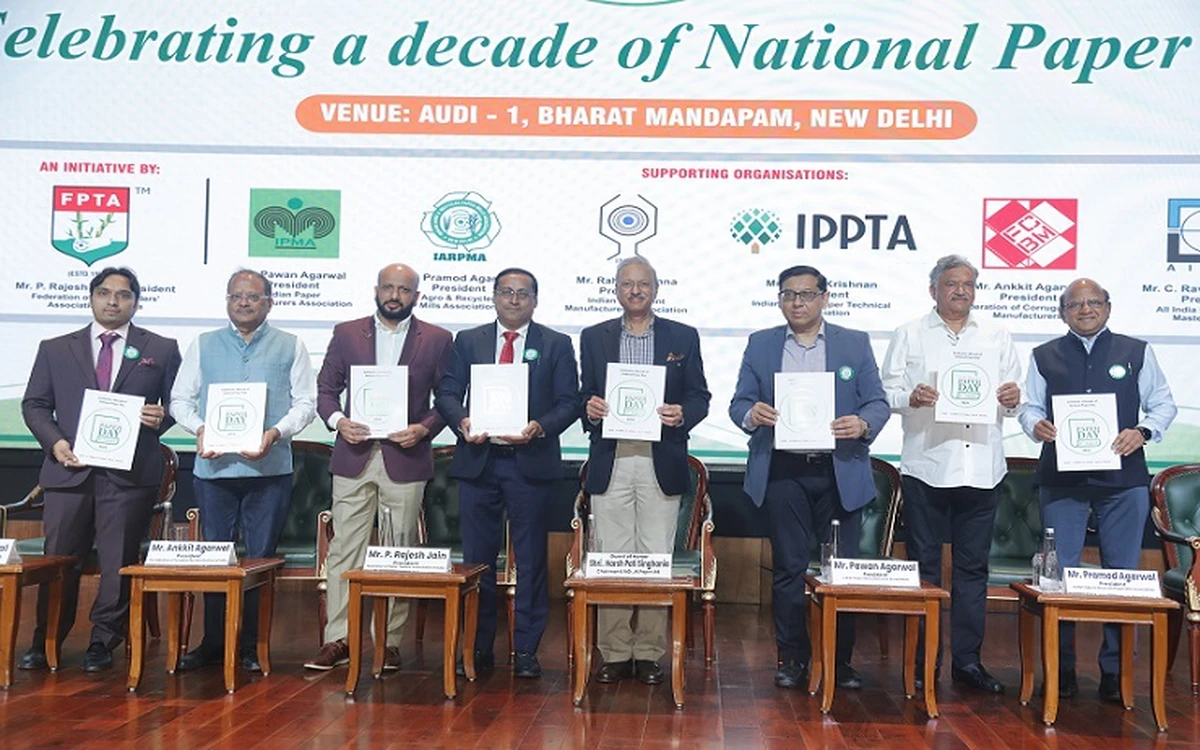
Seven Leading Associations Unite to Celebrate National Paper Day, Highlighting Paper's Sustainability and Circular Economy Advantage

Scientists from IIT-Guwahati develop India's first biodegradable plastic

Navneet Education focuses on brand building, curriculum-led growth, and export recovery; expects stationery margins to improve in FY27

It is estimated that USD10B to USD20B worth of single-use plastic packaging will convert to molded fiber, ZUME
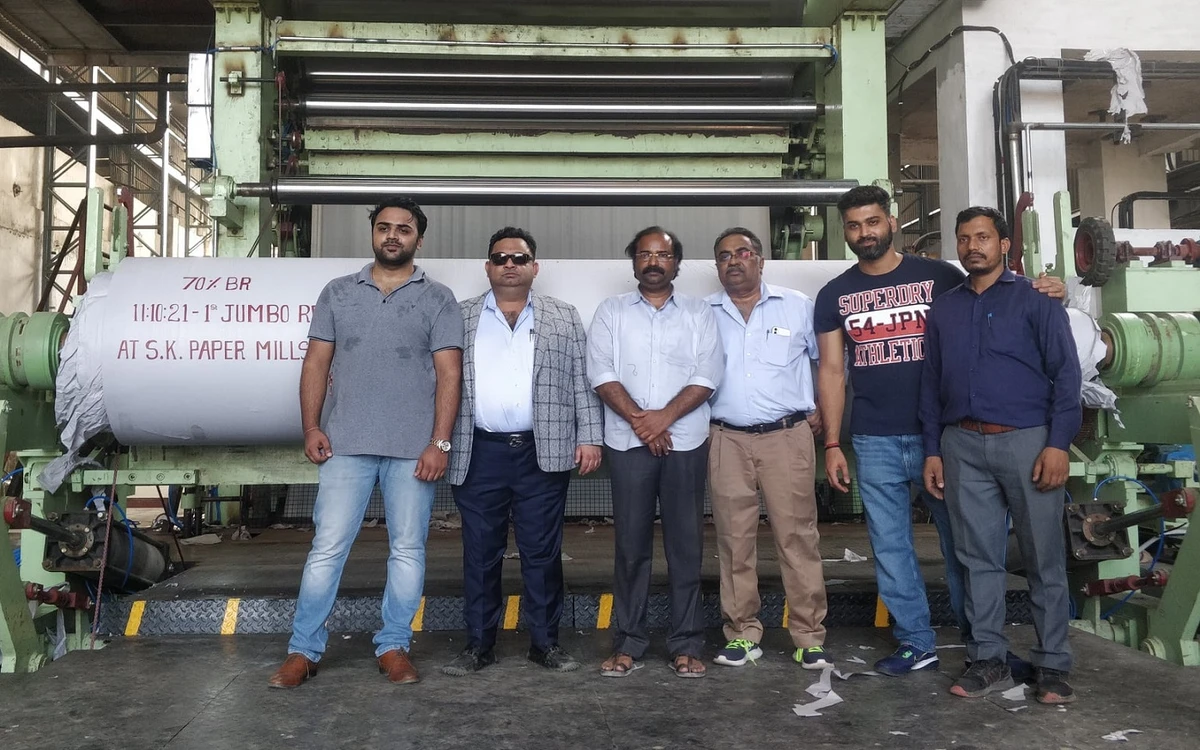
Muzaffarnagar gets a new capacity of Tissue Paper and MG Poster paper

“The integration of digitalization, automation, and Artificial Intelligence (AI) is no longer a futuristic concept—it is the baseline for competitiveness in 2036” - Vinit Garg, Director, Vizen Solutions
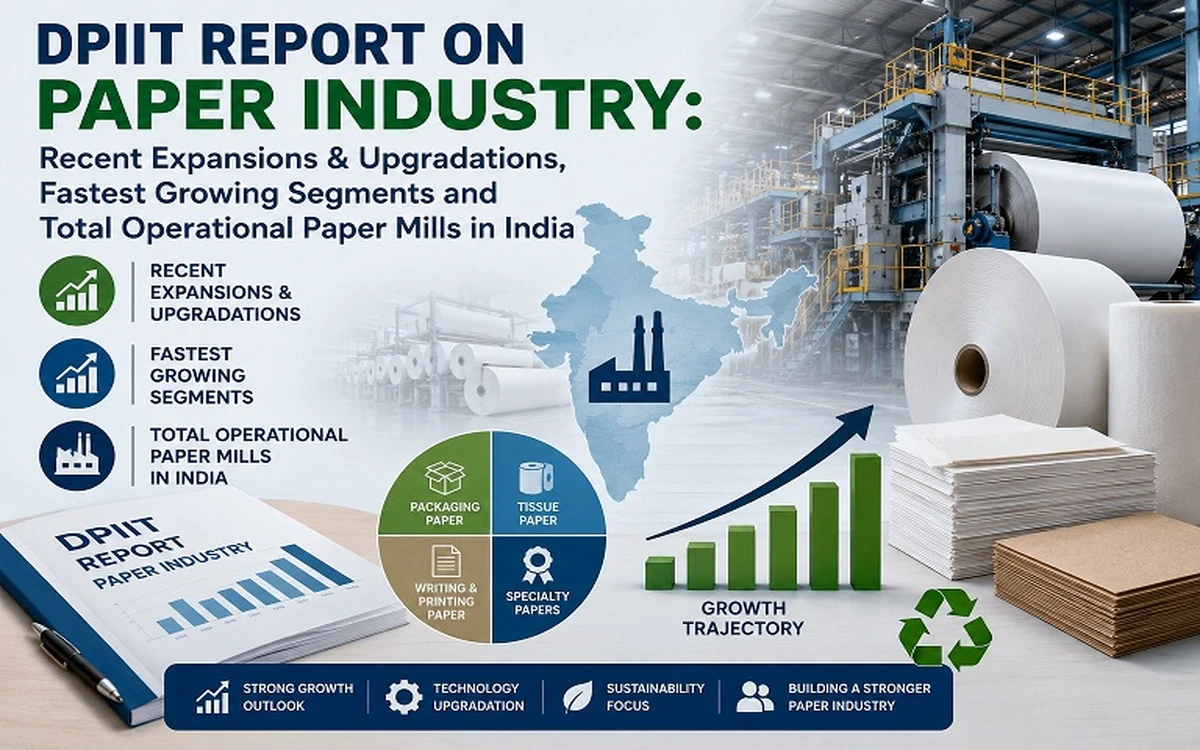
DPIIT Report on the Paper Industry: Recent Expansions & Upgrades, Fastest-Growing Segments, and Total Operational Paper Mills in India
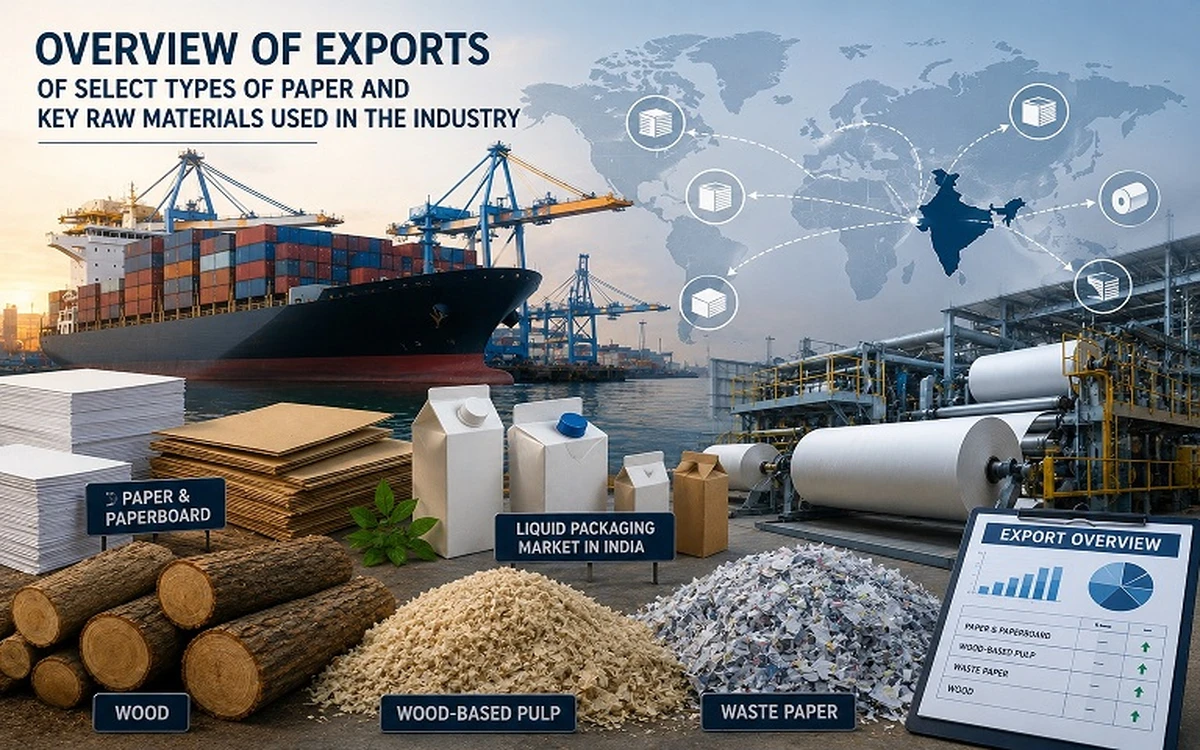
Overview of exports of select type of paper and key raw material used in the industry by Crisil Intelligence

Margin pressure pushes Pulp & Paper Packaging sector toward AI-Driven cost optimization, Cutting costs by 8–20%
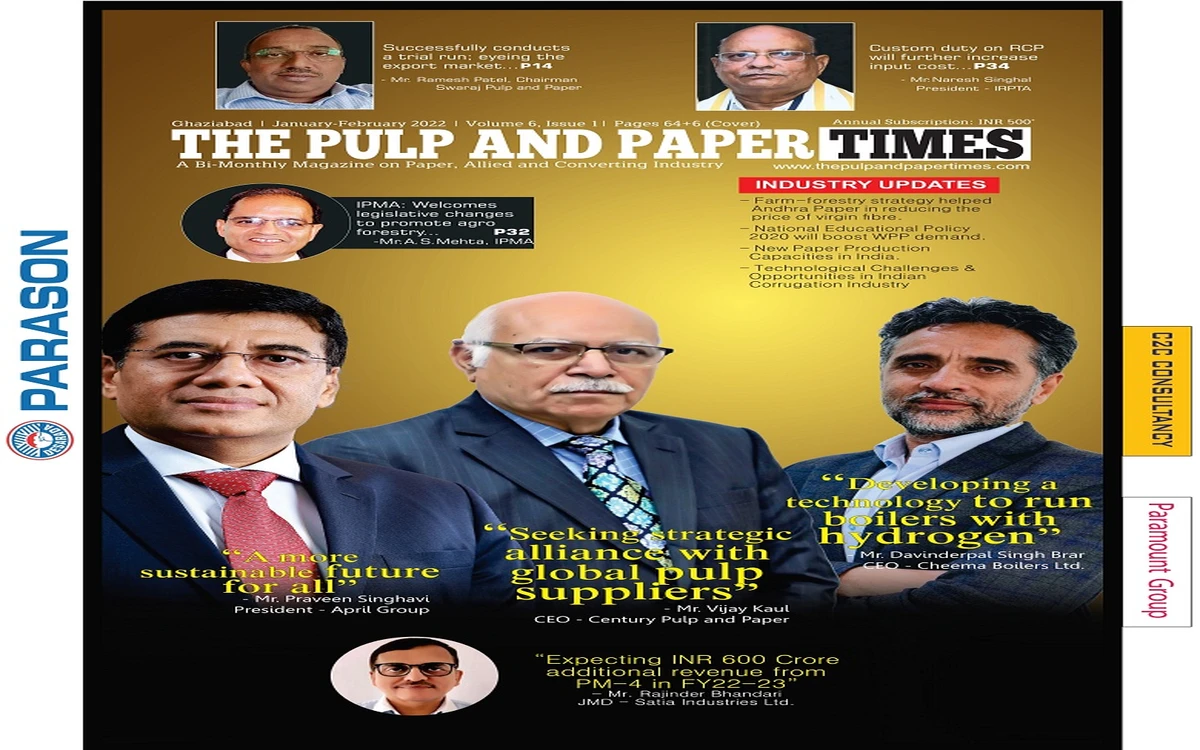
The Pulp and Paper Times Magazine : Volume 6, Issue 1

The Pulp and Paper Times Magazine : Volume 5, Issue 6
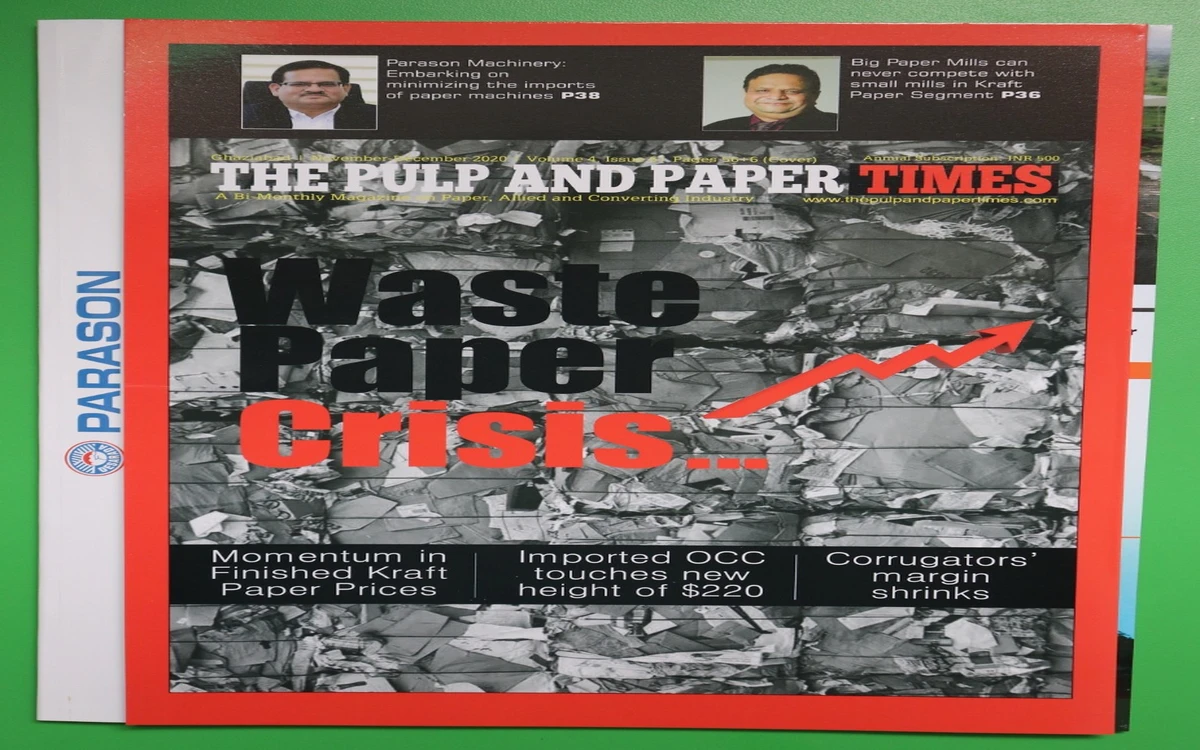
The Pulp and Paper Times: Volume 4, Issue 6
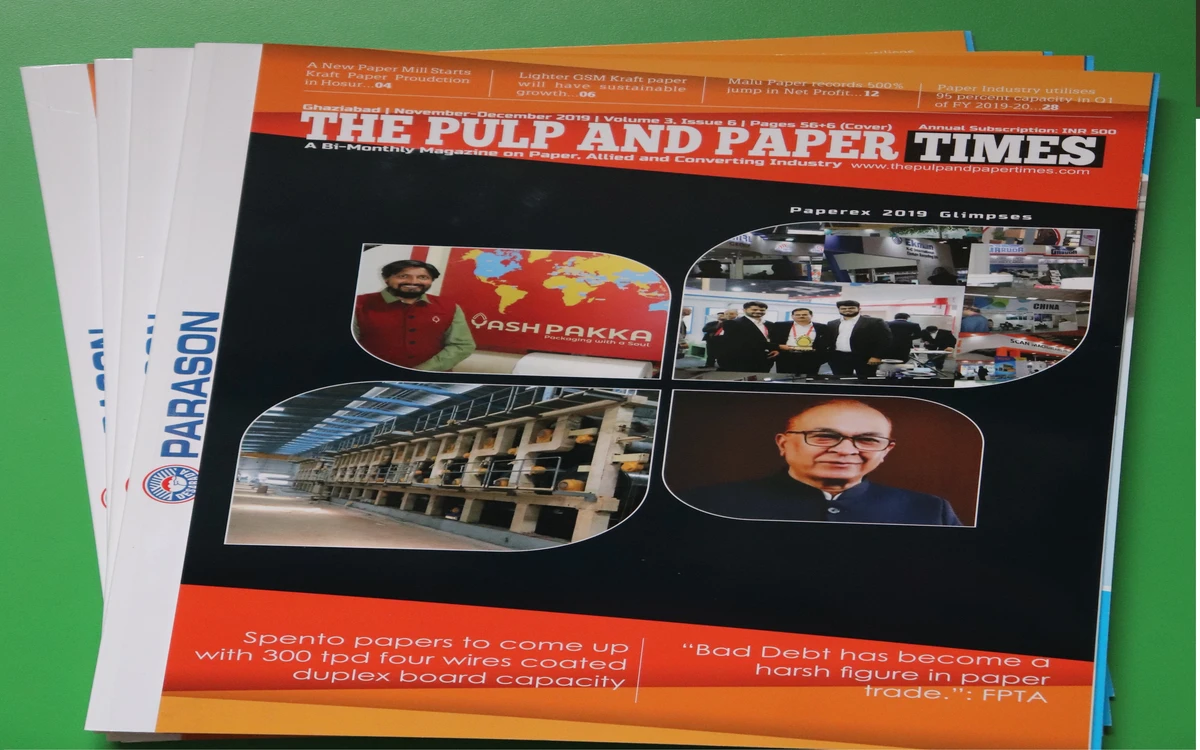
The Pulp and Paper Times : Volume 3, Issue 6
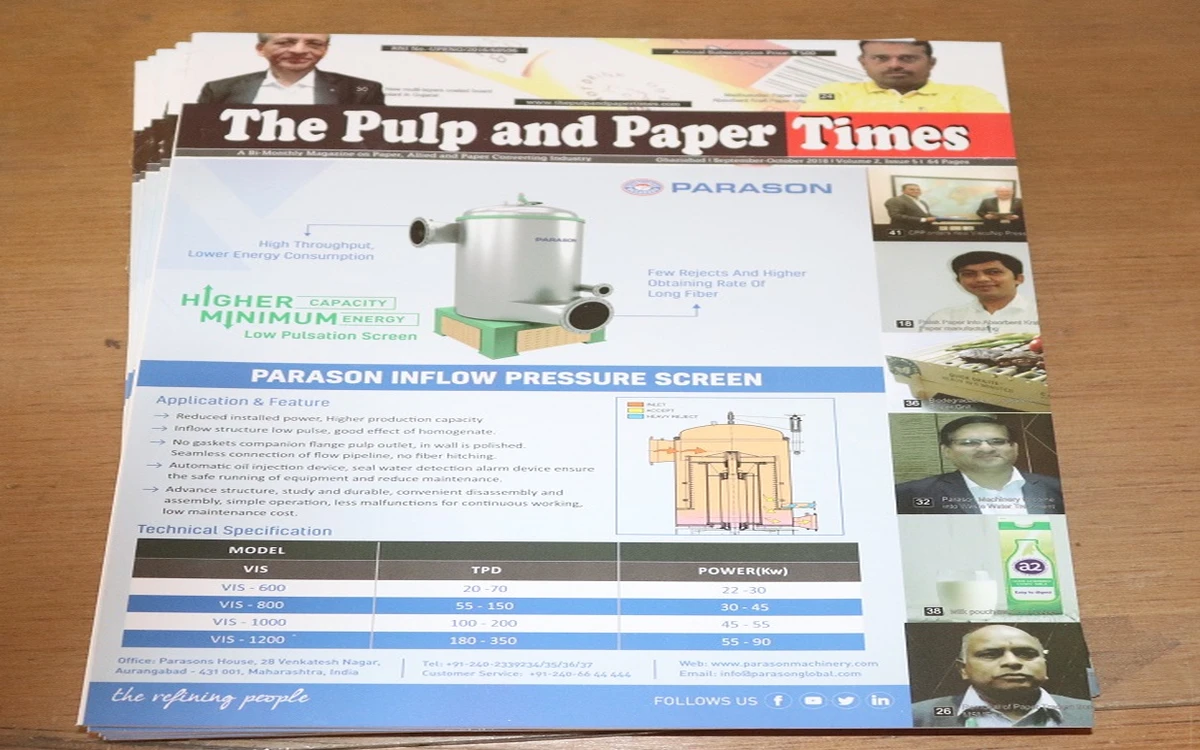
The Pulp and Paper Times: Volume 2 Issue 5

The Pulp and Paper Times, Volume 1, Issue 3
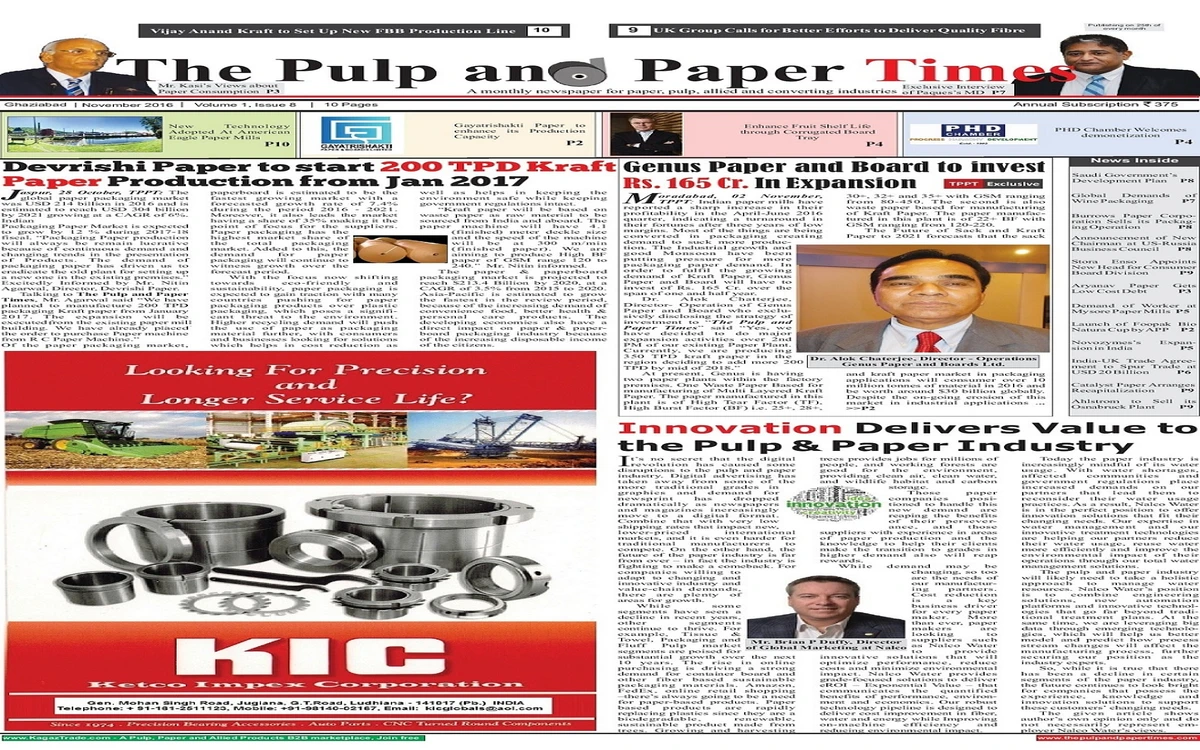
The Pulp and Paper Times, November 2016 Issue
Paper industry uses different types of felts for different products. That is perfectly OK. We use different felt circuits. Each circuit contains a stretcher, a guide and several other rolls. If you look at various felt circuits, these are in different shapes. Most of you must never have tried to look beyond the felt circuits. In any felt circuit, there are several rolls which have very little wrap angle, while some rolls have bigger wrap angles. For example, the stretcher might have a full 180 degree wrap angle, while the wrap angle of felt on the guide roll is typically around 35-40 degrees. Have you noticed that the most of the bearing related problems appear on the felt rolls which have more wrap angles? Another point is the number of rolls in a felt circuit. Typically, the more number of rolls inside the felt circuit results in more time the machine crew needs to change the felt. That means having lesser number of rolls inside the circuit will definitely help to reduce felt change downtime.
This way, two major variables appear. First is the wrap angle of the felt on the roll, and the second is the number of felt rolls inside the felt circuit. First may result in increased bearing related problem, while the second results in increased downtime to change the felt. So, what can be done? Many maintenance experts recommend using genuine bearings, sleeves, using additional lock washer, mounting the bearings properly etc. Of course, most of our maintenance engineers are doing their job well. Compared to past decades, the bearings reliability has increased drastically. But, is it not the need by the design engineers to look into the issue and design the felt circuits with smaller wrap angles? Today, we are proud that India is fast emerging as a reputed paper machine manufacturing country.
Many Indian suppliers have earned great reputation by supplying world class machines at competitive prices. I wish suppliers should also consider the issue an important one and start designing felt circuits considering the same issues in their forthcoming supplies for paper machines. All paper makers should also review felt circuits in their machines, and discuss with machinery manufacturers for some possible upgrade, if needed.
Please think.
Article submitted by: Mr. Devesh Kumar Singhal, B.E., M.E. (Pulp & Paper), Chartered Engineer, Certified Energy Auditor Chandpur Enterprises Ltd. India (see the photo)