Join Groups & Channels, No Spamming








Morbi paper mills see full-capacity operations as ceramic industry revives; Kraft paper exports to China spike, Prices strengthen; Janmashtami shutdown ahead
The BE and caustic soda plant marks a key milestone for Mohit Paper Mills, enabling full utilization of installed capacity and enhancing overall production efficiency
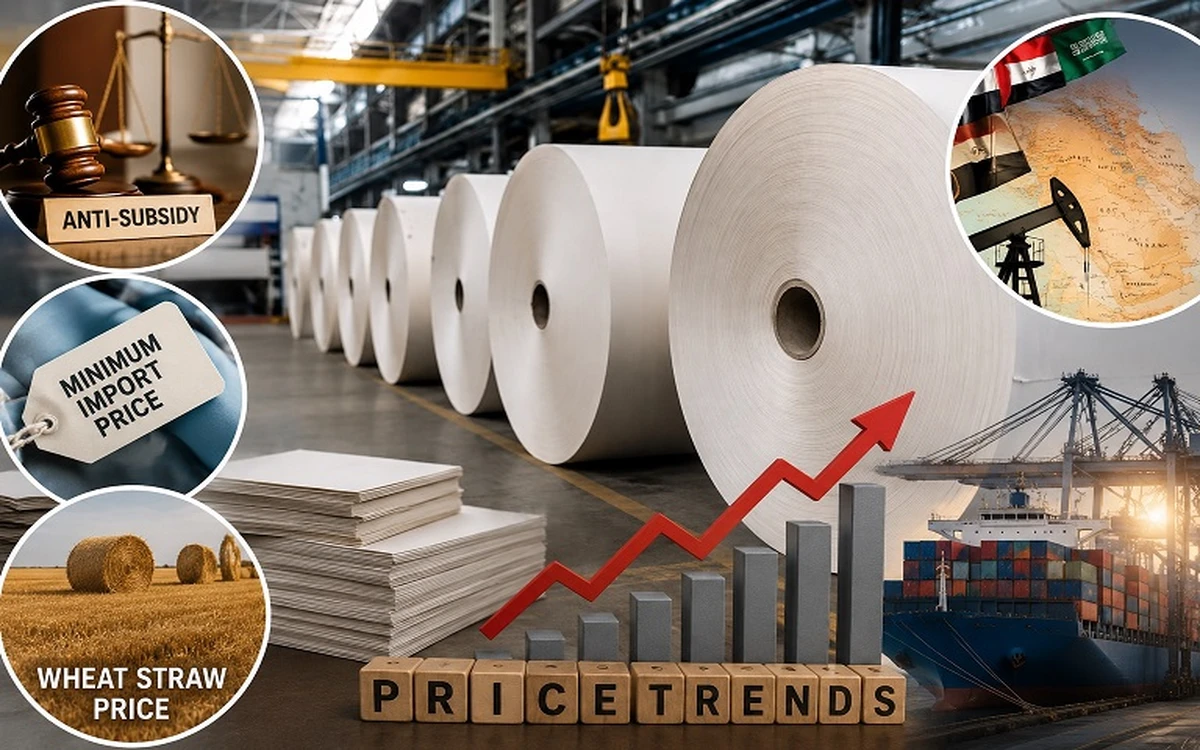
Expert Views on the paper market scenario, How the West Asia Crisis Helped the Industry, MIP for WPP, Anti-Subsidy implementation, and paper price trends
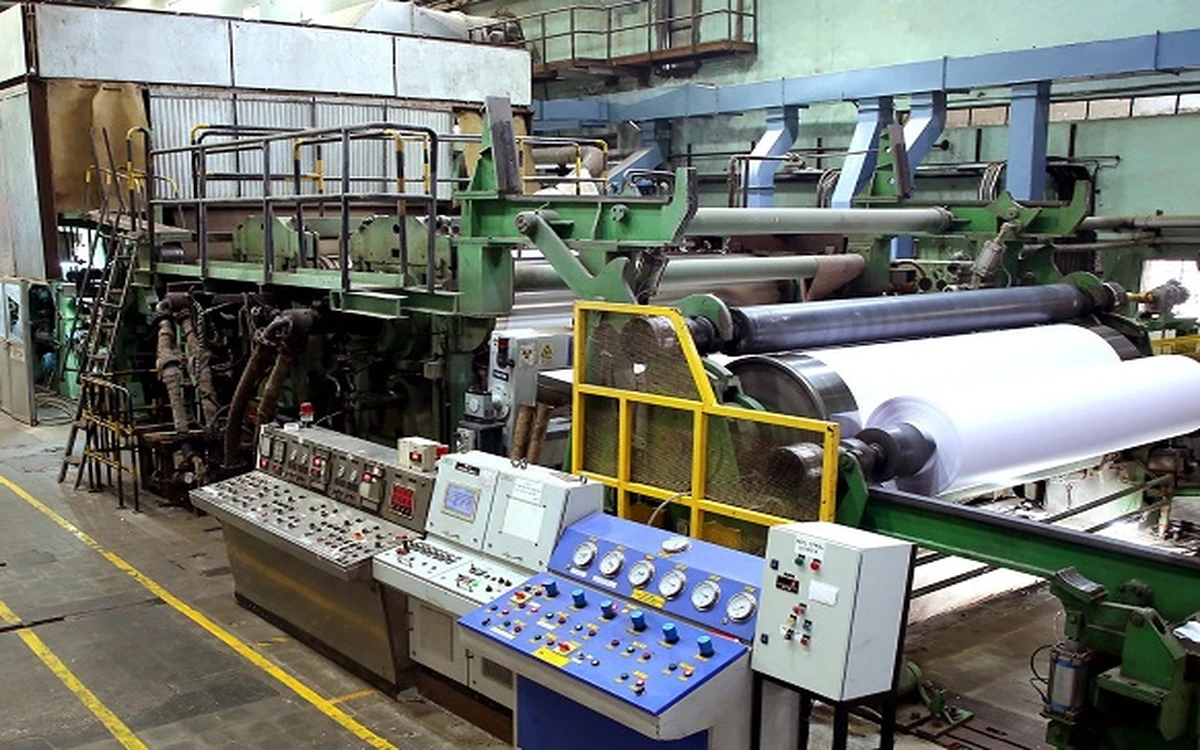
Pudumjee Paper intends to develop new varieties addressing applications for stronger paper bags and cupcakes; Plans 68,000 MT Mahad Specialty Paper Facility within 5 years
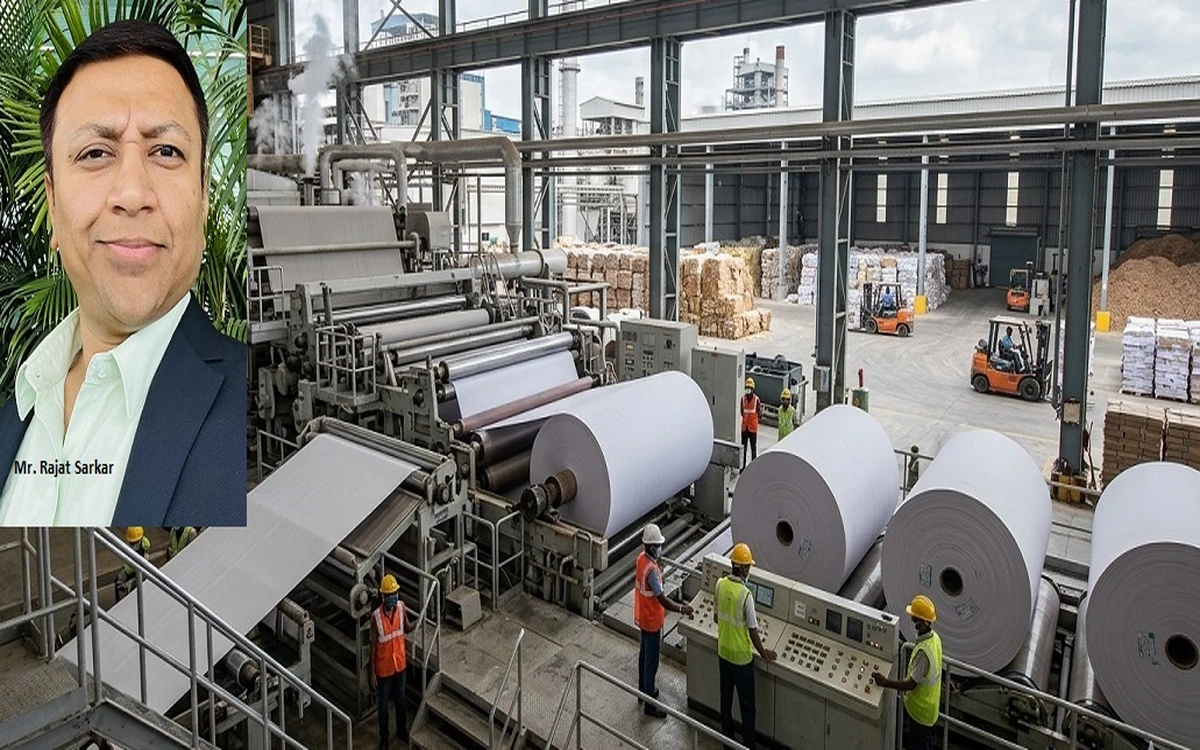
India Paper Industry at an Inflection Point: War, Costs, and Capacity; Demand growth expected at 5–7% in FY26
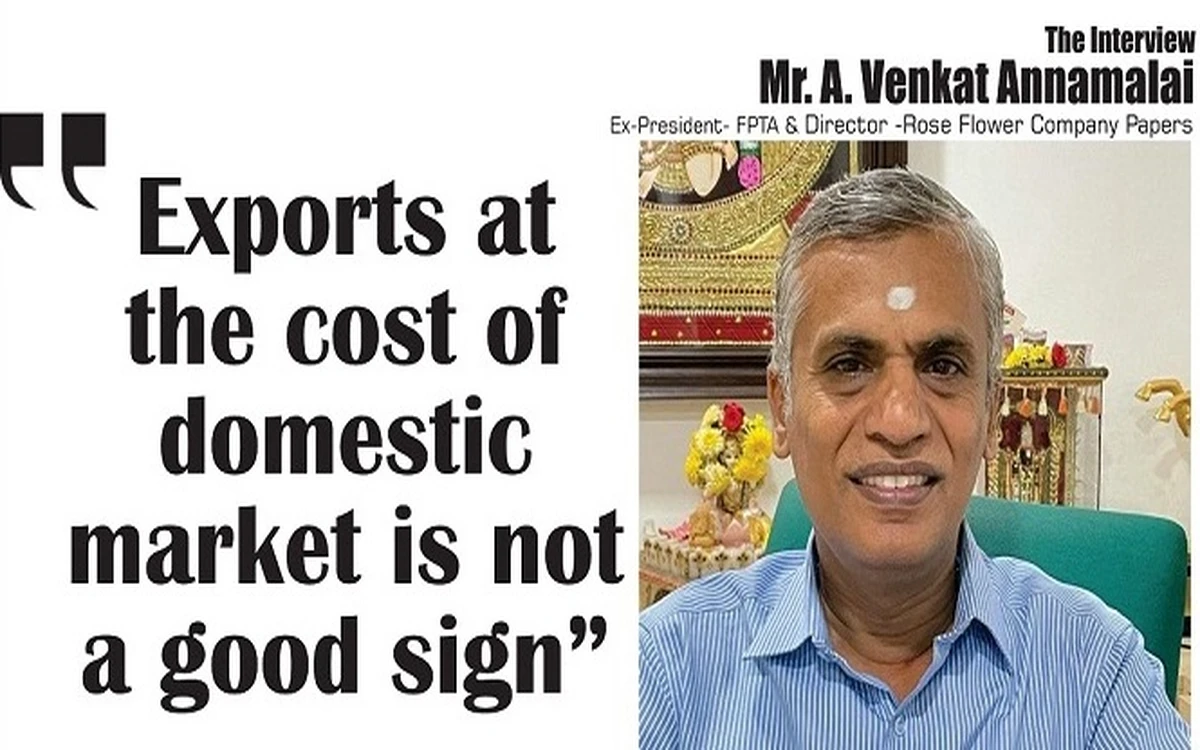
“Surging exports of paper will most certainly keep the domestic prices quite high”: Mr. A. Annamalai, Director – RFC
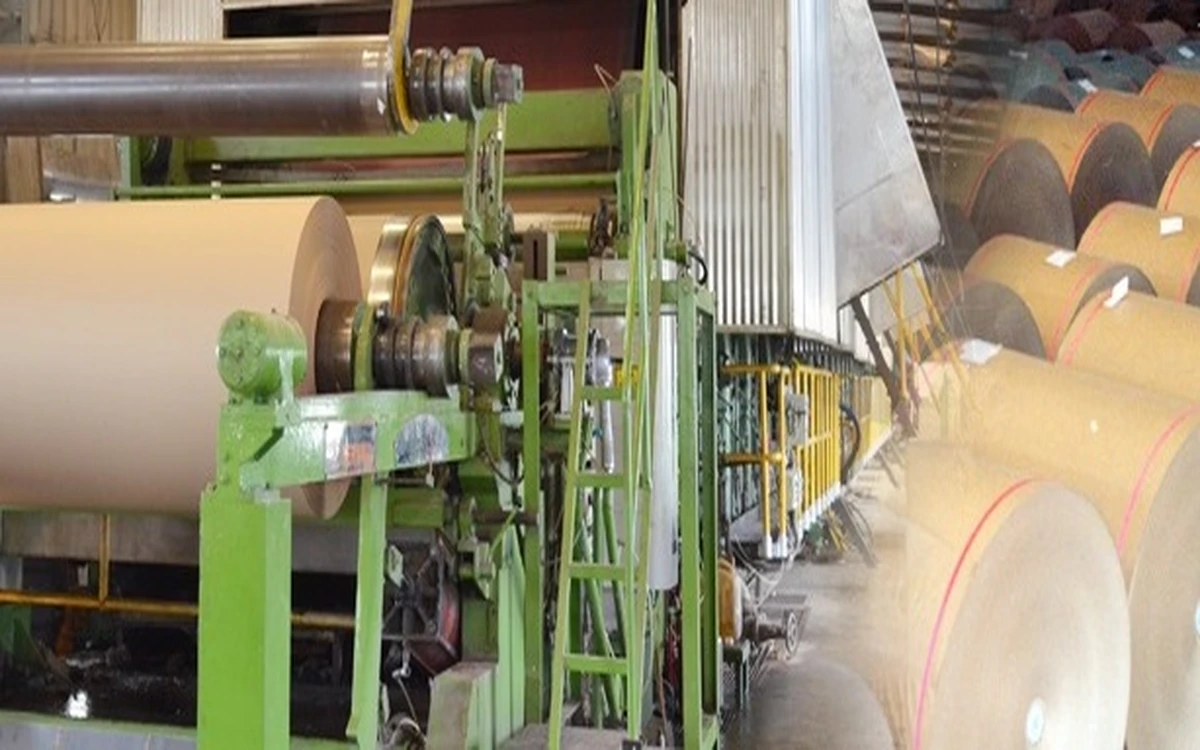
The Status of the Global Container board Industry, Recycled Paper Demand and Supply and its impact on the Indian Industry

Akshay Jain, director of Silverton Pulp & Paper, says it's time to promote agro residue as a raw material to lessen the scarcity of fibre
Advantageously located, a new paper mill is all set to roll kraft paper in Madhya Pradesh
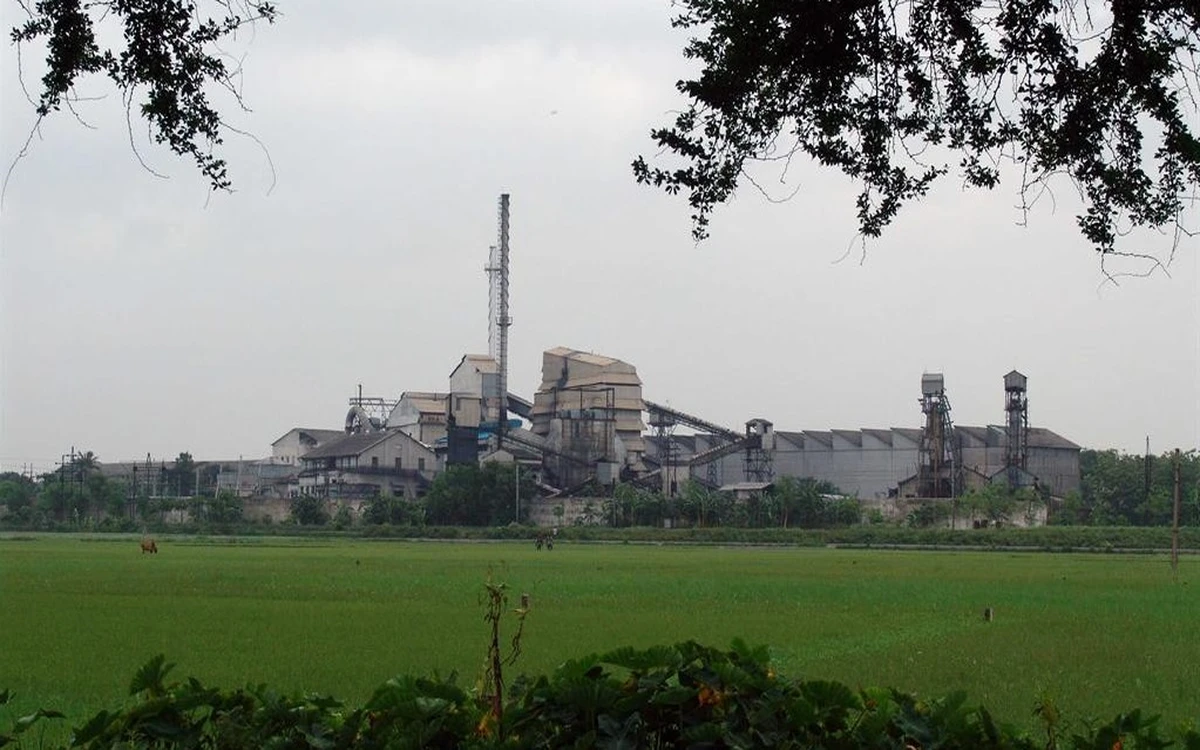
Several agile interventions helped ITC-PSPD fortify its clear leadership of the Value Added Paperboards (VAP) segment
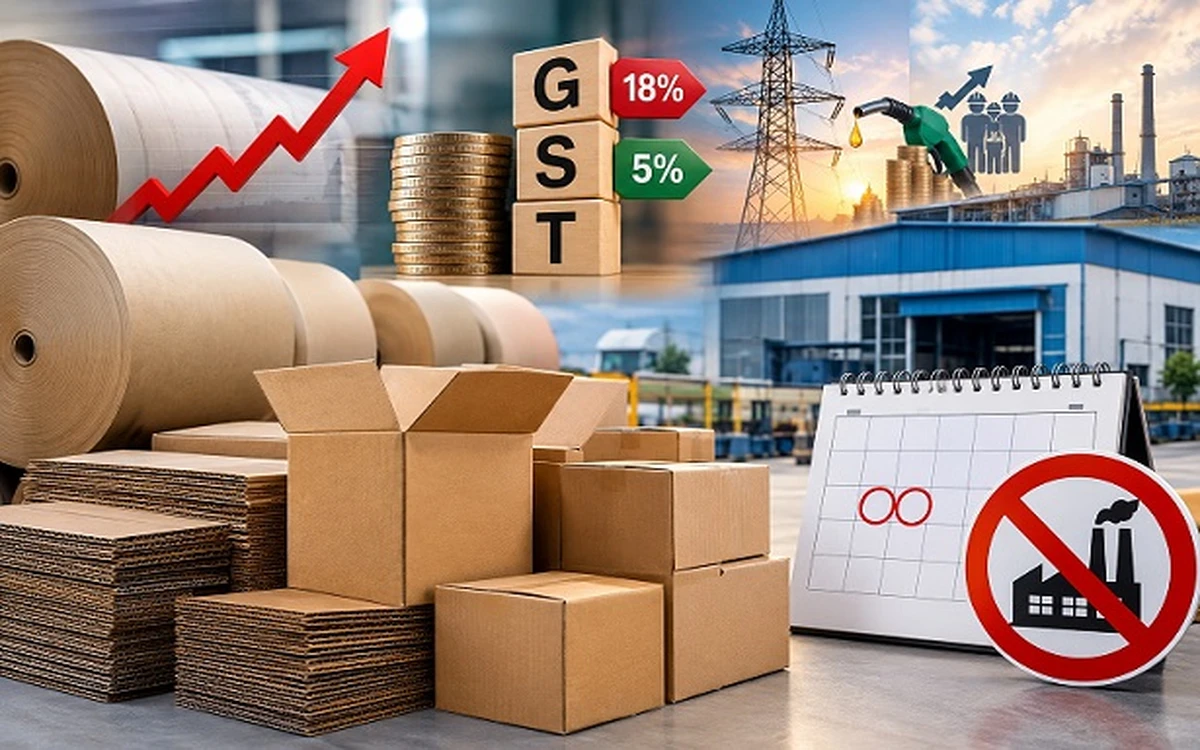
Overall Increase in Kraft Paper Prices Could Reach 35%; Industry Calls for 20% Box Price Increase, Voluntary Shutdown Proposed
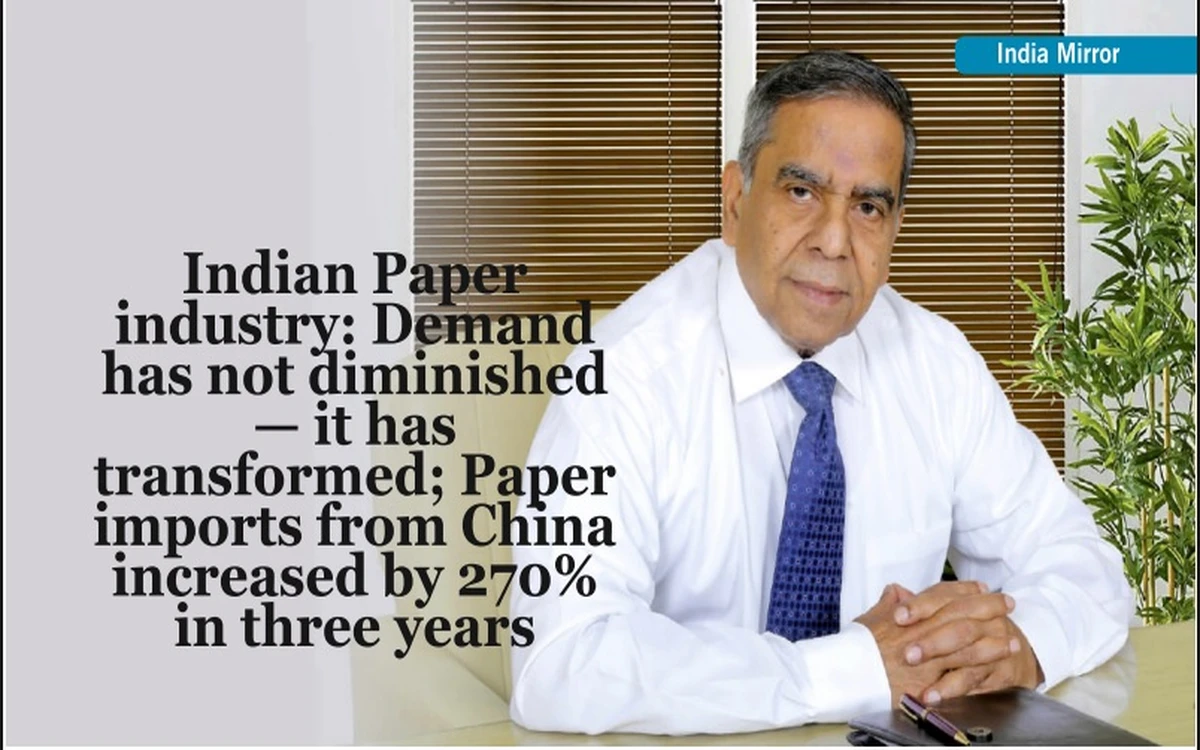
Indian Paper industry: Demand has not diminished — it has transformed; Paper imports from China increased by 270% in three years
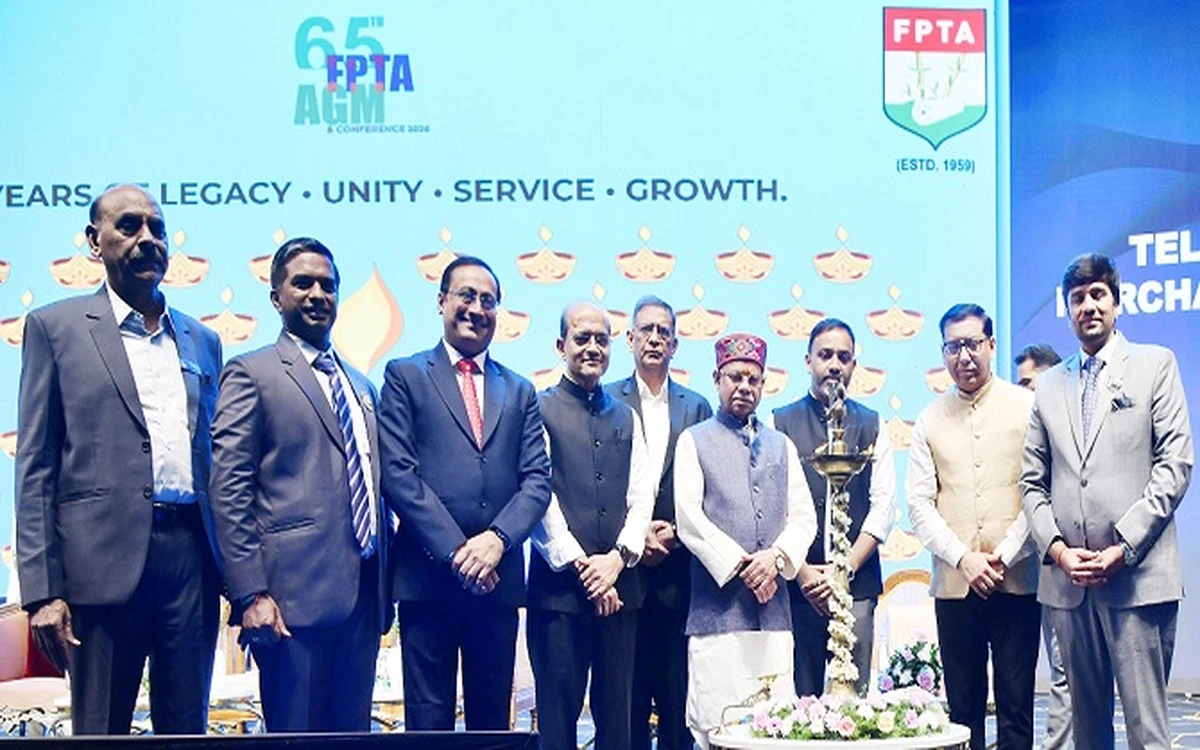
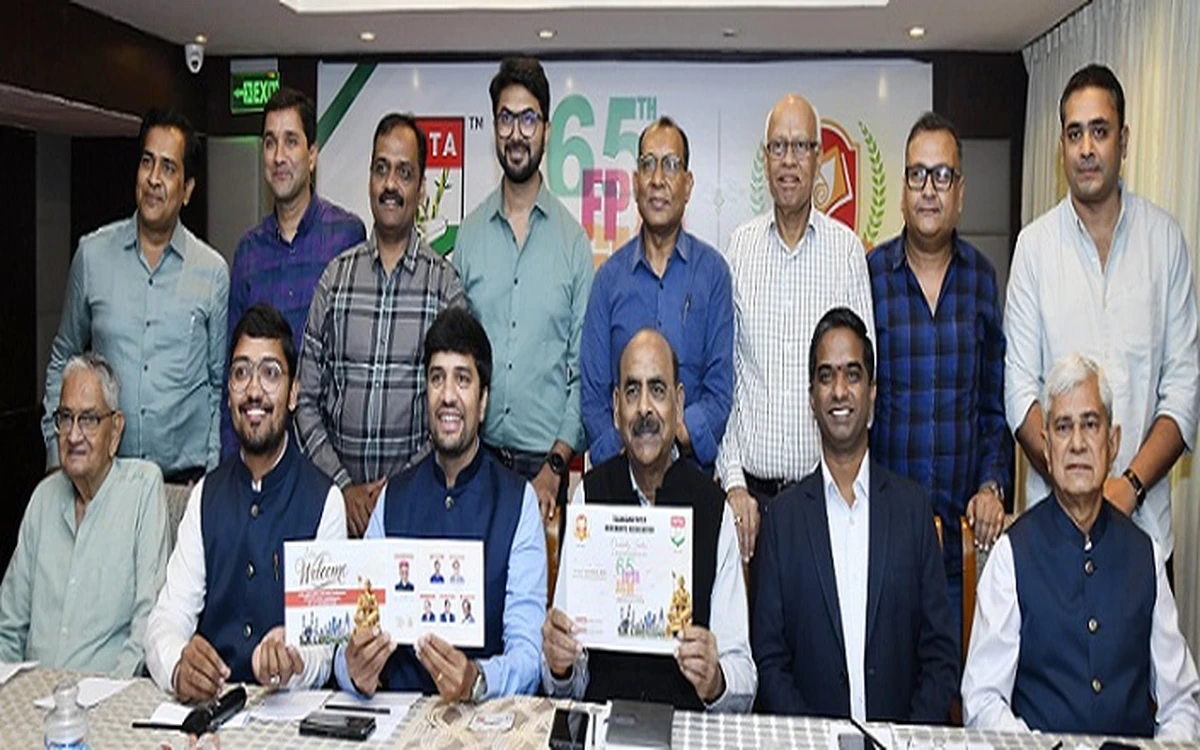
Paper Mills and Dealers Must Work Together to Create New Demand, Say Industry Leaders at FPTA’s 65th AGM
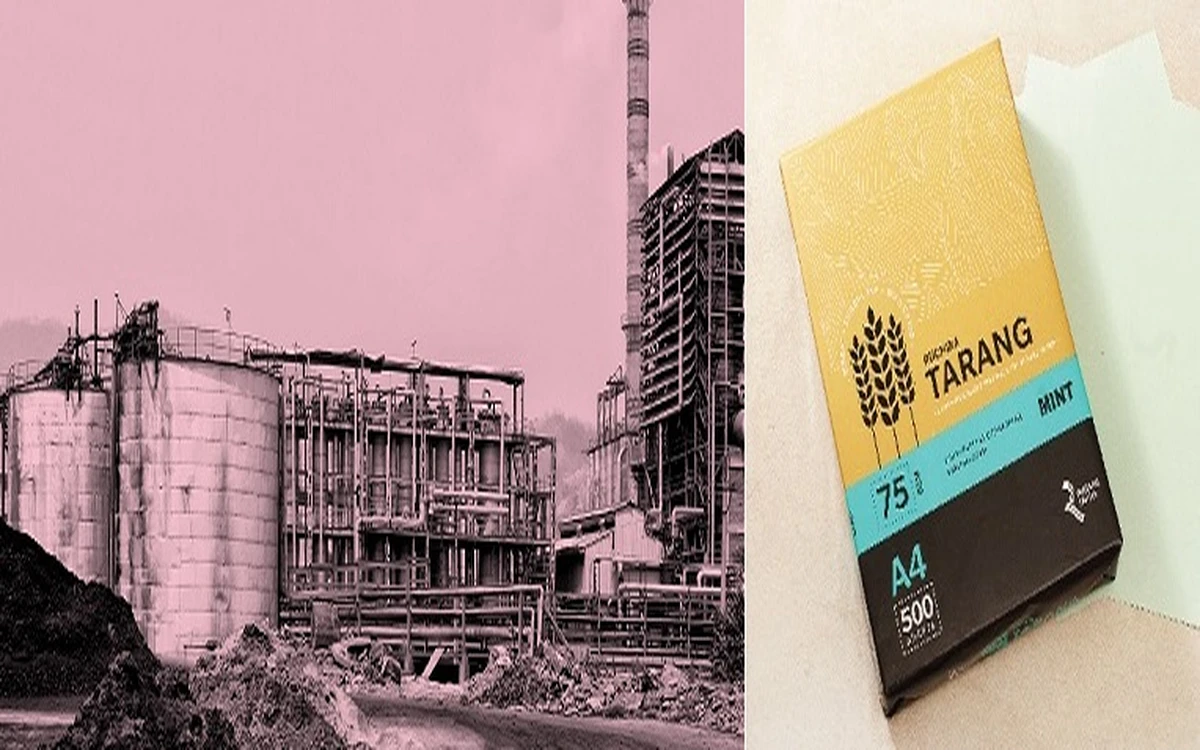
Ruchira Papers Invests a Sizeable Capex of Rs. 235–240 Crore Towards Writing & Printing Paper Capacity Expansion
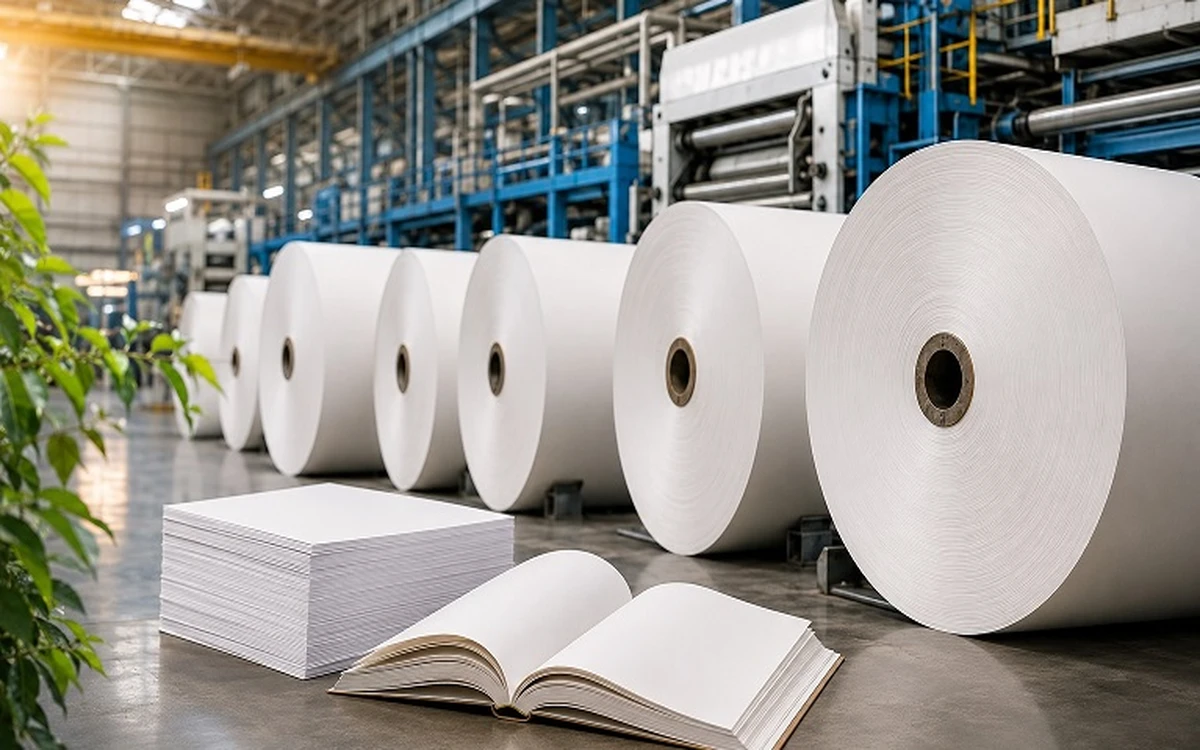
Paper mills inflated the basic ex-mill price of paper post GST 2.0, AINMA seeks action against Anti-Profiteering
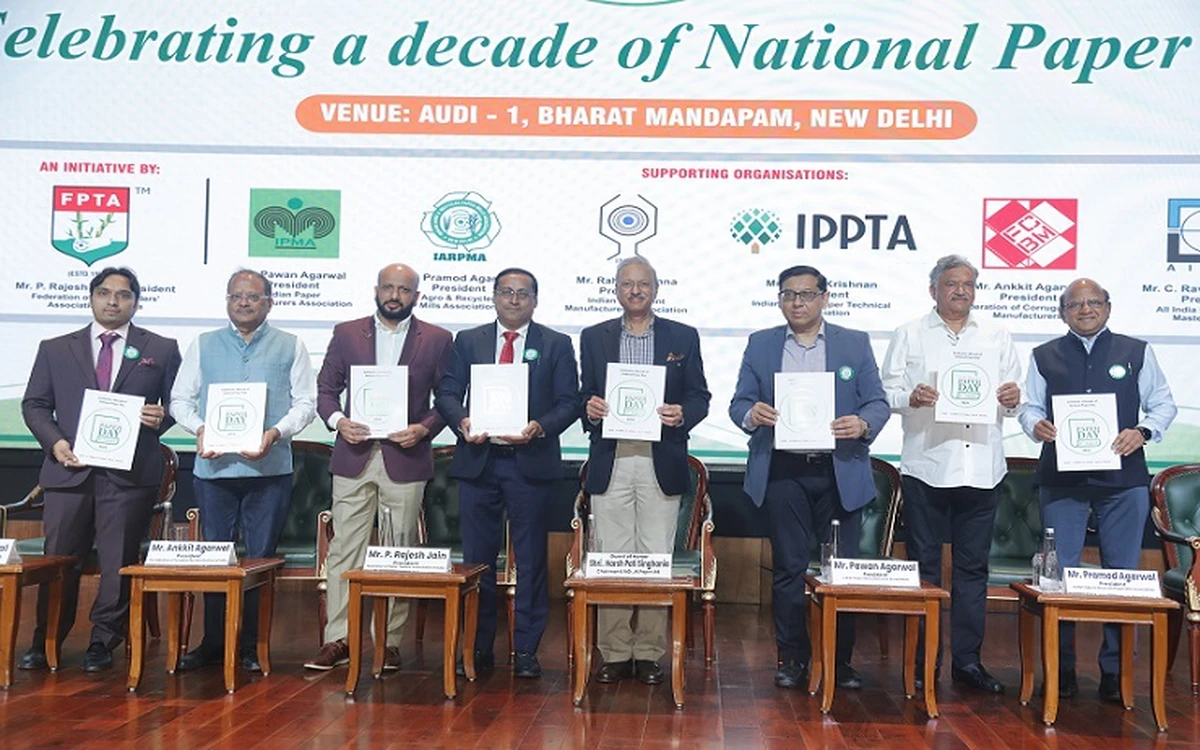
Seven Leading Associations Unite to Celebrate National Paper Day, Highlighting Paper's Sustainability and Circular Economy Advantage
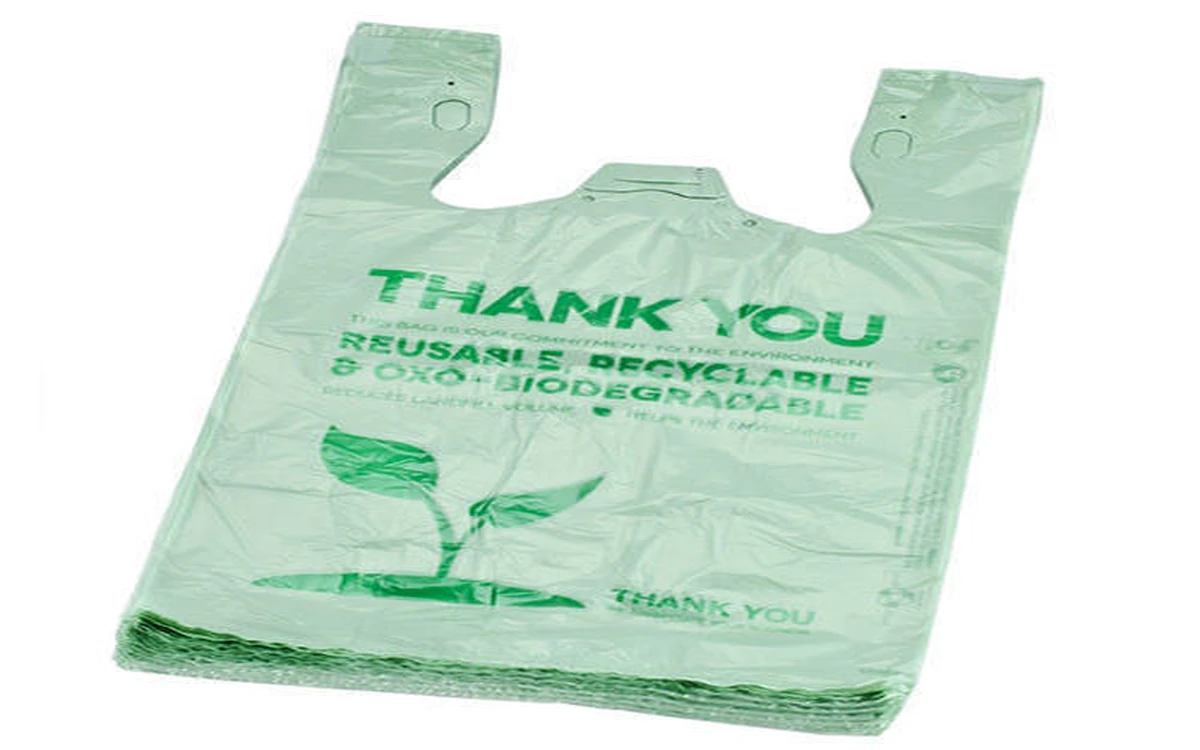
Scientists from IIT-Guwahati develop India's first biodegradable plastic
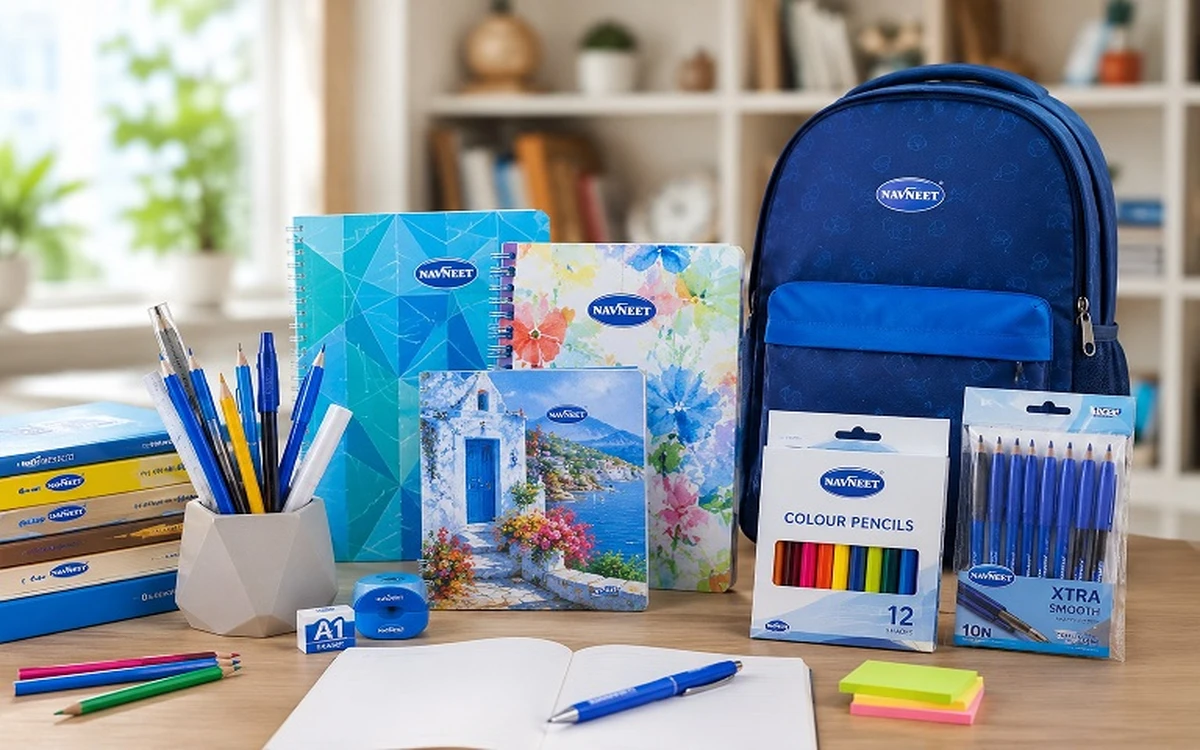
Navneet Education focuses on brand building, curriculum-led growth, and export recovery; expects stationery margins to improve in FY27

It is estimated that USD10B to USD20B worth of single-use plastic packaging will convert to molded fiber, ZUME
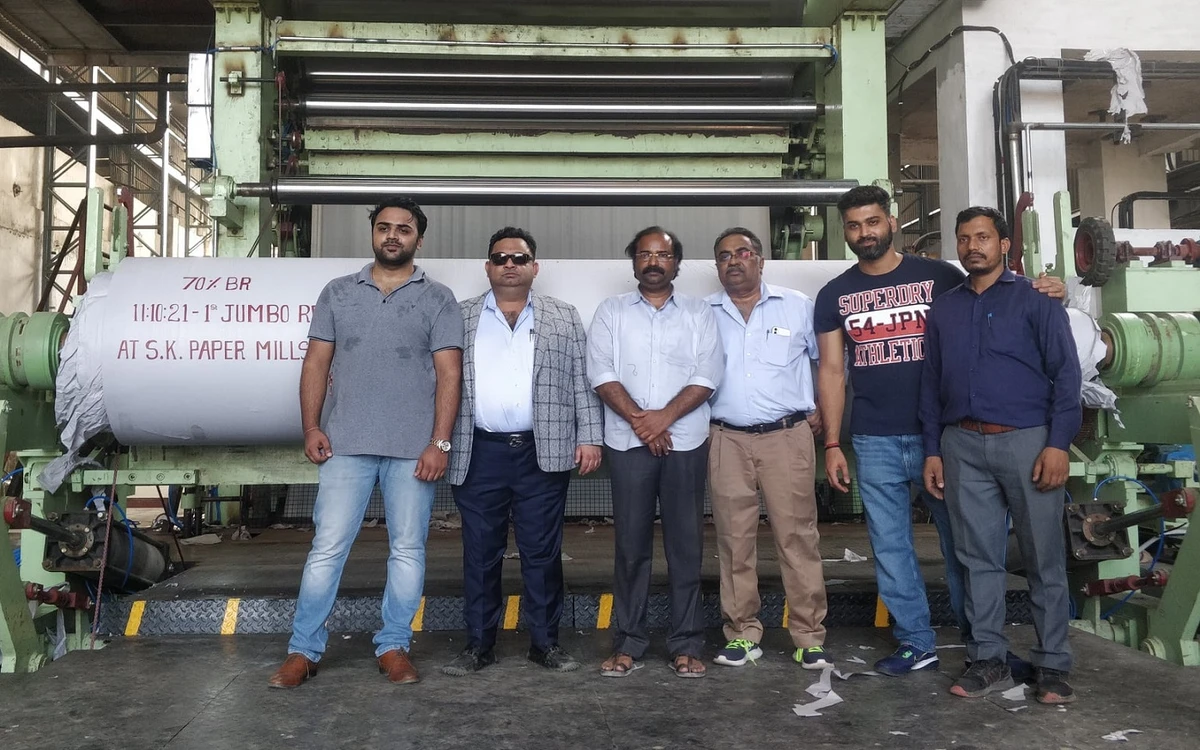
Muzaffarnagar gets a new capacity of Tissue Paper and MG Poster paper

“The integration of digitalization, automation, and Artificial Intelligence (AI) is no longer a futuristic concept—it is the baseline for competitiveness in 2036” - Vinit Garg, Director, Vizen Solutions
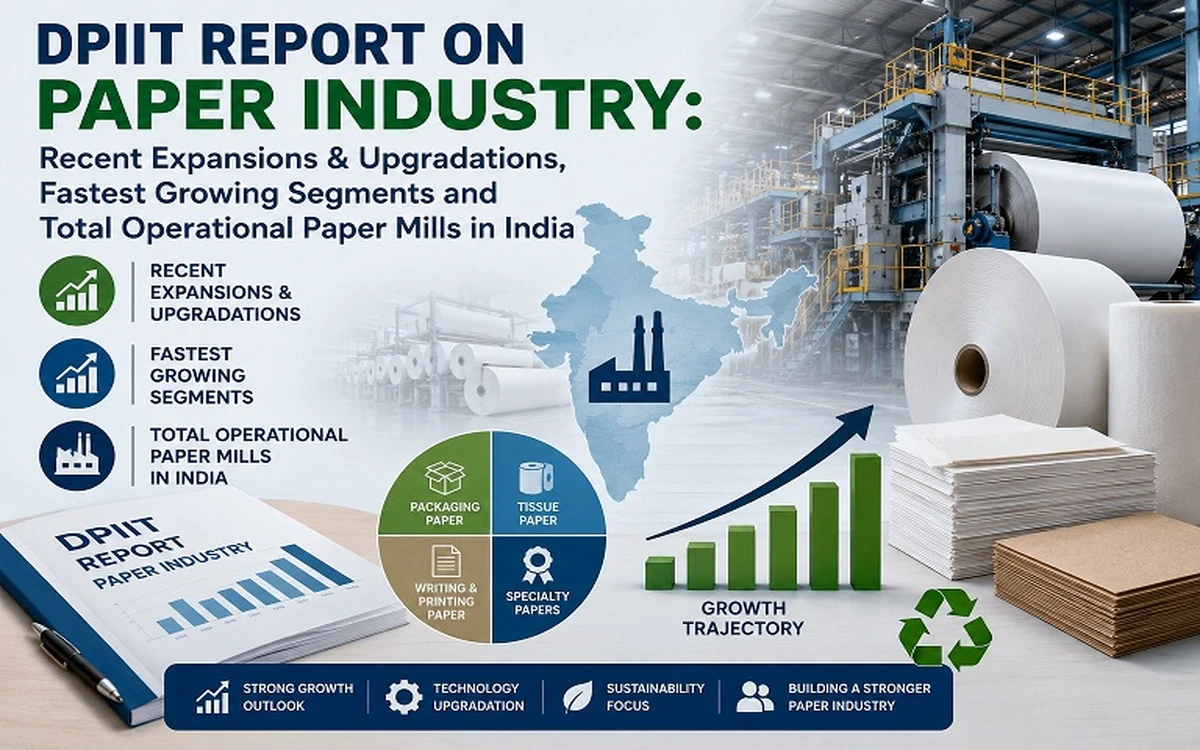
DPIIT Report on the Paper Industry: Recent Expansions & Upgrades, Fastest-Growing Segments, and Total Operational Paper Mills in India
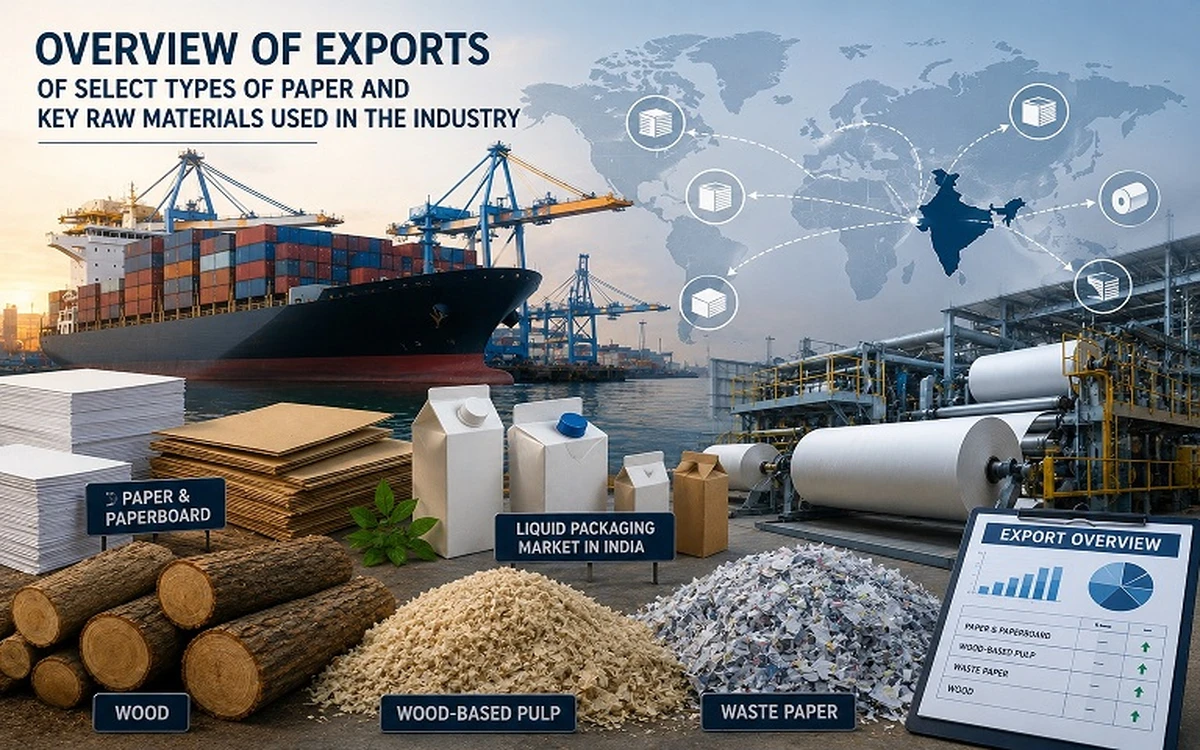
Overview of exports of select type of paper and key raw material used in the industry by Crisil Intelligence

Margin pressure pushes Pulp & Paper Packaging sector toward AI-Driven cost optimization, Cutting costs by 8–20%
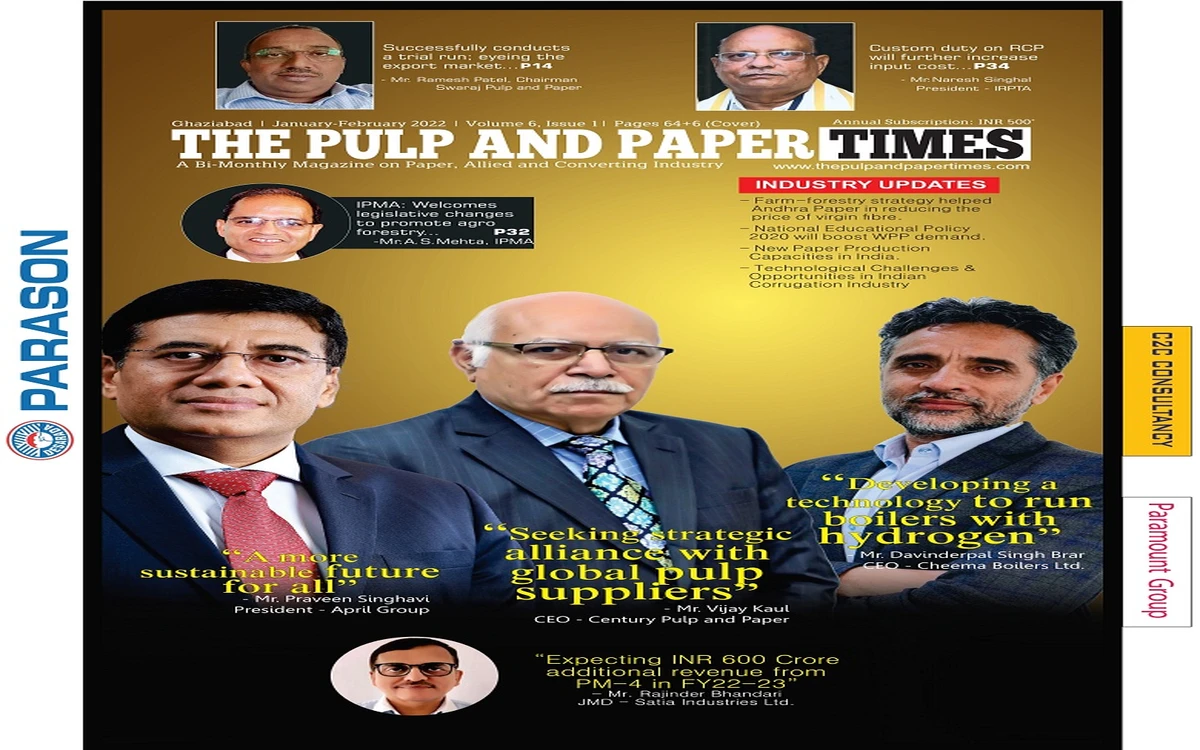
The Pulp and Paper Times Magazine : Volume 6, Issue 1
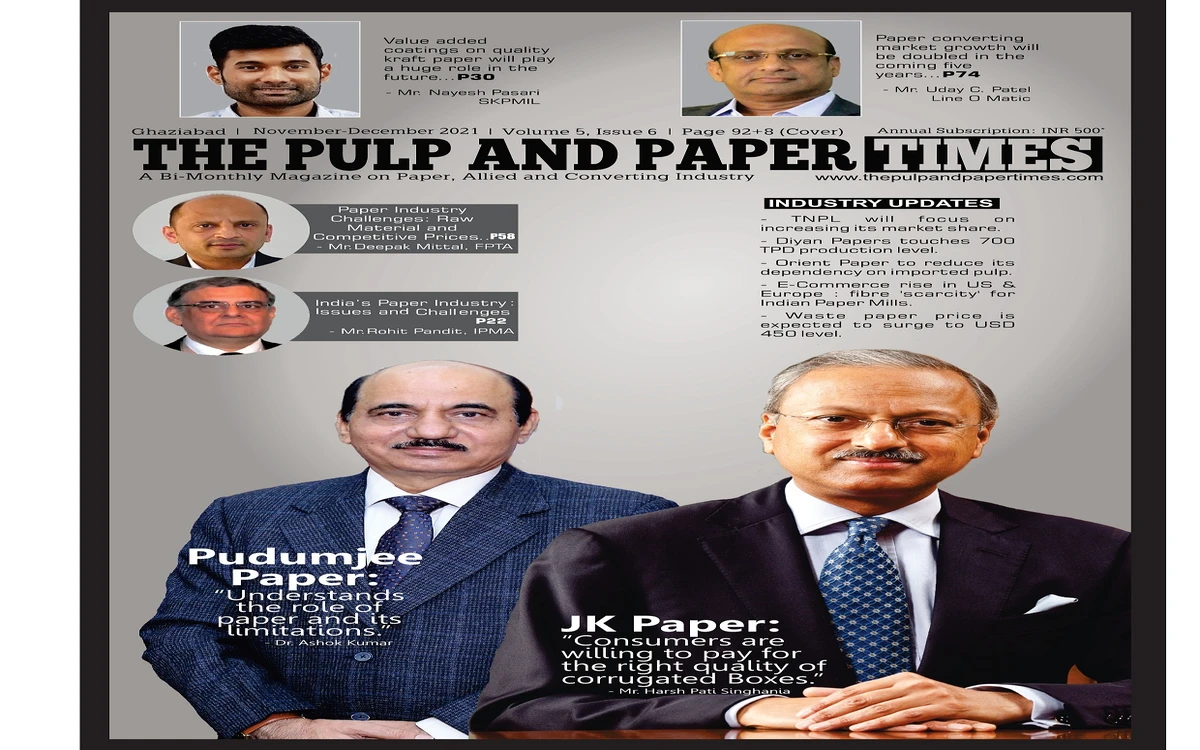
The Pulp and Paper Times Magazine : Volume 5, Issue 6
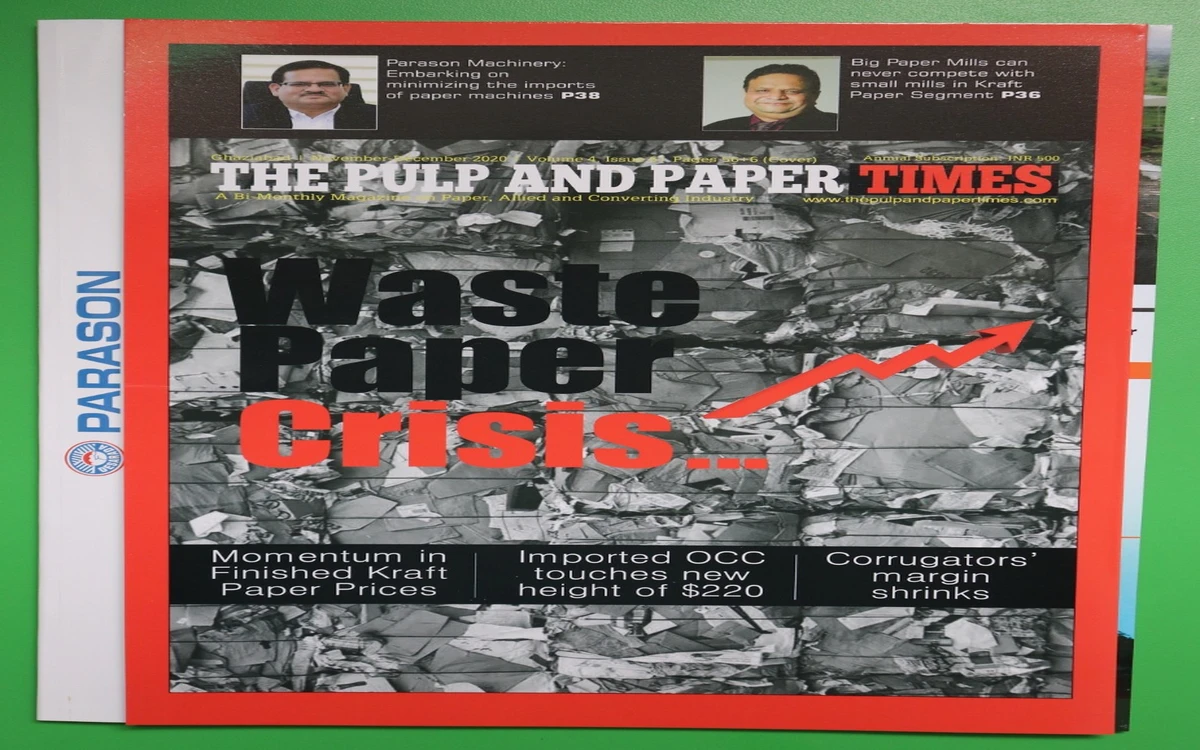
The Pulp and Paper Times: Volume 4, Issue 6
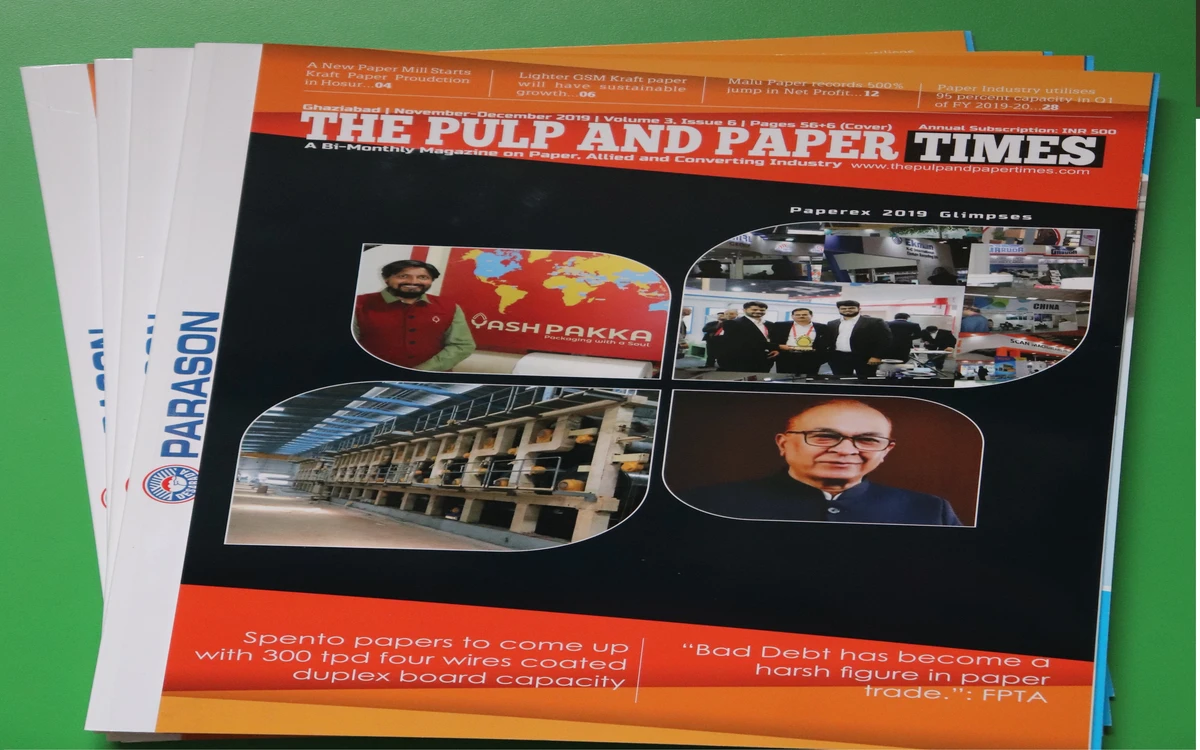
The Pulp and Paper Times : Volume 3, Issue 6
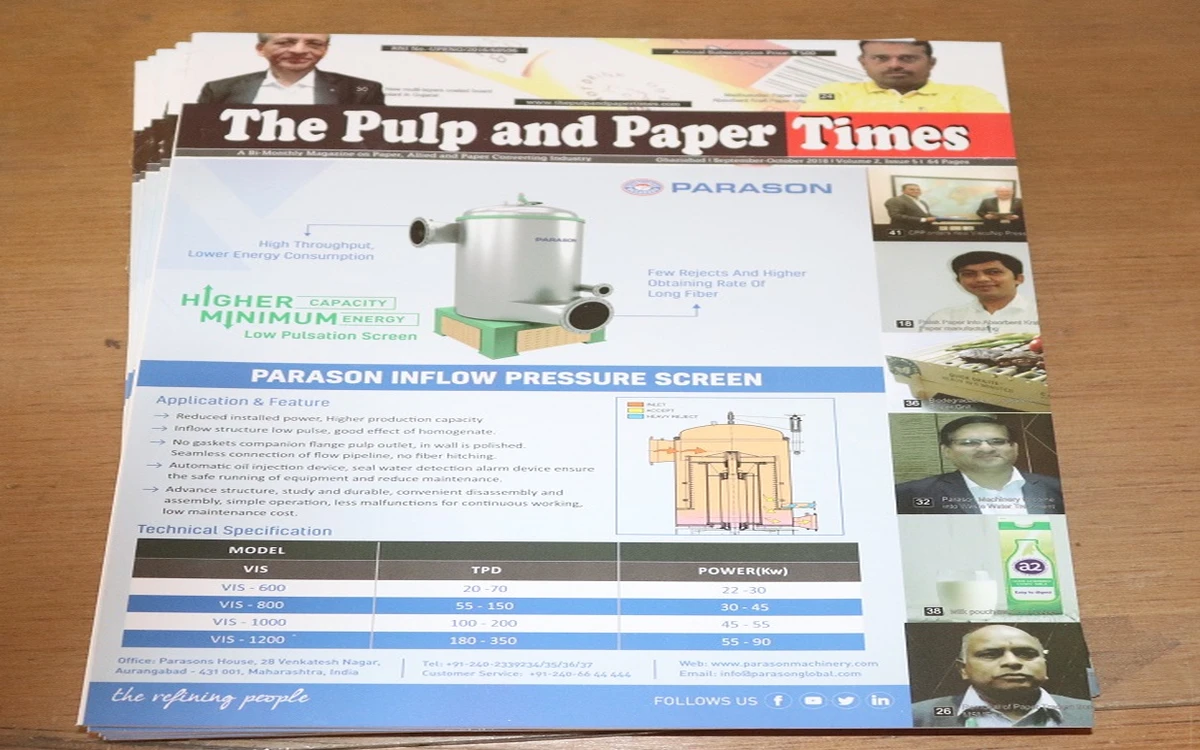
The Pulp and Paper Times: Volume 2 Issue 5
The Pulp and Paper Times, Volume 1, Issue 3
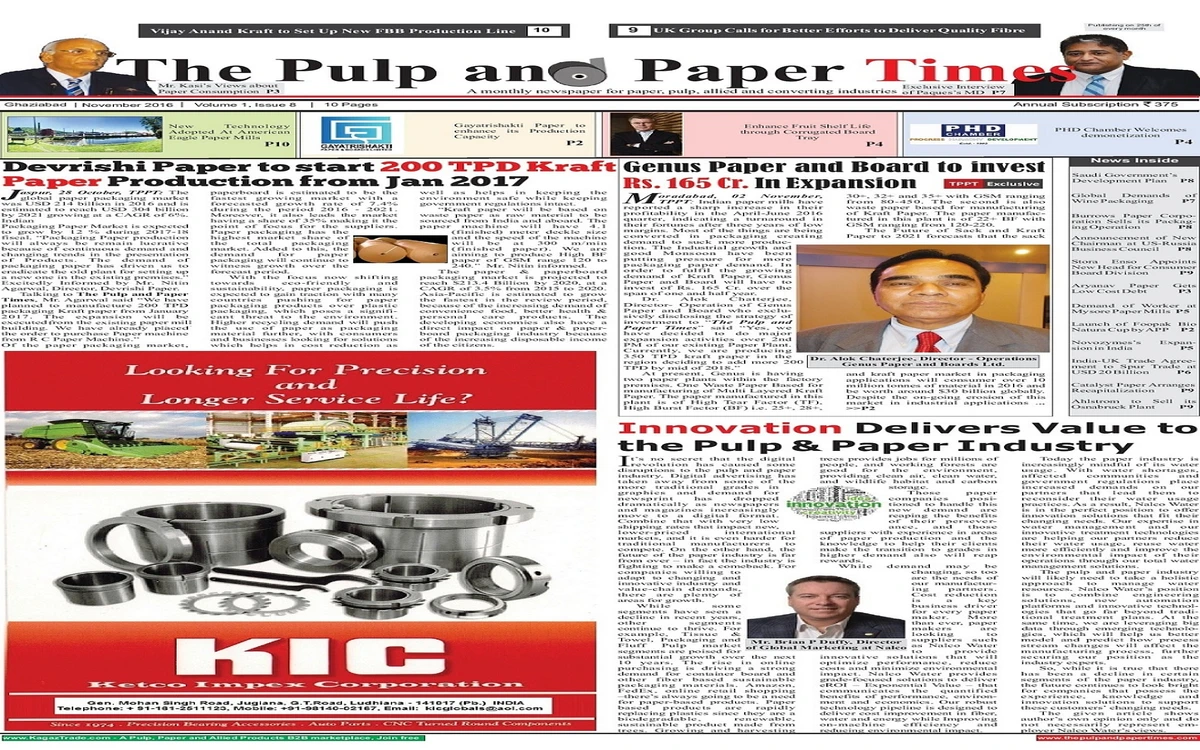
The Pulp and Paper Times, November 2016 Issue

The Pulp and Paper Times
Overview of global packaging industry
The global packaging industry has emerged as a vital component of modern commerce, playing a crucial role in protecting products from damage and contamination during transportation, while also preserving perishable goods and extending shelf life. Beyond its functional purpose, packaging serves as a key medium for communication, conveying essential information to consumers about product ingredients, usage, and expiration dates. As a result, packaging has become an indispensable process for businesses, influencing both product safety and branding, with a significant impact on marketing and customer attraction.
The industry's growth is driven by the expansion of retail and e-commerce sectors, which rely heavily on packaging. Packaging sector growth is dependent global goods production and on consumer demand across various industries, including food and beverages, pharmaceuticals, and personal care. The market is witnessing a shift towards sustainable packaging solutions, driven by growing concerns about the environmental impact of single-use plastics, with paper and paperboard materials gaining popularity as alternatives. As the industry continues to evolve, key players are investing in the development of eco -friendly materials, such as recyclable bioplastics, to cater to changing consumer preferences and lifestyles, ultimately driving the global packaging market towards growth, fuelled by advancements in packaging technologies and the escalating demand for packaged goods.

Growth of packaging industry to aid paper industry
The global paper industry is a vast sector that plays a vital role in the world economy, catering to the needs of over 7 billion people worldwide. With a rich history that has evolved from labo ur-intensive processes to capital-driven machinery, the industry has transformed significantly over the years. Today, it encompasses a wide range of products, including office paper, tissue, and packaging materials, utilizing a substantial portion of the world's industrial wood supply. As of CY24, pulp, paper and paperboards trade (HS code: 47 and 48) amounted to $498.8 billion with imports making up 51% and exports the remaining 49%. Trade was led by countries like China, United states and Germany which made up 12%, 10% and 9% of trade respectively, while India made up just 2% of this trade in CY24.

As a major contributor to employment, trade, and innovation, the paper industry continues to adapt to emerging trends and demands, such as the growing need for sustainable packaging solutions. As the industry continues to evolve, it is witnessing a significant shift in production and consumption patterns, with certain types of paper experiencing a decline in demand, while others, such as packaging papers and tissue products, seeing a surge in popularity. This shift is largely driven by changes in consumer behaviour, technological advancements, and the growing need for eco-friendly products.
Assessment of Indian packaging industry
The packaging industry in India is an ever-evolving sector, driven by the country's growing economy, increasing consumerism, and rising demand for packaged goods. The industry has witnessed significant transformations in recent years, with advancements in technology, changing consumer preferences, and the emergence of new packaging formats. The sector encompasses a wide range of packaging materials, including paper, plastic, glass, and metal, which are used across various industries such as food, beverages, pharmaceuticals, and cosmetics. With a strong focus on innovation, sustainability, and regulatory compliance, the Indian packaging industry is poised to play a critical role in supporting the country's growth story, while also addressing environmental concerns and meeting the evolving needs of consumers.

The packaging industry's value chain is a complex network of interconnected stages that work together to deliver packaged products to consumers. It begins with Raw Material Suppliers, who provide the basic materials needed for packaging, such as paper, plastic, and glass. These materials are then processed by Packaging Manufacturers, who produce a wide range of packaging products, including containers, labels, and closures. The next stage involves Converters and Printers, who add value to the packaging through design, printing, and finishing. The packaged products are then supplied to Packaging Suppliers, who act as intermediaries between manufacturers and brand owners, providing a range of packaging solutions. The packaged products are then supplied to Brand Owners and Manufacturers, who fill and distribute them to Retailers through Distributors and Logistics. Finally, the packaged products reach Consumers through various retail channels, including online platforms, supermarkets, and traditional stores. Throughout this value chain, each stage builds on the previous one, ensuring that packaged products are delivered efficiently, safely, and sustainably, while meeting the evolving needs of consumers.

Review of overall packaging industry in India
Packaging industry estimated to reach Rs. 2,550- 2,650 billion in FY25 with Food products driving the industry growth in FY25
The packaging industry in India grew at a CAGR of 15.6% from Rs. 1,567 billion in FY21 to Rs. 2,421 billion in FY24 The industry witnessed a decent volume growth in polymer and paper segments due to high demand from food products, pharma and e-commerce segments in FY25E. Food products and beverages led the growth majorly in FY25E. The industry is expected to witness a strong CAGR of 8-10% from FY25 to FY29 to reach Rs. 3,600- 3,800 billion in FY29 on the back of continuous demand across all segments.
India is a net exporter of packaging materials. India’s exports are majorly in the polymer packaging material segment. The exports have grown 13% y-o-y from 389 tonnes in FY23 to 439 tonnes in FY24. The share of Indian exports in global export of packaging materials is significantly low, however India has emerged as a leading market in a few sub-segments of packaging like FIBC (Flexible Intermediate Bulk Container) and BOPET (Biaxially - oriented polyethylene terephthalate).
Paper packaging makes up 16% of the packaging market as of FY25
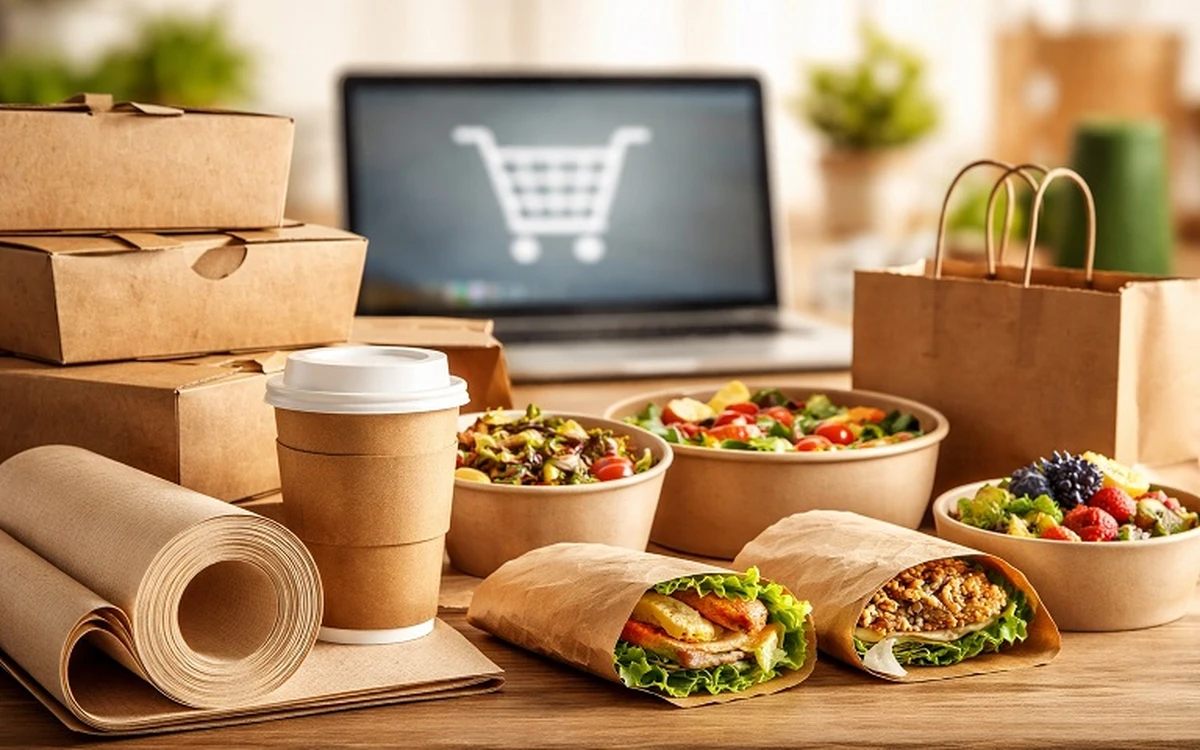
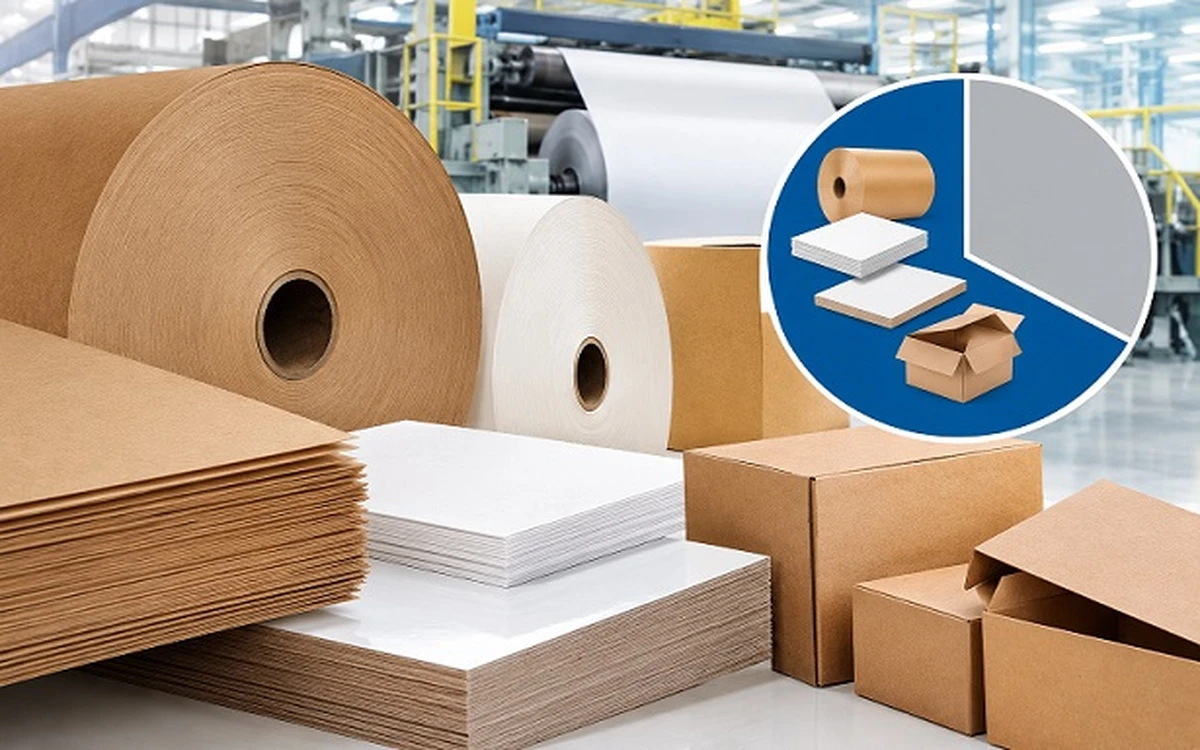
Paper packaging makes up 16% of the packaging market as of FY25, with key materials including kraft paper (used in bags, boxes and wraps), corrugated board (used in boxes and cases), and paperboard (used in folding cartons and containers). There have been significant substitutions in the past from plastic and foam packaging to paper, mainly for food products, e-commerce, and luxury goods. This is owing to its favourable properties such as its sustainability, biodegradability, and versatility of use, as well as its ability to be recycled and composted, making it an attractive option for environmentally conscious consumers and brands.

1 days ago
Total Views : 1420
1 days ago
Total Views : 135
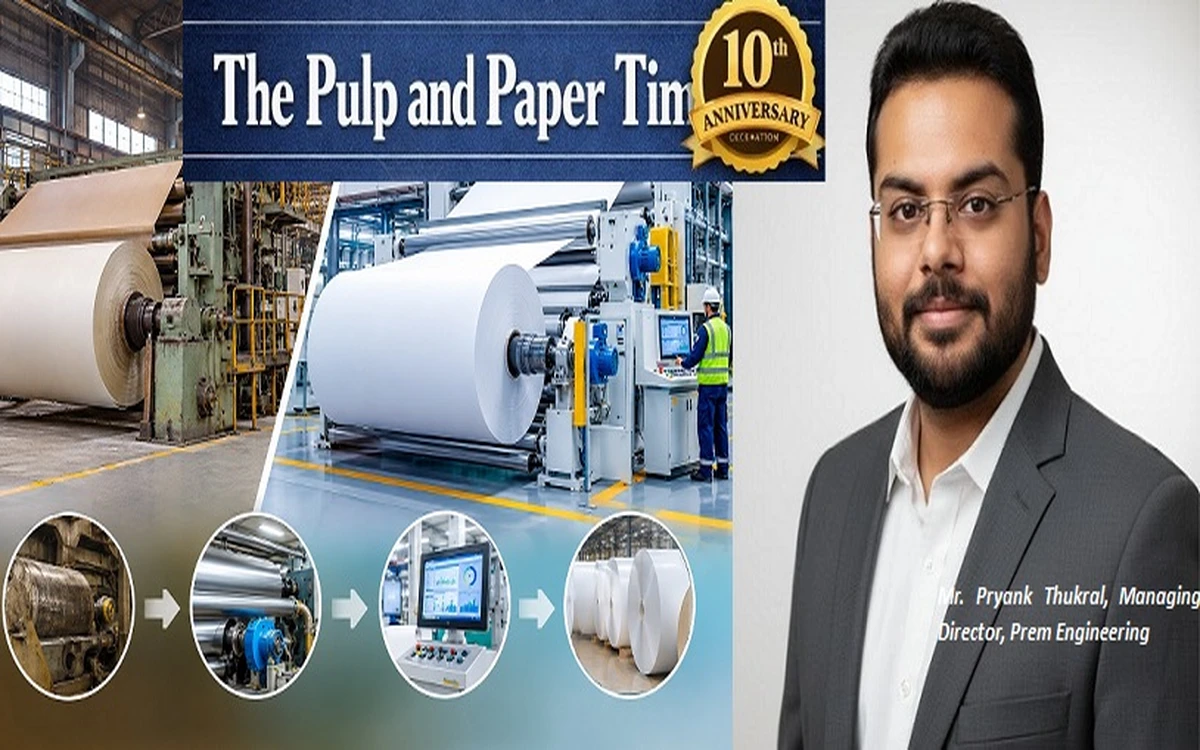
2 days ago
Total Views : 532
3 days ago
Total Views : 3002
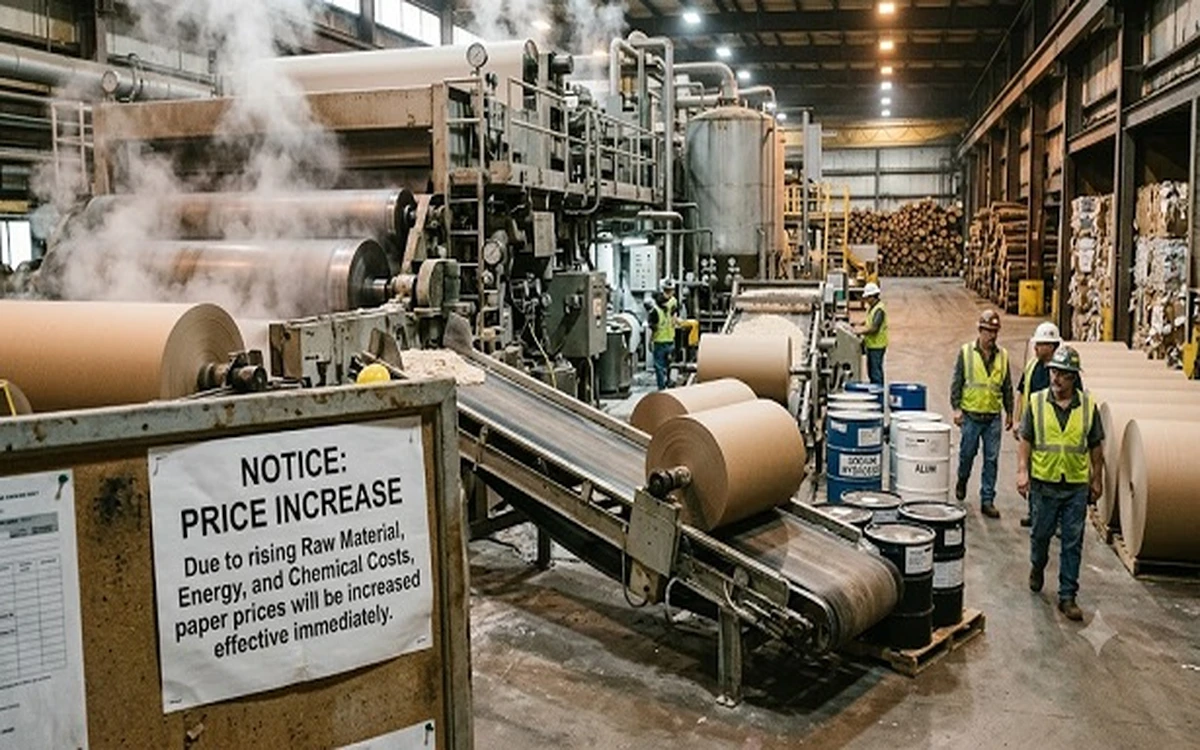
6 days ago
Total Views : 2543
last week
Total Views : 6131
last week
Total Views : 887
last week
Total Views : 846
last week
Total Views : 760
2 weeks ago
Total Views : 3632