Join Groups & Channels, No Spamming









Morbi paper mills see full-capacity operations as ceramic industry revives; Kraft paper exports to China spike, Prices strengthen; Janmashtami shutdown ahead

The BE and caustic soda plant marks a key milestone for Mohit Paper Mills, enabling full utilization of installed capacity and enhancing overall production efficiency
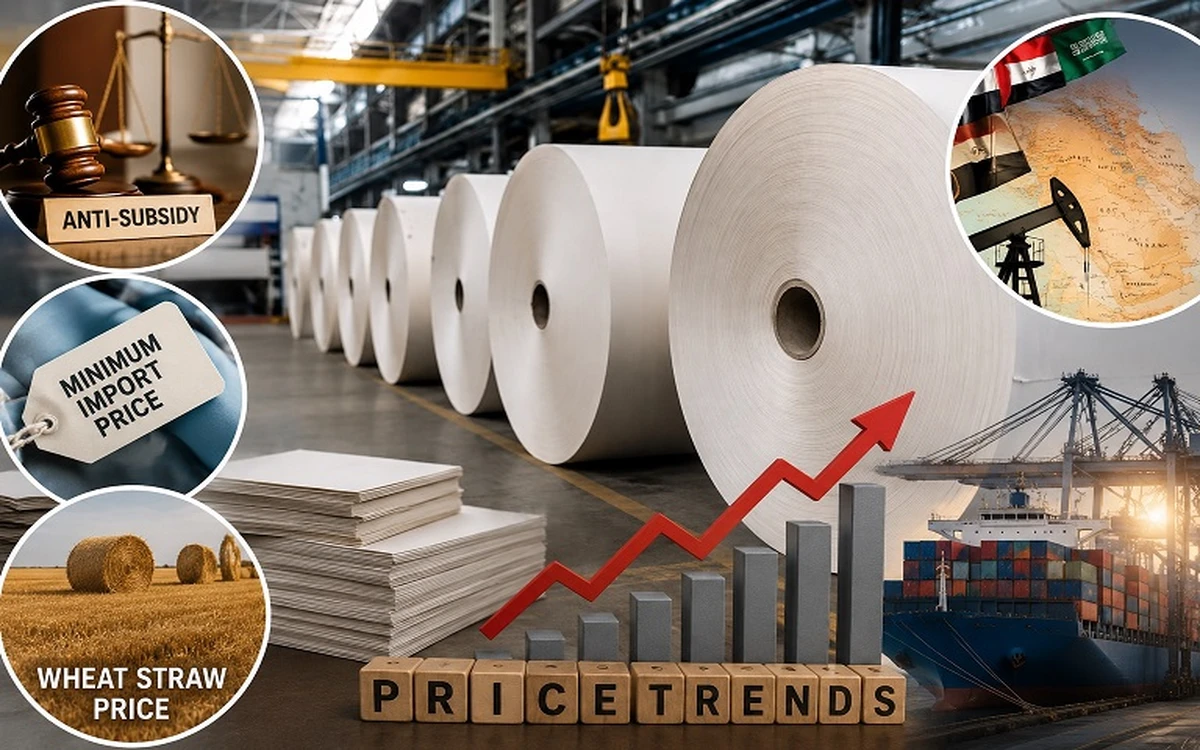
Expert Views on the paper market scenario, How the West Asia Crisis Helped the Industry, MIP for WPP, Anti-Subsidy implementation, and paper price trends
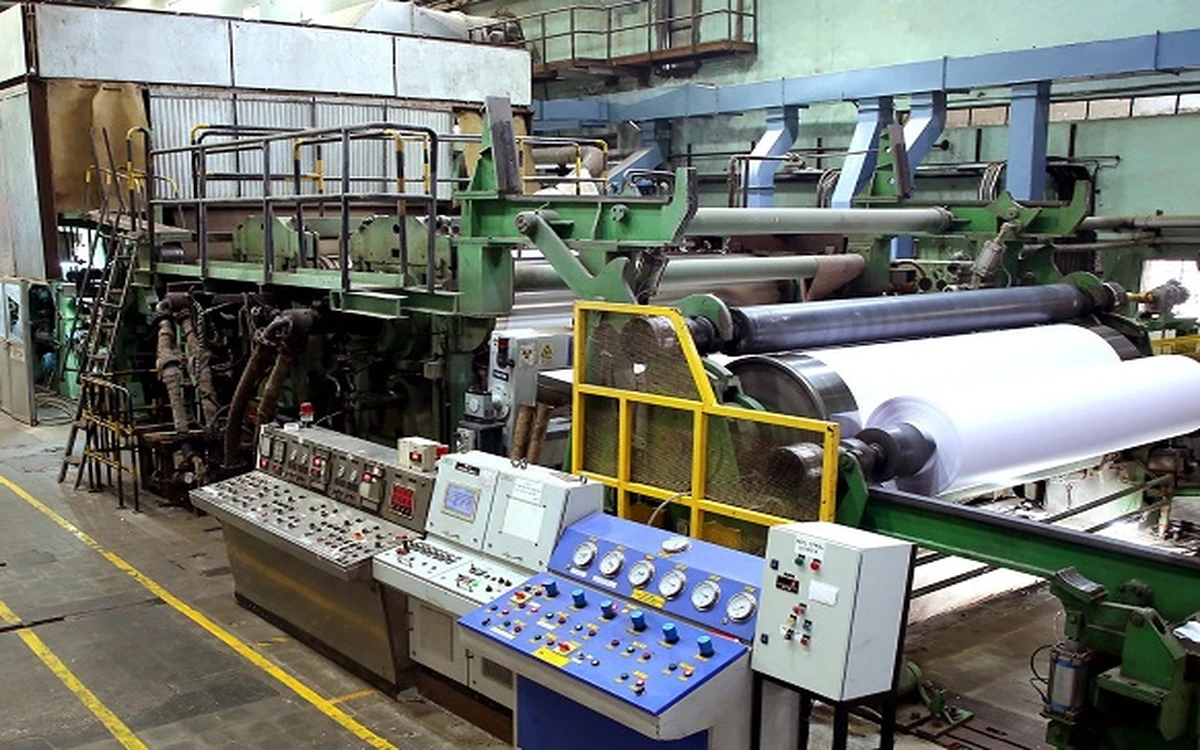
Pudumjee Paper intends to develop new varieties addressing applications for stronger paper bags and cupcakes; Plans 68,000 MT Mahad Specialty Paper Facility within 5 years
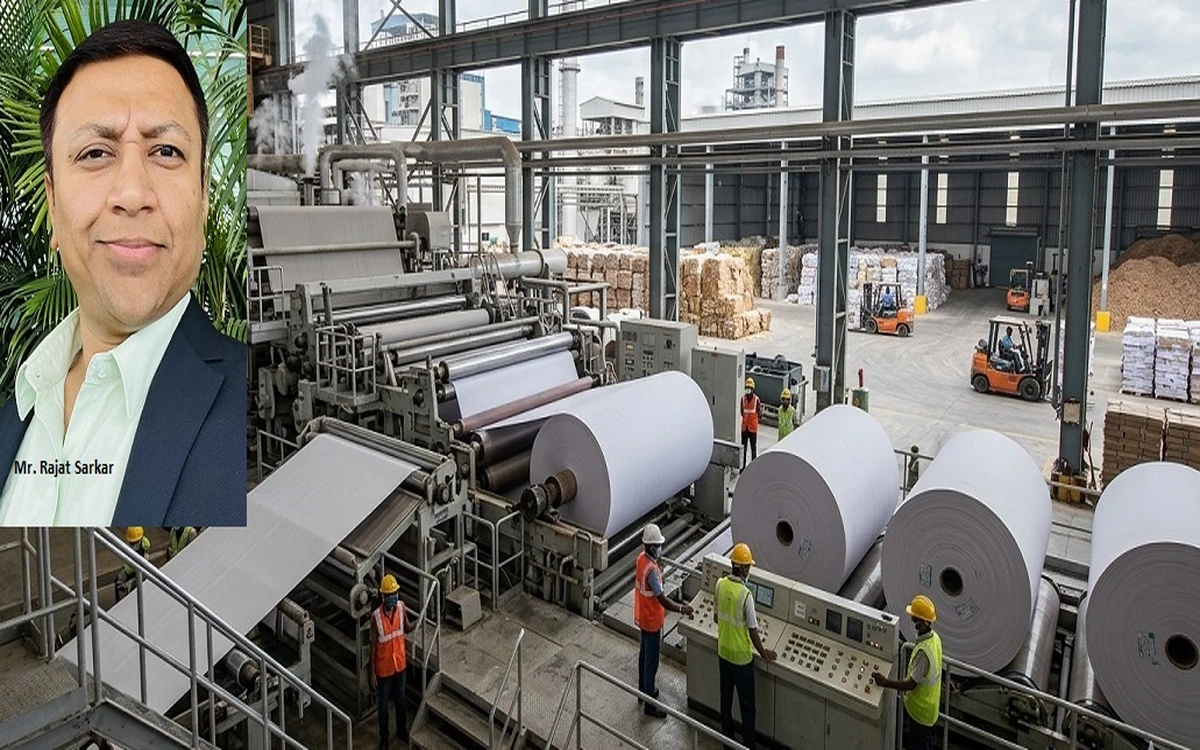
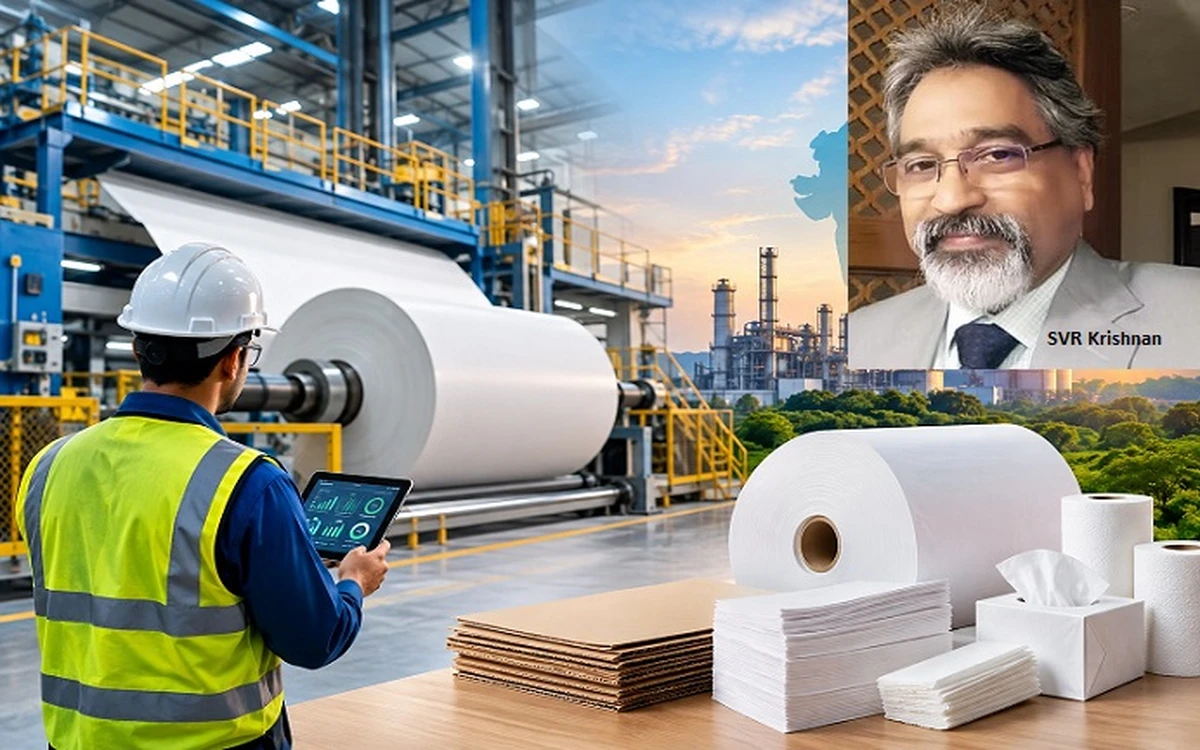
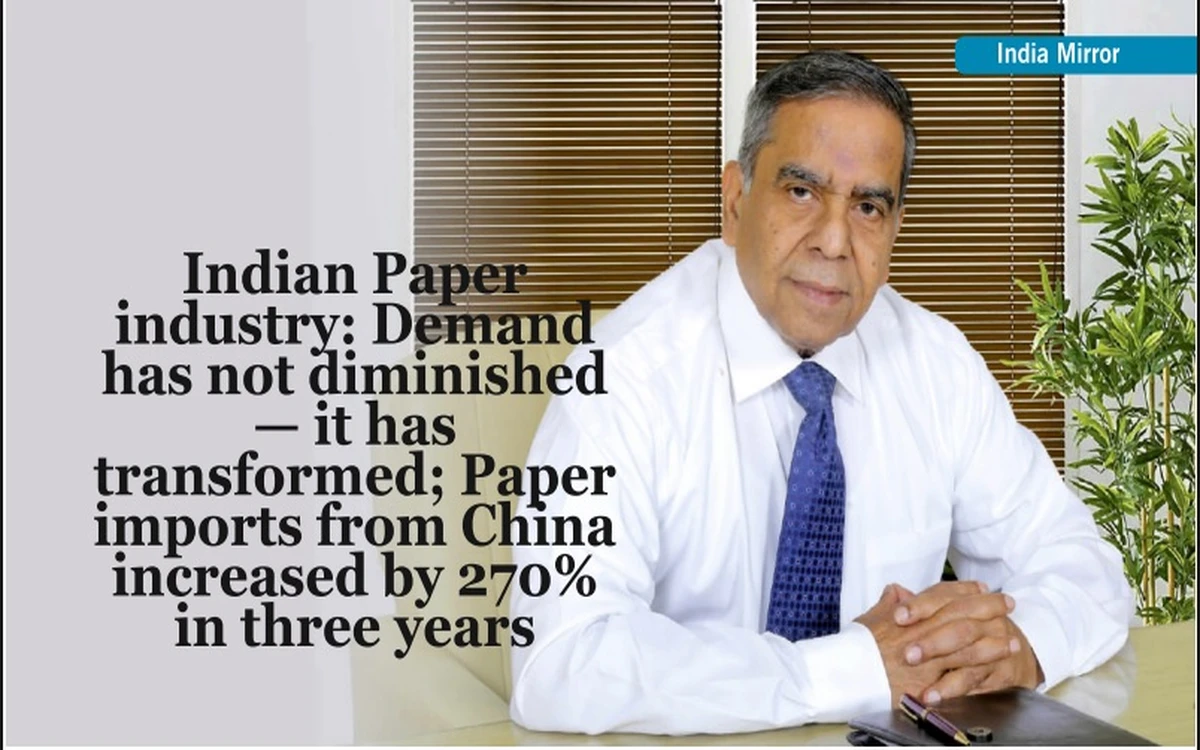
India Paper Industry at an Inflection Point: War, Costs, and Capacity; Demand growth expected at 5–7% in FY26
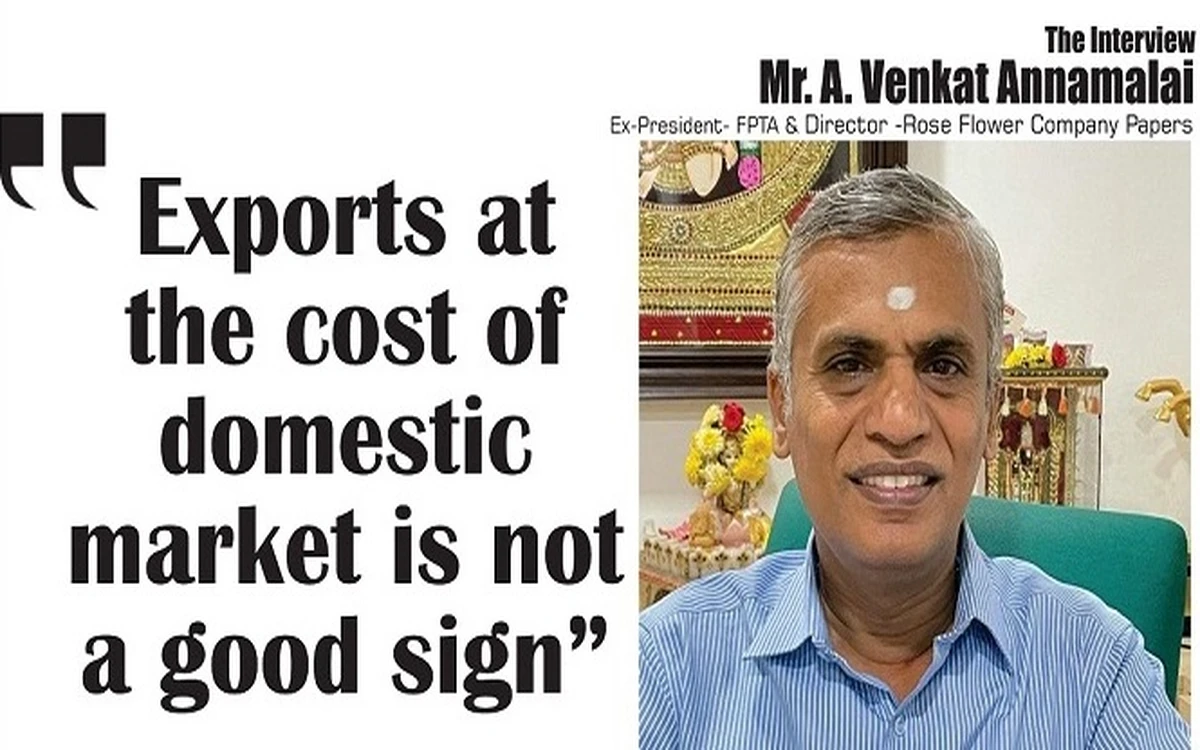
“Surging exports of paper will most certainly keep the domestic prices quite high”: Mr. A. Annamalai, Director – RFC
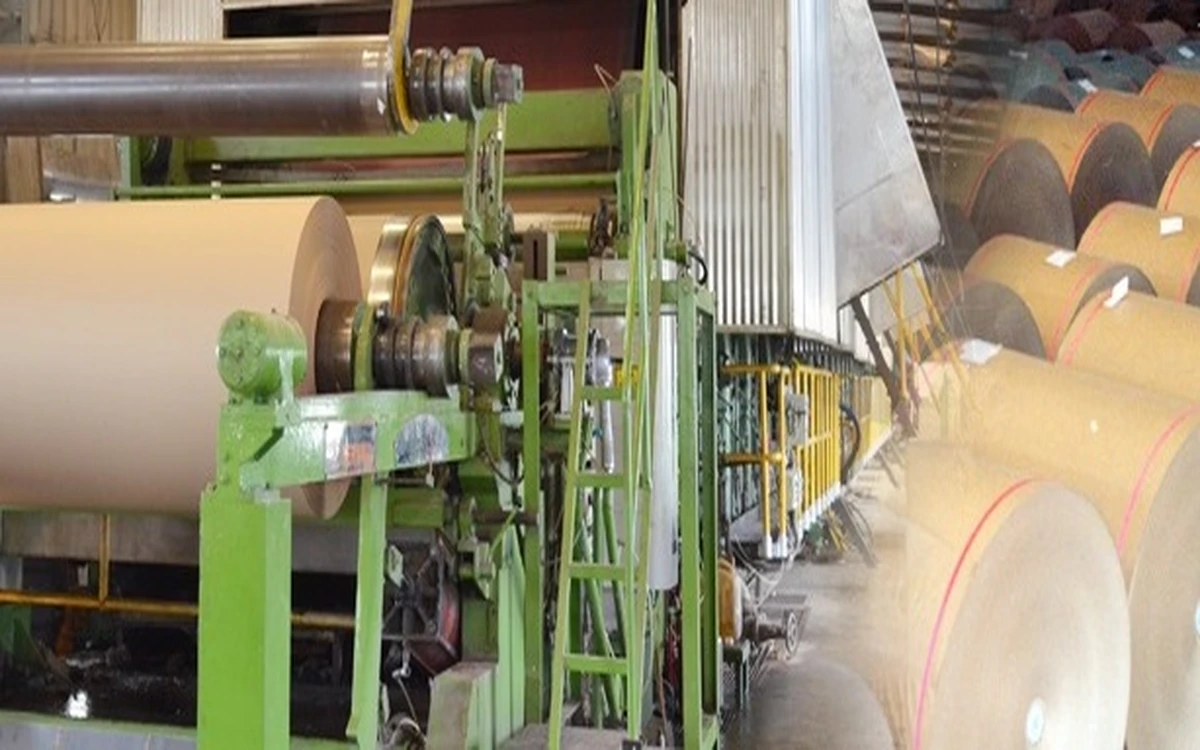
The Status of the Global Container board Industry, Recycled Paper Demand and Supply and its impact on the Indian Industry
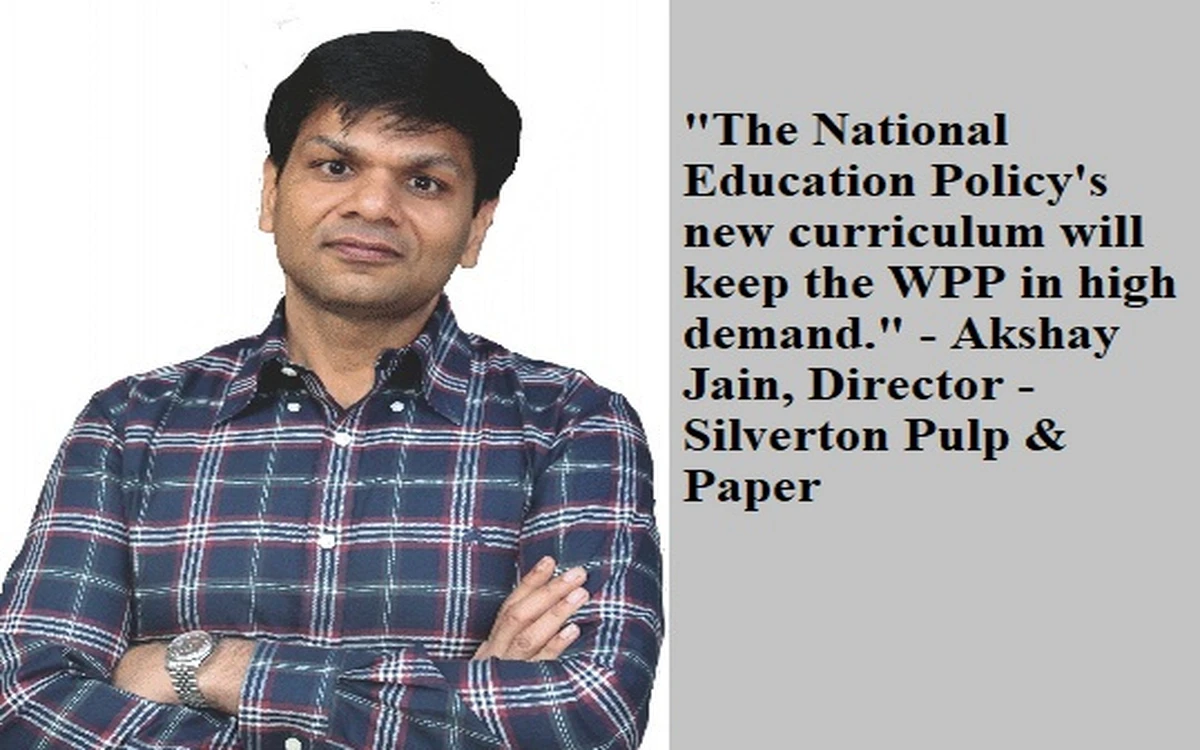
Akshay Jain, director of Silverton Pulp & Paper, says it's time to promote agro residue as a raw material to lessen the scarcity of fibre
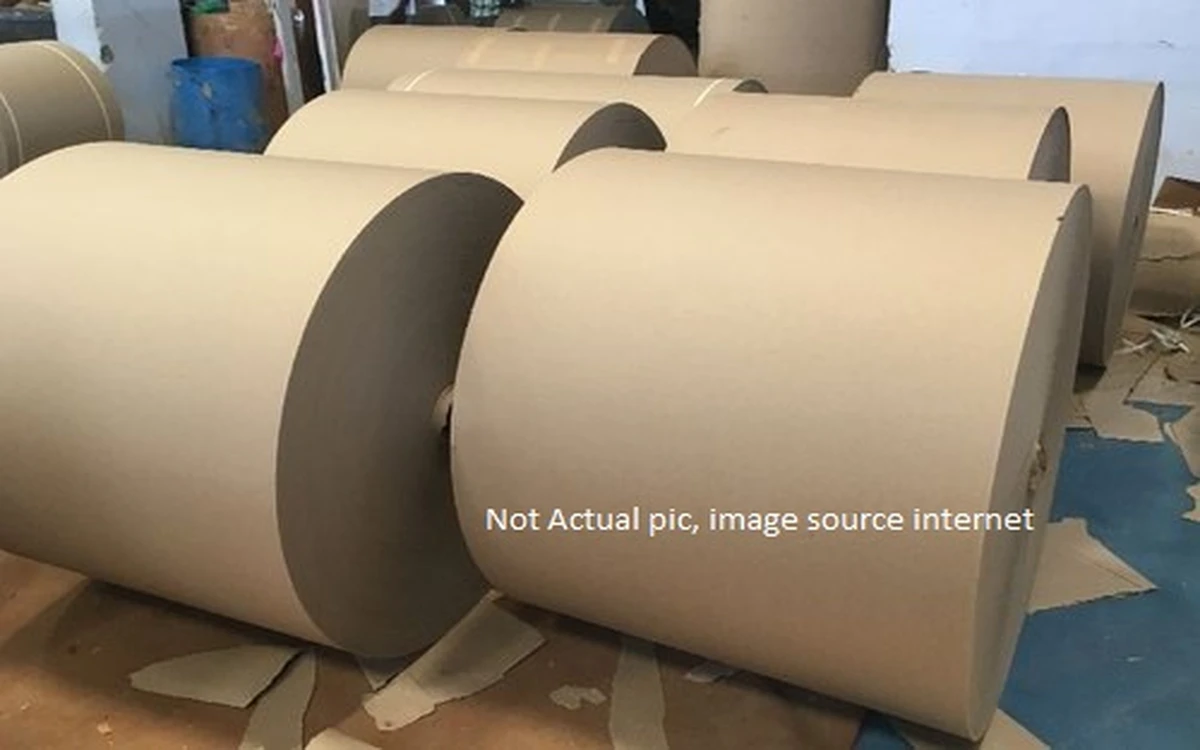
Advantageously located, a new paper mill is all set to roll kraft paper in Madhya Pradesh
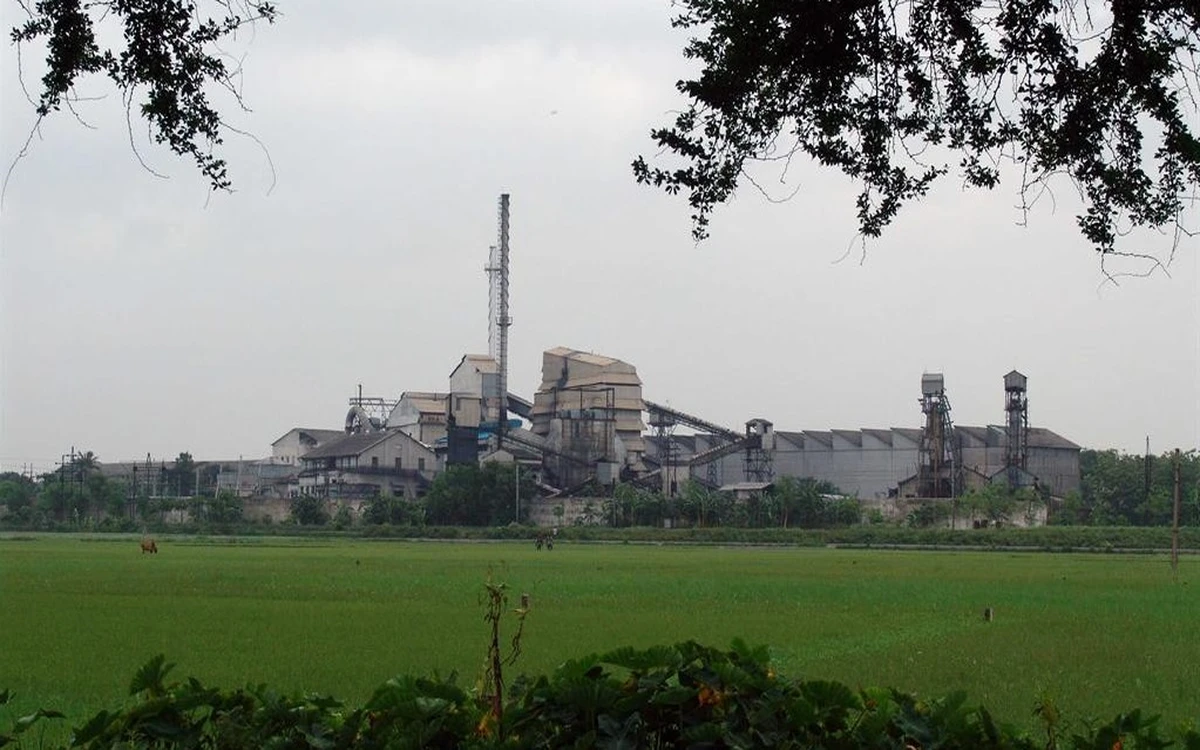
Several agile interventions helped ITC-PSPD fortify its clear leadership of the Value Added Paperboards (VAP) segment
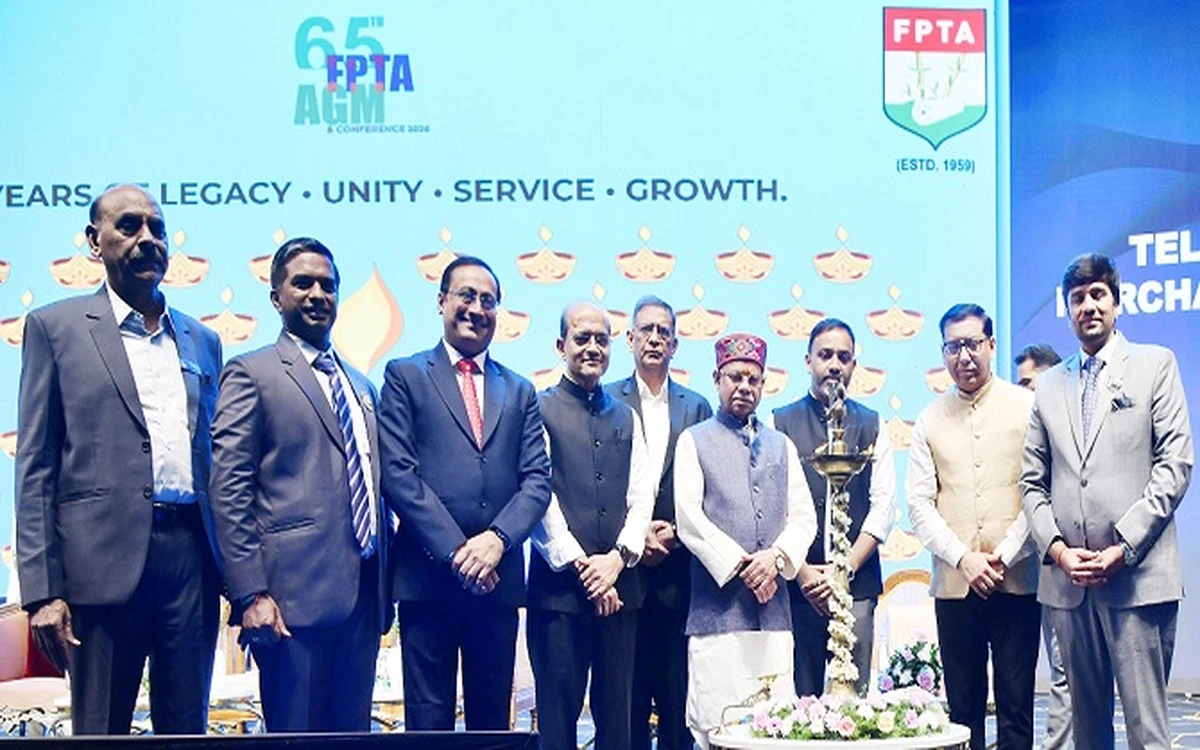
Paper and Packaging Board Market May Face Cost Pressures Through March 2027; FPTA Advises Traders
Steeper-than-expected drop in realisations hits Seshasayee Paper’s FY2025–26 operating margins; Box boards, Absorption Kraft, and Virgin Kraft now form a growing share of the product mix
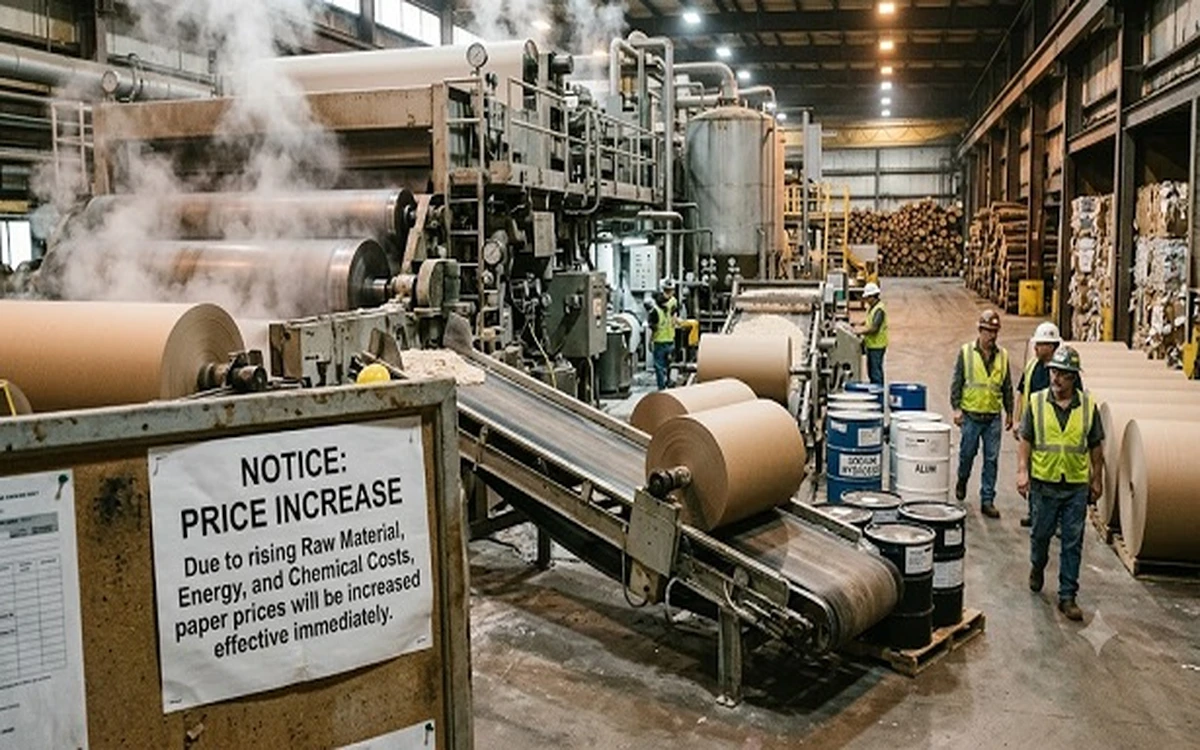
Overall Increase in Kraft Paper Prices Could Reach 35%; Industry Calls for 20% Box Price Increase, Voluntary Shutdown Proposed
Ruchira Papers Invests a Sizeable Capex of Rs. 235–240 Crore Towards Writing & Printing Paper Capacity Expansion
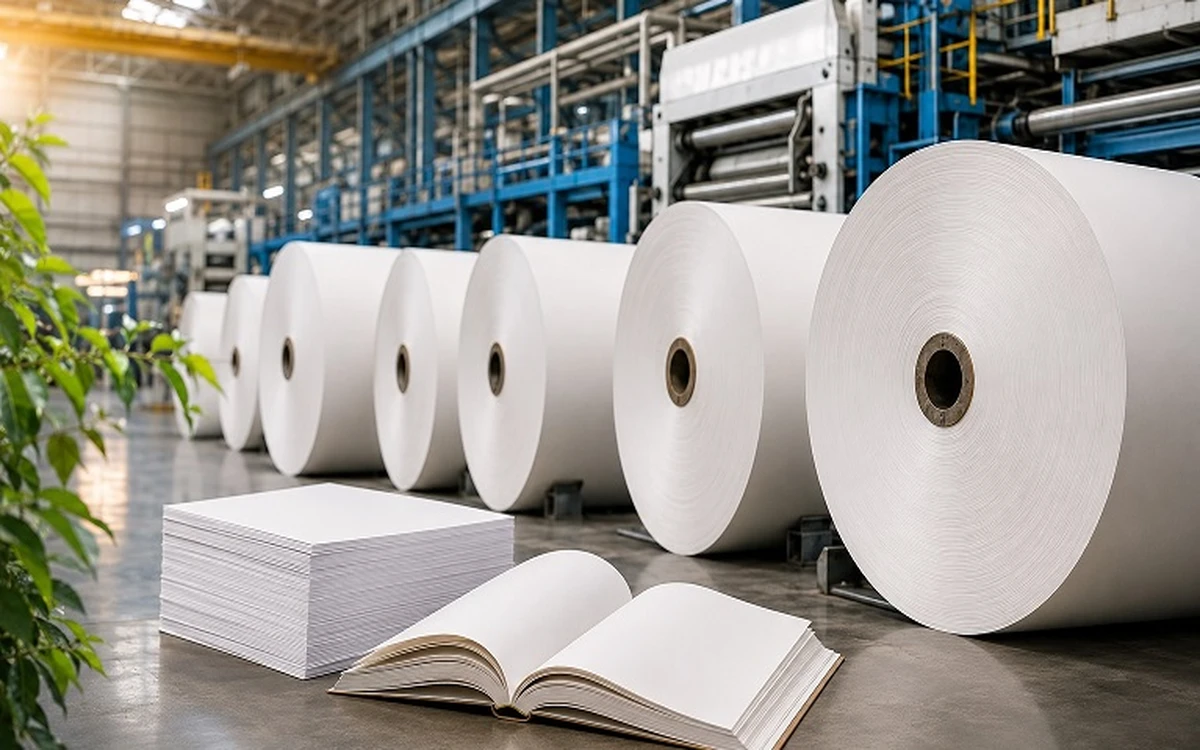
Paper mills inflated the basic ex-mill price of paper post GST 2.0, AINMA seeks action against Anti-Profiteering
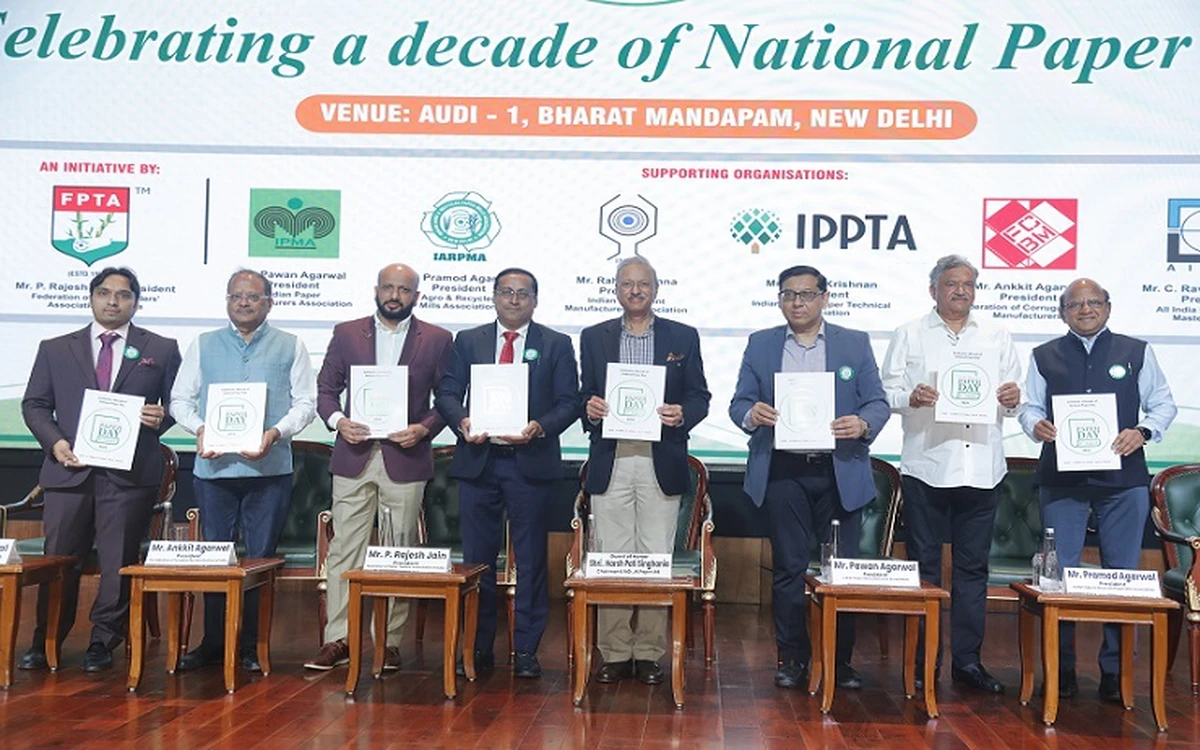
Seven Leading Associations Unite to Celebrate National Paper Day, Highlighting Paper's Sustainability and Circular Economy Advantage

Scientists from IIT-Guwahati develop India's first biodegradable plastic
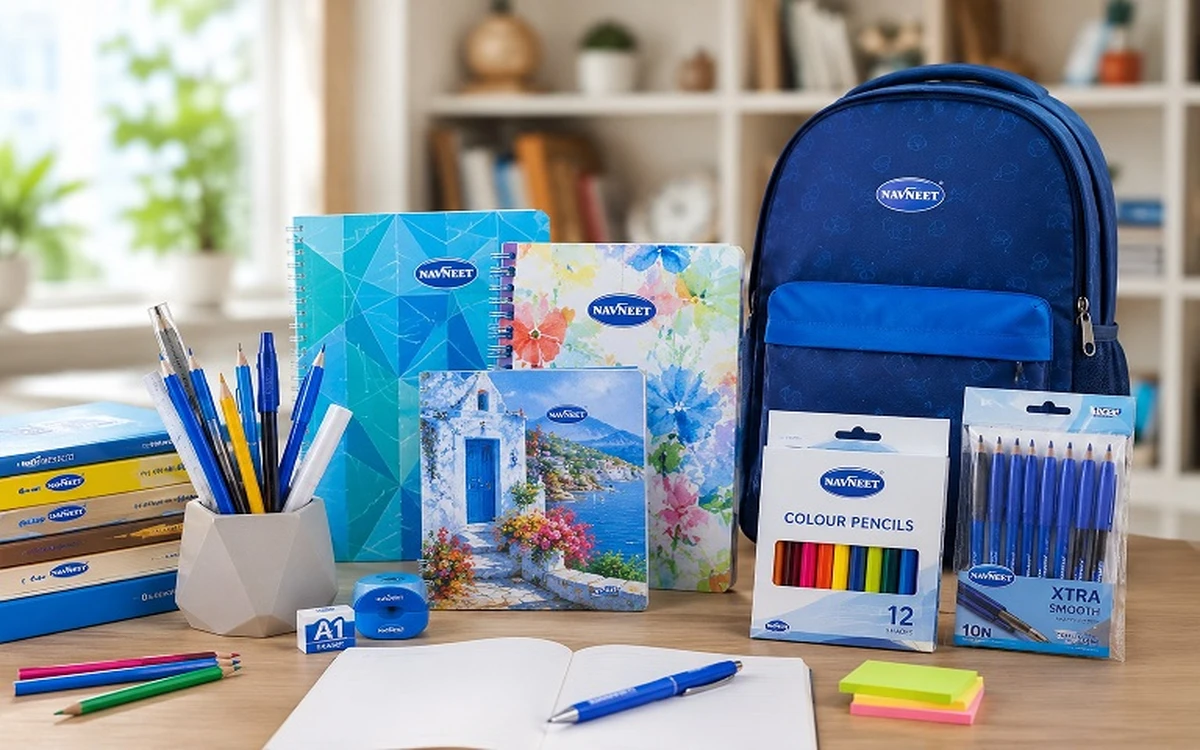
Navneet Education focuses on brand building, curriculum-led growth, and export recovery; expects stationery margins to improve in FY27

It is estimated that USD10B to USD20B worth of single-use plastic packaging will convert to molded fiber, ZUME
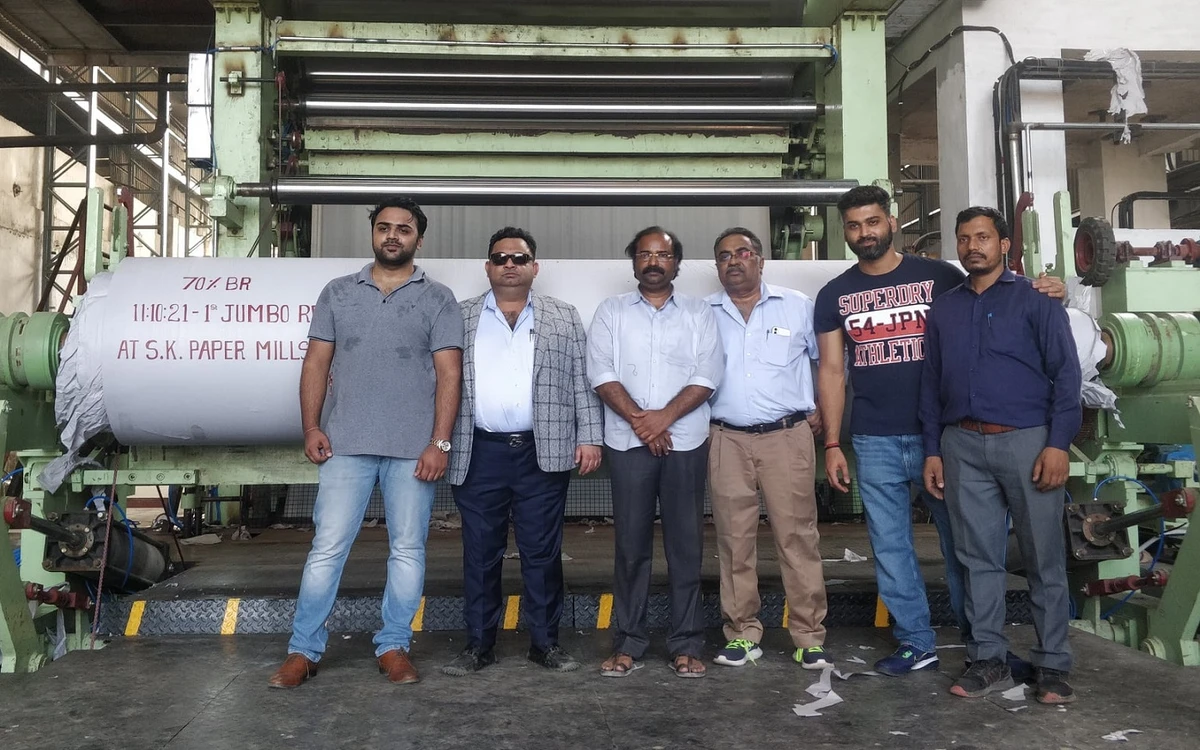
Muzaffarnagar gets a new capacity of Tissue Paper and MG Poster paper
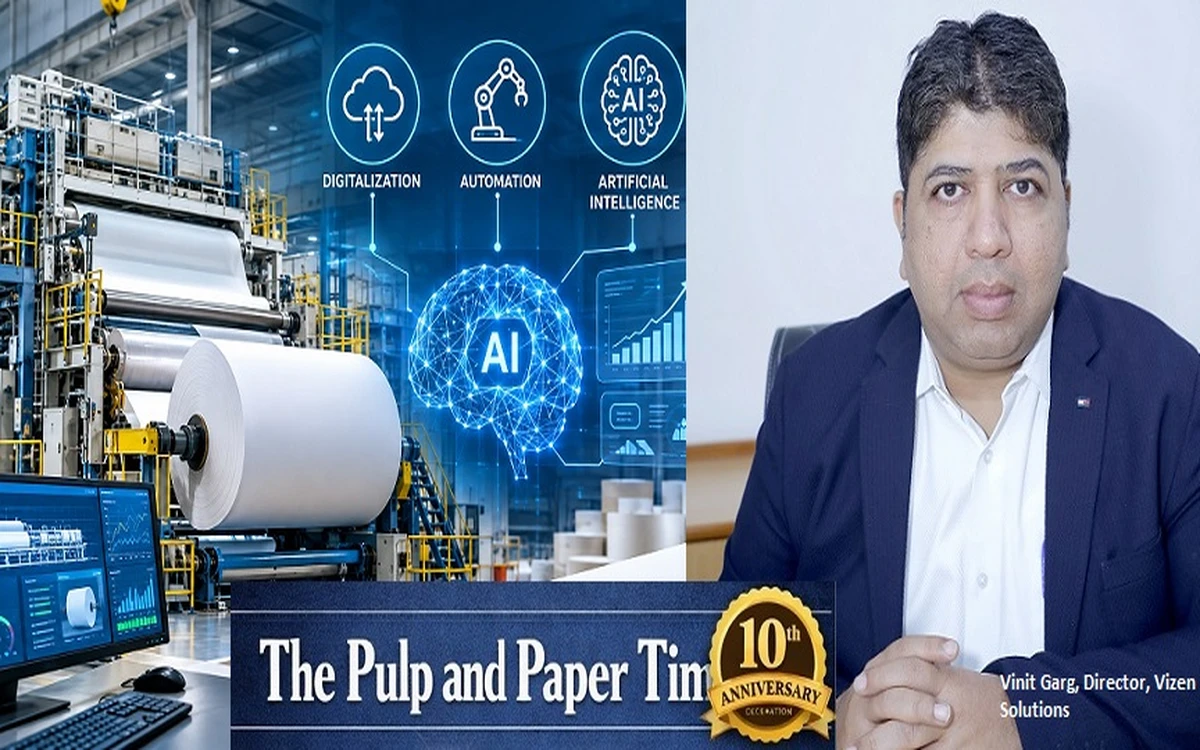
“The integration of digitalization, automation, and Artificial Intelligence (AI) is no longer a futuristic concept—it is the baseline for competitiveness in 2036” - Vinit Garg, Director, Vizen Solutions
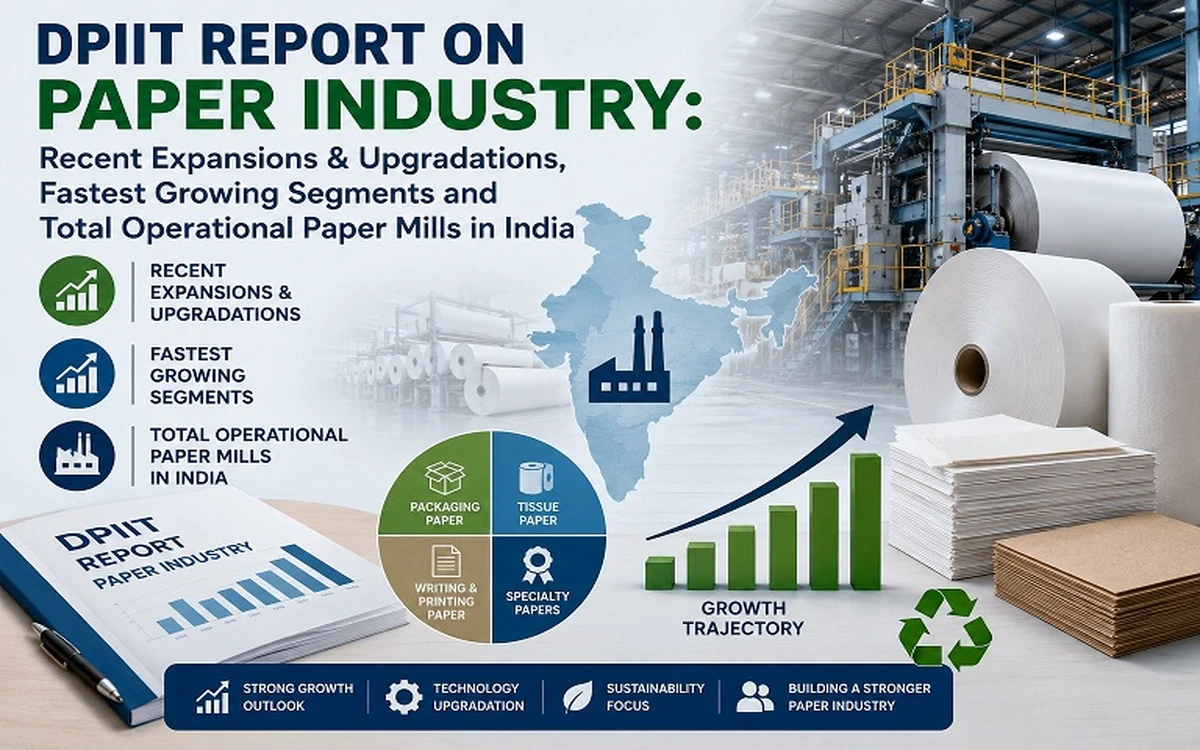
DPIIT Report on the Paper Industry: Recent Expansions & Upgrades, Fastest-Growing Segments, and Total Operational Paper Mills in India
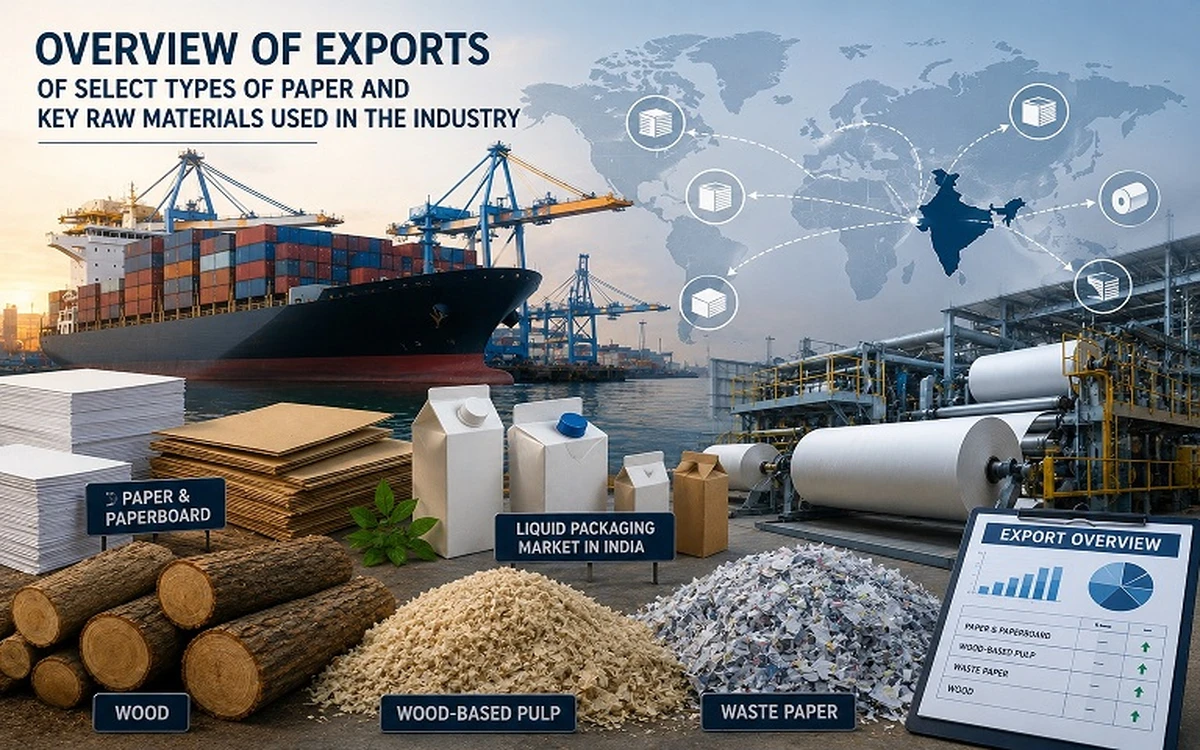
Overview of exports of select type of paper and key raw material used in the industry by Crisil Intelligence

Margin pressure pushes Pulp & Paper Packaging sector toward AI-Driven cost optimization, Cutting costs by 8–20%
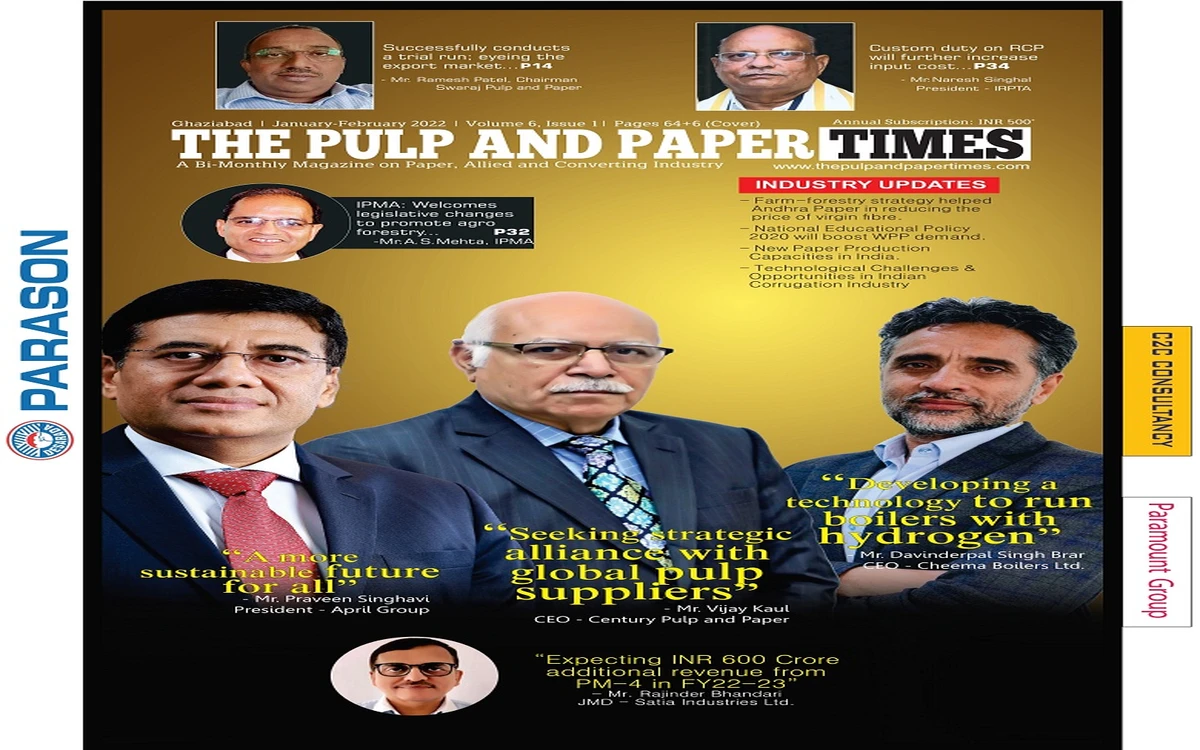
The Pulp and Paper Times Magazine : Volume 6, Issue 1
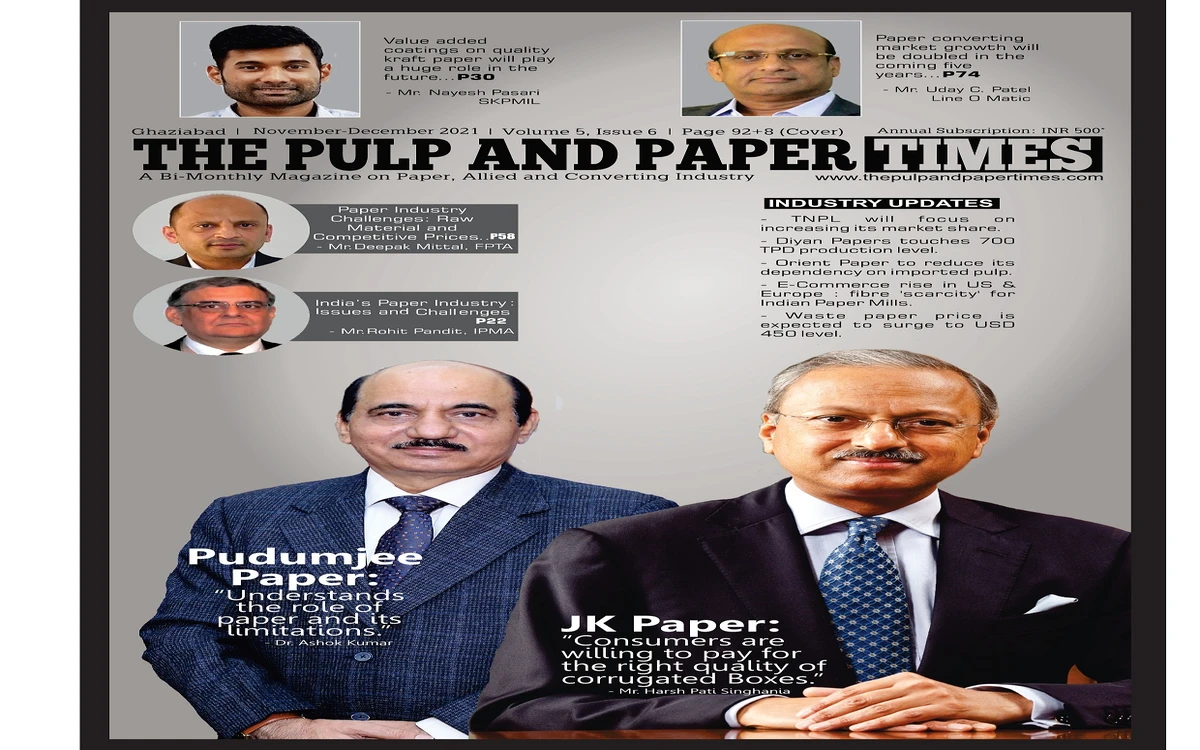
The Pulp and Paper Times Magazine : Volume 5, Issue 6
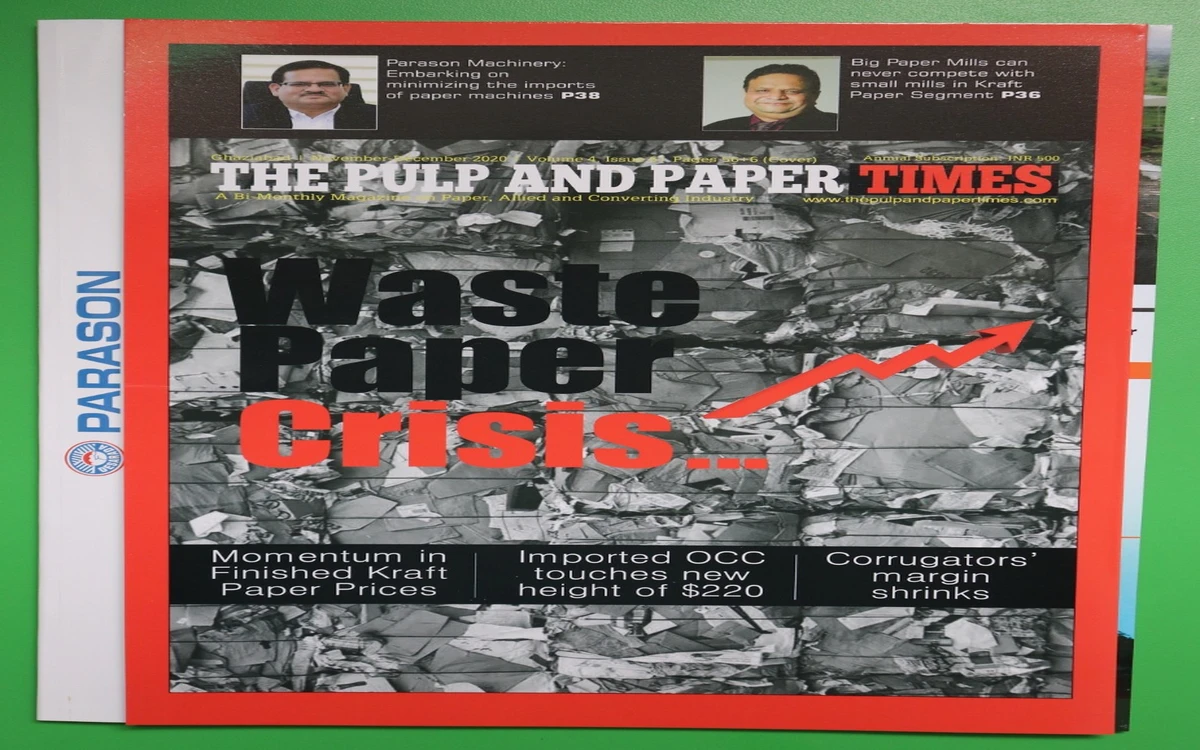
The Pulp and Paper Times: Volume 4, Issue 6
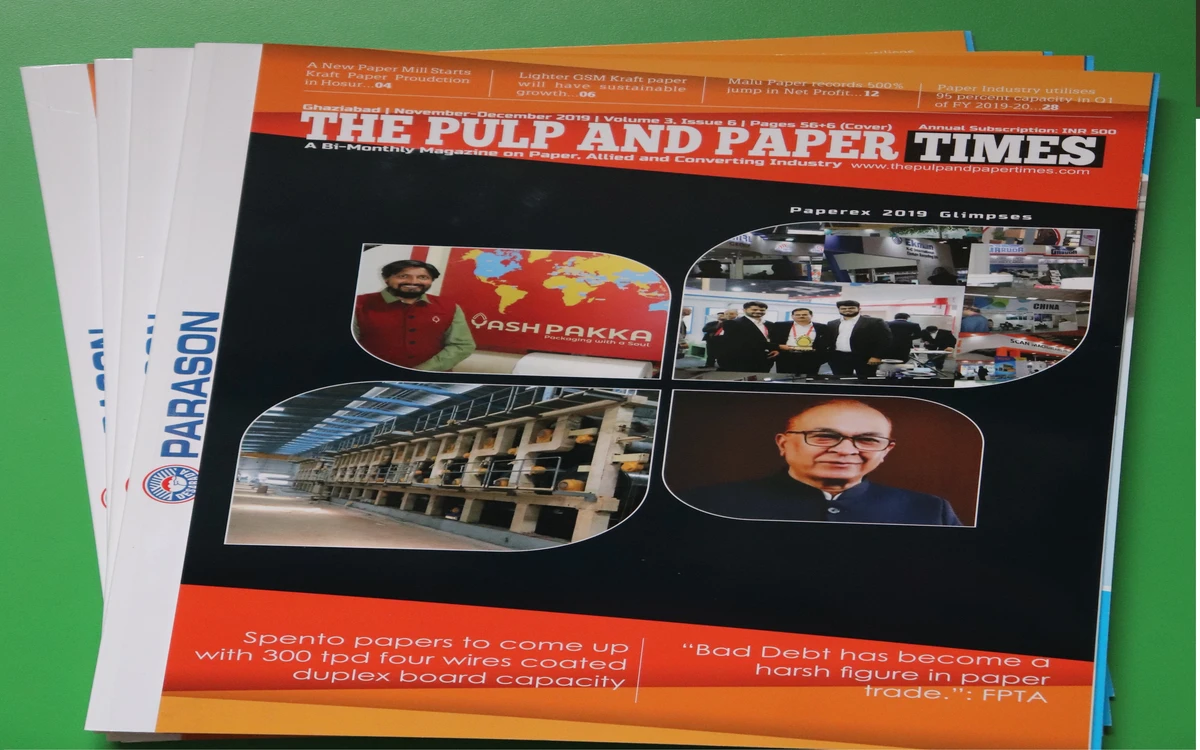
The Pulp and Paper Times : Volume 3, Issue 6
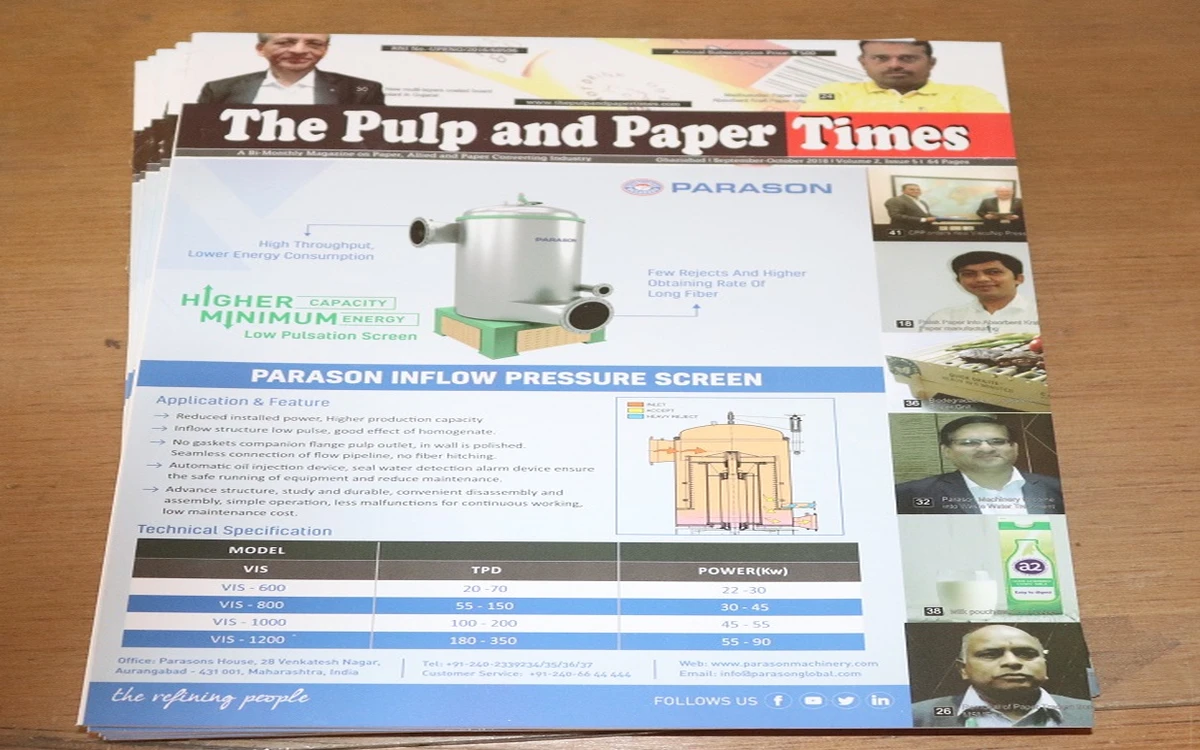
The Pulp and Paper Times: Volume 2 Issue 5
The Pulp and Paper Times, Volume 1, Issue 3
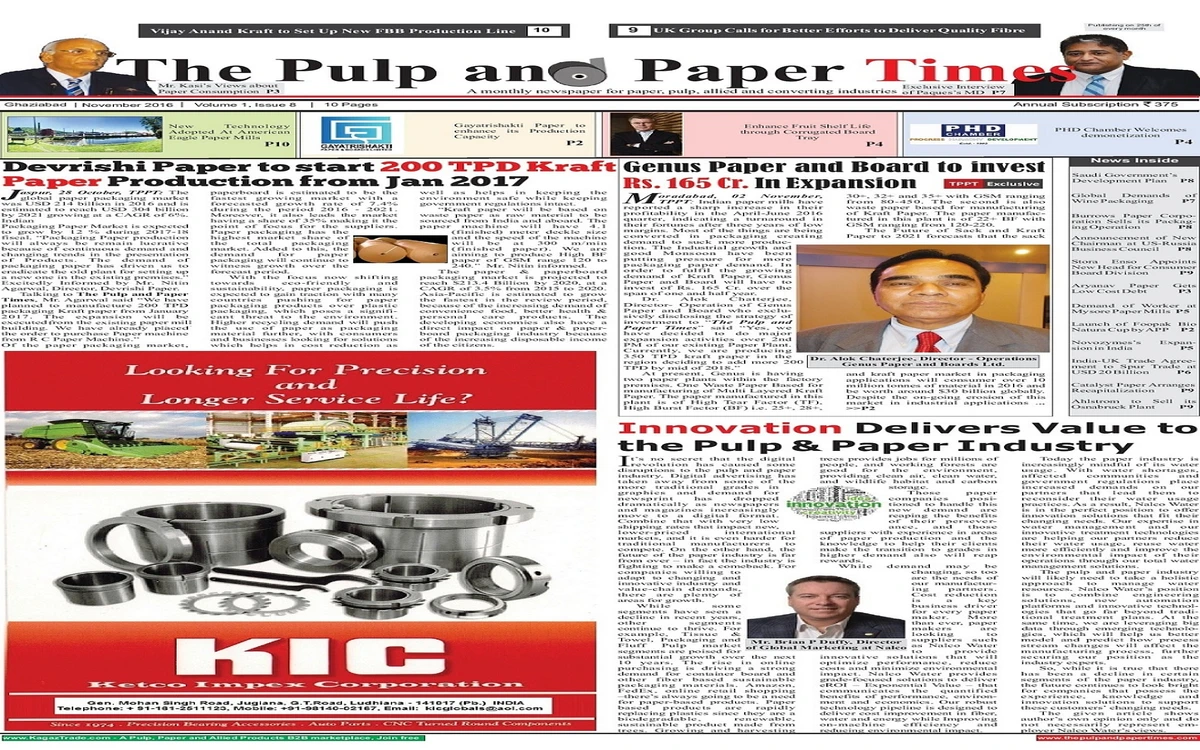
The Pulp and Paper Times, November 2016 Issue

- Export Markets Strong While Indian Paper Market Faces Overcapacity: Conversation with Amit Paper Consultants & Engineers
- We are also discussing a 200-ton project in Angola.
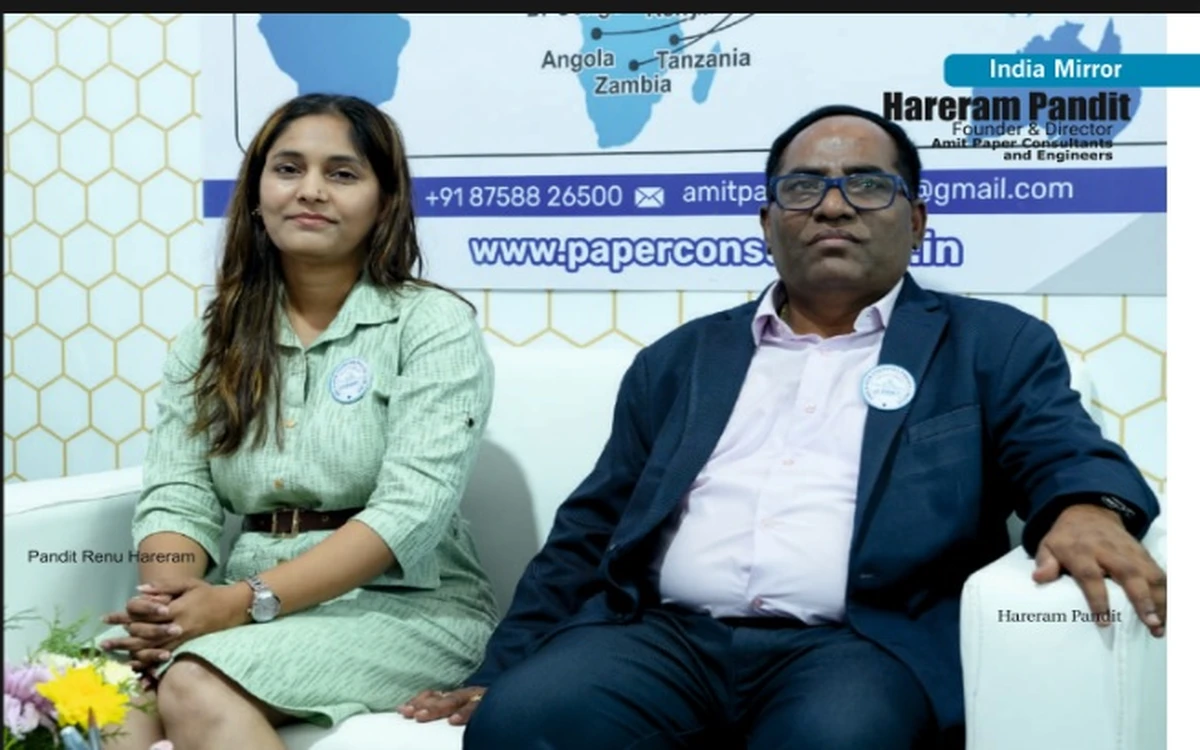
The Pulp and Paper Times had a conversation with Mr. Hareram Pandit, Founder & Director of Amit Paper Consultants and Engineers (Paper Mill Machinery Suppliers & Plant Consultants). Established in 2013, Amit Paper is engaged in manufacturing and wholesale trading of Paper Machine Press Roll, Paper Making Plant, and related equipment. Under the supervision of Mr. Pandit Hareram, the company has achieved significant growth. Amit Paper Consultants & Engineering is driven by a team of experienced technologists and architects with an auspicious track record and strong reputation in the paper machinery sector. The discussion below is presented in a Q&A format.
The Pulp and Paper Times
Q: How do you see the current paper market scenario?
In the paper market, the situation has been slightly better in the last two to six months. However, when we look at exports, our business is running very well in overseas countries. There is no shortage in those markets. We are working in many African countries as well as in the Gulf region. In Africa alone, we are active in around 11 countries, including West Africa, and we are also supplying in Gulf markets. Companies there are working with good margins. For example, mills that earlier had 10-ton machines have expanded to 100-ton capacity, and those with one machine have installed additional machines. Many new players have also entered the market.

Q: Are you currently working on any international projects?
Yes, we currently have three projects running. In Kenya, within one year we increased the client’s production capacity by 40 tons, and our work with them is continuing. Through another project discussion, we secured a 50-ton project in Congo, and the machine is already dispatched. Its erection will start in February. Through the Congo connection, we also secured a project in Ghana. The dispatch will begin in December and installation is expected to start in March. We are also discussing a 200-ton project in Angola. The client had earlier installed a 100-ton mill with us but now wants to expand to 200 tons. They have sent us technical details, and discussions are currently ongoing.
Q: If the export market is doing well, why is the Indian paper market facing challenges?
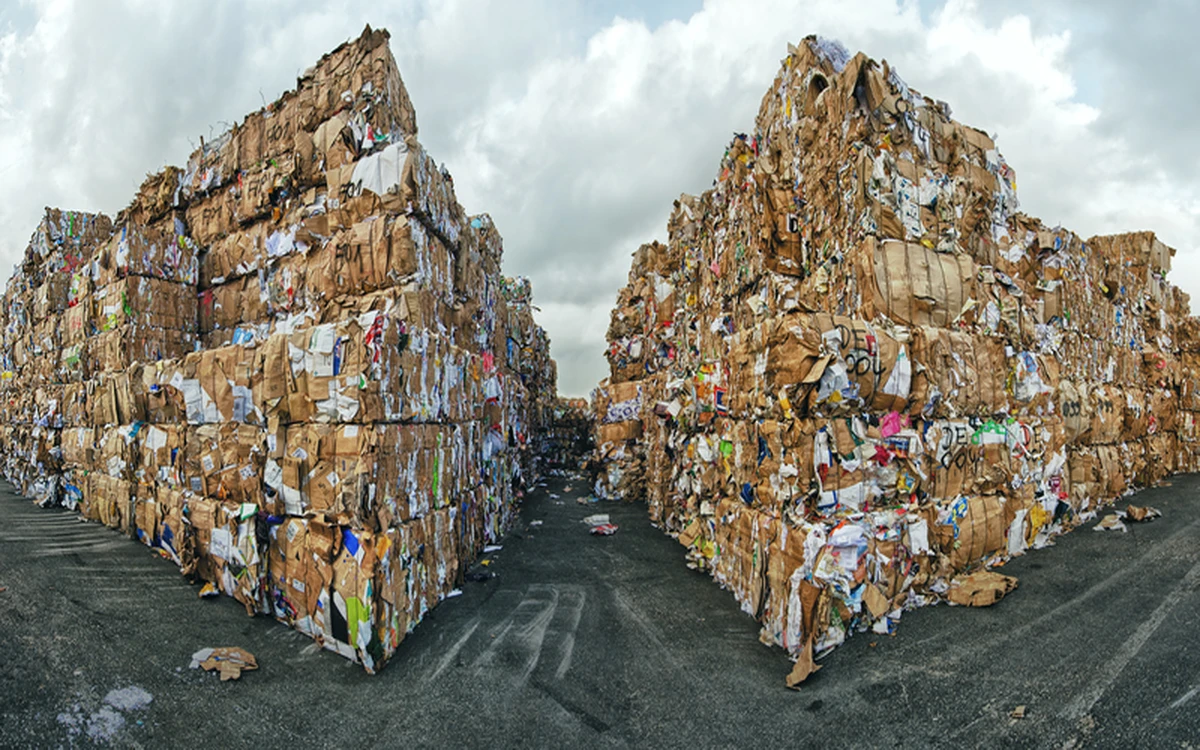
The main reason is overcapacity. Suppose the consumption in the market is 10 tons but mills install machines of 100 tons capacity. Then the extra 90 tons has to go somewhere. Between 2018 and 2022, many new paper mills came up in India. Then the waste paper market went down, especially during COVID, which affected imports. Prices increased and consumption reduced. Also, the digital market is growing, so some sectors are focusing more on digital platforms rather than paper. This has slightly reduced consumption in India. However, this situation is not the same in foreign markets.
Q: When do you expect normalization in the Indian paper market?
In my opinion, the Indian market will become active and stabilize within about two years.
Q: Apart from paper machinery, do you also supply packaging or allied machines?
Our machines mainly go into packaging plants because the paper produced is used for packaging applications. We also work on virgin-based projects. For example, one of our clients produces notebook paper and decorative paper using cotton. They supply these products to nine countries.
Q: Could you tell us about the types of machinery and products you deal in?
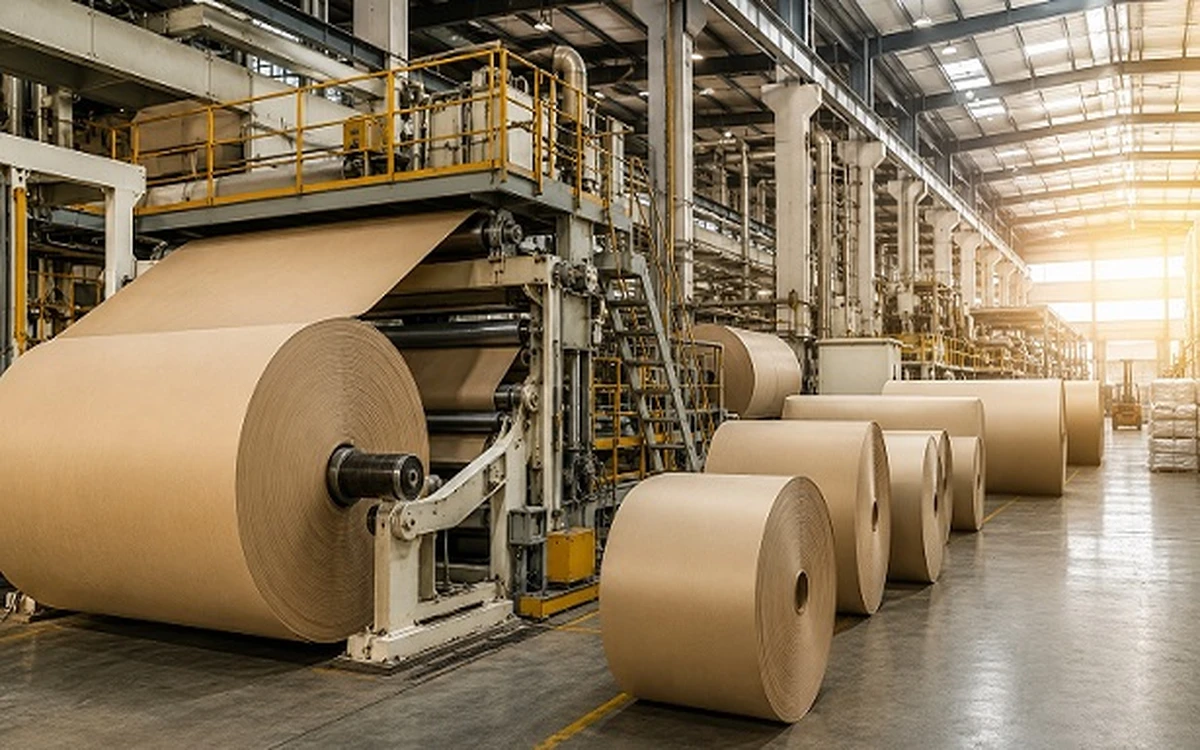
We supply machinery ranging from 5 tons to 400 tons capacity. We work with different types of paper such as tissue paper, including napkin tissue and toilet tissue, which can be made from virgin or recycled fiber. We also work with CR paper, single-wire, double-wire, triple-wire, and four-wire machines. Other grades include coated duplex board, MG poster paper, and anti-printing paper. Anti-printing paper includes recycled grades like 52 GSM writing paper used by school children. Higher grades can be produced using a mix of virgin and waste paper, and some projects also run completely on virgin fiber, such as bundle paper.

Q: How do you see the role of technology and AI in the paper industry?
The transformation has started but it will take time. AI and digital solutions may become more common after around ten years. Right now, not every company can invest in such systems because they require large investments. Many mills do not have the financial resources to adopt expensive solutions immediately. Banks also check the background of companies before providing funds, so investment decisions depend on financial strength.
Q: What makes your company stand out in the market?
Our work is different because we focus on quality and customized solutions. For example, if a mill has higher power consumption, water consumption, or chemical usage, we conduct a survey and modify the system to improve efficiency. That is the type of work we specialize in.
Q: Why should a new paper mill choose your company for machinery and consultancy?
When someone chooses Amit Paper, they get complete solutions at one place. We have around 100 types of sources and services. From land planning and building design to machinery procurement, installation, commissioning, and even helping the client sell paper in the market, we handle the entire process and then hand over the plant.

Q: What services do you cover under consultancy?
Our consultancy team surveys around 14–15 operational aspects such as water consumption, electricity usage, fuel, manpower, and chemical consumption. After the survey, we submit a detailed report to the client. If the report is agreed upon, we proceed with implementation. For example, in Kenya, a mill that was running at 60 tons for 12 years was increased to more than 100 tons within one year through our intervention.
Q: What about retrofitting and modification in existing mills?
Yes, we also do retrofitting and machine adjustments to improve existing infrastructure and increase productivity.
Q: How do you ensure quality and post-sales service?
We are very active in services even after the sale. Some components are manufactured in our workshop, while others are sourced from external suppliers. We carefully monitor these processes. After the machine is built, we conduct third-party inspections and invite the client to check the machine. We also provide raw material details and full certification.
Q: How do you compete with European machinery suppliers?
Some machinery is fully manufactured in India, but certain components may be sourced from Europe or China when required. We also provide consultancy internationally and have worked in Europe as well, including projects in Spain.
Q: How large is your current client base?
On average, we have more than 50 clients. Even today, visitors from different countries continue to meet us. For example, a delegation from Iran recently visited us and is currently in discussion regarding potential projects.
Through this discussion, Mr. Hareram Pandit highlighted that while the Indian paper market is currently facing challenges due to overcapacity and changing consumption patterns, export markets—especially in Africa and the Gulf—continue to provide strong opportunities for growth in the global paper machinery sector.

2 days ago
Total Views : 2241
3 days ago
Total Views : 2360
5 days ago
Total Views : 681
last week
Total Views : 1290
last week
Total Views : 3722
last week
Total Views : 2715
last week
Total Views : 792
2 weeks ago
Total Views : 3554
2 weeks ago
Total Views : 3682
2 weeks ago
Total Views : 7014