Join Groups & Channels, No Spamming









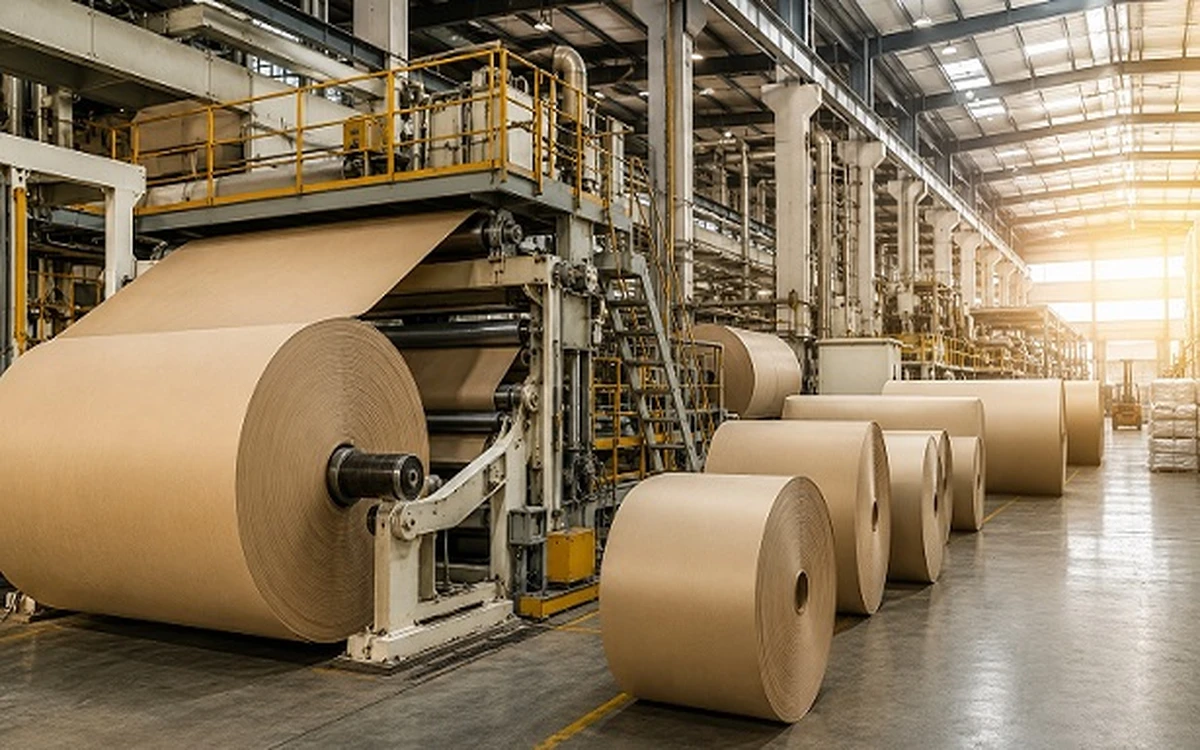
Morbi paper mills see full-capacity operations as ceramic industry revives; Kraft paper exports to China spike, Prices strengthen; Janmashtami shutdown ahead

The BE and caustic soda plant marks a key milestone for Mohit Paper Mills, enabling full utilization of installed capacity and enhancing overall production efficiency
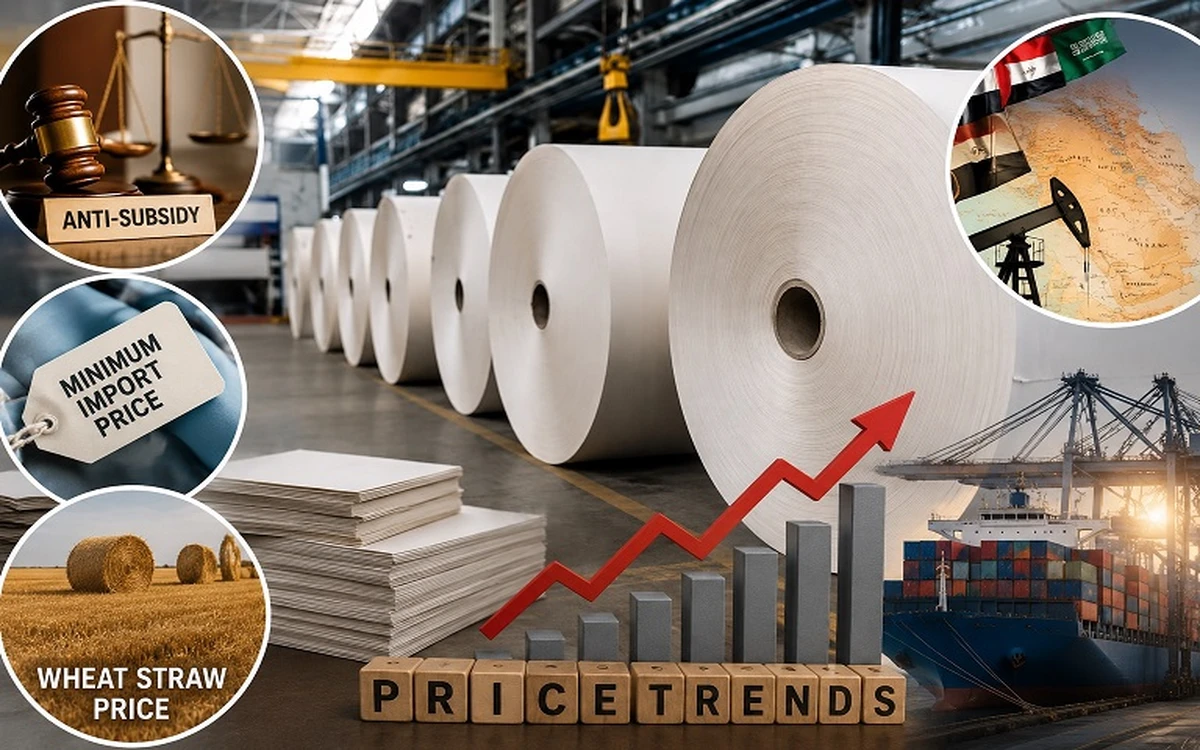
Expert Views on the paper market scenario, How the West Asia Crisis Helped the Industry, MIP for WPP, Anti-Subsidy implementation, and paper price trends
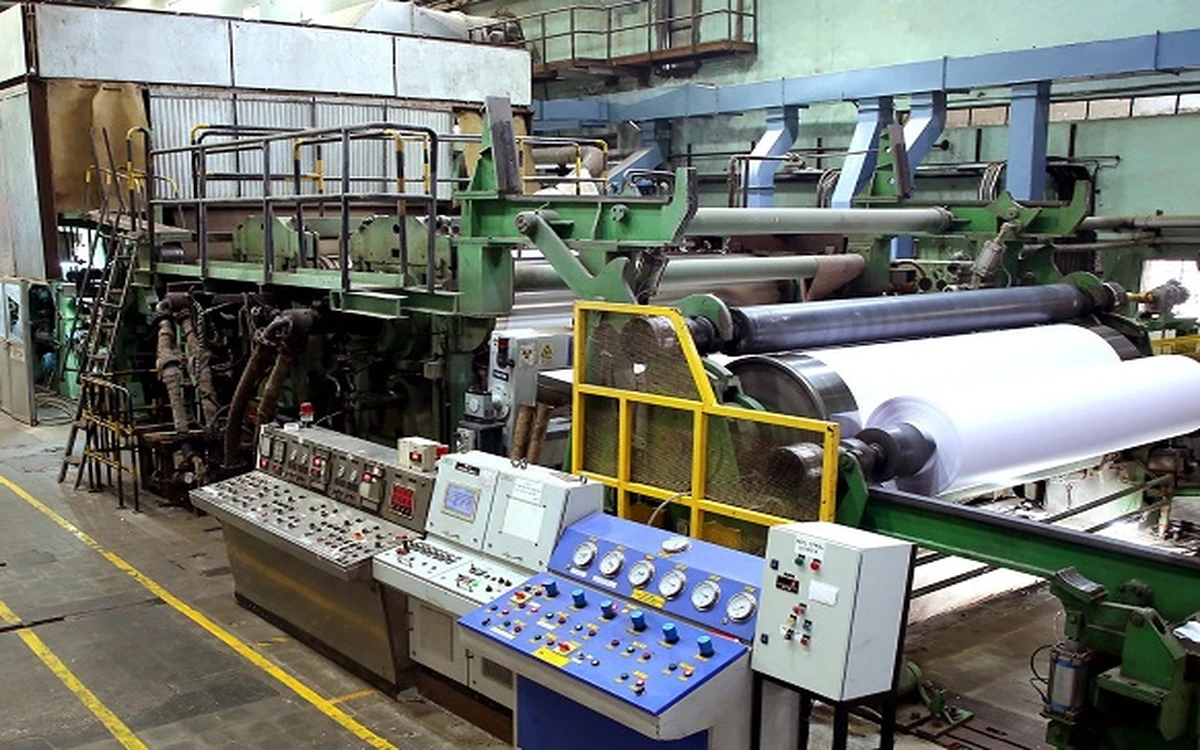
Pudumjee Paper intends to develop new varieties addressing applications for stronger paper bags and cupcakes; Plans 68,000 MT Mahad Specialty Paper Facility within 5 years
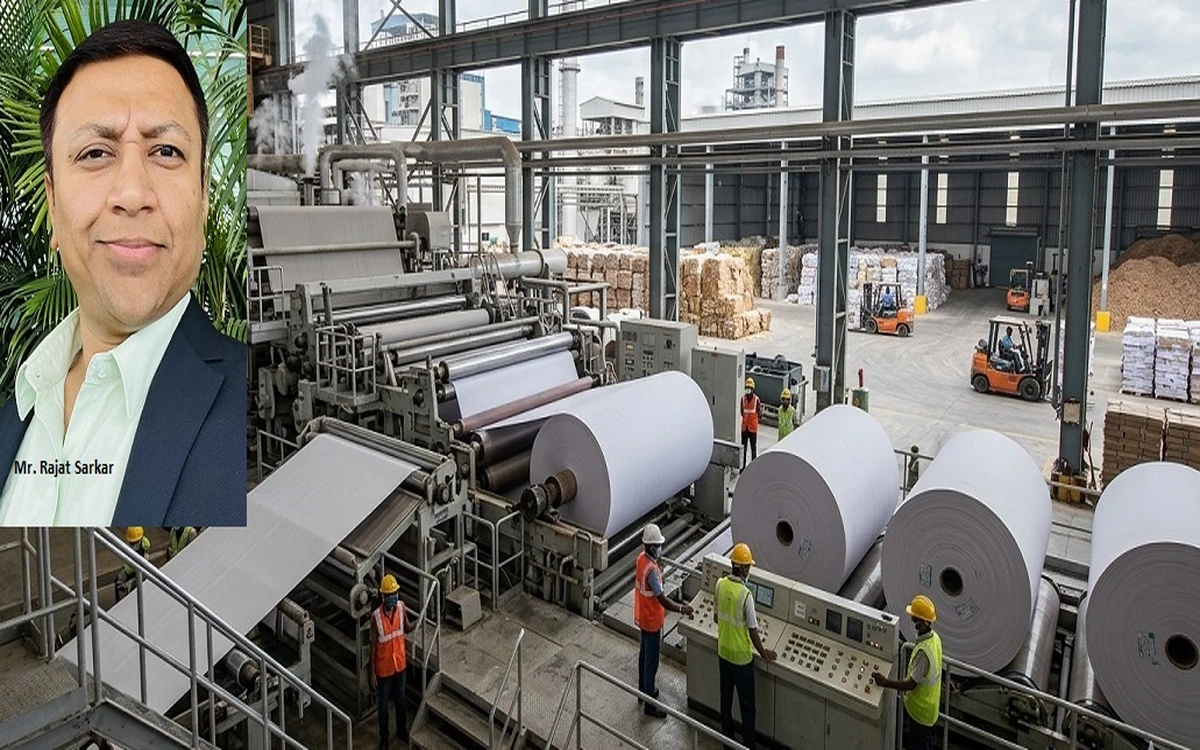
India Paper Industry at an Inflection Point: War, Costs, and Capacity; Demand growth expected at 5–7% in FY26
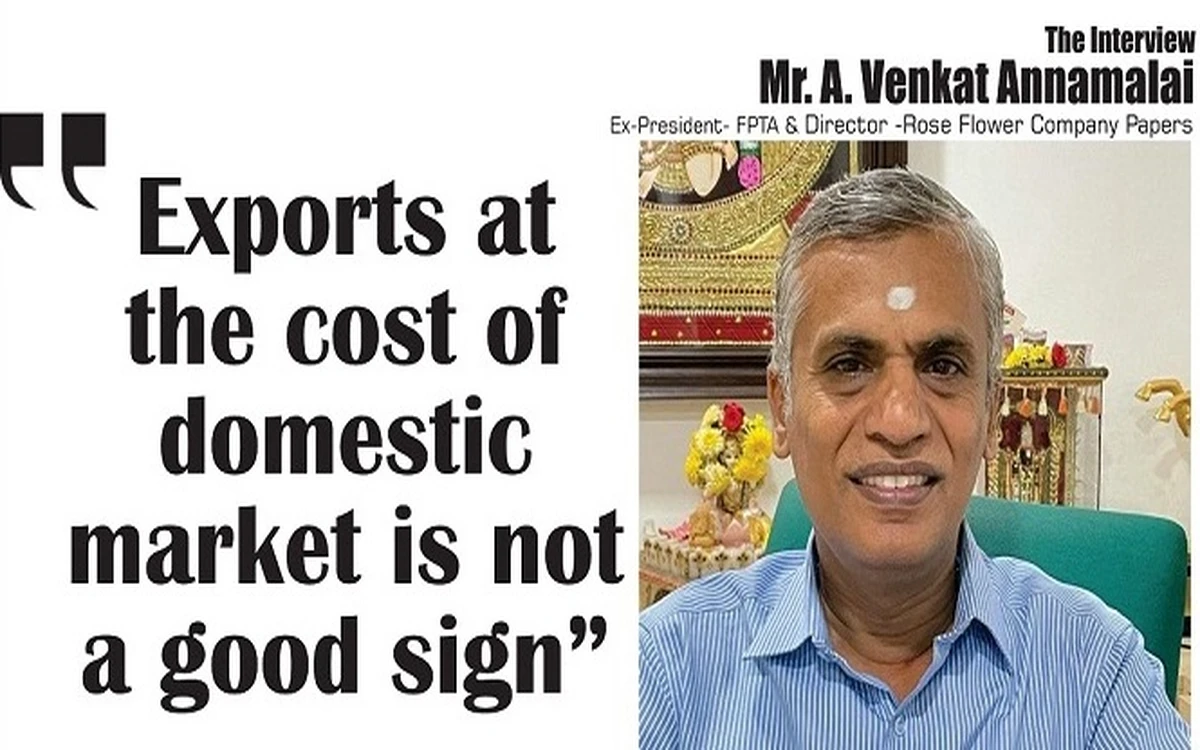
“Surging exports of paper will most certainly keep the domestic prices quite high”: Mr. A. Annamalai, Director – RFC
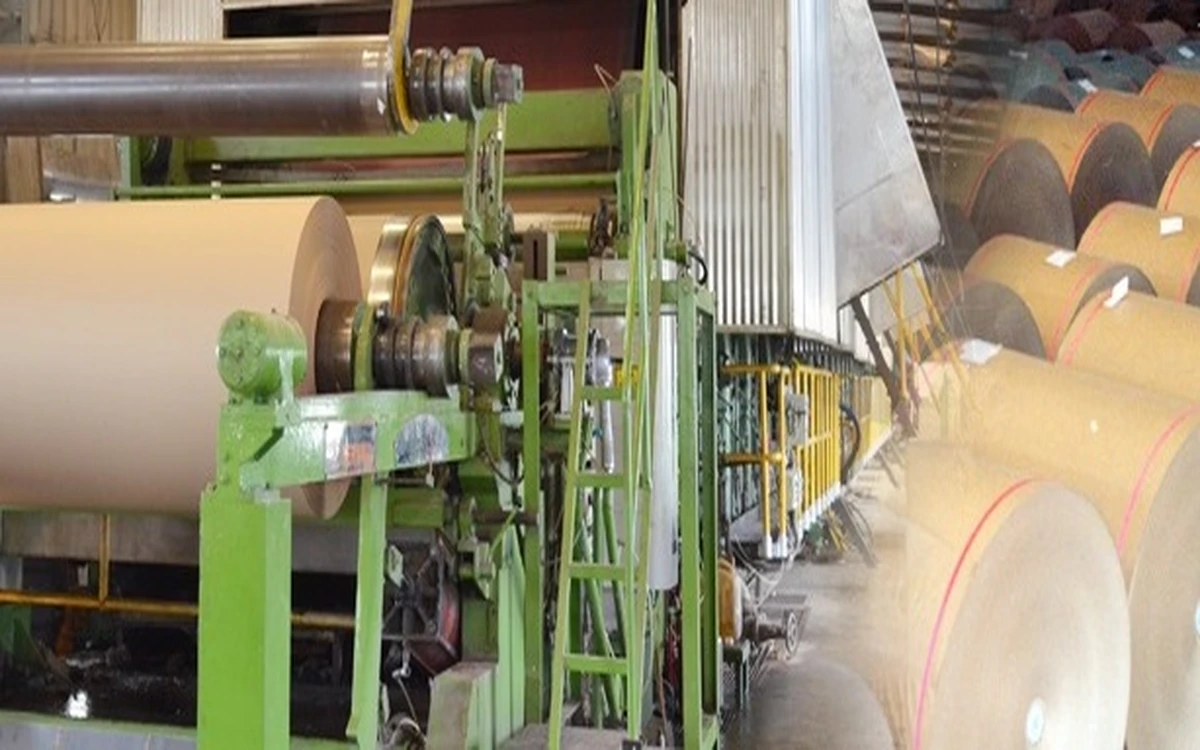
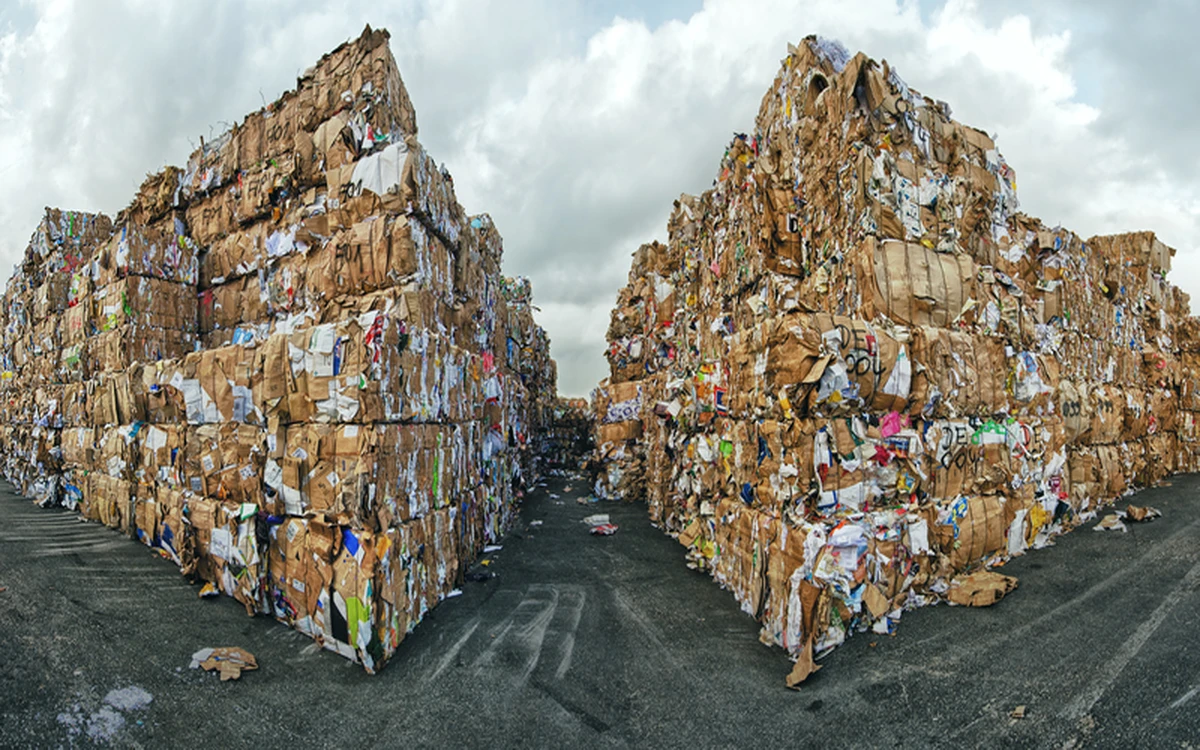
The Status of the Global Container board Industry, Recycled Paper Demand and Supply and its impact on the Indian Industry

Akshay Jain, director of Silverton Pulp & Paper, says it's time to promote agro residue as a raw material to lessen the scarcity of fibre
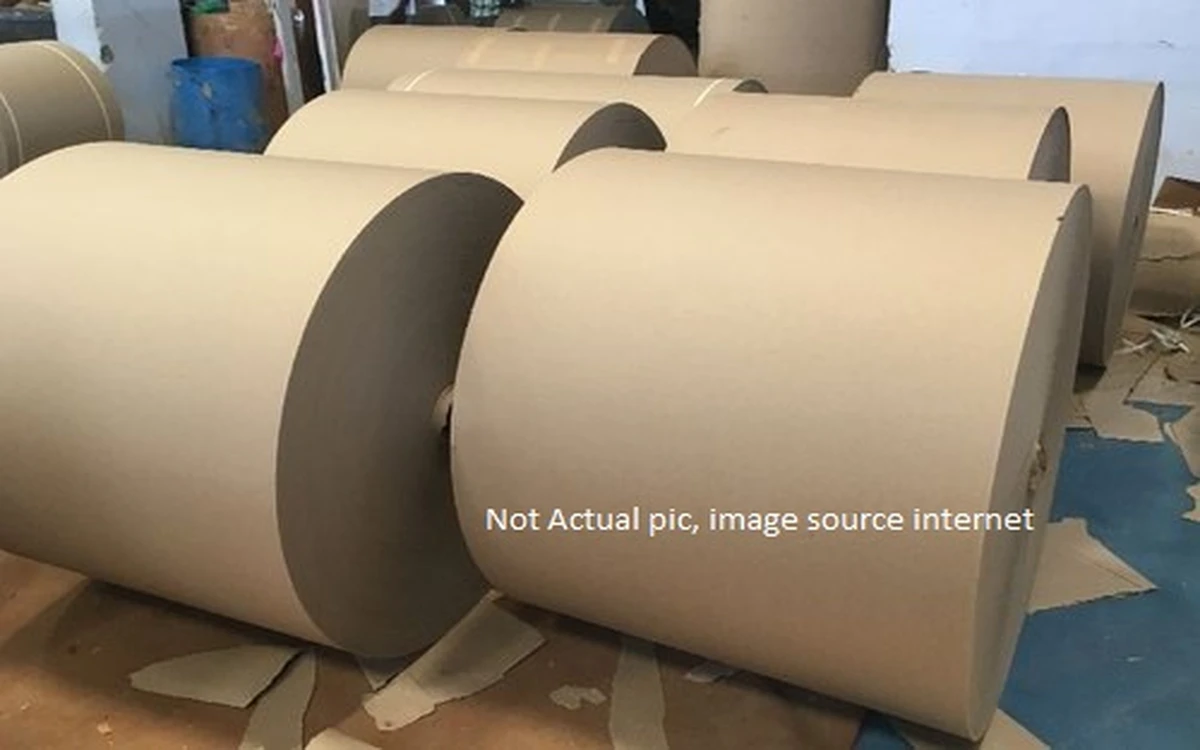
Advantageously located, a new paper mill is all set to roll kraft paper in Madhya Pradesh
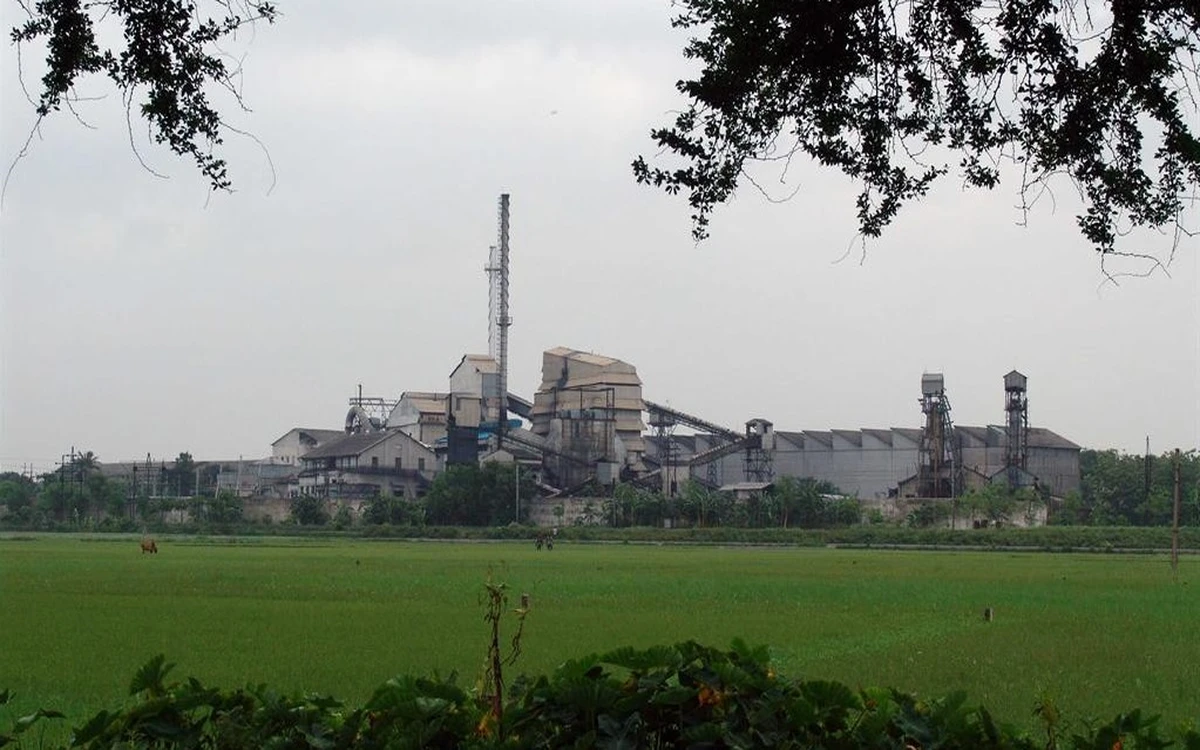
Several agile interventions helped ITC-PSPD fortify its clear leadership of the Value Added Paperboards (VAP) segment
Pakka Advances PM4 Development; flexC Base Paper Trials Underway in Europe, with a Distributor Soft Launch Expected
Paper and Packaging Board Market May Face Cost Pressures Through March 2027; FPTA Advises Traders
Overall Increase in Kraft Paper Prices Could Reach 35%; Industry Calls for 20% Box Price Increase, Voluntary Shutdown Proposed

Ruchira Papers Invests a Sizeable Capex of Rs. 235–240 Crore Towards Writing & Printing Paper Capacity Expansion
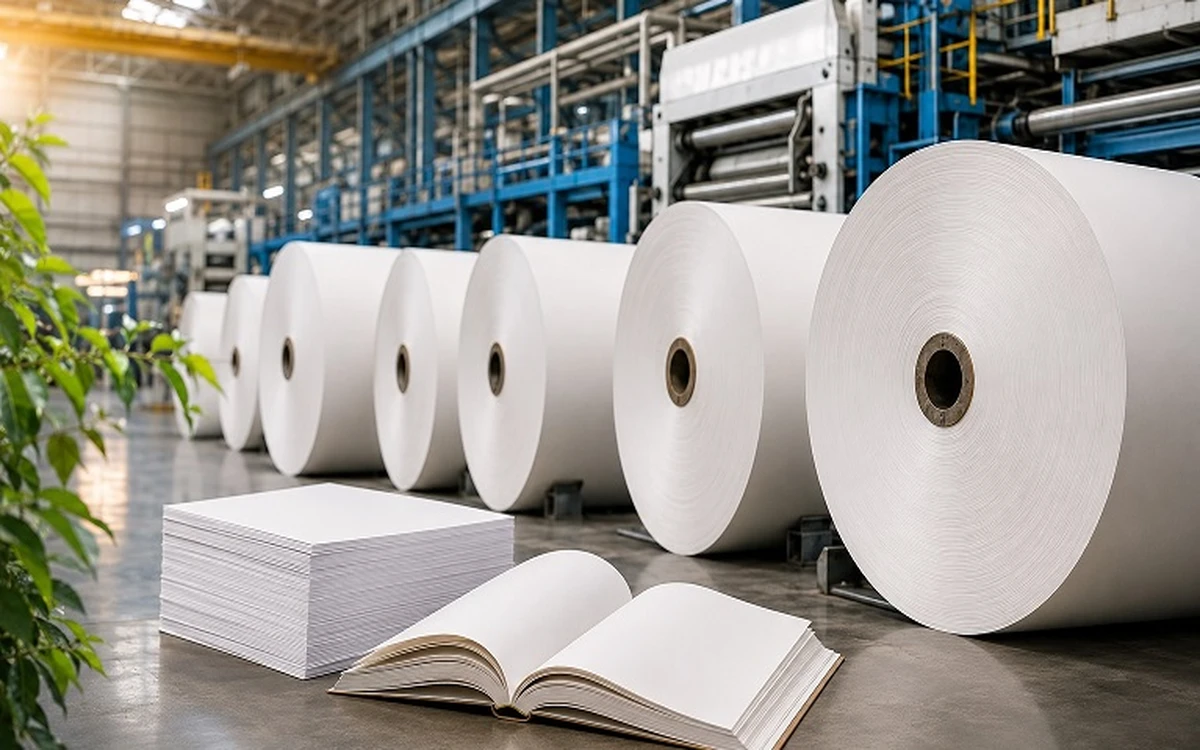
Paper mills inflated the basic ex-mill price of paper post GST 2.0, AINMA seeks action against Anti-Profiteering
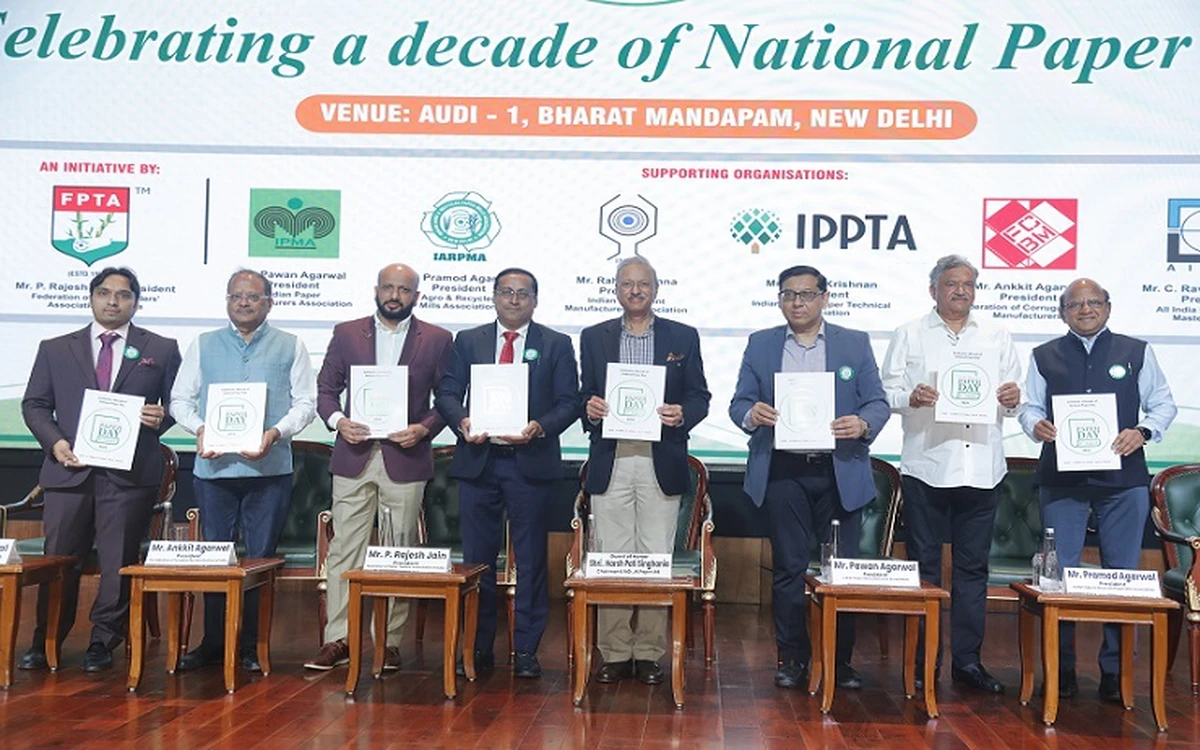
Seven Leading Associations Unite to Celebrate National Paper Day, Highlighting Paper's Sustainability and Circular Economy Advantage

Scientists from IIT-Guwahati develop India's first biodegradable plastic

Navneet Education focuses on brand building, curriculum-led growth, and export recovery; expects stationery margins to improve in FY27

It is estimated that USD10B to USD20B worth of single-use plastic packaging will convert to molded fiber, ZUME
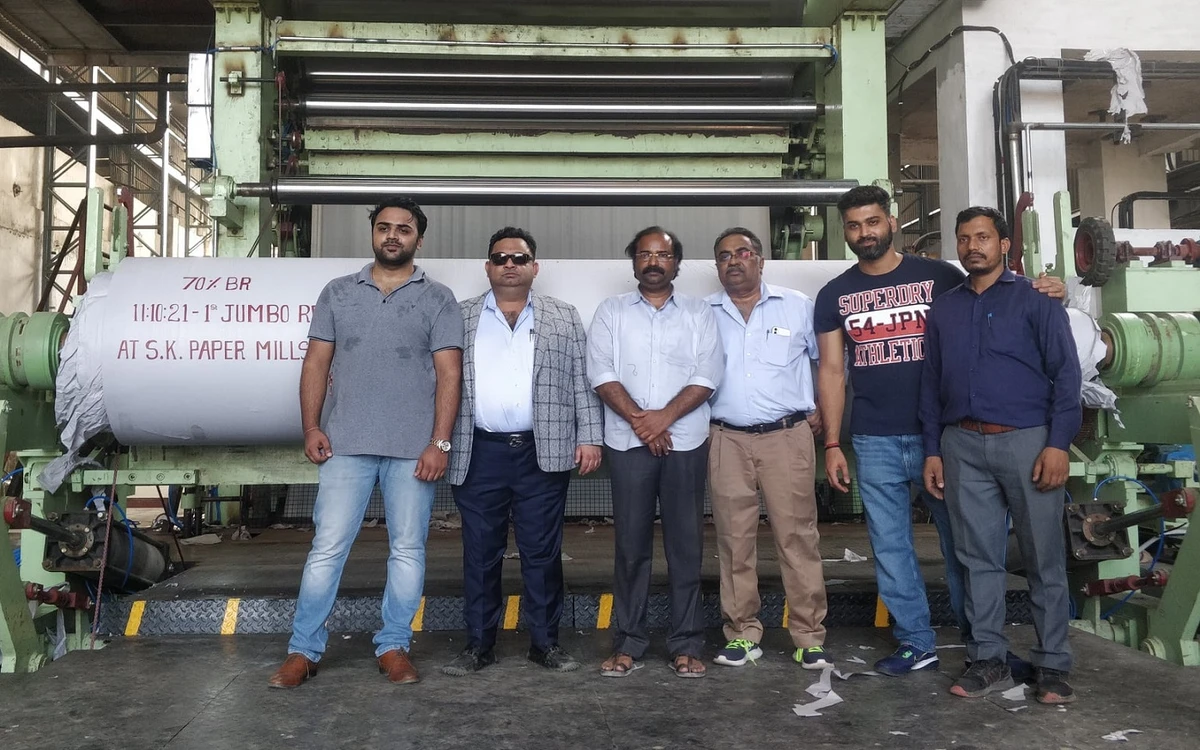
Muzaffarnagar gets a new capacity of Tissue Paper and MG Poster paper

“The integration of digitalization, automation, and Artificial Intelligence (AI) is no longer a futuristic concept—it is the baseline for competitiveness in 2036” - Vinit Garg, Director, Vizen Solutions
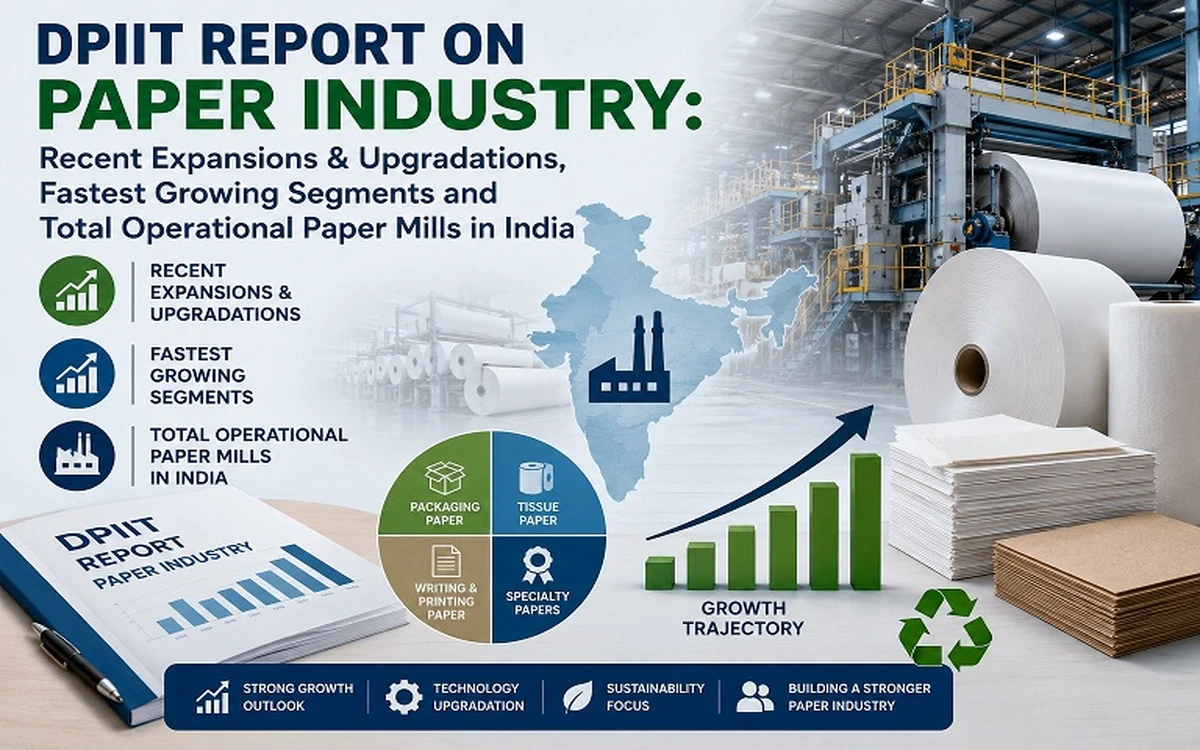
DPIIT Report on the Paper Industry: Recent Expansions & Upgrades, Fastest-Growing Segments, and Total Operational Paper Mills in India

Overview of exports of select type of paper and key raw material used in the industry by Crisil Intelligence

Margin pressure pushes Pulp & Paper Packaging sector toward AI-Driven cost optimization, Cutting costs by 8–20%
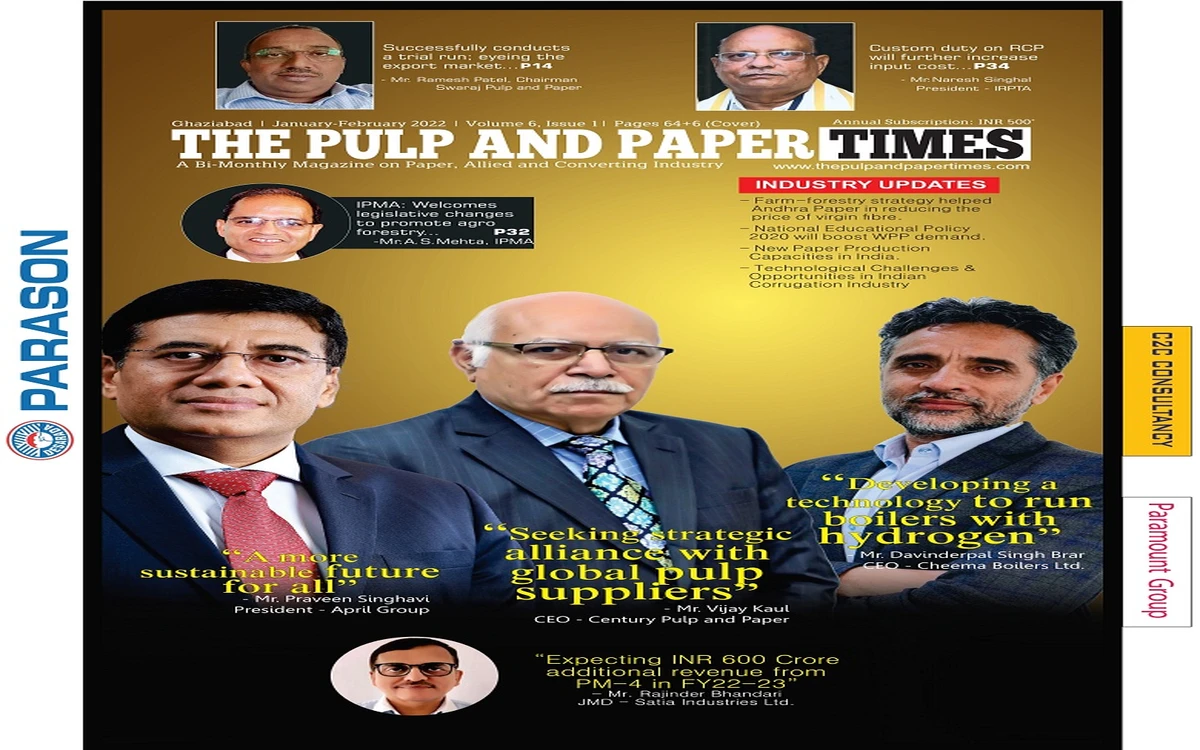
The Pulp and Paper Times Magazine : Volume 6, Issue 1
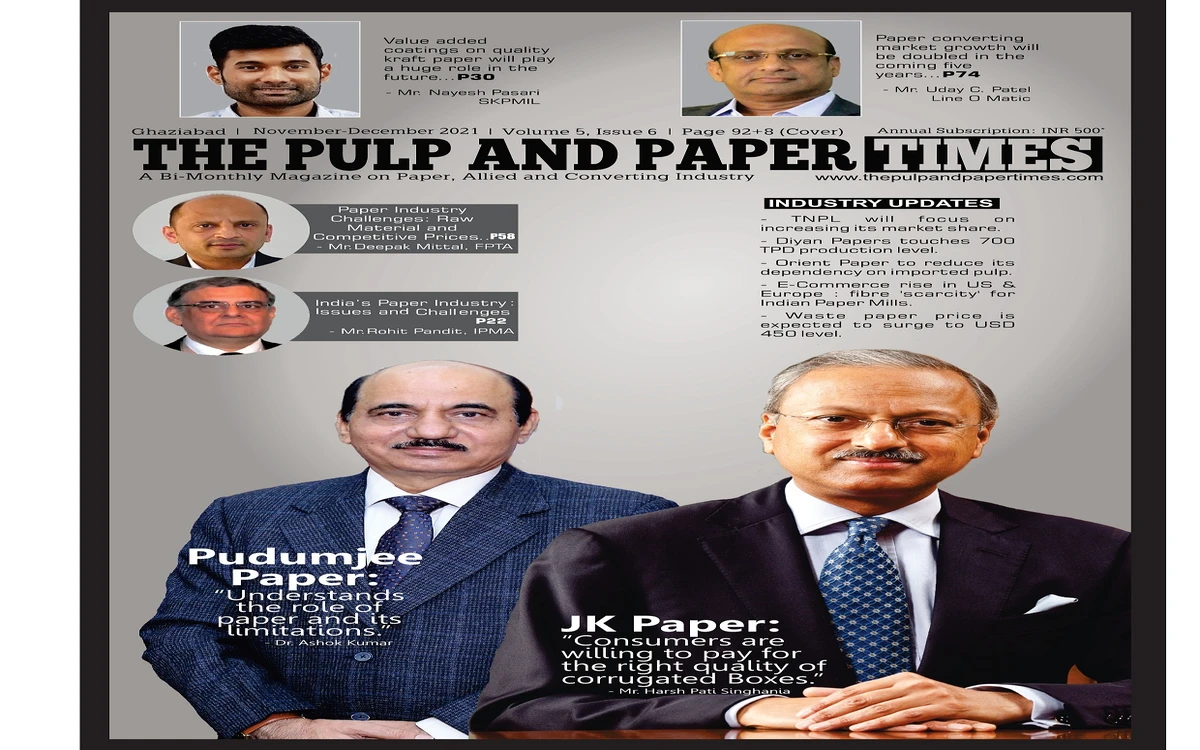
The Pulp and Paper Times Magazine : Volume 5, Issue 6
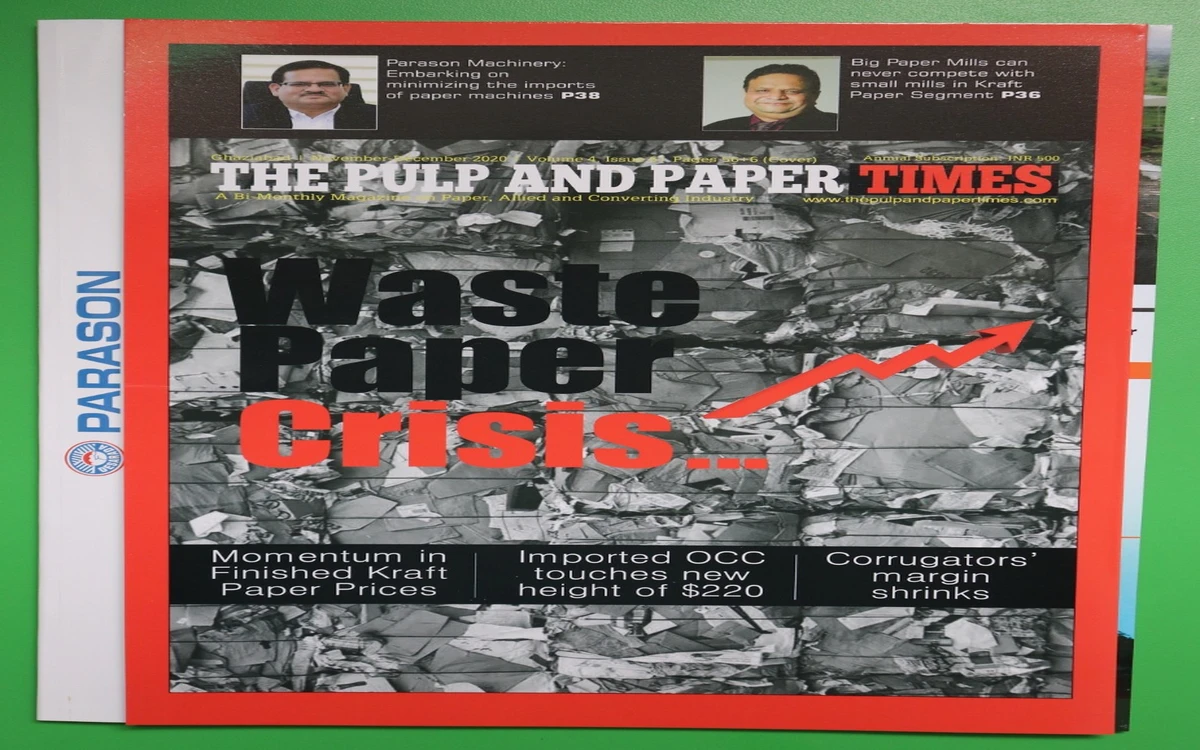
The Pulp and Paper Times: Volume 4, Issue 6
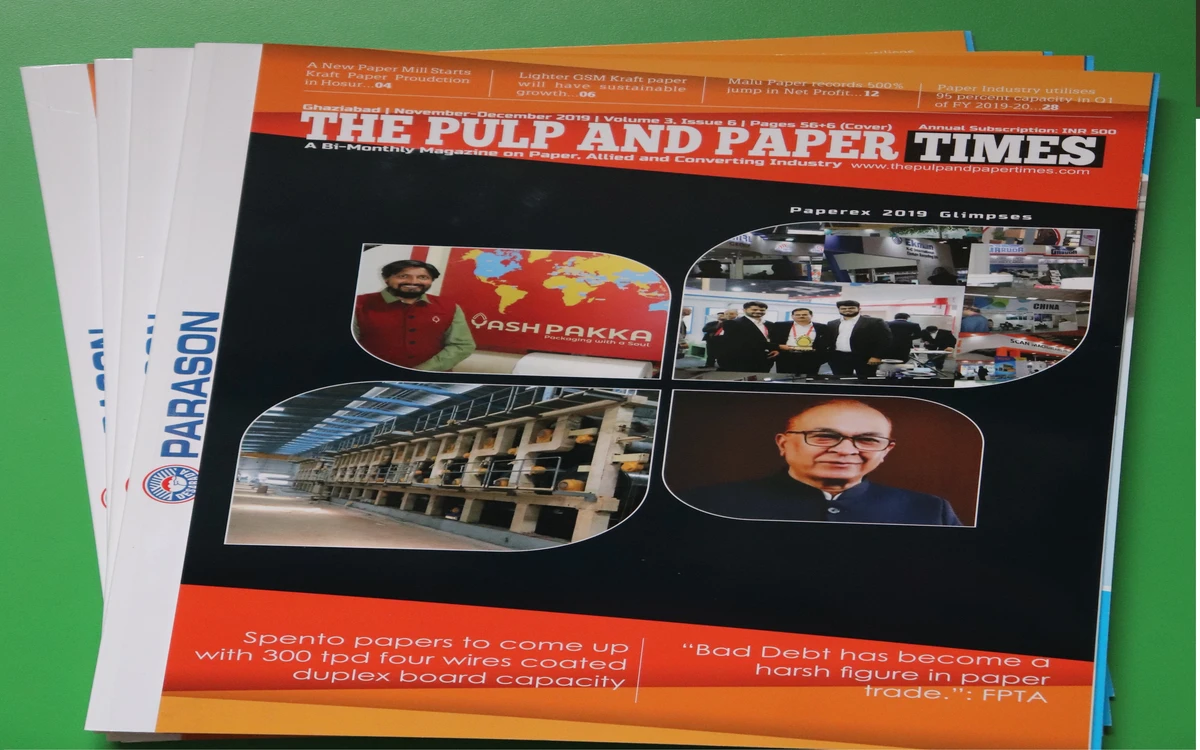
The Pulp and Paper Times : Volume 3, Issue 6
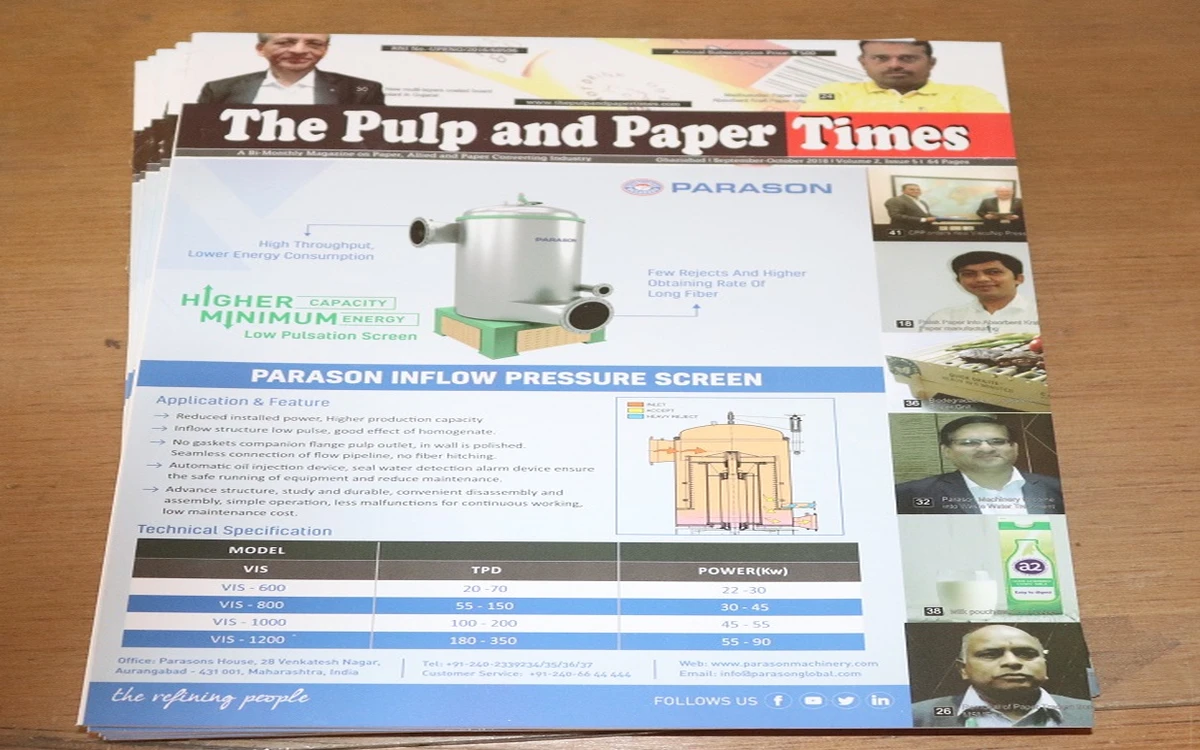
The Pulp and Paper Times: Volume 2 Issue 5

The Pulp and Paper Times, Volume 1, Issue 3
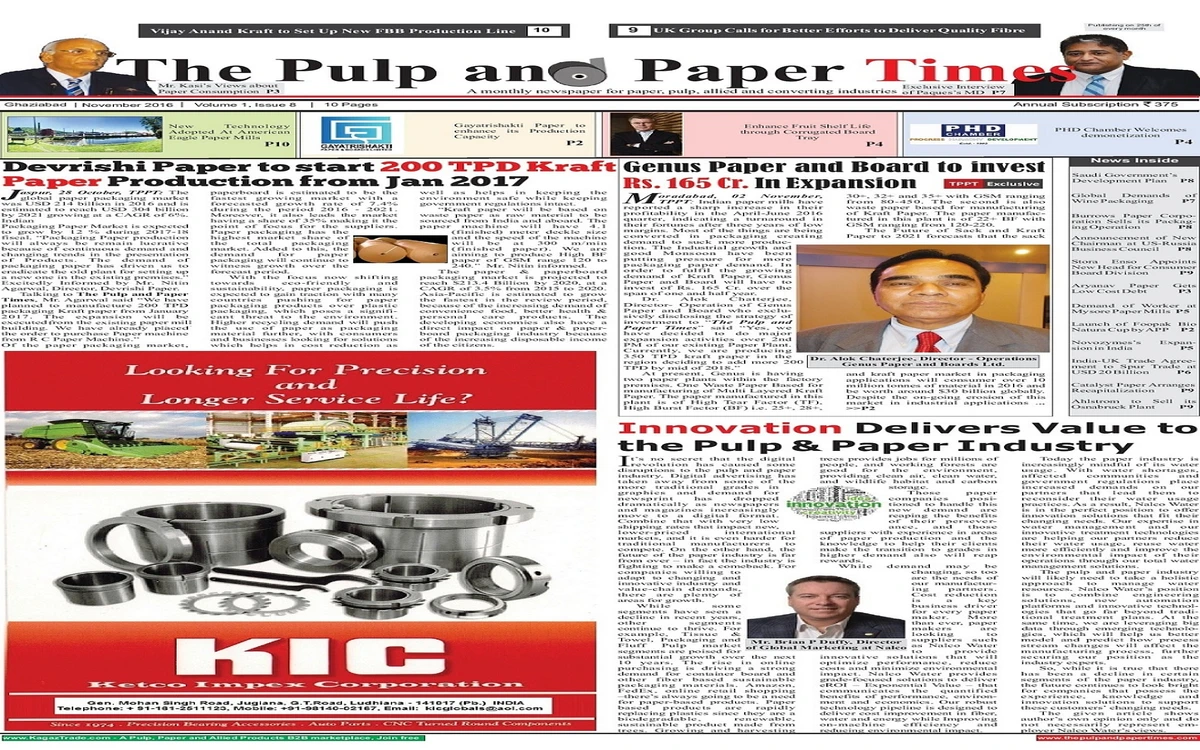
The Pulp and Paper Times, November 2016 Issue
The Indian government's decision to demonetize currency notes of Rs. 500 and Rs. 1,000 was necessitated by the increase in difficult-to-tell counterfeit notes and a desire to curb black income generation as well as eliminating a part of existing unac- counted wealth held in these high-denomination notes. Consumers have cut back on discretionary spending. The whole business has been hit because it is largely dependent on cash. The traditional trade has been hit hard, especially wholesalers and kirana stores where transactions are largely in cash. Still, things are recovering; sales are now down only 20-25% on a year-on-year basis compared to 50% in the first week after the note ban. Rural sales have been hit more. Third-quarter numbers for packaged consumer goods sellers will be severely hit, despite the wedding and holiday season. In the long term, things should bounce back as the economy is re-monetized, and firms lower in the supply chain to move to non-cash payments. “Demonetization has deeply impacted on paper Industry. We have reduced our production by 40% due to unavailability of Raw material. Petty waste paper buyers are not collecting the recycle fibers from door to door forcing us to shut down our paper mill. Although we are completely paying our payment through digital mode but small 'Kabadiwala' used to deal completely in cash. Demonetization has shrunk the liquidity in the market. On the output side, our finished products have no buyers in the market. We are assum- ing this situation will improve by the end of March 2017. The fresh demand in consumer goods can improve the situation of Paper Industry. We can try to start our machines if we have ample stock of raw material.†Vinod Kumar, Director, Paswara Papers Ltd. The market for white/brown goods still operates 80% on cash, thereby affecting volumes. Makers of durable goods are launching new schemes to tempt consumers to go cashless. Some of them are also extending discount offers and promotions such as waiver of processing fees and installment schemes with a delayed start of payments. Several businesses transact in cash and with demonetization they may become cash-strapped, hurting business—and consequently revenue, employment, consumption, and investment. The informal sector in India employs more than a majority of the workers and most transactions are in cash. Disruption to this system could endanger the employment and livelihood of weaker sections of society.
“Demonetization has closed down 50 percent paper mills in the region. The situation would become more severe when the old currency note of Rs. 500 and 1000 won't be legal tender on petrol pumps from December. The big consumer goods production companies like LG, Whirlpool, and Samsung have closed down their production dropping down the packaging demand. Paper Industry will suffer heavy losses from Input to output point.†Mr. Akshay Jain, Managing Director of Silverton Pulp and Paper.
Mix Responses:
“Immediately we are suffering a lot, petty suppliers don’t have bank accounts so they have stopped the collection of waste paper. Mill owners are operating the mills on one to three days interval. When they get raw material they are 'ON' otherwise 'OFF'. According to my personal estimation; demonetization will cause Rs. 4 to 5 crore losses per day to Paper Industry in the Uttrakhand region. Overall we welcomed this step as it will put us in more competitive situation, in regard to those operating their mills in ‘black’.†Mr. Pawan Agarwal, Managing Director of Naine Paper Mill Demonetization has hit the FMCG industry hard. And, its hope for recovery after a good monsoon seems unlikely at present. While FMCG companies had been witnessing cautious consumer spending, the latest data from market researcher Nielsen shows sales of the industry have gone down by 1-1.5% or Rs 3,840 crore in November, compared to October. “While 1–1.5% net impact of demonetization does not look huge, considering the size of the FMCG industry at Rs 2.56 lakh crore, this is a large drop in terms of absolute value,†said Nielsen. And, the industry’s problems can become bigger. Data revealed that retailers are stocking goods lesser than ever before due to cash and supply constraints. Their purchase in November has gone down by 6.4% compared to October. Purchase of personal care items such as toilet soaps, toothpaste and shampoo have seen the steepest decline by retailers. The fall in offtake is driven by urban India (- 3.1% Nov vs Oct), while rural India has managed to stay flat at 0.4% mainly due to smaller packs, smaller region.