Join Groups & Channels, No Spamming









Morbi paper mills see full-capacity operations as ceramic industry revives; Kraft paper exports to China spike, Prices strengthen; Janmashtami shutdown ahead
The BE and caustic soda plant marks a key milestone for Mohit Paper Mills, enabling full utilization of installed capacity and enhancing overall production efficiency
Expert Views on the paper market scenario, How the West Asia Crisis Helped the Industry, MIP for WPP, Anti-Subsidy implementation, and paper price trends
Pudumjee Paper intends to develop new varieties addressing applications for stronger paper bags and cupcakes; Plans 68,000 MT Mahad Specialty Paper Facility within 5 years
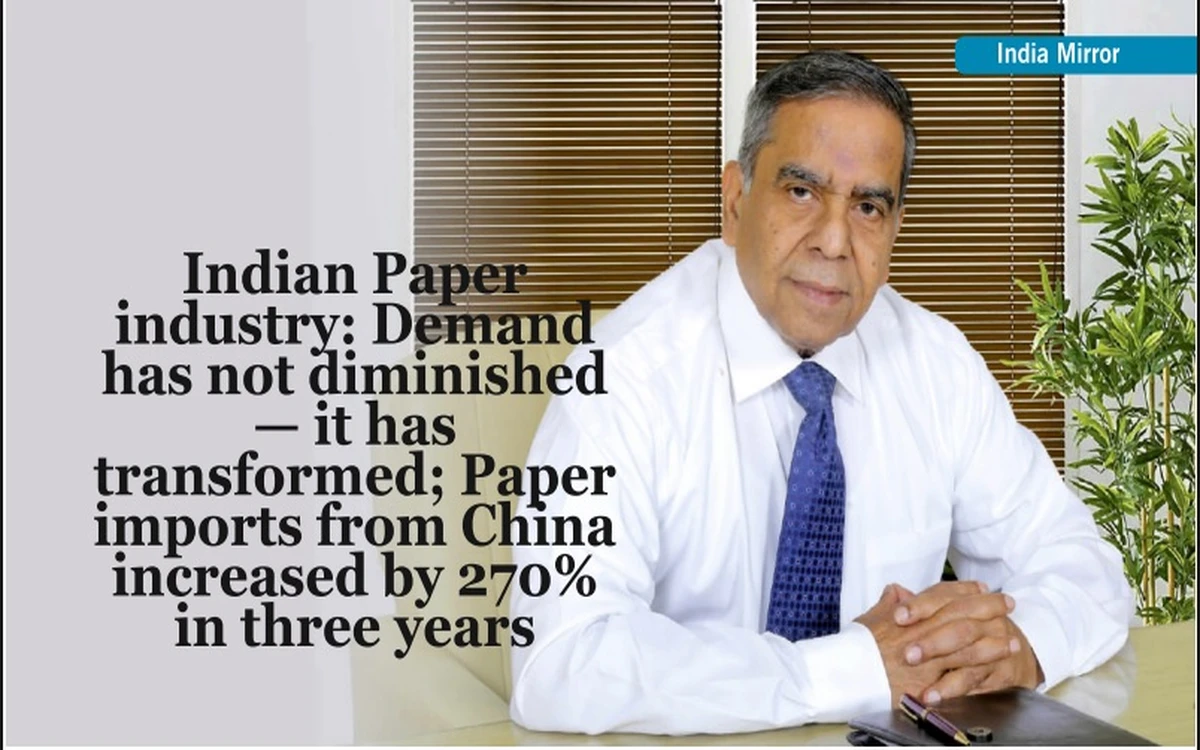
India Paper Industry at an Inflection Point: War, Costs, and Capacity; Demand growth expected at 5–7% in FY26
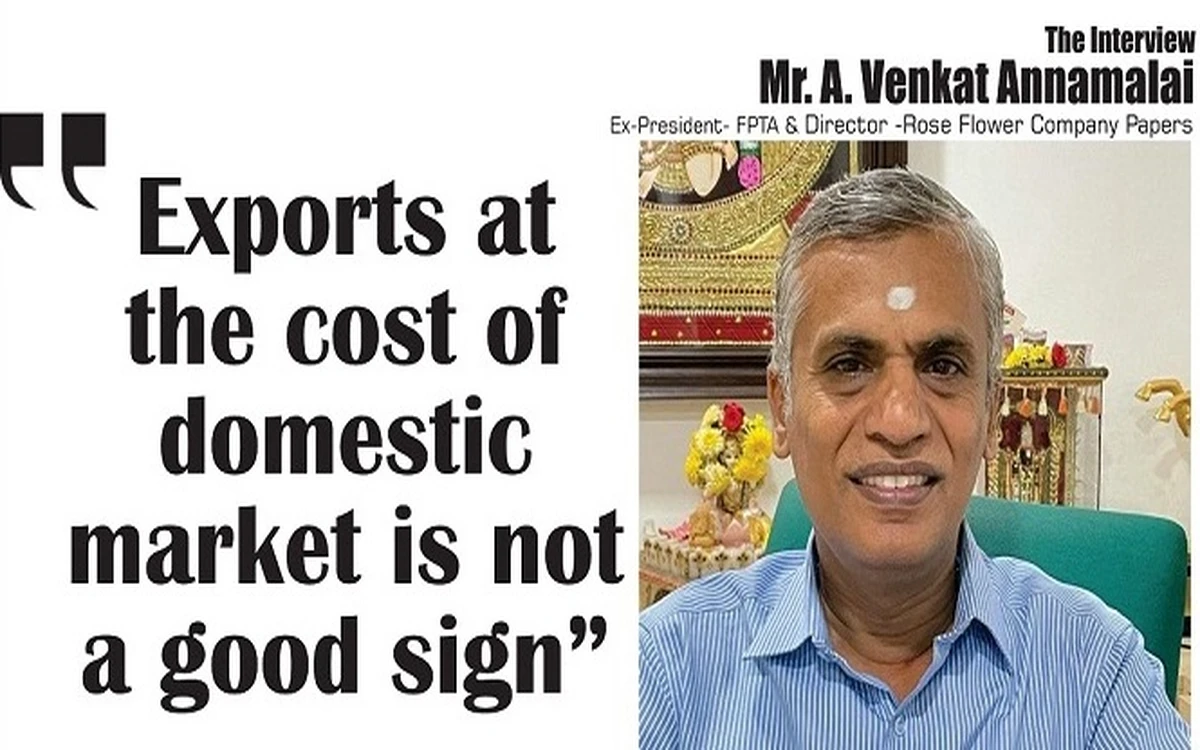
“Surging exports of paper will most certainly keep the domestic prices quite high”: Mr. A. Annamalai, Director – RFC
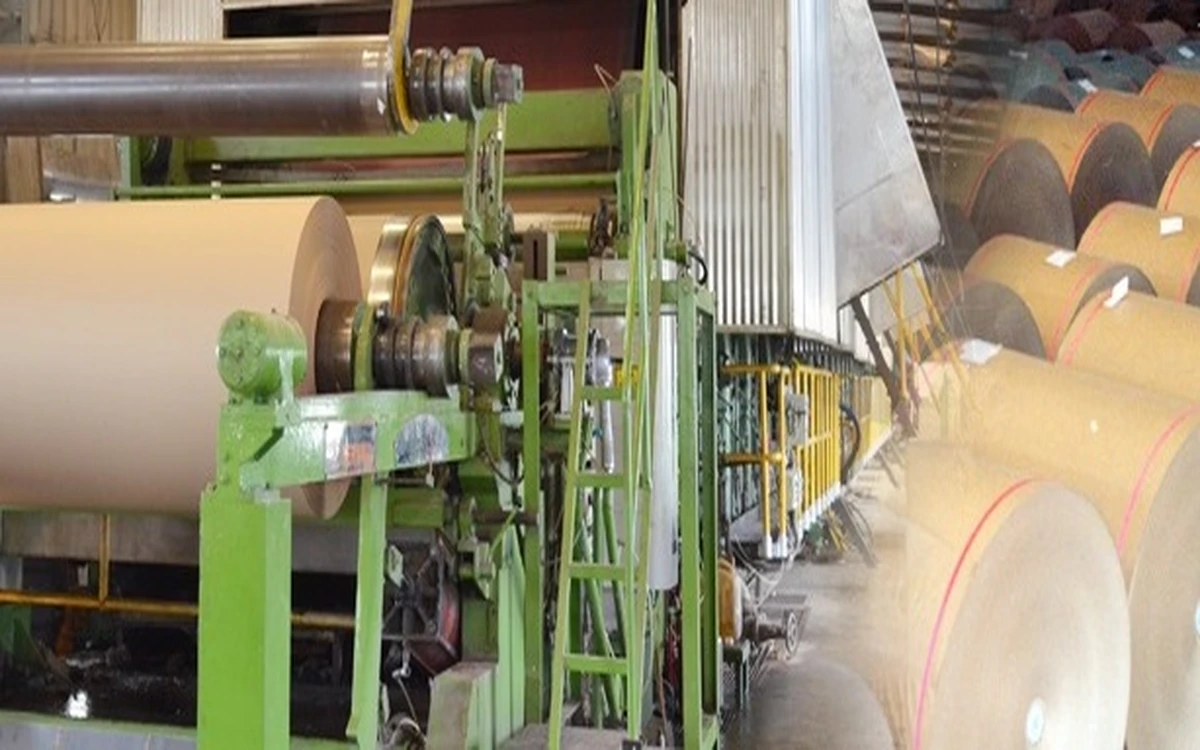
The Status of the Global Container board Industry, Recycled Paper Demand and Supply and its impact on the Indian Industry

Akshay Jain, director of Silverton Pulp & Paper, says it's time to promote agro residue as a raw material to lessen the scarcity of fibre
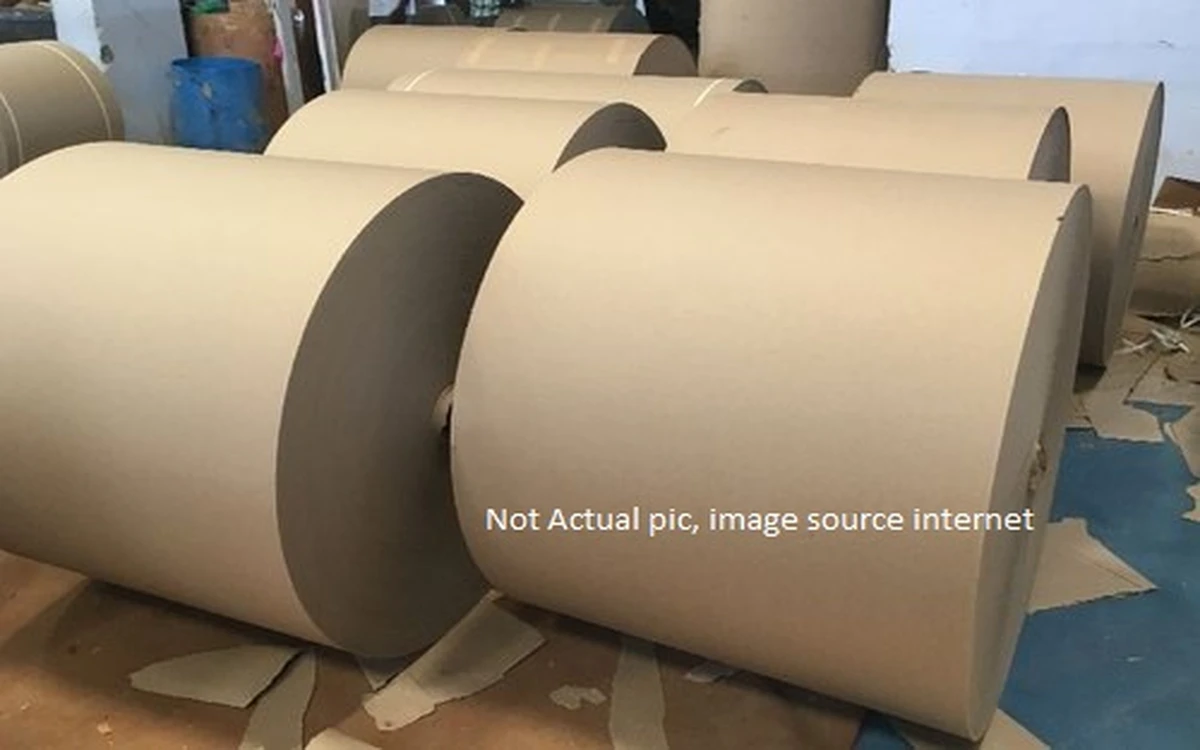
Advantageously located, a new paper mill is all set to roll kraft paper in Madhya Pradesh

Several agile interventions helped ITC-PSPD fortify its clear leadership of the Value Added Paperboards (VAP) segment
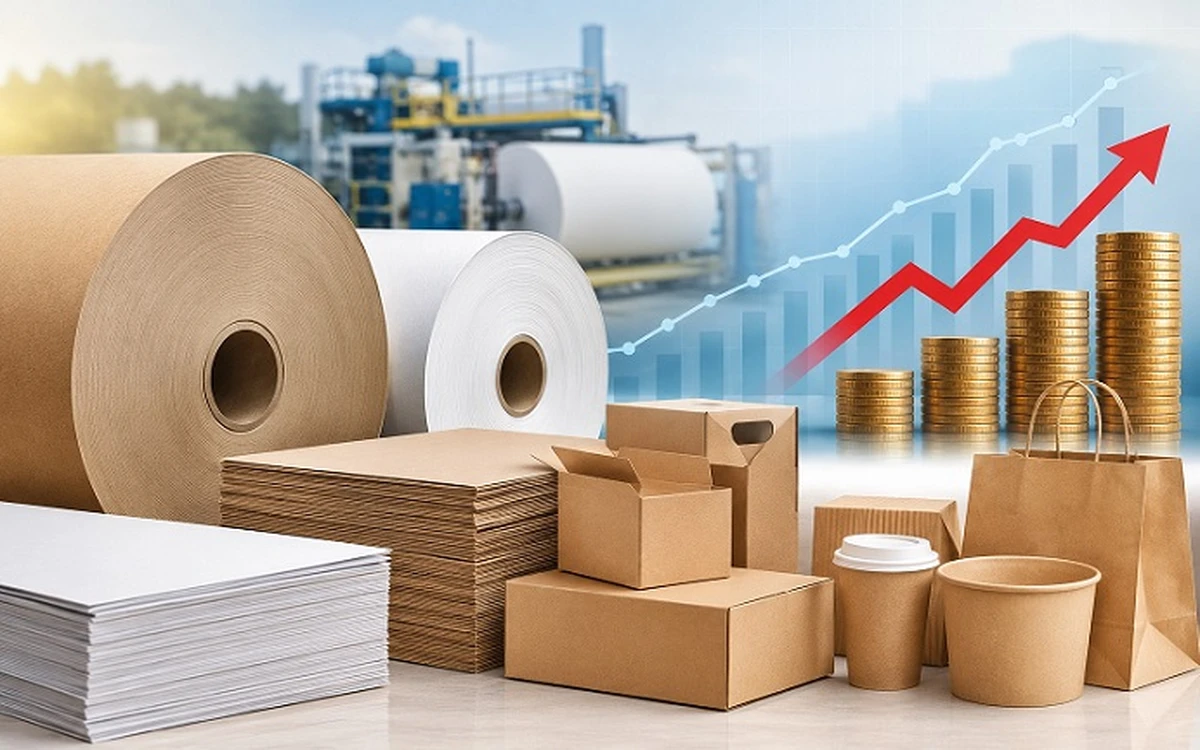
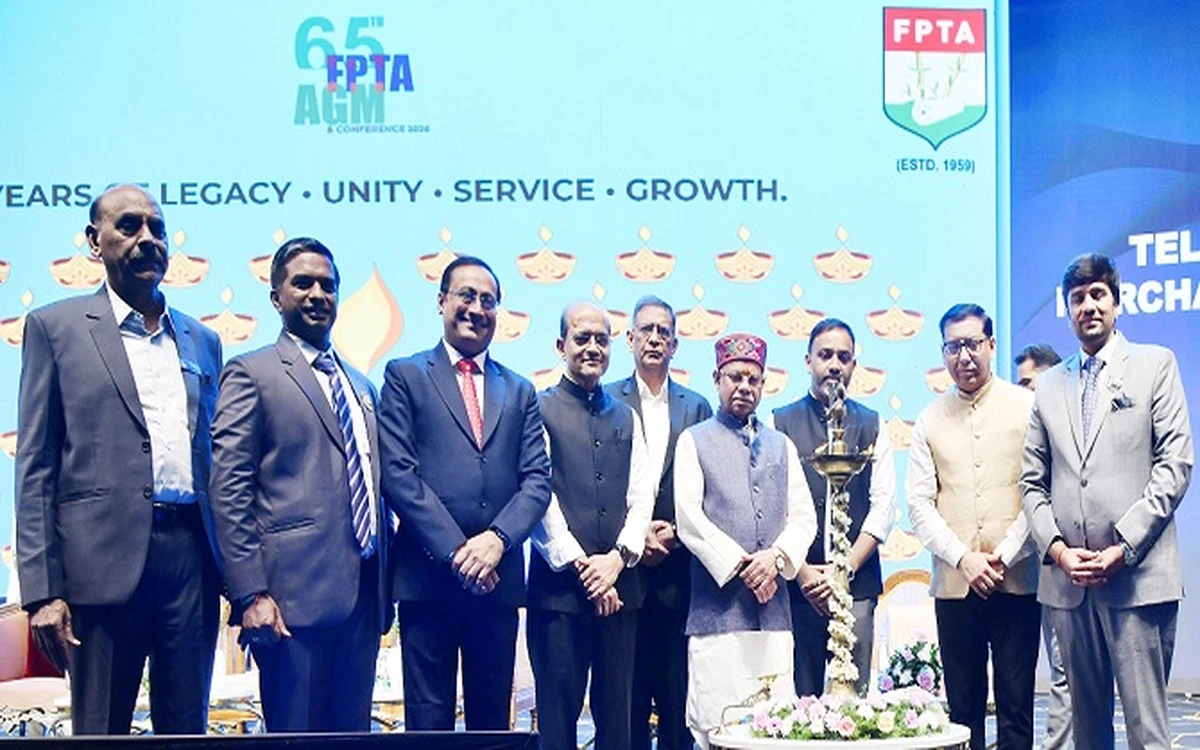
Paper and Packaging Board Market May Face Cost Pressures Through March 2027; FPTA Advises Traders
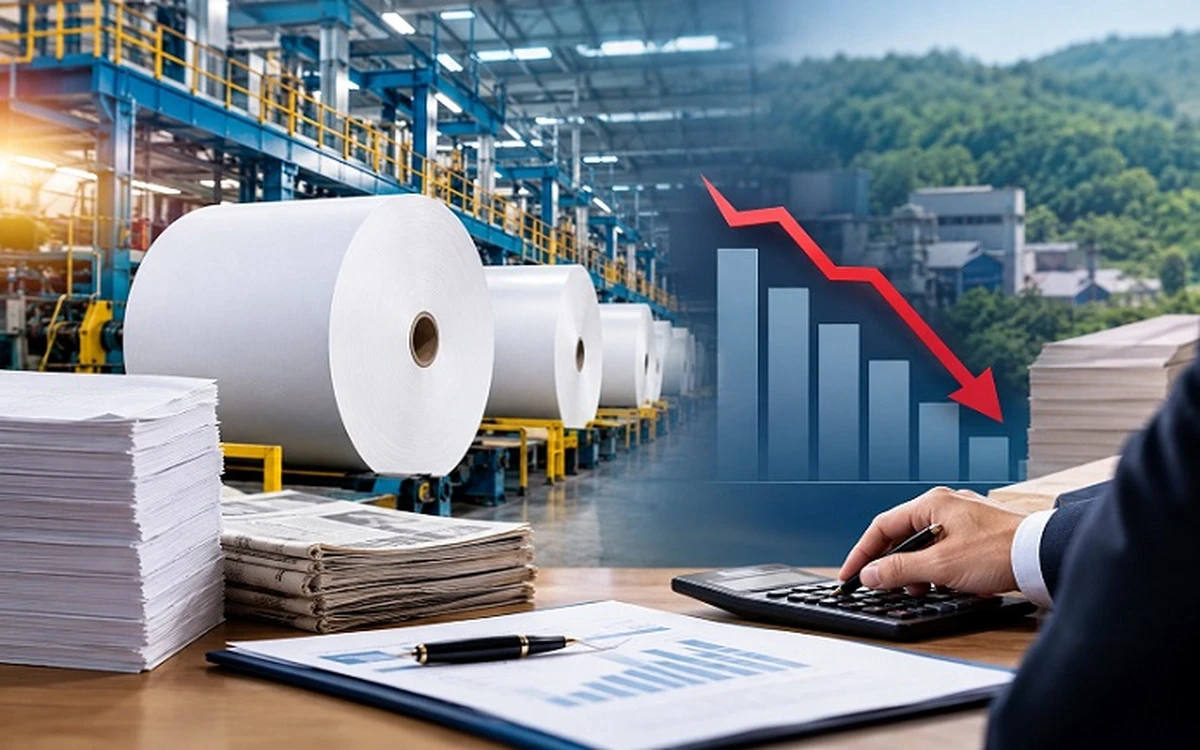
Steeper-than-expected drop in realisations hits Seshasayee Paper’s FY2025–26 operating margins; Box boards, Absorption Kraft, and Virgin Kraft now form a growing share of the product mix
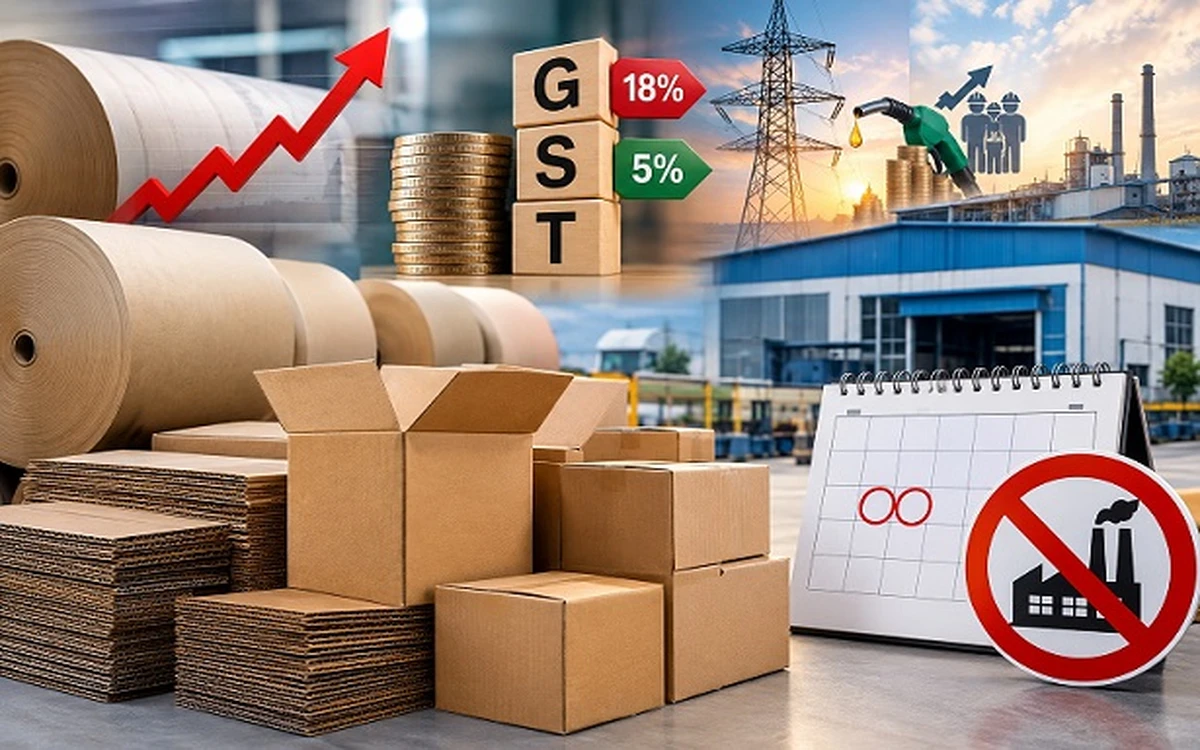
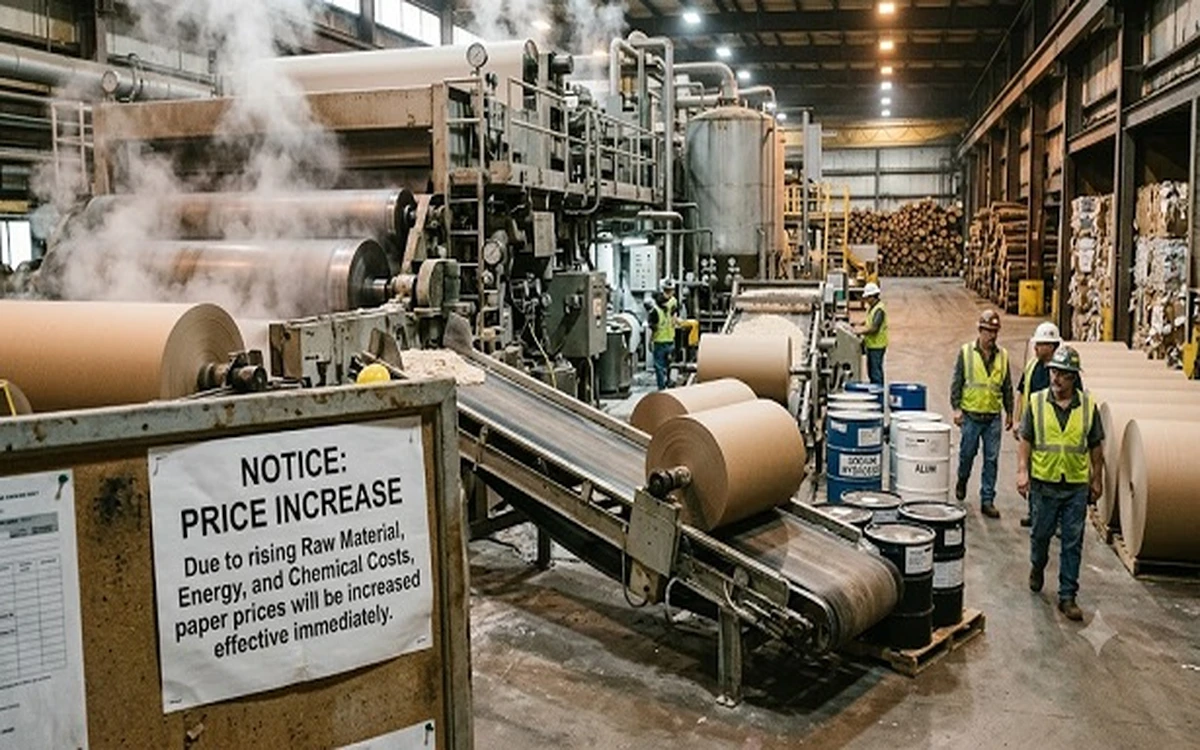
Overall Increase in Kraft Paper Prices Could Reach 35%; Industry Calls for 20% Box Price Increase, Voluntary Shutdown Proposed

Ruchira Papers Invests a Sizeable Capex of Rs. 235–240 Crore Towards Writing & Printing Paper Capacity Expansion
Paper mills inflated the basic ex-mill price of paper post GST 2.0, AINMA seeks action against Anti-Profiteering
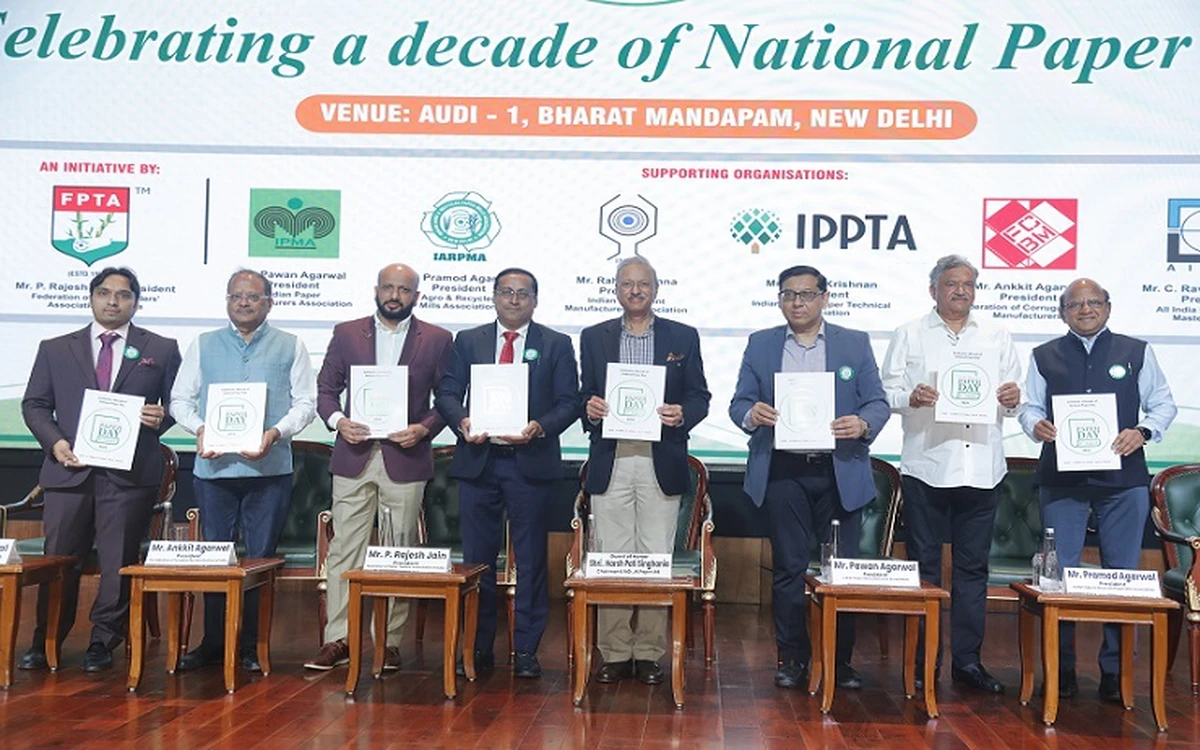
Seven Leading Associations Unite to Celebrate National Paper Day, Highlighting Paper's Sustainability and Circular Economy Advantage

Scientists from IIT-Guwahati develop India's first biodegradable plastic
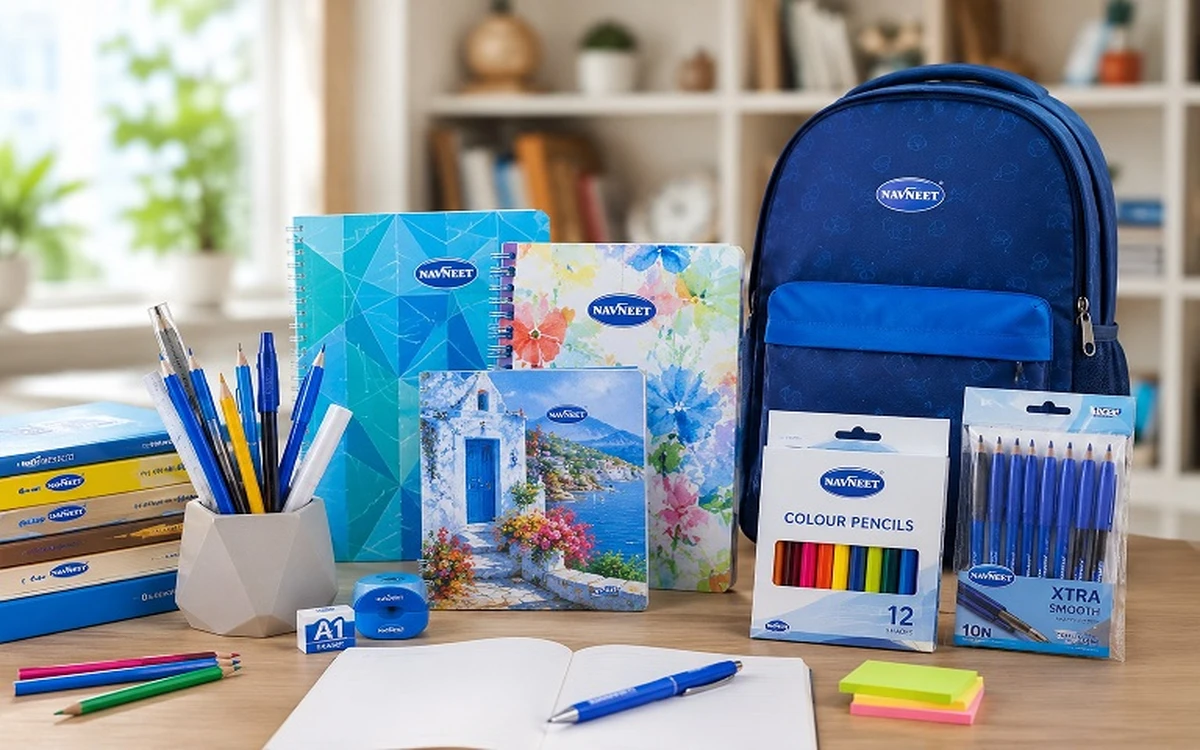
Navneet Education focuses on brand building, curriculum-led growth, and export recovery; expects stationery margins to improve in FY27

It is estimated that USD10B to USD20B worth of single-use plastic packaging will convert to molded fiber, ZUME
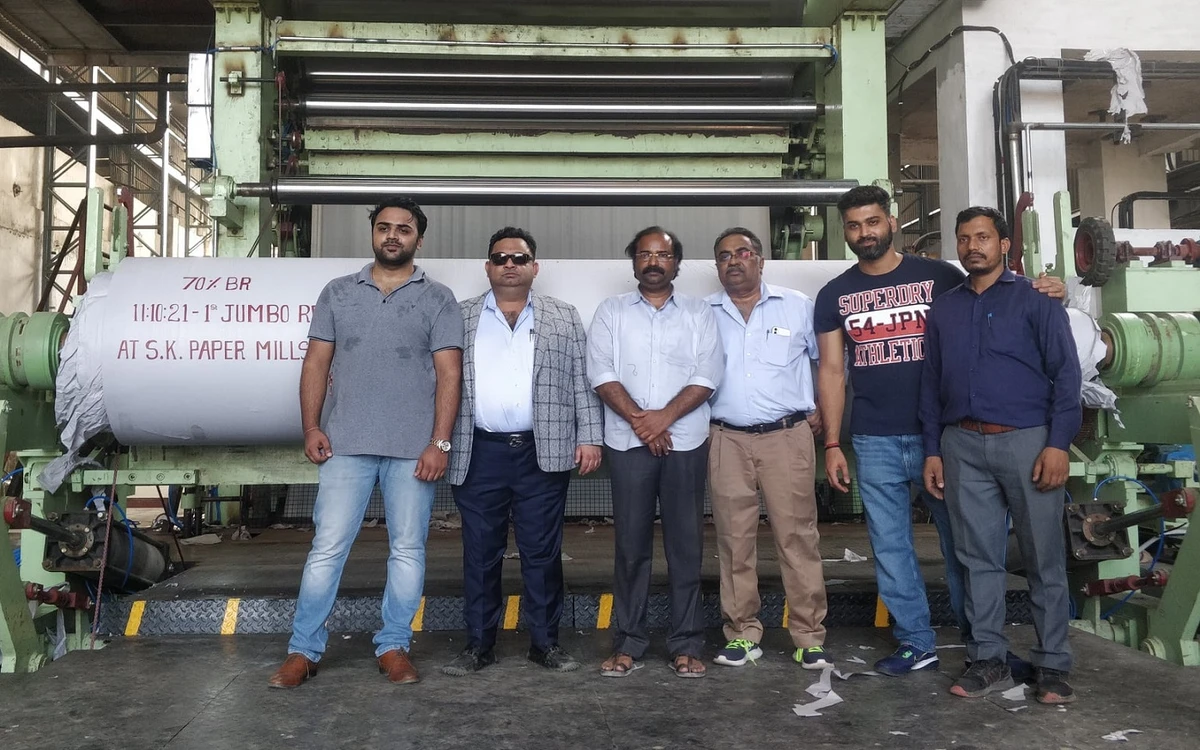
Muzaffarnagar gets a new capacity of Tissue Paper and MG Poster paper

“The integration of digitalization, automation, and Artificial Intelligence (AI) is no longer a futuristic concept—it is the baseline for competitiveness in 2036” - Vinit Garg, Director, Vizen Solutions
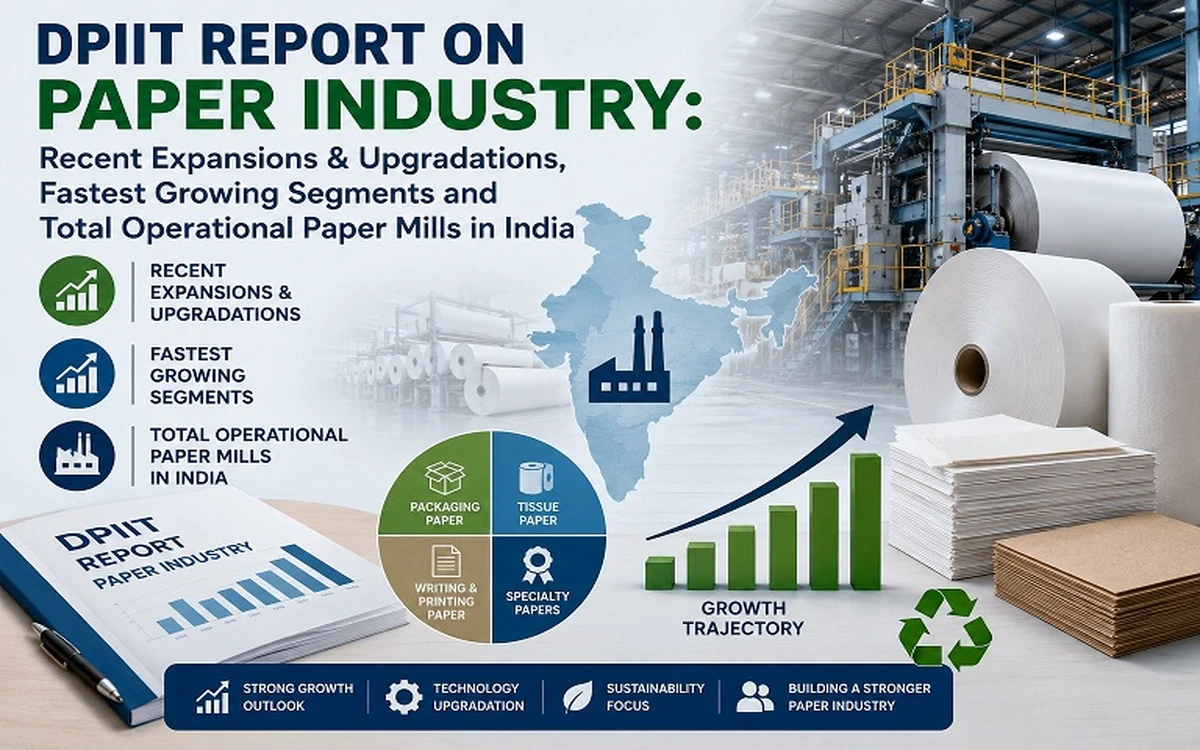
DPIIT Report on the Paper Industry: Recent Expansions & Upgrades, Fastest-Growing Segments, and Total Operational Paper Mills in India
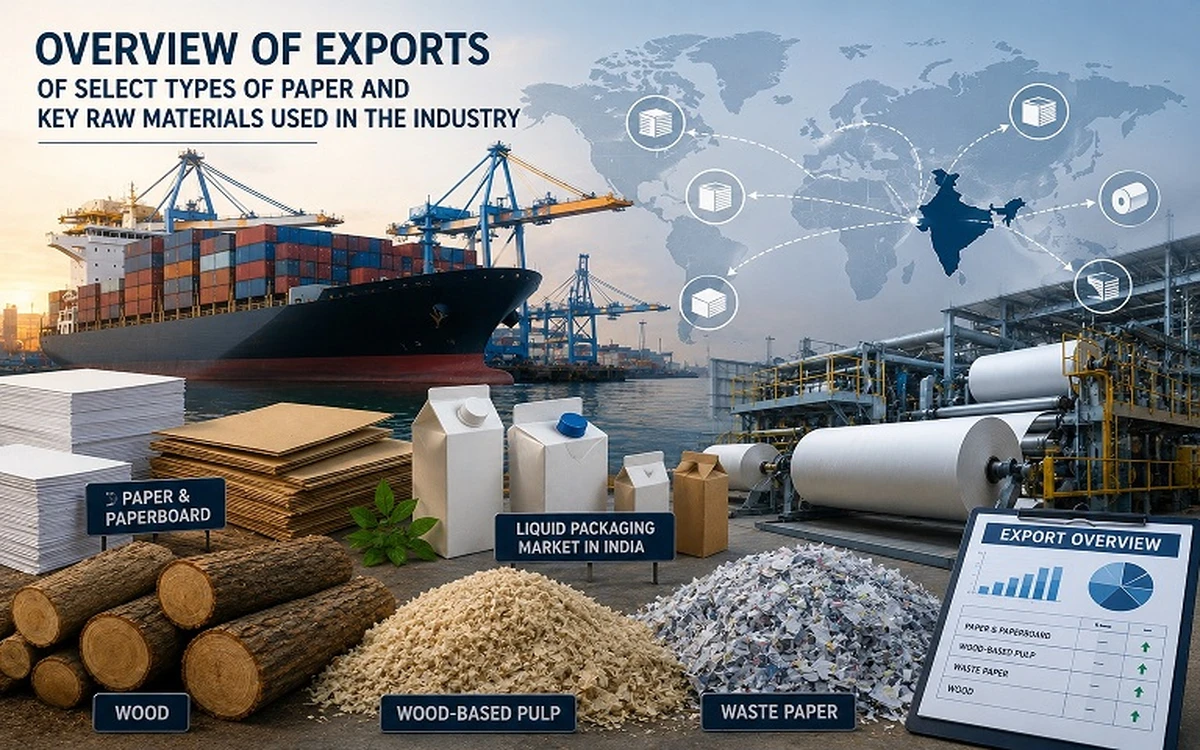
Overview of exports of select type of paper and key raw material used in the industry by Crisil Intelligence

Margin pressure pushes Pulp & Paper Packaging sector toward AI-Driven cost optimization, Cutting costs by 8–20%
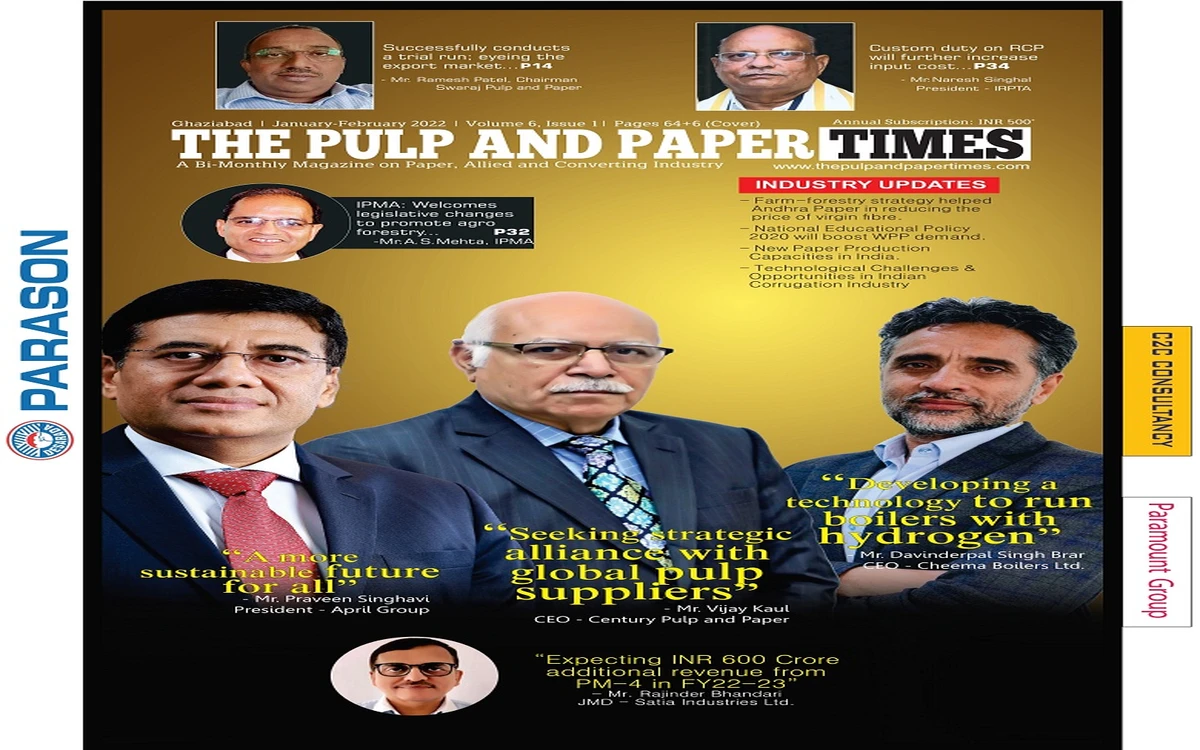
The Pulp and Paper Times Magazine : Volume 6, Issue 1
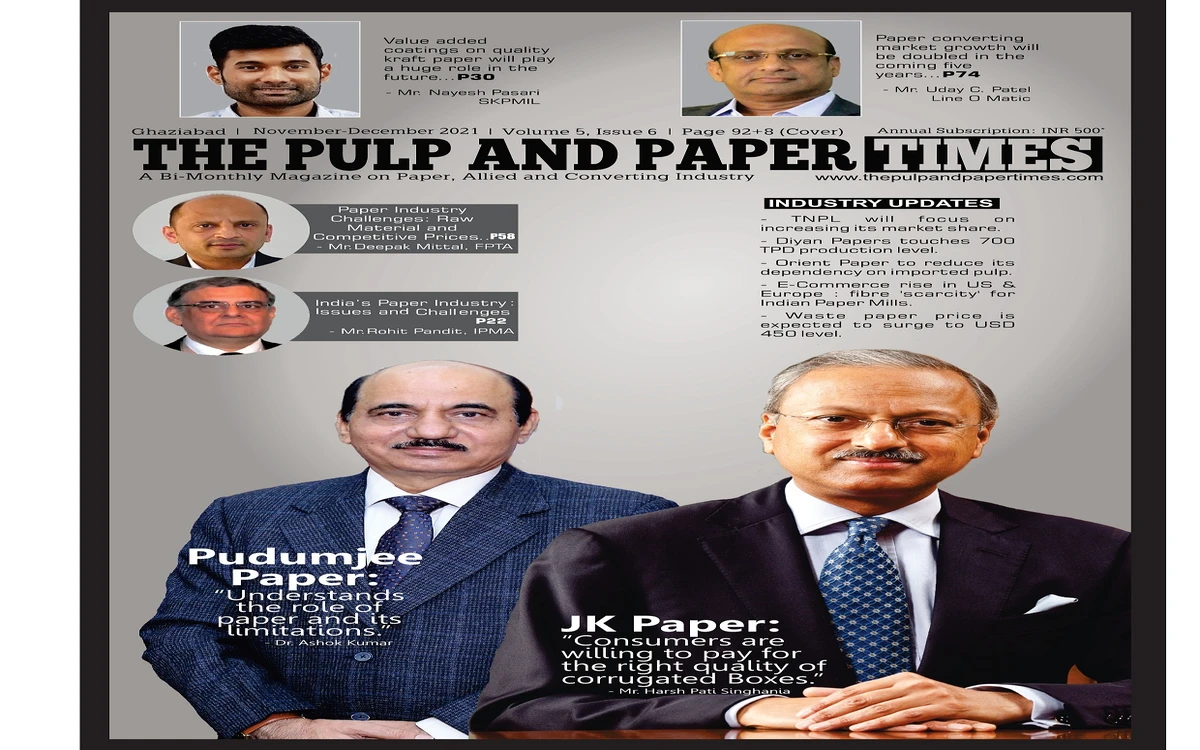
The Pulp and Paper Times Magazine : Volume 5, Issue 6
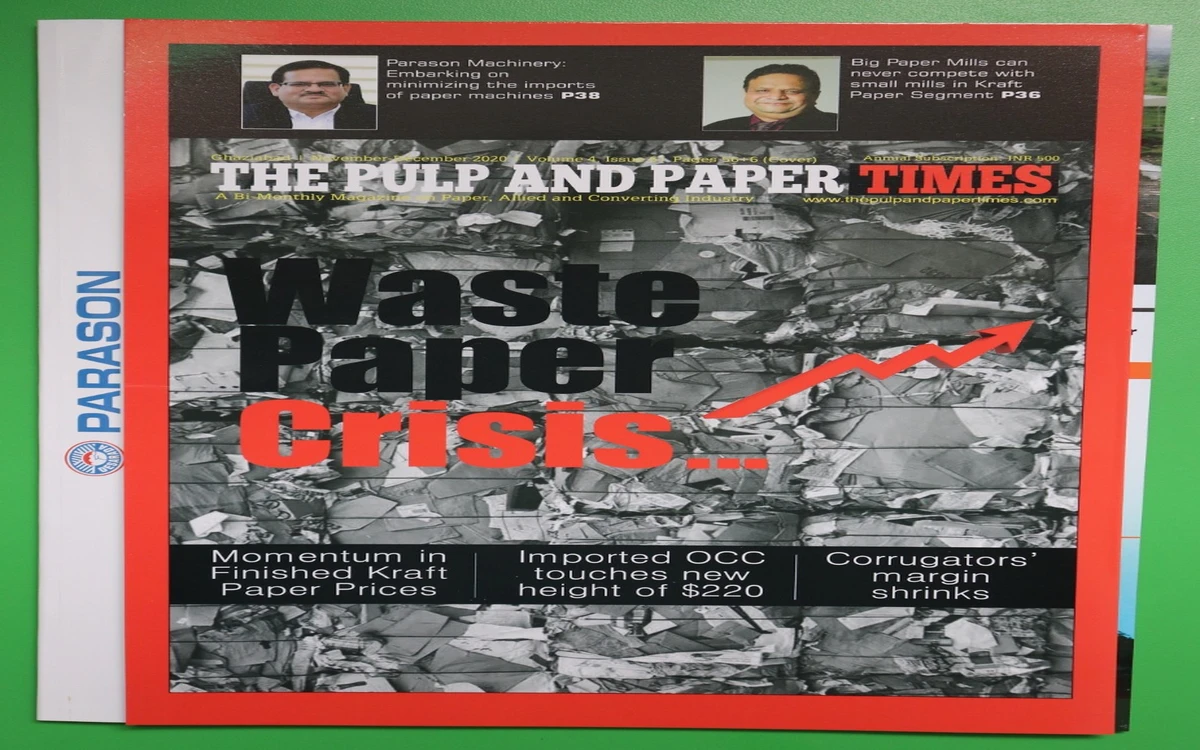
The Pulp and Paper Times: Volume 4, Issue 6
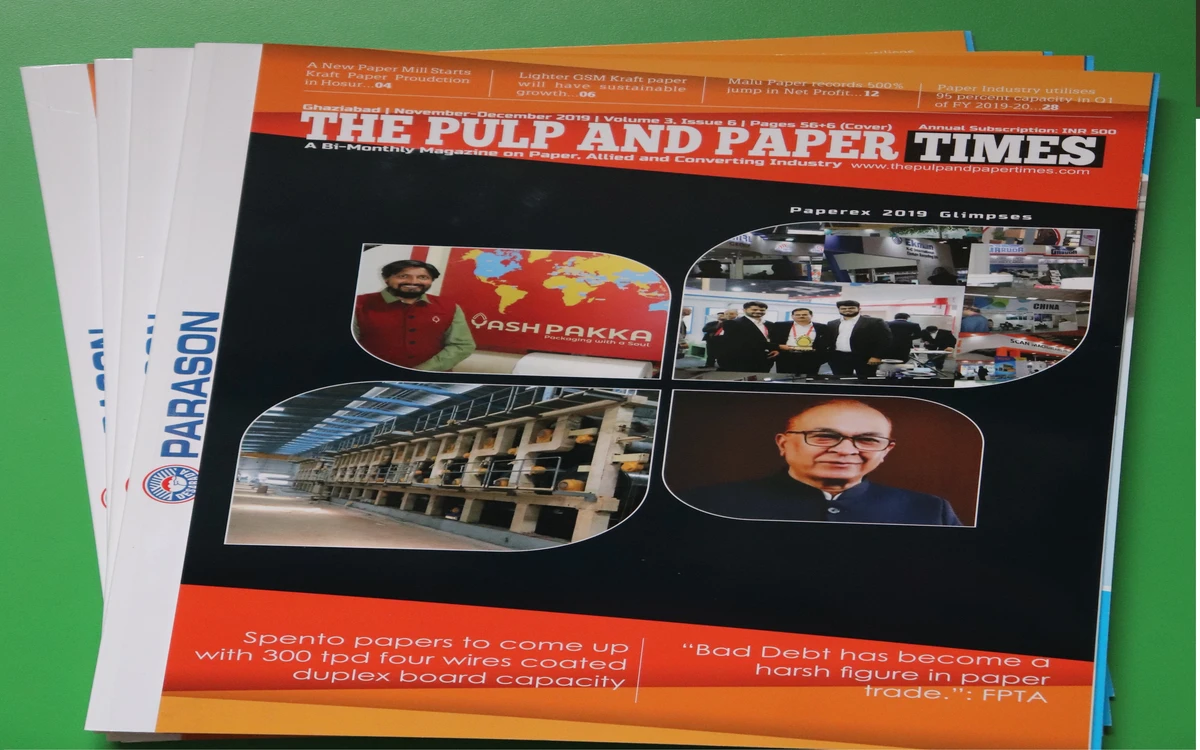
The Pulp and Paper Times : Volume 3, Issue 6
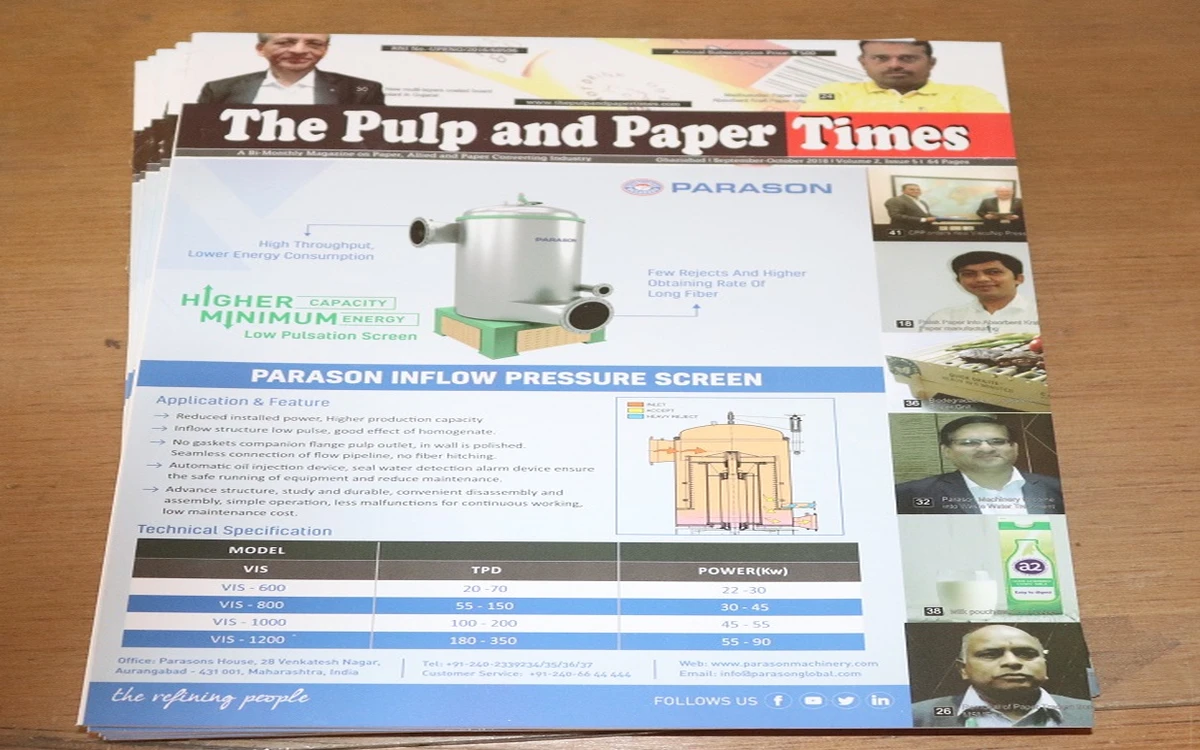
The Pulp and Paper Times: Volume 2 Issue 5
The Pulp and Paper Times, Volume 1, Issue 3
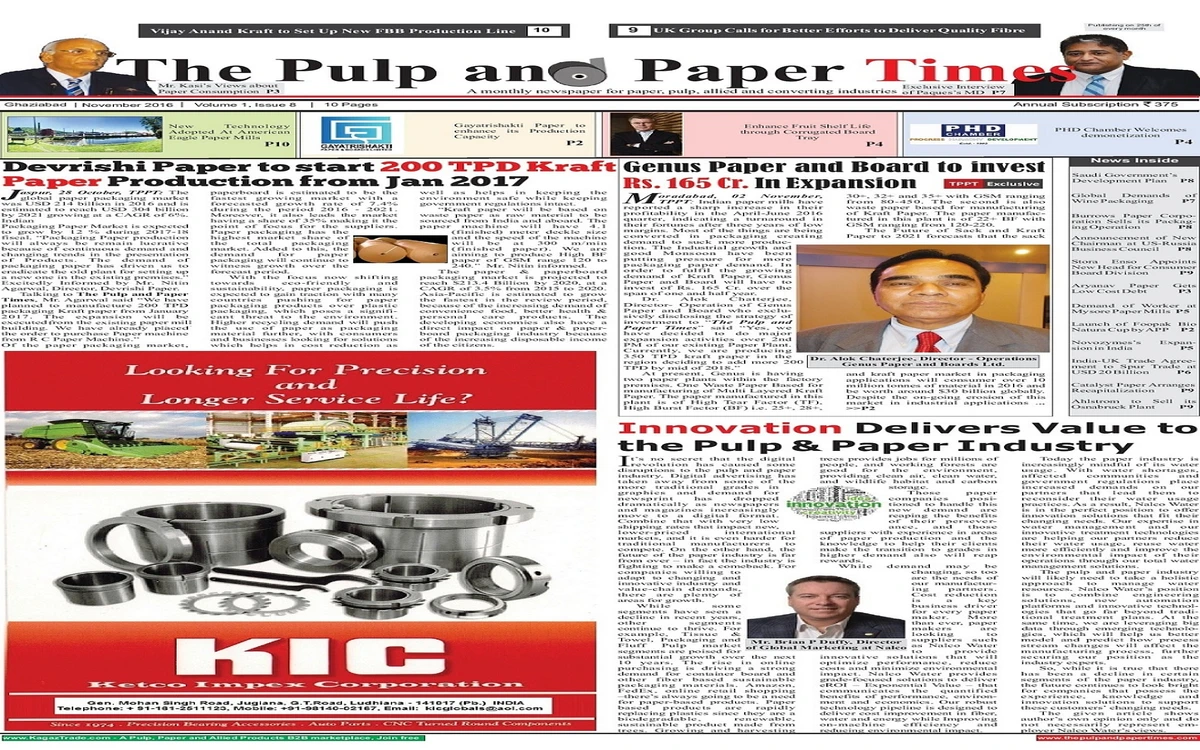
The Pulp and Paper Times, November 2016 Issue

- Emami Paper scaled the production of high-value products such as pharma print, OGR (Oil and Grease Resistant) and sublimation paper grades with resilient demand and premium realisations
The Pulp and Paper Times
Emami Paper Mills is a modern broad-based paper and paperboard manufacturer, an attractive proxy of India’s growth and self-reliance. The Company specialises in the production of packaging board, writing and printing paper, and newsprint.
At Emami Paper, a strong foundation in industrial precision defines its character. The organisation operates with an emphasis on delivering high standard output, ensuring uninterrupted availability, and leveraging cutting edge production techniques. Its way of working revolves around understanding customer needs deeply and demonstrating expert-level industry insight. The Company’s production strength is evident in its drive for ongoing enhancements, uniformity in product performance, creative development, and a commitment to environmentally responsible practices.
“There is a growing role for paperboards at a time when the world is moving away from single-use plastics. The global sustainable packaging market is projected to reach USD 500+ billion by 2030, with paper-based packaging expected to capture a major share. Paper & paperboard packaging market was valued at around USD 300 billion in 2023 and is growing at a CAGR of 4-6%, but faster in the fiber-based alternatives to plastic, especially molded fiber and barrier-coated paper. By 2030, paper packaging could replace up to 20-30% of single-use plastic packaging, particularly in food service (cups, trays, takeaway boxes), e-commerce shipping and consumer goods (toiletries, cosmetics, electronics).” said Mr. Aditya V. Agarwal, Executive Chairman of Emami Paper Mills in the annual report for Fy 24-25.

“FY 2024-25 was a year of significant challenges across the Indian paper and paperboard sector. For Emami Paper, this translated into a 3% decline in revenues, 38.56% dip in EBITDA, and a 69% moderation in profit after tax. While these headline numbers reflect the severity of external headwinds, they do not tell the whole story,
“What they do not reveal is that this downturn was sector-wide-driven by an unprecedented surge in low-cost imports, subdued global demand, and sharp input cost inflation. In this tough environment, Emami Paper sustained an EBITDA margin of 7.65% and made tangible progress in transforming its business model. These outcomes speak of the underlying strength, adaptability, and strategic foresight of our team.” Mr. Vivek Chawla, Whole-time Director & CEO at Emami Paper Mills, stated in the annual report.

The sustained pressure on realizations adversely affected the Company’s profit margins. Nevertheless, your Company’s performance remained resilient, recording a Cash Profit of Rs. 85.08 crore, EBITDA of Rs. 147.55 crore and Profit After Tax (PAT) of Rs. 26.01 crore during the year under review. The export sales stood at Rs. 149.00 crores during the F.Y. 2024-25 (Previous Financial Year: Rs. 114.97 crores) marking growth of about 30%.
Mr. Chawla further stated that, We scaled the production of high-value products such as pharma print, OGR (Oil and Grease Resistant) and sublimation paper grades with resilient demand and premium realisations. The production of pharma print paper alone rose 45% year-on-year. These offerings enabled us to tap into unmet domestic needs, reduce pricing pressure, and establish strong institutional linkages.

“Notably, our value-added portfolio now contributes 5% to revenues, up from 2% last year - indicative of our deepening niche presence with a vast room for growth.” He said.
Project Bulandi - A cultural transformation
Mr. Chawla said, To secure long-term sustainability, we need to be the lowest-cost operator across market cycles. This belief led to the launch of Project Bulandi - our structured cost-optimisation initiative in partnership with a leading global consultancy.
By embedding zero-based costing (ZBC), creating empowered cross-functional teams, and instilling a problem-solving culture through ‘toolbox’ meetings and the ‘Five Why’ technique, we challenged conventions across functions. No process was too sacred to not be revisited.
As a result, we identified a cost reduction visibility of INR 80 crore, set to materially lower our break-even point. This shift is more than operational; it is cultural. It reflects a mindset of ownership, agility, and innovation.

India’s FBB market (~1.5 million tons/ year) and duplex board segment (~6 million tons/year) offer a significant growth headroom. We are gearing up with flexible production lines capable of switching between virgin and recycled grades with speed.
R&D as a continuous innovation engine: R&D at Emami Paper is not a one-time initiative but an ongoing process that encourages innovation across the organisation. By fostering a culture of curiosity, experimentation, and problem-solving, the Company empowers teams to continuously improve and address evolving customer needs while staying ahead of industry trends.
Breakthrough in specialty papers: The R&D team developed OGR (Oil & Grease Resistant) paper as a biodegradable and compostable alternative to plastic-coated papers, offering a sustainable solution for food and industrial packaging.
Emami aims to reposition itself as a manufacturer of value-added products, moving beyond traditional offerings such as newsprint and writing & printing paper. A key strategic focus will be on research and development to introduce niche and specialty paper grades that cater to emerging market needs. The Company remains agile and responsive to evolving customer demands, with plans to gradually replace traditional products with higher-margin specialty segments. Sustainability will continue to be a core driver of long-term growth, supported by investments in renewable energy and water recycling initiatives. Additionally, cost optimisation will remain central to maintaining competitiveness, with continued efforts to reduce packaging and logistics expenses and promote process innovation in collaboration with downstream partners to navigate market volatility effectively

Procurement responsibility
At Emami Paper, procurement accounts for 83% of the Company’s revenues. Nearly 70% of the Company’s total procurement is imported and exposed to currency volatility, which, in turn, influences the cost at which the material can be imported. Since the Company imports more than Rs. 900 crore of pulp and wastepaper each year, an unexpected movement can affect margins and viability.
The success of the procurement function was reflected in the Company’s performance during the last financial year: capacity utilisation of 91% in FY 2024-25 (90% in FY 2023-24), and a 7.65% EBITDA margin in FY 2024 25. These numbers validated that the Company had transformed all business variables into a predictable constant, moderated procurement costs, and strengthened resource availability across market cycles.
Emami will develop market intelligence and tools to track global developments – economic, social, political and sectorial – that could influence pulp procurement outcomes. This will comprise an understanding of supply flows and demand patterns, making it imperative to engage with more trade partners and players to map the business plans of the large industry players and how those developments can influence global pulp prices.

3 hours ago
Total Views : 346
1 days ago
Total Views : 1784
3 days ago
Total Views : 572
5 days ago
Total Views : 1232
last week
Total Views : 3583
last week
Total Views : 2624
last week
Total Views : 766
last week
Total Views : 3501
2 weeks ago
Total Views : 3571
2 weeks ago
Total Views : 6884