Join Groups & Channels, No Spamming









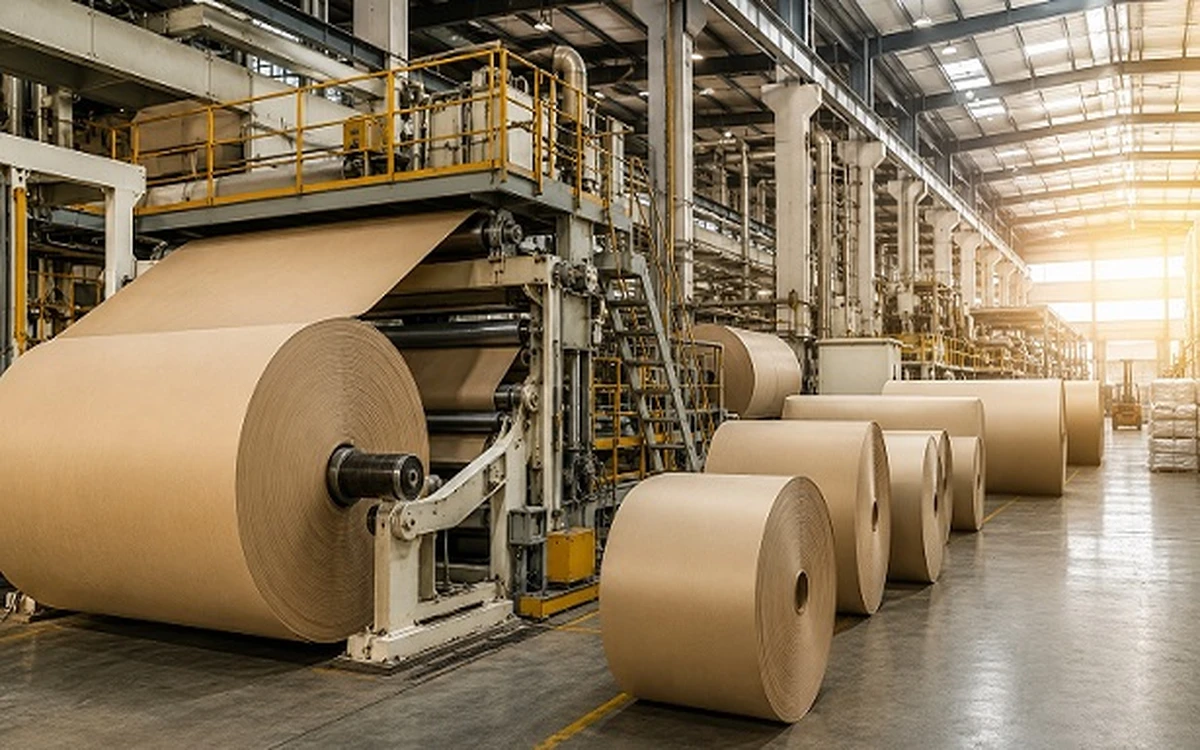
Morbi paper mills see full-capacity operations as ceramic industry revives; Kraft paper exports to China spike, Prices strengthen; Janmashtami shutdown ahead
The BE and caustic soda plant marks a key milestone for Mohit Paper Mills, enabling full utilization of installed capacity and enhancing overall production efficiency
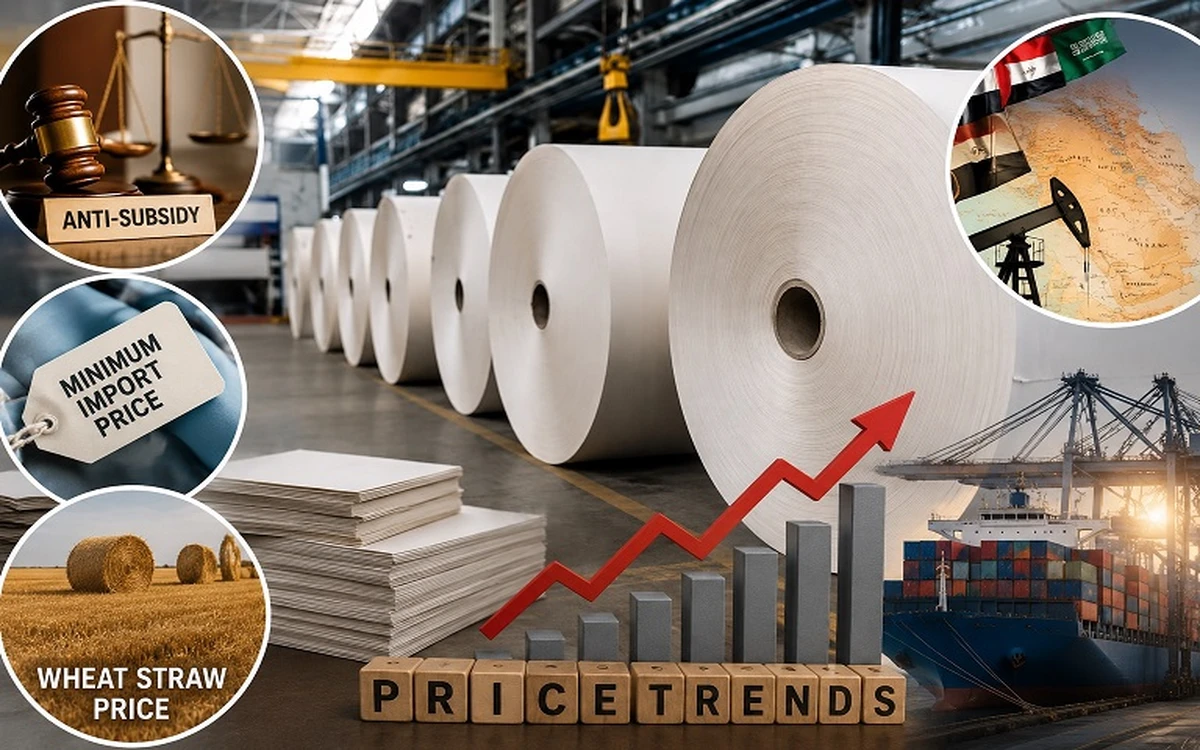
Expert Views on the paper market scenario, How the West Asia Crisis Helped the Industry, MIP for WPP, Anti-Subsidy implementation, and paper price trends
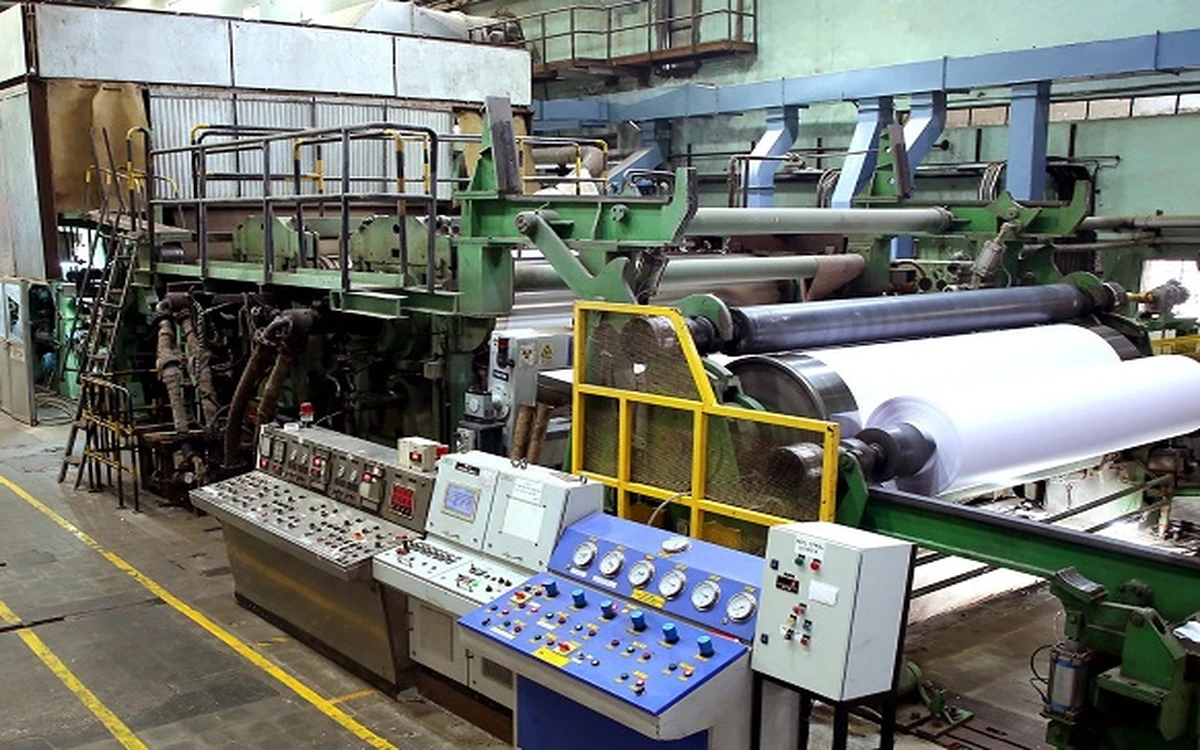
Pudumjee Paper intends to develop new varieties addressing applications for stronger paper bags and cupcakes; Plans 68,000 MT Mahad Specialty Paper Facility within 5 years
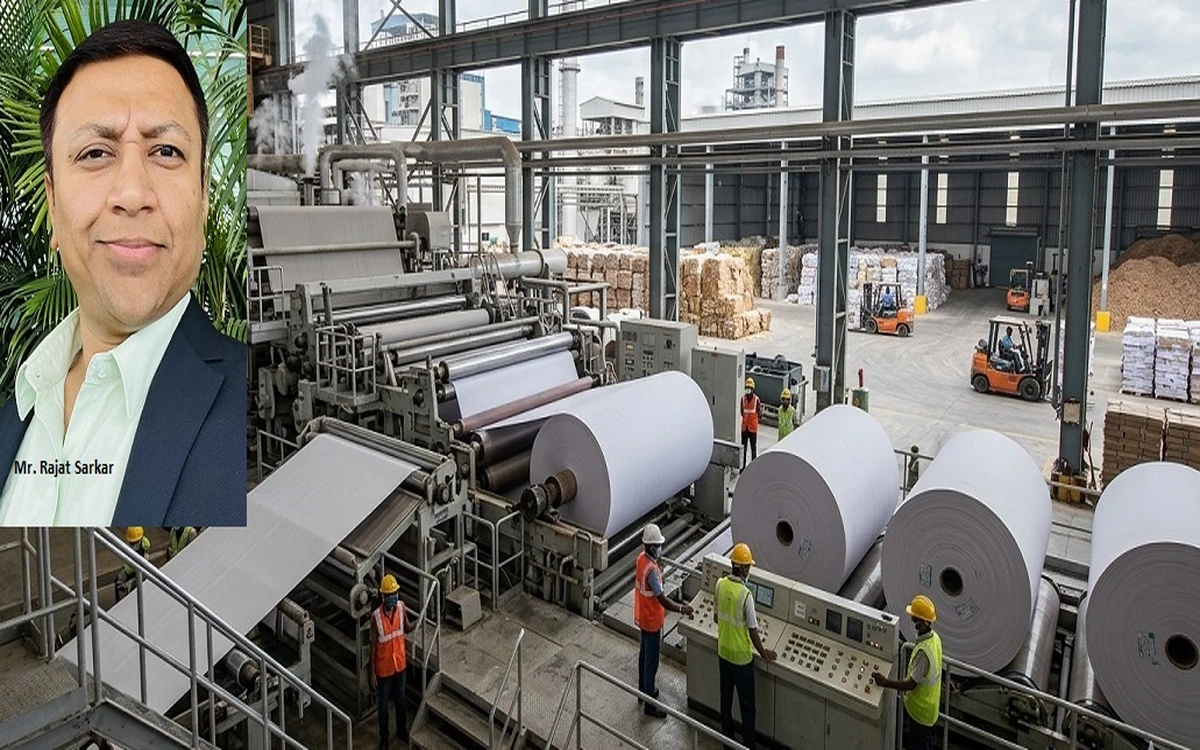
India Paper Industry at an Inflection Point: War, Costs, and Capacity; Demand growth expected at 5–7% in FY26
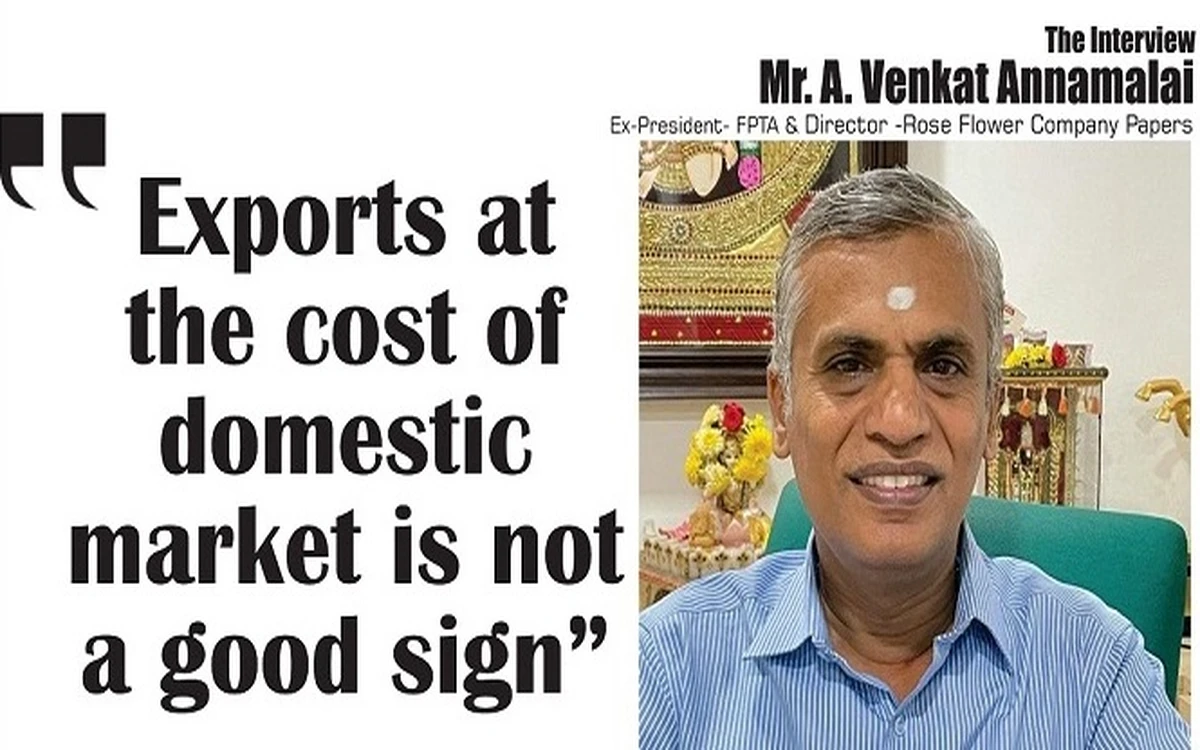
“Surging exports of paper will most certainly keep the domestic prices quite high”: Mr. A. Annamalai, Director – RFC
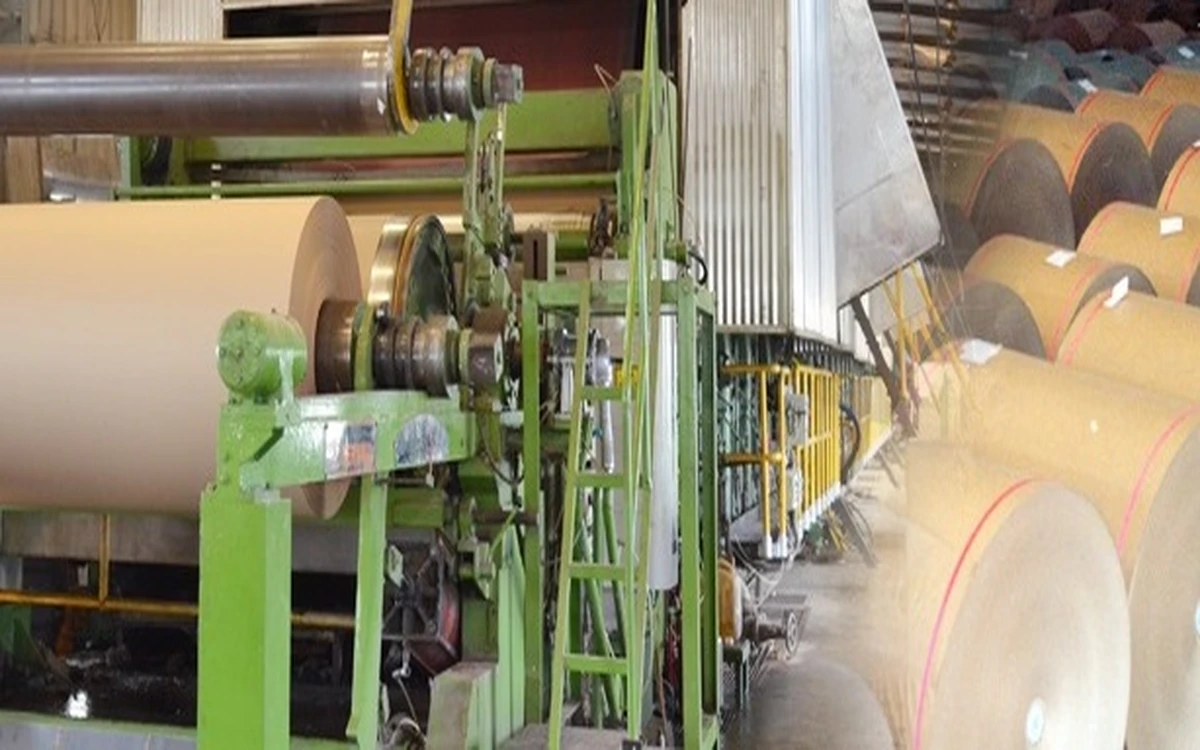
The Status of the Global Container board Industry, Recycled Paper Demand and Supply and its impact on the Indian Industry

Akshay Jain, director of Silverton Pulp & Paper, says it's time to promote agro residue as a raw material to lessen the scarcity of fibre
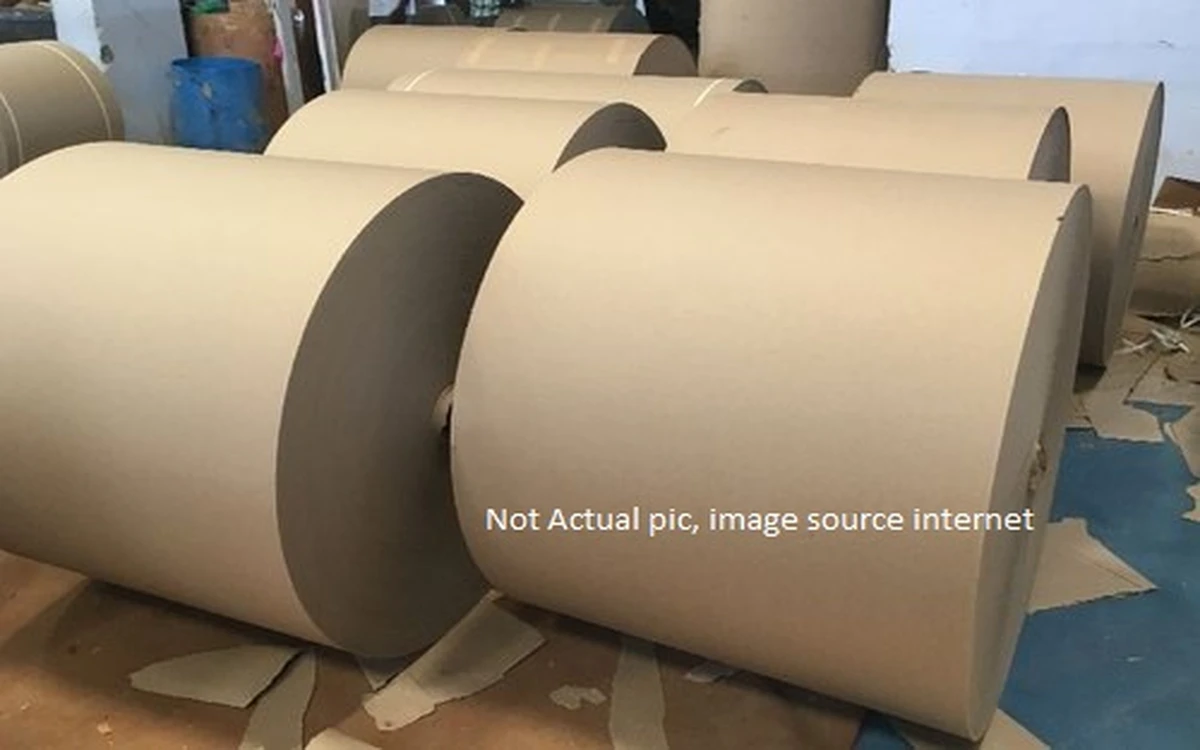
Advantageously located, a new paper mill is all set to roll kraft paper in Madhya Pradesh
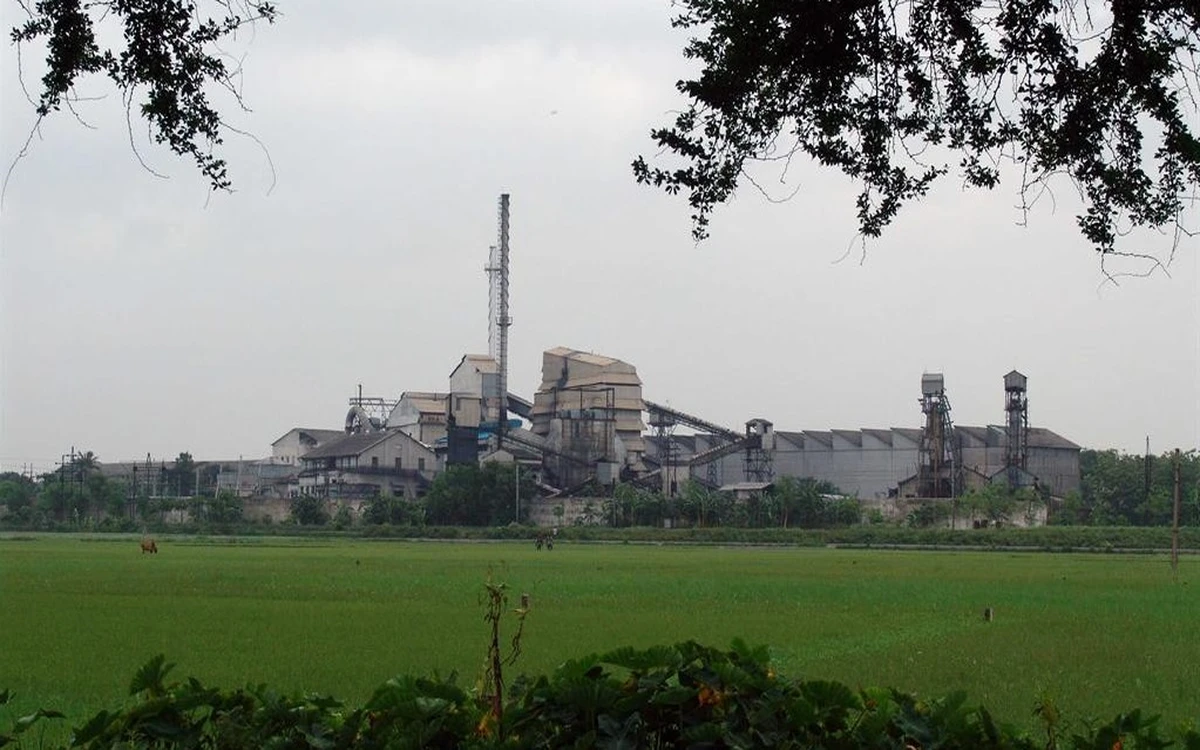
Several agile interventions helped ITC-PSPD fortify its clear leadership of the Value Added Paperboards (VAP) segment
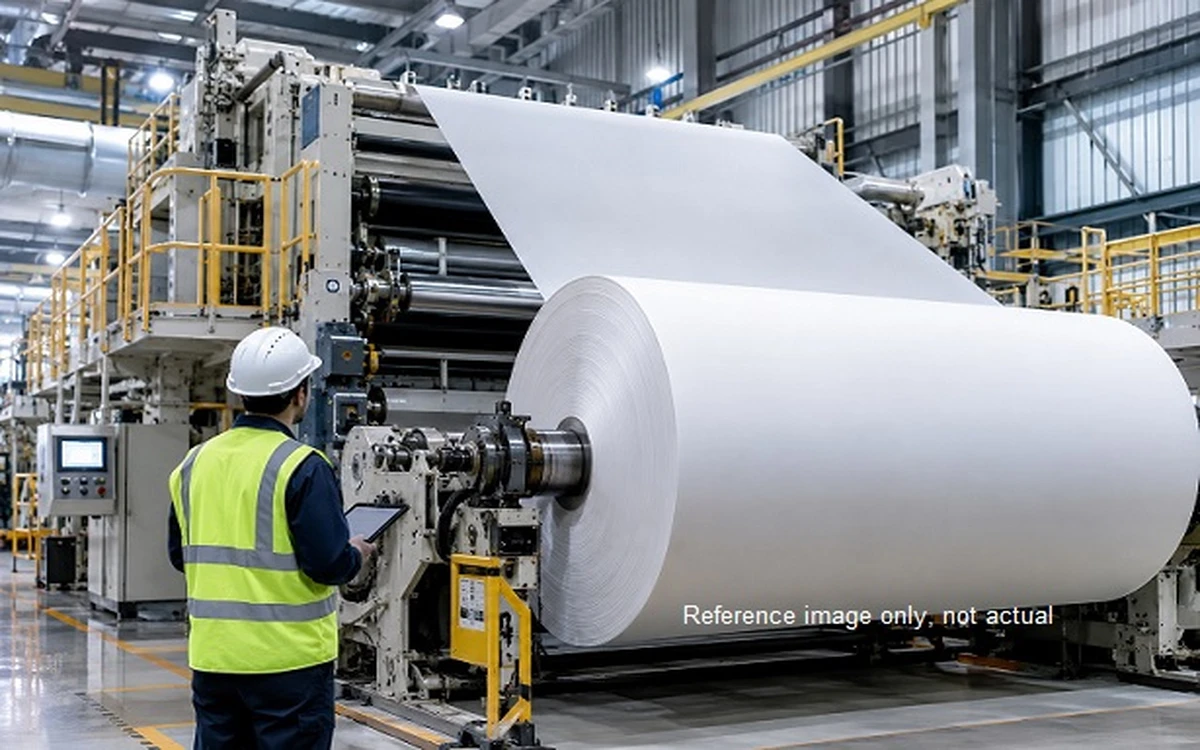
Pakka Advances PM4 Development; flexC Base Paper Trials Underway in Europe, with a Distributor Soft Launch Expected
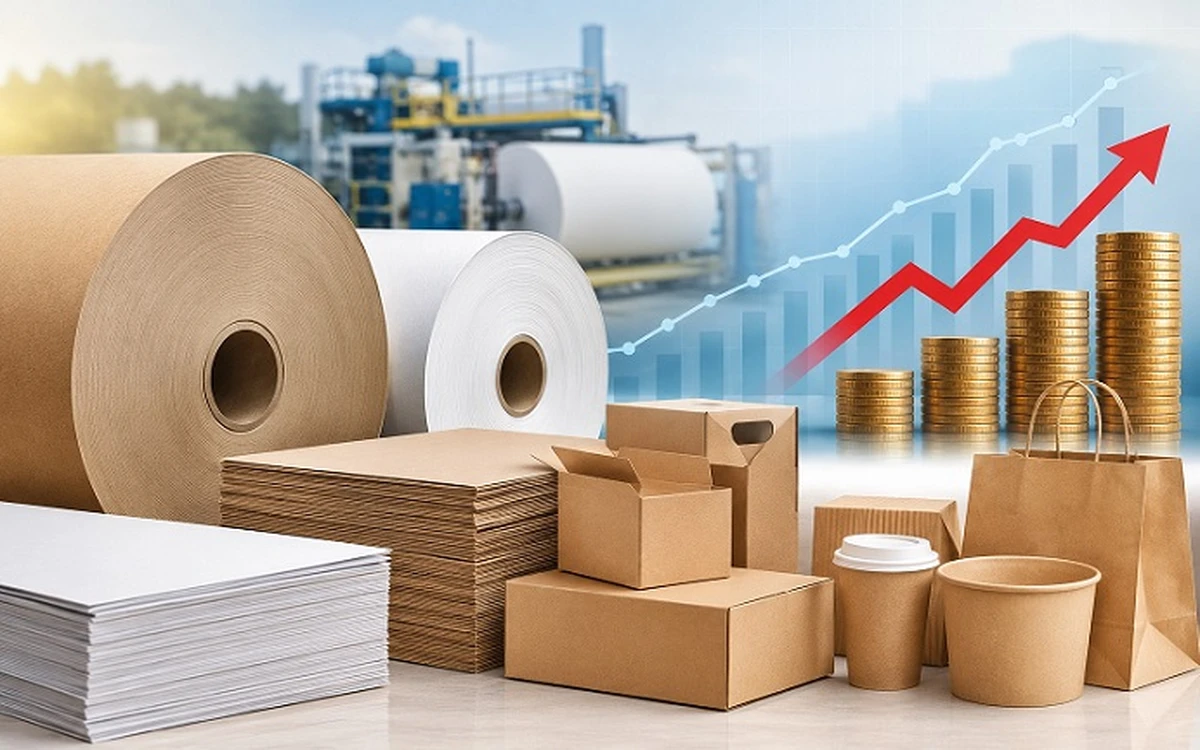
Paper and Packaging Board Market May Face Cost Pressures Through March 2027; FPTA Advises Traders
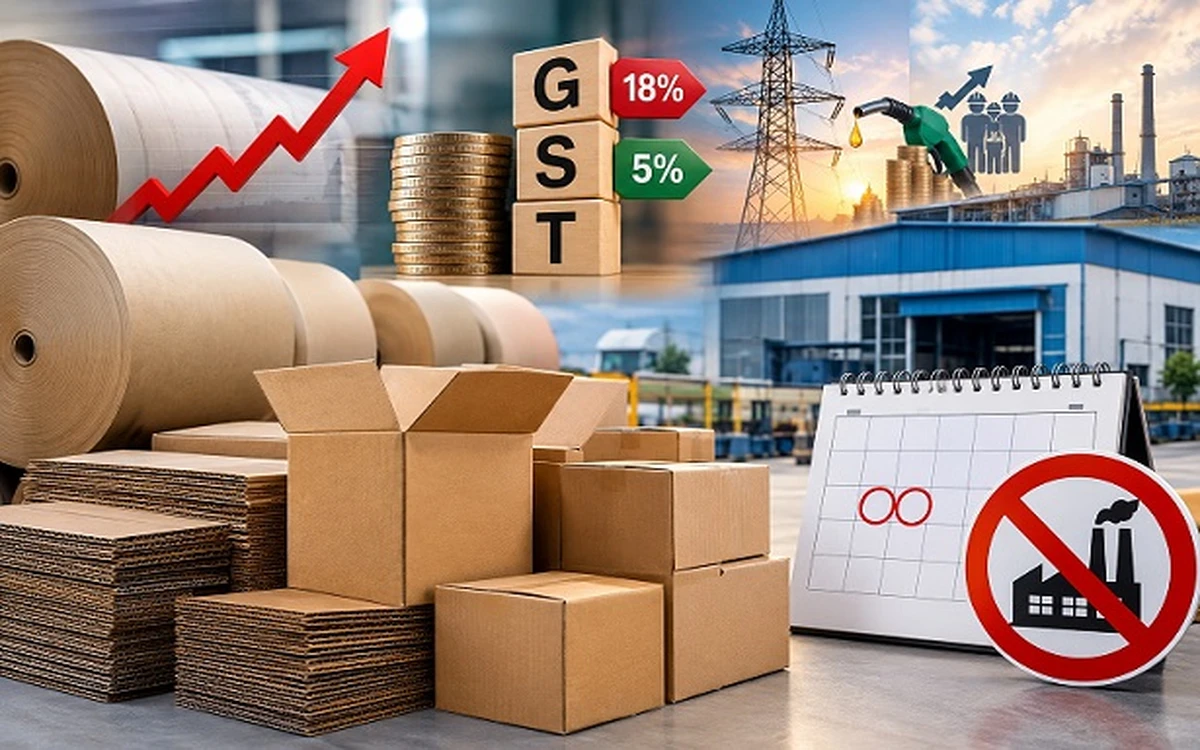
Overall Increase in Kraft Paper Prices Could Reach 35%; Industry Calls for 20% Box Price Increase, Voluntary Shutdown Proposed

Ruchira Papers Invests a Sizeable Capex of Rs. 235–240 Crore Towards Writing & Printing Paper Capacity Expansion
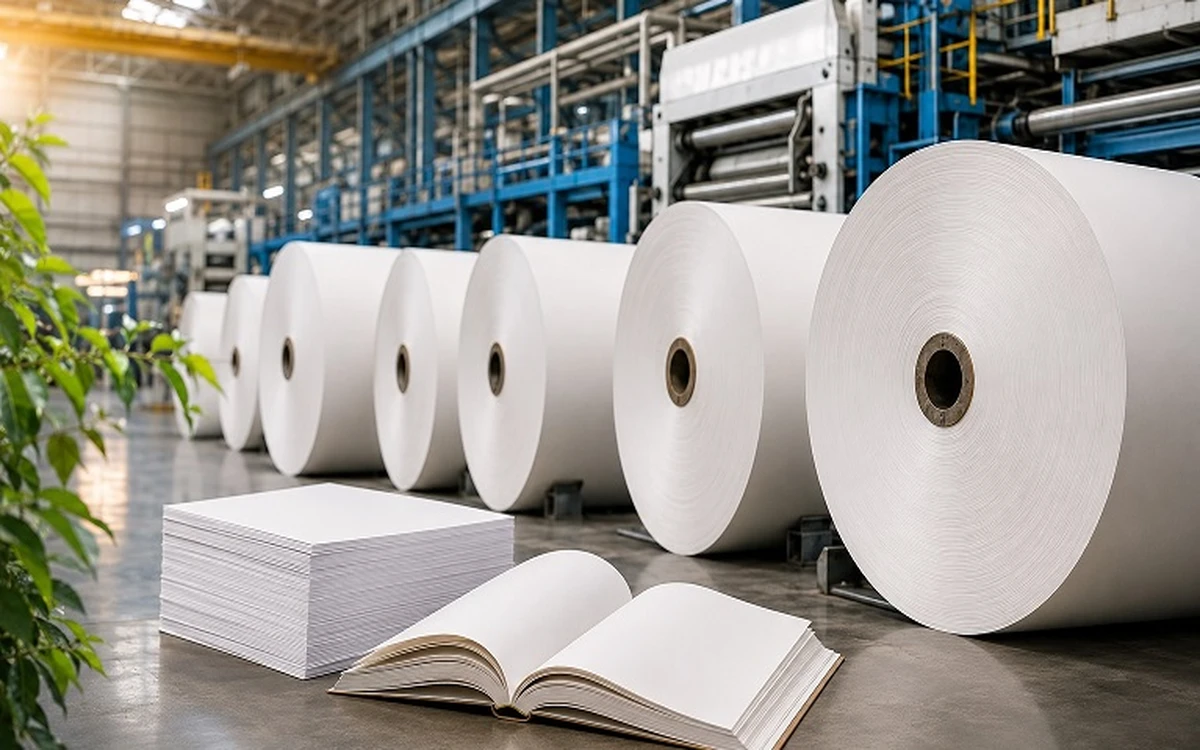
Paper mills inflated the basic ex-mill price of paper post GST 2.0, AINMA seeks action against Anti-Profiteering
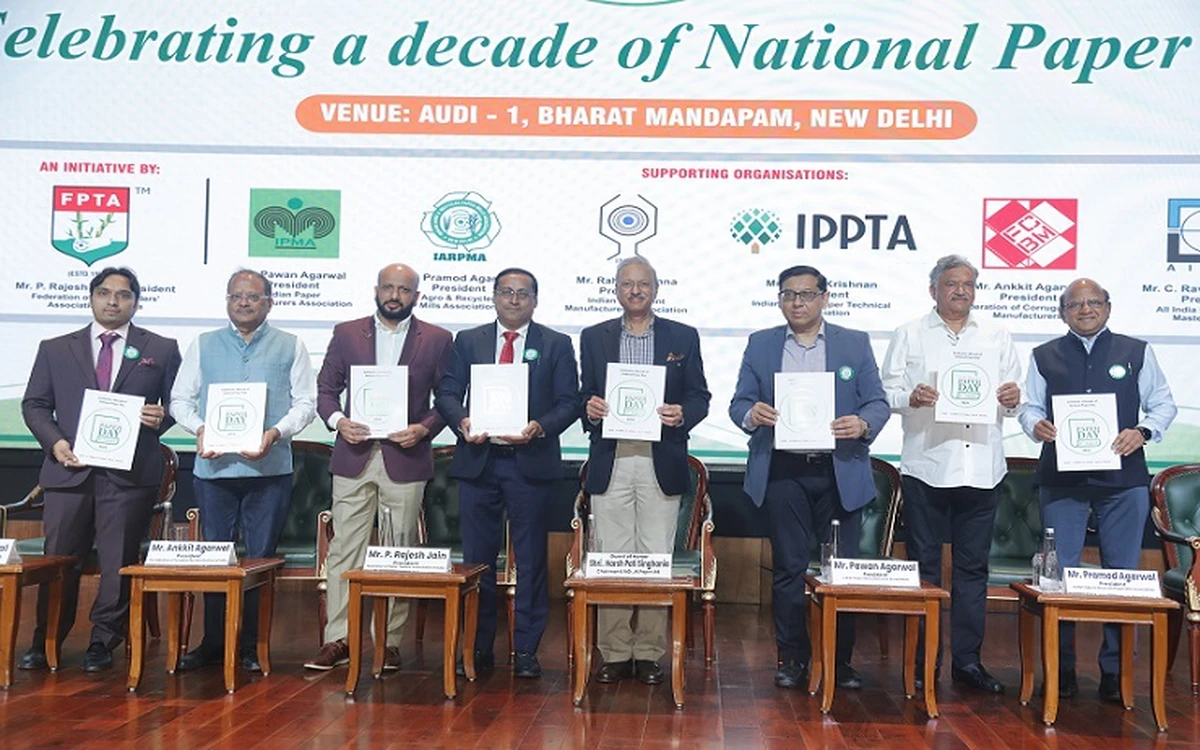
Seven Leading Associations Unite to Celebrate National Paper Day, Highlighting Paper's Sustainability and Circular Economy Advantage
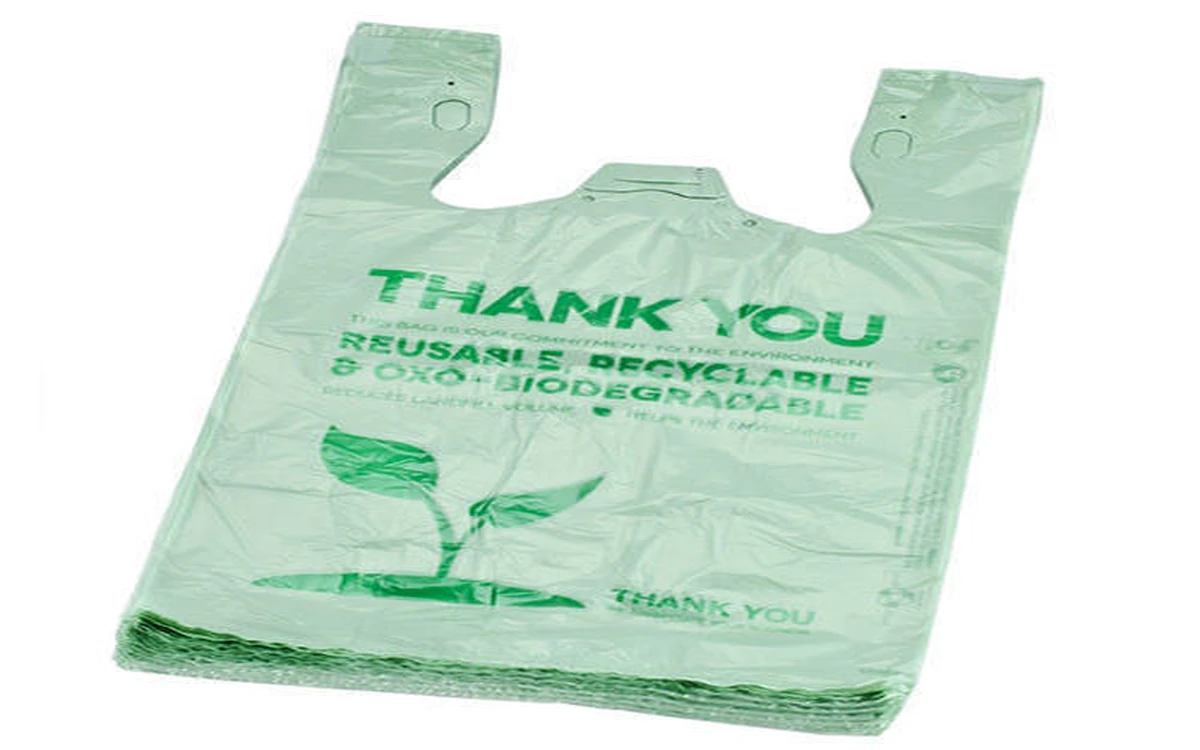
Scientists from IIT-Guwahati develop India's first biodegradable plastic
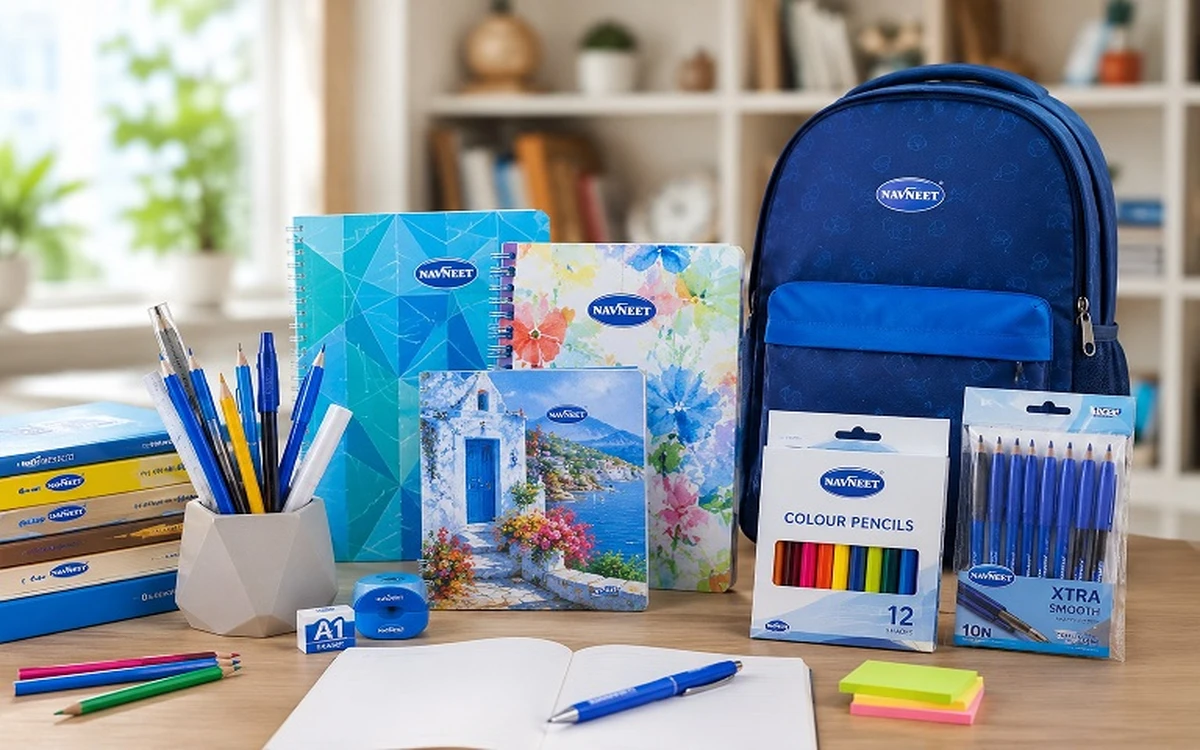
Navneet Education focuses on brand building, curriculum-led growth, and export recovery; expects stationery margins to improve in FY27

It is estimated that USD10B to USD20B worth of single-use plastic packaging will convert to molded fiber, ZUME
Muzaffarnagar gets a new capacity of Tissue Paper and MG Poster paper

“The integration of digitalization, automation, and Artificial Intelligence (AI) is no longer a futuristic concept—it is the baseline for competitiveness in 2036” - Vinit Garg, Director, Vizen Solutions
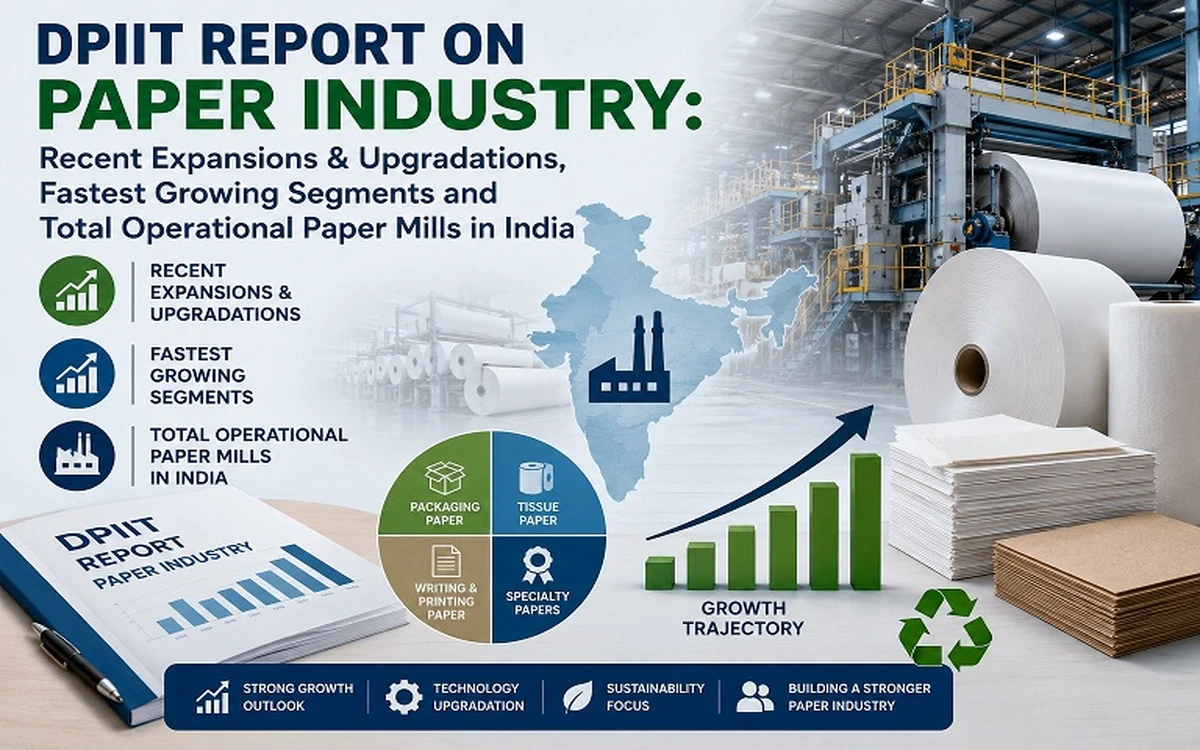
DPIIT Report on the Paper Industry: Recent Expansions & Upgrades, Fastest-Growing Segments, and Total Operational Paper Mills in India
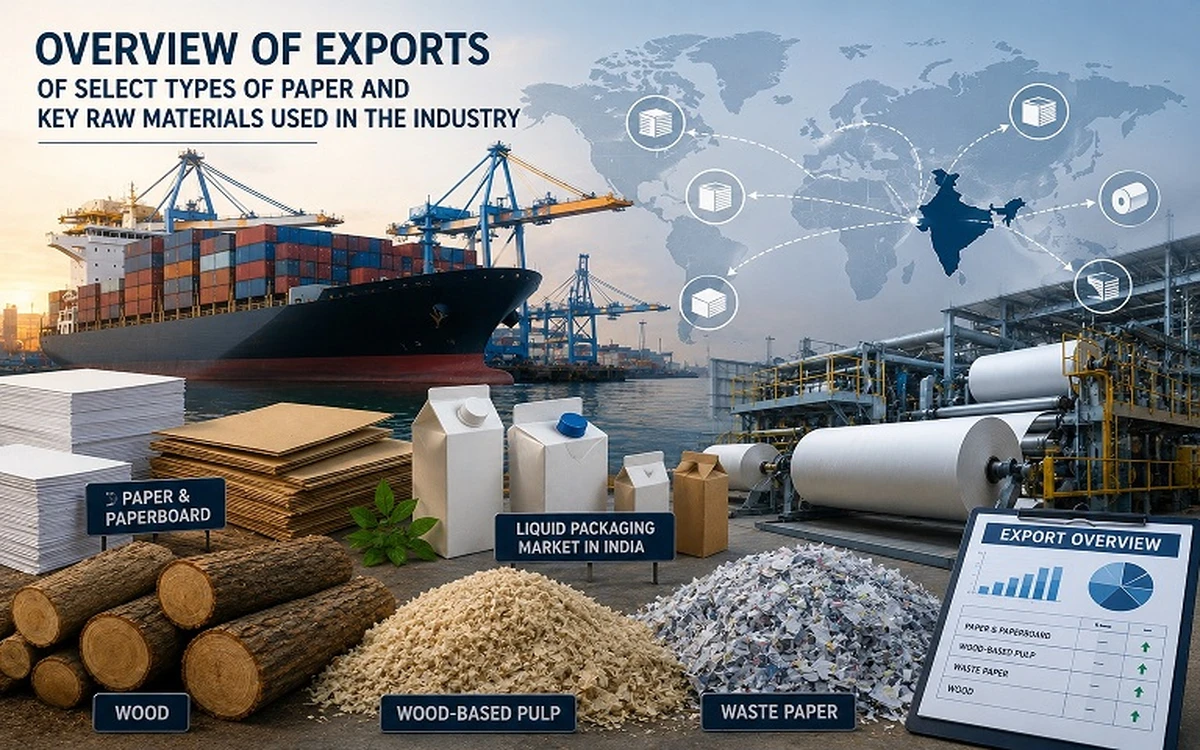
Overview of exports of select type of paper and key raw material used in the industry by Crisil Intelligence

Margin pressure pushes Pulp & Paper Packaging sector toward AI-Driven cost optimization, Cutting costs by 8–20%
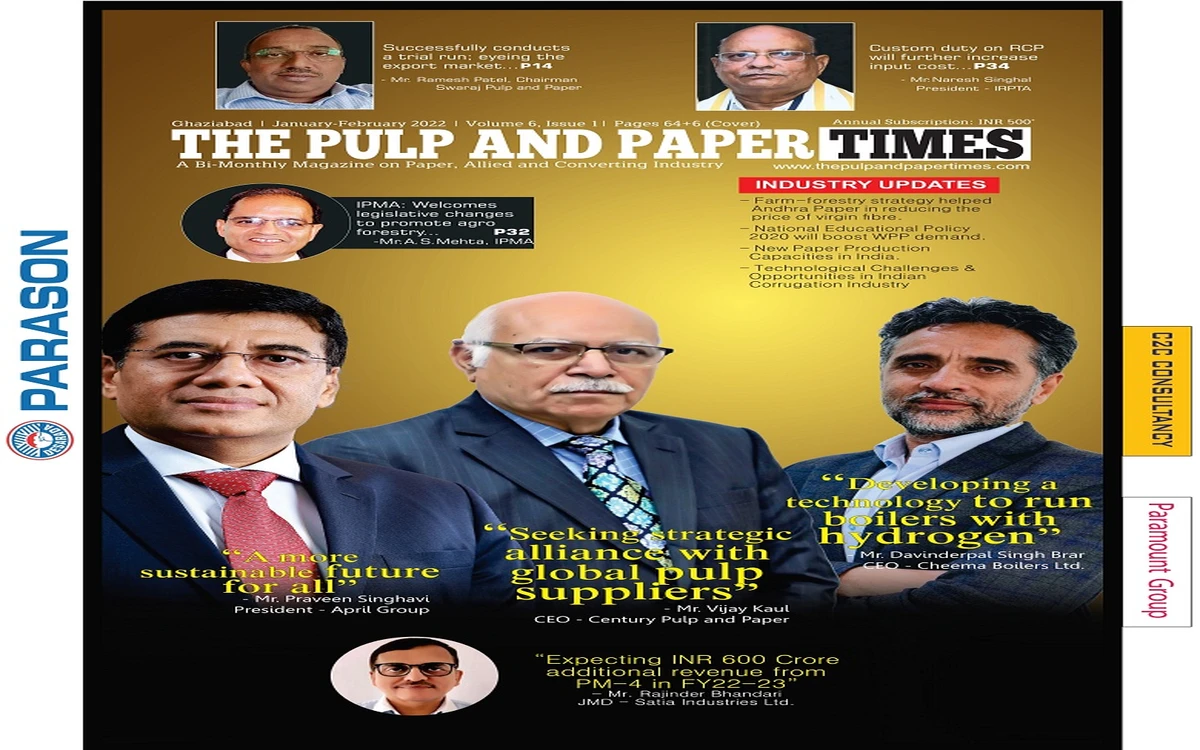
The Pulp and Paper Times Magazine : Volume 6, Issue 1

The Pulp and Paper Times Magazine : Volume 5, Issue 6
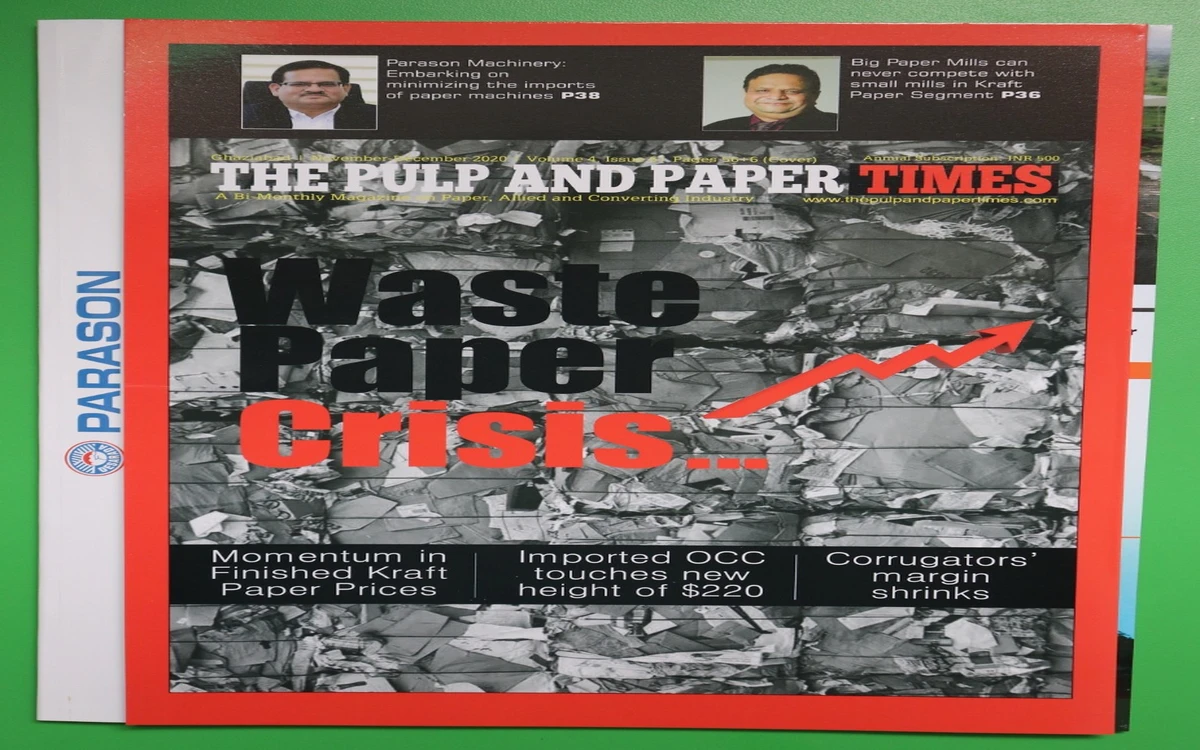
The Pulp and Paper Times: Volume 4, Issue 6
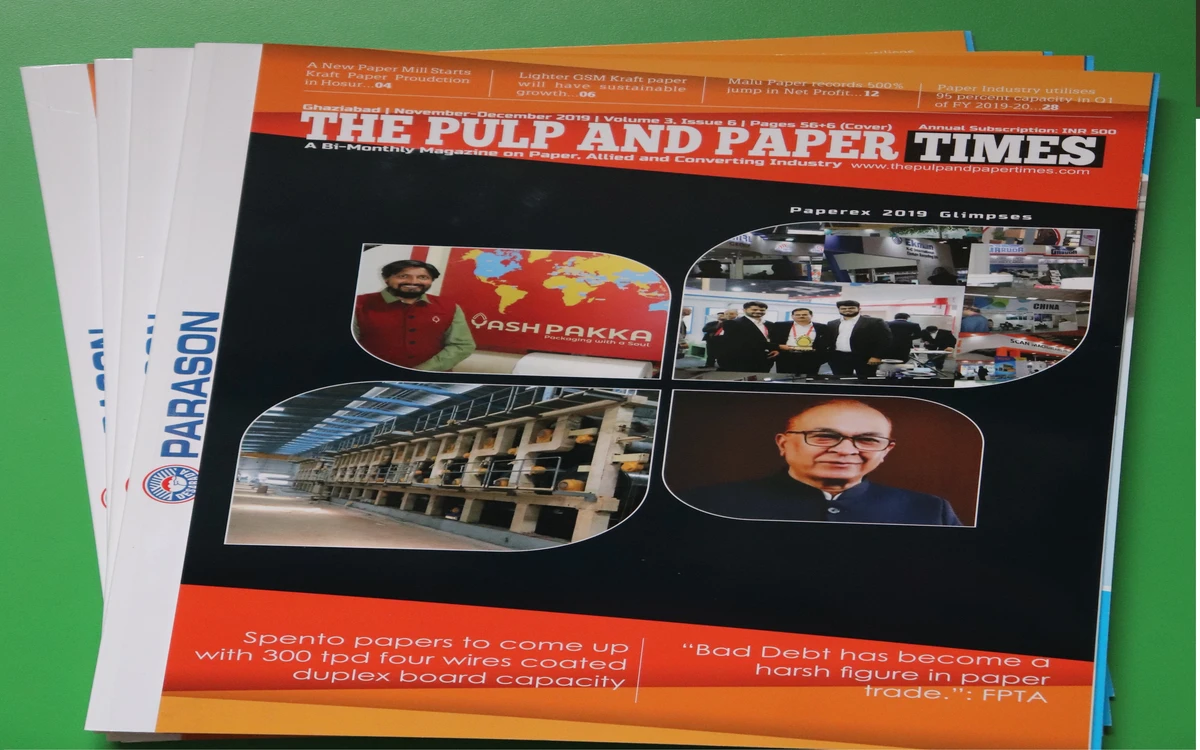
The Pulp and Paper Times : Volume 3, Issue 6
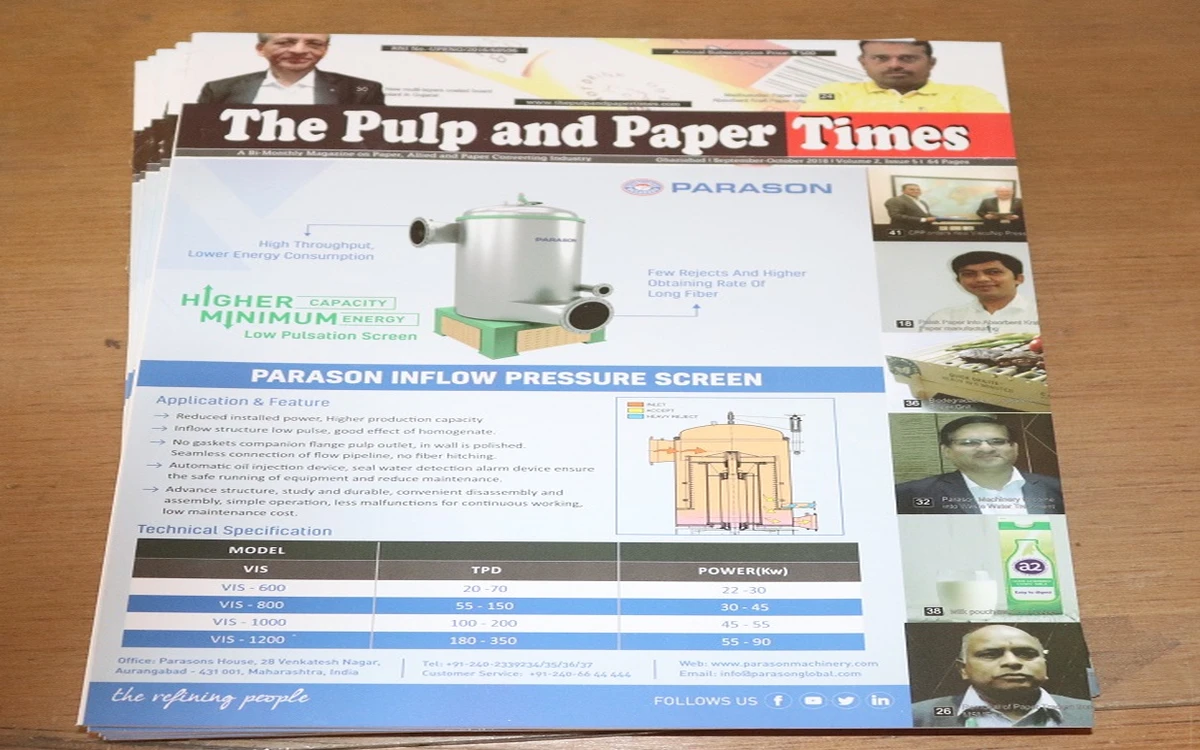
The Pulp and Paper Times: Volume 2 Issue 5
The Pulp and Paper Times, Volume 1, Issue 3
The Pulp and Paper Times, November 2016 Issue
Khekra (U.P.) 16 Sept. 2107:
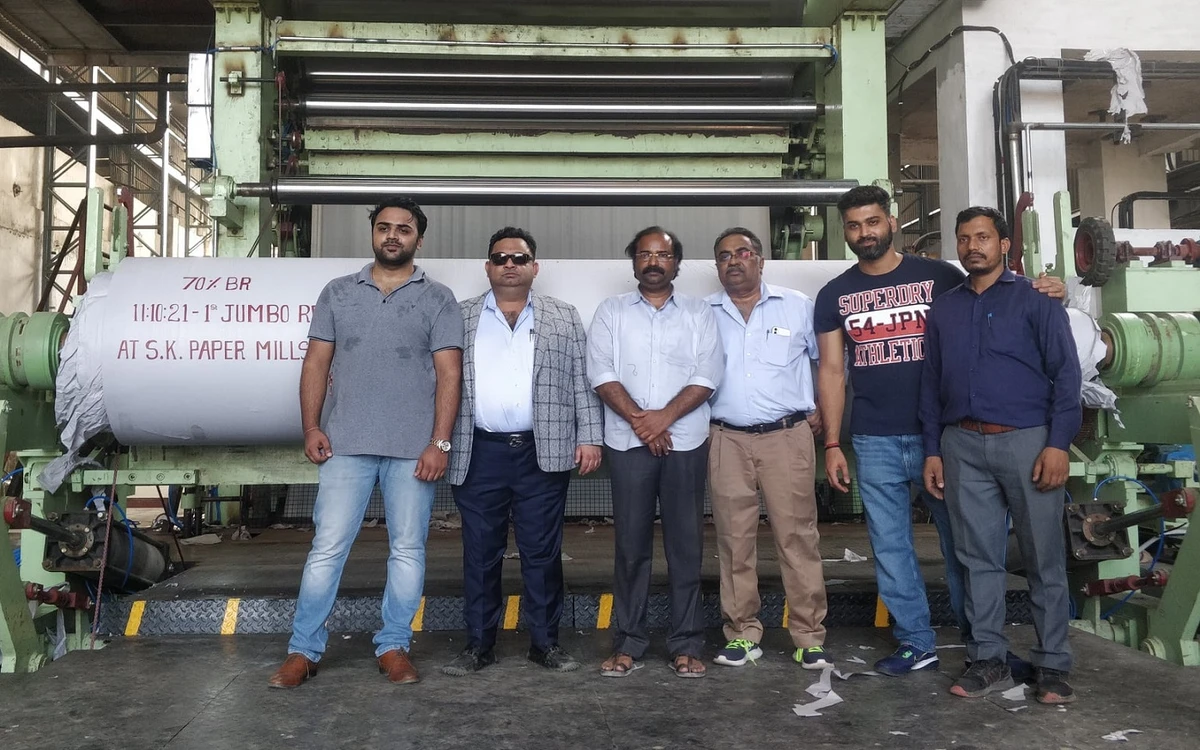
Setting up a packaging paper production unit, is proving a lucrative business now a day. “The growth in corrugation market is demanding paper mills to enhance their capacities to produce more Kraft paper. With the focus now shifting towards ecofriendly and sustainability, paper packaging is expected to gain traction with many countries pushing for paper packaging products over plastic packaging, which poses a significant threat to the environment.†said by Mr. Rajeev Chauhan, Director of Gangeshwar Papers Pvt. Ltd. (see the picture)
“Yes we are going in expansion mode, setting up a 200 TPD kraft paper production facility in the same premises with a total investment of Rs 40 Cr. We are expected to start the commercial production from December 2017. Currently, we are manufacturing 50 TPD kraft paper.†Informed by Mr. Chauhan to The Pulp and Paper Times. The market for the global paper & paperboard packaging industry has seen an upward surge since the last decade because of the innovations in the industry. The global paper and paperboard packaging market is projected to reach $213.4 Billion by 2020, at a CAGR of 3.5% from 2015 to 2020. The European region accounted for around 33% of the total market share value, followed by the North American and Asia-Pacific regions. However, as the paper & paperboard market in developed countries is getting matured, the market in developing countries such as China and India are estimated to grow at a higher rate from 2015 to 2020. This is because of the high population in the country and the growth in the disposable income of the citizens.
Gangeshwar Papers is aiming to produce 120 to 240 GSM paper with 18, 20, 22 & 25 BF. Finished paper will be used in boxes and packaging. “Machine section is to be supplied by regional supplier, the deckle of the machine will be 4.50 metre (finished) and speed of the machine is designed at 300 to 325 m/min.†informed by Mr. Chauhan. Raw material will be sourced from India and overseas market. We hope to pass the benefit of Tax difference in pre and post GST to the customer. Earlier it was 14 % but now it comes to 12 % slab. Mr. Chauhan further said. Social changes have also played a pivotal role in bringing about a change in the packaging design. The 'on-the-go' lifestyles of newage consumers, coupled with a reduction in the average size of households has led to a strong focus on convenience. Consumer goods companies are increasingly depending on packaging to gain a competitive edge in the market. Growing competition for paper packaging solutions has resulted in lower costs, innovation and convenient features like handles, fresh seals and higher shelf-life for storage.
The latest range of Tetra Pak cartons (made of paperboard) offers great value to consumers, owing to easy transportation, greater storage capabilities and low costs. Major driving factors of this market are the development of barrier-coated boards & papers and regulations to move towards eco-friendlier products. This growth can be attributed to rising disposable incomes, growing population and increasing dependence on convenience foods.