Join Groups & Channels, No Spamming








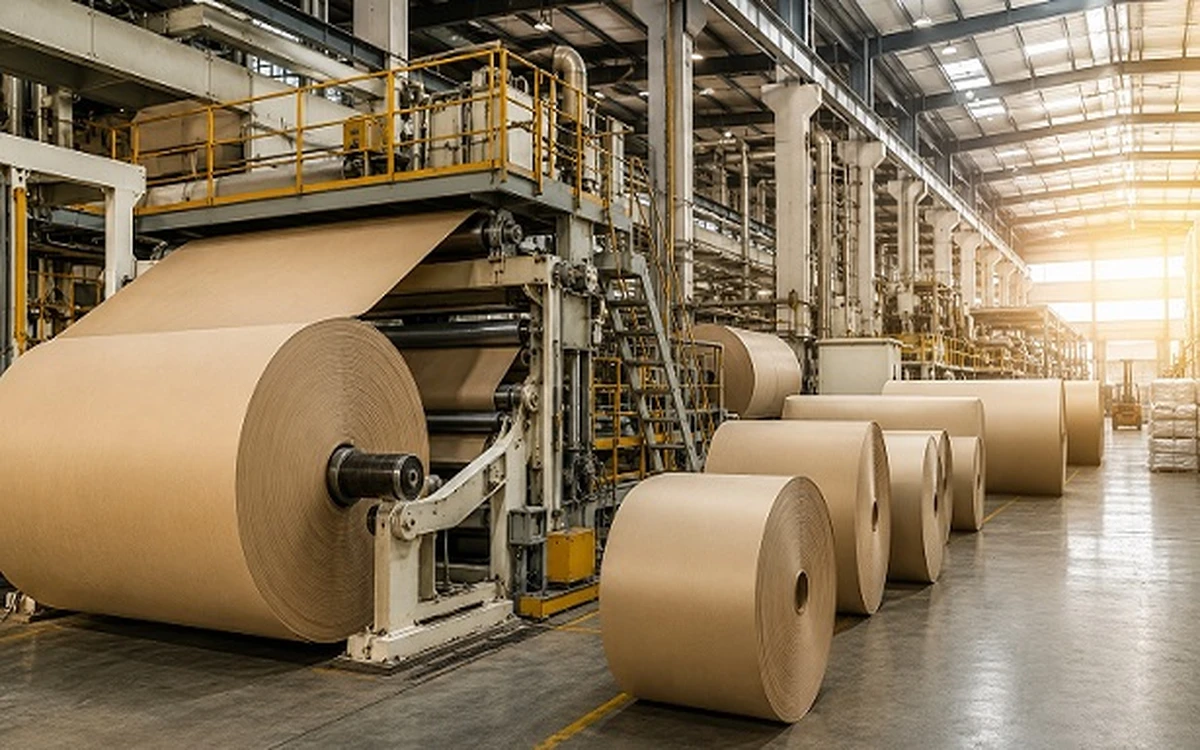
Morbi paper mills see full-capacity operations as ceramic industry revives; Kraft paper exports to China spike, Prices strengthen; Janmashtami shutdown ahead
The BE and caustic soda plant marks a key milestone for Mohit Paper Mills, enabling full utilization of installed capacity and enhancing overall production efficiency
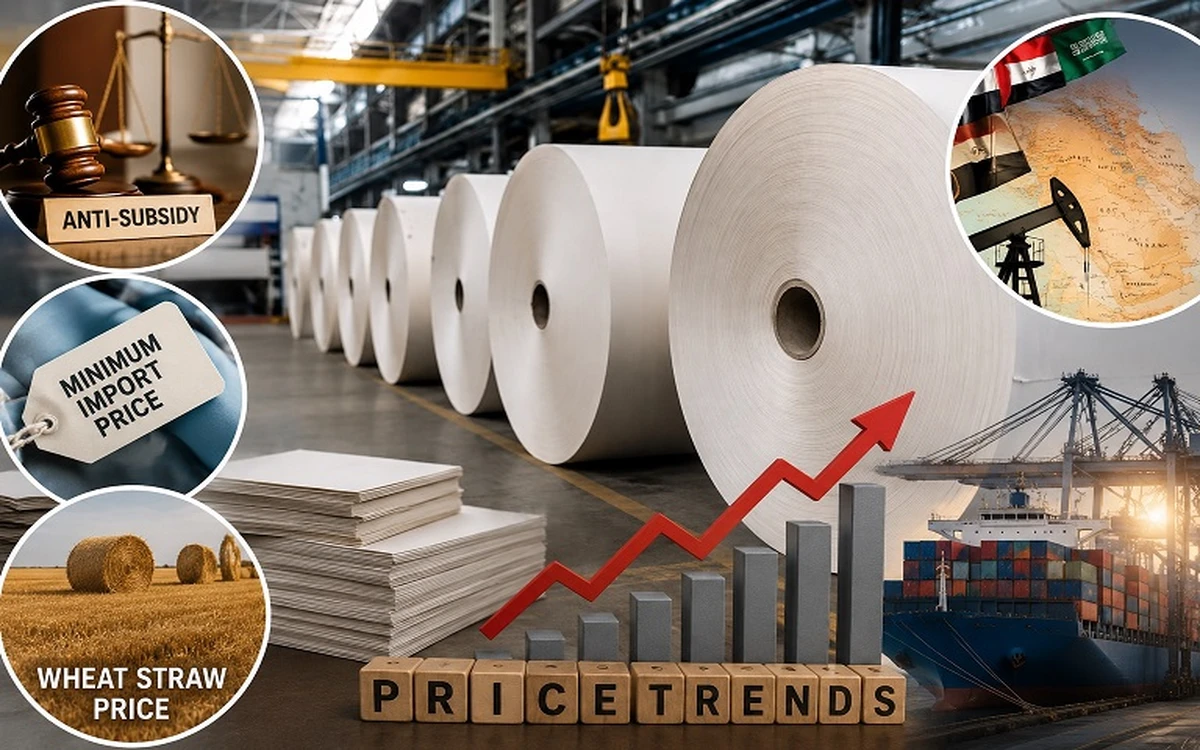
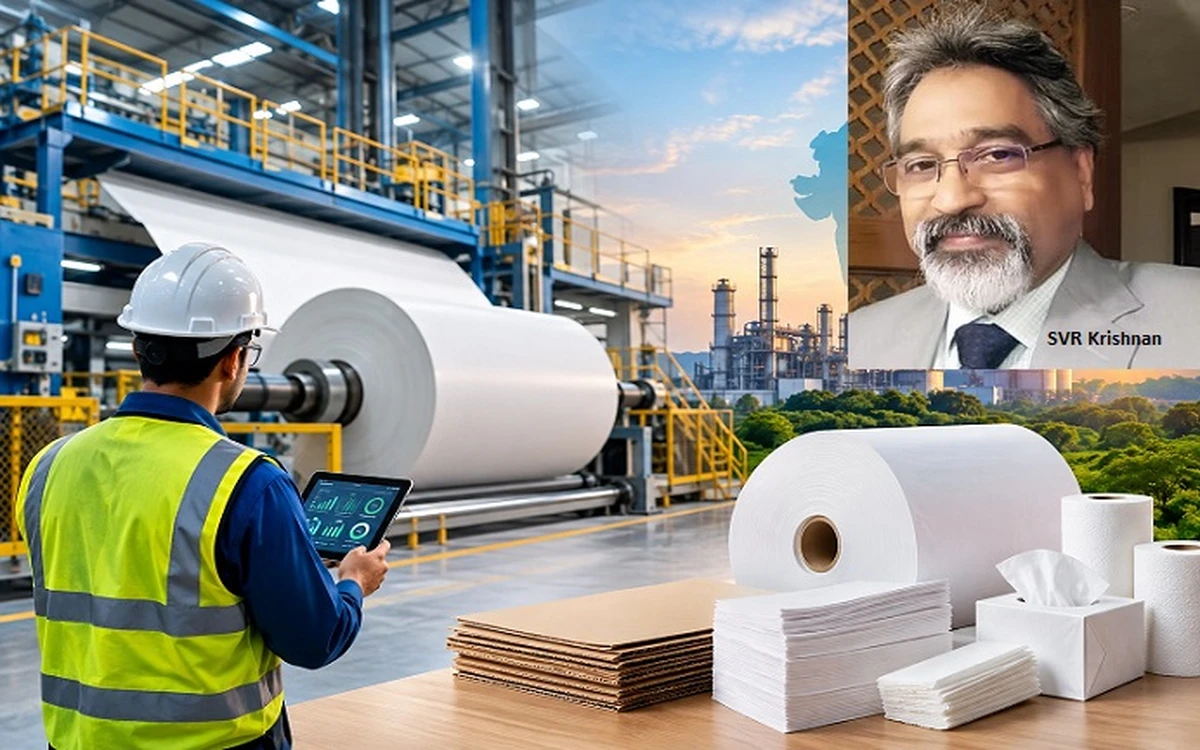
Expert Views on the paper market scenario, How the West Asia Crisis Helped the Industry, MIP for WPP, Anti-Subsidy implementation, and paper price trends
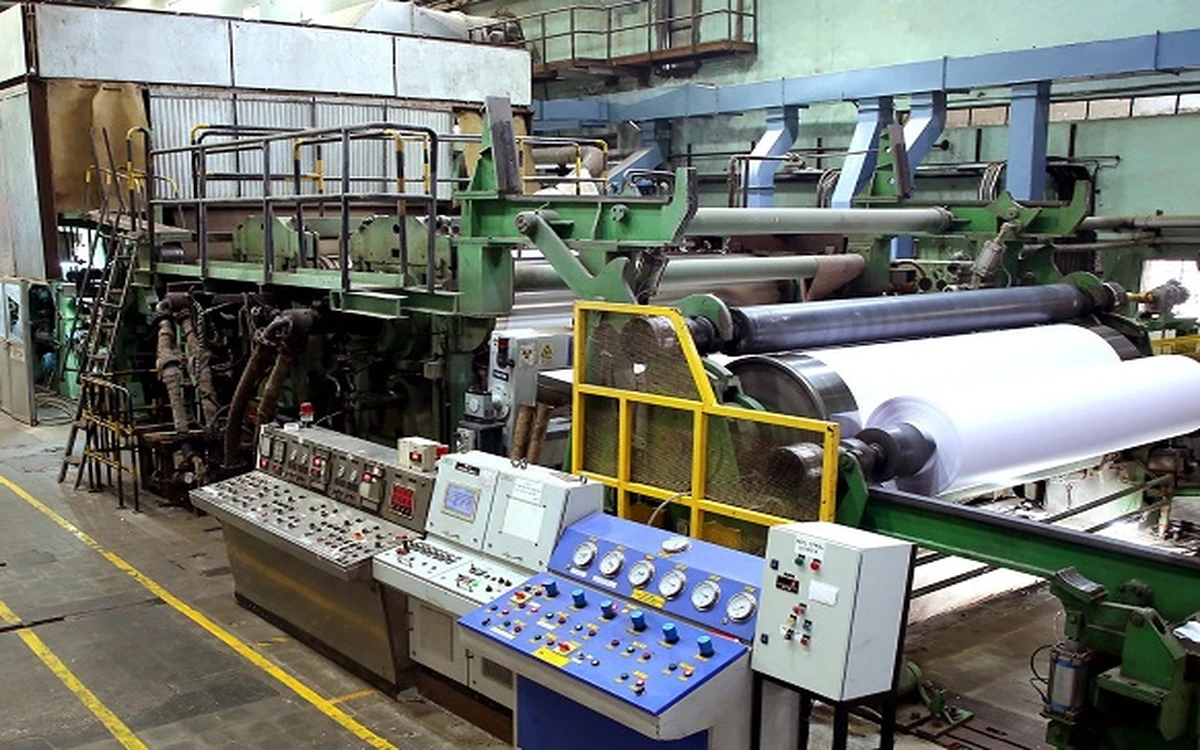
Pudumjee Paper intends to develop new varieties addressing applications for stronger paper bags and cupcakes; Plans 68,000 MT Mahad Specialty Paper Facility within 5 years
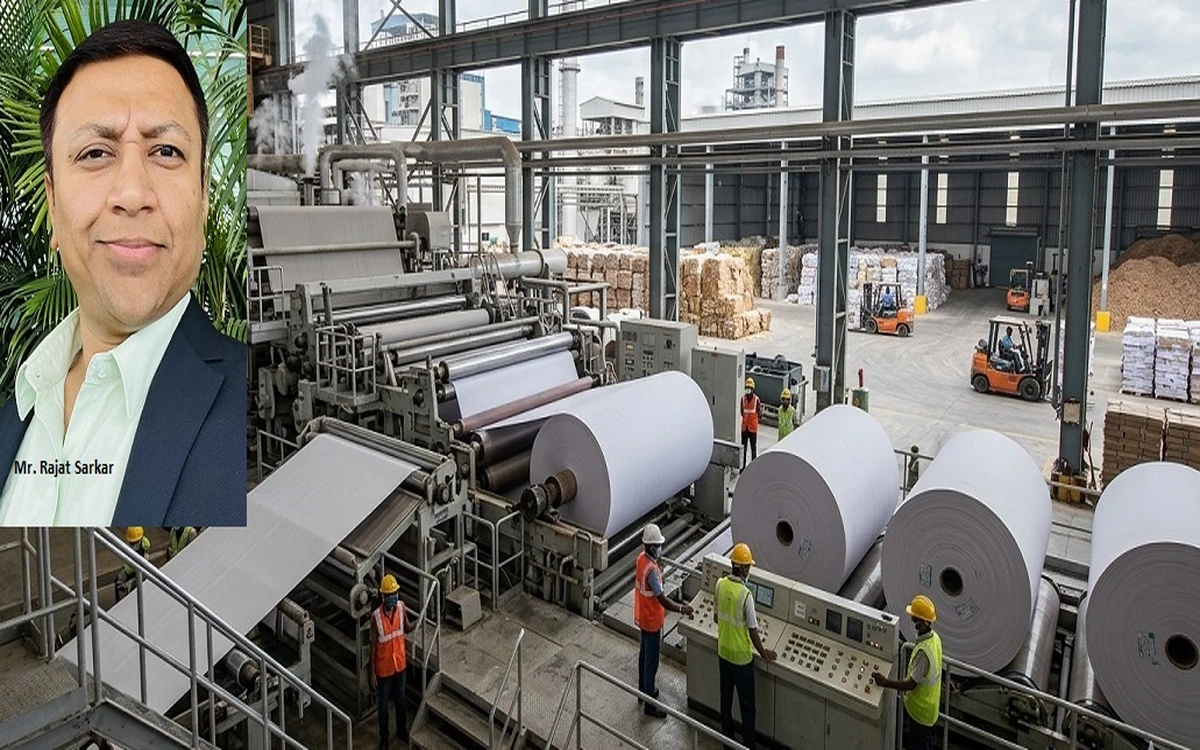
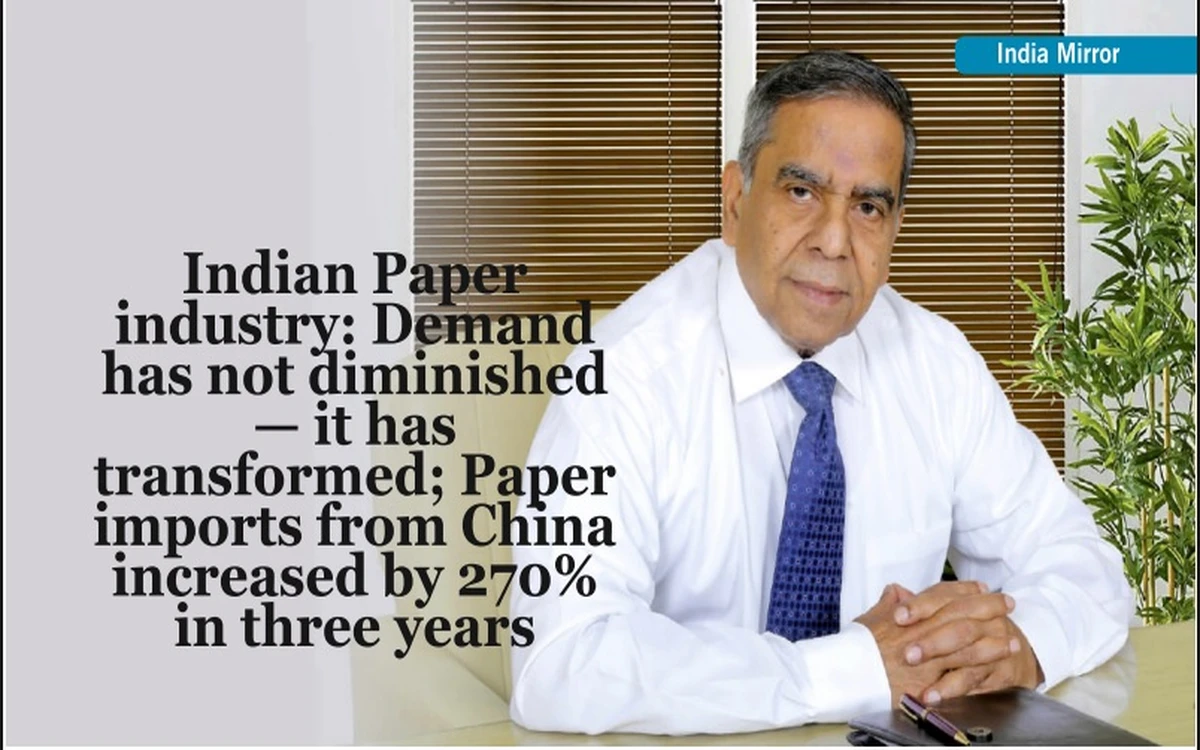
India Paper Industry at an Inflection Point: War, Costs, and Capacity; Demand growth expected at 5–7% in FY26
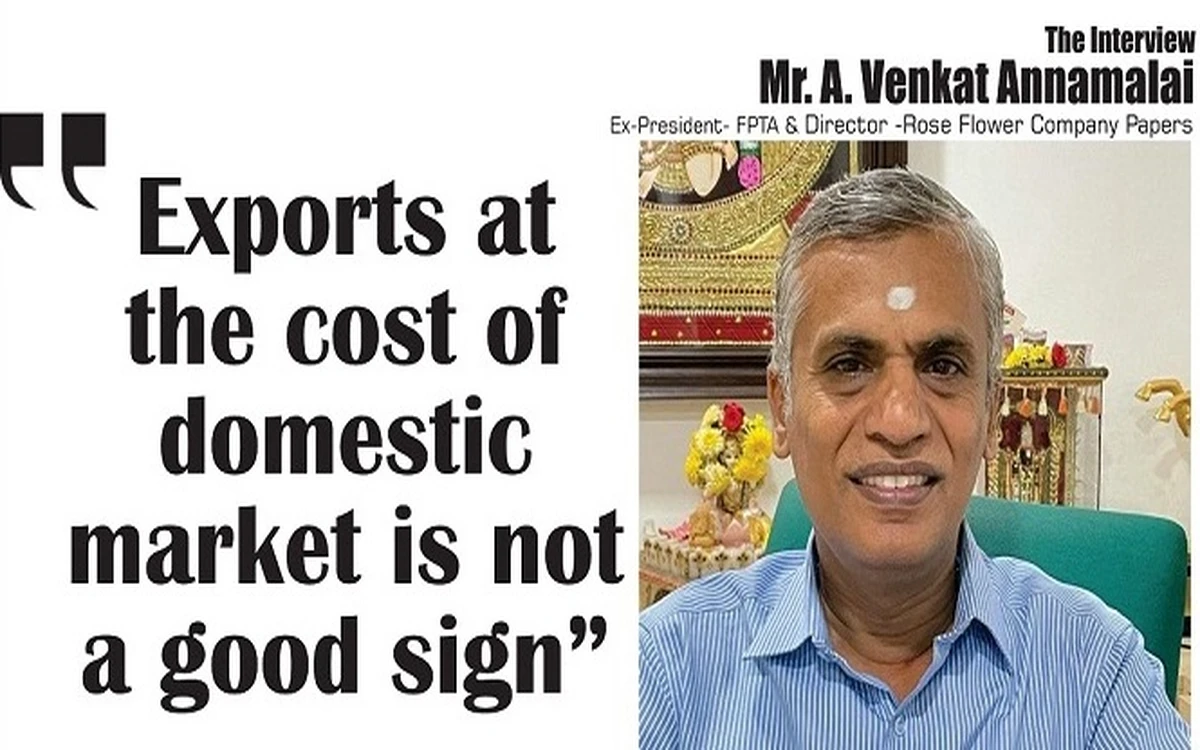
“Surging exports of paper will most certainly keep the domestic prices quite high”: Mr. A. Annamalai, Director – RFC
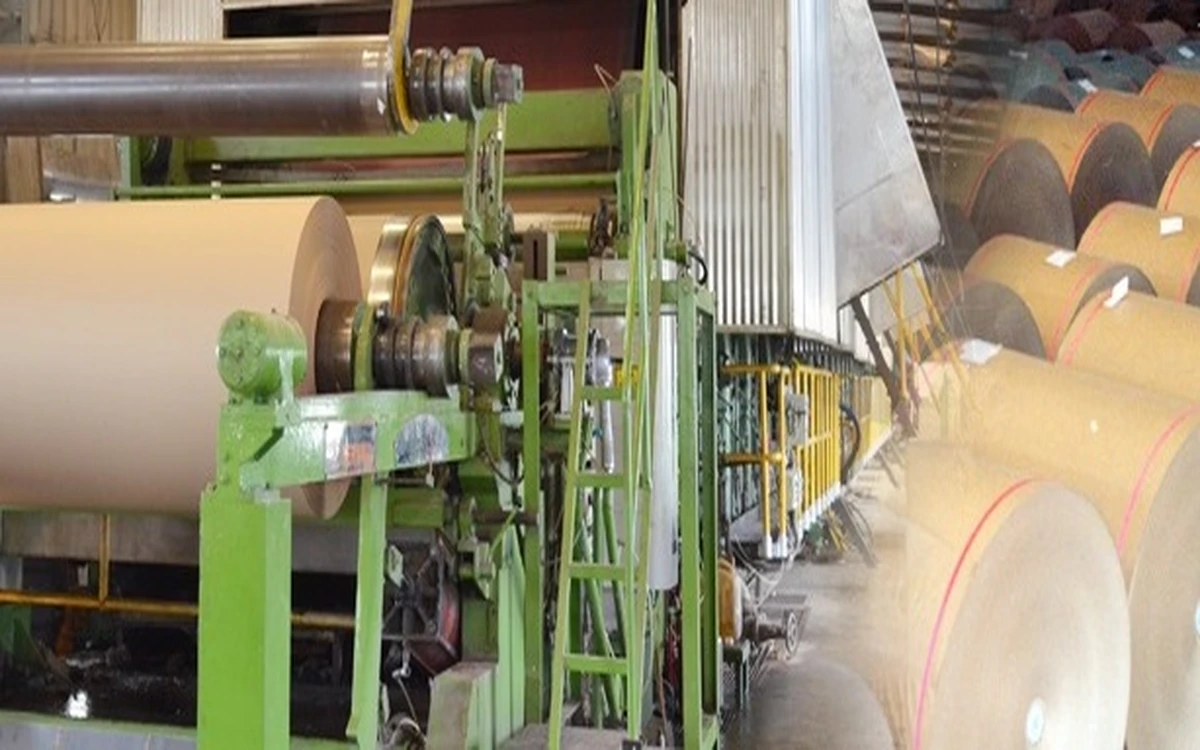
The Status of the Global Container board Industry, Recycled Paper Demand and Supply and its impact on the Indian Industry

Akshay Jain, director of Silverton Pulp & Paper, says it's time to promote agro residue as a raw material to lessen the scarcity of fibre
Advantageously located, a new paper mill is all set to roll kraft paper in Madhya Pradesh
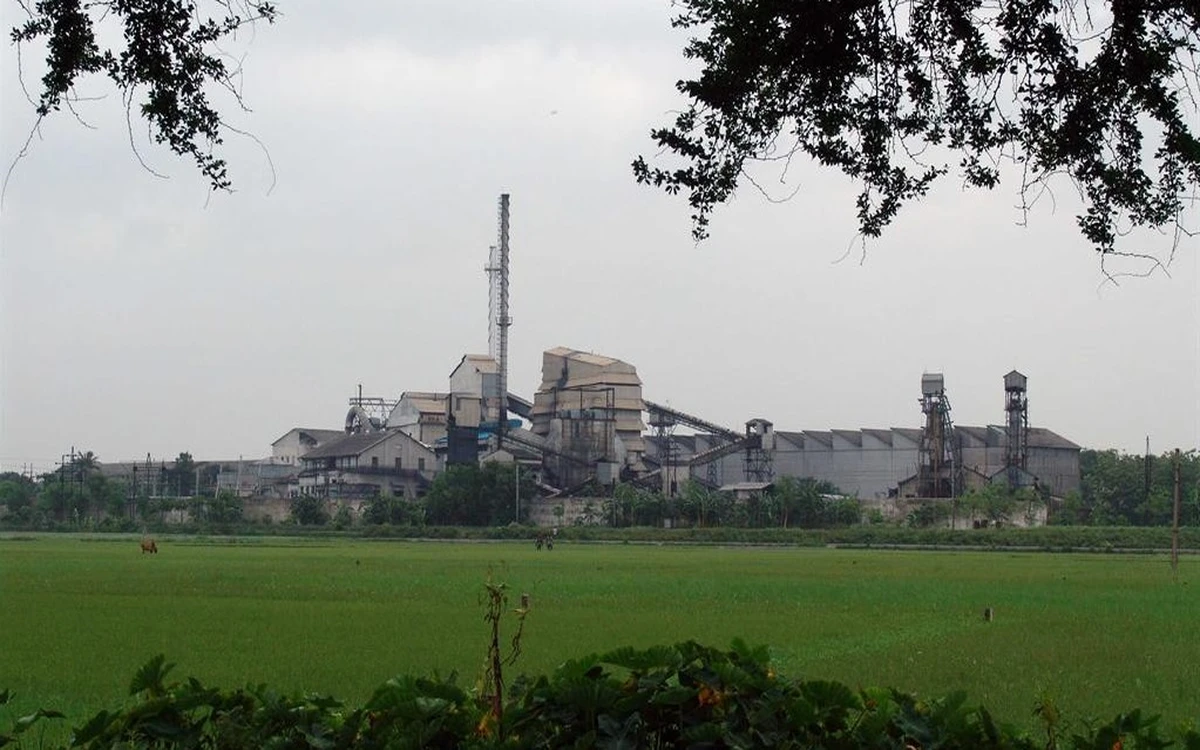
Several agile interventions helped ITC-PSPD fortify its clear leadership of the Value Added Paperboards (VAP) segment
Pakka Advances PM4 Development; flexC Base Paper Trials Underway in Europe, with a Distributor Soft Launch Expected
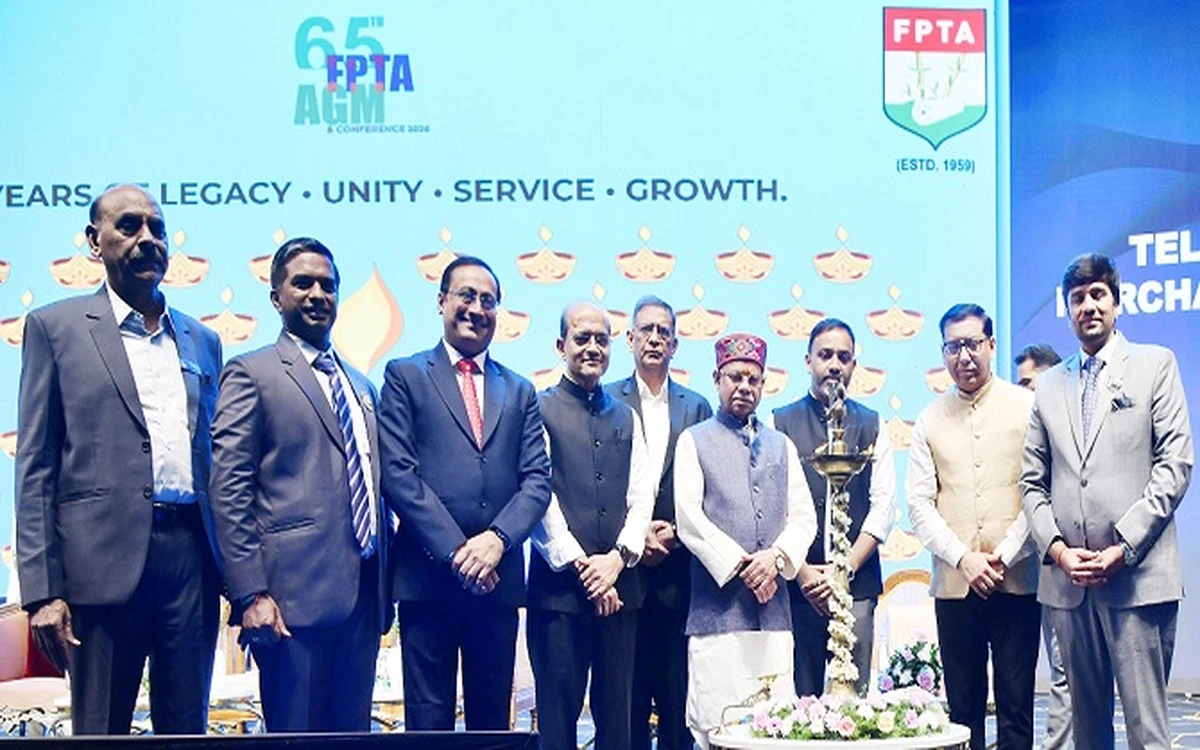
Paper and Packaging Board Market May Face Cost Pressures Through March 2027; FPTA Advises Traders
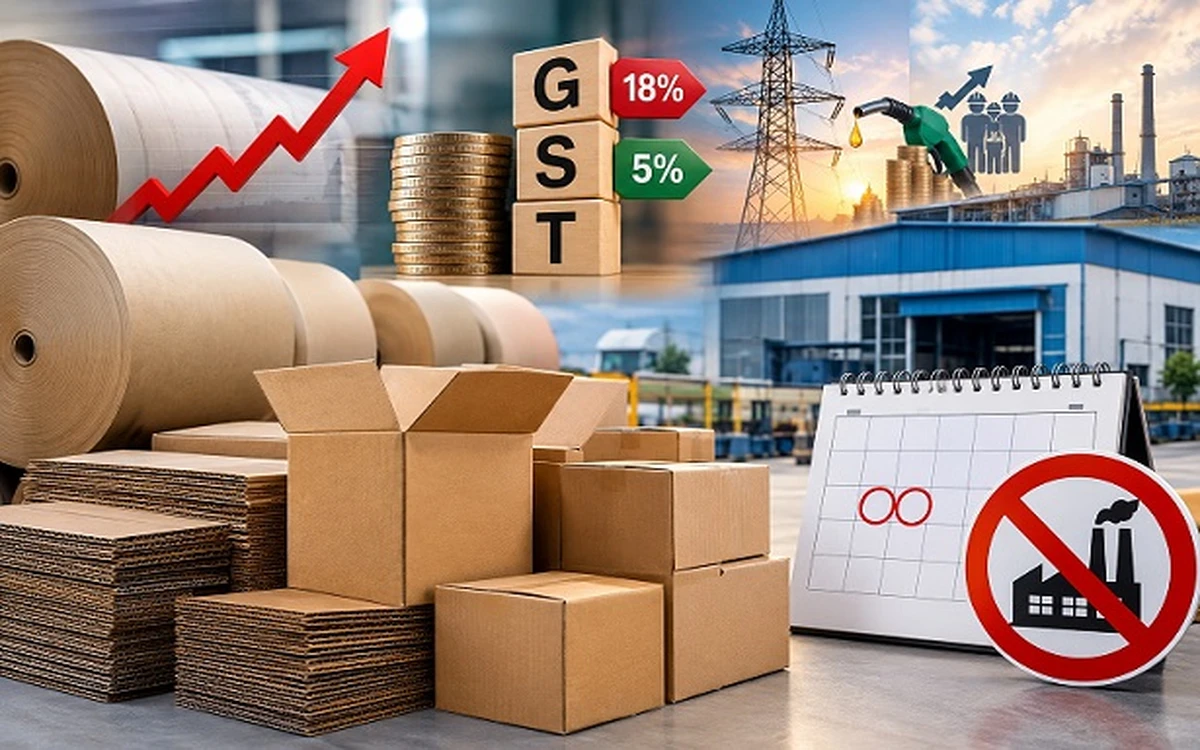
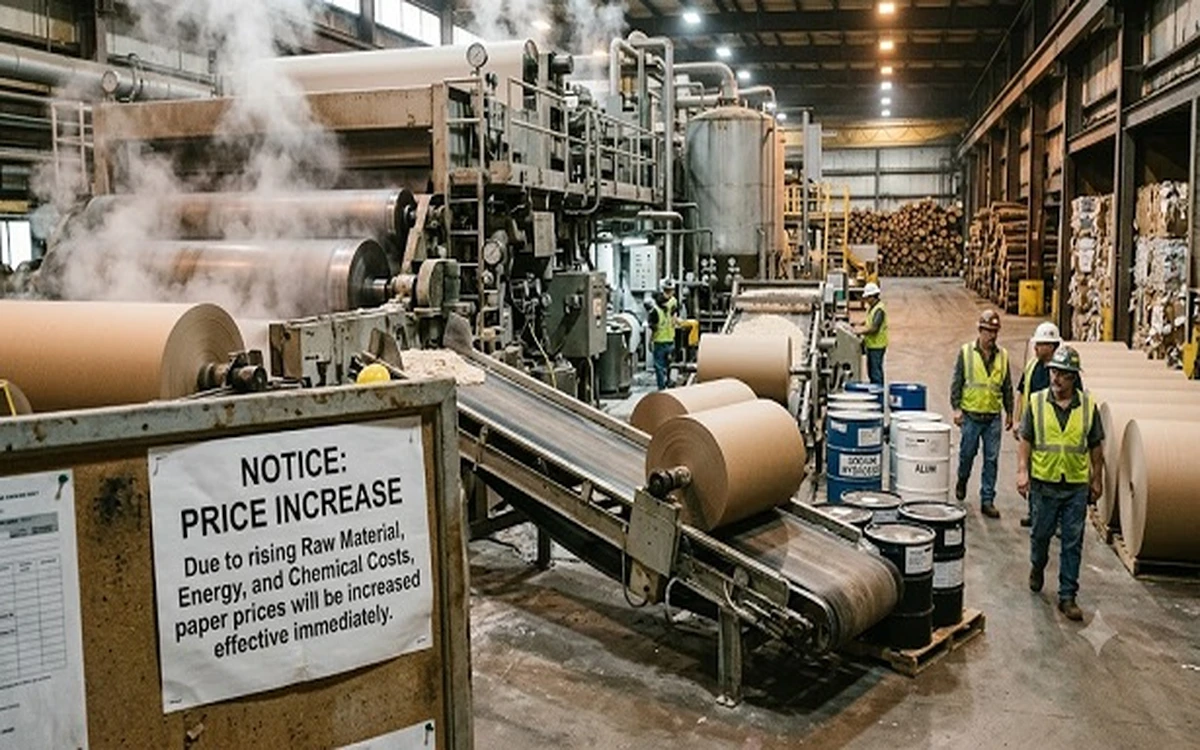
Overall Increase in Kraft Paper Prices Could Reach 35%; Industry Calls for 20% Box Price Increase, Voluntary Shutdown Proposed
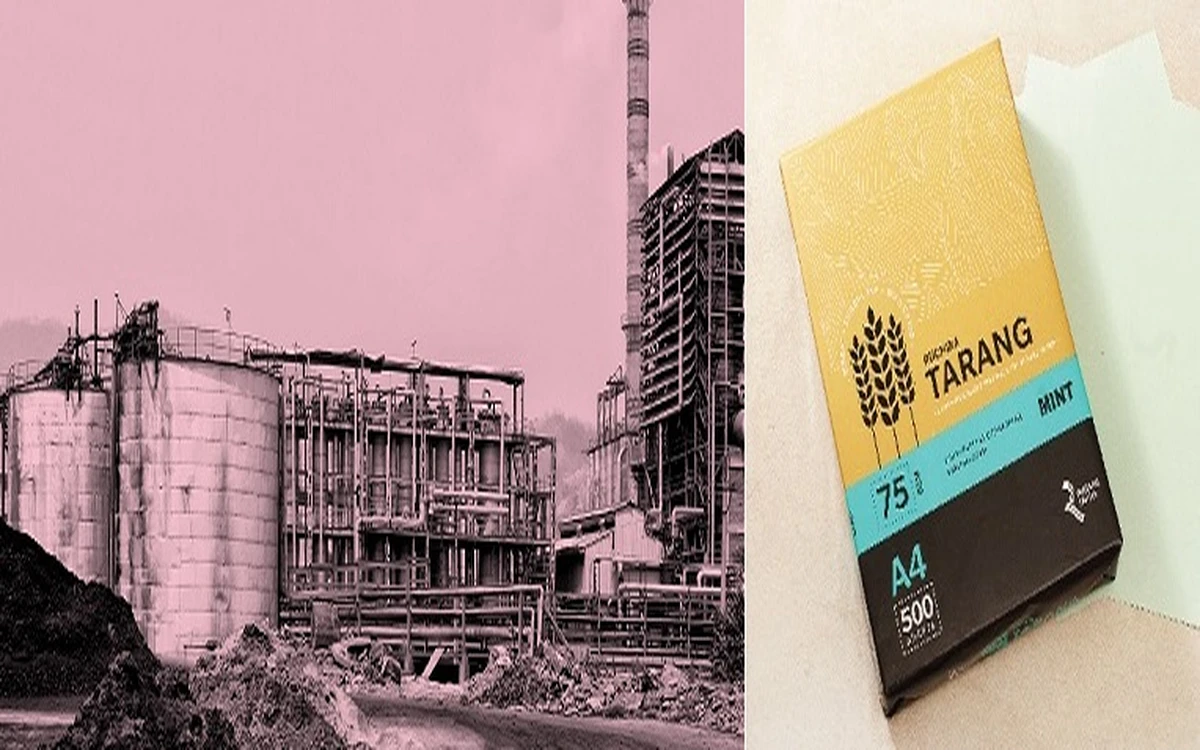
Ruchira Papers Invests a Sizeable Capex of Rs. 235–240 Crore Towards Writing & Printing Paper Capacity Expansion
Paper mills inflated the basic ex-mill price of paper post GST 2.0, AINMA seeks action against Anti-Profiteering
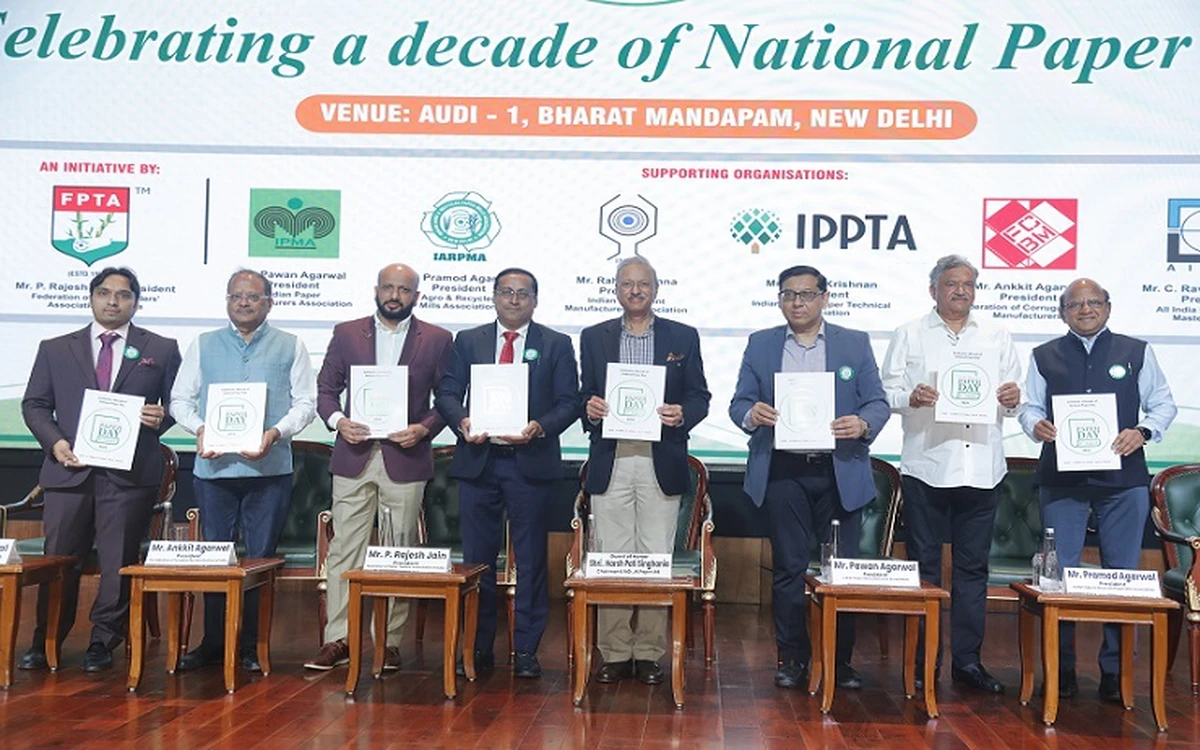
Seven Leading Associations Unite to Celebrate National Paper Day, Highlighting Paper's Sustainability and Circular Economy Advantage
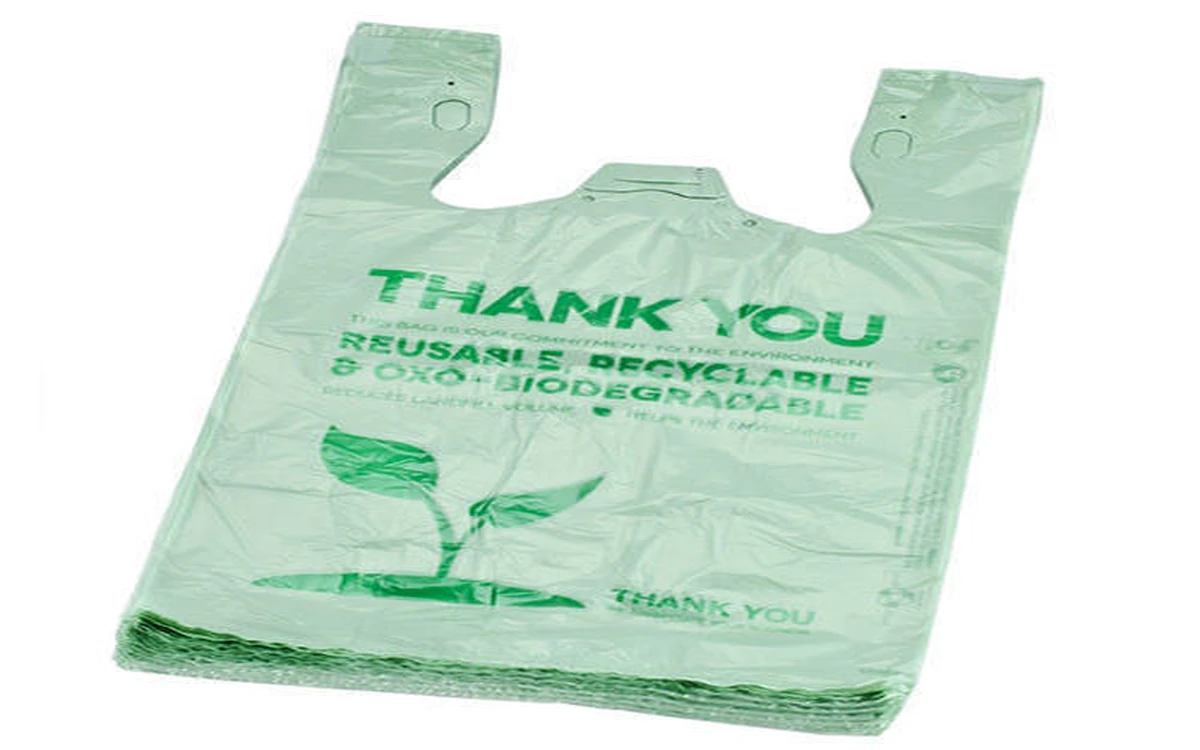
Scientists from IIT-Guwahati develop India's first biodegradable plastic
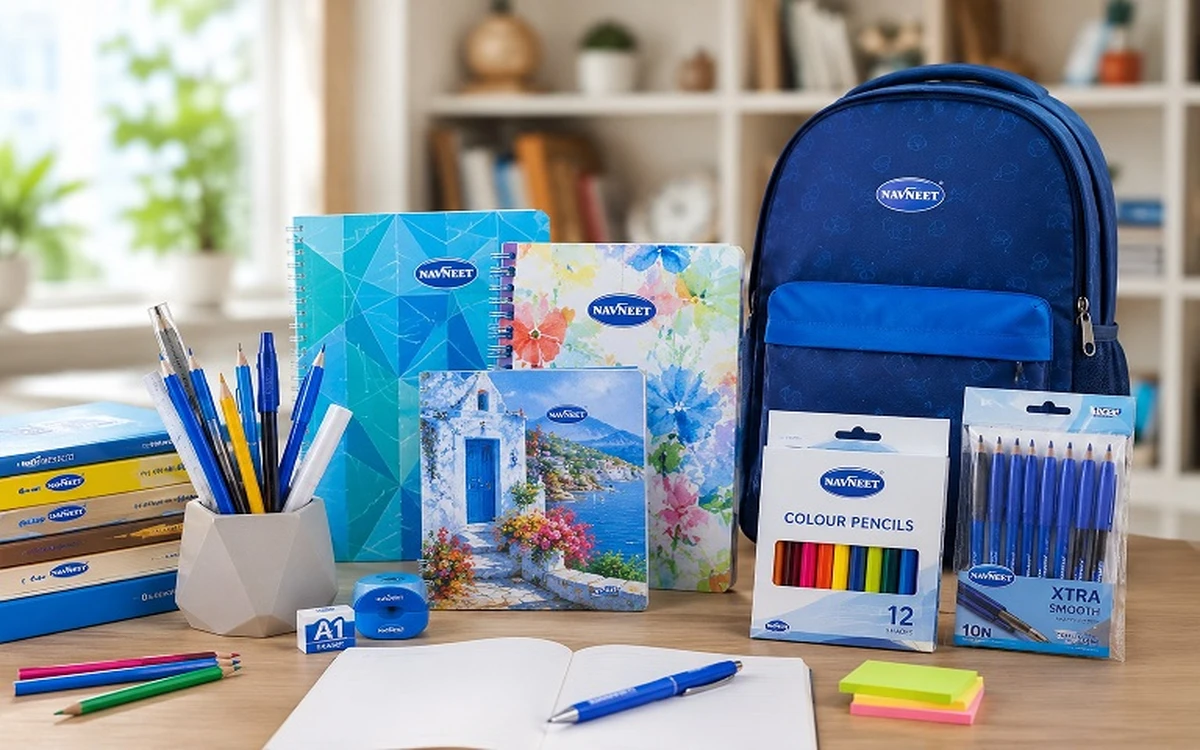
Navneet Education focuses on brand building, curriculum-led growth, and export recovery; expects stationery margins to improve in FY27

It is estimated that USD10B to USD20B worth of single-use plastic packaging will convert to molded fiber, ZUME
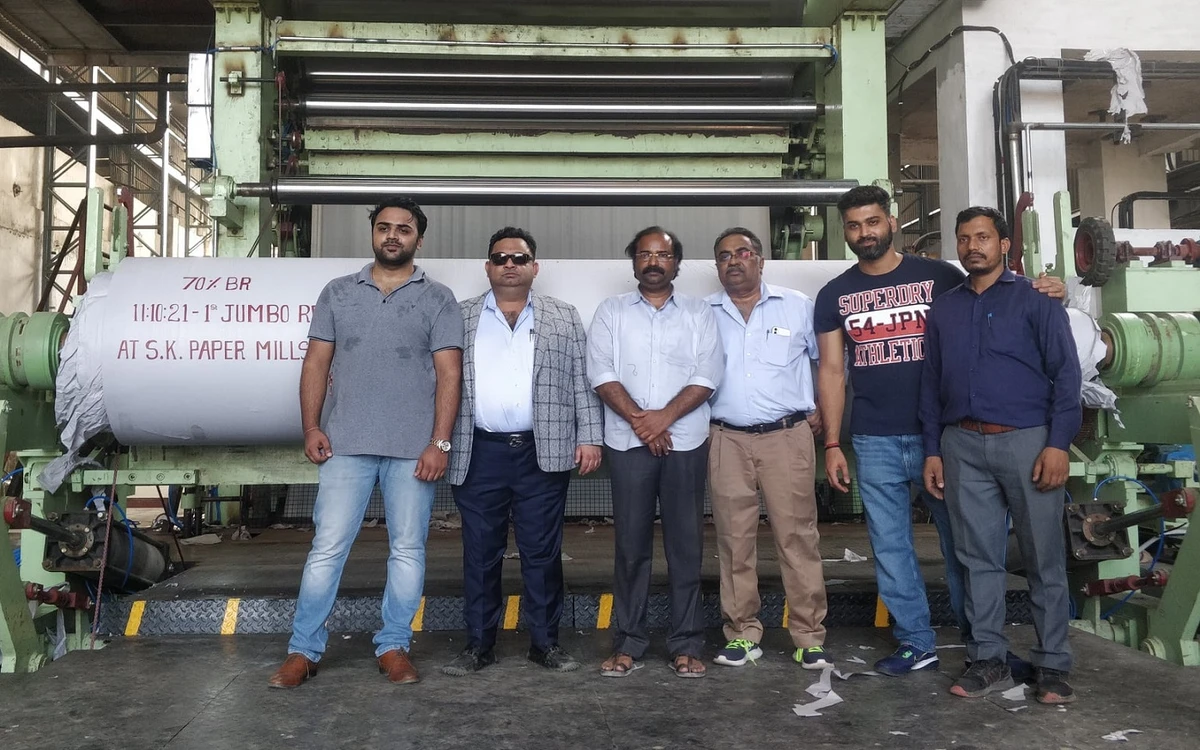
Muzaffarnagar gets a new capacity of Tissue Paper and MG Poster paper
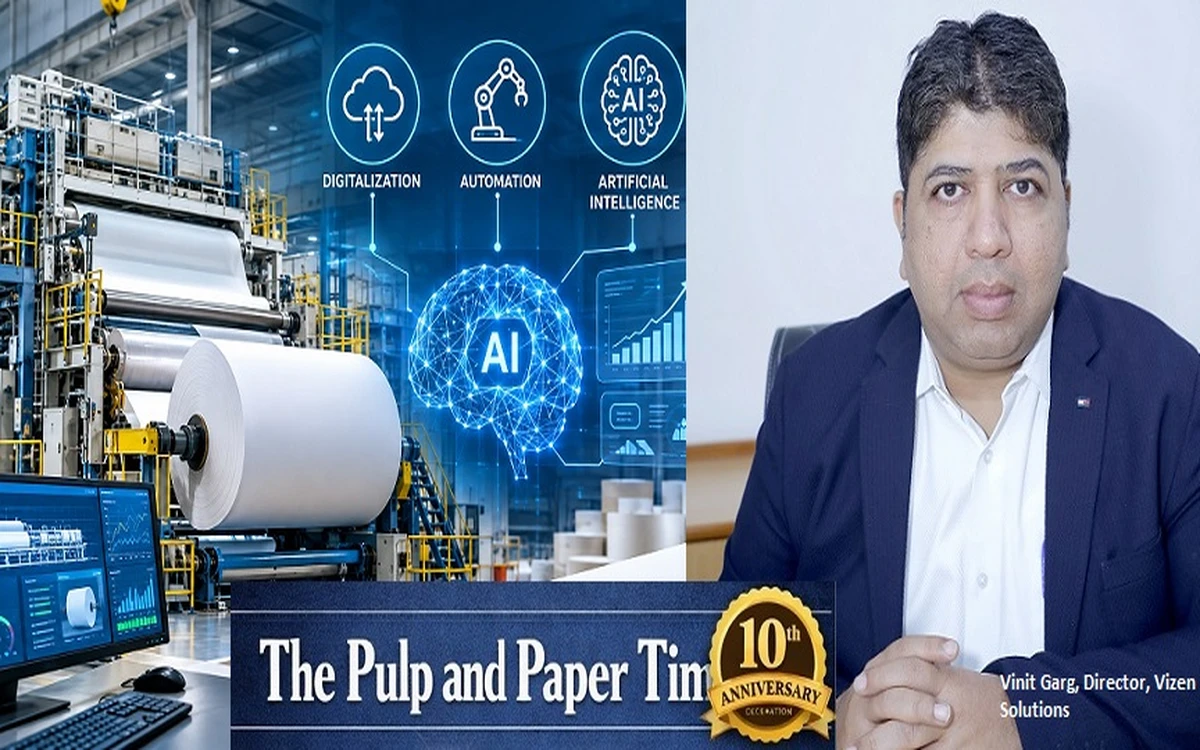
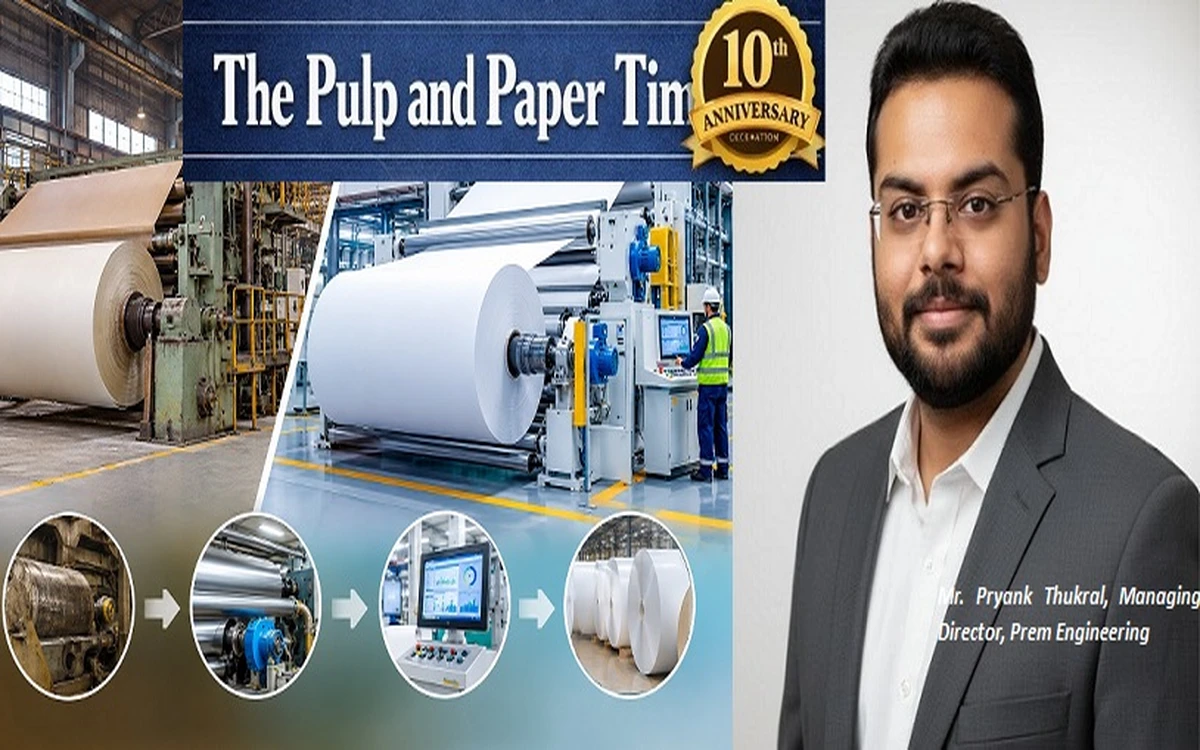
“The integration of digitalization, automation, and Artificial Intelligence (AI) is no longer a futuristic concept—it is the baseline for competitiveness in 2036” - Vinit Garg, Director, Vizen Solutions
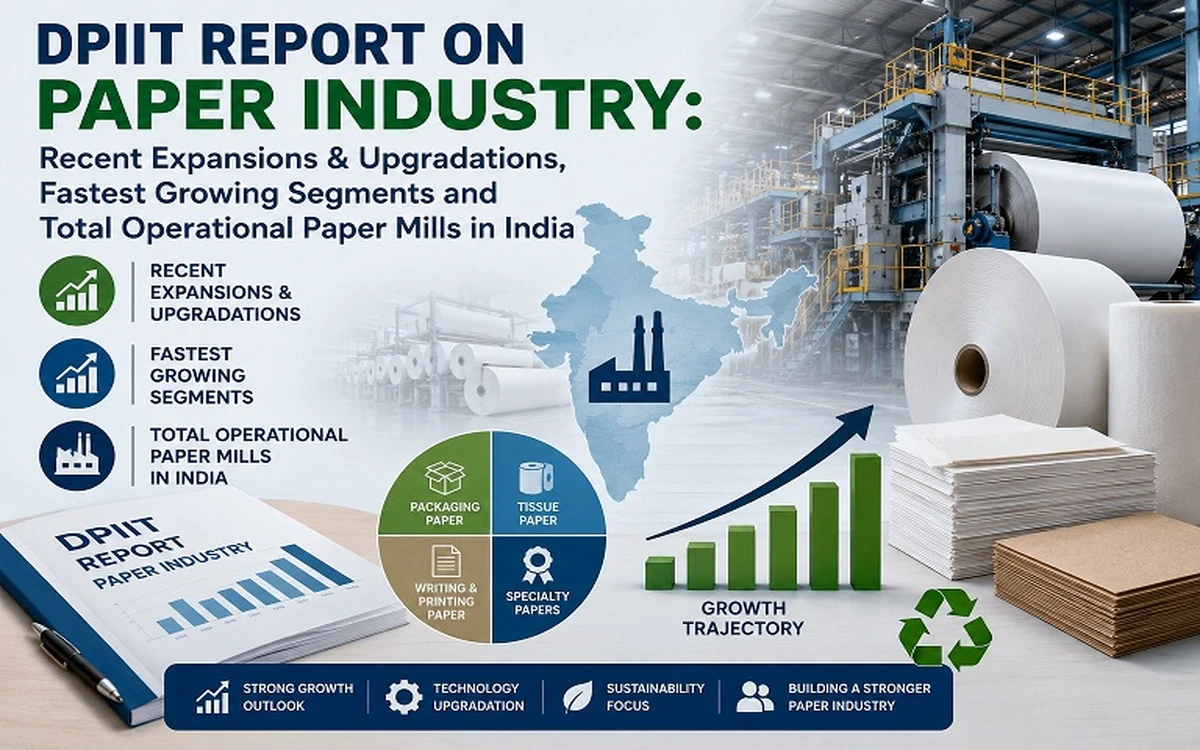
DPIIT Report on the Paper Industry: Recent Expansions & Upgrades, Fastest-Growing Segments, and Total Operational Paper Mills in India
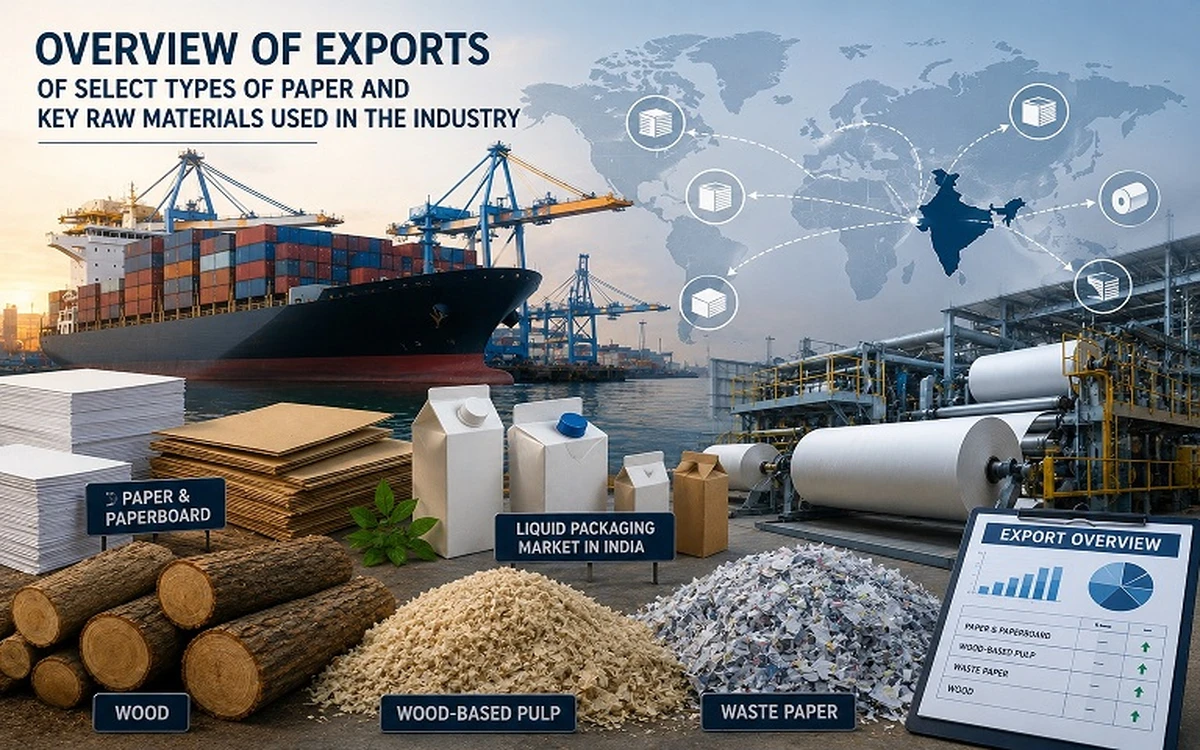
Overview of exports of select type of paper and key raw material used in the industry by Crisil Intelligence

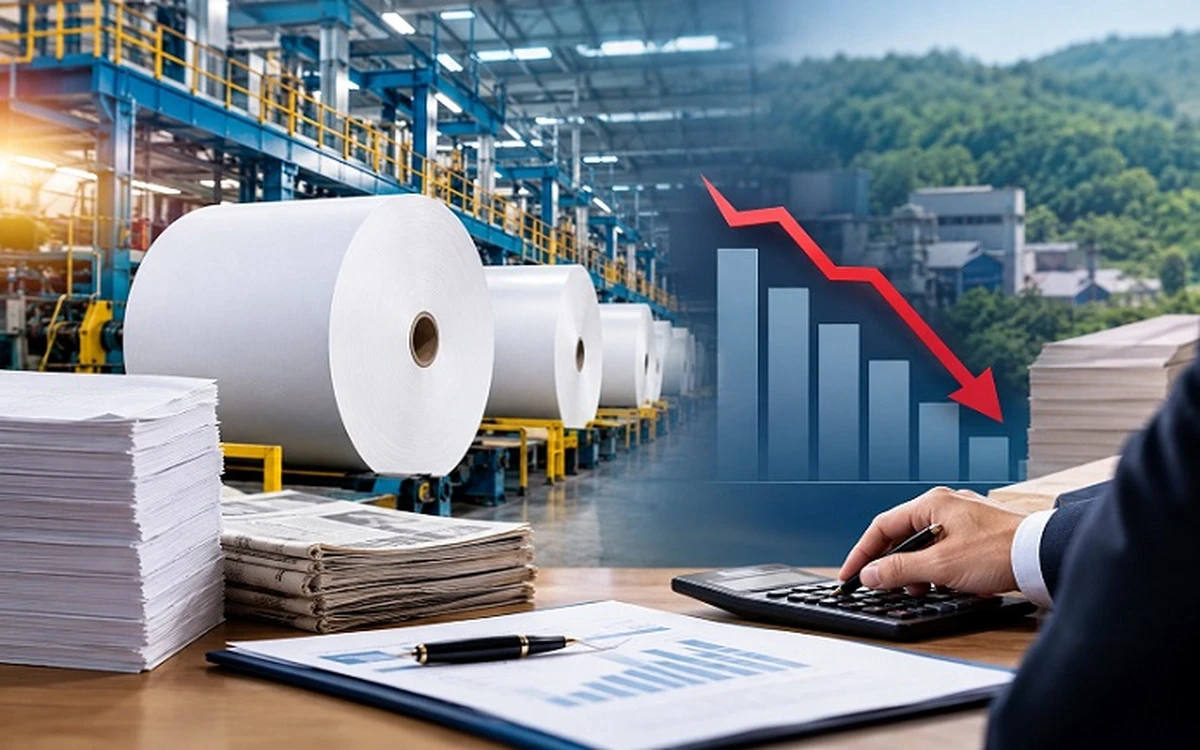
Margin pressure pushes Pulp & Paper Packaging sector toward AI-Driven cost optimization, Cutting costs by 8–20%
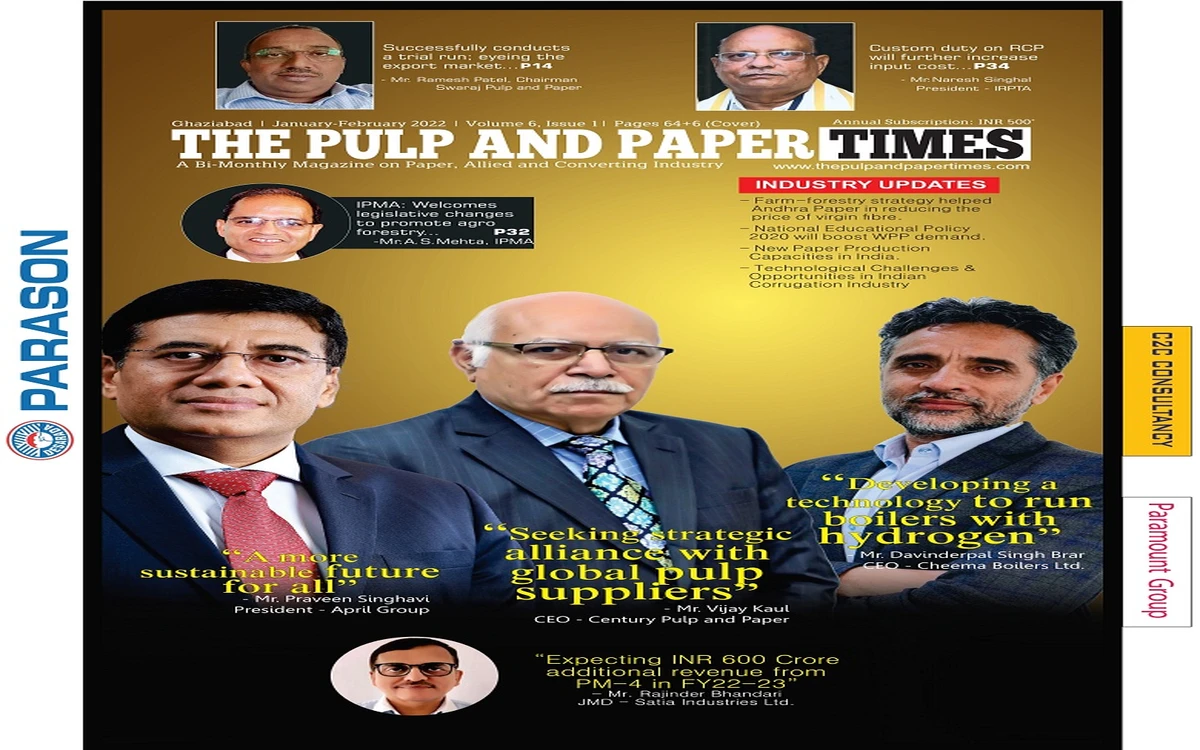
The Pulp and Paper Times Magazine : Volume 6, Issue 1
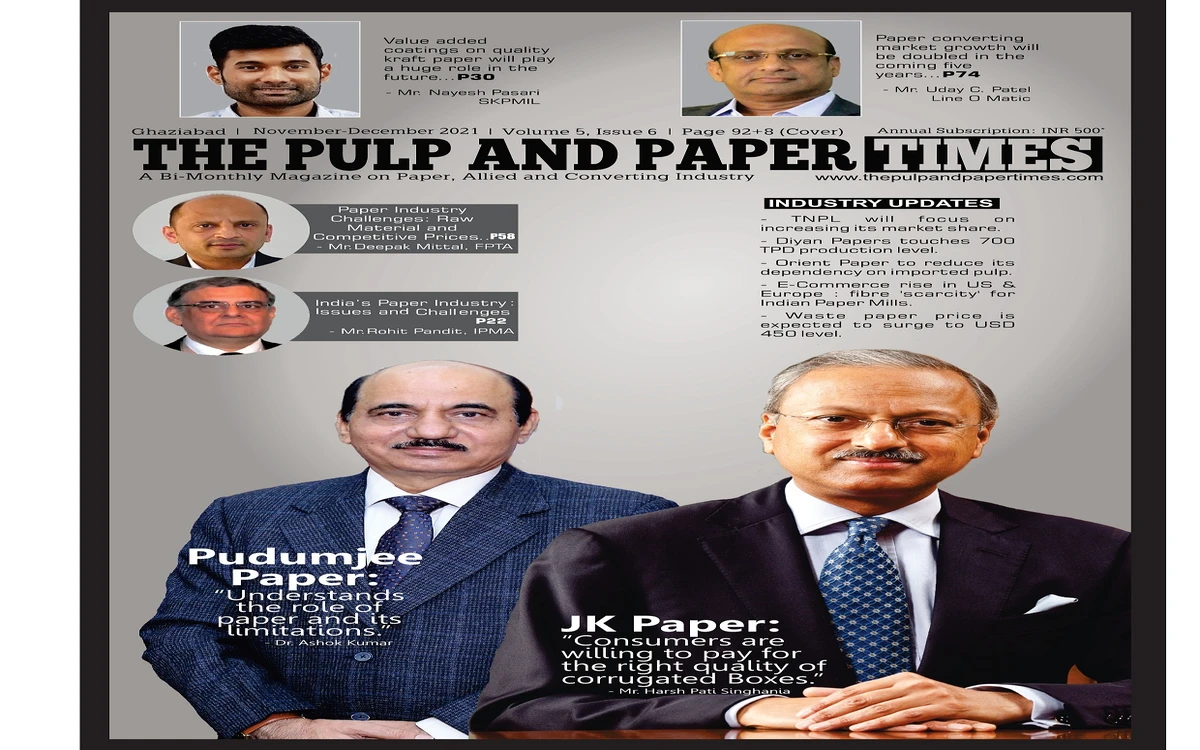
The Pulp and Paper Times Magazine : Volume 5, Issue 6
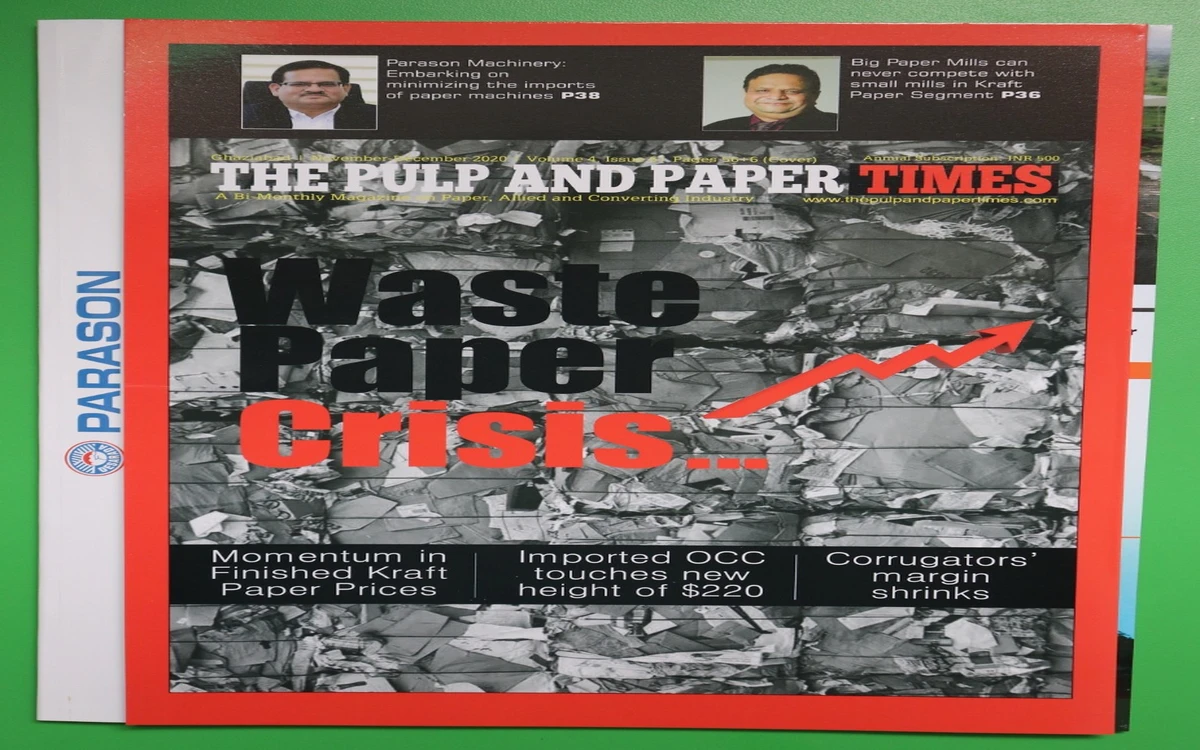
The Pulp and Paper Times: Volume 4, Issue 6
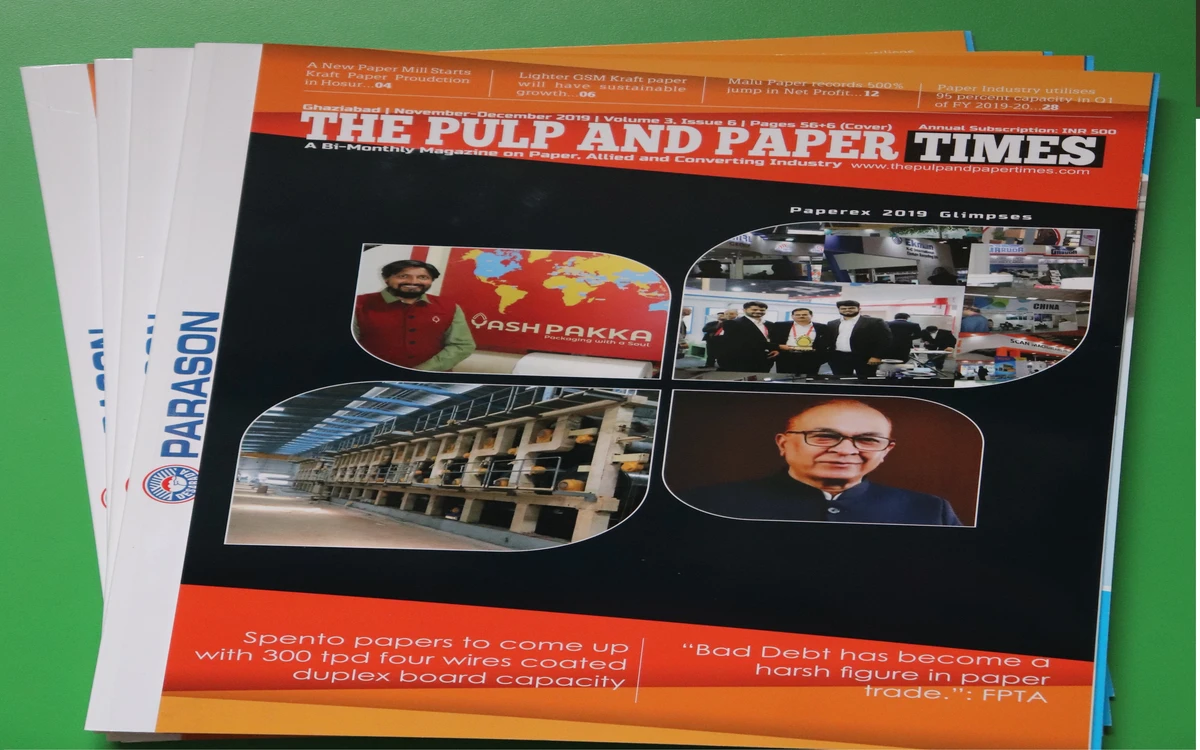
The Pulp and Paper Times : Volume 3, Issue 6
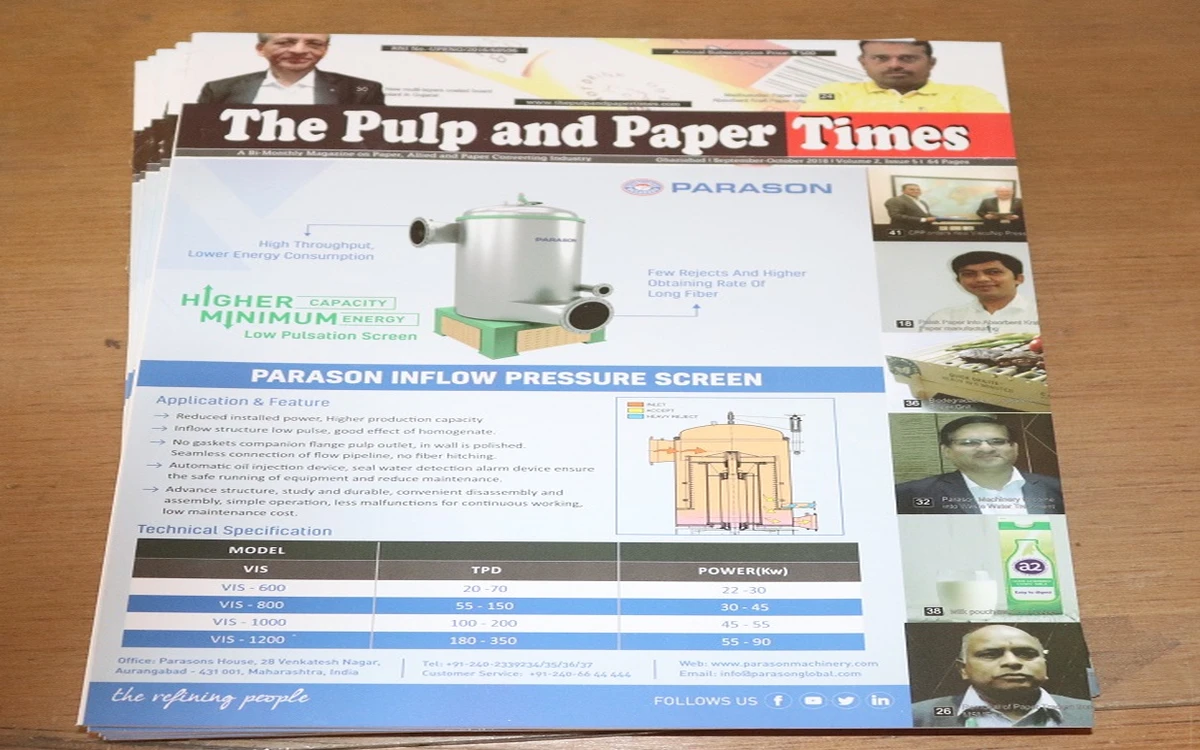
The Pulp and Paper Times: Volume 2 Issue 5
The Pulp and Paper Times, Volume 1, Issue 3
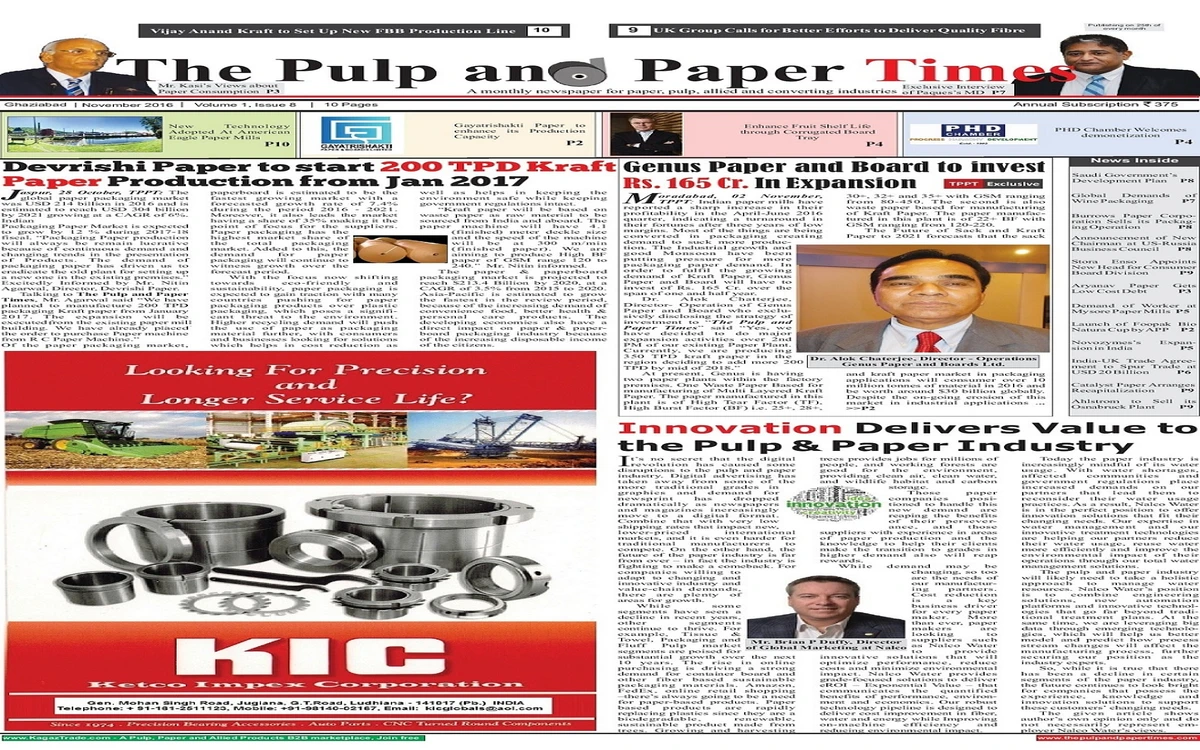
The Pulp and Paper Times, November 2016 Issue
The Pulp and Paper Times
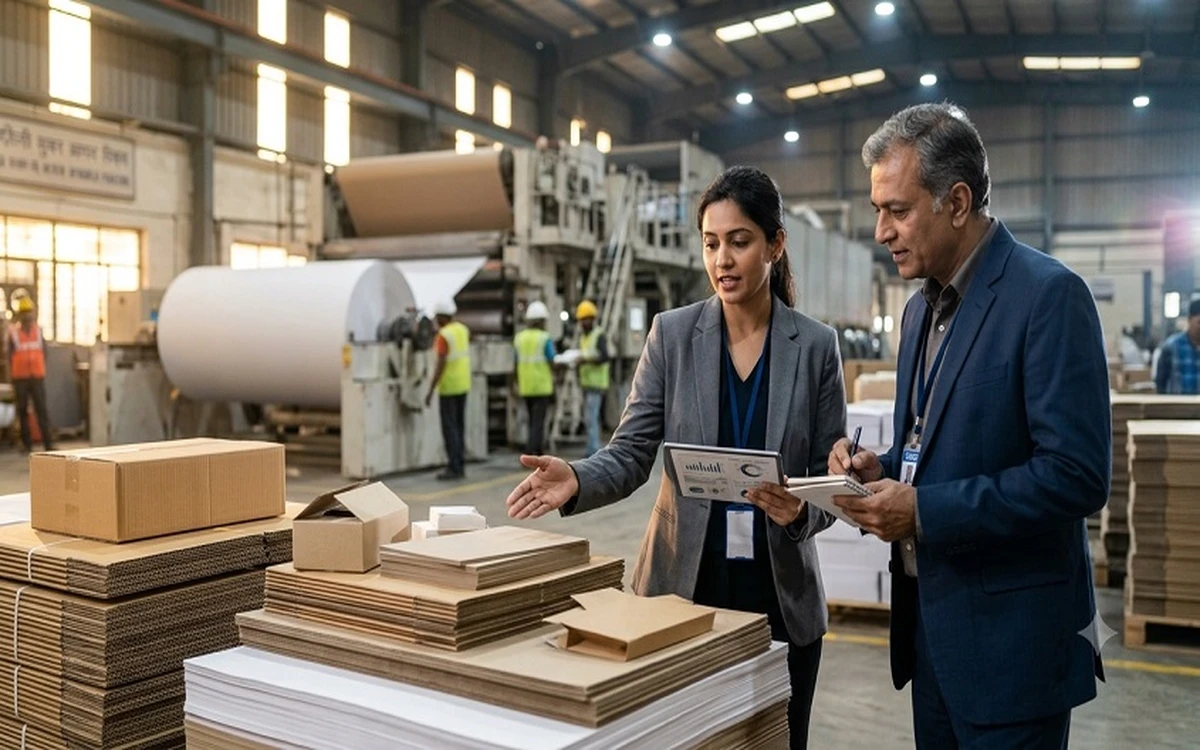
The paper sector in India is experiencing a shift toward value added products and specialized solutions. Companies are increasingly investing in research and development to create innovative packaging solutions that address specific industry needs while maintaining environmental sustainability. The industry has seen the introduction of various specialized products, including cup stock, pharma print, and high BF virgin kraft, catering to diverse end-user requirements. This evolution is supported by automated manufacturing processes and quality control systems, enabling producers to meet international standards while maintaining cost-effectiveness and environmental responsibility.
The adoption of sustainable packaging is further reinforced by the material’s inherent recyclability and its alignment with modern business sustainability goals. Packaging paper materials are becoming increasingly popular due to their eco-friendly properties and ability to be easily recycled and reused. This trend is particularly visible in the food and beverage industry, where manufacturers are setting ambitious targets to reduce plastic usage in favor of paper-based alternatives. The industry’s commitment to sustainability is reflected in the development of innovative solutions, such as paper in packaging tubes for dry goods and specialized cartons for dairy products, which combine environmental responsibility with functional efficiency in protecting and preserving product quality.

The India paper and paperboard packaging market size is worth USD 13.72 billion in 2025, growing at an 6.63% CAGR and is forecasted to hit USD 18.92 billion by 2030. The Indian paper and packaging industry witnessed significant transformation driven by changing consumer preferences and technological advancements.
Technological innovation and product development have become cornerstone strategies for industry players seeking competitive advantages. Paper-based packaging solutions have advanced significantly, particularly in food preservation applications, with corrugated board packaging gaining popularity for fresh produce transportation. The industry has witnessed the emergence of sophisticated manufacturing processes, including high-temperature bonding techniques for bacterial elimination and the implementation of aseptic packaging technologies utilizing hydrogen peroxide sterilization methods to enhance product shelf life.
The Indian flexible packaging market size is worth USD 20.41 billion in 2025, growing at an 11.46% CAGR and is forecast to hit USD 35.11 billion by 2030. The increasing demand for lightweight and convenient packaging solutions is a primary driver, as consumers seek products that are easy to handle and store. Flexible plastic packaging dominates India’s plastic packaging market, comprising 75% of total usage. The FMCG sector prefers this packaging type for its versatility and cost effectiveness. Small-scale manufacturers, focusing on cost, produce diverse multi-layered packaging compositions. This results in a wide range of non-recyclable flexible packaging entering the market.

Flexible packaging’s adaptability to various shapes and sizes allows for versatile product presentations, while its cost effectiveness appeals to businesses looking to optimize their packaging expenses. In addition, the ease of transport associated with flexible packaging contributes to its growing popularity in the Indian market. These factors collectively contribute to expanding the flexible packaging sector in India as industries increasingly adopt these solutions to meet consumer preferences and operational needs.
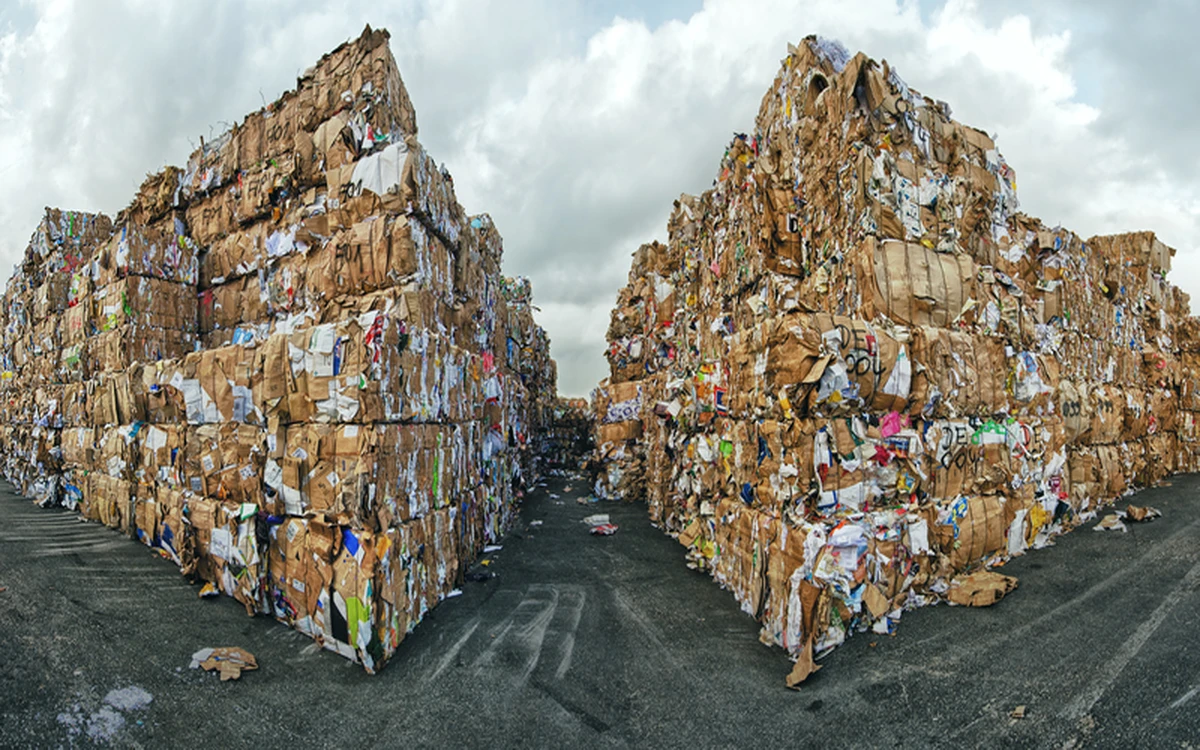
Wastepaper-based paper manufacturing in India
The India wood pulp market size reached USD 15.70 billion in 2024. Looking forward, the market is expected to reach USD 19.70 Billion by 2033, CAGR of 2.30% during 2025-2033. The rising demand for sustainable packaging, increasing adoption in the textile sector for viscose fiber production, government initiatives promoting domestic pulp manufacturing, and growing environmental concerns boosting recycled pulp usage are supporting the market expansion. Overall corrugated waste paper collection from various sources has plummeted by 55-60% at the beginning of 2025.

The above report has been extracted from Emami Paper Mills’ annual report for Fy 24-25

5 hours ago
Total Views : 420
4 days ago
Total Views : 2676
5 days ago
Total Views : 2511
last week
Total Views : 731
last week
Total Views : 1315
2 weeks ago
Total Views : 3834
2 weeks ago
Total Views : 2757
2 weeks ago
Total Views : 806
2 weeks ago
Total Views : 3613
2 weeks ago
Total Views : 3758