
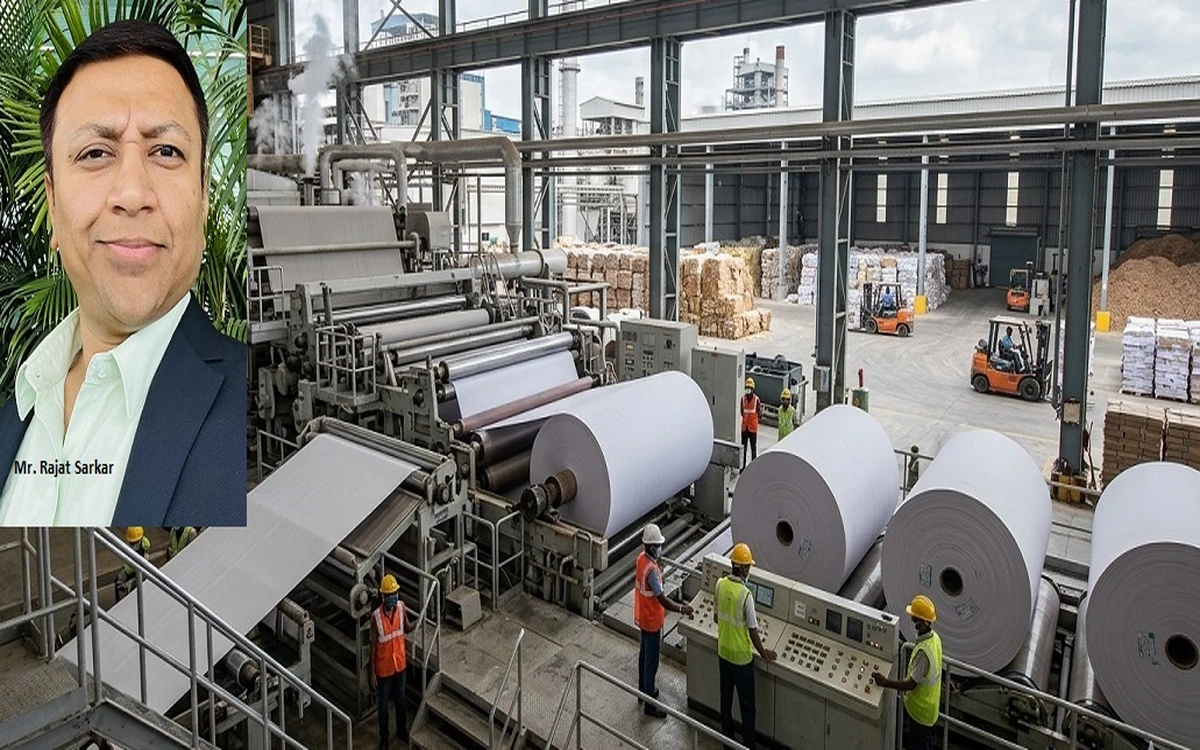
India Paper Industry at an Inflection Point: War, Costs, and Capacity; Demand growth expected at 5–7% in FY26
A new capacity in Tissue and specialty paper mfg.; Machine Design, Installation, and commissioning by Saloni Paper Machines
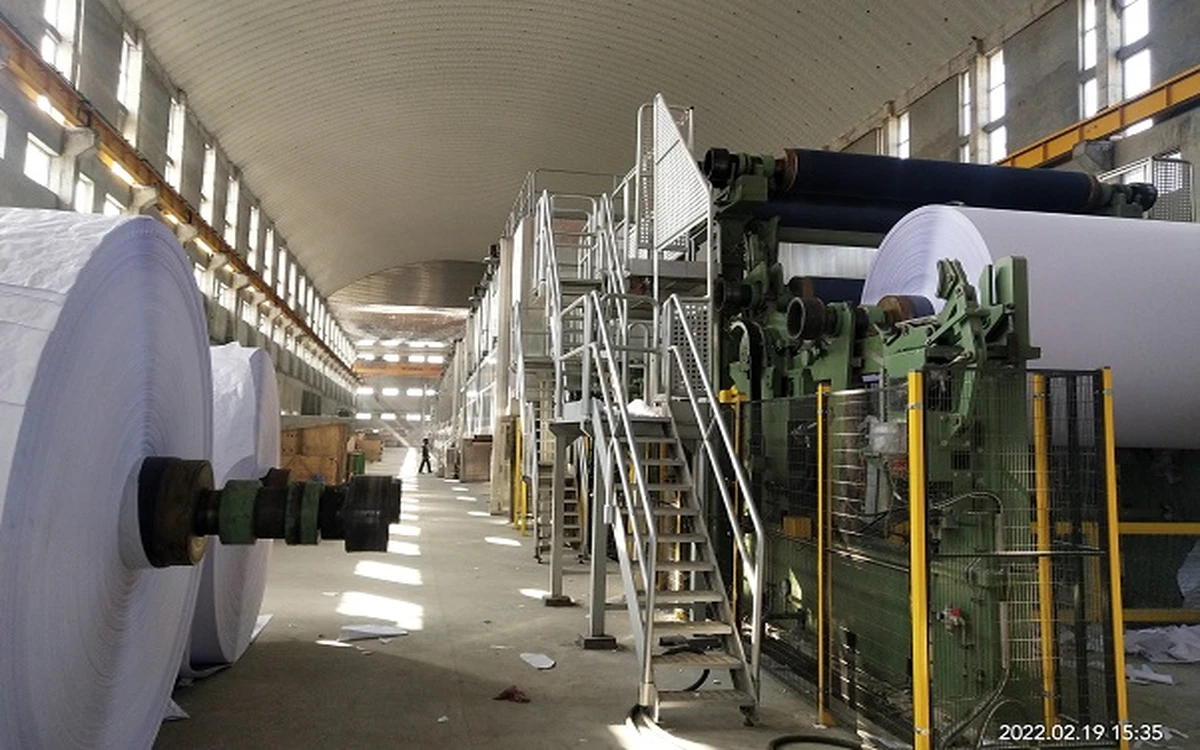
Satia Industries: better product mix and higher sales realization drive increased revenue in Q2FY23
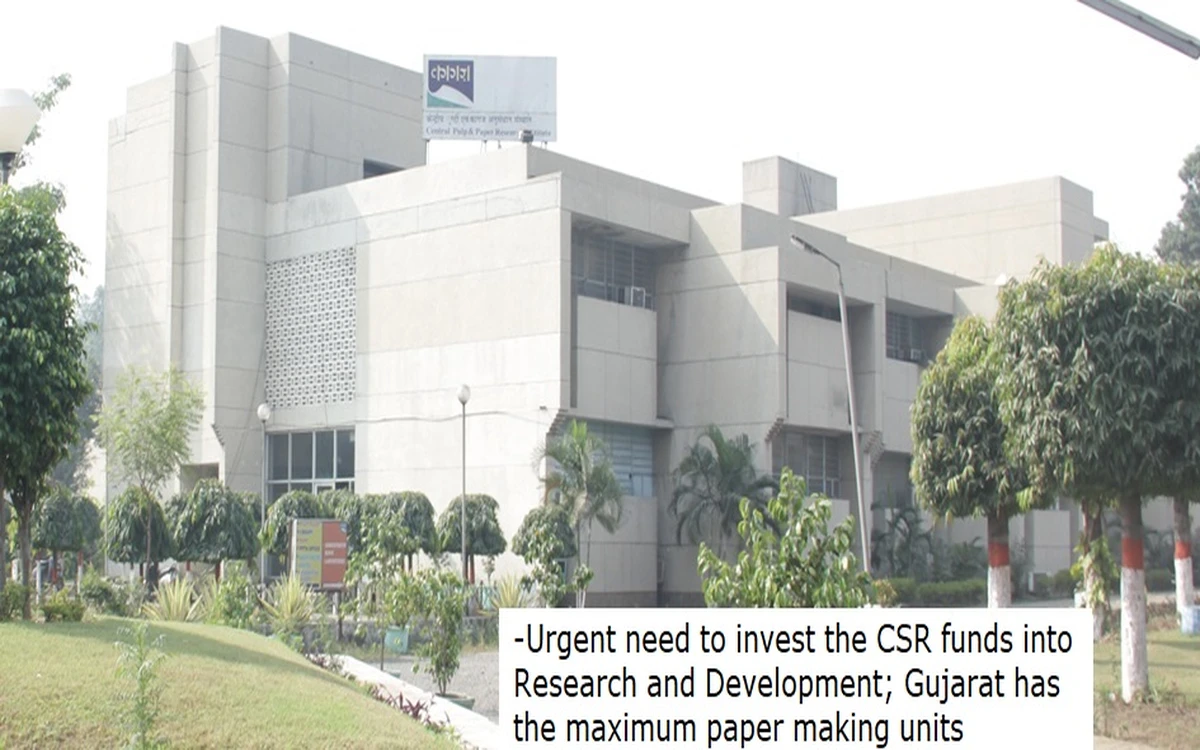
CPPRI: Paper Industry contributes Rs. 8000 Crores to the National exchequer with a turnover of Rs.70000 Crores
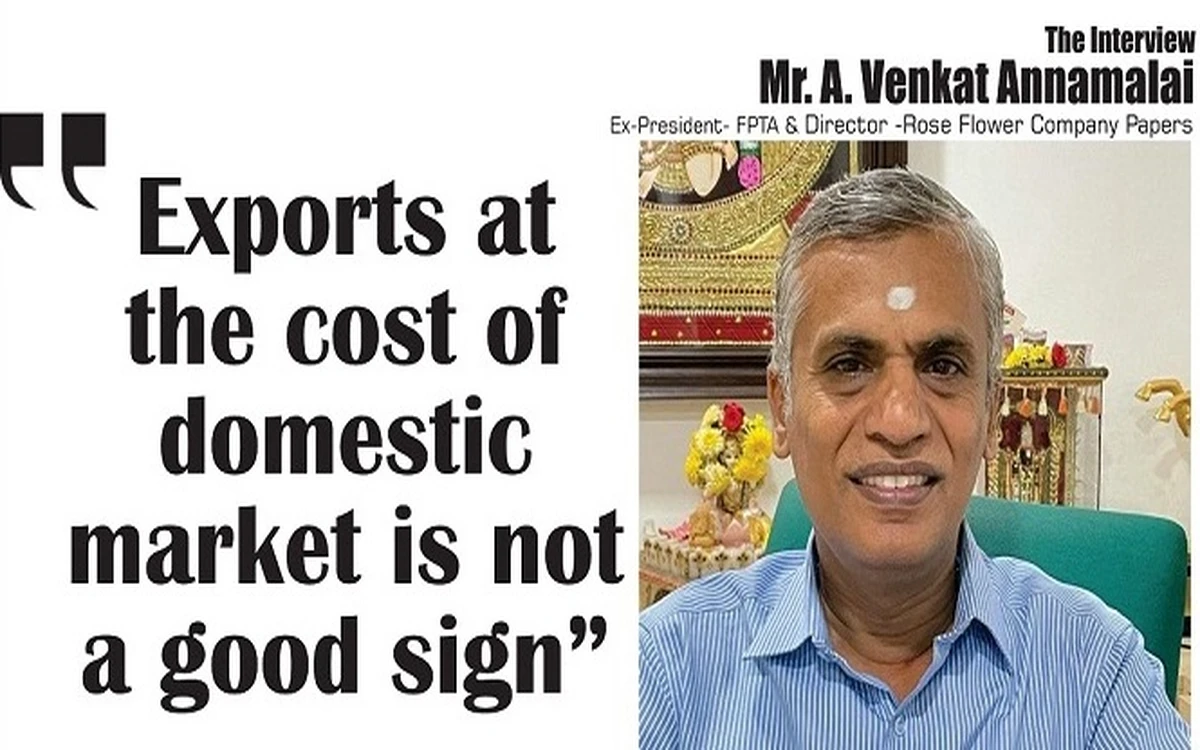
“Surging exports of paper will most certainly keep the domestic prices quite high”: Mr. A. Annamalai, Director – RFC
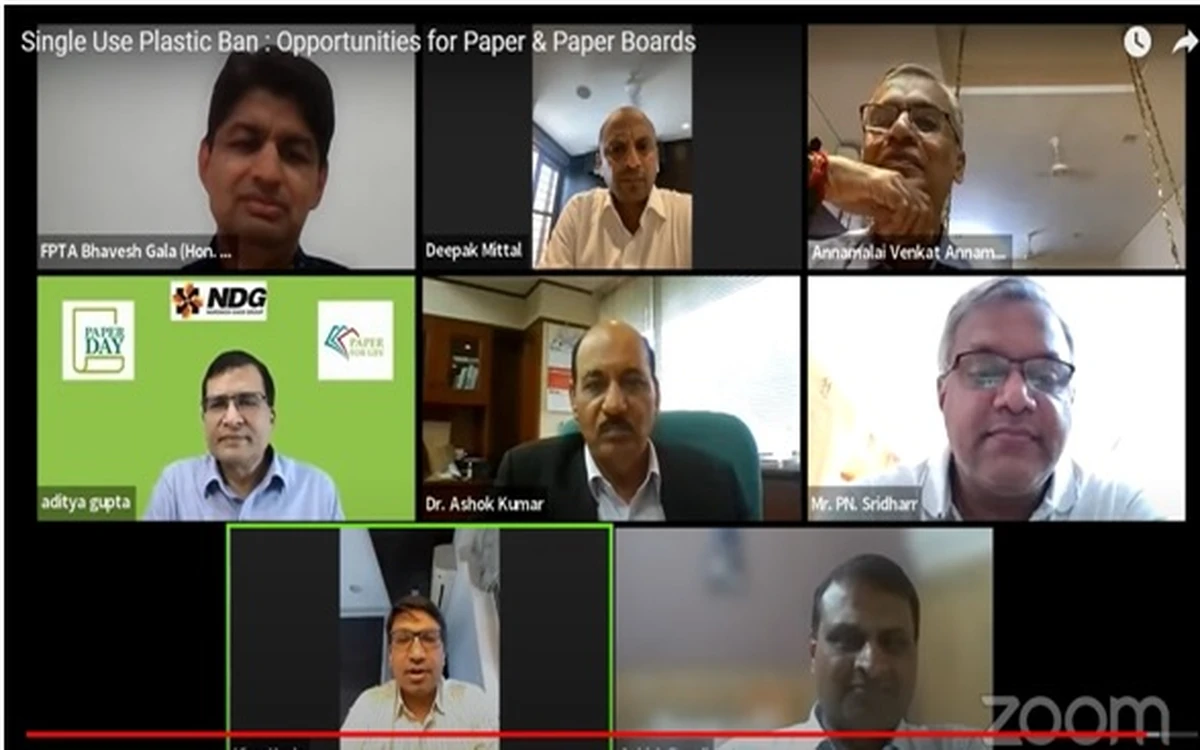
Single-Use Plastic Ban: Everything, at each level, alternative for plastic will be expected from paper
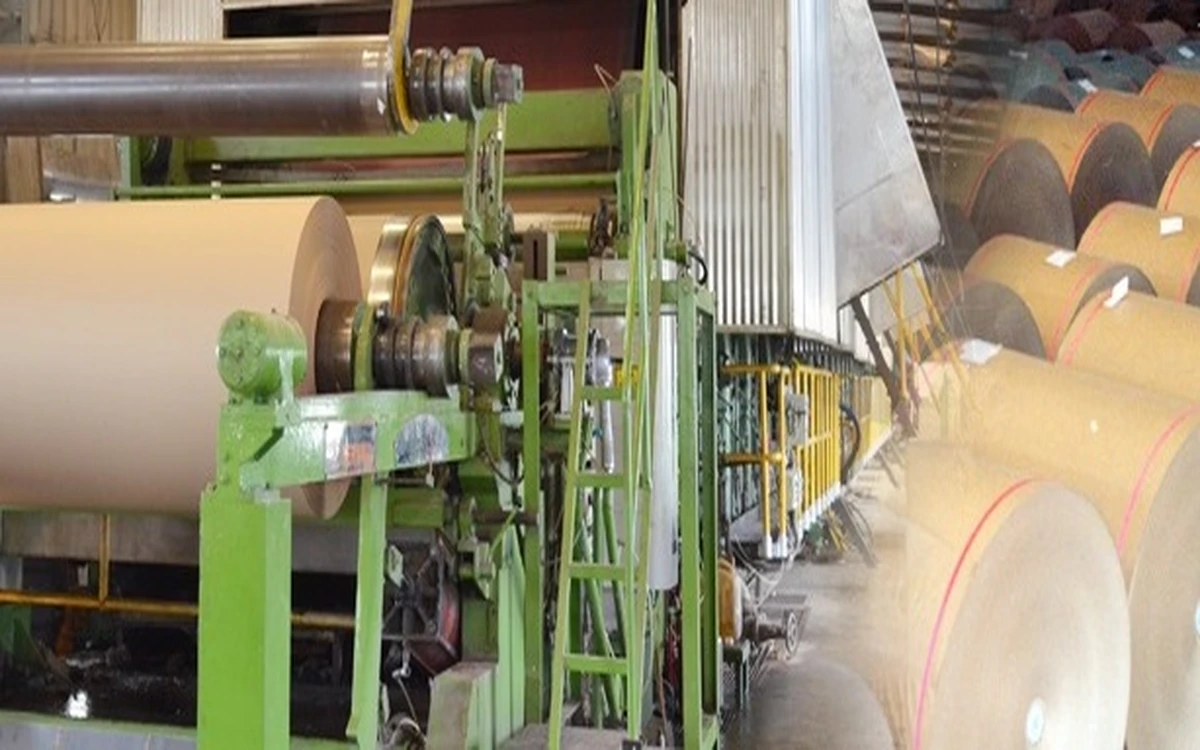
The Status of the Global Container board Industry, Recycled Paper Demand and Supply and its impact on the Indian Industry

Akshay Jain, director of Silverton Pulp & Paper, says it's time to promote agro residue as a raw material to lessen the scarcity of fibre
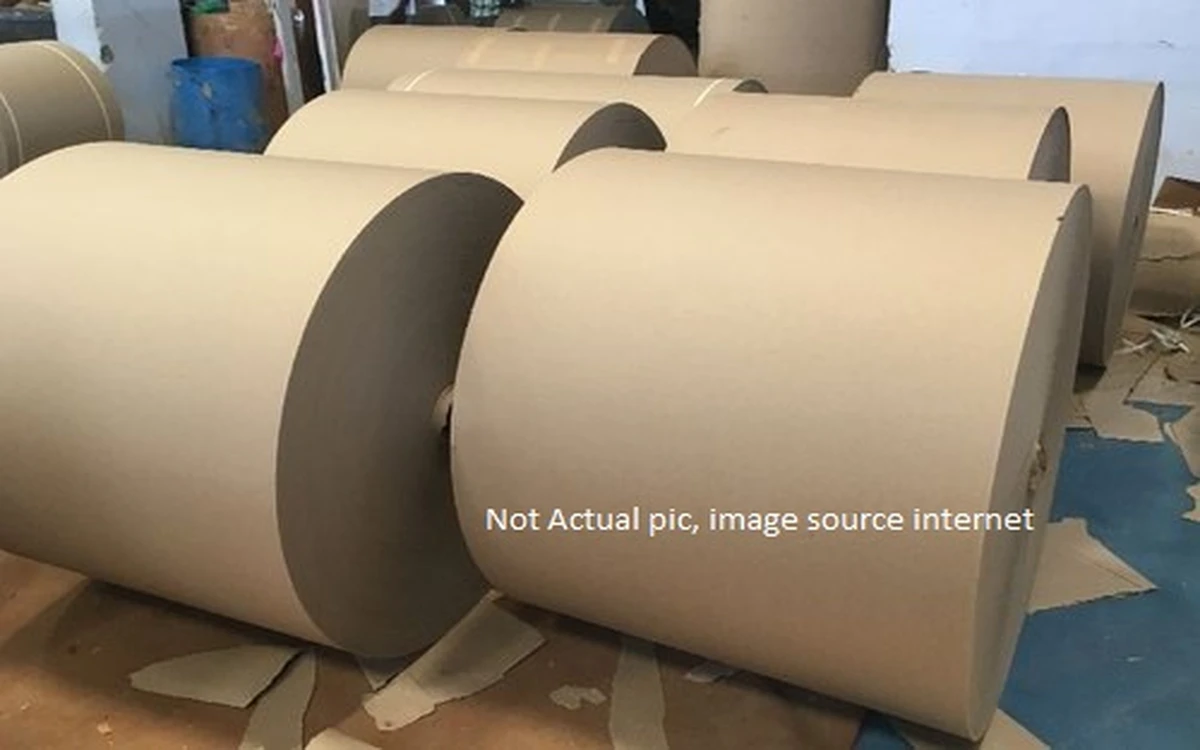
Advantageously located, a new paper mill is all set to roll kraft paper in Madhya Pradesh

Several agile interventions helped ITC-PSPD fortify its clear leadership of the Value Added Paperboards (VAP) segment
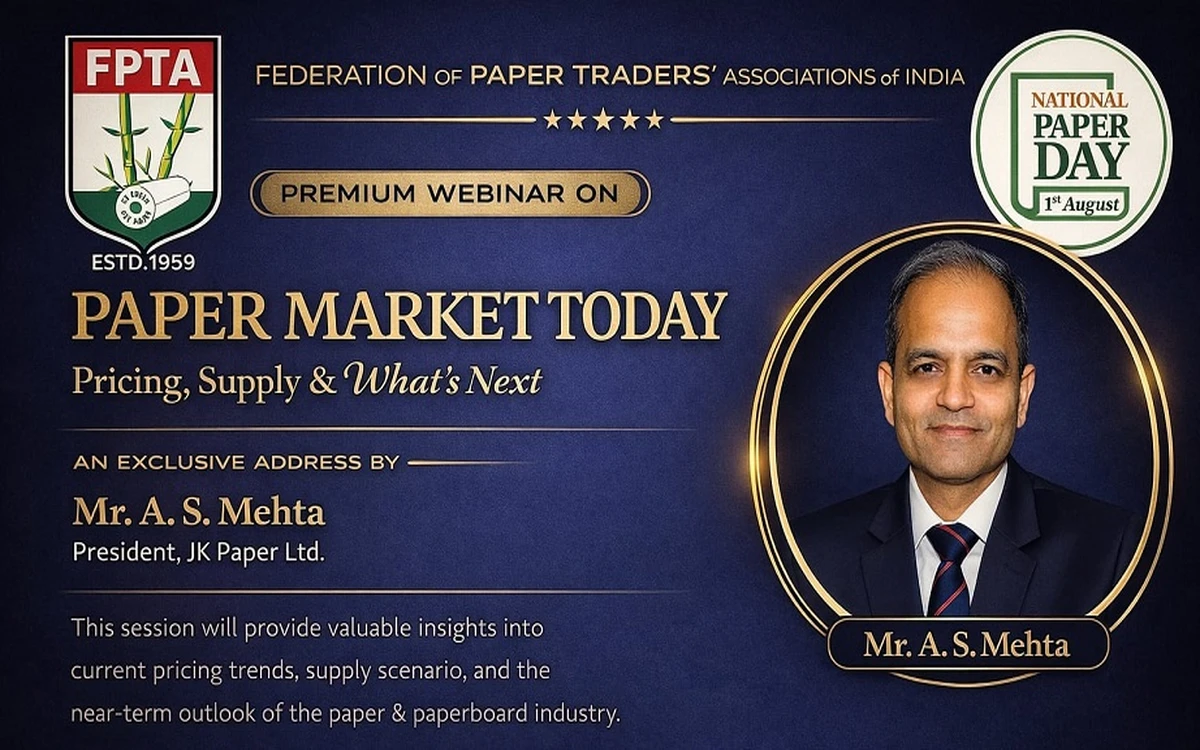
Paper Industry to Grow at 6–7% in Next Five Years; Packaging & Tissue to Lead Demand: A.S. Mehta of JK Paper

Paper prices push corrugated packaging costs up by 10–12%, while global logistics may take several weeks to stabilize even after the war ends: ICCMA President
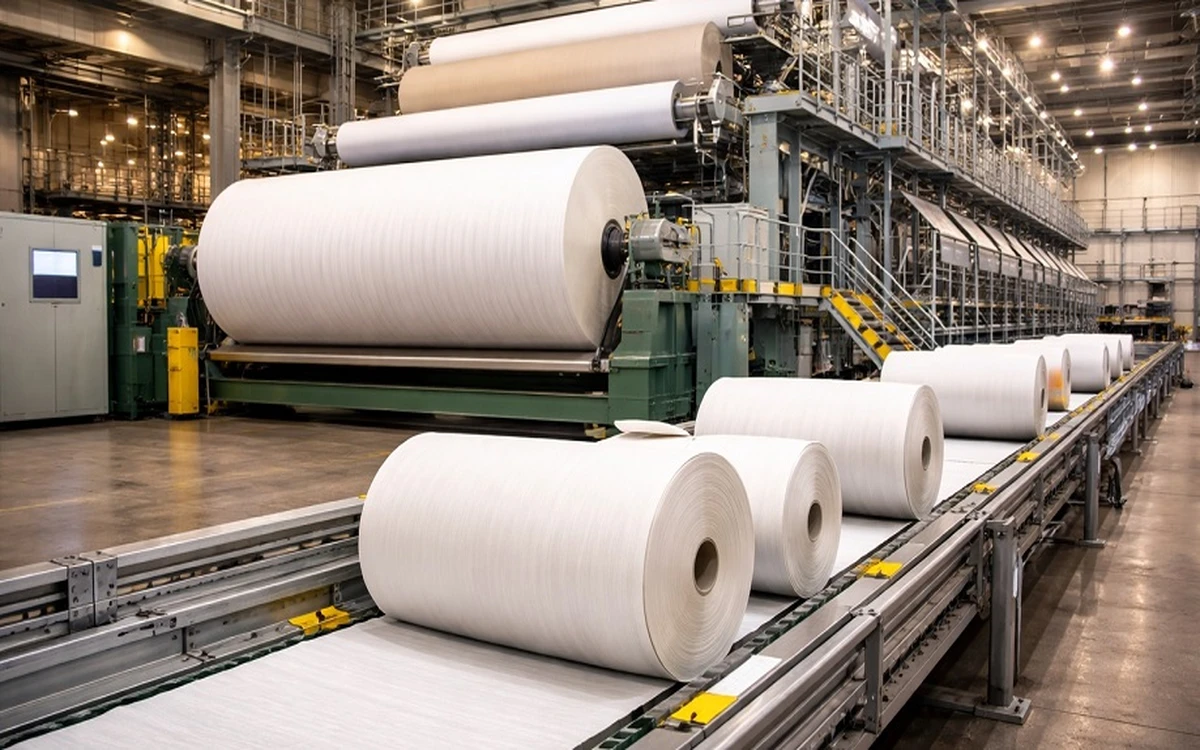
Orient Paper and Industries revises capex plan, Approves 23,400 TPA new Tissue Machine at Amlai unit

“Paper mills are supplying at 0% GST but with a increased price to the extent of their Input credit loss,” says Mr. Shailendra Gala of Navneet Education
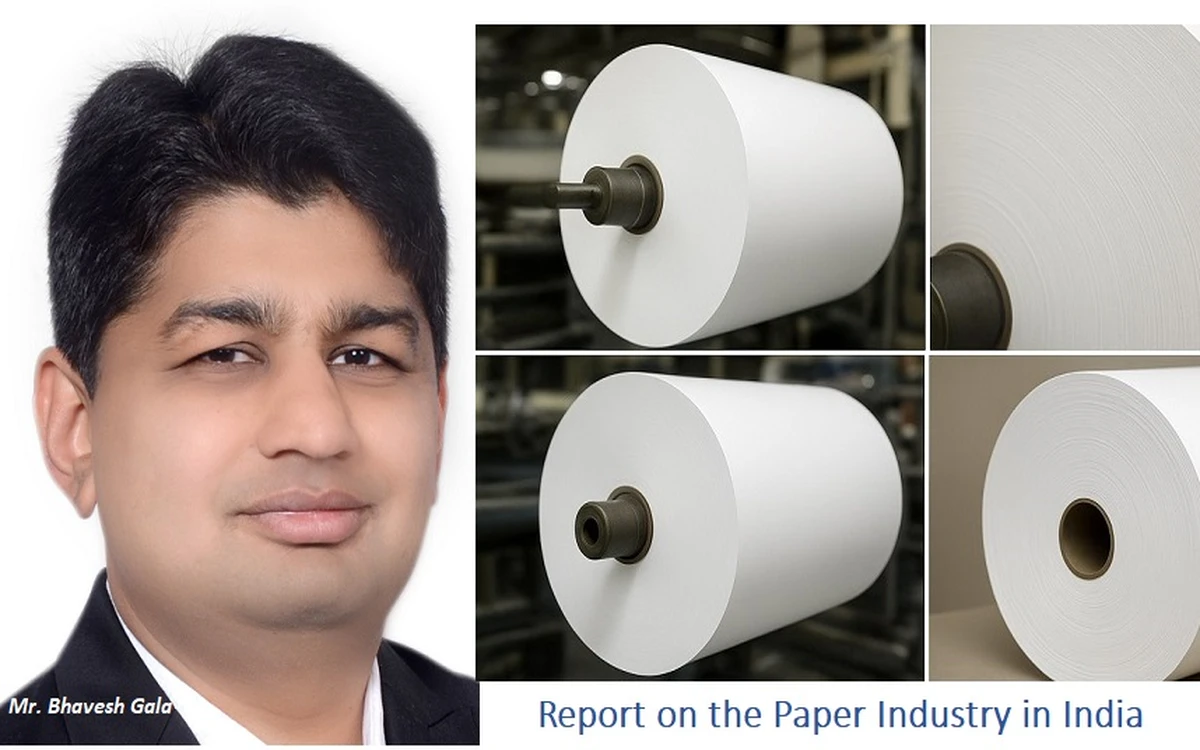
Paper Market scenario of WPP, Coated, and Packaging Boards, and MIP impact: Insights by Mr. Bhavesh Gala
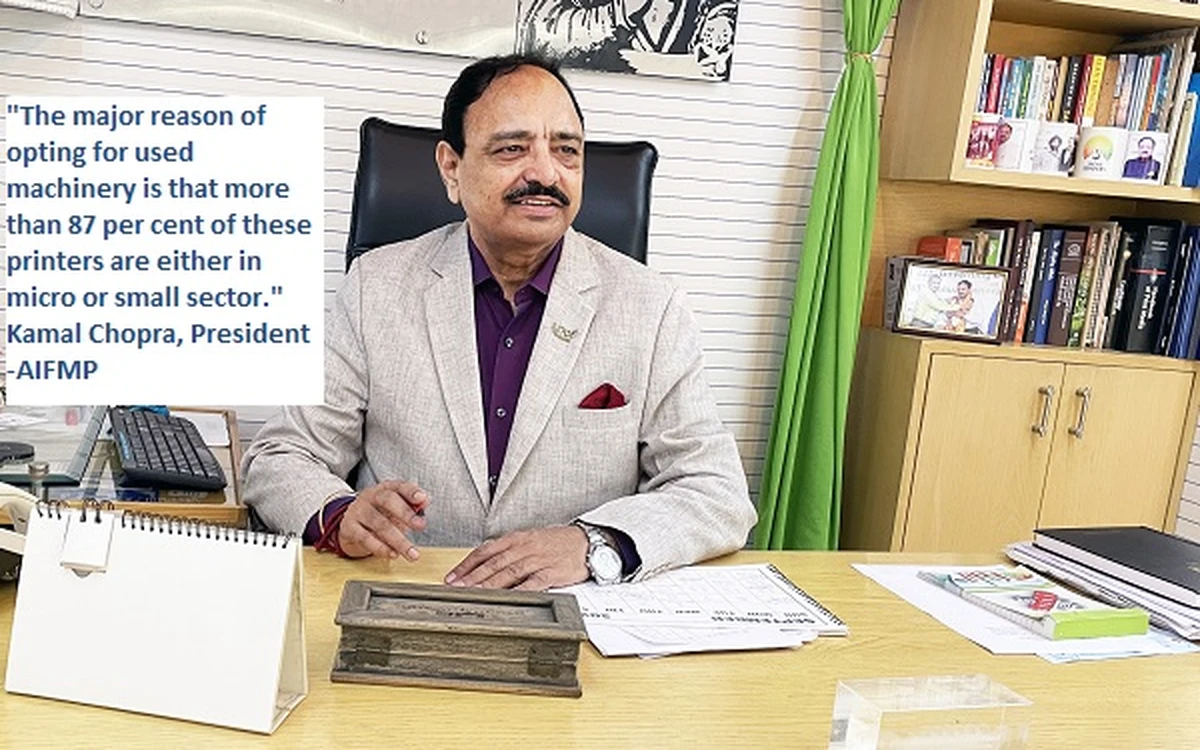
"We have to think unique and produce distinct items to remain in the business, Printers are stuck between manufacturers and customers", Says Kamal Chopra, President - AIFMP

Scientists from IIT-Guwahati develop India's first biodegradable plastic

EBMA: With books exempt from GST, imported finished books enter India tax-free; notebook prices may climb 15–20% with GST hike

It is estimated that USD10B to USD20B worth of single-use plastic packaging will convert to molded fiber, ZUME
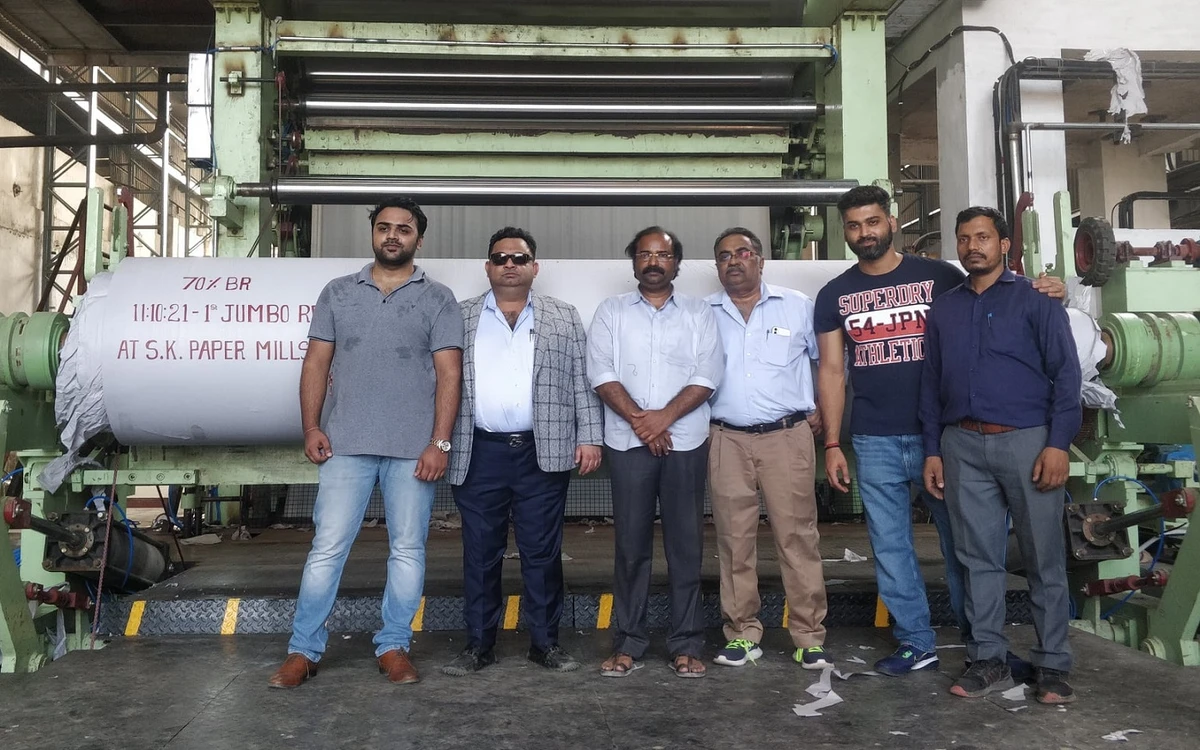
Muzaffarnagar gets a new capacity of Tissue Paper and MG Poster paper
India Paper Industry at an Inflection Point: War, Costs, and Capacity; Demand growth expected at 5–7% in FY26

Barrier-Coated Paper, RTE Demand, and E-Commerce: Experts Predict Paper-Based Packaging Market to Reach USD 46 Billion by 2030

BioCNG from paper mill effluent: India’s & Asia’s First Paper mill, Sainsons Paper to Produce & Sell CBG/BioCNG From Waste Water
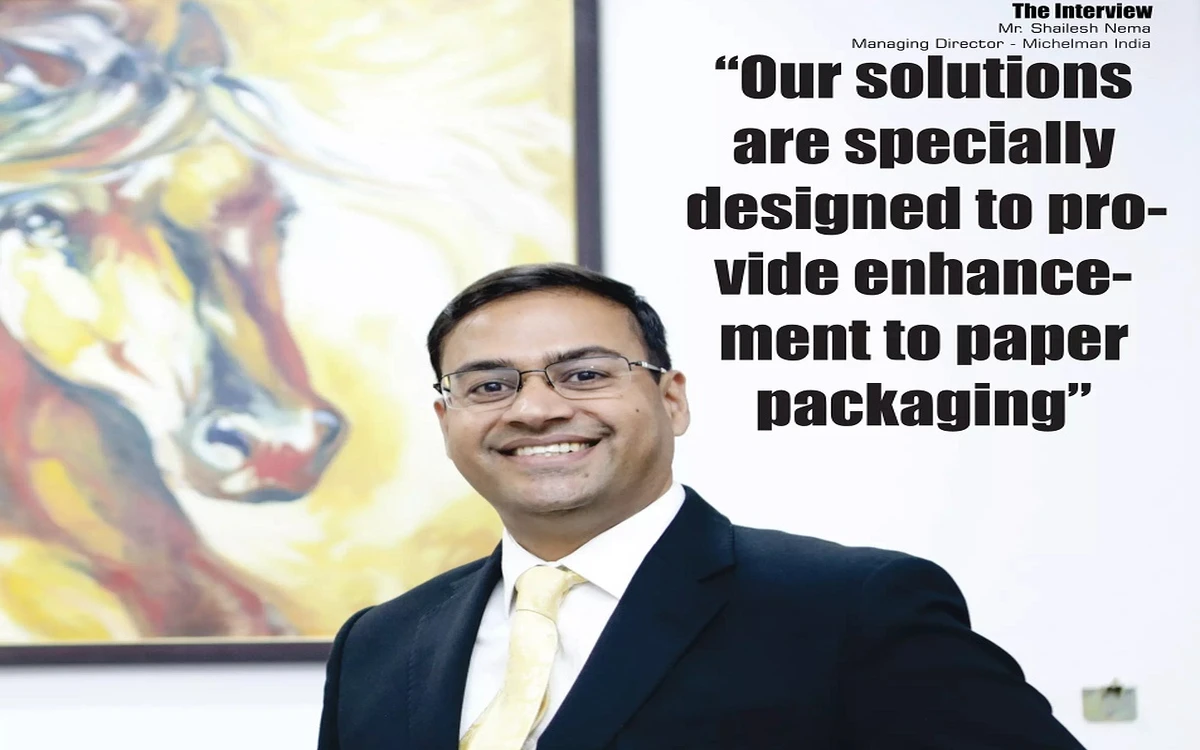
Michelman: Coating Solutions especially moisture and gas barrier on paper significantly improves the shelf life of food
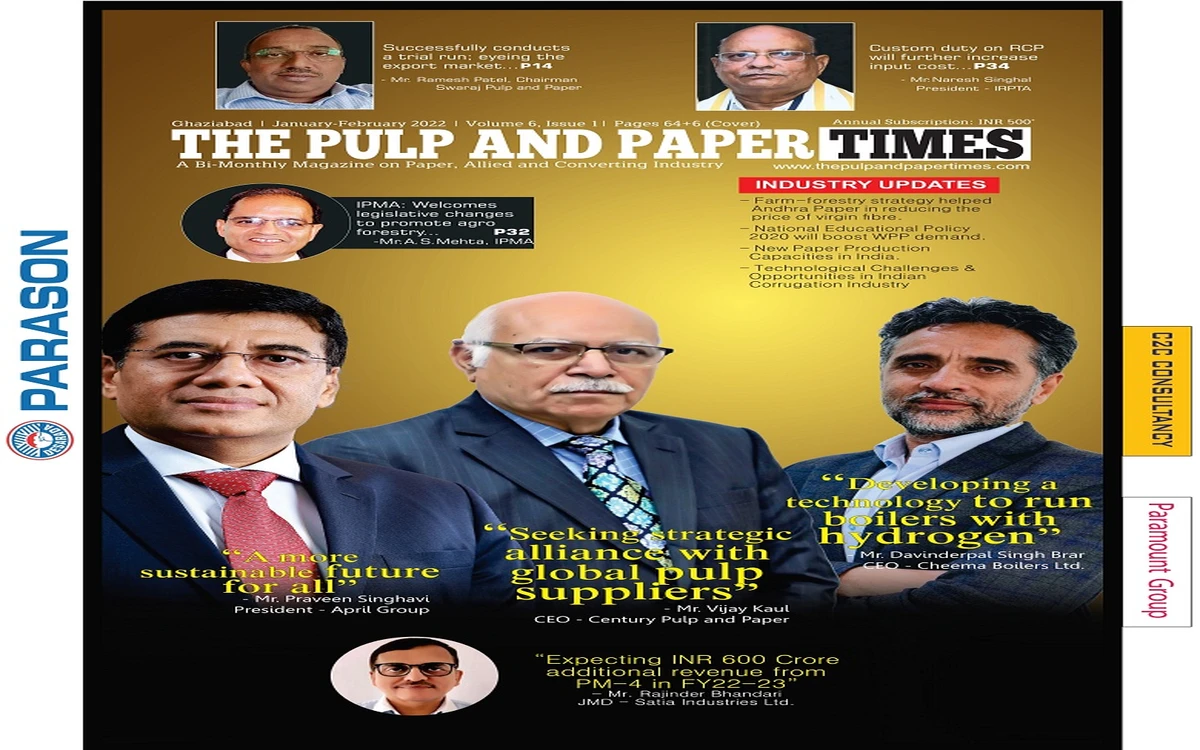
The Pulp and Paper Times Magazine : Volume 6, Issue 1

The Pulp and Paper Times Magazine : Volume 5, Issue 6
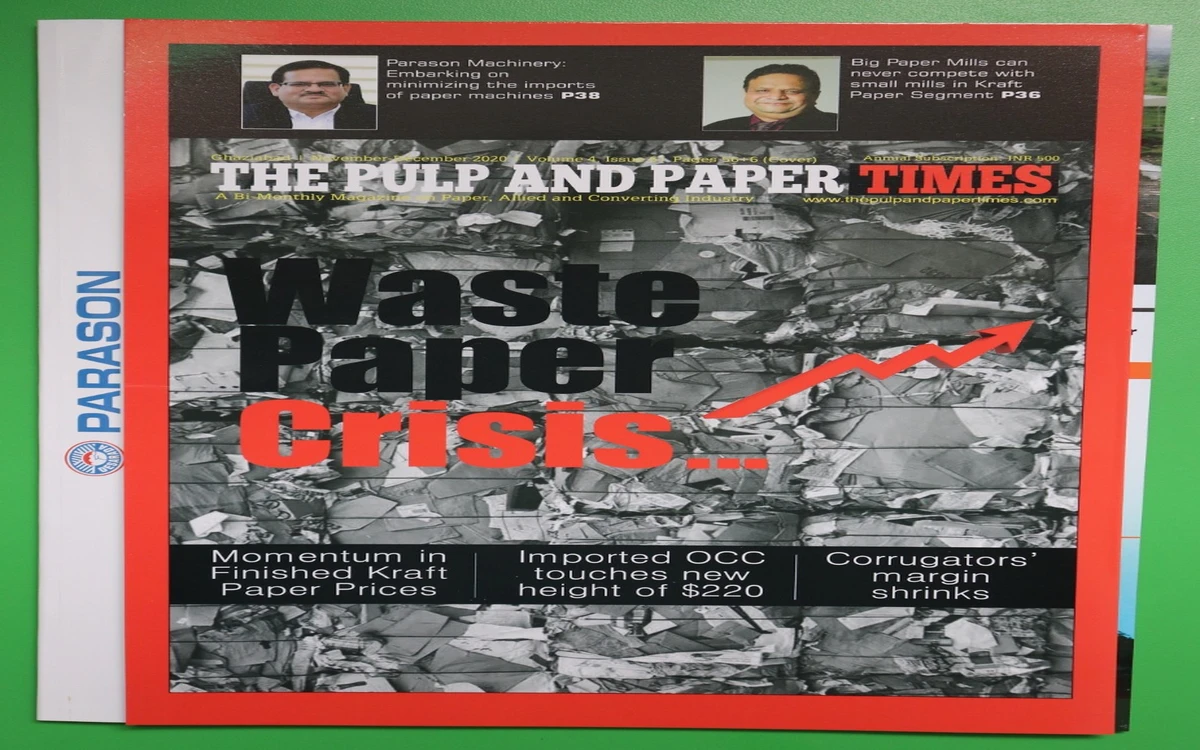
The Pulp and Paper Times: Volume 4, Issue 6
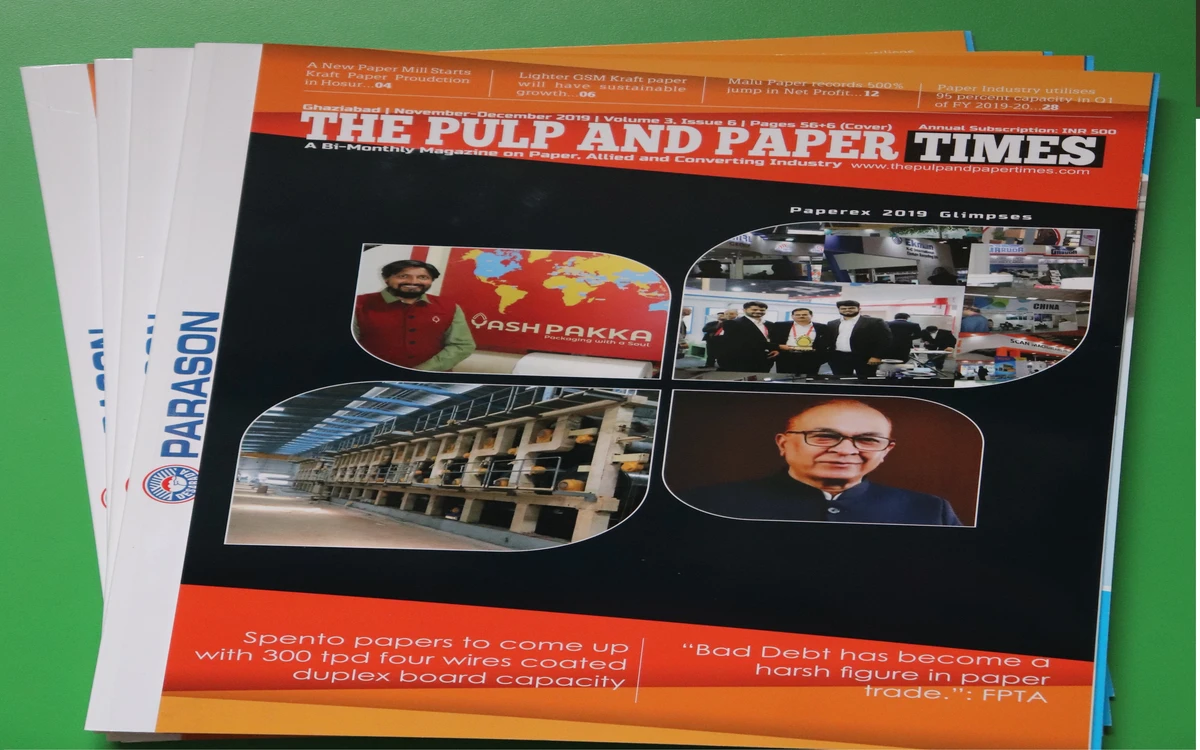
The Pulp and Paper Times : Volume 3, Issue 6
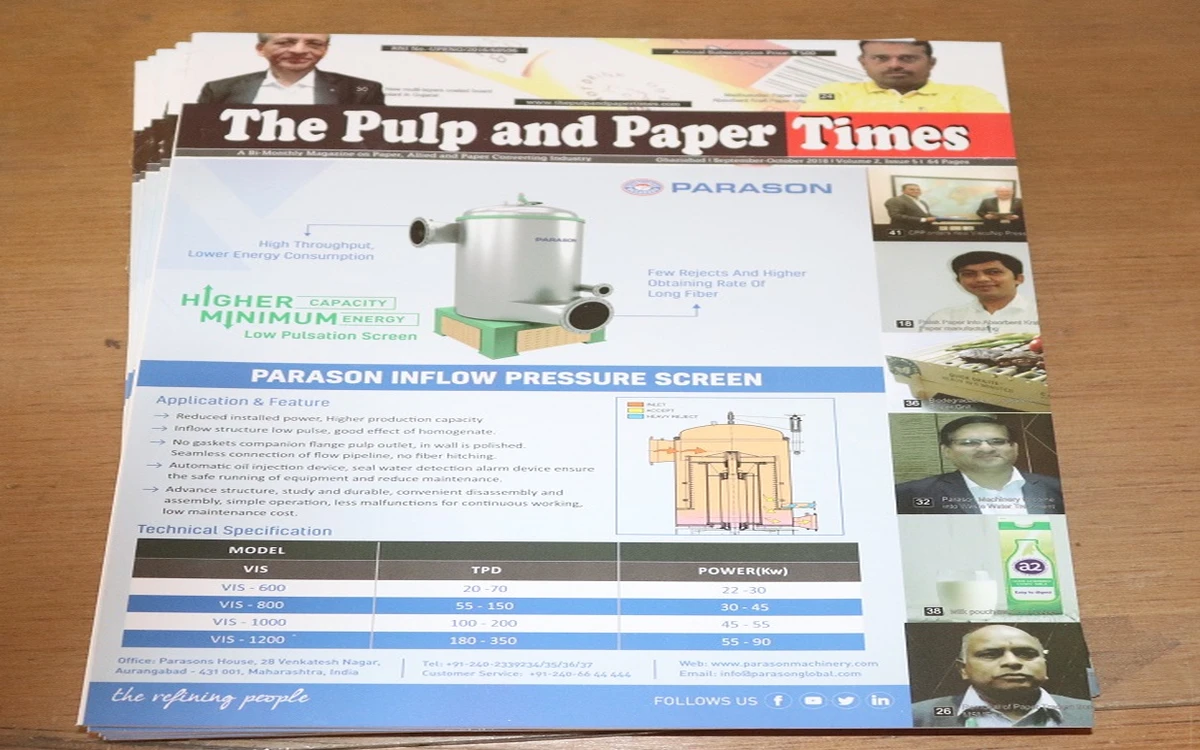
The Pulp and Paper Times: Volume 2 Issue 5

The Pulp and Paper Times, Volume 1, Issue 3
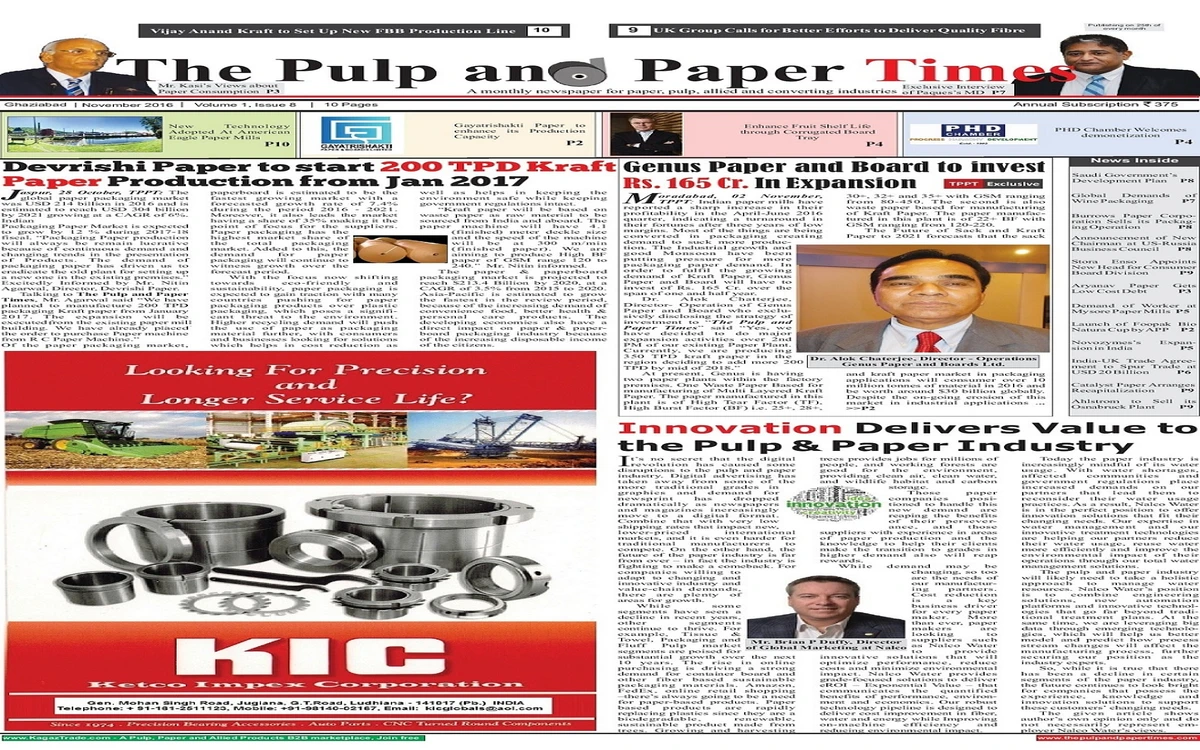
The Pulp and Paper Times, November 2016 Issue

In a detailed and structured address at an Federation of Paper Traders Association of India (FPTA) webinar on “Paper Market Today: Pricing, Supply & What’s Next,” Mr. A. S. Mehta, President of JK Paper Ltd., presented a comprehensive outlook on the paper industry, highlighting demand trends, cost structures, war impact, and the future trajectory of paper segments.
The Pulp and Paper Times
Setting the tone for his analysis, Mr. Mehta emphasized the importance of understanding the paper sector in a structured manner. He noted that while many are familiar with the general outlook, the key lies in identifying the leading factors that provide clues about the future scenario—whether over the next two years or five years. According to him, this analytical approach helps in building a clearer perspective of where the industry is headed.
Importantly, Mr. Mehta clarified that he would not attach too much significance to the current war scenario, describing it as a short-term issue. While acknowledging that geopolitical tensions may have multiple impacts, he stressed that a steady-state outlook provides a more reliable understanding of the industry’s long-term direction.
Overall Industry Growth at 6–7%

Providing a macro view, Mr. Mehta stated that the paper sector is likely to grow at an overall rate of 6–7% over the next five years. However, he cautioned against assuming uniform growth across all segments. According to him, each category within the paper industry will follow its own trajectory, driven by distinct demand dynamics and application trends.
Writing & Printing to See Modest Growth
The writing and printing segment, including maplitho and coated paper, is expected to witness relatively slow growth. Mr. Mehta estimated that this category is likely to grow at around 2–2.5%, and possibly not exceed 2% in real terms. This subdued outlook reflects changing consumption patterns and the gradual shift toward digital alternatives.
Similarly, copier paper or office paper is projected to grow at around 3–4%, with a possible range of 3–5%, but unlikely to cross 4%. The moderate growth indicates stable demand but limited expansion potential in this segment.
Packaging Board Emerges as a Strong Growth Driver
A key highlight of Mr. Mehta’s analysis was the strong growth outlook for packaging board. He projected this segment to grow at 8–9%, driven by multiple factors including the increasing push for sustainability, the transition toward a plastic-free society, and the rise of new-age packaging solutions.

He further explained that evolving distribution systems, changing product delivery mechanisms, and a growing emphasis on packaging aesthetics are contributing to this growth. Both virgin and recycled packaging boards are expected to expand, with minor shifts between the two depending on market dynamics, but overall growth is likely to remain within the 8–9% range.
Kraft Paper to Grow in Line with Corrugation Demand
Kraft paper, a critical component of the paper sector, is also expected to show strong growth. Mr. Mehta estimated that Kraft paper demand will increase by 7.5–8%, although some industry opinions suggest it could reach up to 9%.
He highlighted the strategic importance of Kraft paper, especially in the context of corrugation. As JK Paper Ltd. continues to strengthen its position as India’s largest corrugator, understanding and focusing on Kraft paper becomes even more critical. Corrugated packaging relies heavily on Kraft paper, making it a vital segment for future growth.

Newsprint Faces Decline
In contrast to other segments, newsprint is unlikely to grow and may even experience negative growth. This trend aligns with global patterns, where declining newspaper circulation and increasing digital consumption continue to impact demand.
Coated Paper and Specialty Grades
Addressing questions on coated paper, Mr. Mehta reiterated that it is expected to grow in tandem with the broader writing and printing segment, at around 1–2%. In some cases, growth may range between 1.5–2%, depending on application shifts and price-driven demand changes. He noted that there is often a shift between different paper types, influenced by both pricing and usage requirements.
Tissue Paper to Witness High Growth
One of the most promising segments identified in the analysis is tissue paper. Mr. Mehta projected a robust growth rate of 12–15%, attributing it primarily to the small base size of the Indian market and evolving consumer behavior.
He pointed out that increased exposure to global lifestyles is influencing domestic consumption patterns. With many Indian families having members residing in Western countries, there is a noticeable transfer of habits, including the use of tissue paper in households.

Additionally, the rapid growth of the tourism and hospitality sector is expected to significantly boost tissue demand. India is witnessing one of the highest growth rates in hotel room capacity globally, and this expansion directly translates into increased tissue consumption across hotels and related establishments.
Mixed Outlook for Specialty Papers
The outlook for specialty papers remains mixed. Cheque paper, for instance, is unlikely to grow significantly due to the widespread adoption of digital payment systems such as RTGS, online banking, and direct bank-to-bank transfers. While demand may remain stable in the short term, long-term growth appears limited.
Other specialty grades like bond paper and ledger paper are expected to grow modestly at around 2–3%. These categories continue to serve niche applications but are unlikely to see significant expansion.
Food Packaging Papers to Grow Alongside Packaging Board
In the food packaging segment, products such as greaseproof and glassine paper are expected to grow at 8–10%. Mr. Mehta linked their growth directly to the broader packaging board segment, as they serve similar applications and benefit from the same underlying demand drivers.
Structured Approach Key to Understanding Future Trends
Throughout his address, Mr. Mehta emphasized the importance of analyzing the paper industry in a structured manner. By focusing on category-wise demand, application trends, and macroeconomic factors, stakeholders can gain a clearer understanding of future opportunities and challenges.
His insights underline a critical shift within the industry: while traditional segments like writing, printing, and newsprint face slower growth or decline, emerging areas such as packaging, tissue, and specialty applications are set to drive the next phase of expansion.
Conclusion
Mr. Mehta’s comprehensive analysis presents a balanced and realistic outlook for the paper industry. With an overall growth rate of 6–7% projected over the next five years, the sector remains on a steady growth path. However, the divergence in segment-wise performance highlights the need for strategic focus and adaptability.

As sustainability trends, changing consumer habits, and evolving market dynamics continue to reshape the industry, companies that align with high-growth segments such as packaging and tissue are likely to gain a competitive edge. Meanwhile, traditional segments will need to innovate and adapt to maintain relevance in an increasingly digital world.
The webinar had many known traders, including FPTA President Mr. Rajesh Jain and Hon. Treasurer Mr. Kunal Shamji Karia, along with other dignitaries.

2 minutes ago
Total Views : 10264
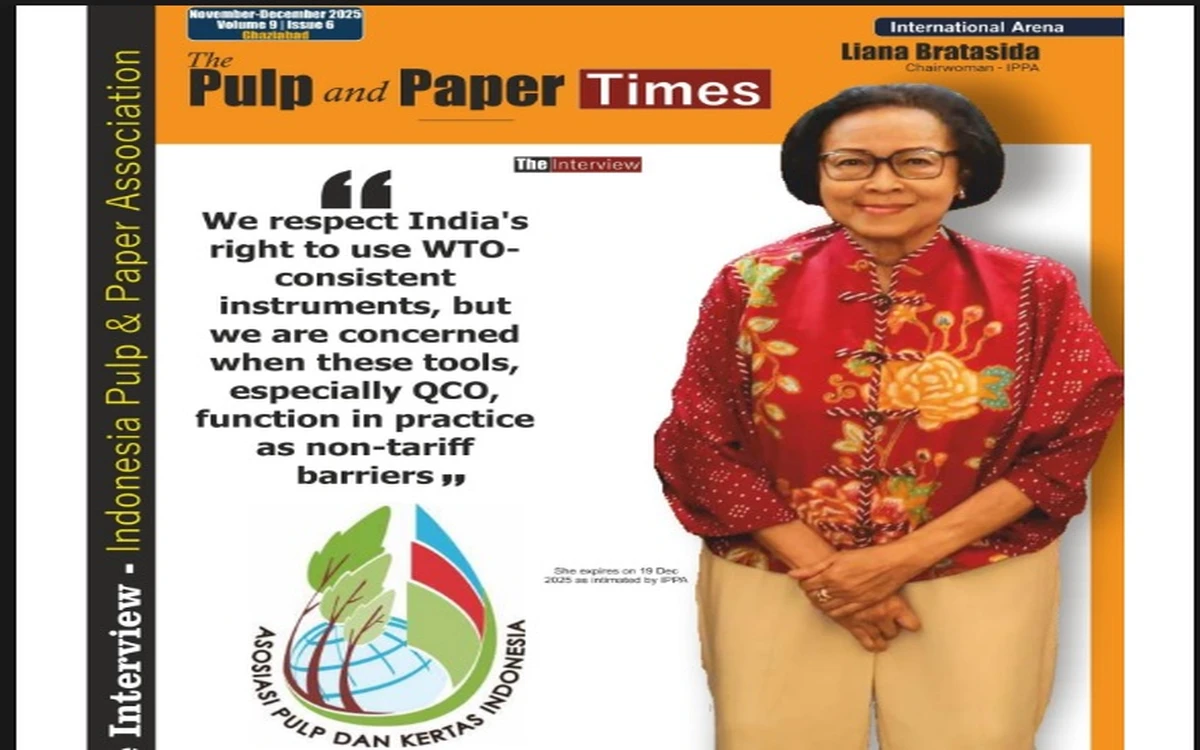
2 minutes ago
Total Views : 12494
2 minutes ago
Total Views : 9563

2 minutes ago
Total Views : 10378

2 minutes ago
Total Views : 8274

2 minutes ago
Total Views : 11523
2 minutes ago
Total Views : 9517
2 minutes ago
Total Views : 12122
2 minutes ago
Total Views : 8991
2 minutes ago
Total Views : 12988





 Join WhatsApp Group
 Join Telegram Channel
 Join YouTube Channel
 Join Job Channel (View | Submit Jobs)
 Join Buy Sell Channel (Free to Submit)
 Paper News Headlines Channel (Free to read)