Join Groups & Channels, No Spamming









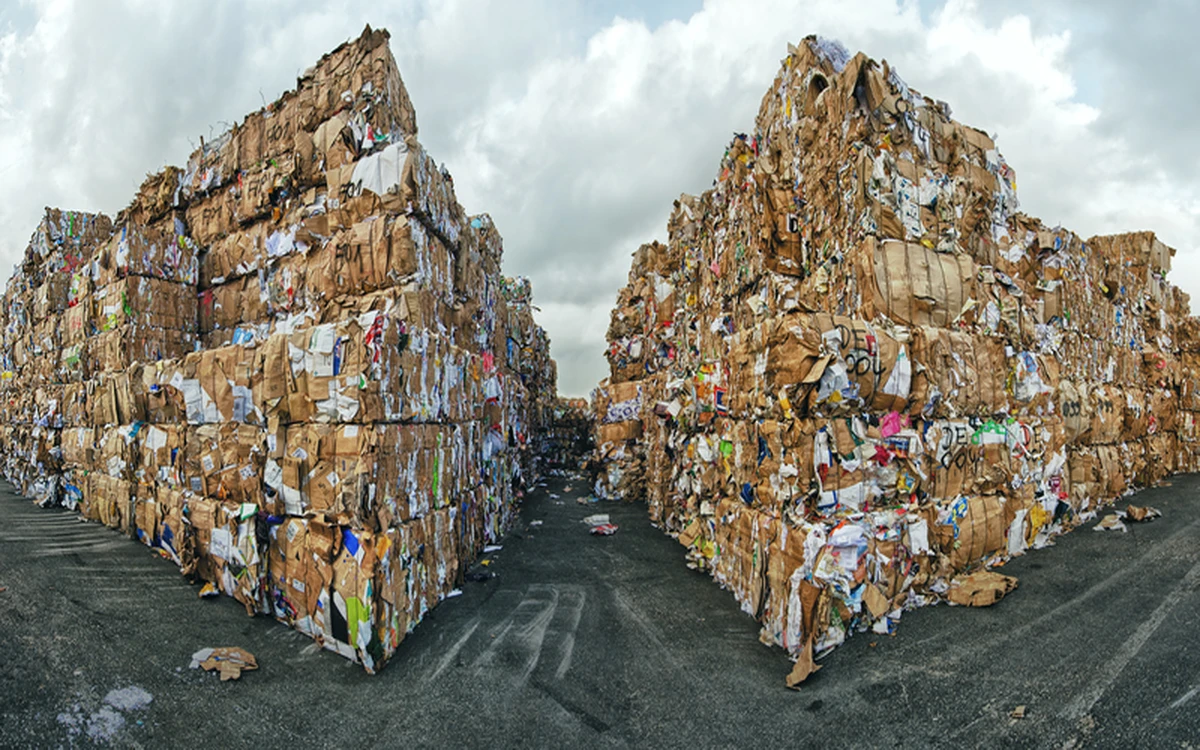
Morbi paper mills see full-capacity operations as ceramic industry revives; Kraft paper exports to China spike, Prices strengthen; Janmashtami shutdown ahead
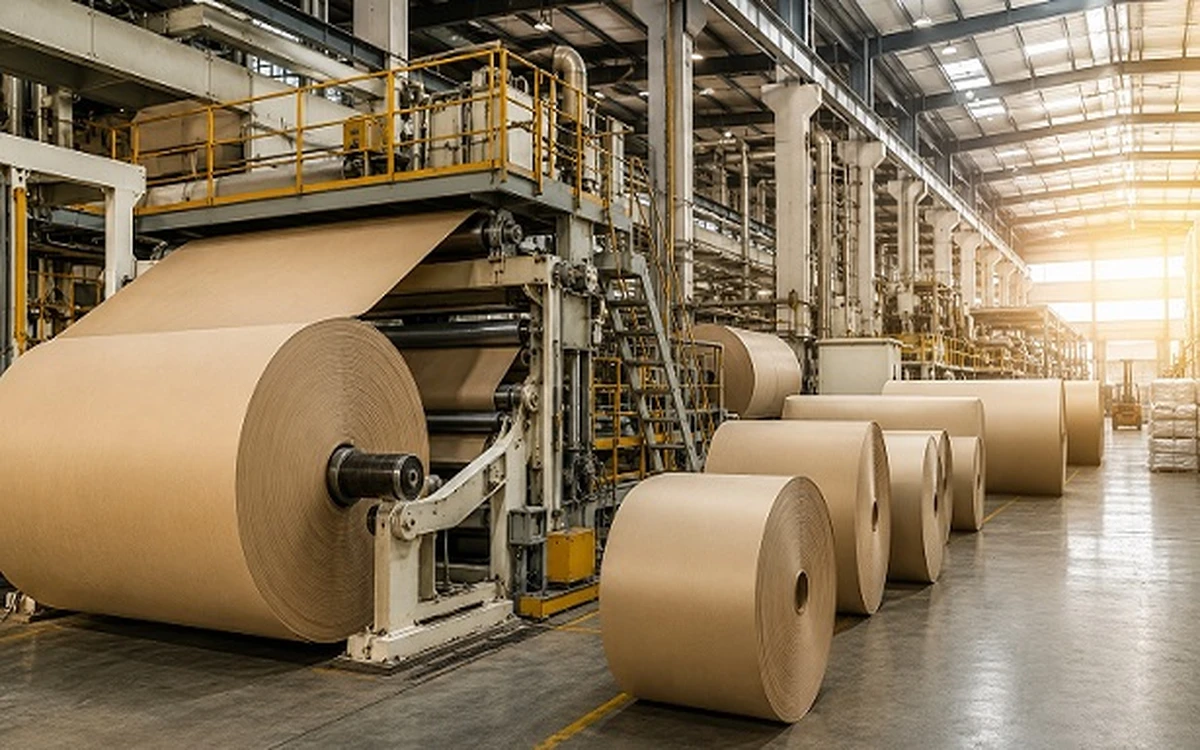
The BE and caustic soda plant marks a key milestone for Mohit Paper Mills, enabling full utilization of installed capacity and enhancing overall production efficiency
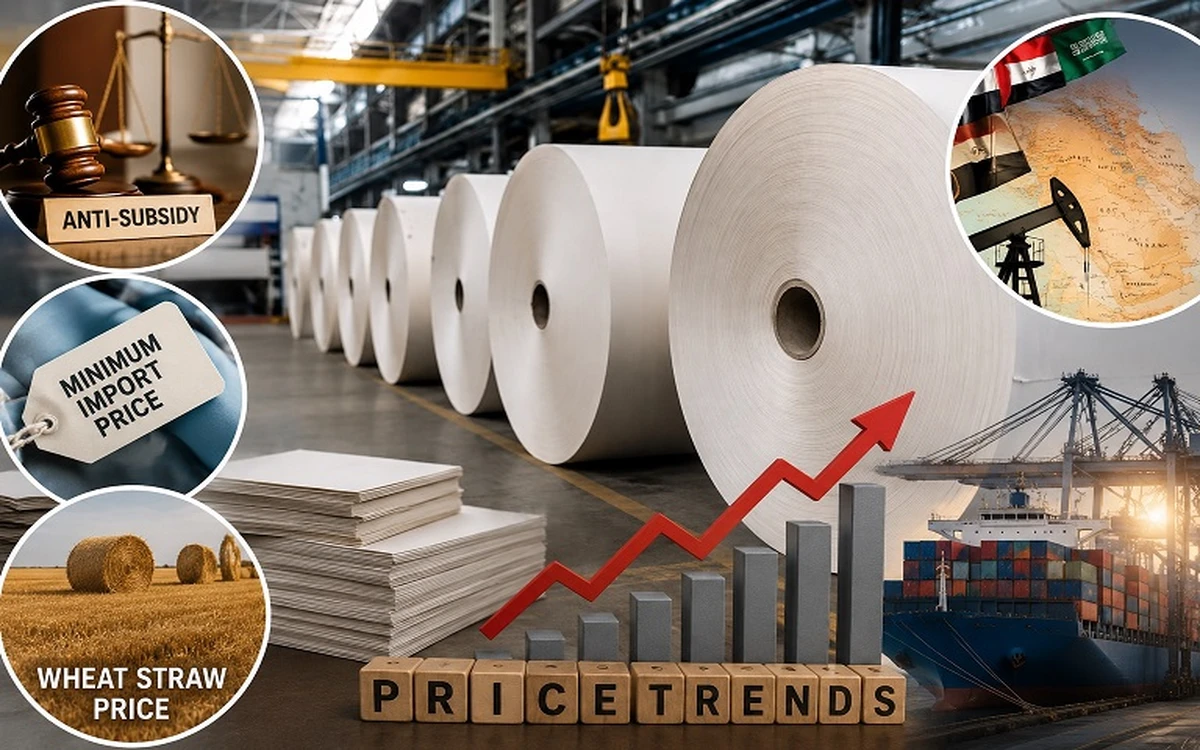
Expert Views on the paper market scenario, How the West Asia Crisis Helped the Industry, MIP for WPP, Anti-Subsidy implementation, and paper price trends
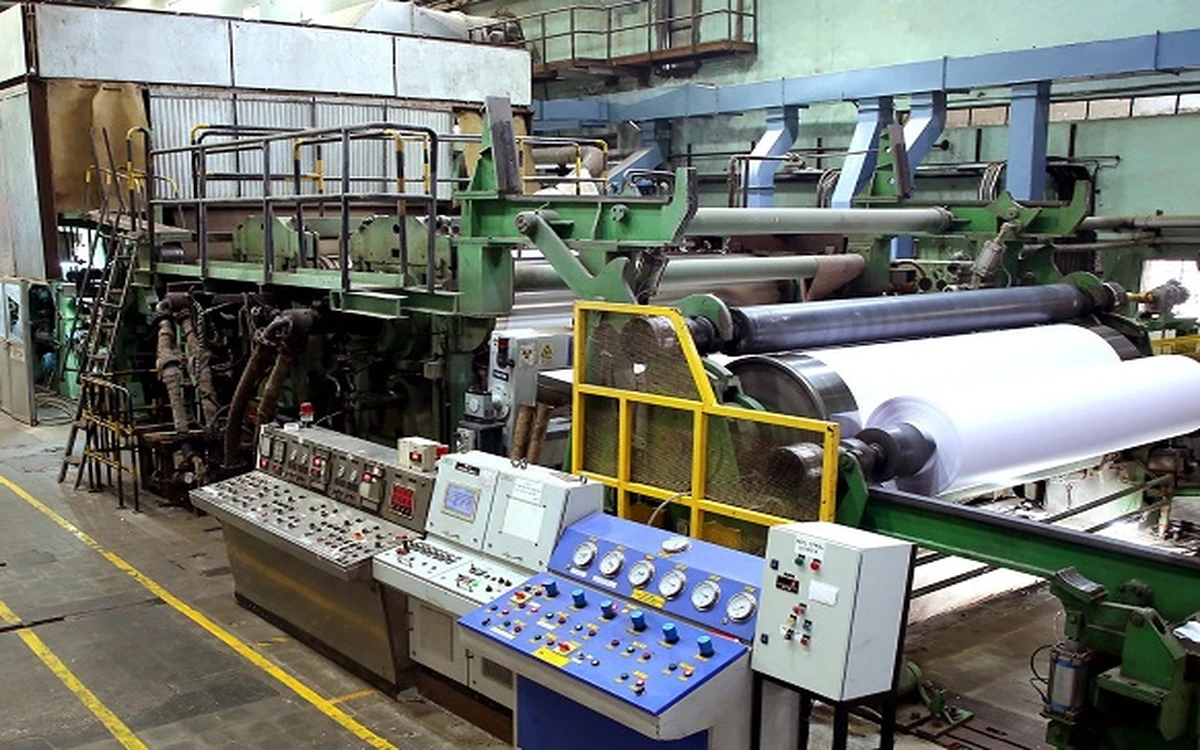
Pudumjee Paper intends to develop new varieties addressing applications for stronger paper bags and cupcakes; Plans 68,000 MT Mahad Specialty Paper Facility within 5 years
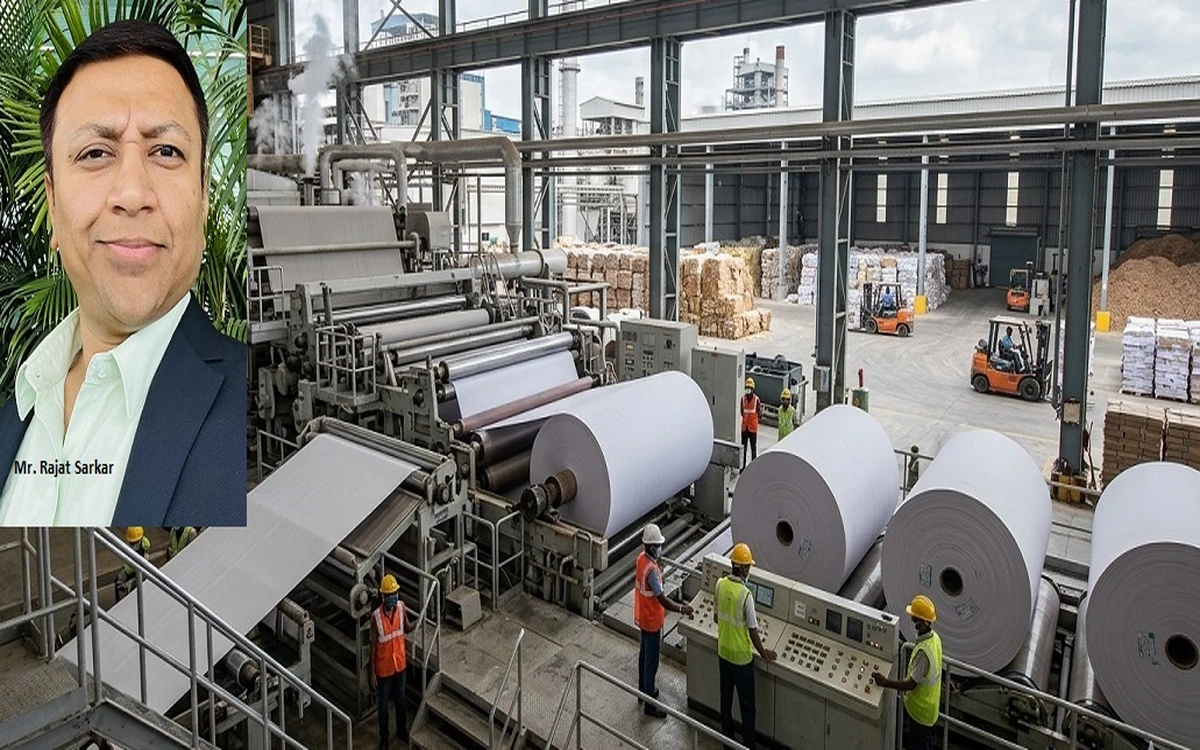
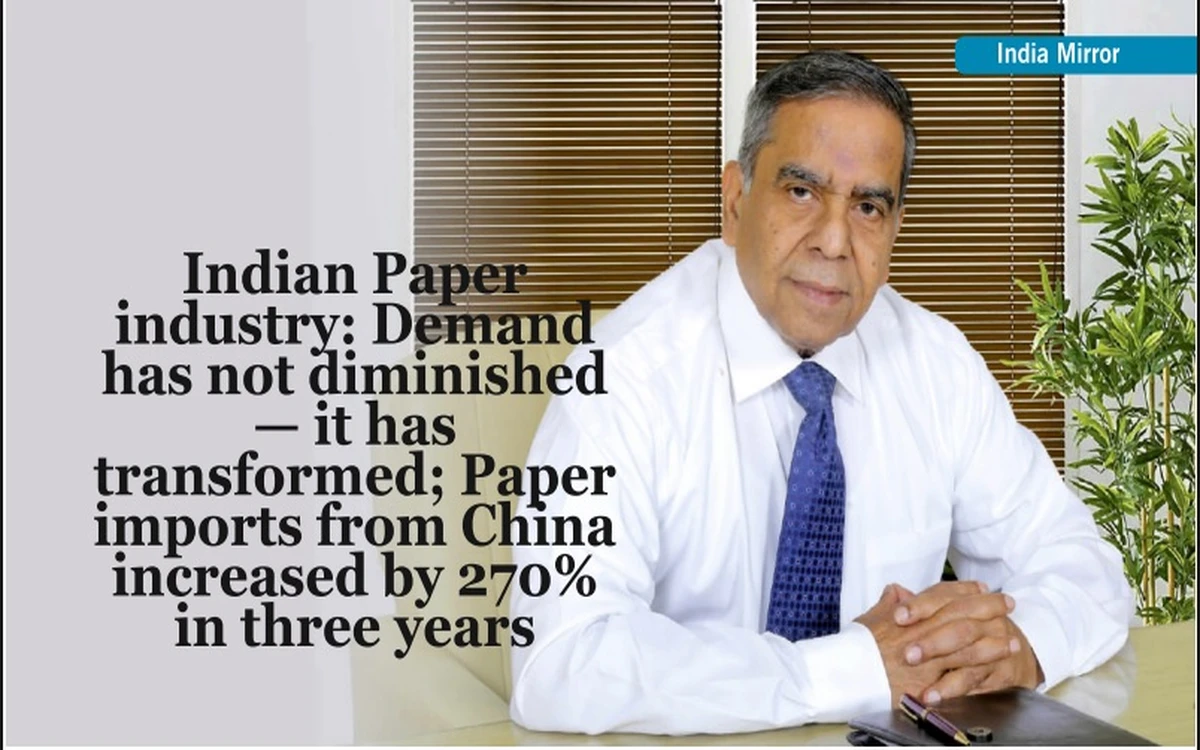
India Paper Industry at an Inflection Point: War, Costs, and Capacity; Demand growth expected at 5–7% in FY26
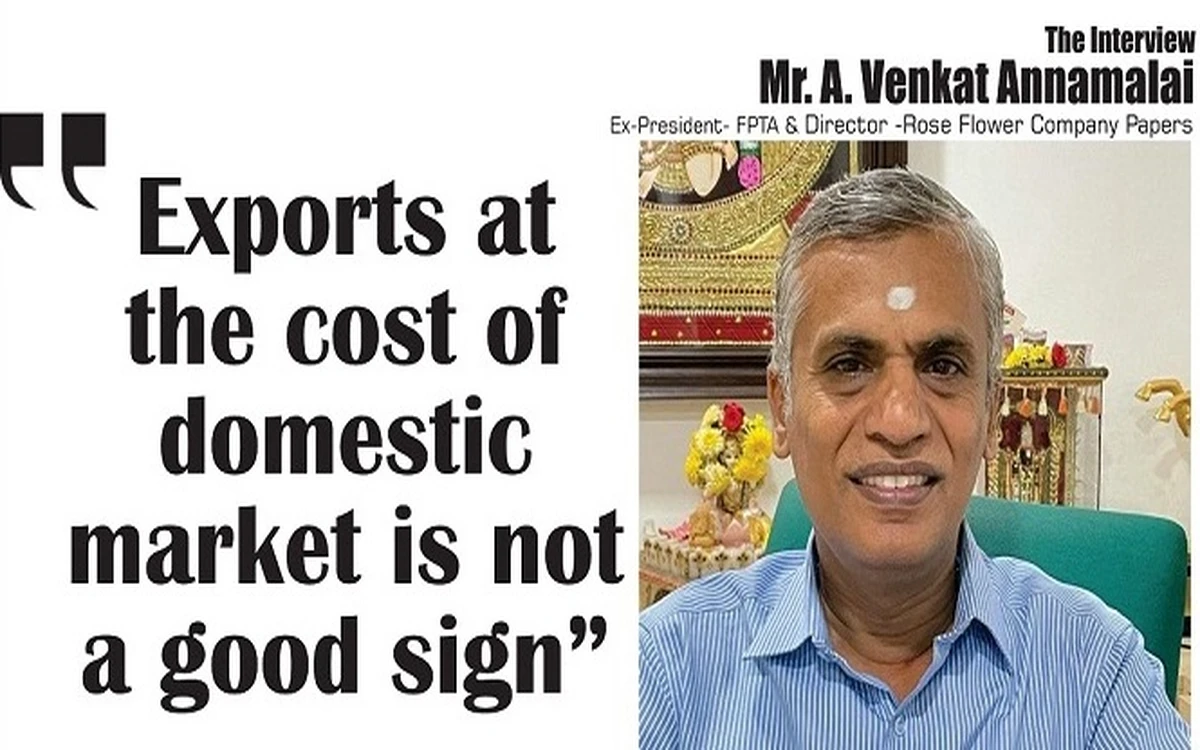
“Surging exports of paper will most certainly keep the domestic prices quite high”: Mr. A. Annamalai, Director – RFC
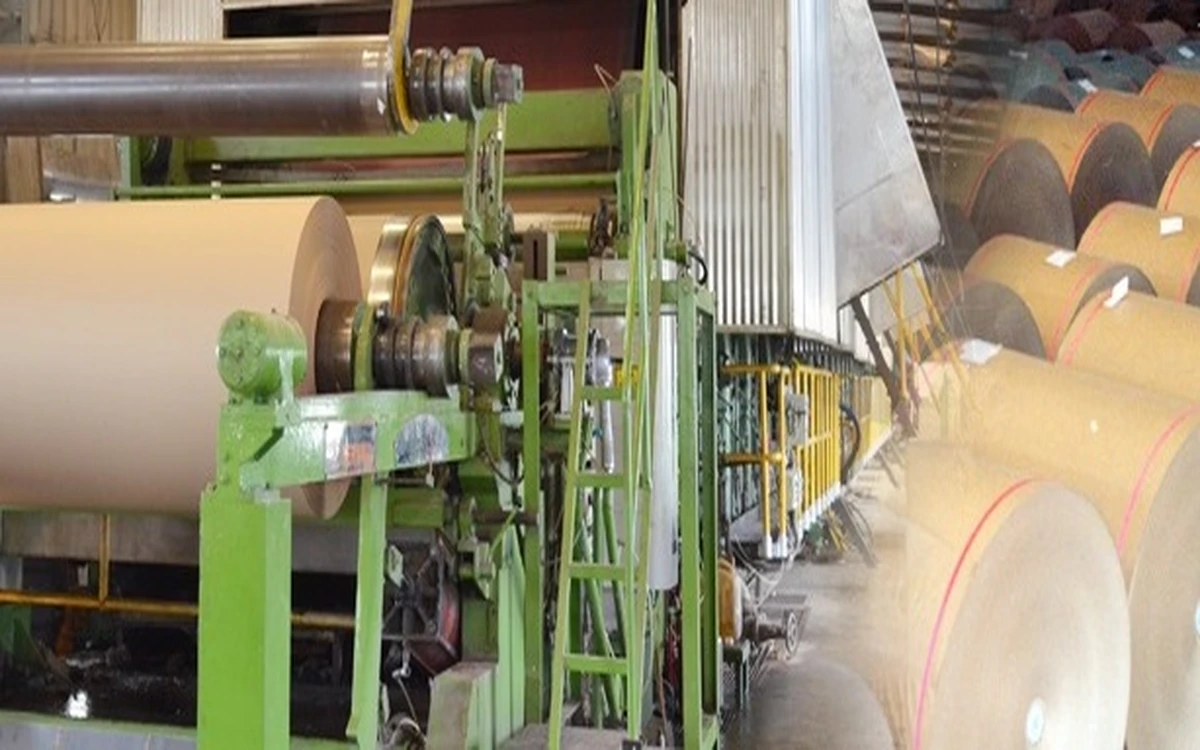
The Status of the Global Container board Industry, Recycled Paper Demand and Supply and its impact on the Indian Industry

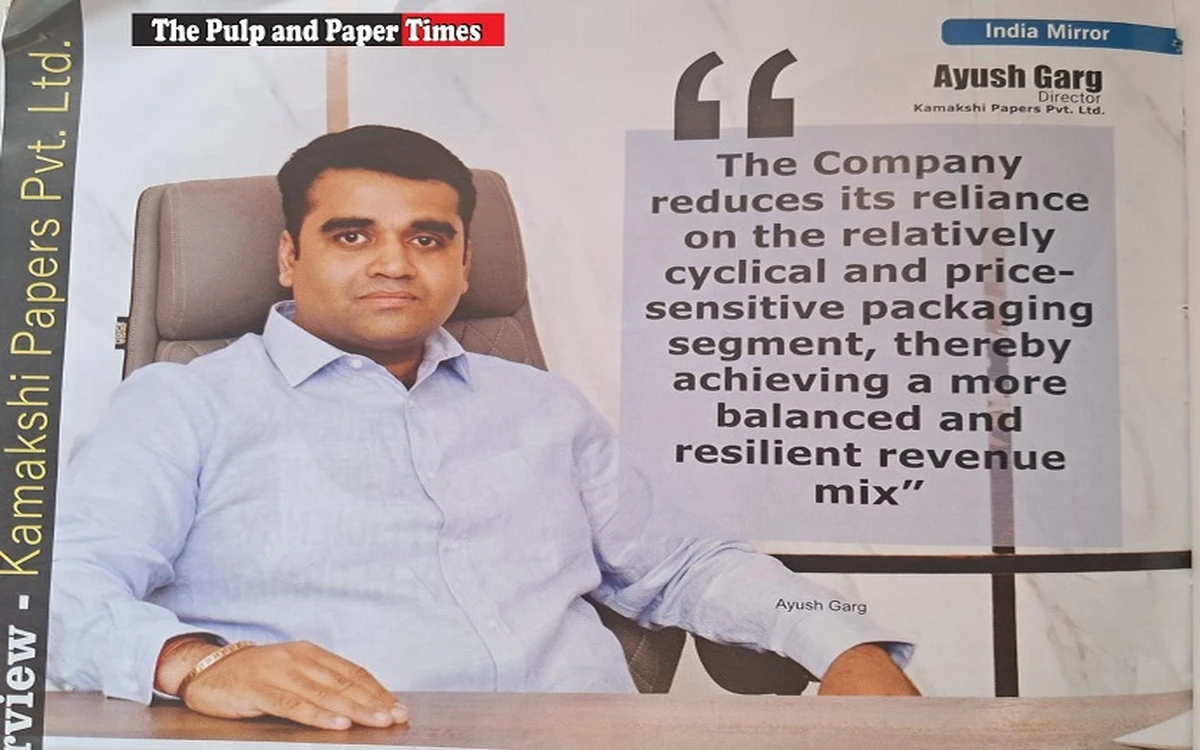
Akshay Jain, director of Silverton Pulp & Paper, says it's time to promote agro residue as a raw material to lessen the scarcity of fibre
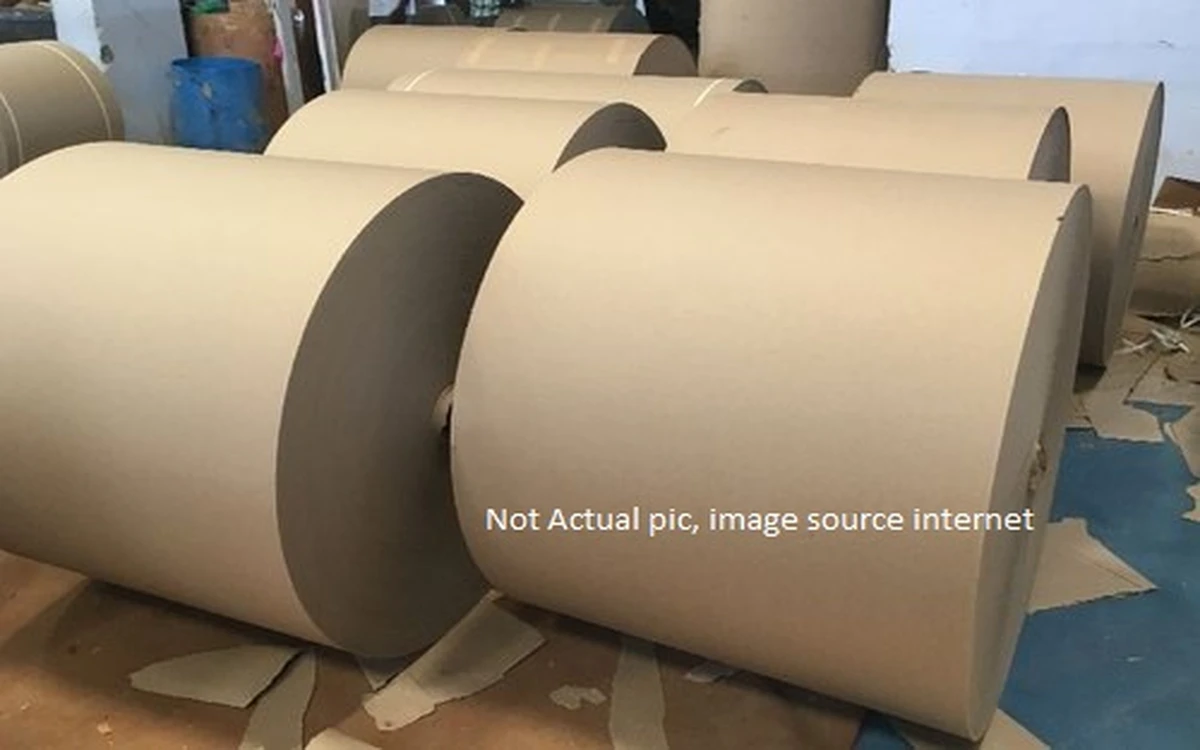
Advantageously located, a new paper mill is all set to roll kraft paper in Madhya Pradesh
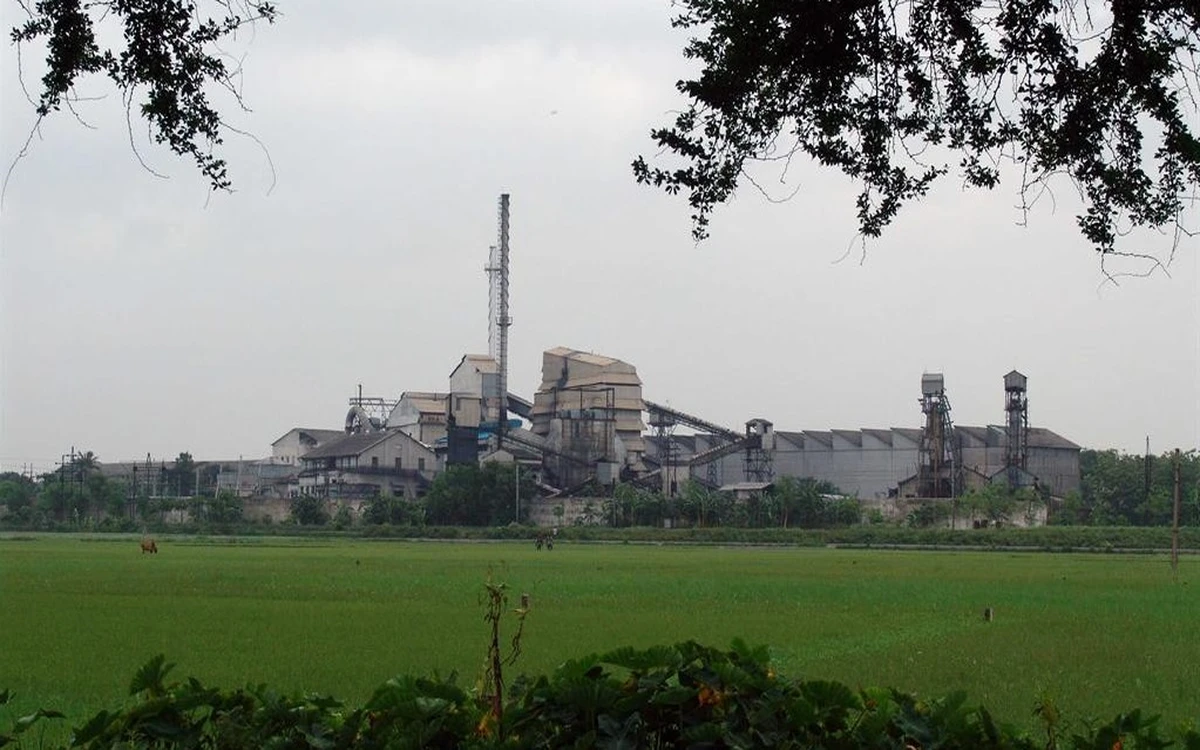
Several agile interventions helped ITC-PSPD fortify its clear leadership of the Value Added Paperboards (VAP) segment
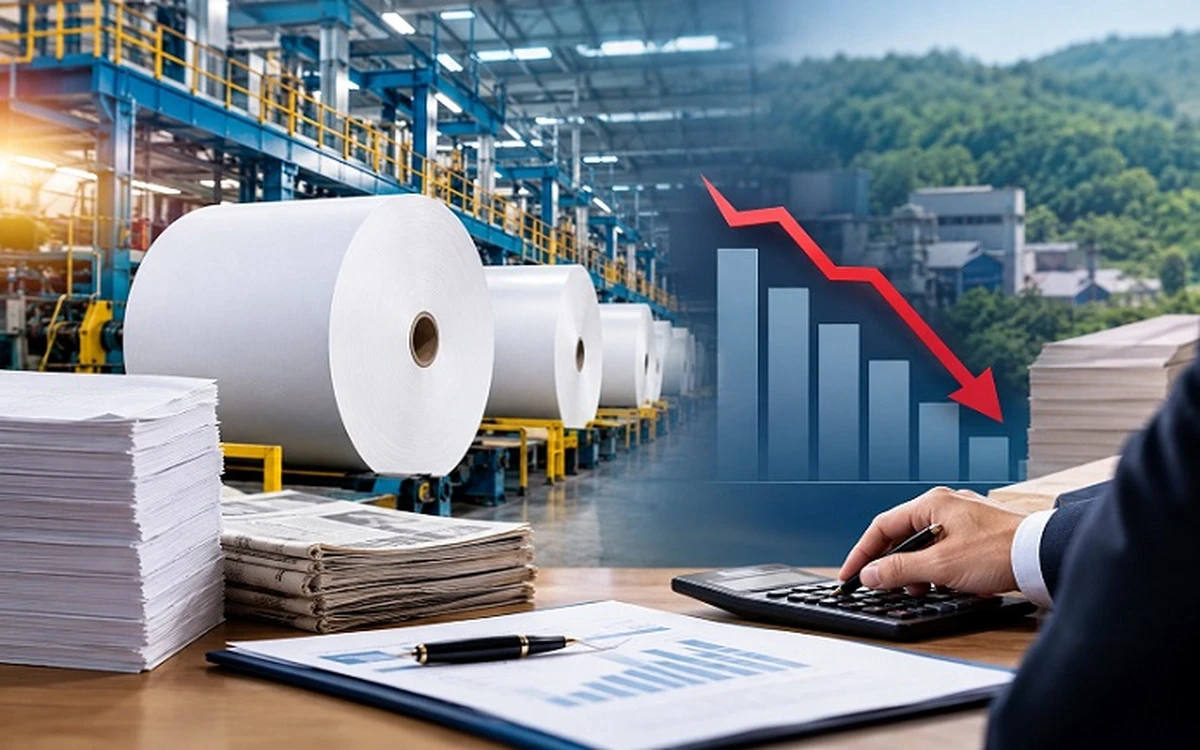
Steeper-than-expected drop in realisations hits Seshasayee Paper’s FY2025–26 operating margins; Box boards, Absorption Kraft, and Virgin Kraft now form a growing share of the product mix
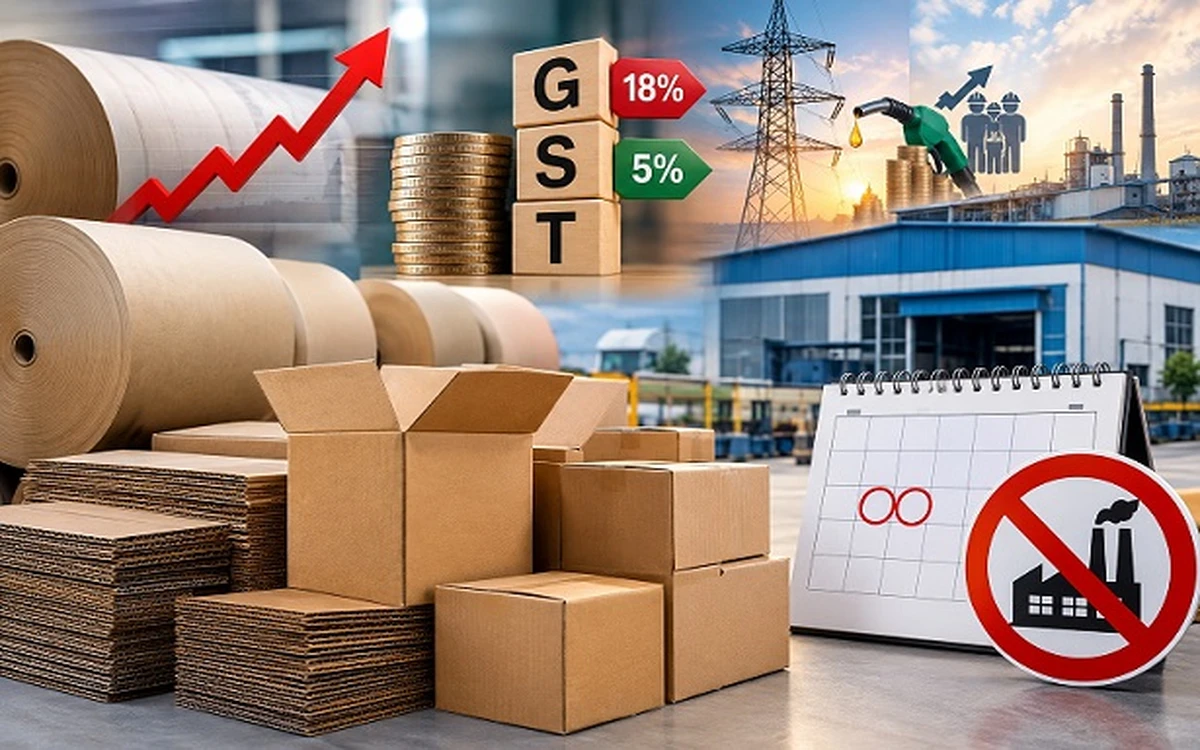
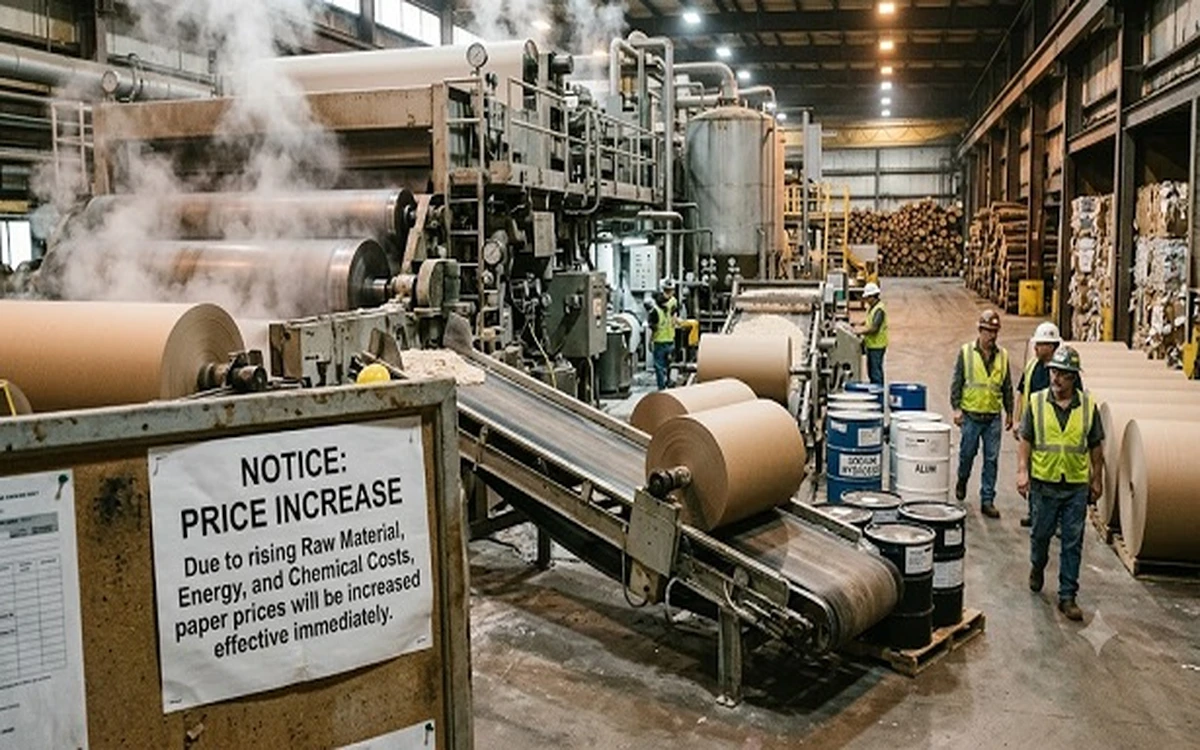
Overall Increase in Kraft Paper Prices Could Reach 35%; Industry Calls for 20% Box Price Increase, Voluntary Shutdown Proposed
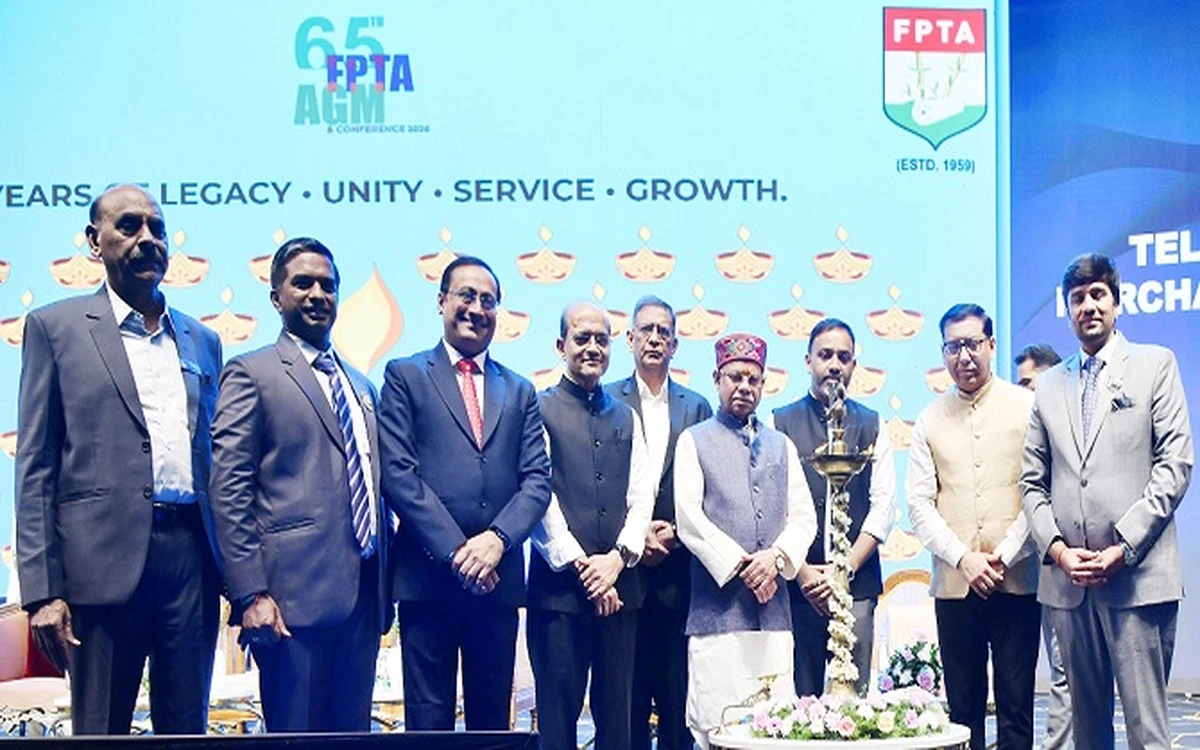
Paper Mills and Dealers Must Work Together to Create New Demand, Say Industry Leaders at FPTA’s 65th AGM
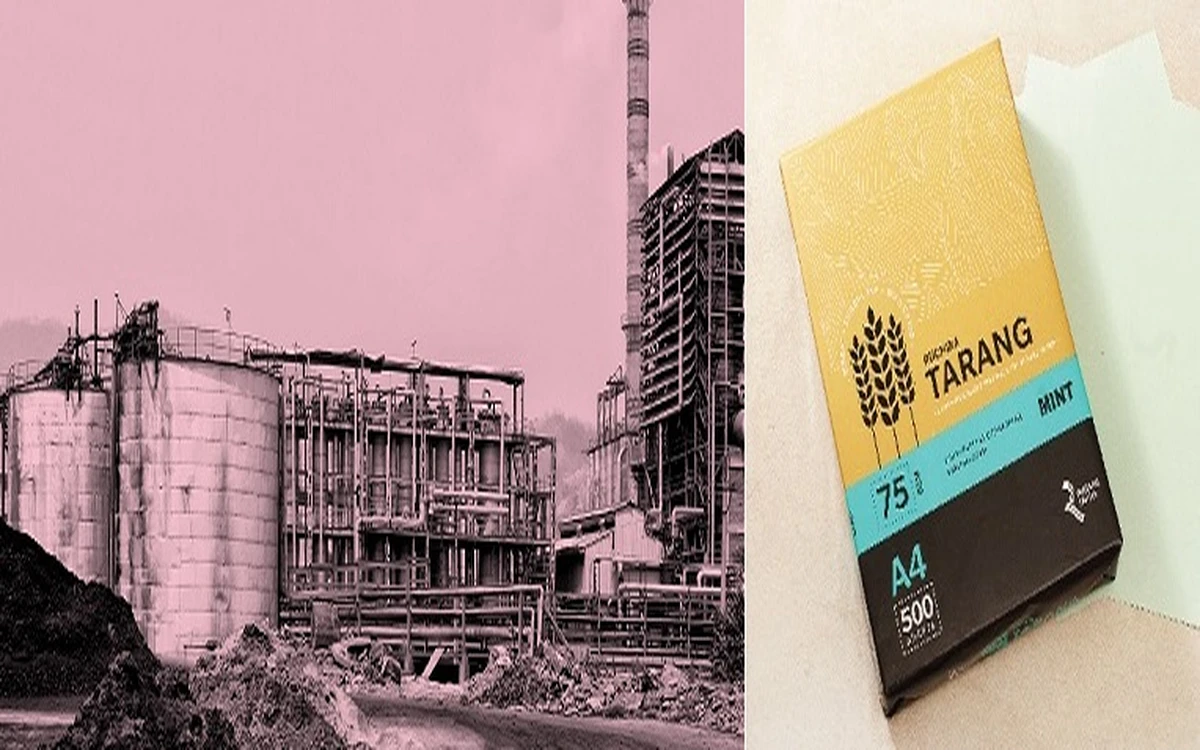
Ruchira Papers Invests a Sizeable Capex of Rs. 235–240 Crore Towards Writing & Printing Paper Capacity Expansion
Paper mills inflated the basic ex-mill price of paper post GST 2.0, AINMA seeks action against Anti-Profiteering
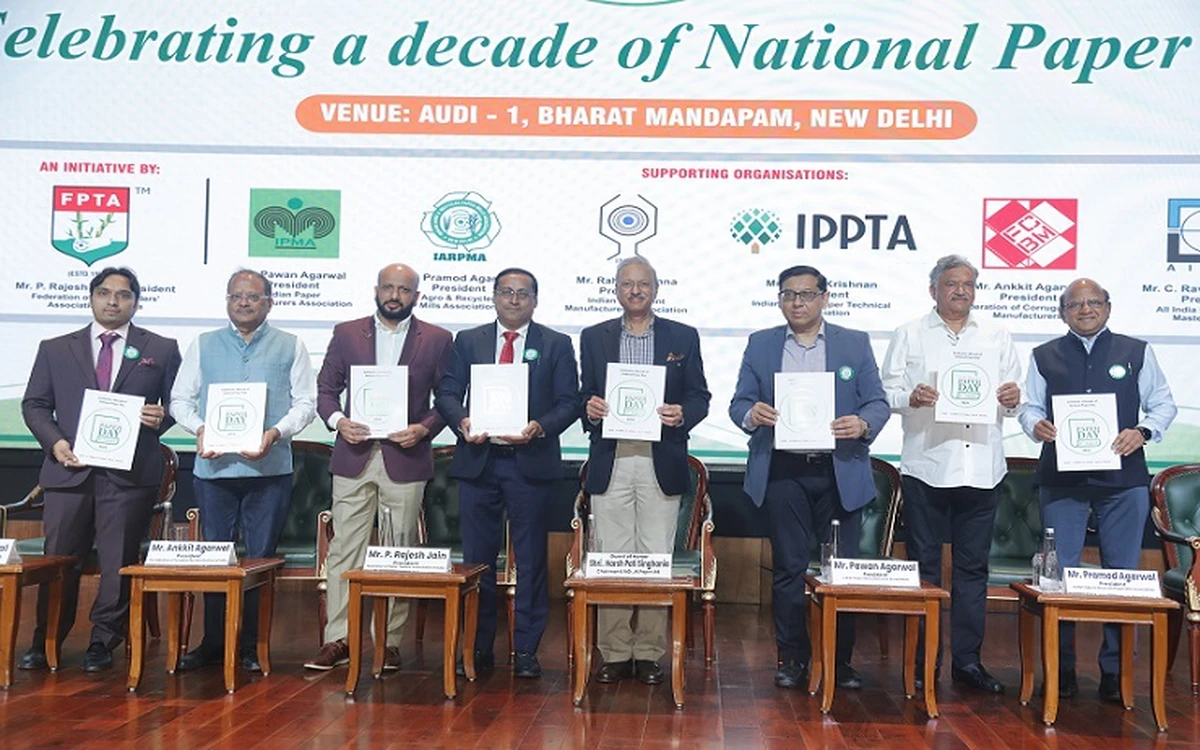
Seven Leading Associations Unite to Celebrate National Paper Day, Highlighting Paper's Sustainability and Circular Economy Advantage

Scientists from IIT-Guwahati develop India's first biodegradable plastic

Navneet Education focuses on brand building, curriculum-led growth, and export recovery; expects stationery margins to improve in FY27

It is estimated that USD10B to USD20B worth of single-use plastic packaging will convert to molded fiber, ZUME
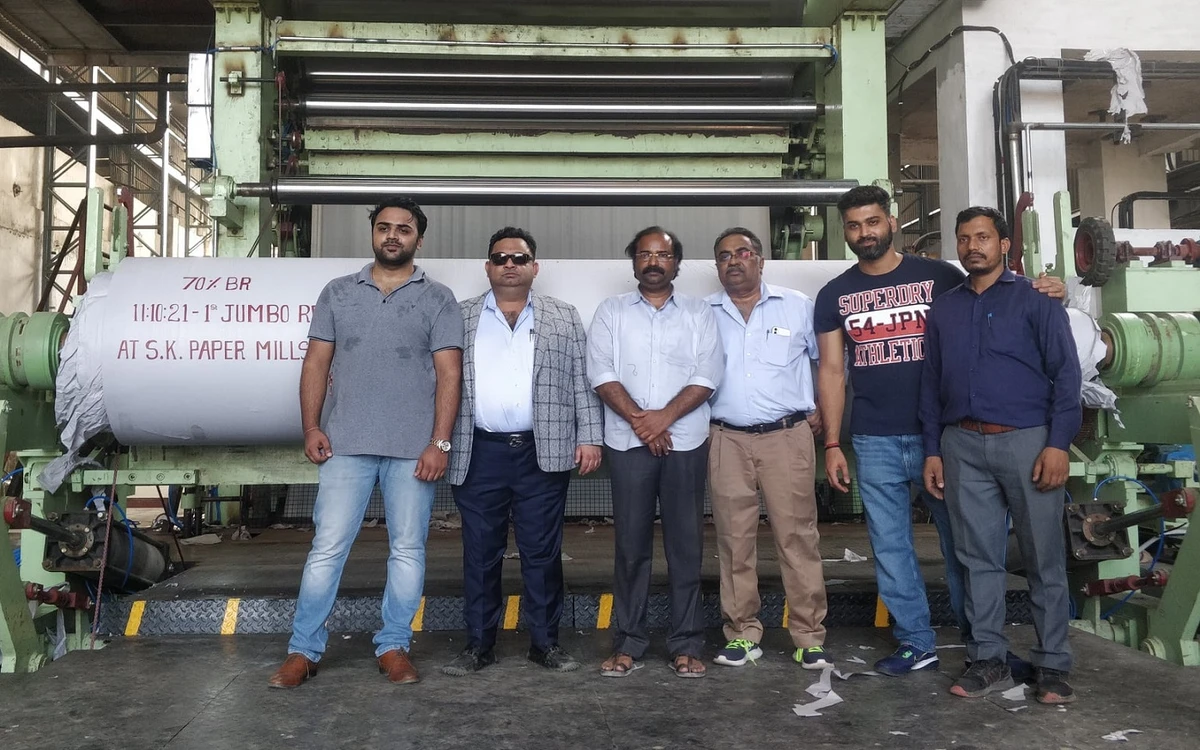
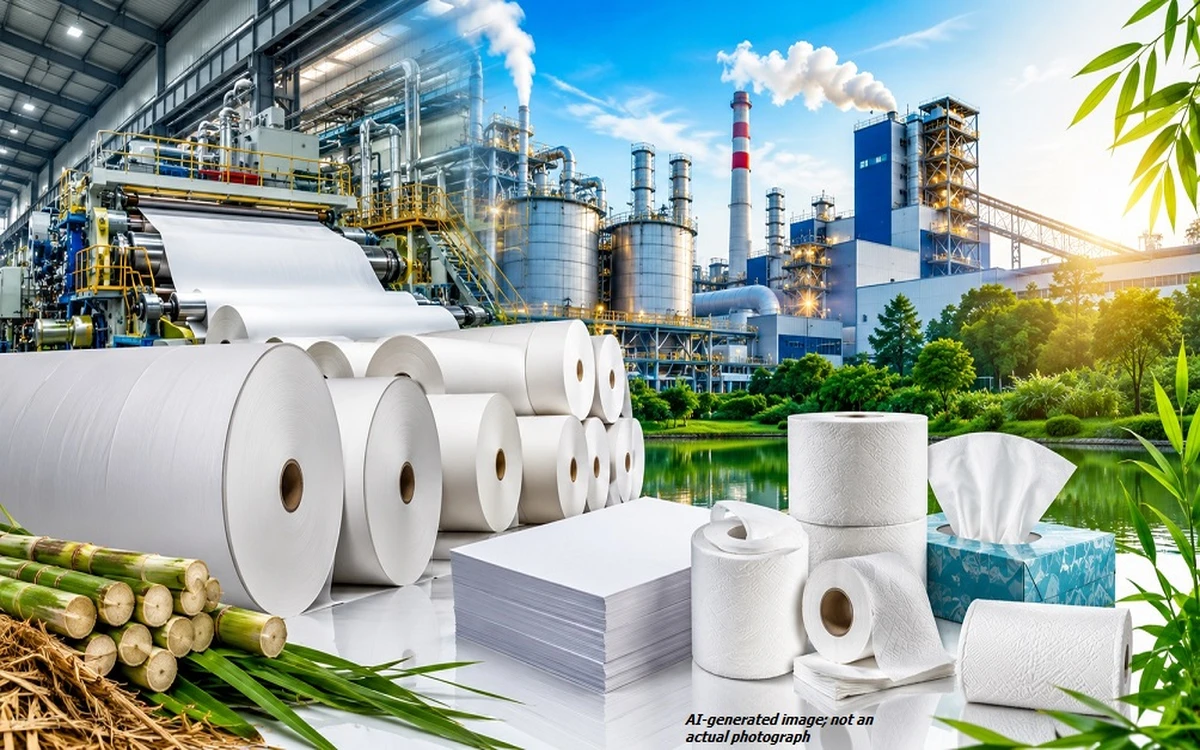
Muzaffarnagar gets a new capacity of Tissue Paper and MG Poster paper
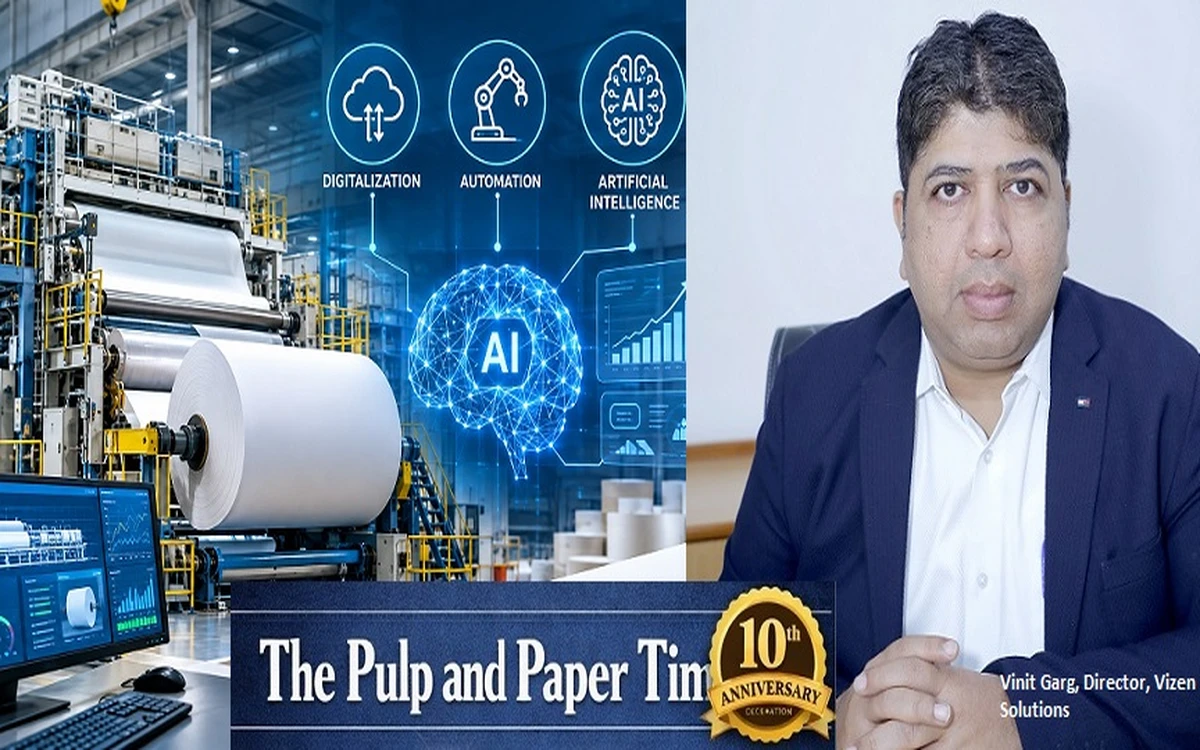
“The integration of digitalization, automation, and Artificial Intelligence (AI) is no longer a futuristic concept—it is the baseline for competitiveness in 2036” - Vinit Garg, Director, Vizen Solutions
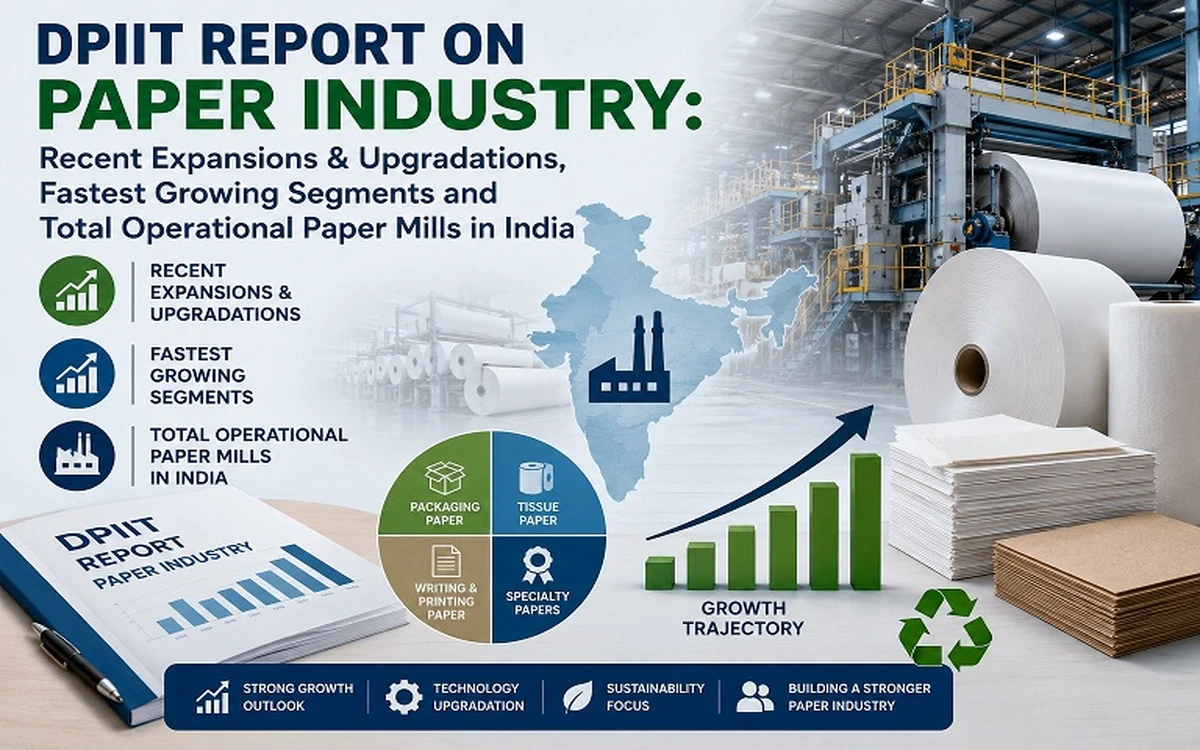
DPIIT Report on the Paper Industry: Recent Expansions & Upgrades, Fastest-Growing Segments, and Total Operational Paper Mills in India
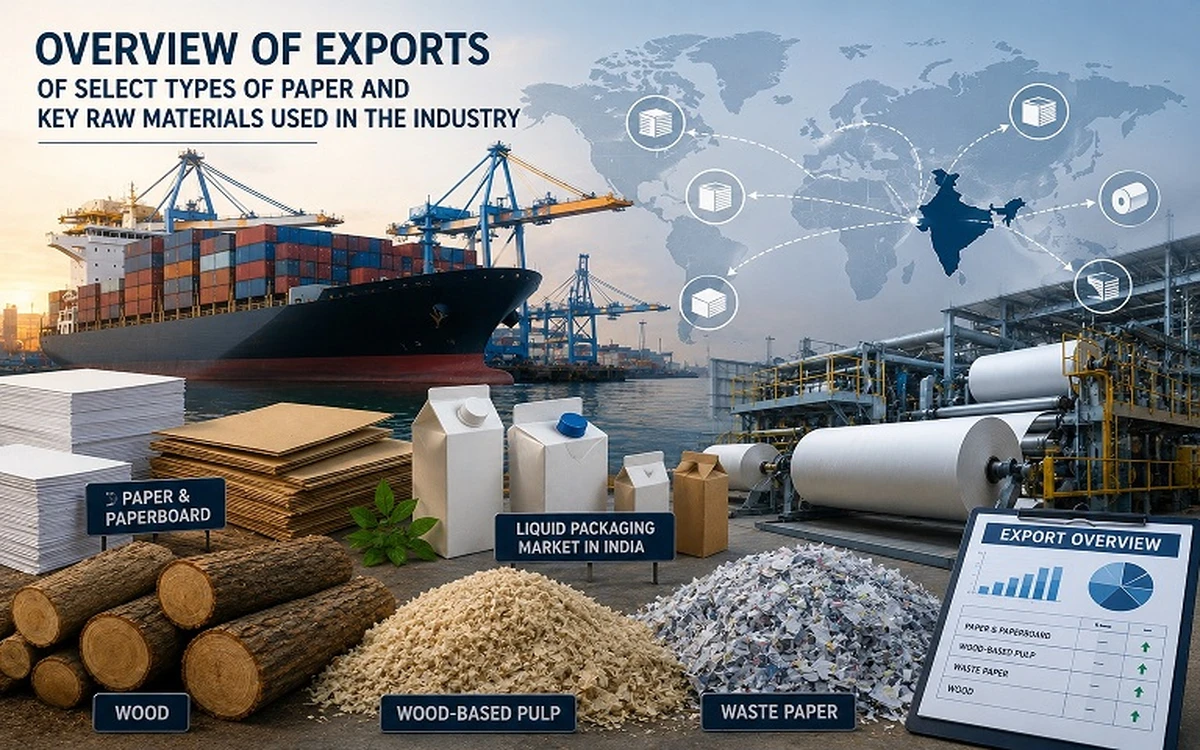
Overview of exports of select type of paper and key raw material used in the industry by Crisil Intelligence

Margin pressure pushes Pulp & Paper Packaging sector toward AI-Driven cost optimization, Cutting costs by 8–20%
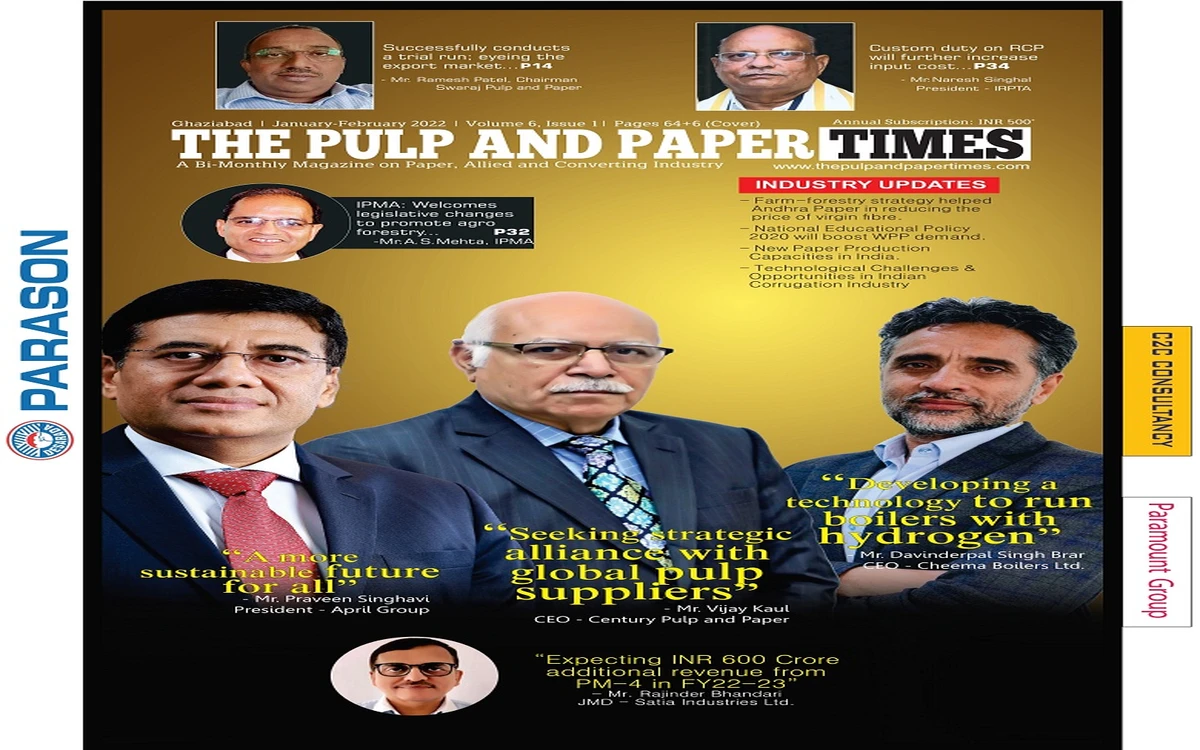
The Pulp and Paper Times Magazine : Volume 6, Issue 1
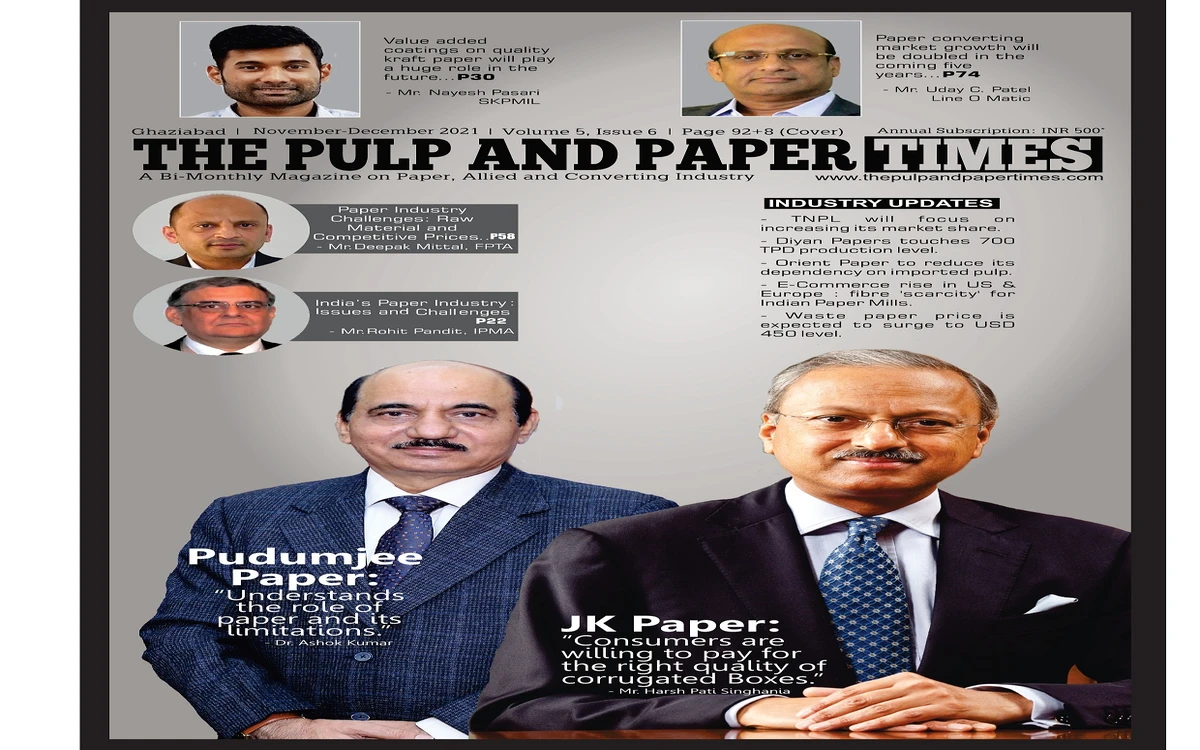
The Pulp and Paper Times Magazine : Volume 5, Issue 6
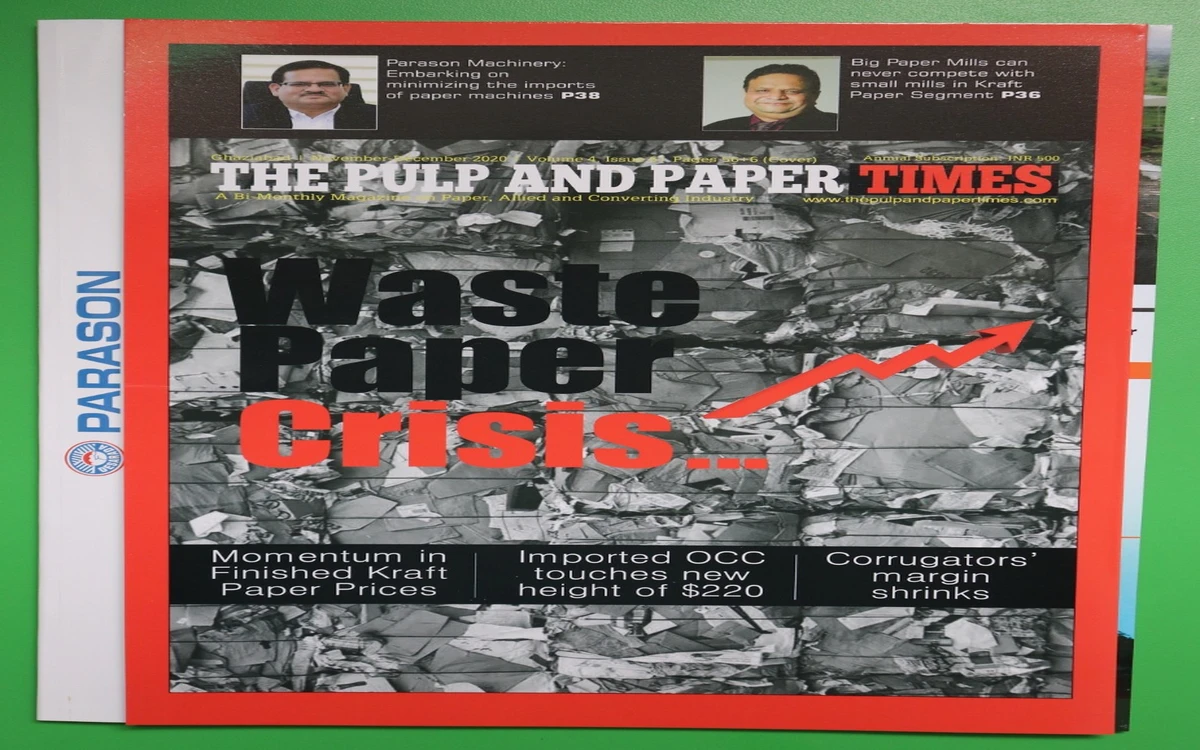
The Pulp and Paper Times: Volume 4, Issue 6
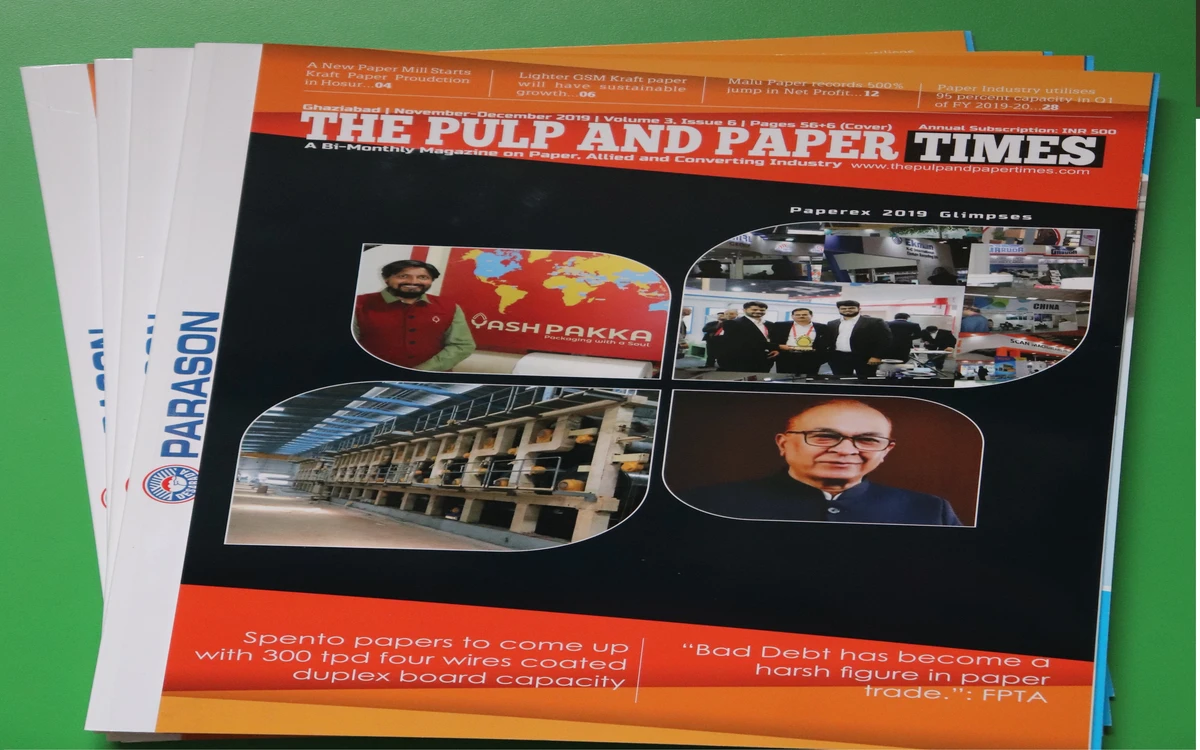
The Pulp and Paper Times : Volume 3, Issue 6
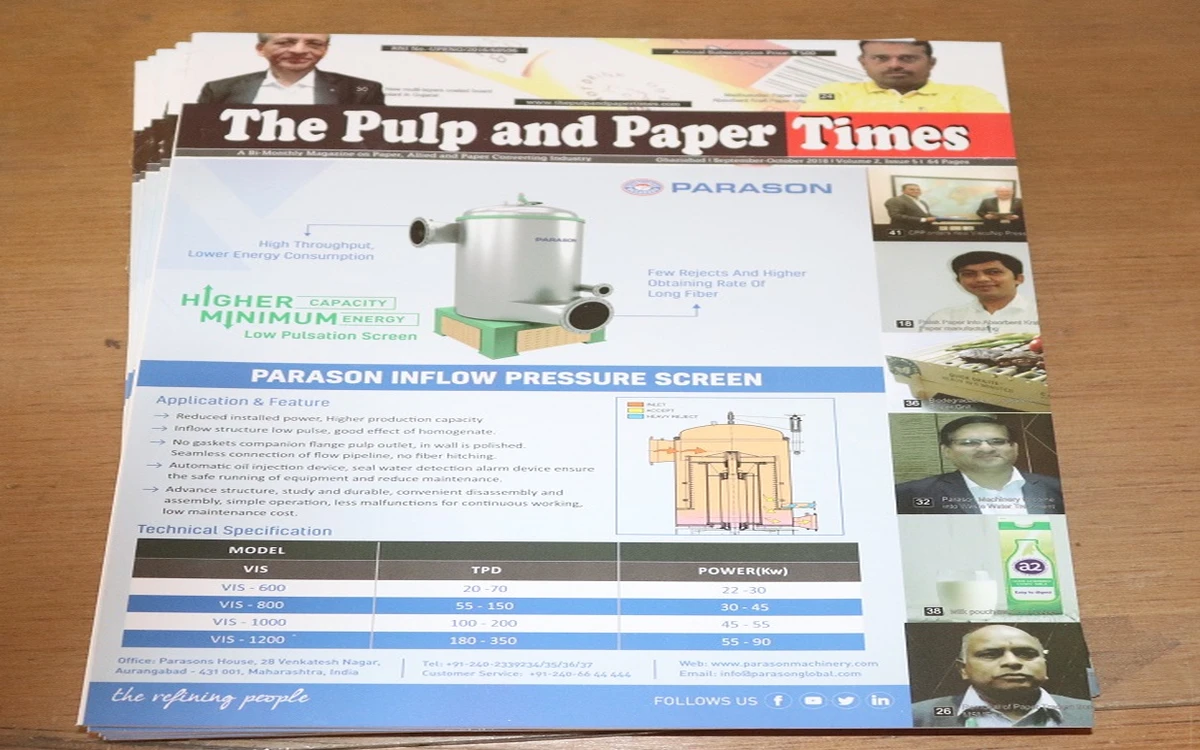
The Pulp and Paper Times: Volume 2 Issue 5
The Pulp and Paper Times, Volume 1, Issue 3
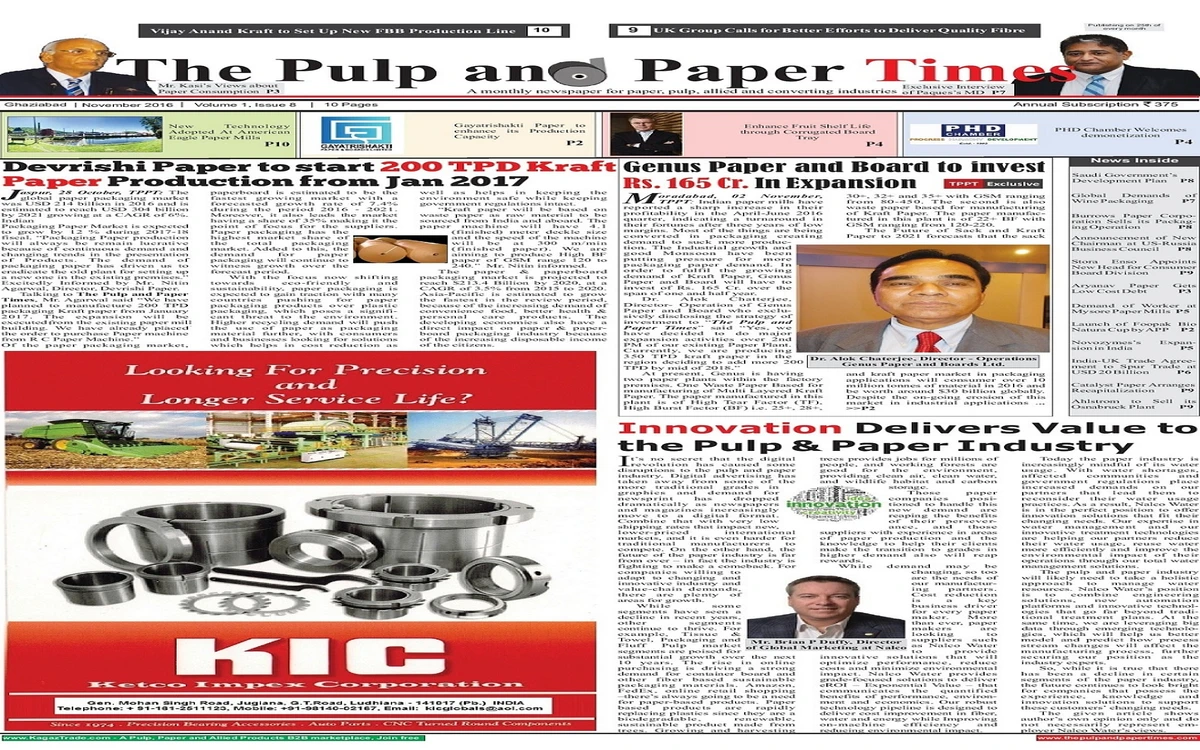
The Pulp and Paper Times, November 2016 Issue

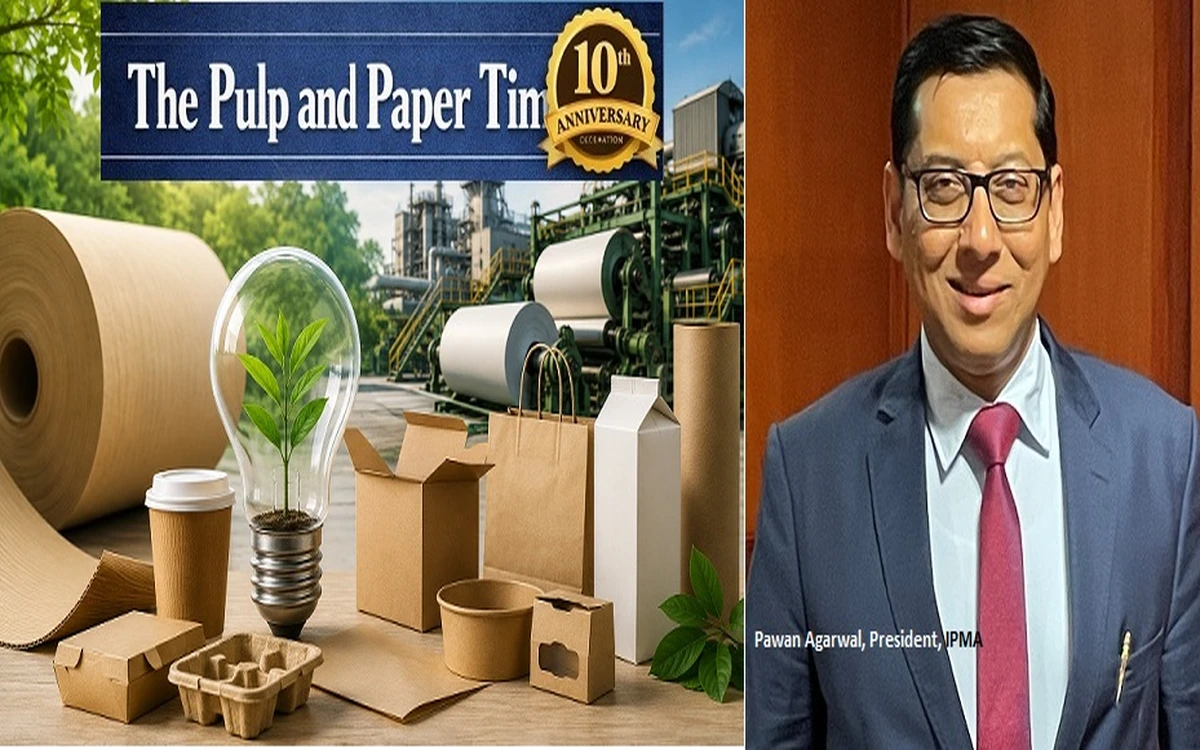
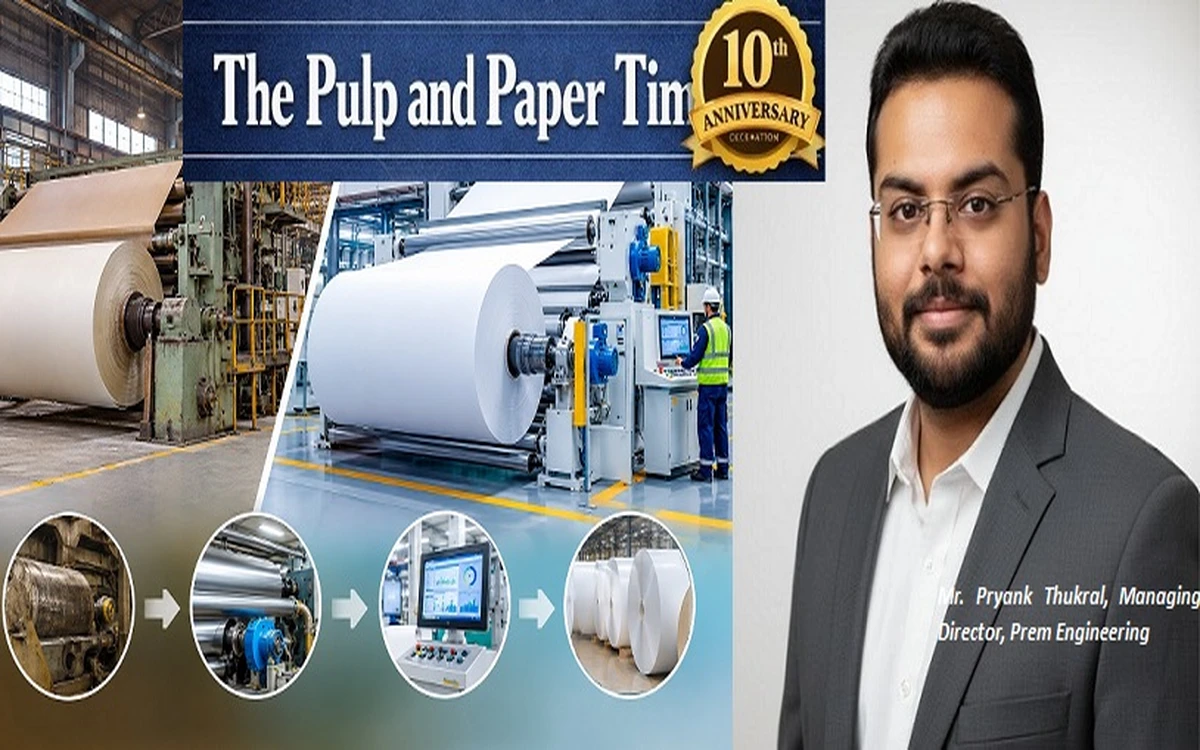
As The Pulp and Paper Times marks its 10th anniversary, we celebrate a decade of meaningful and industry-focused journalism.
Over the past decade, we have established ourselves as a trusted voice of the pulp and paper sector, connecting paper mills, industry leaders, technology providers, and global stakeholders. With a strong readership base across India and overseas, our platform has consistently delivered credible insights, market intelligence, and exclusive industry interactions that support informed decision-making.
On this special milestone, we talked to Pawan Agarwal, President, Indian Paper Manufacturers Association (IPMA), about his perspective on the future of the paper business. We shared our theme, “Market Factors, Technology, and Consumer Interests Shaping the Indian Pulp and Paper Industry in the Next 10 Years.” We received very informative and deeply insightful views that everyone associated with the paper industry, in any capacity, should read. Here are a few insights.

-Over the coming decade, the sector is expected to see increased adoption of advanced process automation, digital monitoring systems, and energy-efficient manufacturing technologies
The Pulp and Paper Times
As one of the fastest-growing paper markets globally, India stands at an inflection point where market dynamics, technological advancements, and evolving consumer expectations will collectively shape the sector’s trajectory over the next ten years.
Strong Market Fundamentals
India’s paper consumption continues to grow steadily, driven by rise in quality of life, expanding education infrastructure, rapid growth in e-commerce, and increasing demand for sustainable packaging solutions. With per capita paper consumption still significantly lower than the global average, the industry has considerable headroom for expansion.
Packaging grades, in particular, are expected to witness robust growth as India’s retail, logistics, and manufacturing sectors expand. Corrugated packaging, kraft paper, and paperboard are increasingly becoming essential to supply chains. At the same time, demand for writing & printing paper will continue to remain relevant due to India’s large education ecosystem and demographic profile.

However, the industry will also need to navigate market challenges such as domestic raw material scarcity, volatility in input costs, supply chain disruptions, and incessant increase in imports of paper and paperboard. Policy support to ensure continued raw material availability and fair-trade practices will remain important to ensure a level playing field for domestic manufacturers.
Technology as a Transformational Force
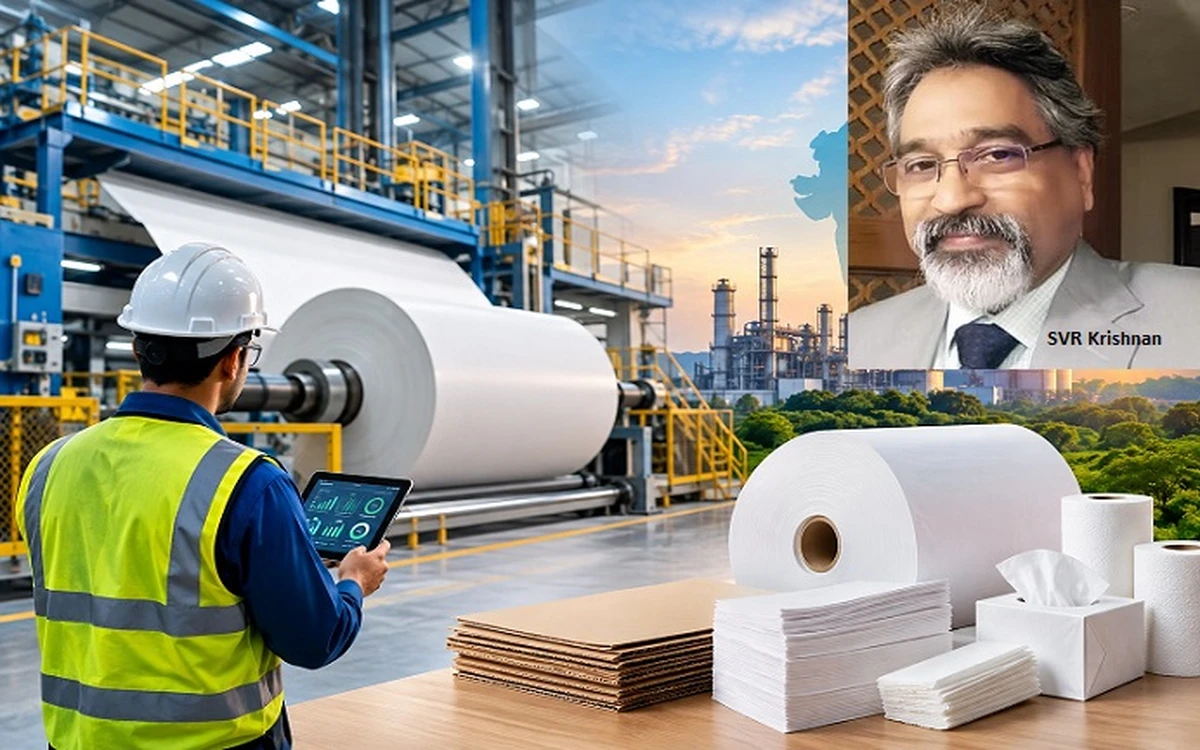
Like in several other manufacturing sectors, technology will be a defining factor in shaping the future of the Indian Paper Industry. India’s Paper Industry is fast rising on the technology curve. Over the coming decade, the sector is expected to see increased adoption of advanced process automation, digital monitoring systems, and energy-efficient manufacturing technologies.

Modern mills are investing in Industry 4.0 solutions that allow real-time monitoring of production processes, predictive maintenance of equipment, and improved resource efficiency. These technologies not only enhance operational efficiency but also help reduce water consumption, energy use, and emissions.
Innovation in fibre sourcing and pulping technologies will also play a crucial role. India’s Paper Industry has long relied on recycled fibre, agro-residues and plantation wood. Continued research in fibre optimisation, pulping efficiency, and chemical recovery systems will further strengthen the industry’s manufacturing credentials.

Recycling technologies and circular economy models will also gain prominence as the industry works toward improving wastepaper collection and utilisation across the country.
Sustainability and Environmental Responsibility
Sustainability will remain central to the industry’s long-term growth. Paper, as a renewable, recyclable, compostable and biodegradable material, is uniquely positioned to contribute to a more sustainable economy, particularly as global consumers and businesses look for alternatives to single-use plastics.
Indian paper manufacturers are already making significant investments in cleaner technologies, water conservation, energy efficiency, and sustainable forestry practices. Agro forestry initiatives have enabled lakhs of farmers to participate in the industry’s value chain while contributing to green cover.
Next decade will witness further strengthening of the industry’s environmental profile.
Changing Consumer Preferences
Consumer preferences are also evolving rapidly. Increasing awareness about environmental issues is encouraging both businesses and consumers to prefer recyclable and biodegradable packaging materials.

This shift presents a significant opportunity for the Paper Industry to innovate and expand the range of packaging solutions, including food-grade paper products, moulded fibre packaging, and specialty paper applications.
At the same time, quality expectations from consumers and businesses will continue to rise. The industry will therefore need to focus on product innovation, strength characteristics, and barrier properties to meet emerging market needs.
The Road Ahead
The next decade is poised to be an exciting period as it presents both challenges and opportunities for India’s Paper Industry. By combining strong market fundamentals with technological innovation and sustainability-driven growth, the sector can play a critical role in supporting India’s economic development.
With the right policy environment, continued investments in technology, and a clear focus on responsible manufacturing, the Indian Paper Industry is well positioned to meet the evolving needs of consumers while contributing meaningfully to a circular and sustainable economy.

1 days ago
Total Views : 1684
2 days ago
Total Views : 556
4 days ago
Total Views : 1221
last week
Total Views : 3571
last week
Total Views : 2615
last week
Total Views : 766
last week
Total Views : 3497
2 weeks ago
Total Views : 3559
2 weeks ago
Total Views : 6869
2 weeks ago
Total Views : 1058