Join Groups & Channels, No Spamming









Morbi paper mills see full-capacity operations as ceramic industry revives; Kraft paper exports to China spike, Prices strengthen; Janmashtami shutdown ahead

The BE and caustic soda plant marks a key milestone for Mohit Paper Mills, enabling full utilization of installed capacity and enhancing overall production efficiency
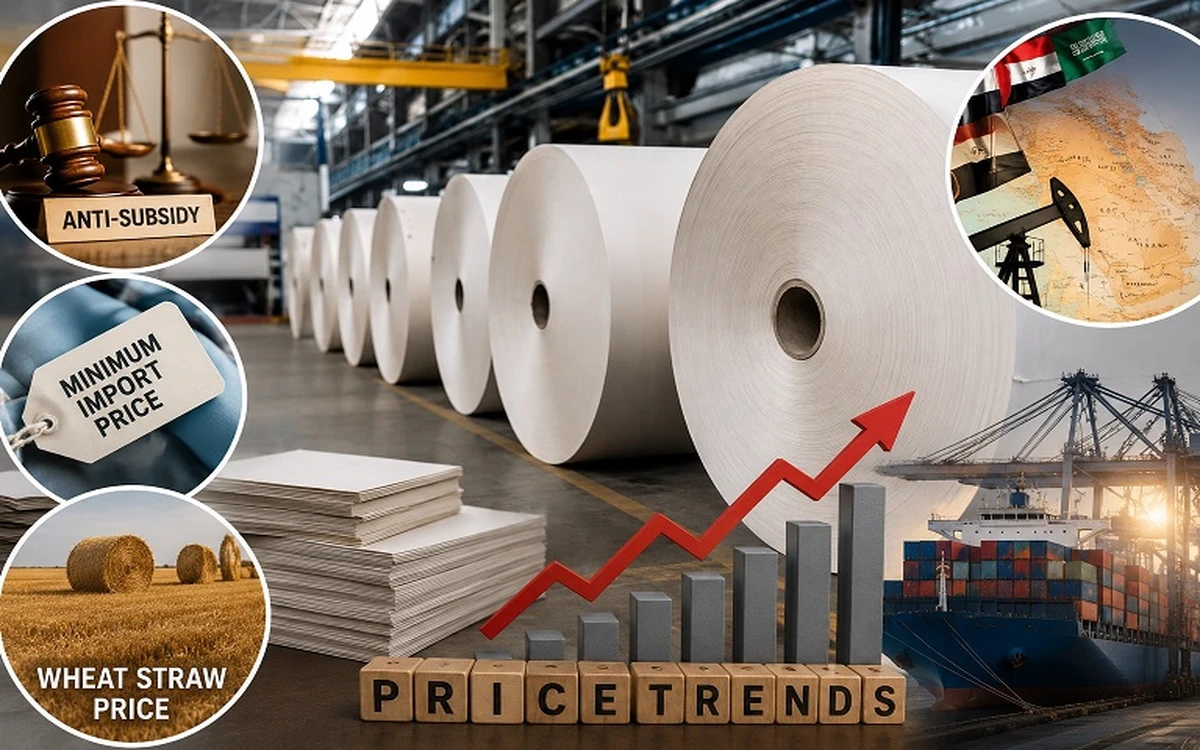
Expert Views on the paper market scenario, How the West Asia Crisis Helped the Industry, MIP for WPP, Anti-Subsidy implementation, and paper price trends
Pudumjee Paper intends to develop new varieties addressing applications for stronger paper bags and cupcakes; Plans 68,000 MT Mahad Specialty Paper Facility within 5 years
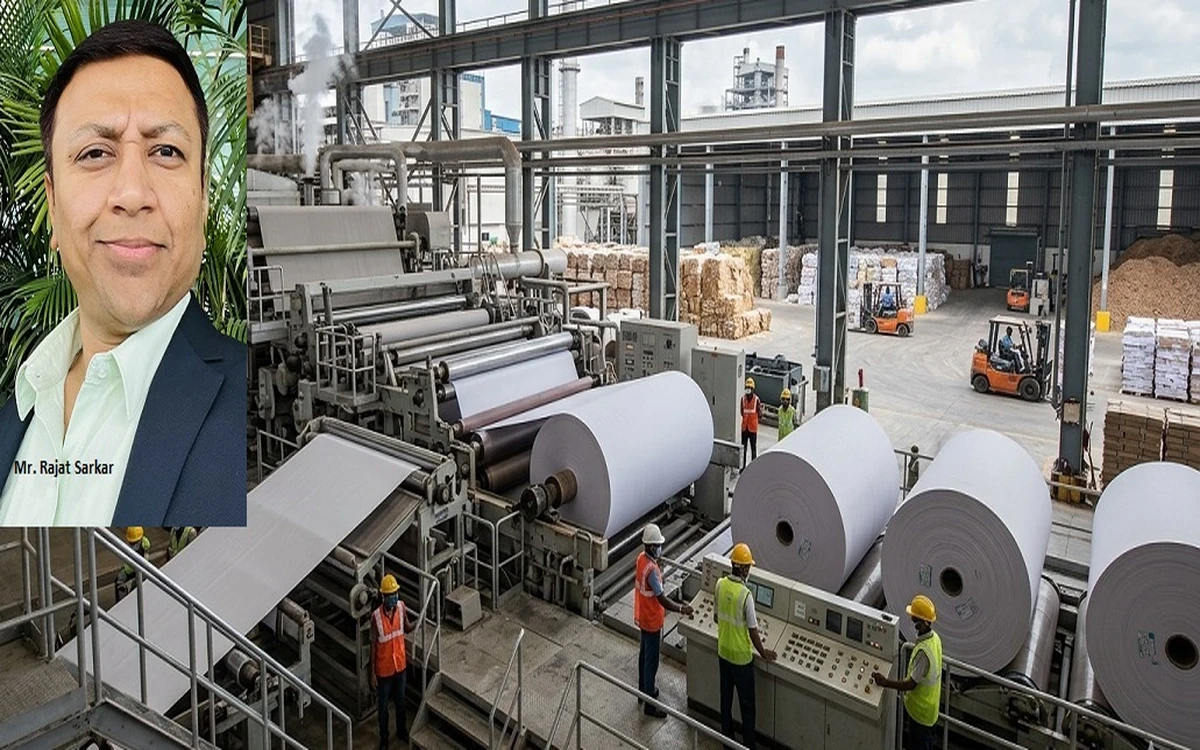
India Paper Industry at an Inflection Point: War, Costs, and Capacity; Demand growth expected at 5–7% in FY26
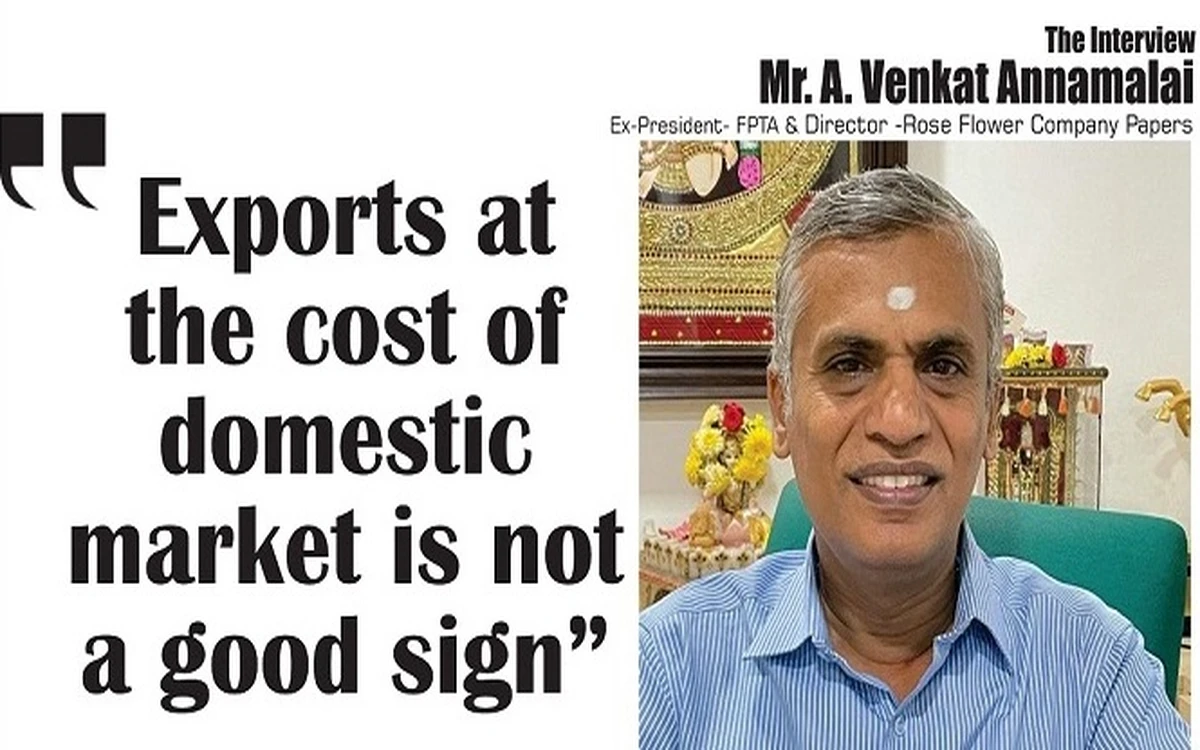
“Surging exports of paper will most certainly keep the domestic prices quite high”: Mr. A. Annamalai, Director – RFC
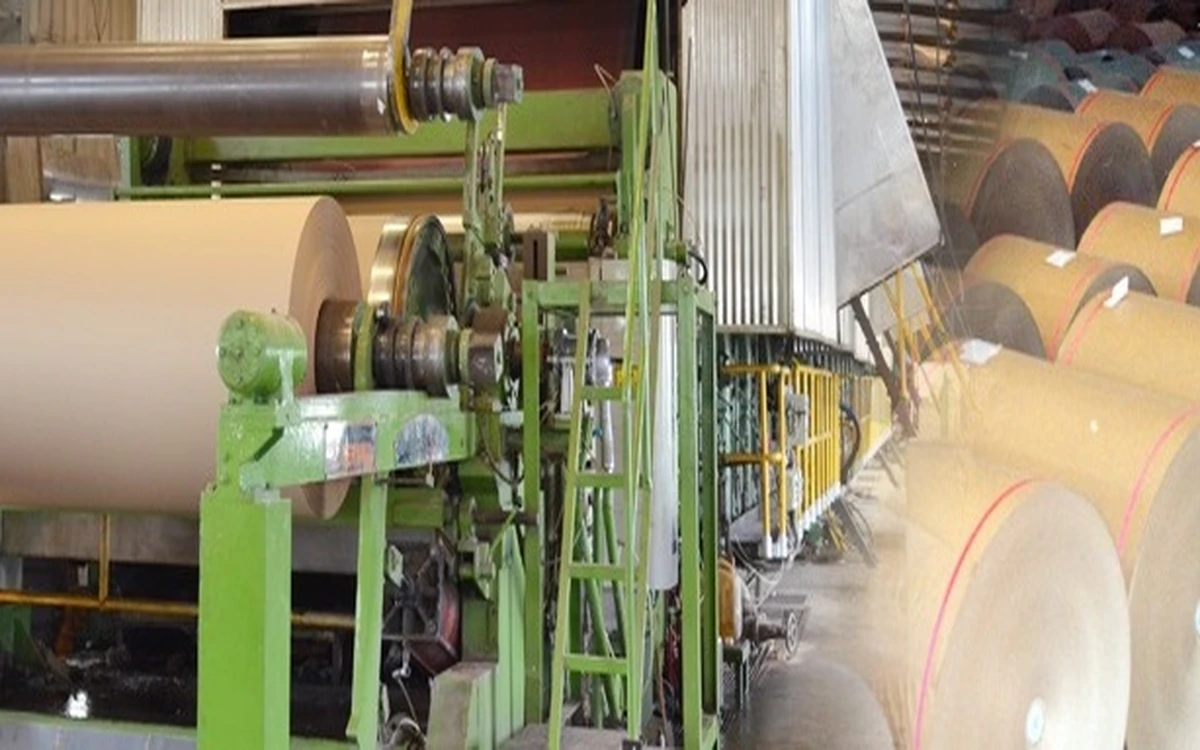
The Status of the Global Container board Industry, Recycled Paper Demand and Supply and its impact on the Indian Industry

Akshay Jain, director of Silverton Pulp & Paper, says it's time to promote agro residue as a raw material to lessen the scarcity of fibre
Advantageously located, a new paper mill is all set to roll kraft paper in Madhya Pradesh
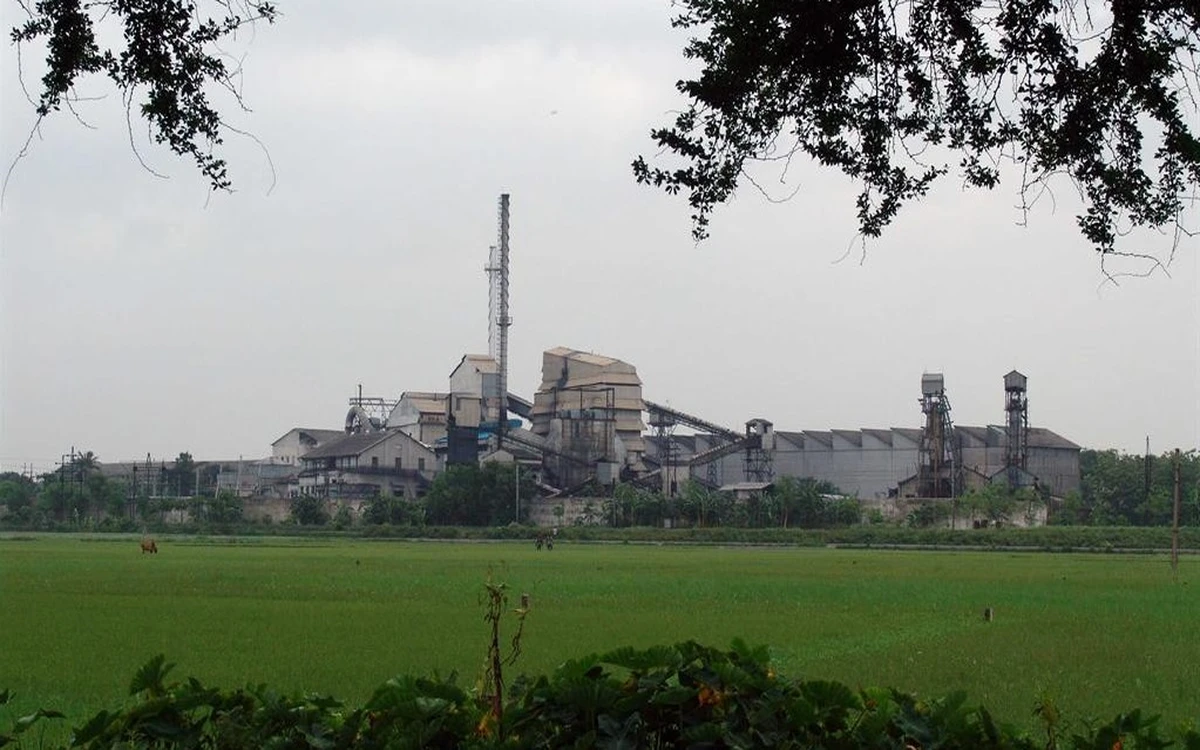
Several agile interventions helped ITC-PSPD fortify its clear leadership of the Value Added Paperboards (VAP) segment
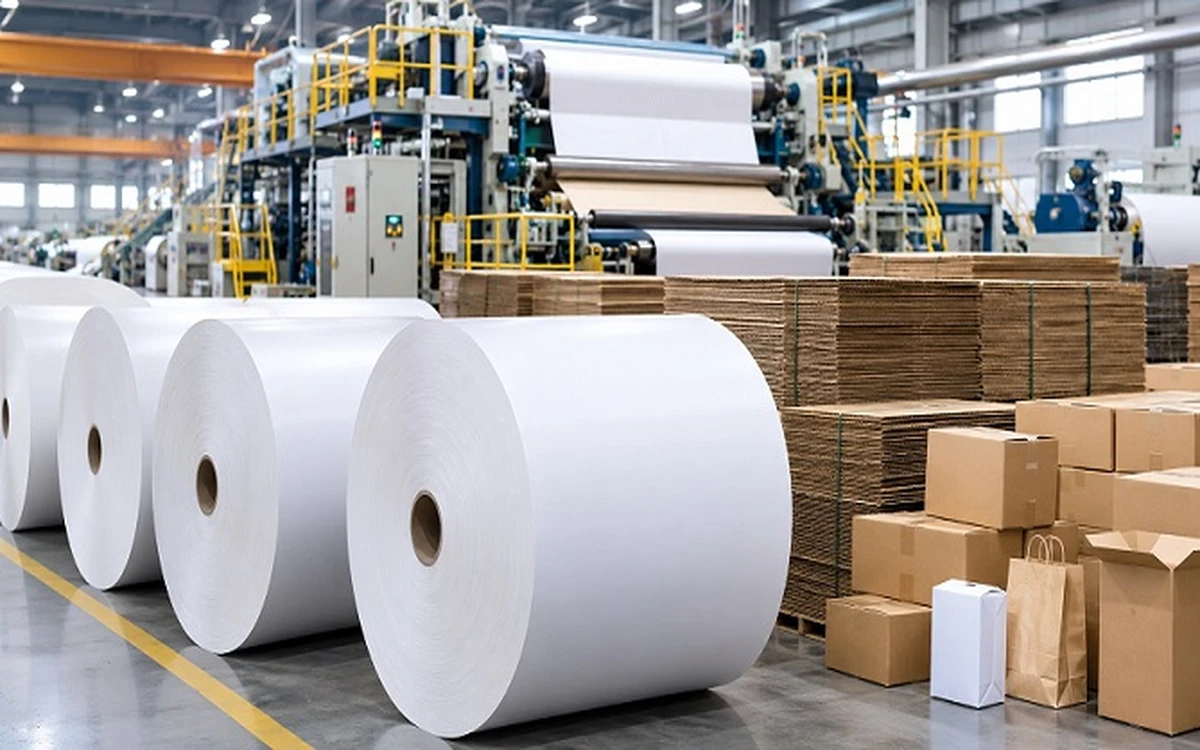
India: Overall paper demand to grow at a healthy two-year CAGR (FY25-FY27) of 4-6% to ~25-27 million tonnes by fiscal 2027
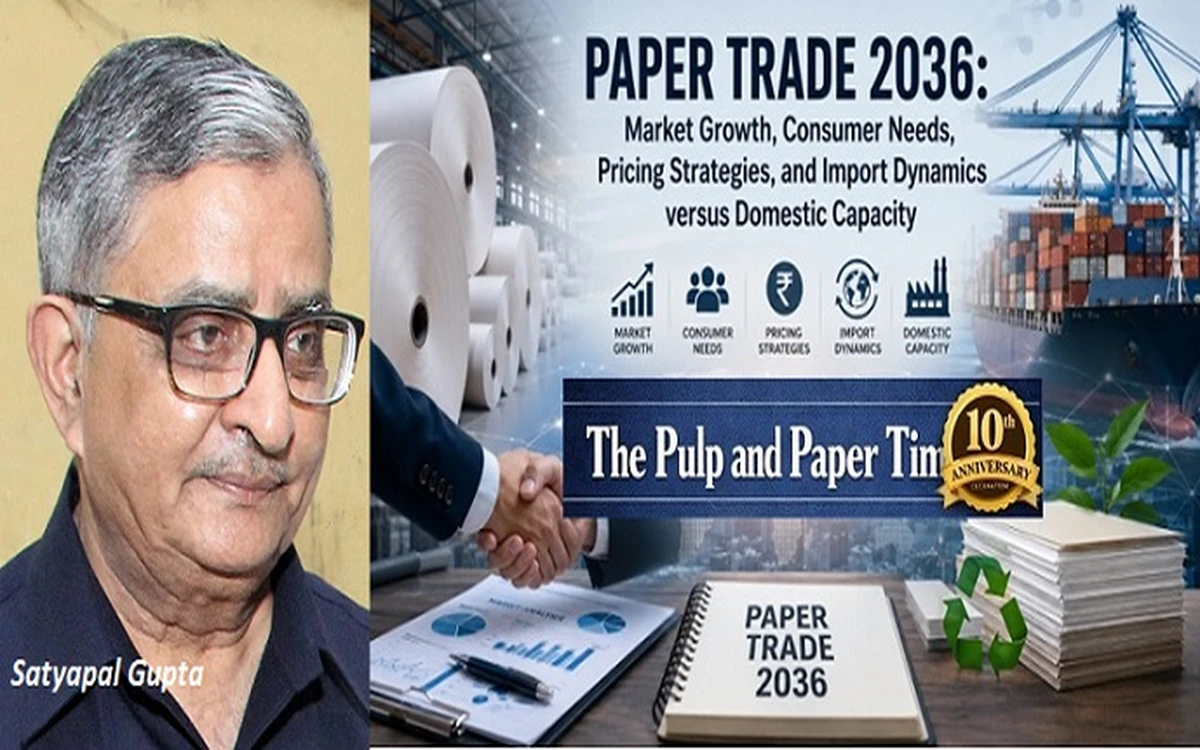
“A trend may emerge wherein technology JV may emerge among the paper producers to have the grades produced in the region.” — Satyapal Gupta, Chairman, Narsingh Dass & Co.
Over AED 1.3 Billion in Investments in the Paper Industry Underscore Growth Potential in the GCC Region
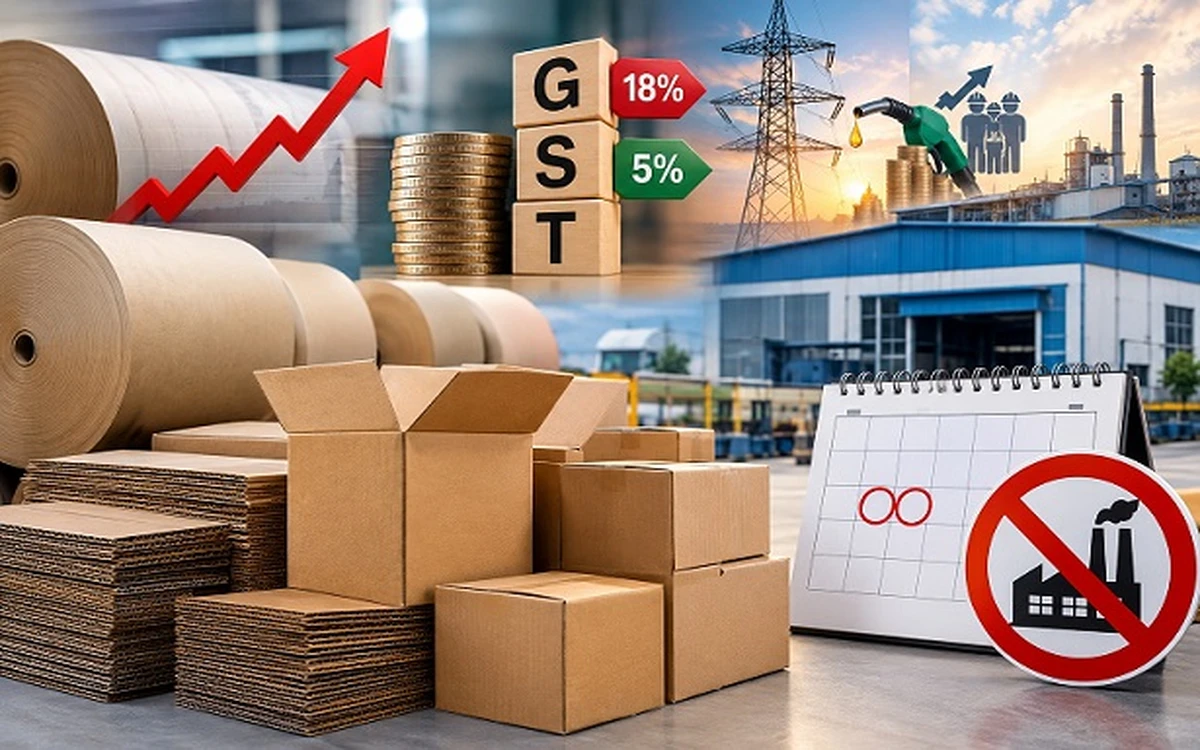
Overall Increase in Kraft Paper Prices Could Reach 35%; Industry Calls for 20% Box Price Increase, Voluntary Shutdown Proposed
Paper mills inflated the basic ex-mill price of paper post GST 2.0, AINMA seeks action against Anti-Profiteering
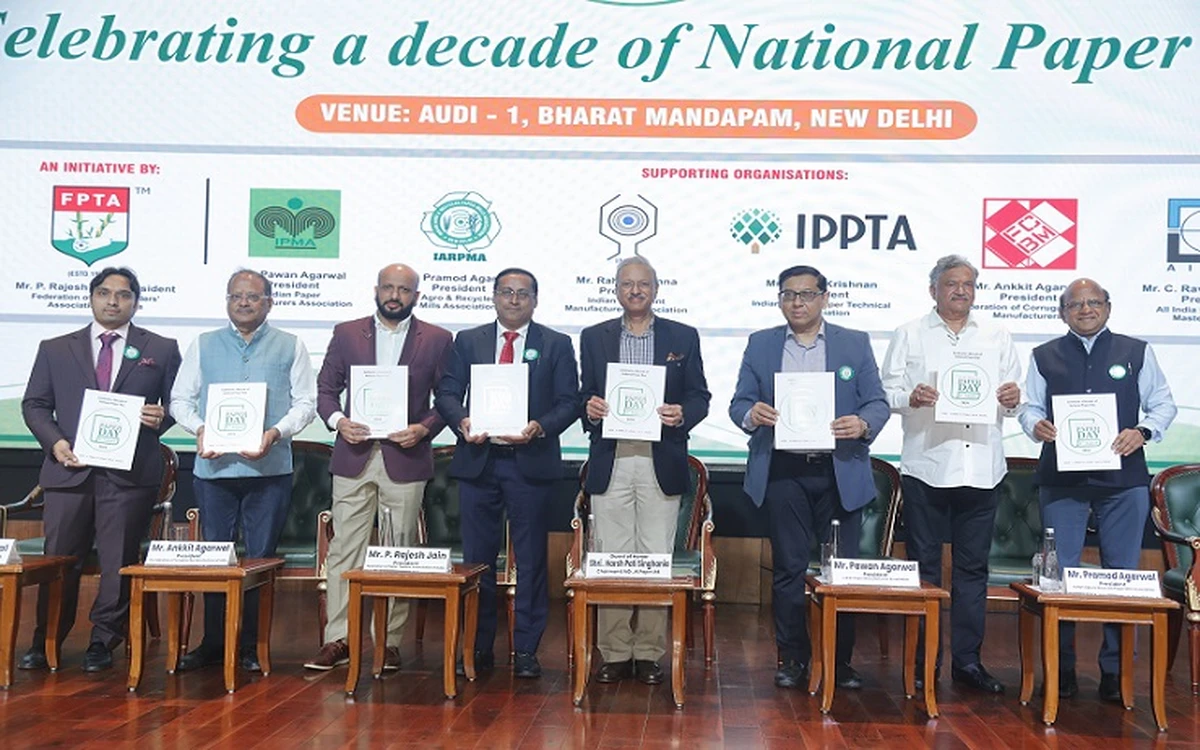
Seven Leading Associations Unite to Celebrate National Paper Day, Highlighting Paper's Sustainability and Circular Economy Advantage

Scientists from IIT-Guwahati develop India's first biodegradable plastic

Navneet Education focuses on brand building, curriculum-led growth, and export recovery; expects stationery margins to improve in FY27

It is estimated that USD10B to USD20B worth of single-use plastic packaging will convert to molded fiber, ZUME
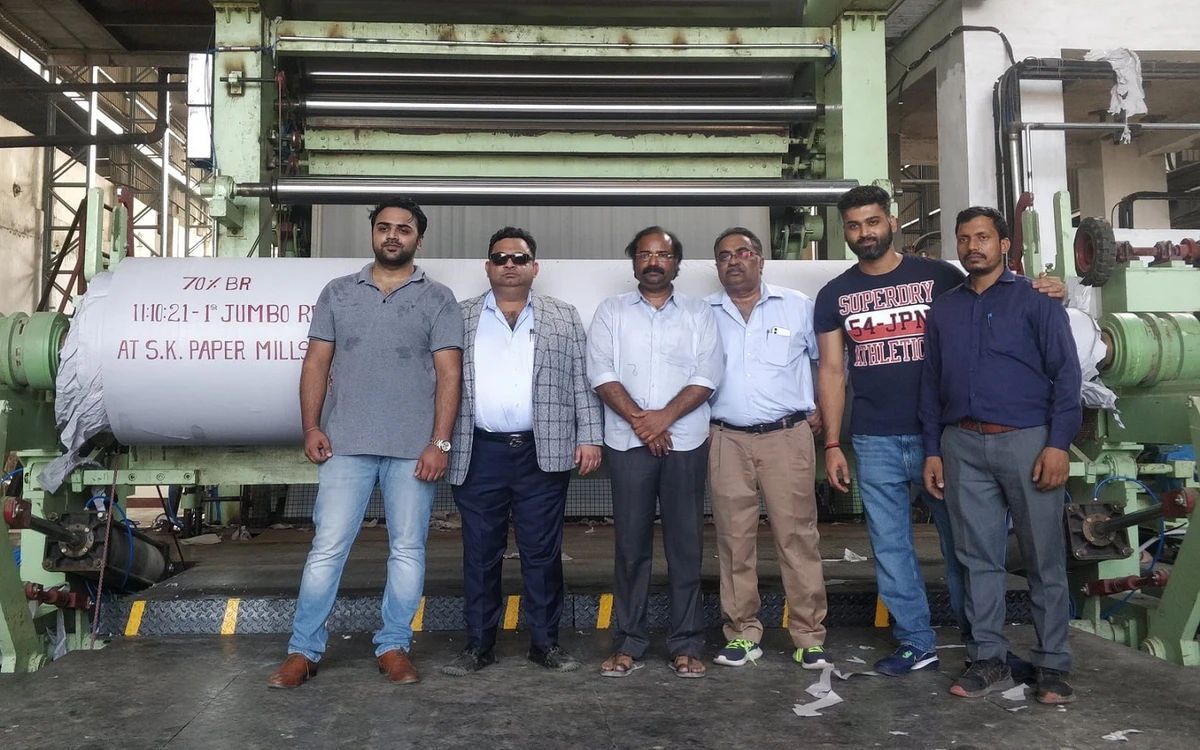
Muzaffarnagar gets a new capacity of Tissue Paper and MG Poster paper
India: Overall paper demand to grow at a healthy two-year CAGR (FY25-FY27) of 4-6% to ~25-27 million tonnes by fiscal 2027

“The integration of digitalization, automation, and Artificial Intelligence (AI) is no longer a futuristic concept—it is the baseline for competitiveness in 2036” - Vinit Garg, Director, Vizen Solutions
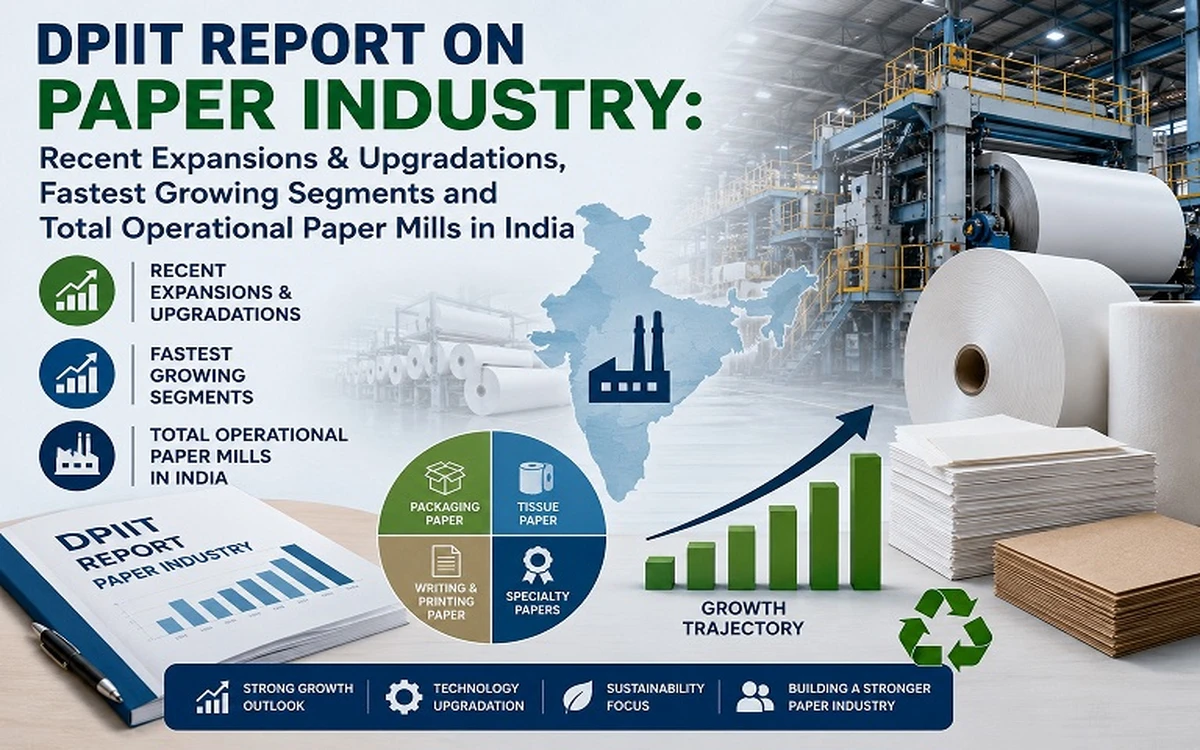
DPIIT Report on the Paper Industry: Recent Expansions & Upgrades, Fastest-Growing Segments, and Total Operational Paper Mills in India
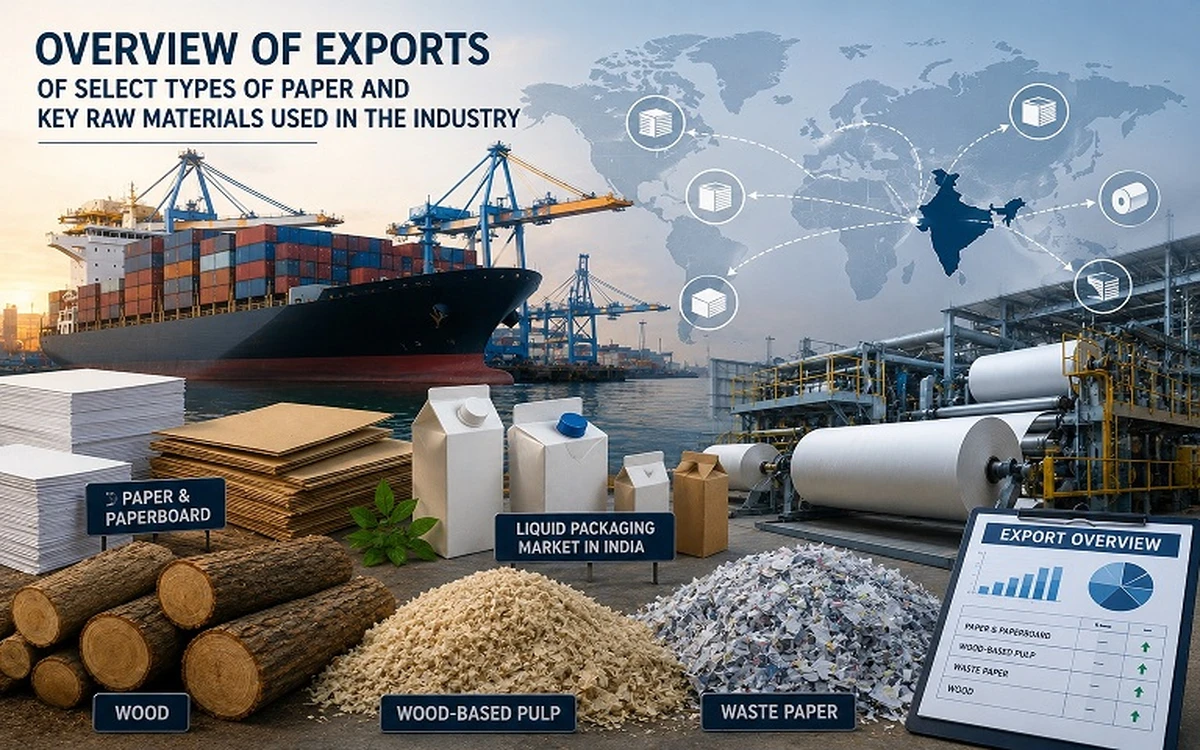
Overview of exports of select type of paper and key raw material used in the industry by Crisil Intelligence
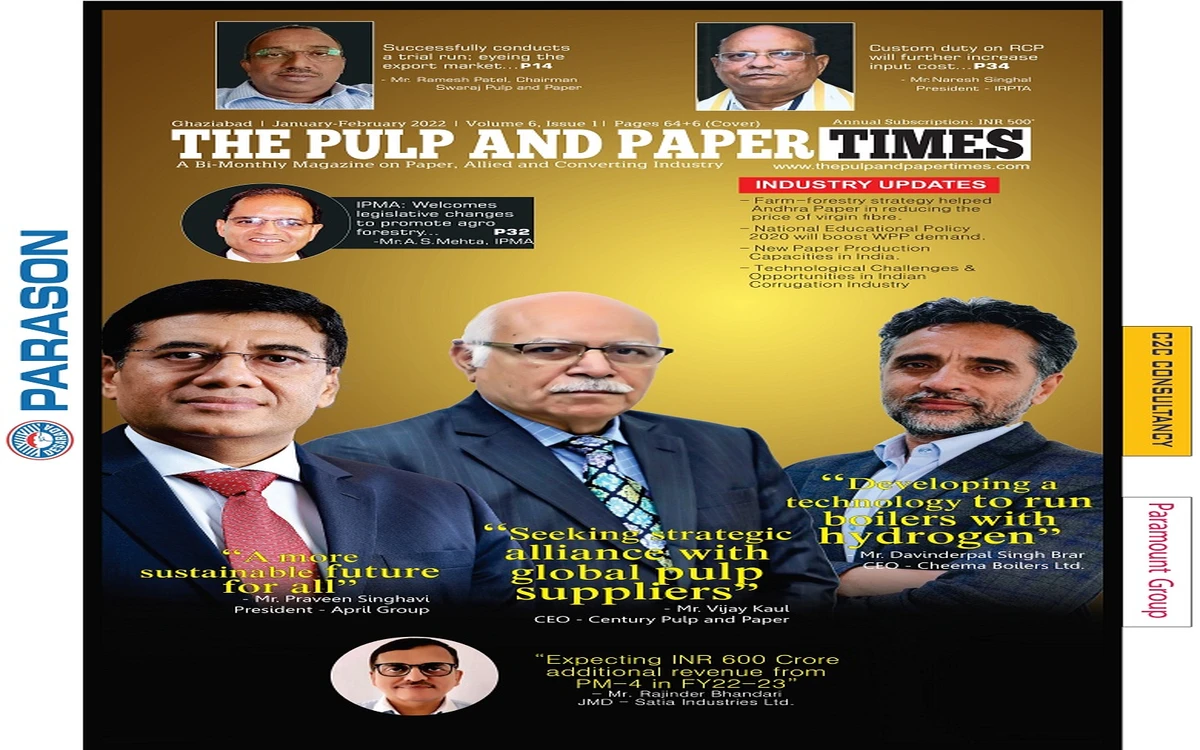
The Pulp and Paper Times Magazine : Volume 6, Issue 1

The Pulp and Paper Times Magazine : Volume 5, Issue 6
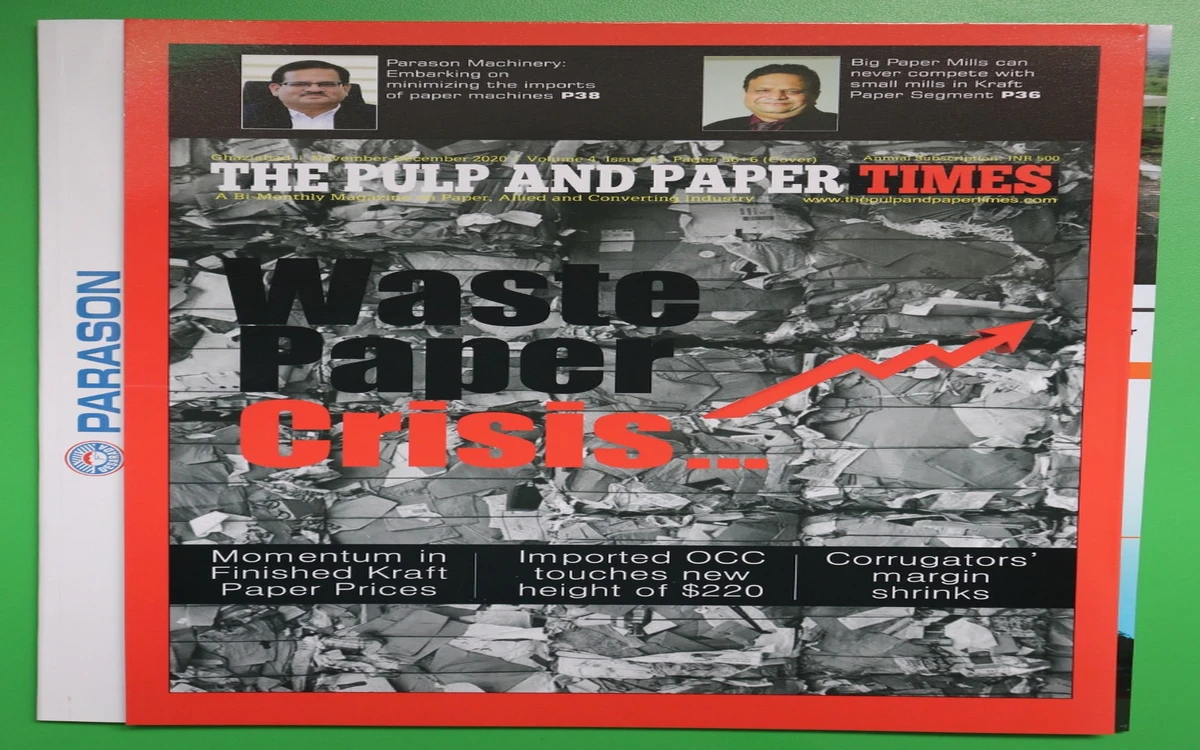
The Pulp and Paper Times: Volume 4, Issue 6
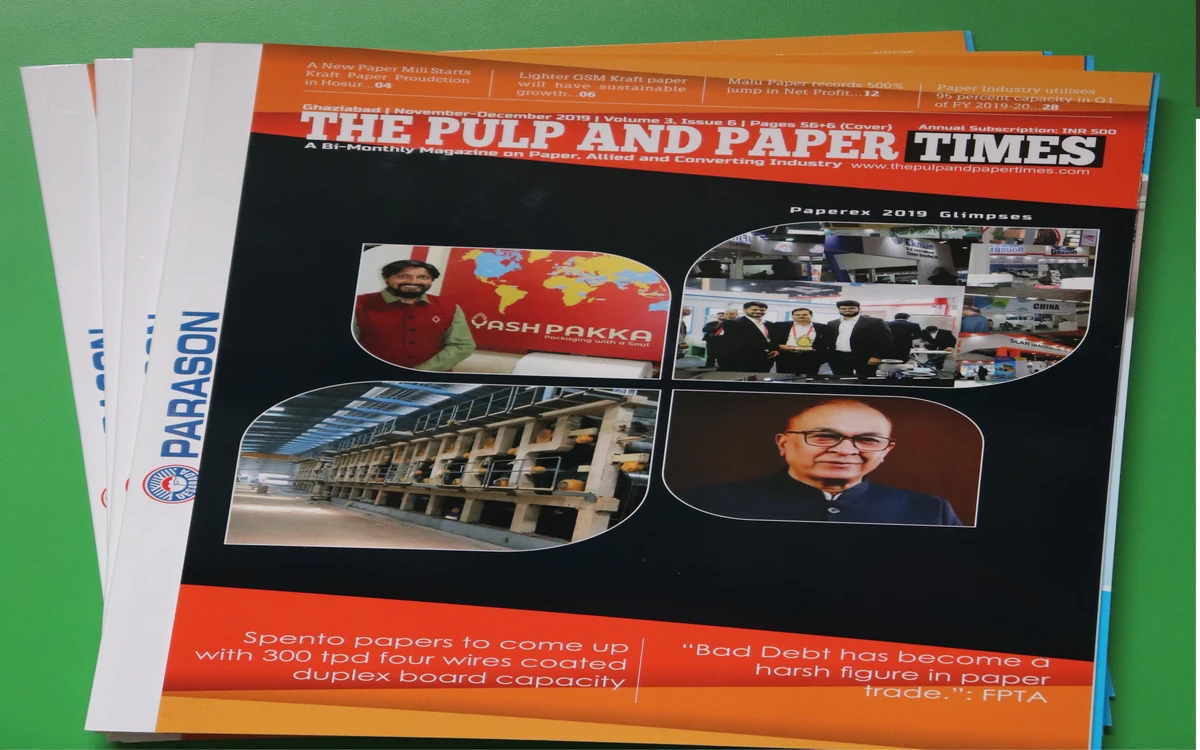
The Pulp and Paper Times : Volume 3, Issue 6
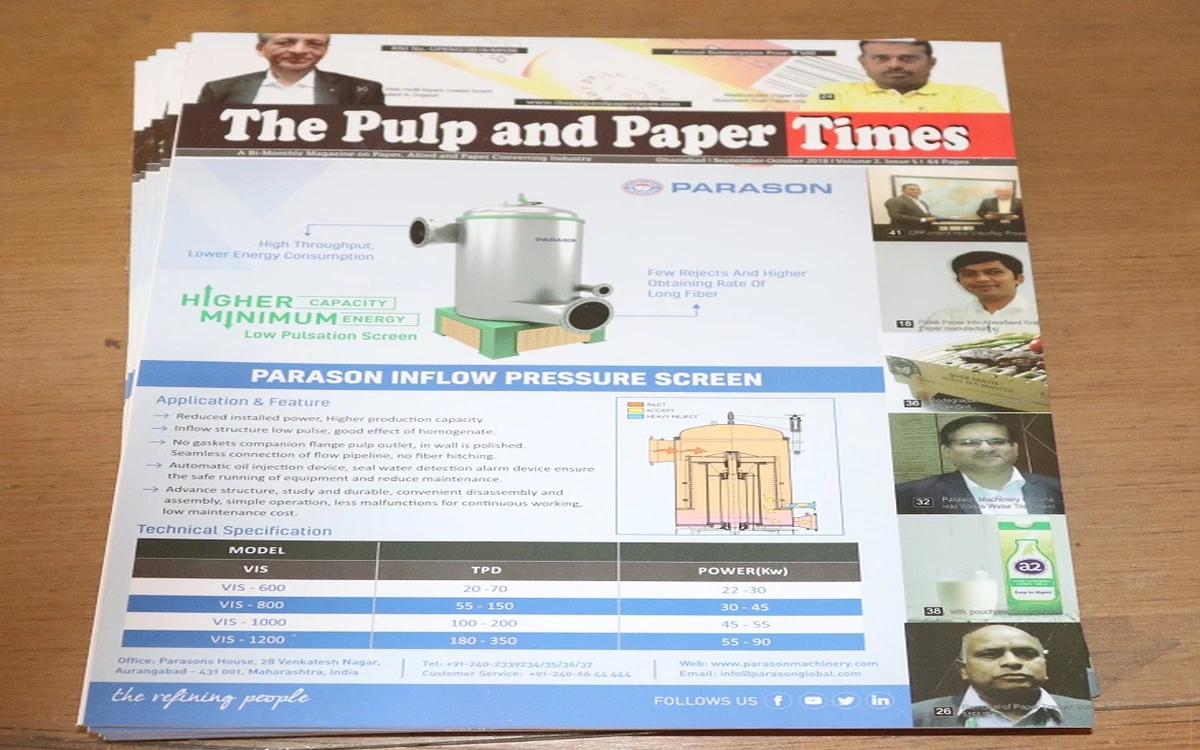
The Pulp and Paper Times: Volume 2 Issue 5

The Pulp and Paper Times, Volume 1, Issue 3
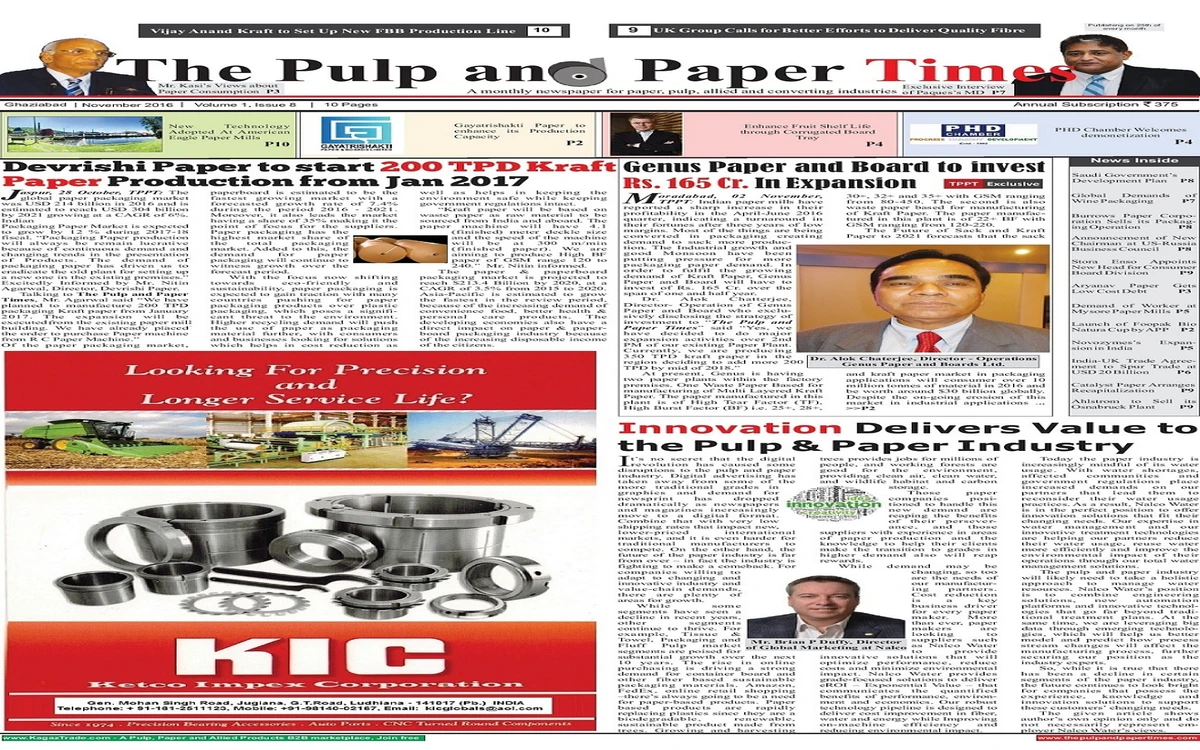
The Pulp and Paper Times, November 2016 Issue

Market Outlook for the Indian and Global Pulp and Paper Industry
The Pulp and Paper Times
PAPER & PULP-GLOBAL PERFORMANCE
The global pulp and paper industry entered a phase of measured recovery in CY25, marked by shifting demand patterns and gradual stabilisation across key markets. The market size is estimated at USD 350-360 billion, reflecting moderate expansion led by packaging, paperboard, tissue, hygiene and specialty products. Global paper demand is estimated to have recorded moderate growth of approximately 1-3% during CY25 despite a challenging macroeconomic environment and is expected to remain resilient in CY26, with growth projected at 1-2%.
While digitalisation continues to exert structural pressure on traditional segments such as writing & printing paper and newsprint, the global paper industry is expected to maintain a steady growth trajectory, registering a CAGR of approximately 1-3% during CY23-CY26. The long-term outlook remains positive, supported by expanding end-use sectors such as FMCG, pharmaceuticals, healthcare, food service and e-commerce.

Global demand for writing and printing (W&P) paper remained broadly stable during CY25. However, long-term growth prospects continue to be constrained by increasing digital adoption, higher penetration of smartphones, growing use of digital learning platforms, lower corporate spending on office stationery and rising popularity of e-books, particularly in developed markets. Nevertheless, demand from developing economies, supported by educational requirements and relatively lower digital penetration, is expected to provide some stability to the segment.
Paperboard continues to be the principal growth driver for the global paper industry, with demand estimated to have increased by 2-4% CAGR during CY25, supported by sustained growth in e-commerce, FMCG, pharmaceuticals and consumer goods sectors. Global paperboard demand is expected to continue its growth momentum in CY26, with increasing preference for sustainable packaging solutions and regulatory restrictions on single-use plastics supporting long-term demand growth.

Specialty paper also continues to emerge as a key growth segment, driven by rising demand from packaging, hygiene, healthcare, food service and industrial applications. In contrast, the newsprint segment continues to face structural decline owing to increasing digital media consumption and growing e-readership.
Global Demand Environment
The global demand environment remained subdued during CY25 owing to weak economic conditions and traderelated uncertainties. Demand in China weakened during the first half of CY25 following tariff announcements by the United States. Given China’s significant role in global paper and pulp trade, lower demand from China and other Southeast Asian economies adversely impacted global market sentiment.
Additionally, demand in the United States and Europe, which together account for a substantial share of global paper consumption, remained soft amid subdued economic activity. Consequently, global demand growth remained moderate despite healthy consumption trends in packaging-related segments.

Global pulp prices declined during CY25 owing to weak global demand, elevated inventory levels, additional downstream capacity and softer demand from China and Southeast Asia. Prices of softwood and hardwood pulp declined by approximately 8% and 17%, respectively, to around USD 720 per tonne and USD 600 per tonne.
However, supply-side disruptions, maintenance shutdowns and lower inventory levels have resulted in tightening pulp availability at the beginning of CY26, leading to firming prices. Similarly, wastepaper prices, which declined by approximately 12% during CY25 to around USD 210 per tonne, are expected to remain elevated in CY26 due to raw material scarcity, lower collection rates, higher energy costs and improving packaging demand.
Consequently, fibre security, raw material sourcing efficiency and cost optimisation will remain key determinants of competitiveness across the global paper industry.
Outlook of CY26 & Beyond
The outlook for CY26 and beyond points to steady, structurally driven growth. Packaging grades are expected to remain the primary growth engine, supported by global trade flows, deeper e-commerce penetration and the shift towards recyclable and biodegradable materials. Separately, the global pulp and paper market is estimated to expand at a 3-4% CAGR over the medium term, surpassing USD 400 billion by the end of the decade.

PAPER & PULP – INDIA’S PERFORMANCE
India’s paper and paperboard industry continued to demonstrate resilience during FY25, with overall demand increasing by approximately 4% year-on-year to 24.1 million tonnes. Growth was driven primarily by robust demand from paperboard, packaging and specialty paper segments, supported by expansion in FMCG, pharmaceuticals, e-commerce and quick-commerce sectors.
Paperboard remained the largest segment, accounting for approximately 64% of total demand, followed by writing & printing paper at 24%, specialty paper at 7% and newsprint at 5%. CRISIL Intelligence expects domestic paper demand to grow at a healthy CAGR of 4-6% during FY25-FY27, reaching approximately 25-27 million tonnes by FY27, driven largely by sustained growth in paperboard and specialty paper segments supported by rising domestic consumption, policy support, organised manufacturing capacity and increasing substitution of imports in select grades.
Paperboard and packaging remained the largest contributor to industry growth, accounting for nearly 64% of industry turnover in FY25 and growing at 9% year-onyear, with a 5–7% CAGR projected through FY25-27 as per CRISIL Research. Demand was supported by shifts in consumer behaviour, digital commerce, organised retail, FMCG activity and the increasing preference for paperbased alternatives. Capacity additions by large integrated players and improving utilisation also strengthened the competitive positioning of organised manufacturers.

The domestic paper industry witnessed significant margin pressure during FY25 owing to elevated wood prices and increased imports, particularly from ASEAN countries. Wood prices increased by approximately 20-25% during the year due to supply constraints and strong demand from other wood-based industries. Simultaneously, increased imports created oversupply conditions in the domestic market, resulting in a decline of 10-12% in domestic writing and printing paper prices. Intense competition from lower-priced imports constrained the ability of domestic manufacturers to fully pass on higher input costs, leading to compression in industry margins. Although wood prices have stabilised and margins are expected to improve gradually, import competition is likely to remain a key monitorable for the industry.
On the supply side, the cost environment remained mixed. Wood pulp, waste paper and chemical prices showed some stabilisation compared with earlier volatility. However, energy and logistics costs continued to weigh on margins, particularly for smaller and mid-sized mills. These conditions sharpened the industry’s focus on operational efficiency, backward integration, cost optimisation and product-mix discipline.
For integrated paper manufacturers, farm forestry remains an important link to raw materials. Improved rural cash flows and farmer participation in pulpwood cultivation can support the availability of key species such as eucalyptus, casuarina and subabul, which are critical to the domestic paper industry’s fibre supply chain.
Key Demand Drivers
Several structural factors continue to support long-term growth of the Indian paper industry. India’s per capita paper consumption remains significantly below the global average at approximately 14-16 kg compared with the global average of around 57 kg, indicating substantial headroom for future growth.
The writing and printing segment is expected to grow at a moderate CAGR of 2-3% through FY27, supported by increasing enrolment in educational institutions, implementation of the National Education Policy, higher government expenditure on education and rising demand for textbooks in regional languages. Industry estimates indicate that nearly 30-40% of incremental demand in recent years has been driven by NEP-related initiatives.
Paperboard is expected to remain the fastest-growing major segment, supported by robust demand from FMCG, pharmaceuticals, organised retail, consumer durables, e-commerce and quick-commerce sectors. Consumer packaging grades, which account for nearly 40-50% of industry volumes, are expected to register strong growth over the medium term. Specialty paper demand is expected to grow at a robust CAGR of 10-11% through FY27, driven by increasing demand for tissue, cup stock, thermal and other value-added grades. Rising hygiene awareness, urbanisation, healthcare expansion and growth in organised retail are expected to provide sustained longterm growth opportunities.
Outlook for FY26 & Beyond
Crisil Intelligence expects the overall paper demand to grow at a healthy two-year CAGR (FY25-FY27) of 4-6% to ~25-27 million tonnes by fiscal 2027 driven largely by paperboard and specialty paper demand. The newsprint segment continues to witness slow demand due to decline in English news paper circulation on account of shift towards digitised versions of newspapers with proliferation of digitisation and smartphones.
Demand from FMCG, pharmaceuticals, food processing, organised retail and e-commerce is expected to support continued growth in paperboard and packaging solutions. At the same time, increasing regulatory and consumer focus on reducing plastic usage is likely to accelerate the adoption of recyclable and paper-based alternatives.
However, the sector will continue to face structural challenges. Raw material availability, particularly wood fibre and waste paper, remains a key constraint, creating exposure to price volatility and imports in certain segments. Energy costs, environmental compliance requirements and industry fragmentation may also continue to influence margins and competitiveness.
The outlook for FY27 and beyond remains positive, with structurally driven growth expected to continue, supported by domestic demand expansion, low per capita consumption, sustainability-led substitution and rising consumption from end-user sectors. As per The Pulp and Paper Times, the Indian paper market is currently valued at approximately USD 4.7 billion, and is projected to grow at a 13.4% CAGR through 2032, reaching nearly USD 11.3 billion, with packaging grades expected to remain the primary growth engine.
Addressing these challenges will require sustained investments in plantation development, recycling infrastructure, technology upgrades, process efficiency and value-added product categories. Opportunities are expected to emerge in speciality papers, high-performance grades, hygiene-linked products and packaging applications where quality, sustainability and reliability are becoming increasingly important.
Taken together, these segment-level trends (summarised in the table above) reinforce the broader industry outlook of paperboard- and specialty-led growth, with writing and printing paper demand supported chiefly by continued government expenditure on education and literacy initiatives.
The above report has been extracted from Andhra Paper Limited’s annual report for FY 25-26

1 hour ago
Total Views : 113
4 days ago
Total Views : 425

last week
Total Views : 2661
last week
Total Views : 799

2 weeks ago
Total Views : 1031
2 weeks ago
Total Views : 3828

3 weeks ago
Total Views : 2522

3 weeks ago
Total Views : 805

last month
Total Views : 3848

4 years ago
Total Views : 12264