Join Groups & Channels, No Spamming









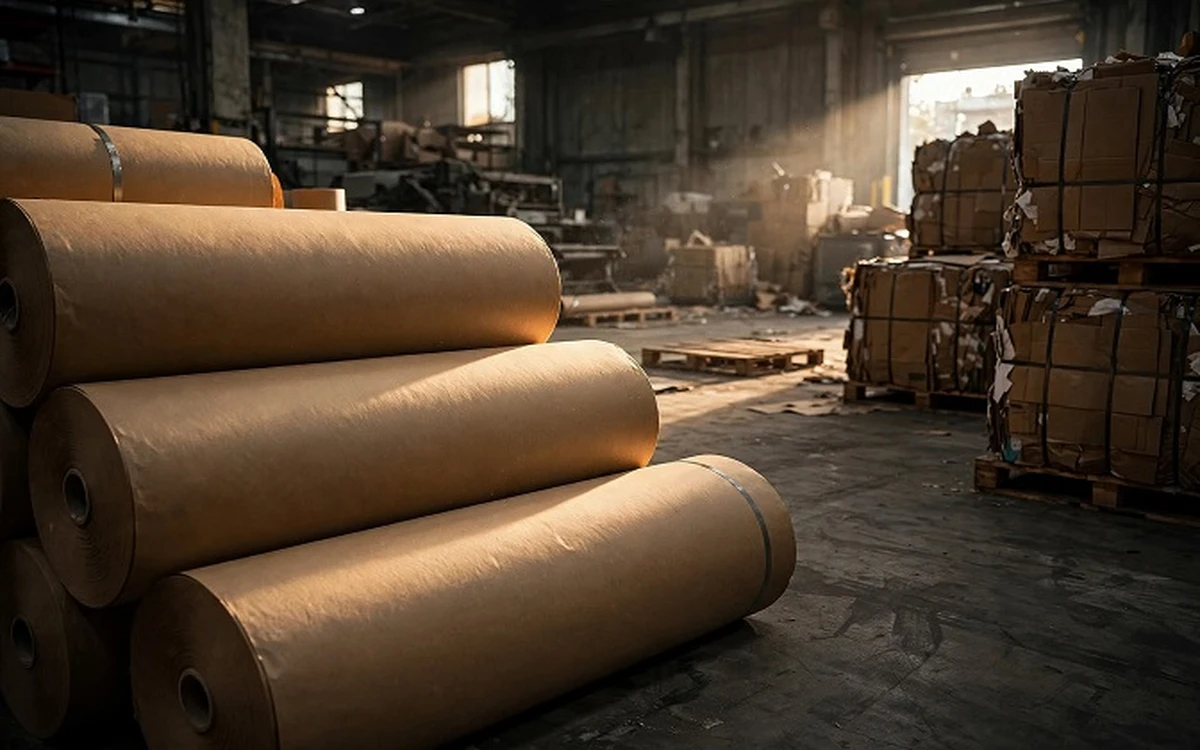
Morbi paper mills see full-capacity operations as ceramic industry revives; Kraft paper exports to China spike, Prices strengthen; Janmashtami shutdown ahead
The BE and caustic soda plant marks a key milestone for Mohit Paper Mills, enabling full utilization of installed capacity and enhancing overall production efficiency
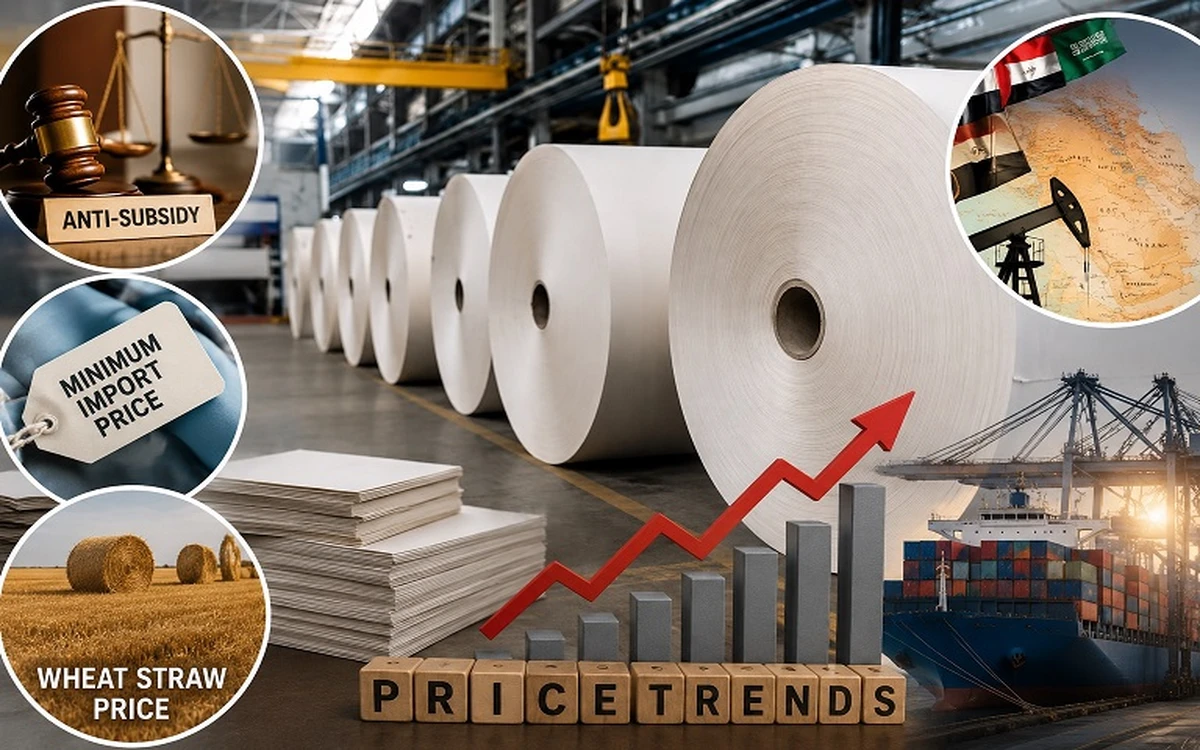
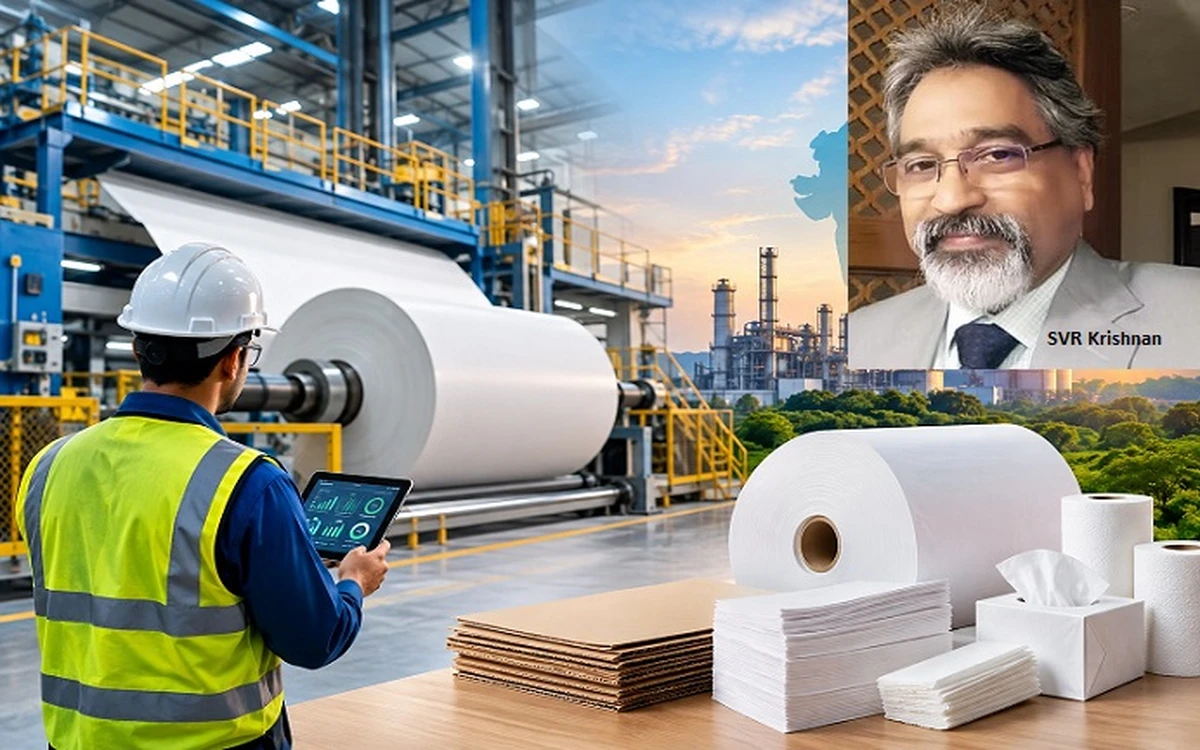
Expert Views on the paper market scenario, How the West Asia Crisis Helped the Industry, MIP for WPP, Anti-Subsidy implementation, and paper price trends
Pudumjee Paper intends to develop new varieties addressing applications for stronger paper bags and cupcakes; Plans 68,000 MT Mahad Specialty Paper Facility within 5 years
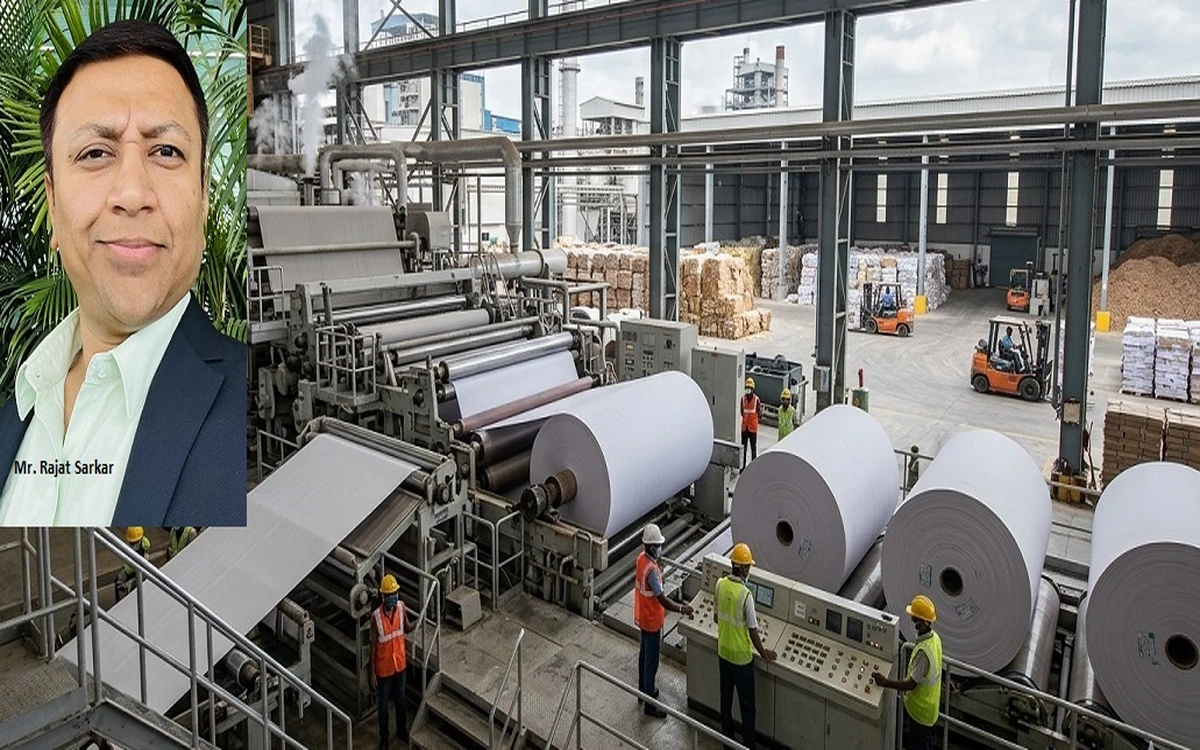
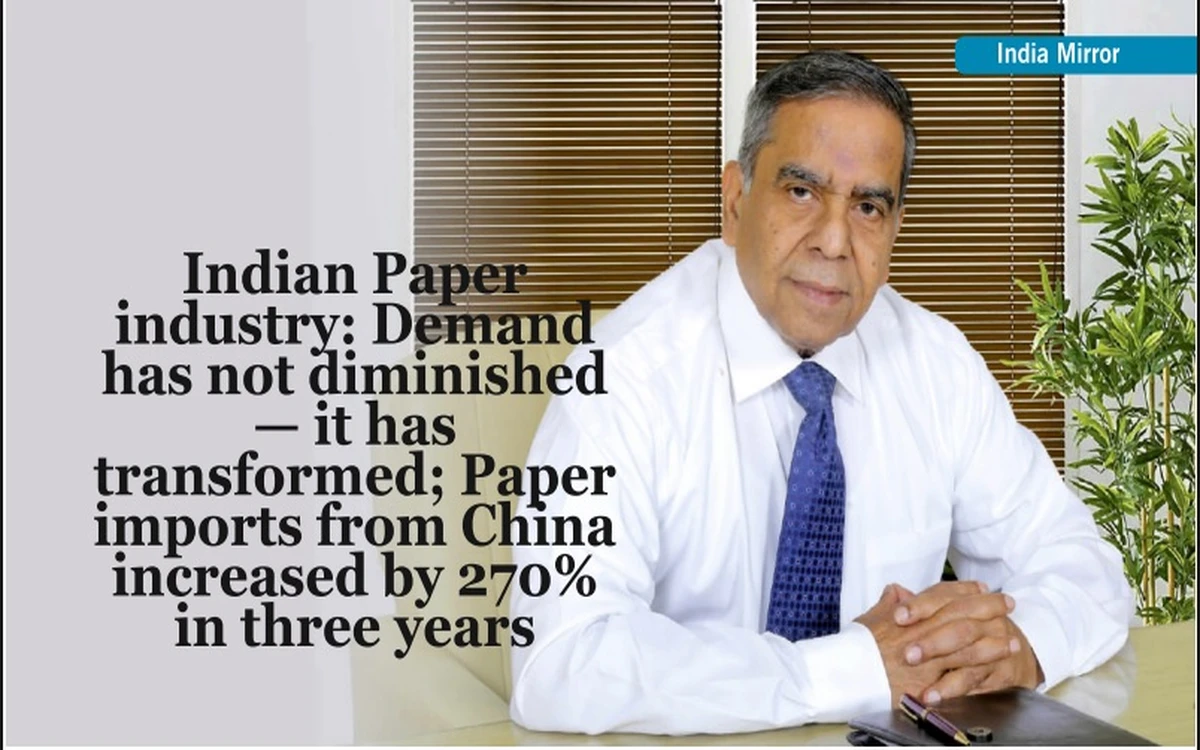
India Paper Industry at an Inflection Point: War, Costs, and Capacity; Demand growth expected at 5–7% in FY26
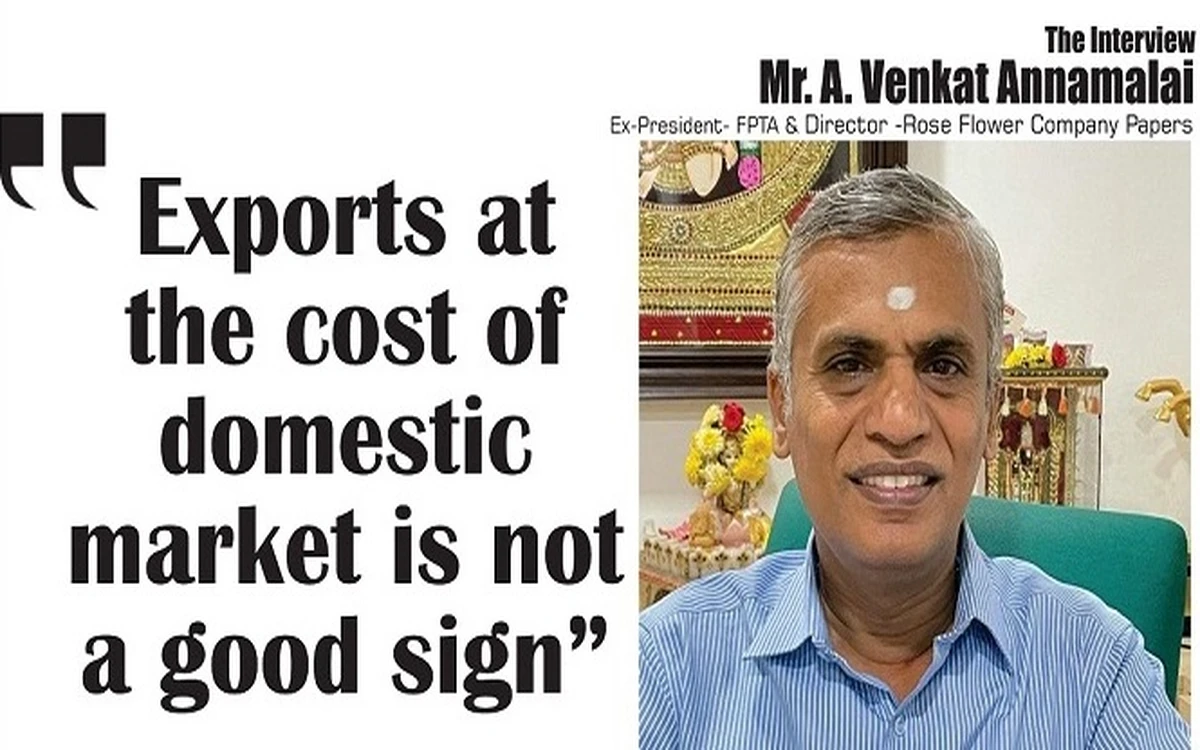
“Surging exports of paper will most certainly keep the domestic prices quite high”: Mr. A. Annamalai, Director – RFC
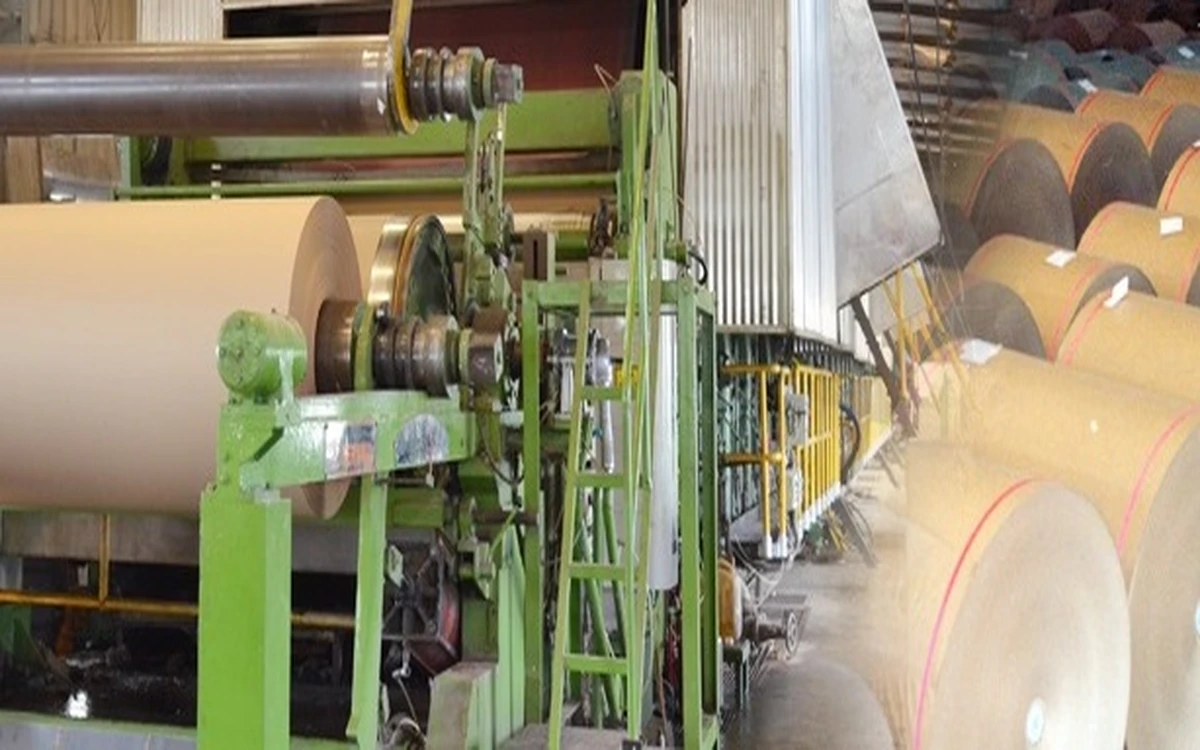
The Status of the Global Container board Industry, Recycled Paper Demand and Supply and its impact on the Indian Industry

Akshay Jain, director of Silverton Pulp & Paper, says it's time to promote agro residue as a raw material to lessen the scarcity of fibre
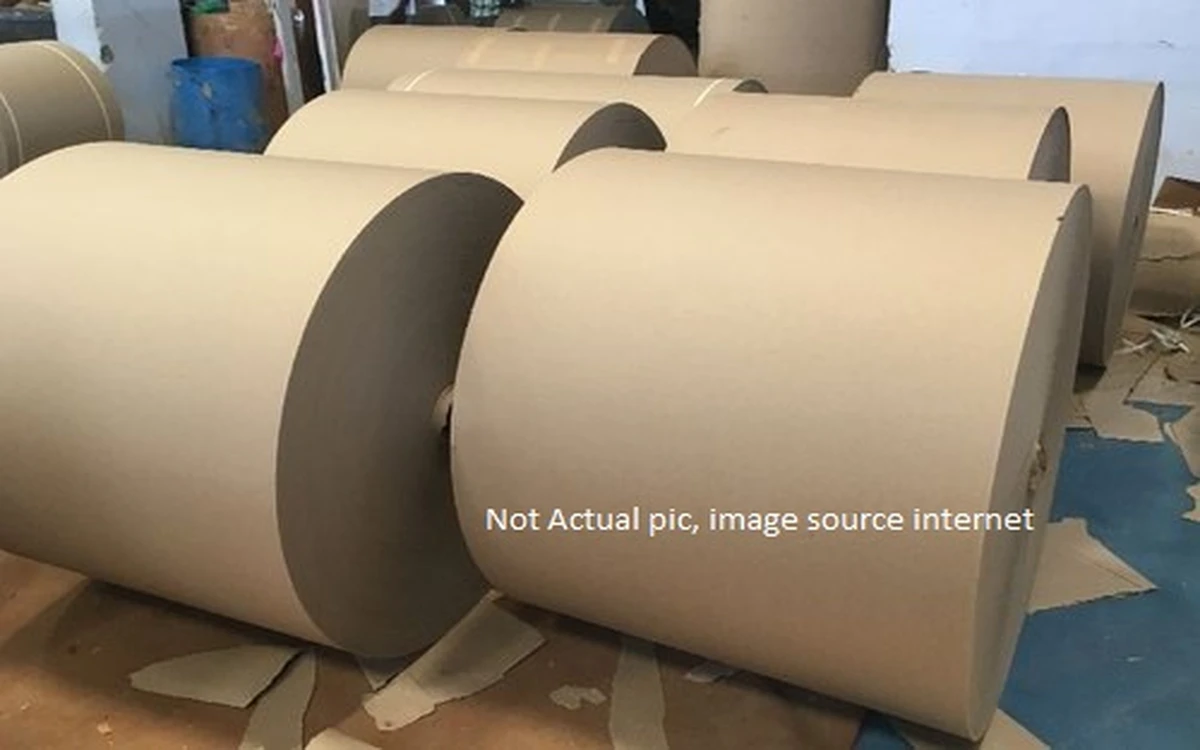
Advantageously located, a new paper mill is all set to roll kraft paper in Madhya Pradesh
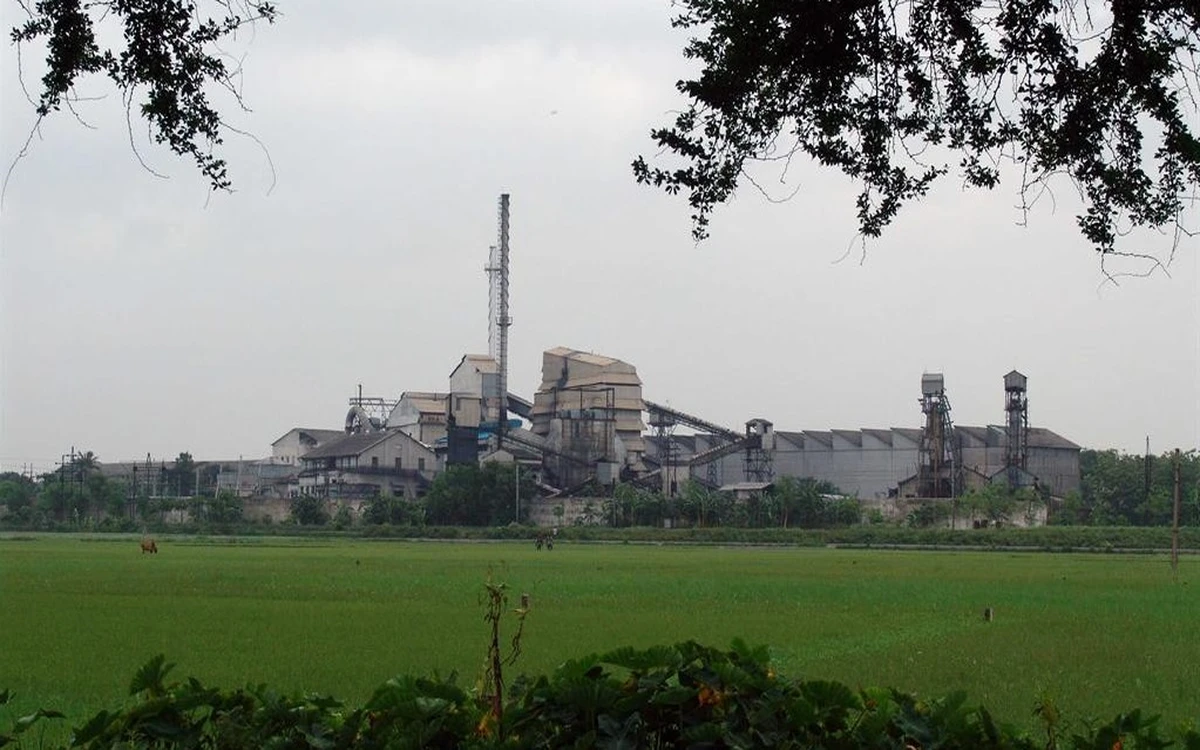
Several agile interventions helped ITC-PSPD fortify its clear leadership of the Value Added Paperboards (VAP) segment
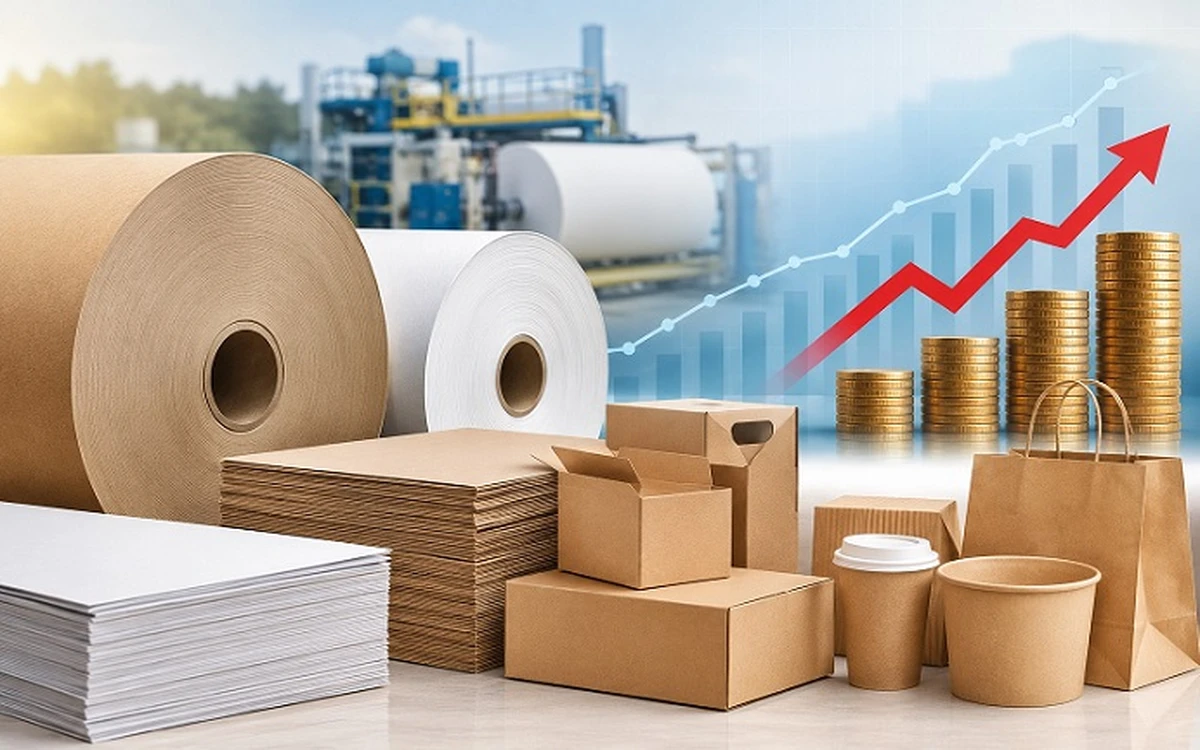
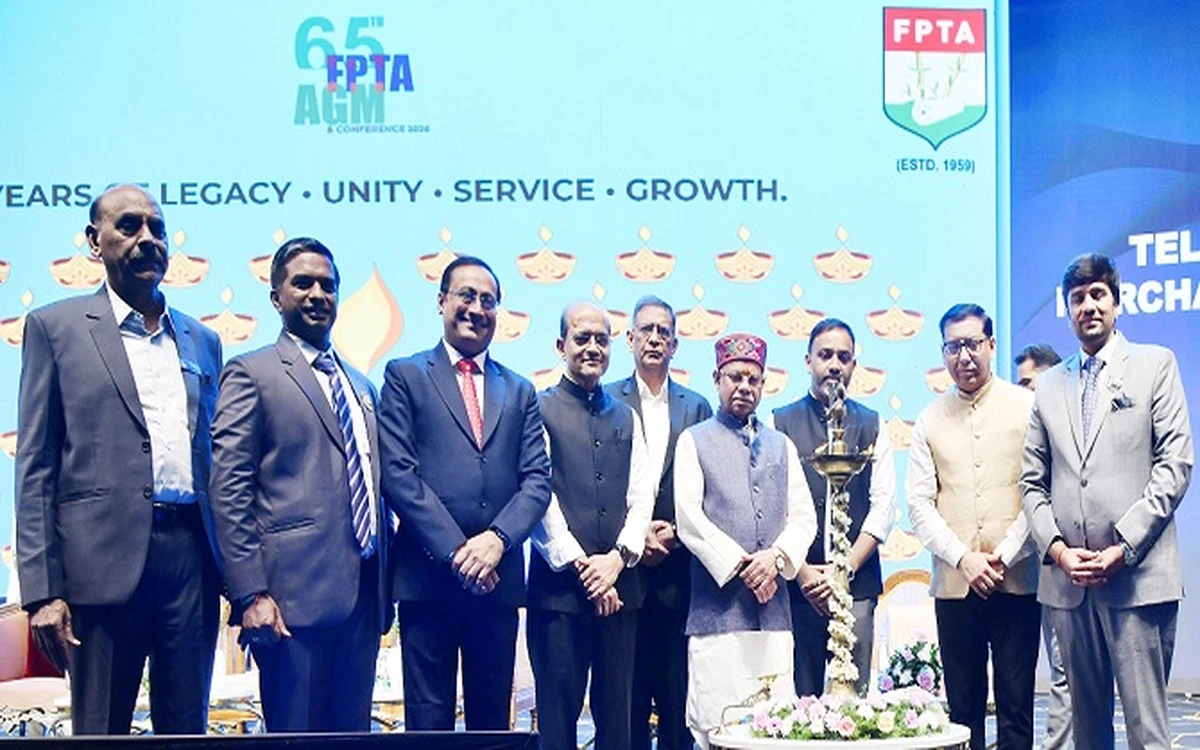
Paper and Packaging Board Market May Face Cost Pressures Through March 2027; FPTA Advises Traders
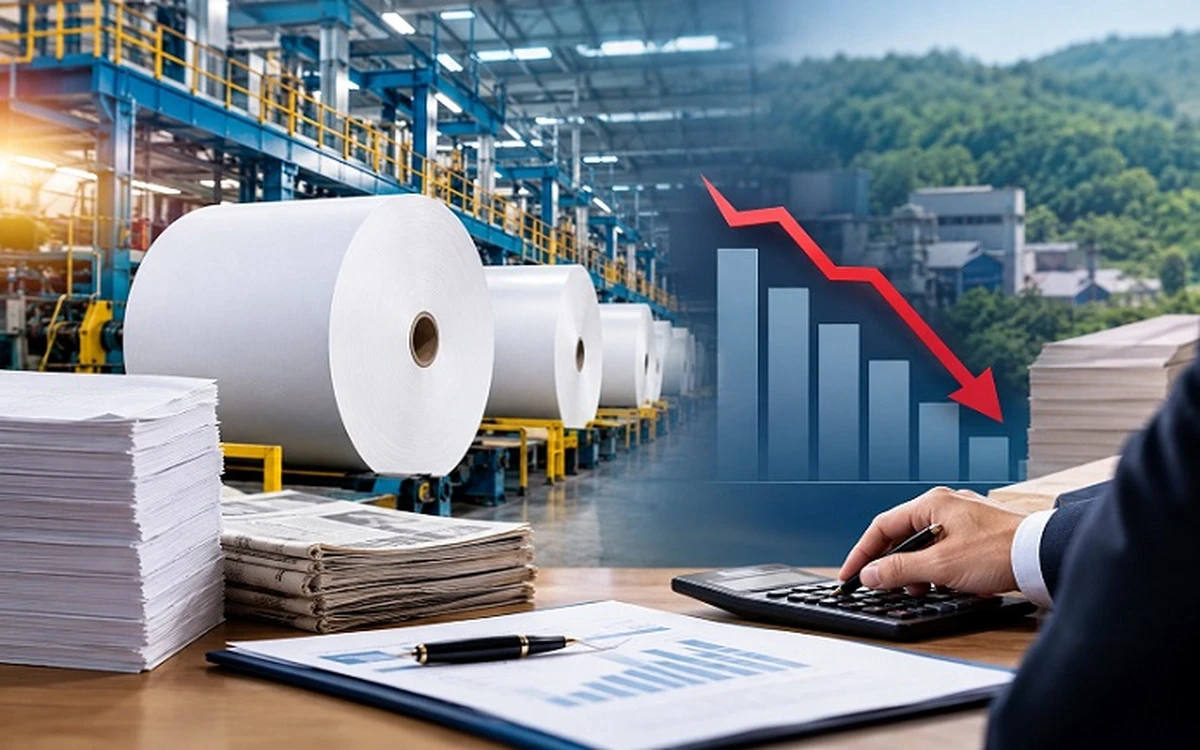
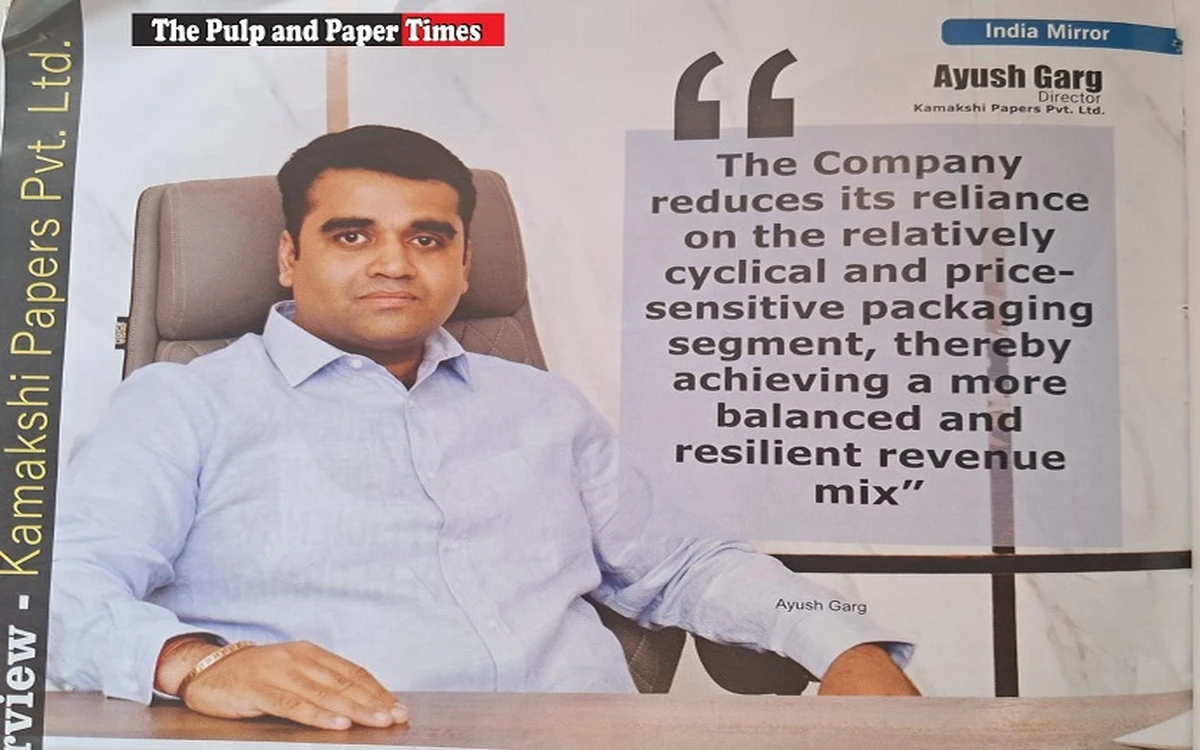
Steeper-than-expected drop in realisations hits Seshasayee Paper’s FY2025–26 operating margins; Box boards, Absorption Kraft, and Virgin Kraft now form a growing share of the product mix
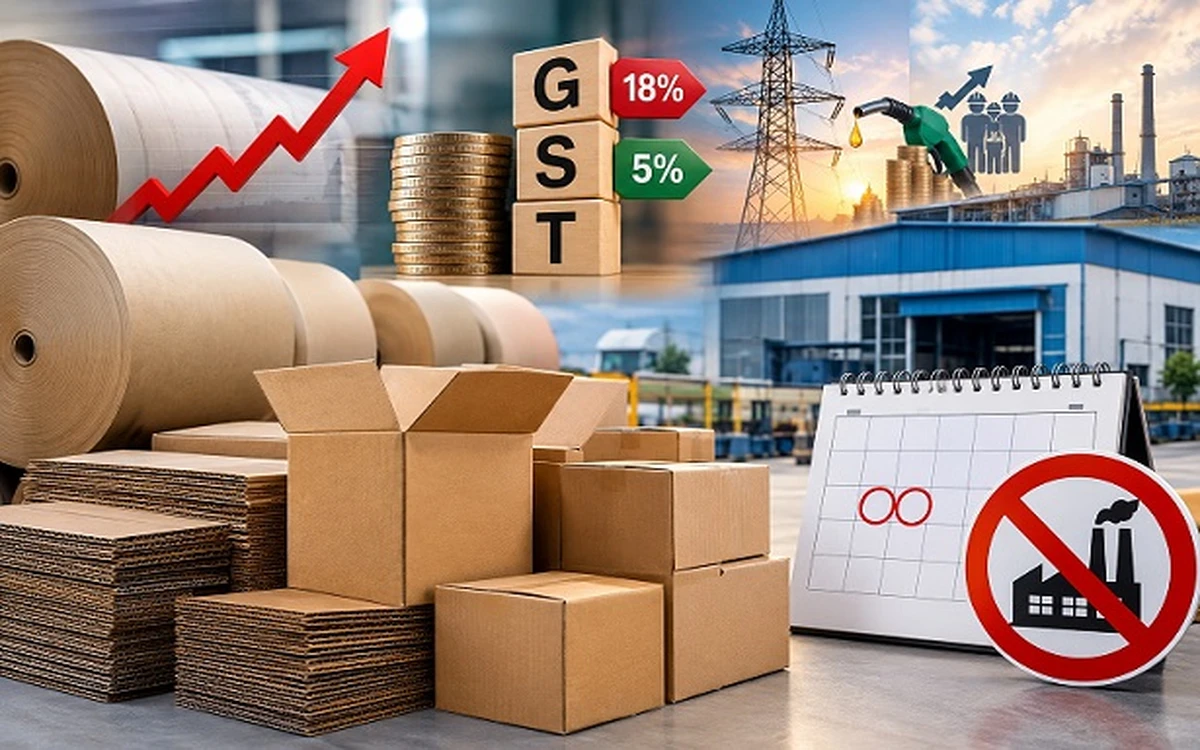
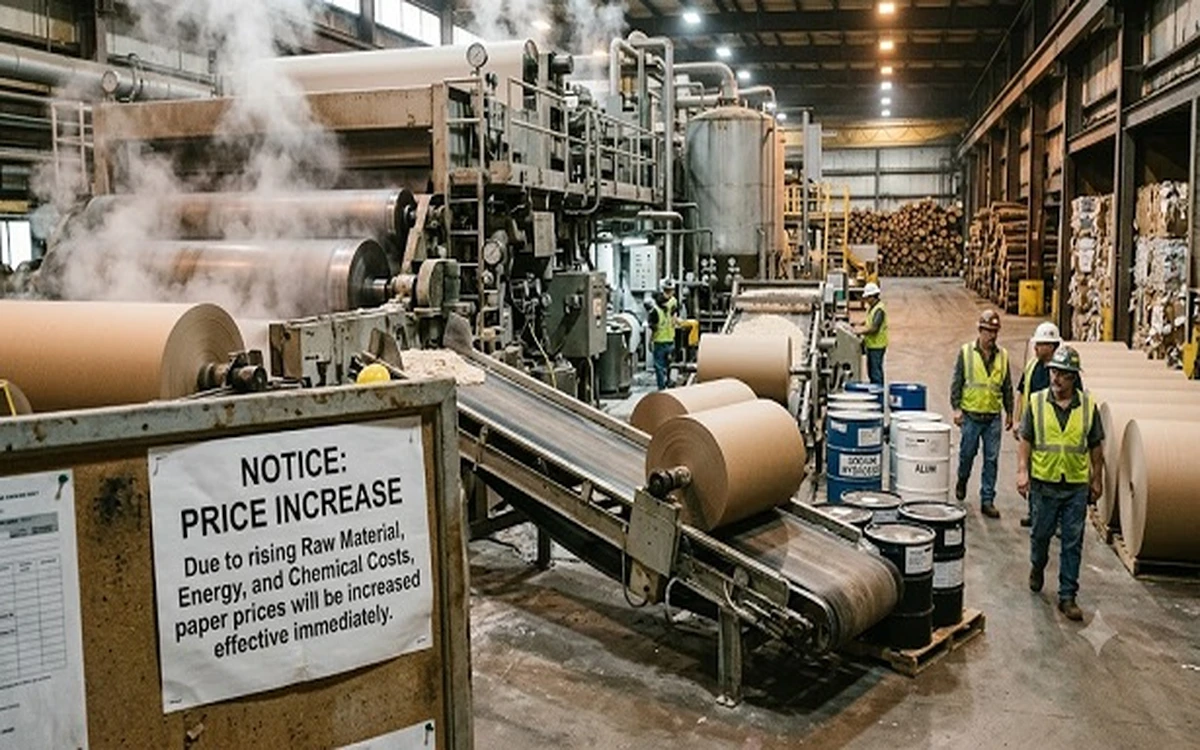
Overall Increase in Kraft Paper Prices Could Reach 35%; Industry Calls for 20% Box Price Increase, Voluntary Shutdown Proposed
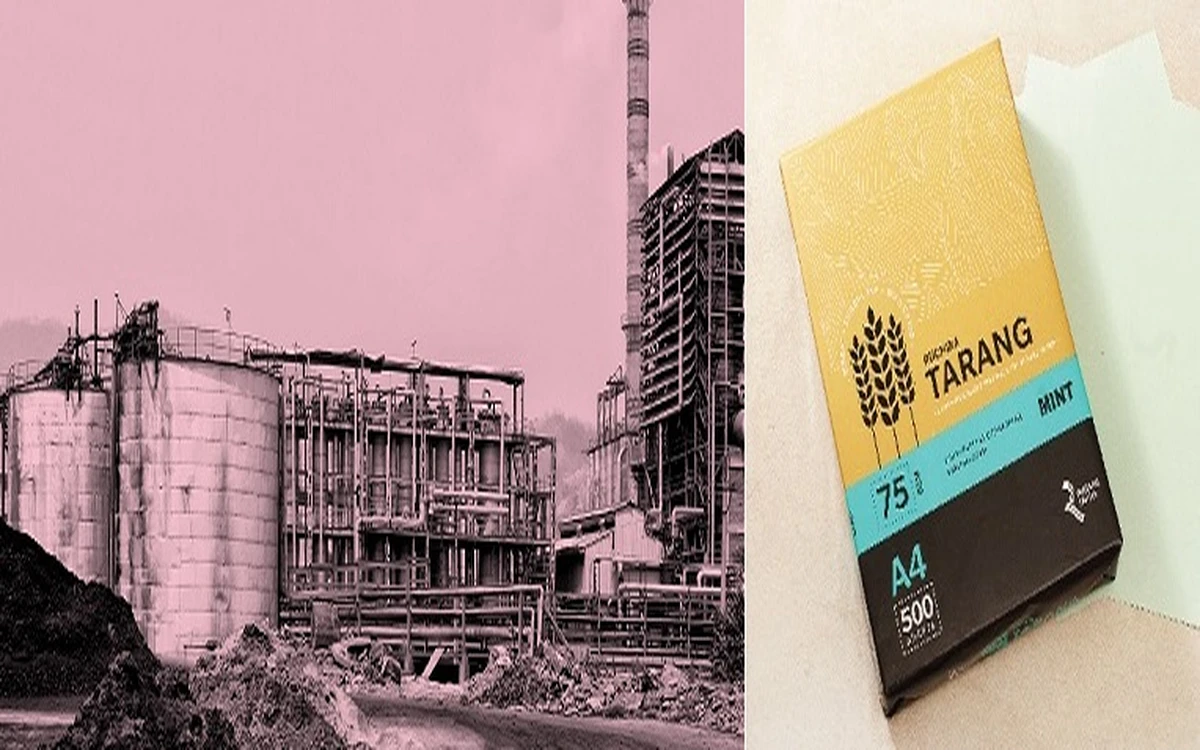
Ruchira Papers Invests a Sizeable Capex of Rs. 235–240 Crore Towards Writing & Printing Paper Capacity Expansion
Paper mills inflated the basic ex-mill price of paper post GST 2.0, AINMA seeks action against Anti-Profiteering
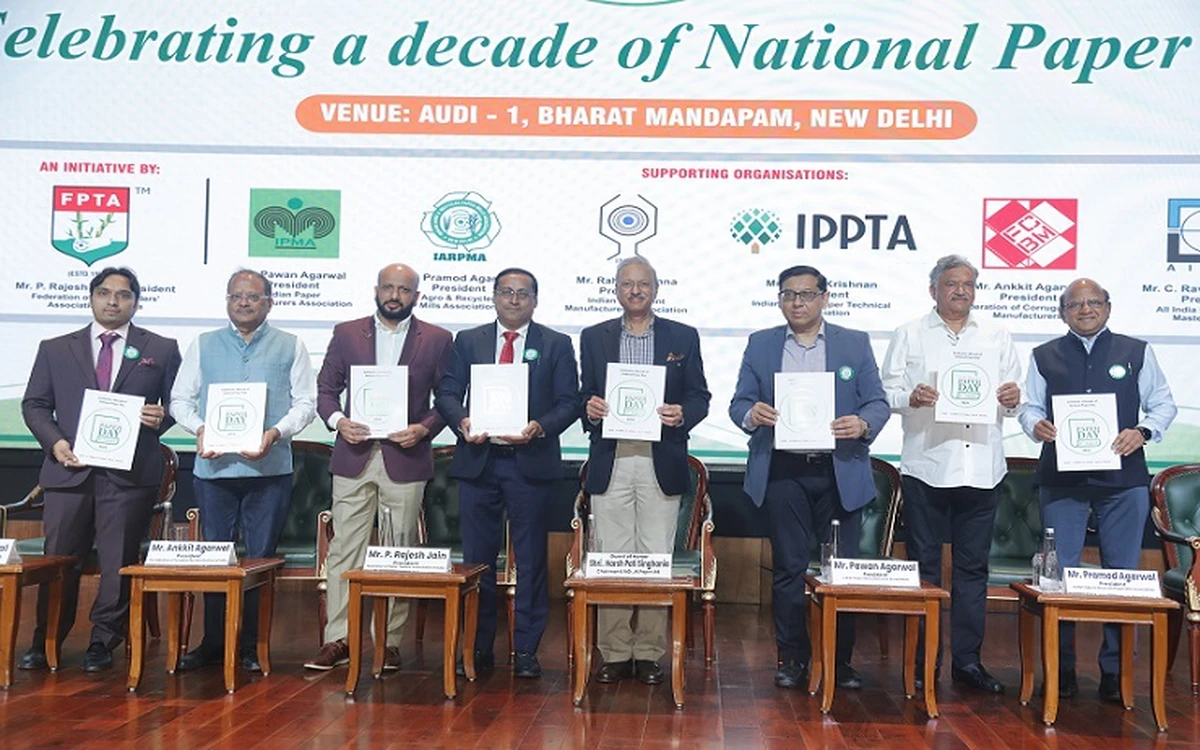
Seven Leading Associations Unite to Celebrate National Paper Day, Highlighting Paper's Sustainability and Circular Economy Advantage
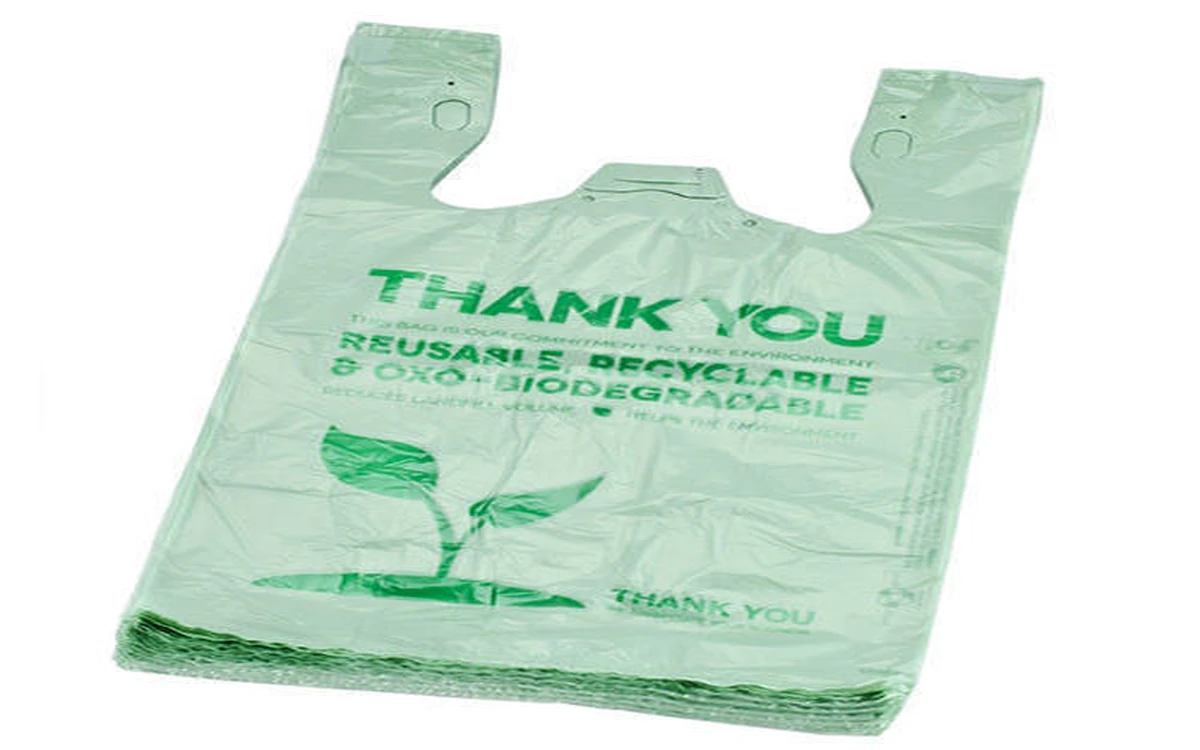
Scientists from IIT-Guwahati develop India's first biodegradable plastic

Navneet Education focuses on brand building, curriculum-led growth, and export recovery; expects stationery margins to improve in FY27

It is estimated that USD10B to USD20B worth of single-use plastic packaging will convert to molded fiber, ZUME
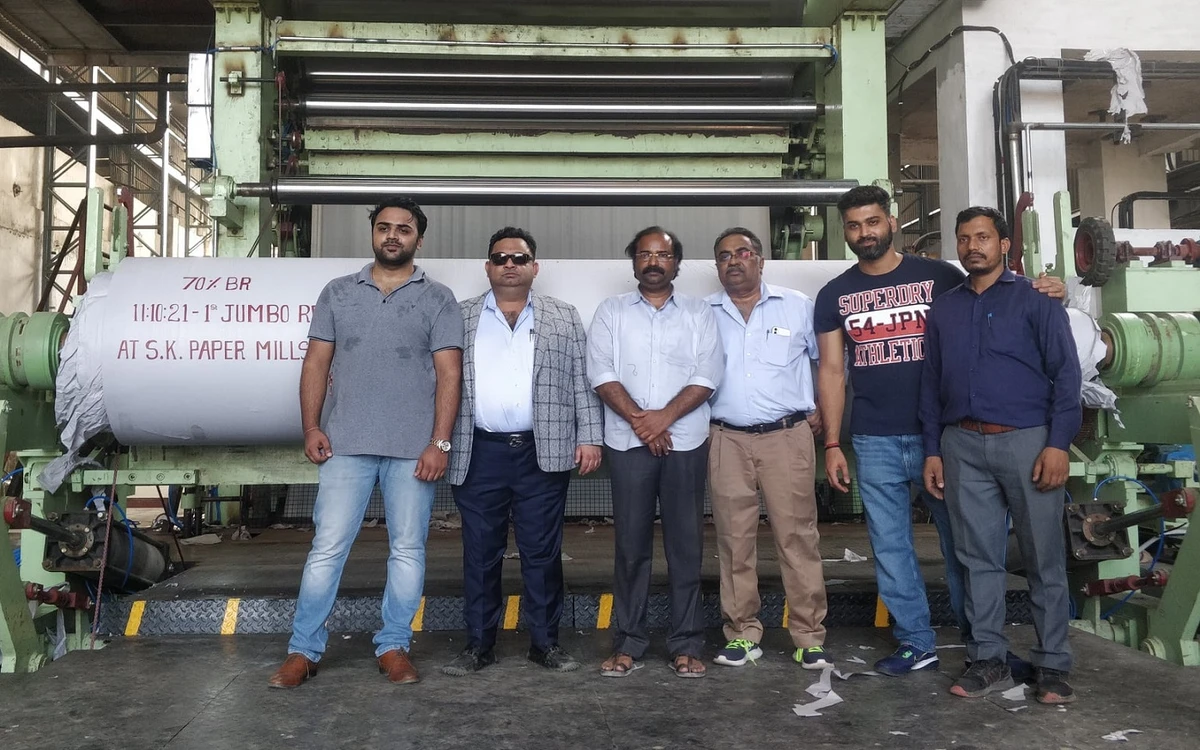
Muzaffarnagar gets a new capacity of Tissue Paper and MG Poster paper

“The integration of digitalization, automation, and Artificial Intelligence (AI) is no longer a futuristic concept—it is the baseline for competitiveness in 2036” - Vinit Garg, Director, Vizen Solutions
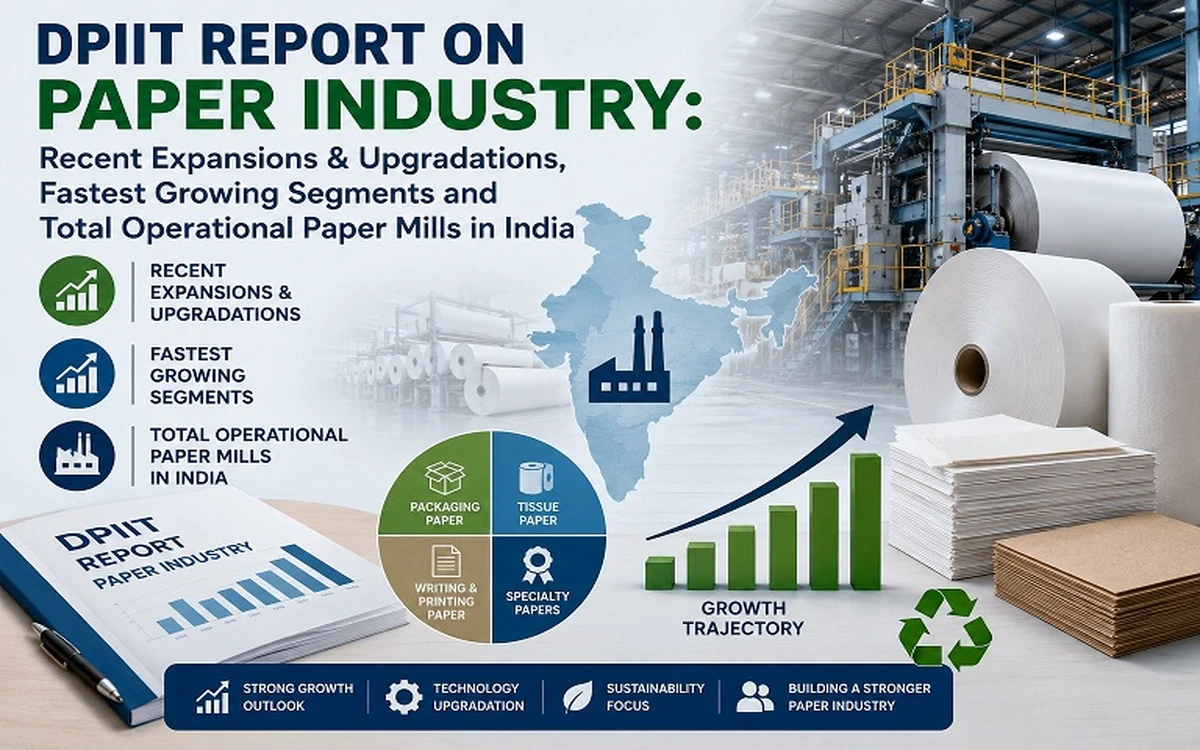
DPIIT Report on the Paper Industry: Recent Expansions & Upgrades, Fastest-Growing Segments, and Total Operational Paper Mills in India
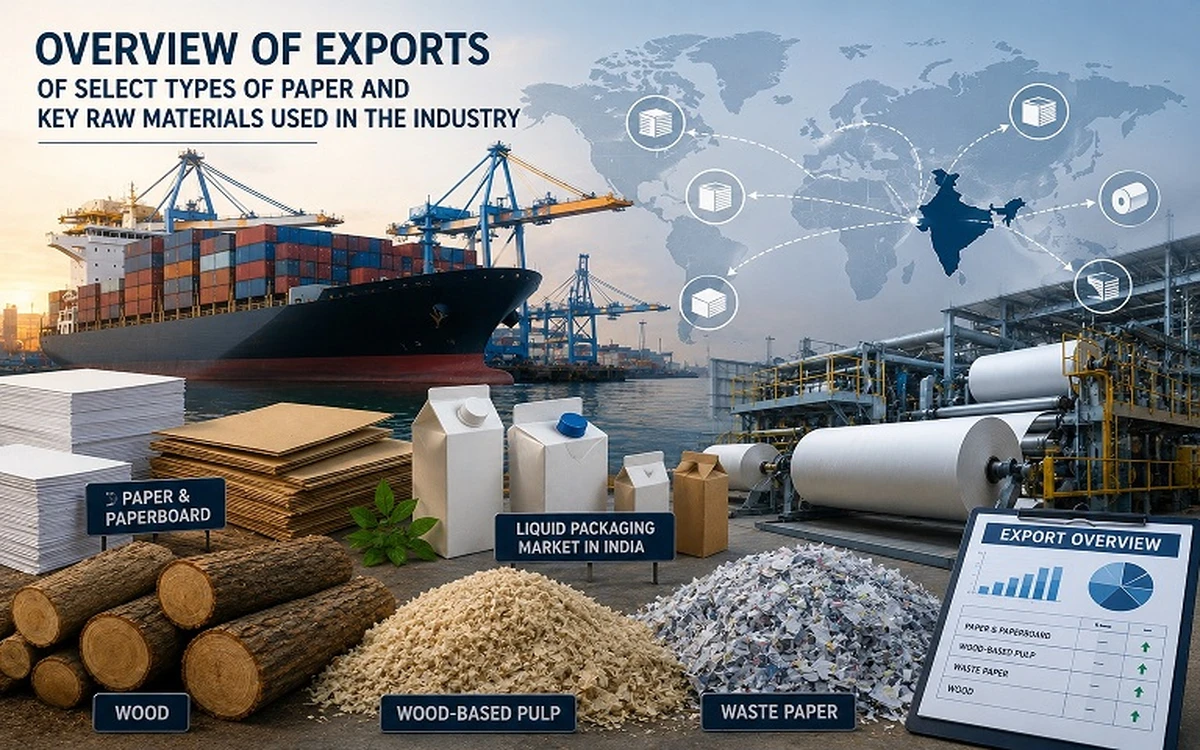
Overview of exports of select type of paper and key raw material used in the industry by Crisil Intelligence

Margin pressure pushes Pulp & Paper Packaging sector toward AI-Driven cost optimization, Cutting costs by 8–20%
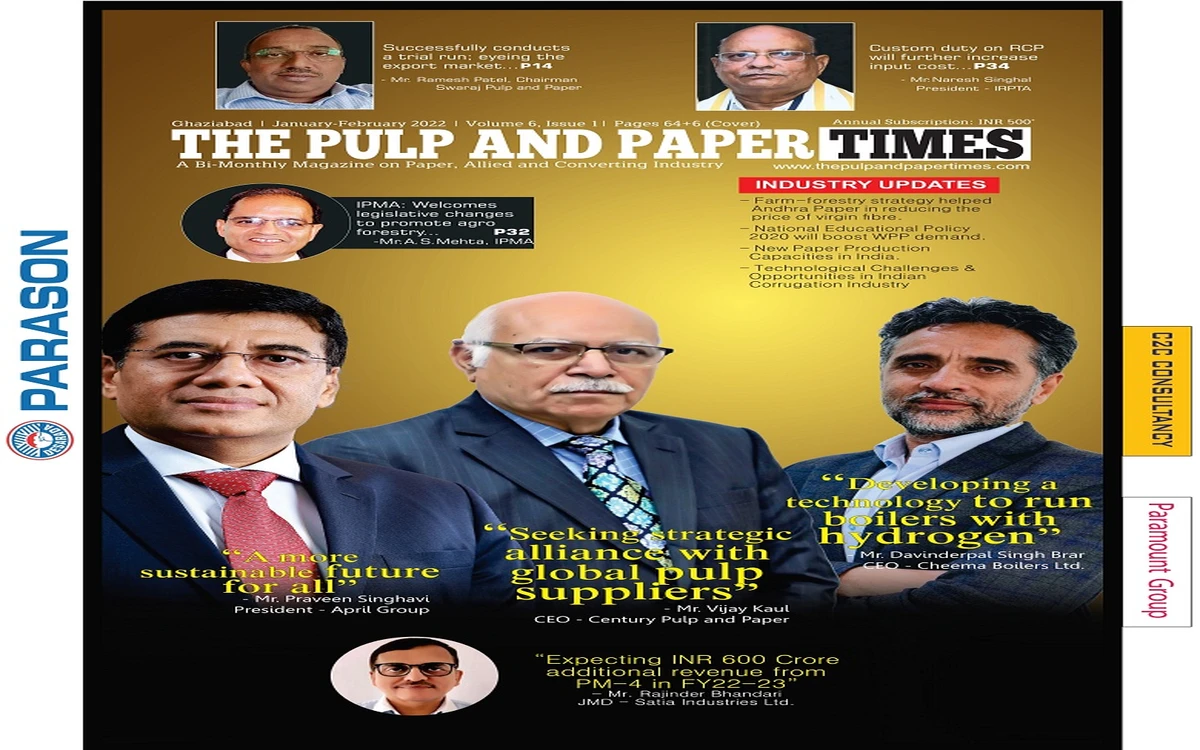
The Pulp and Paper Times Magazine : Volume 6, Issue 1
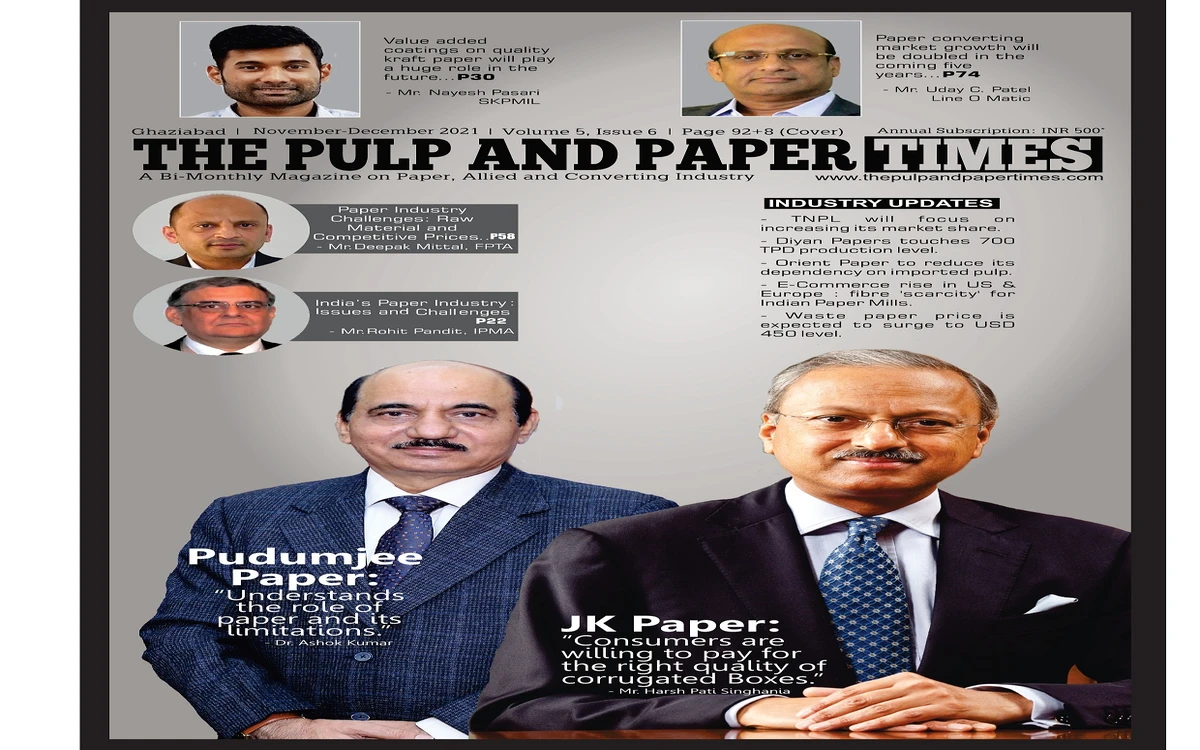
The Pulp and Paper Times Magazine : Volume 5, Issue 6
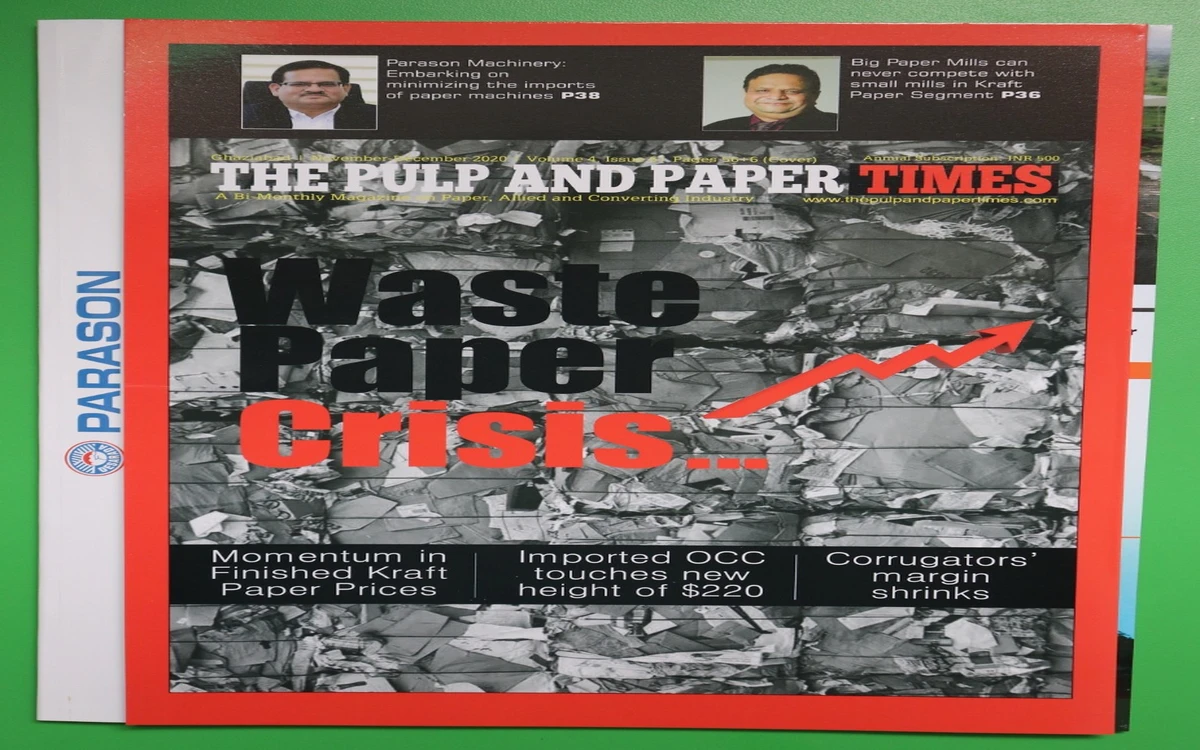
The Pulp and Paper Times: Volume 4, Issue 6
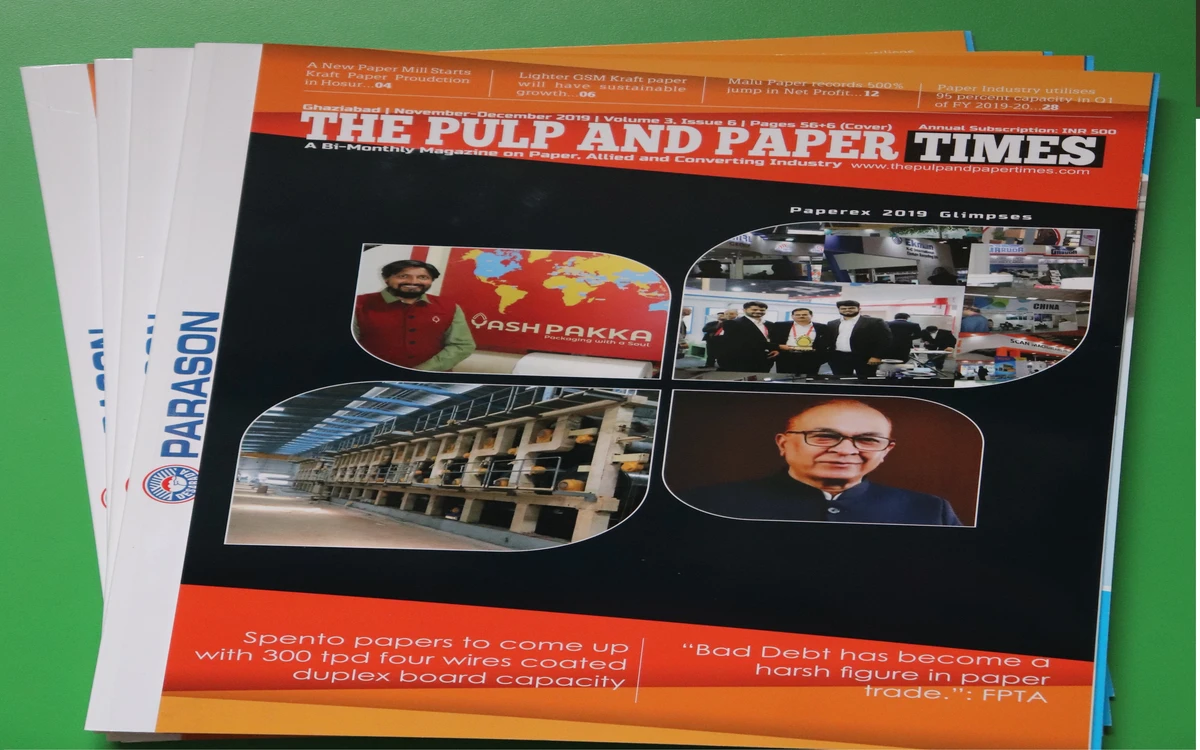
The Pulp and Paper Times : Volume 3, Issue 6
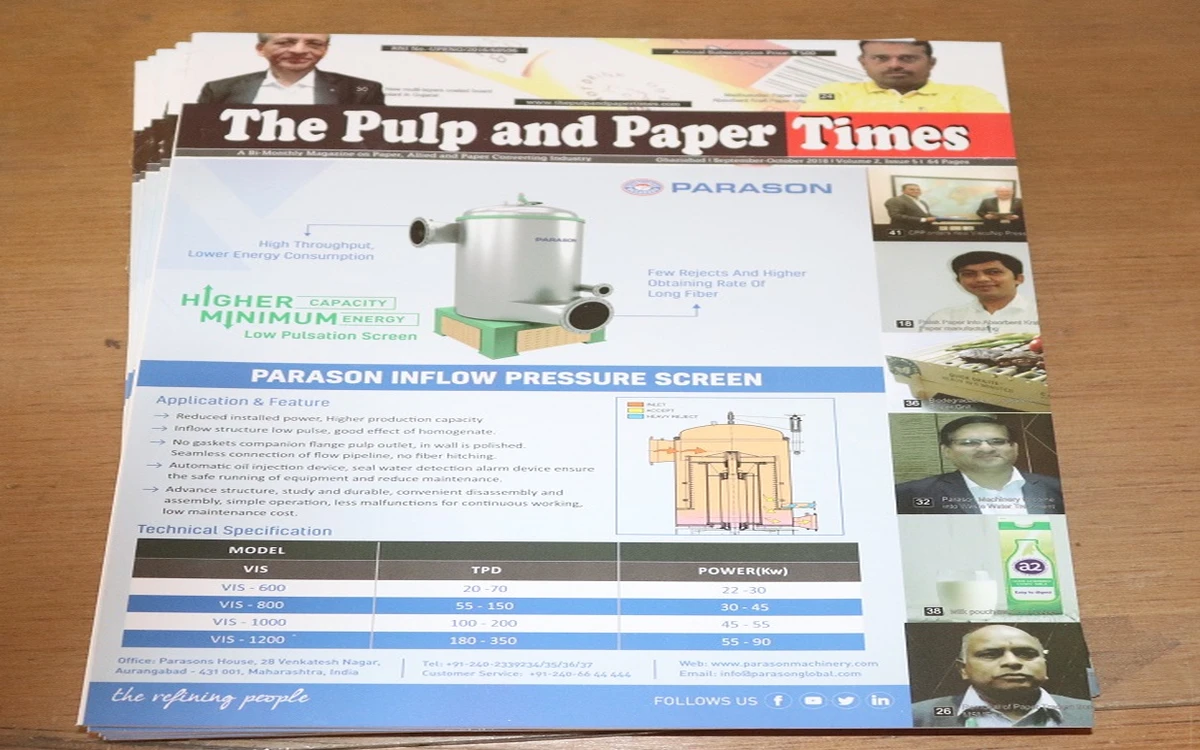
The Pulp and Paper Times: Volume 2 Issue 5

The Pulp and Paper Times, Volume 1, Issue 3
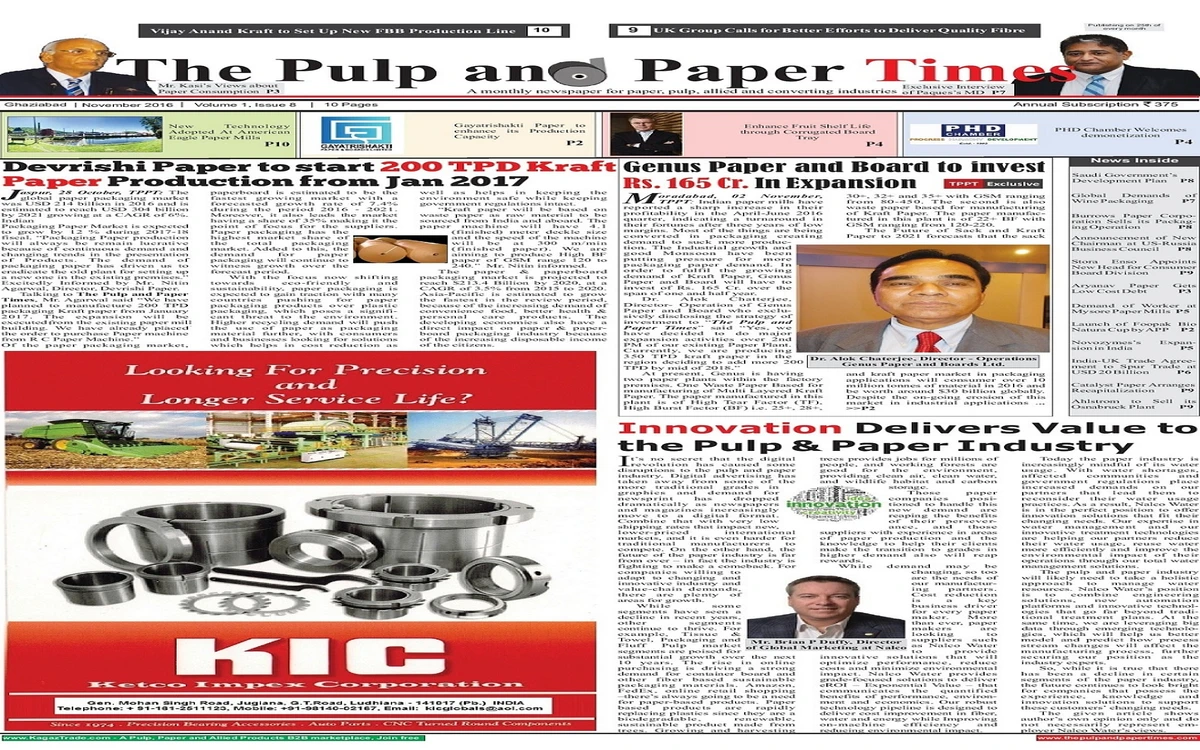
The Pulp and Paper Times, November 2016 Issue

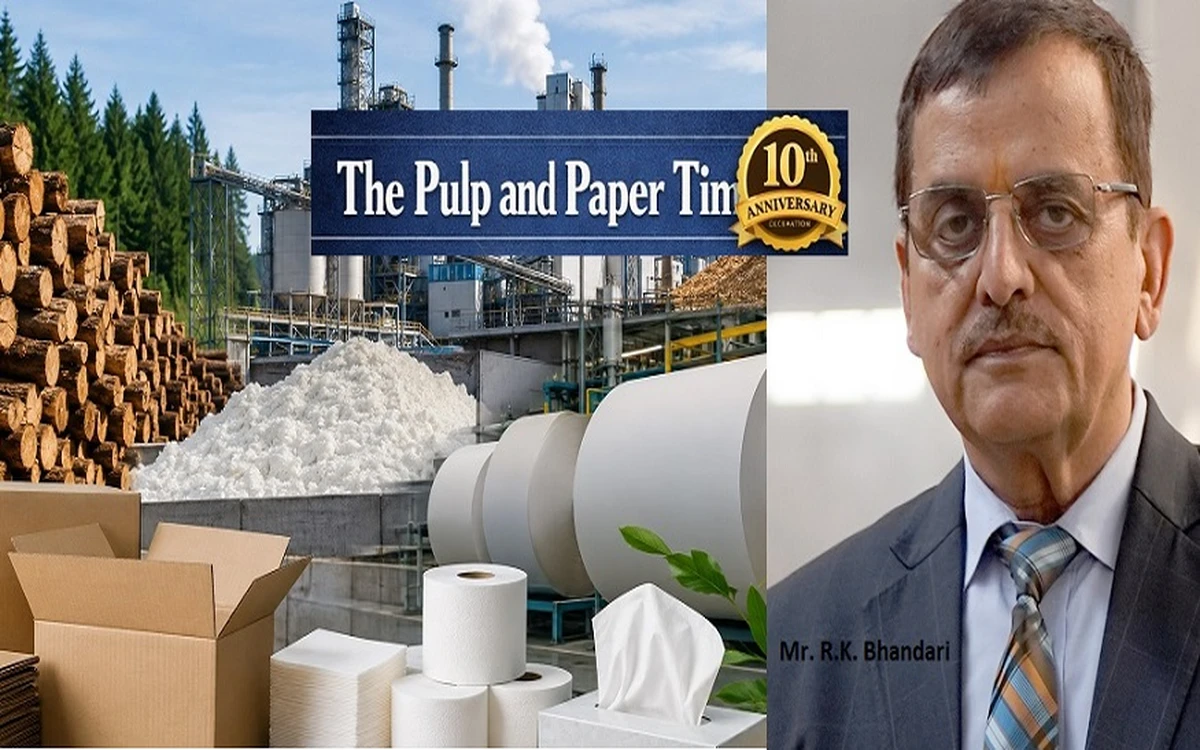
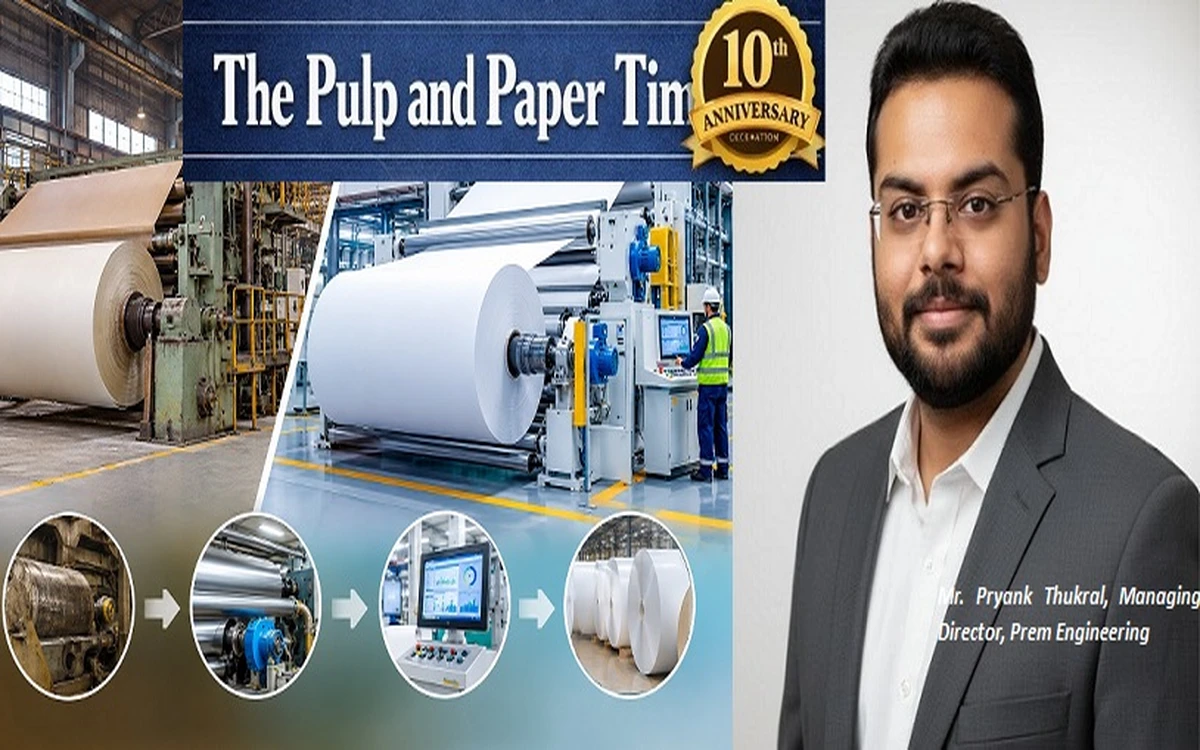
As The Pulp and Paper Times marks its 10th anniversary, we celebrate a decade of meaningful and industry-focused journalism.
On this special milestone, we talked to Mr. R.K. Bhandari- Joint MD Satia Industries limited, about his perspective on the future of the paper business. We shared our theme, “Market Factors, Technology, and Consumer Interests Shaping the Indian Pulp and Paper Industry in the Next 10 Years.” We received very informative and deeply insightful views that everyone associated with the paper industry, in any capacity, should read. Here are a few insights
- The industry is adapting with short-cycle pricing strategies
The Pulp and Paper Times
The Indian pulp and paper industry stands at a decisive inflection point. With a market currently valued at ~USD 4.7 billion and projected to touch USD 11.3 billion by 2032 at 13.4% CAGR, the next decade will be defined by how the sector balances growth opportunities with structural cost challenges, sustainability mandates, and a fast-evolving consumer base.

India’s per capita paper consumption remains just 15 kg against a global average of 57 kg, signalling immense latent demand even as digitalization caps traditional segments.
Market Factors:
From Commodity to Domestic-Led Packaging Growth Packaging and paperboard have decisively become the industry’s backbone, contributing 55-65% of total turnover. This shift is structural, not cyclical. E-commerce growth, FMCG expansion, organized retail, and food delivery are creating relentless demand for corrugated boxes, folding cartons, and paper-based alternatives to plastic. Government bans on single-use plastics across states have accelerated this migration, with F&B chains, QSR brands, and event organizers adopting paper cups, trays, and moulded-fibre packaging. The segment grew 8.2% YoY in FY24 and remains the primary investment magnet. However, growth is moderating. Overall industry demand, which historically ran at 8-10% annually, is expected to cool to 5-7% in FY26. The reason is a sharp 20-30% increase in production costs driven by three pain points:
- Recovered paper shortages from delayed US/Europe imports,
- Wood pulp/waste paper price volatility,
- And chemical supply disruptions from West Asia.
For import-dependent mills, this is a “structural reset in cost economics”. Export demand has also softened, with West Asia — which takes ∼30% of India’s paper exports — seeing disruptions. As a result India is shifting toward a domestic-led demand model where packaging, tissue, and specialty grades for local consumption matter more than export volumes.
Pricing power is limited.
Mills have pushed through 8-12% price hikes — packaging up ₹2-3/kg, writing & printing paper up 5-7% — but margins remain compressed due to import competition and demand sensitivity. The industry is adapting with short-cycle pricing strategies and tighter cost control. Despite FY24 margin declines, a recovery of ∼200 bps is expected by FY26 as efficiency gains and product mix improvements kick in.
Technology:
Green Chemistry, Automation, and Circularity Technology adoption over 2025-2035 will be dictated by two forces:
- regulatory pressure
- and resource efficiency.
The Ministry of Environment and state pollution boards are pushing stricter AOX emission norms and effluent treatment standards: In response, chemical suppliers are accelerating biodegradable and bio-based solutions — plant-derived binders, wet strength resins, and retention aids that improve recyclability. Same is reflected in Global partnerships as of SNF and Mitsubishi Chemical’s 2025 joint project on N-vinyl formamide, an advanced monomer for polymers in recycled paper, shows how monomer expertise plus water-soluble polymer leadership is being combined to support the circular economy and futuristic vision as the chemicals made using NVF can help make paper stronger, more durable, and easier to recycle. This supports the idea of a circular economy, where materials are reused and waste is reduced.

Digitalization is entering the mill floor
Chemical dosing automation and performance analytics are improving yield and reducing waste. On the product side, demand for functional, printable surface treatments is rising as brands want sustainable packaging that also carries high-quality digital printing and smart labelling. This supports growth in specialty and coated papers, a segment projected to grow from USD 2160.6M in 2025 to USD 3857M by 2035 at 5.9% CAGR.
Recycling infrastructure is becoming a core competency
India already recycles ∼68% of materials and investments are flowing into sustainable forestry and carbon-neutral processes. Machine technology is also segmenting: kraft paper machines of 30-300 TPD using recycled OCC dominate packaging investments, while 10-100 TPD tissue machines offer lower-capex entry for hygiene products. Writing & printing mills are retrofitting with energy-efficient headboxes, forming sections and advanced technologies in different Paper machine sections to stay viable.
Consumer Interests: Sustainability, Hygiene, and Convenience

The Indian consumer in 2025-2035 is going to be markedly different as Sustainability is no longer niche — it will be a purchase driver. Both regulators and end-users prefer eco-safe chemicals and higher-performance, recyclable paper grades. Urban millennials and Gen Z associate paper packaging with responsible brands while plastic invites scrutiny. This sentiment is reinforced by municipal enforcement of plastic bans and corporate ESG commitments from FMCG majors like HUL, Nestlé, and ITC. E-commerce convenience underpins volume growth as every Zepto, Blinkit, Amazon, and Flipkart order needs a corrugated box, fillers, and invoices — translating directly to paperboard tons. With India’s e-commerce still under-penetrated vs China/US, this is a 10-year tailwind.

Hygiene consciousness, accelerated by Covid, has permanently lifted tissue and towel demand. Urban hospitality, hospitals, offices, and nuclear households are driving double-digit growth in tissue consumption. This is the fastest emerging segment and requires softer, stronger, and more absorbent grades — pushing technology upgrades. Writing and printing grades demand is being fuelled by increasing literacy rate supported by Govt of India initiatives.
Quality and functionality expectations are rising. Brands want packaging that survives monsoons, prints vibrantly, and carries QR codes or anti-counterfeit features. This favours mills that can customize surface chemistry and offer mill-specific solutions rather than commodity sheets.

The 10-Year Narrative:
By 2035, it appears that India’s pulp and paper industry will be smaller in export footprint but larger, more diversified, and more domestic. Winners will be integrated players in packaging and tissue who control fibre — either through farm forestry or advanced recycling or straw pulping — and invest in bio-based chemistry, automation, and customer co-development. Losers will be sub-scale, import-dependent writing/printing mills unable to pass costs or differentiate.
The narrative arc is clear- from a commodity, import-influenced industry to a circular, consumer-facing, sustainability-led sector.
Paper just cannot be replaced by digital; it will be redefined by it.
The opportunity will be not only for those making more paper but for those who are making more right paper — recyclable, printable, hygienic, and cost-efficient for India’s 1.4 billion consumers.

3 days ago
Total Views : 2627
4 days ago
Total Views : 2492
6 days ago
Total Views : 716
last week
Total Views : 1306
last week
Total Views : 3804
last week
Total Views : 2749
2 weeks ago
Total Views : 805
2 weeks ago
Total Views : 3597
2 weeks ago
Total Views : 3742
2 weeks ago
Total Views : 7075