Join Groups & Channels, No Spamming







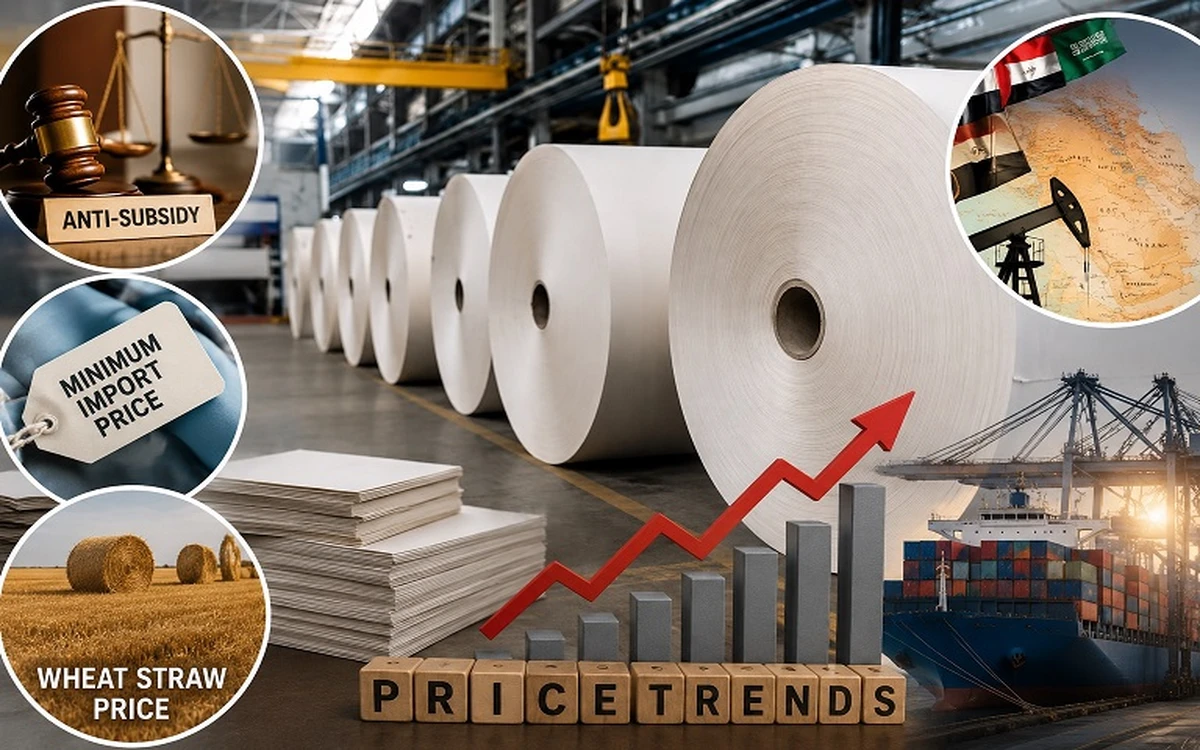
Expert Views on the paper market scenario, How the West Asia Crisis Helped the Industry, MIP for WPP, Anti-Subsidy implementation, and paper price trends
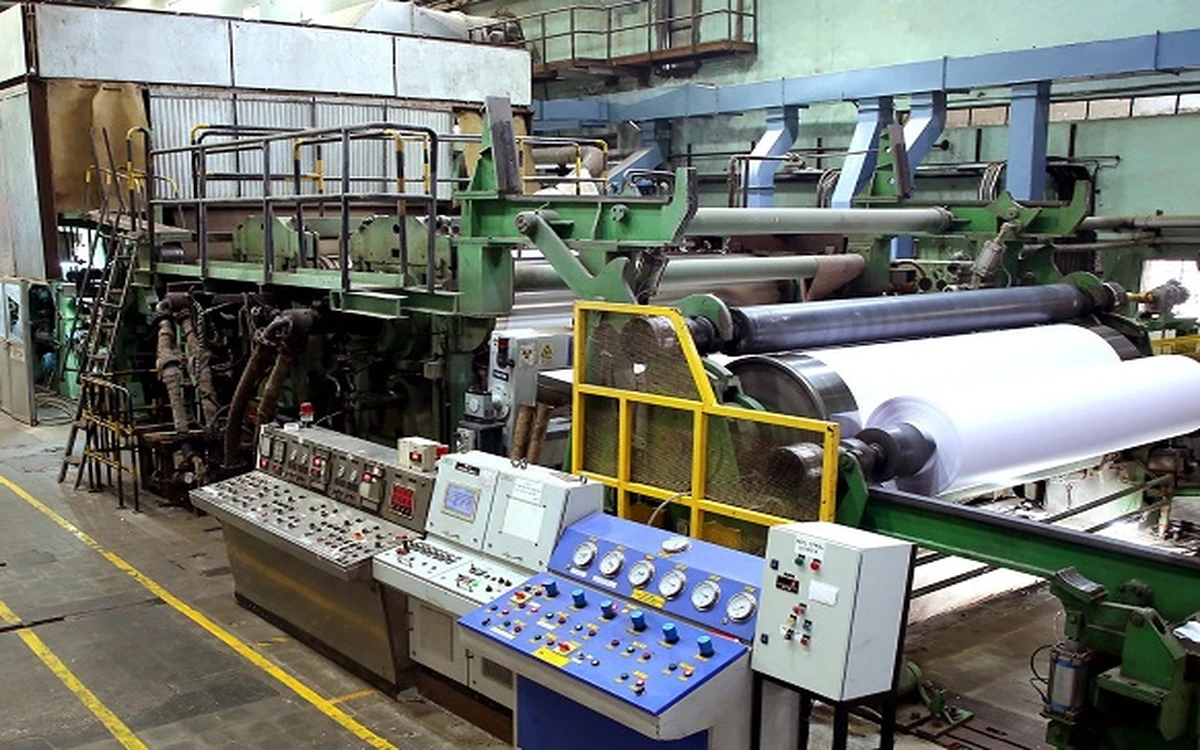
Pudumjee Paper intends to develop new varieties addressing applications for stronger paper bags and cupcakes; Plans 68,000 MT Mahad Specialty Paper Facility within 5 years
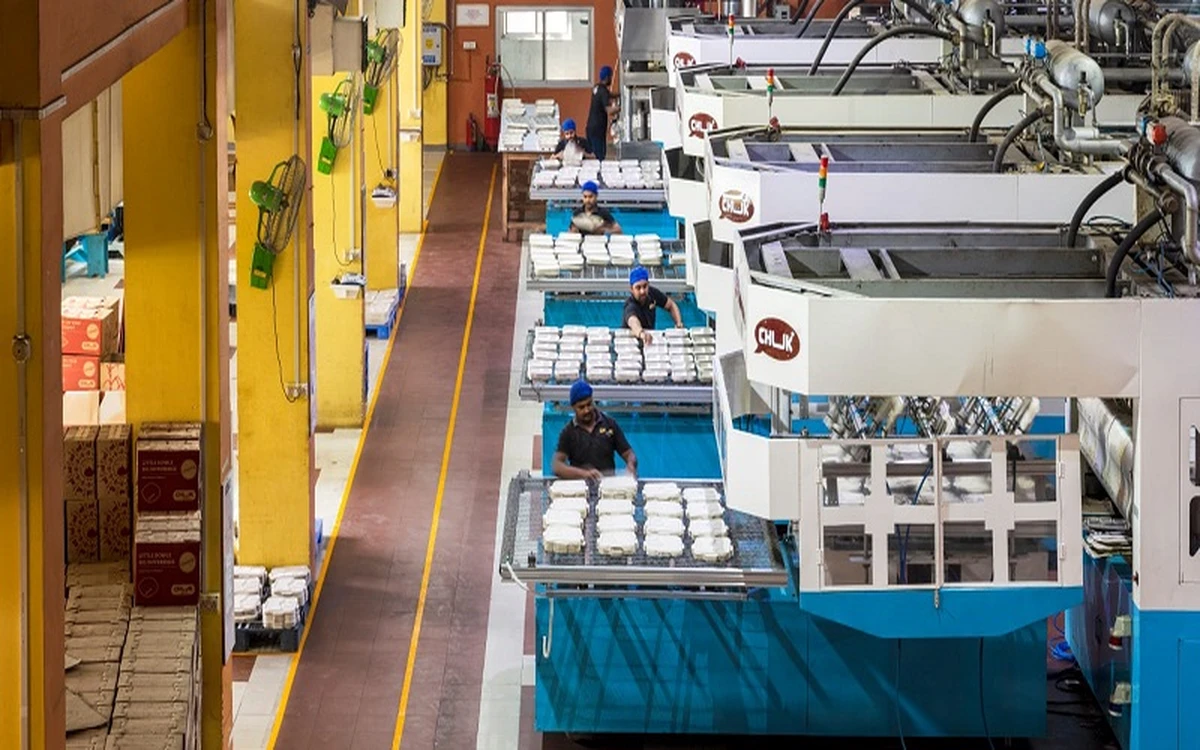
Pakka Q3 FY26 conference call highlights stabilization of PM3, Progress in Jagriti Project, Strategic pause on US and Guatemala activities
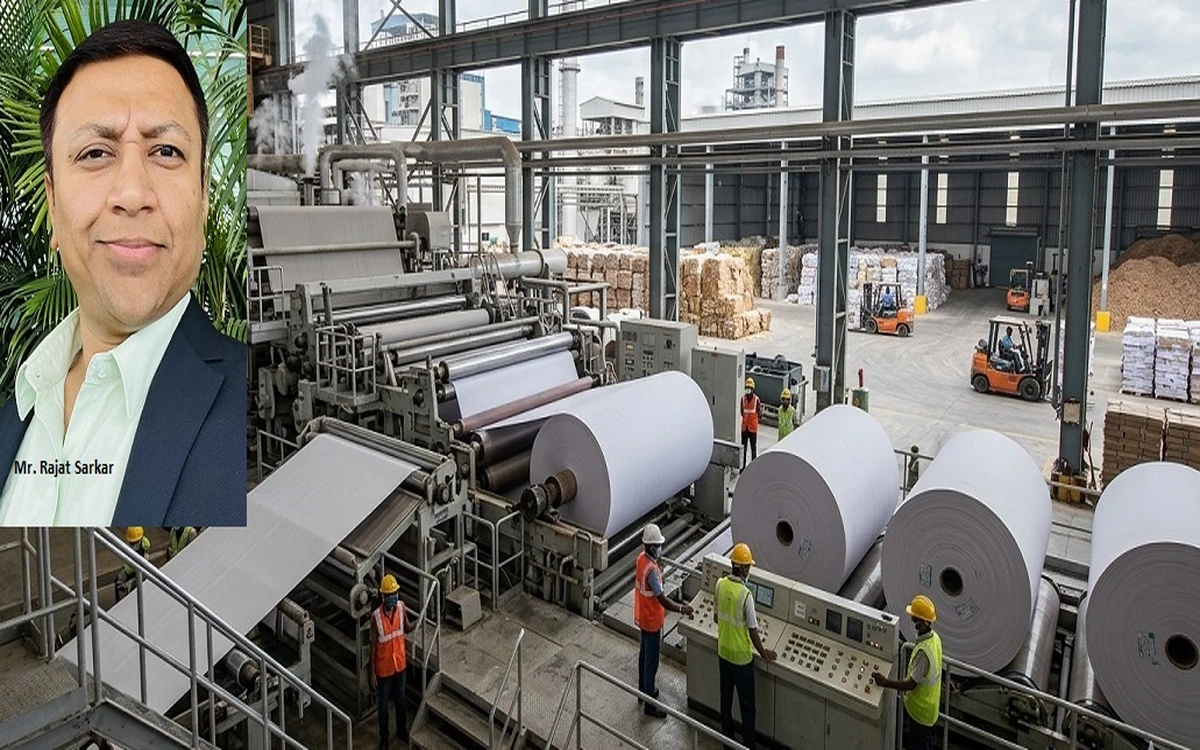
India Paper Industry at an Inflection Point: War, Costs, and Capacity; Demand growth expected at 5–7% in FY26
A new capacity in Tissue and specialty paper mfg.; Machine Design, Installation, and commissioning by Saloni Paper Machines
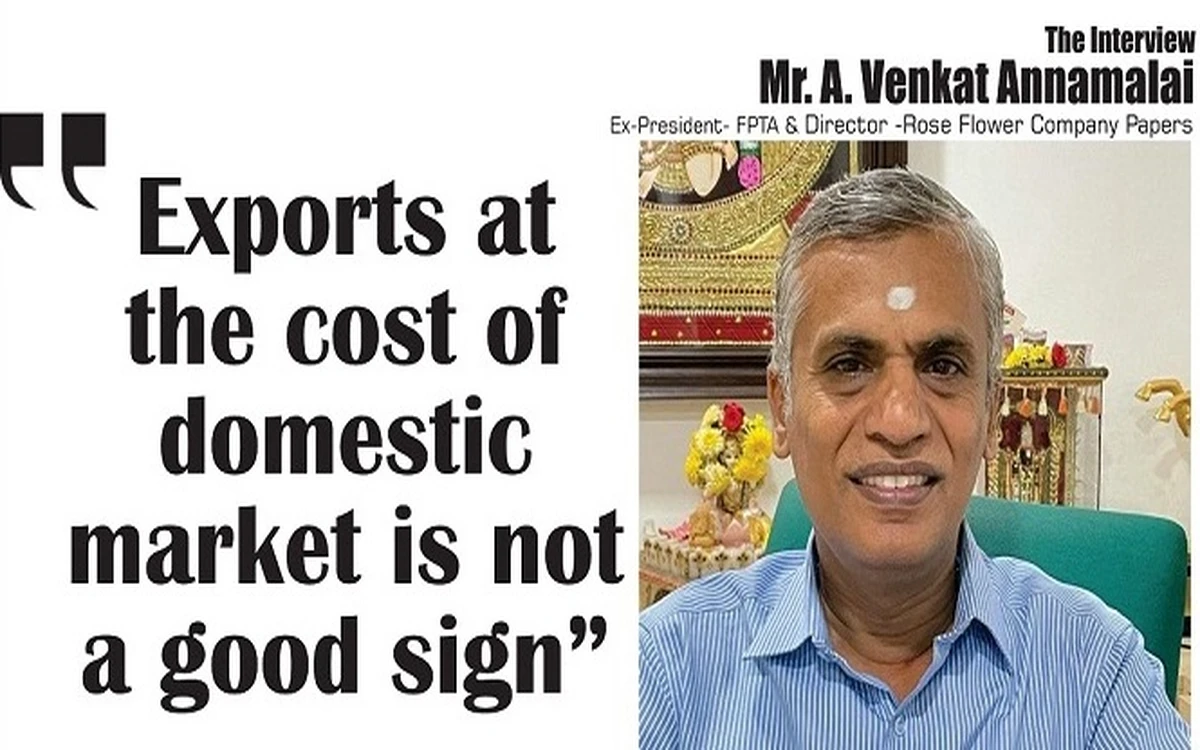
“Surging exports of paper will most certainly keep the domestic prices quite high”: Mr. A. Annamalai, Director – RFC
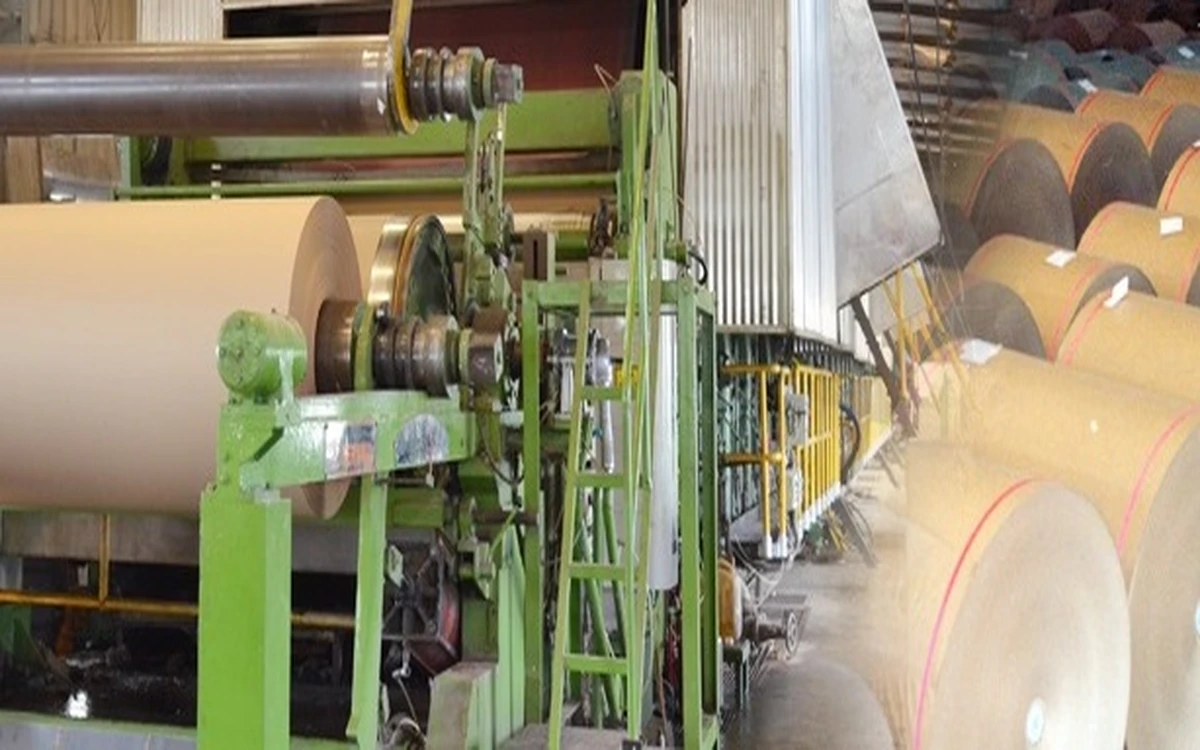
The Status of the Global Container board Industry, Recycled Paper Demand and Supply and its impact on the Indian Industry
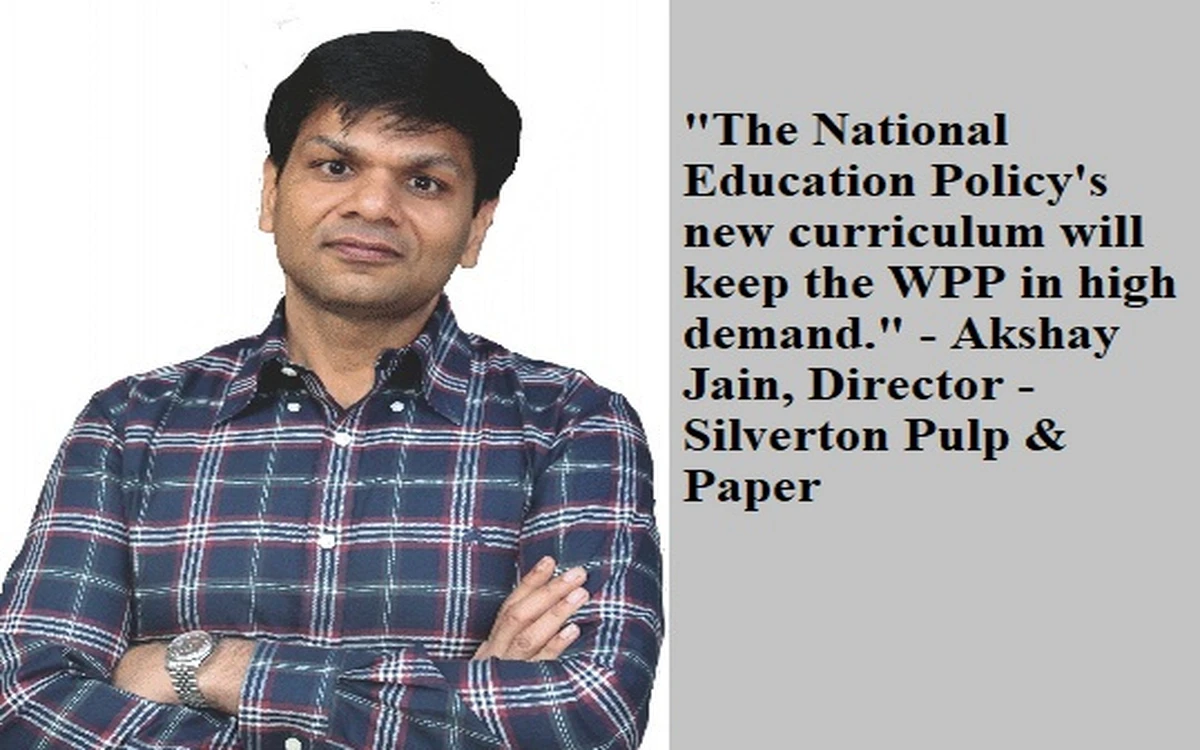
Akshay Jain, director of Silverton Pulp & Paper, says it's time to promote agro residue as a raw material to lessen the scarcity of fibre
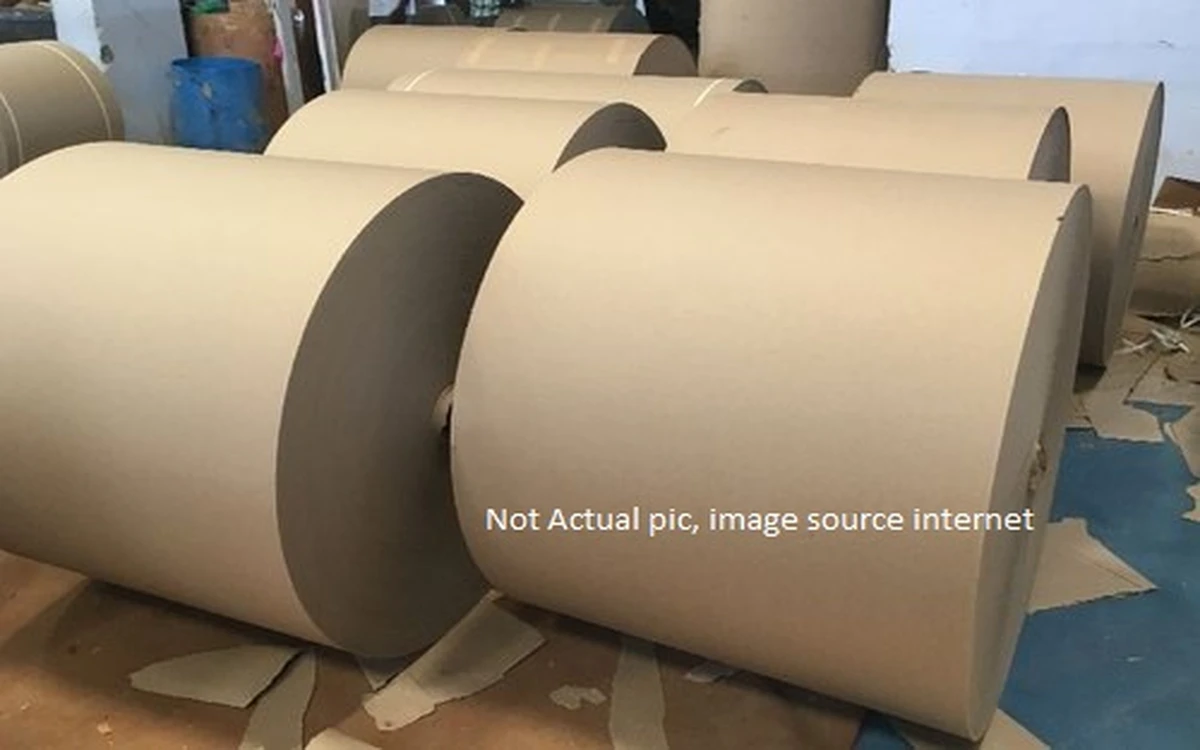
Advantageously located, a new paper mill is all set to roll kraft paper in Madhya Pradesh
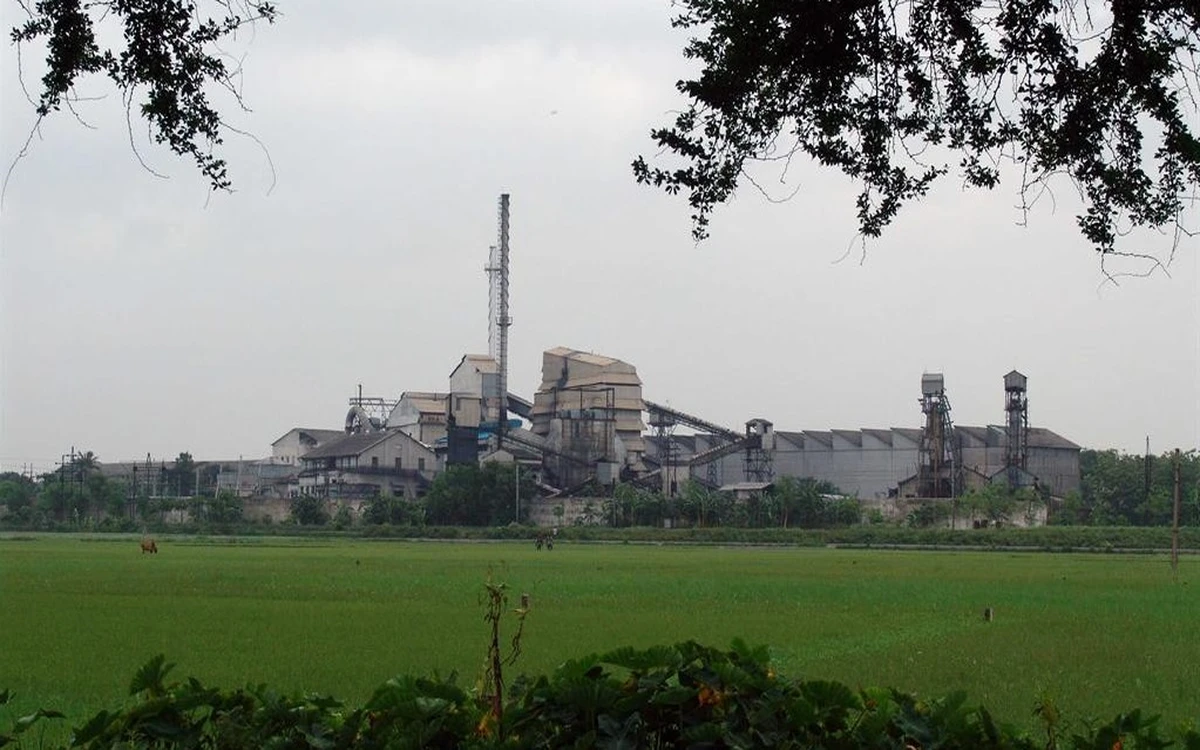
Several agile interventions helped ITC-PSPD fortify its clear leadership of the Value Added Paperboards (VAP) segment

Margin pressure pushes Pulp & Paper Packaging sector toward AI-Driven cost optimization, Cutting costs by 8–20%
Huhtamaki advances sustainable packaging innovation and fiber expansion despite global market challenges
Q3 FY26 Conference Call; TCPL Reports Revenue of INR 471 Crore with Improved Profitability, Falling Paper Prices Not Necessarily Negative for Packaging Sector
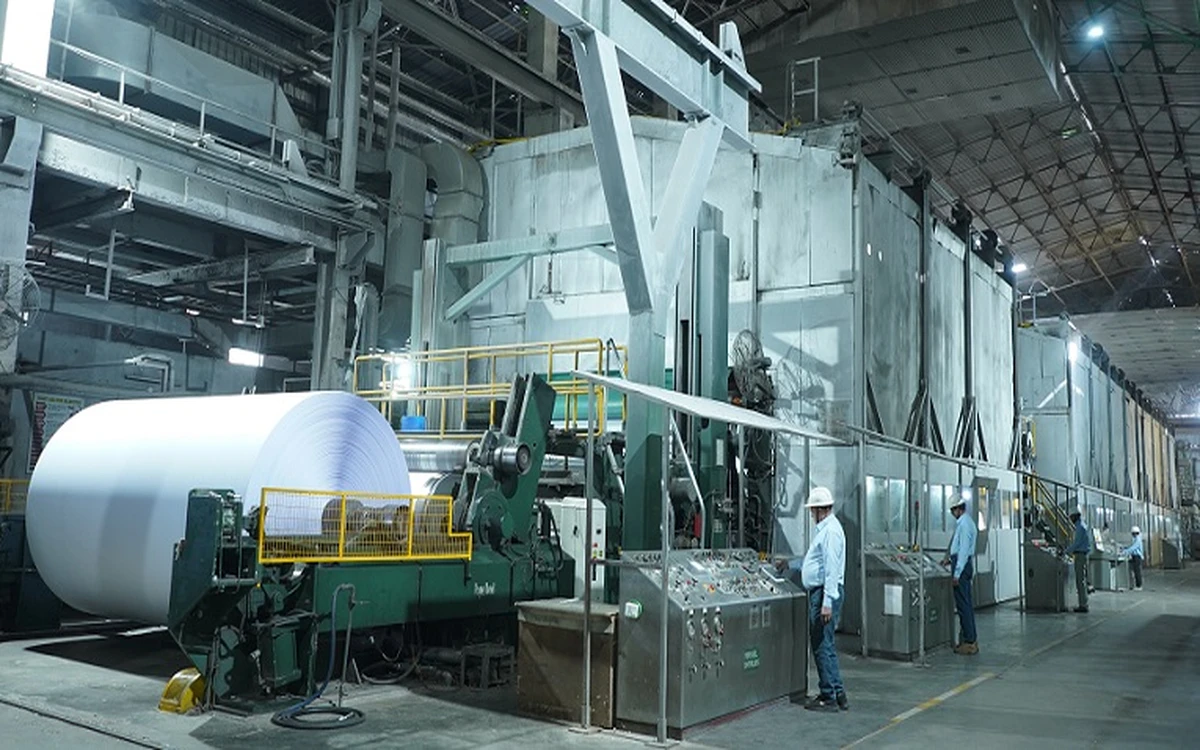
Kuantum Papers achieved record paper sales volumes of 1,60,845 metric tonnes in FY 24–25; revenue stood at Rs. 1,113 crores; closed-loop automation through Project Nirmaan
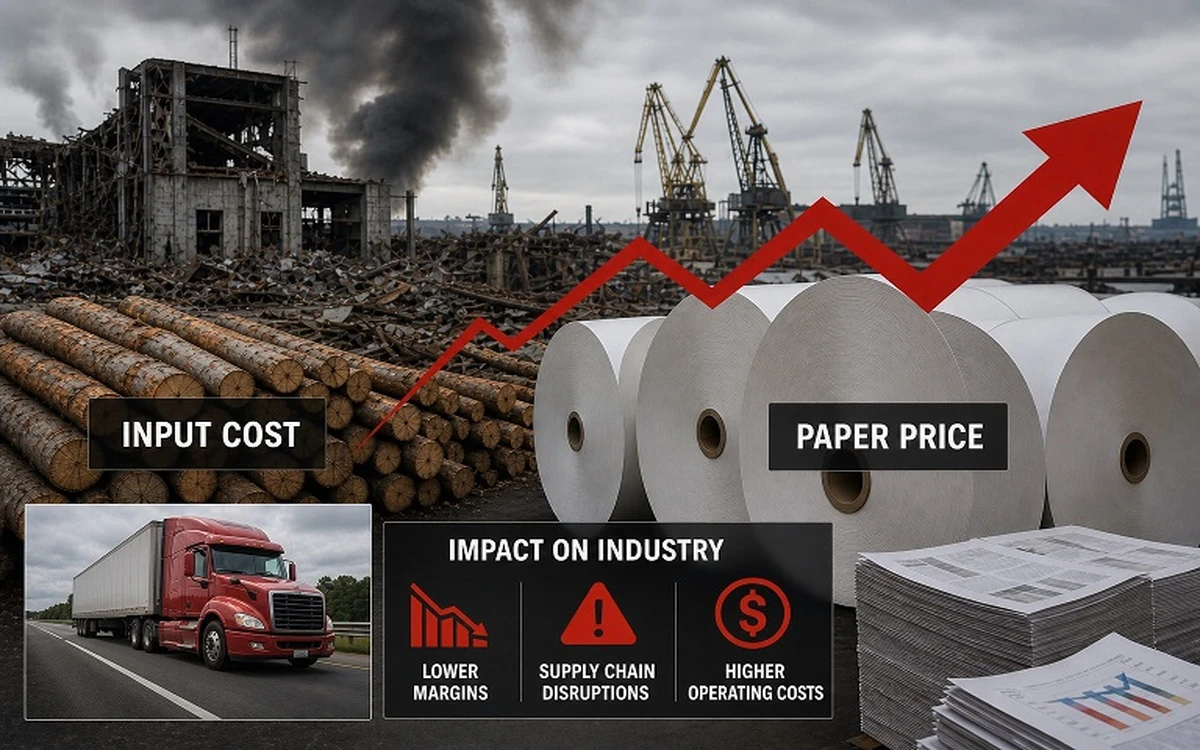
Paper prices likely to adjust upward; Industry braces for massive impact in the coming months; ROCE below 8% insufficient for long-term growth: A.S. Mehta
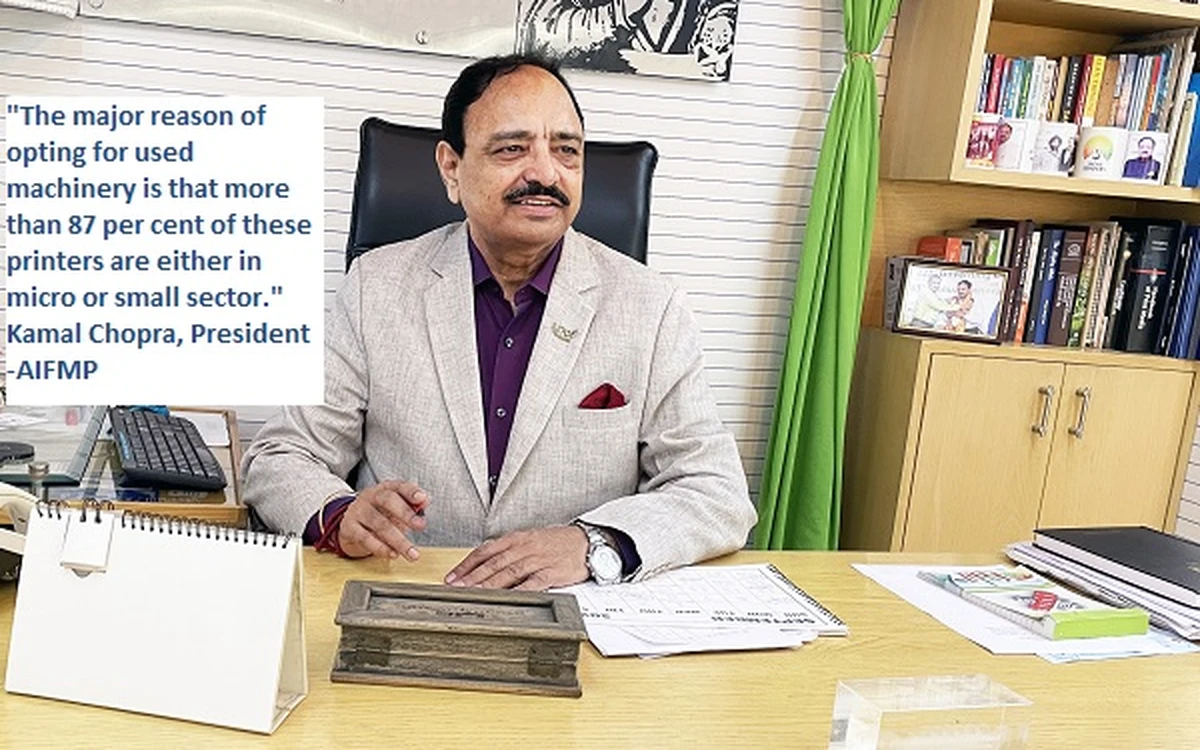
"We have to think unique and produce distinct items to remain in the business, Printers are stuck between manufacturers and customers", Says Kamal Chopra, President - AIFMP
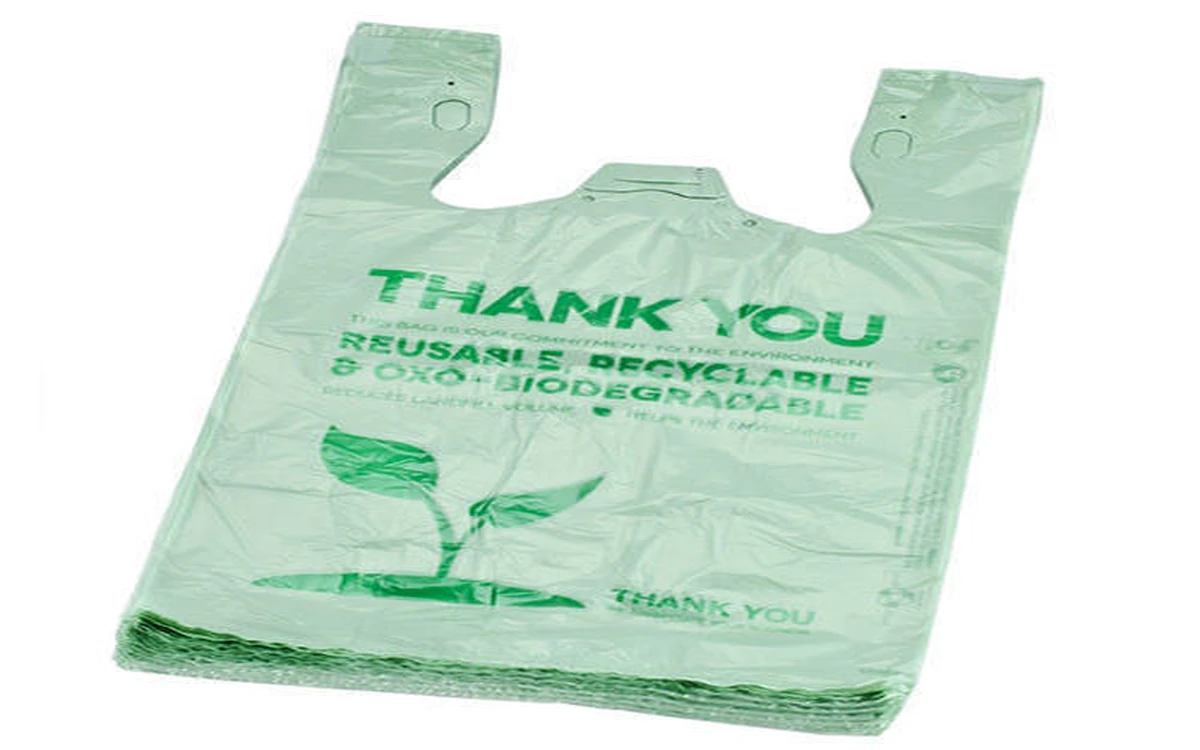
Scientists from IIT-Guwahati develop India's first biodegradable plastic
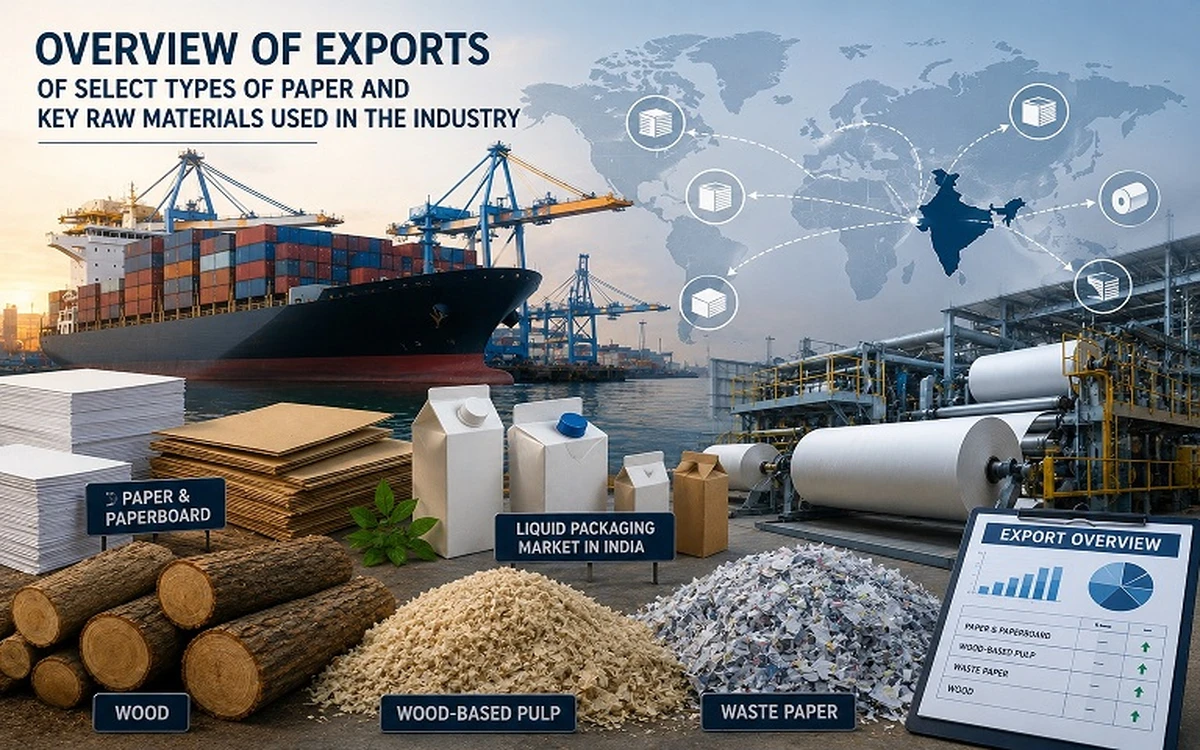
Overview of exports of select type of paper and key raw material used in the industry by Crisil Intelligence
Margin pressure pushes Pulp & Paper Packaging sector toward AI-Driven cost optimization, Cutting costs by 8–20%
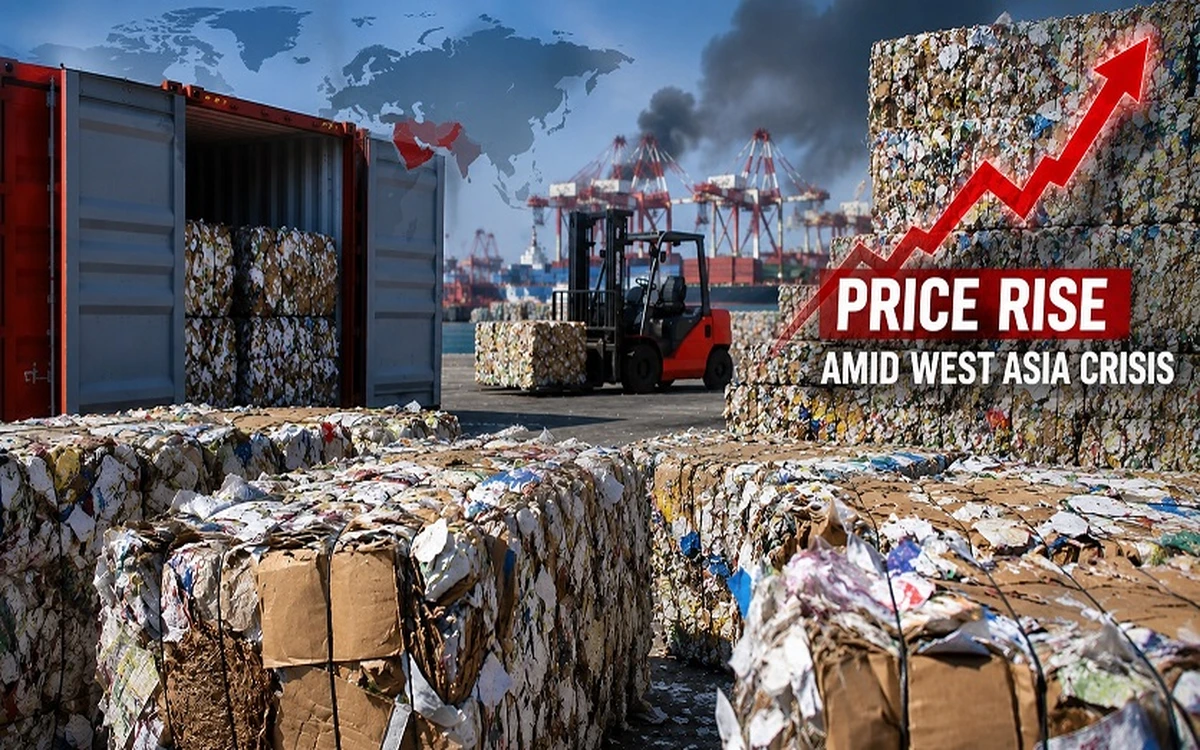
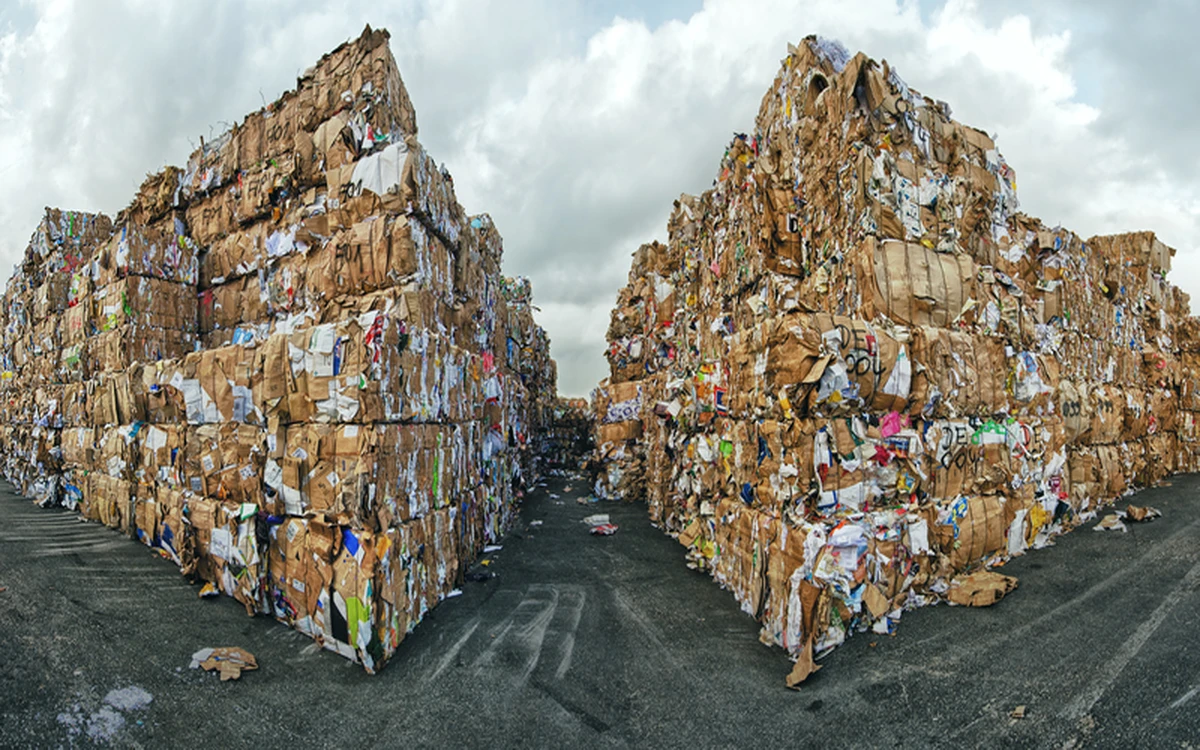
Global Recovered Paper Market Update: Asian Buyers Focus on Short-Term Purchases; Prices Rise by 5–10%
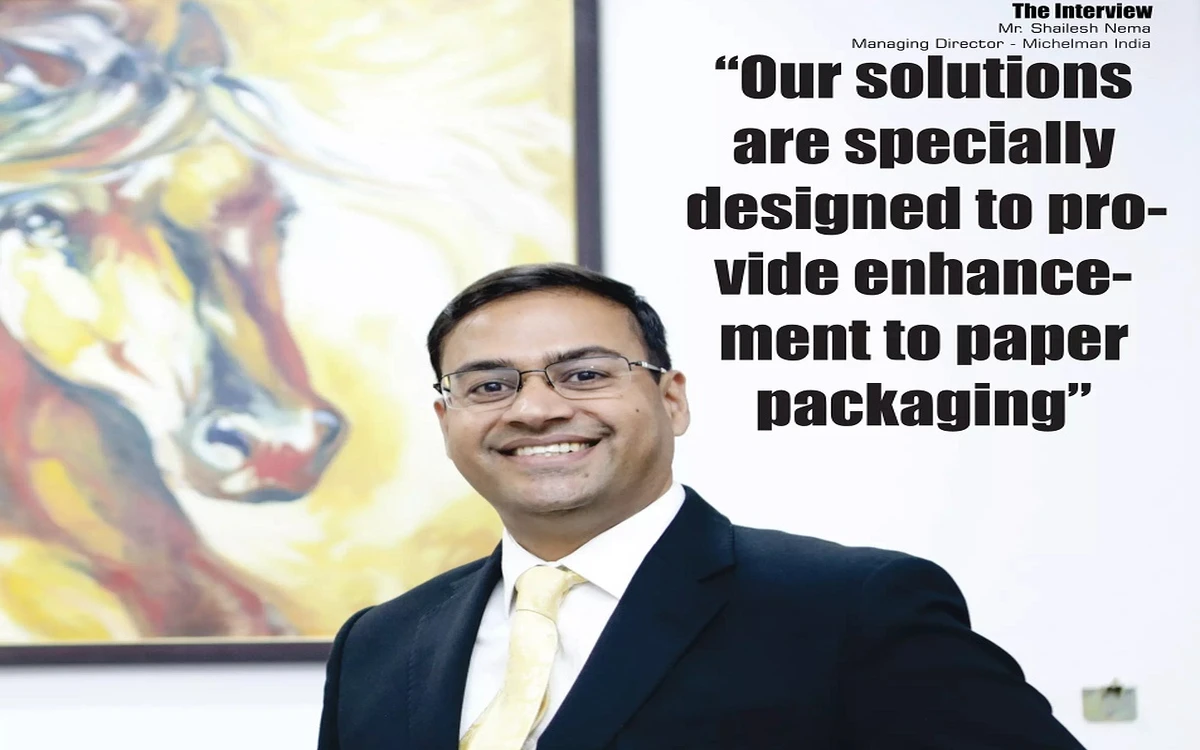
Michelman: Coating Solutions especially moisture and gas barrier on paper significantly improves the shelf life of food
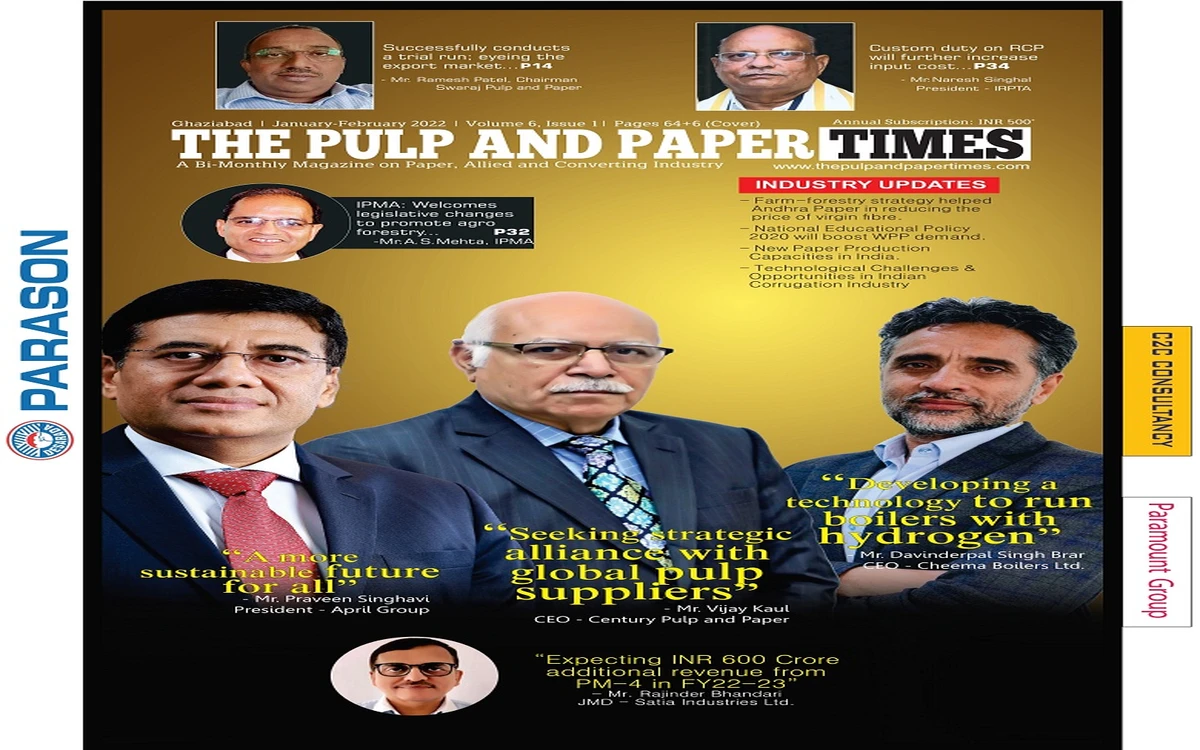
The Pulp and Paper Times Magazine : Volume 6, Issue 1
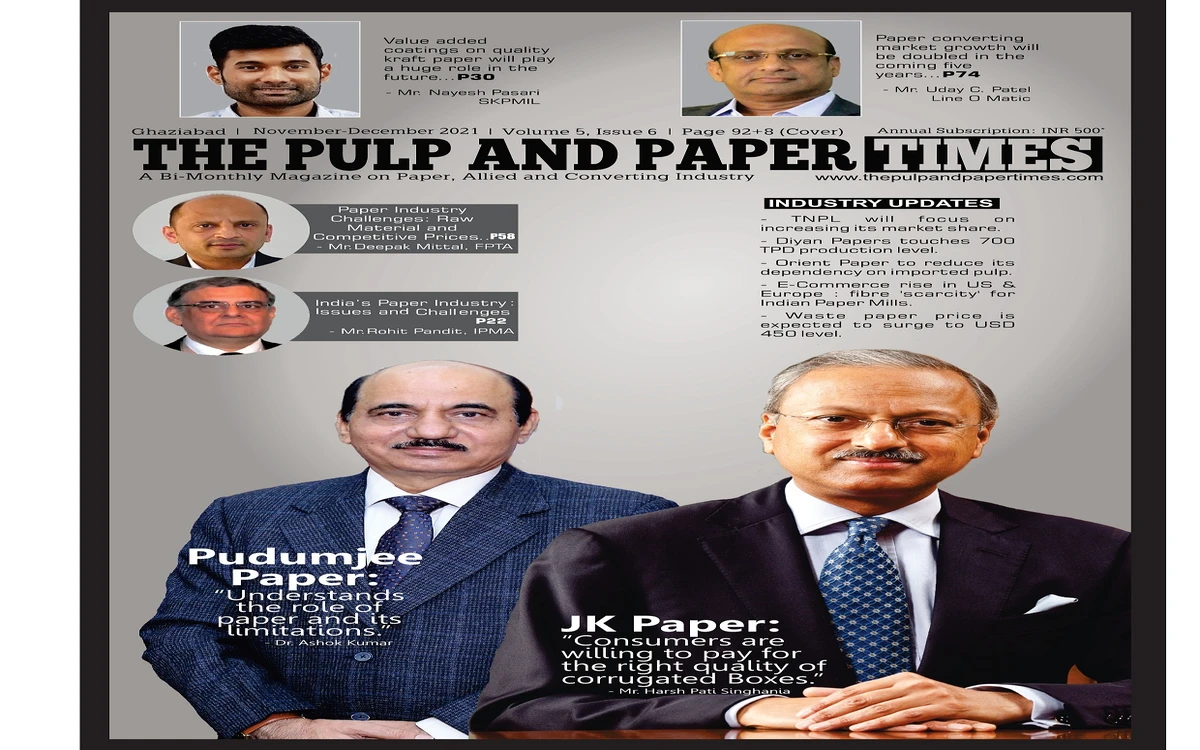
The Pulp and Paper Times Magazine : Volume 5, Issue 6
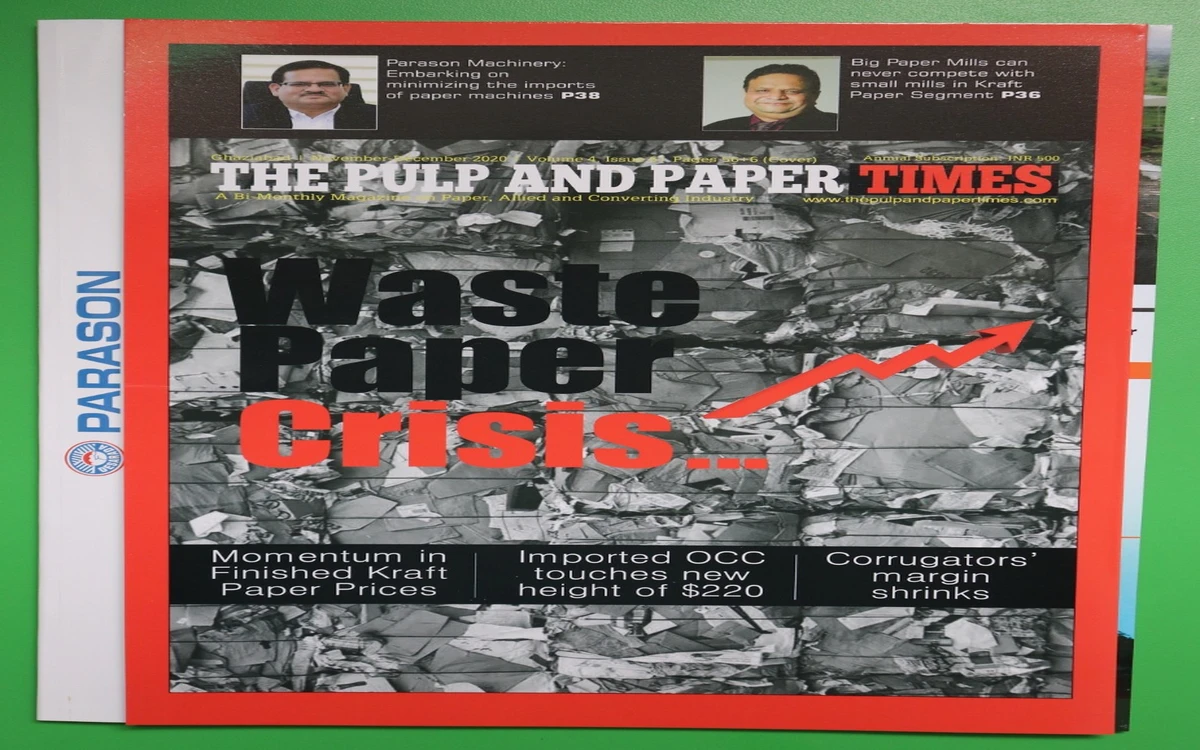
The Pulp and Paper Times: Volume 4, Issue 6
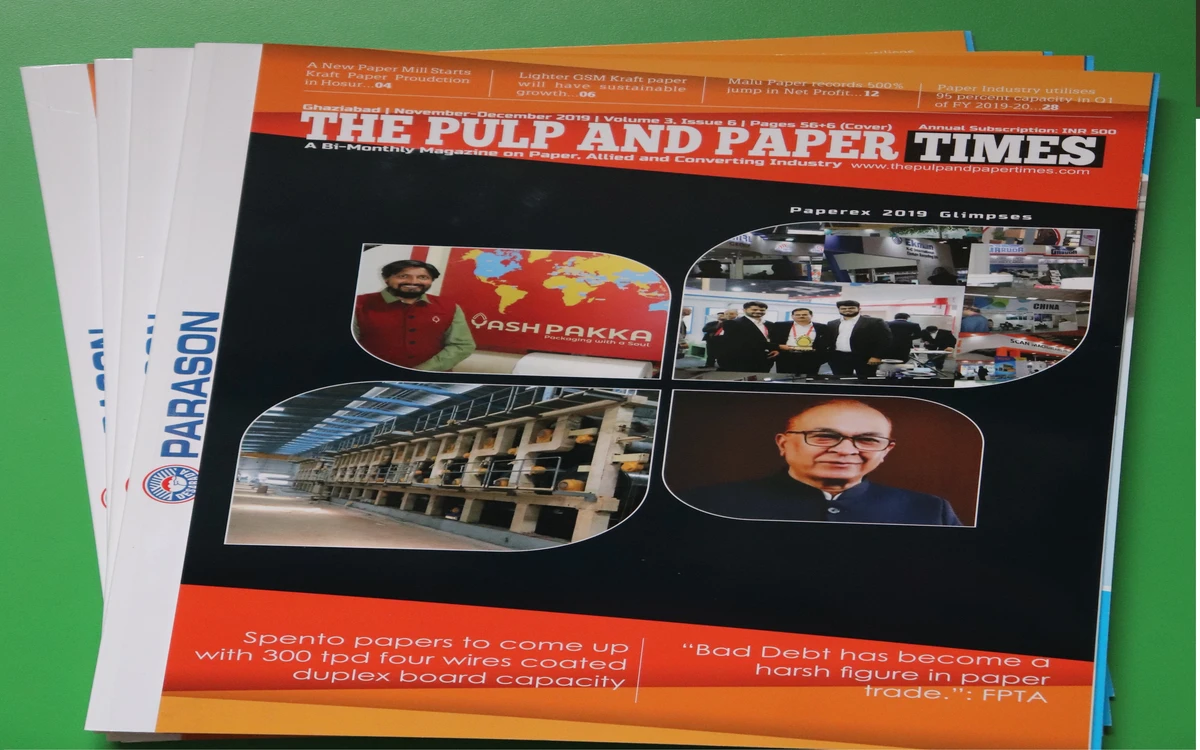
The Pulp and Paper Times : Volume 3, Issue 6
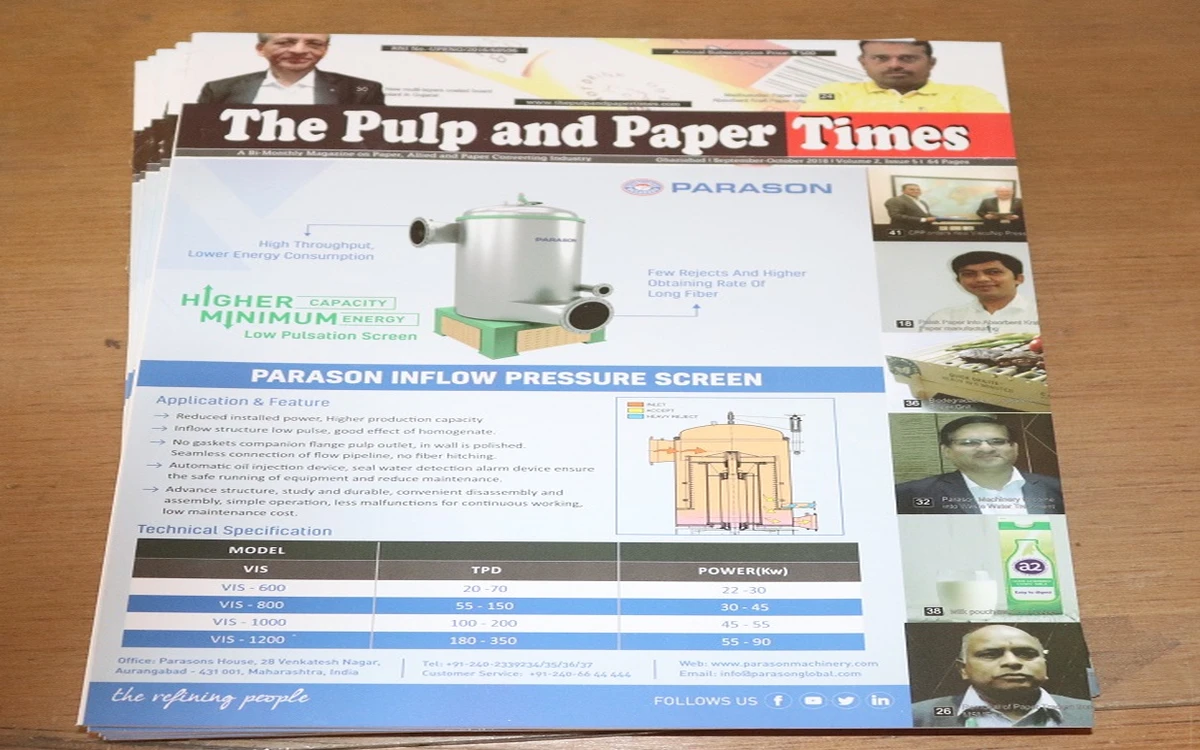
The Pulp and Paper Times: Volume 2 Issue 5
The Pulp and Paper Times, Volume 1, Issue 3
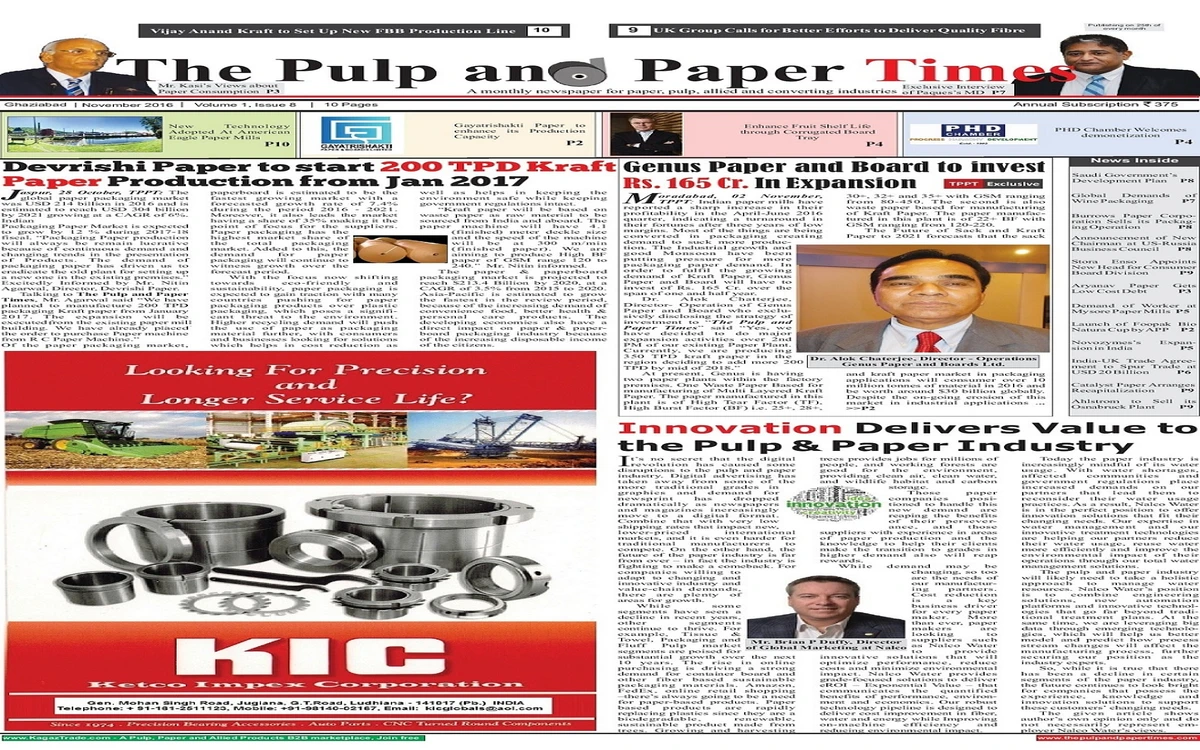
The Pulp and Paper Times, November 2016 Issue

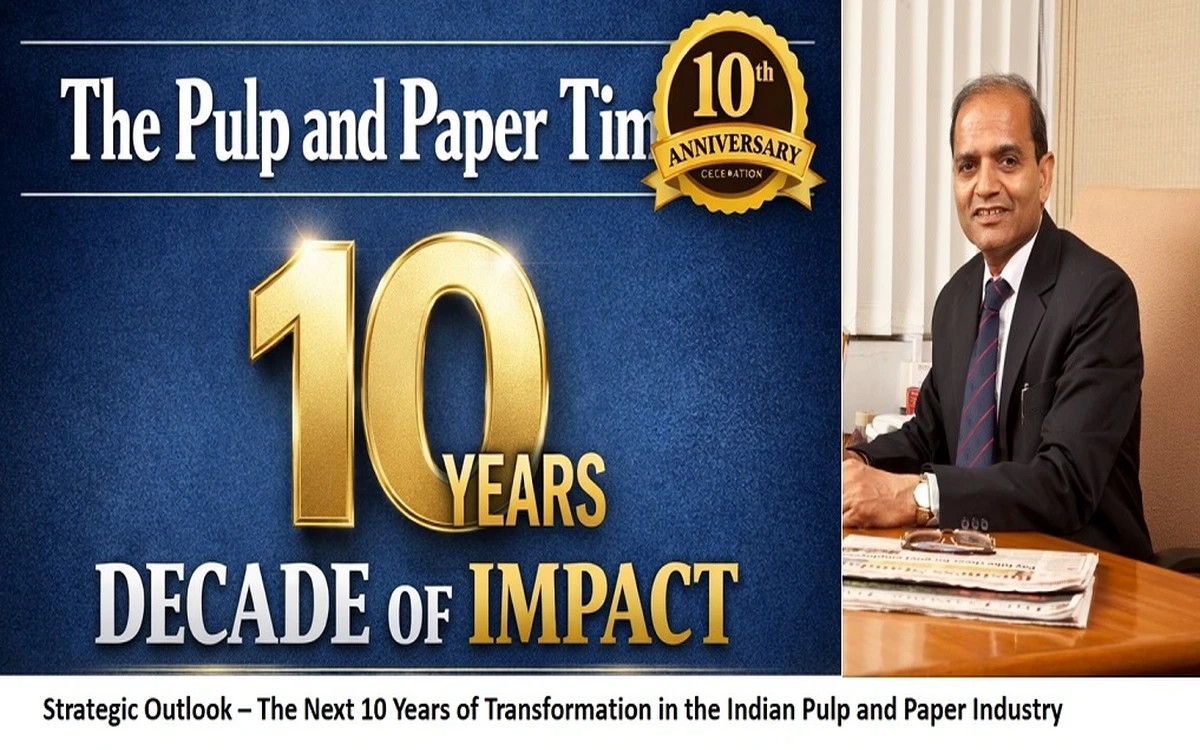
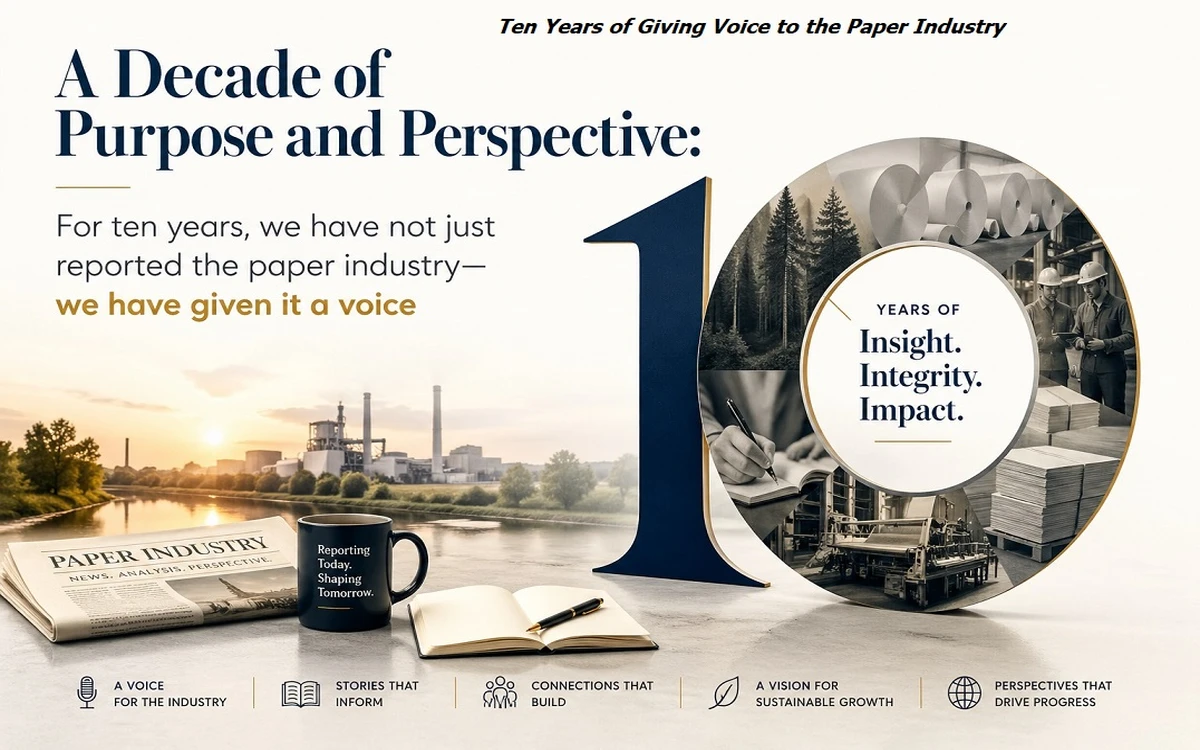
As The Pulp and Paper Times marks its 10th anniversary, we celebrate a decade of meaningful and industry-focused journalism.
On this special milestone, we talked to Mr. A S Mehta, President, JK Paper Limited, about his perspective on the future of the paper business. We shared our theme, “Market Factors, Technology, and Consumer Interests Shaping the Indian Pulp and Paper Industry in the Next 10 Years.” We received very informative and deeply insightful views that everyone associated with the paper industry, in any capacity, should read. Here are a few insights.
The Pulp and Paper Times
The pulp and paper industry in India is currently undergoing a mixed yet structurally transformative phase. On one hand, we are witnessing positive demand growth, primarily driven by packaging and sustainability trends. On the other hand, the printing and writing (P&W) segment is experiencing low to moderate growth relatively better than the global trend, where it continues to decline.

However, the industry is also facing significant pressure on margins, driven by high raw material costs, particularly wood, along with increasing imports from countries such as China and Indonesia, following large-scale capacity expansions over the past few years. FY 2025-26 has been one of the most challenging periods for the industry. We are currently experiencing a “margin squeeze” phase, driven by rising input costs, increased imports, volatile pulp prices, and weak export competitiveness.
Looking Ahead: A Decade of Transformation
Over the next decade, the Indian pulp and paper industry stands at a pivotal juncture poised to transition from a volume-driven, cost-sensitive sector to a value-driven, sustainable, and innovation-led industry. This transformation will be shaped by three key forces: Market dynamics, technological disruption, and evolving consumer preferences.

1.Market Dynamics
The outlook for the Indian paper industry remains positive, supported by low per capita consumption, rising incomes, urbanization, and economic formalization. Overall demand is expected to grow at ~5.5-6% CAGR, led by packaging (7-8%), while printing and writing is likely to see moderate growth of 2-3%.
Packaging board will remain be the key growth driver, supported by e-commerce, retail, FMCG, and food delivery, while tissue and hygiene segments will grow strongly due to increasing awareness and lifestyle changes.
However, global factors such as capacity expansions in Asia, evolving trade flows, and volatility in input costs (pulp, wood, and energy) will continue to impact domestic pricing and competitiveness, requiring a careful balance between strong domestic demand and rising global pressures.

2.Technological Disruption
Technology will be the key driver of reinvention and a critical differentiator in the next phase of growth. Indian mills must accelerate the adoption of automation, digitalization, and AI-driven processes to improve efficiency, optimize costs, and enhance global competitiveness. Key focus areas include smart manufacturing (Industry 4.0), fibre innovation with sustainable raw materials, energy efficiency, and the development of value-added and specialty products.
This technological shift will enable the industry to move beyond cost competitiveness toward capability-led leadership.
3. Evolving Consumer Interests
The Indian consumer is evolving rapidly becoming more environment-conscious, quality-driven, and brand-sensitive. This shift is driving by:
a. Increased demand for sustainable packaging as an alternative to single-use plastics
b. Premiumization of packaging, especially in FMCG, e-commerce, and luxury segments
c. Greater focus on hygiene and safety, boosting demand for tissue and food-grade packaging
d. Need for customization and branding, requiring innovative and differentiated solutions

Customers today seek not just paper, but value, sustainability, and an enhanced product experience. The convergence of market, technology, and consumer forces is driving a shift from commodity products to value-added offerings, making scale, consolidation, and value chain integration critical for cost competitiveness. It is also accelerating collaboration through solution-based offerings rather than traditional product selling. Looking ahead, over the next decade, the entire industry must focus on continuously innovating in products and processes, reinventing cost structures through integration and efficiency, and deepening customer partnerships by transitioning from product selling to solution selling.
In conclusion, the future of the Indian pulp and paper industry will not be defined by how much it produces, but by how intelligently it innovates, how efficiently it operates, and how sustainably it grows.

1 hour ago
Total Views : 116
3 days ago
Total Views : 690
4 days ago
Total Views : 350
last week
Total Views : 531
last week
Total Views : 874
last week
Total Views : 844
2 weeks ago
Total Views : 838
2 weeks ago
Total Views : 585

3 weeks ago
Total Views : 824
3 weeks ago
Total Views : 797