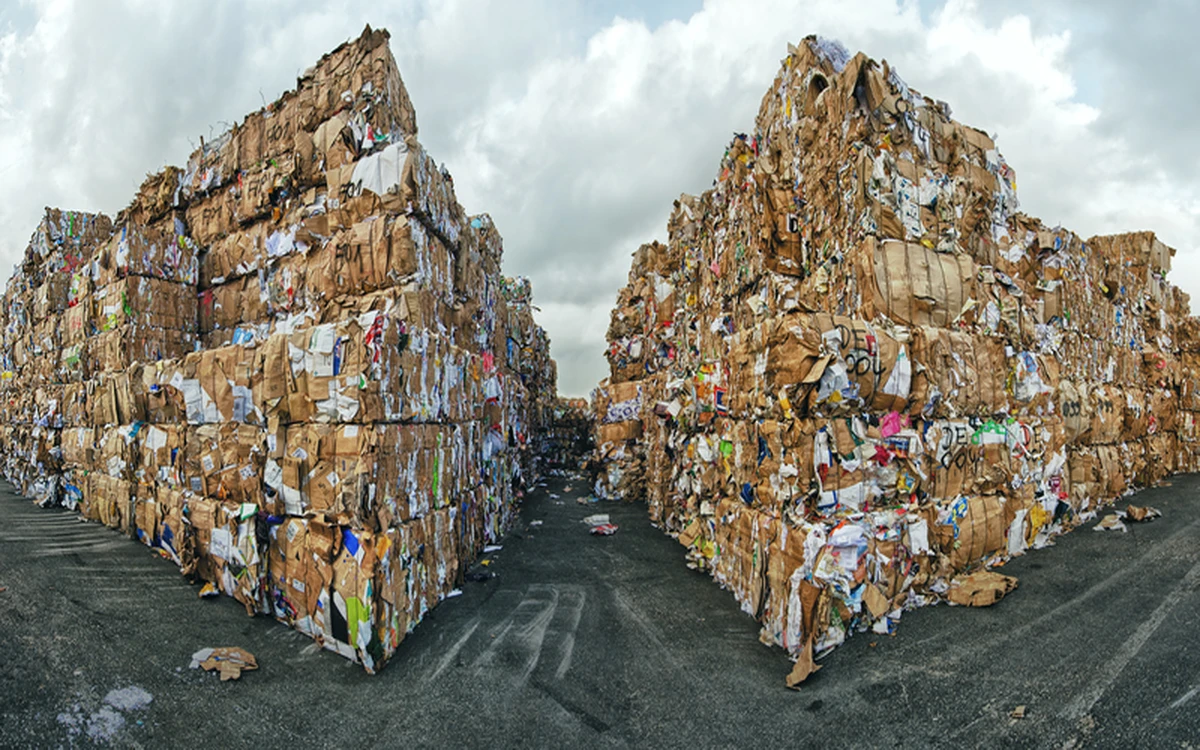
Join Groups & Channels, No Spamming









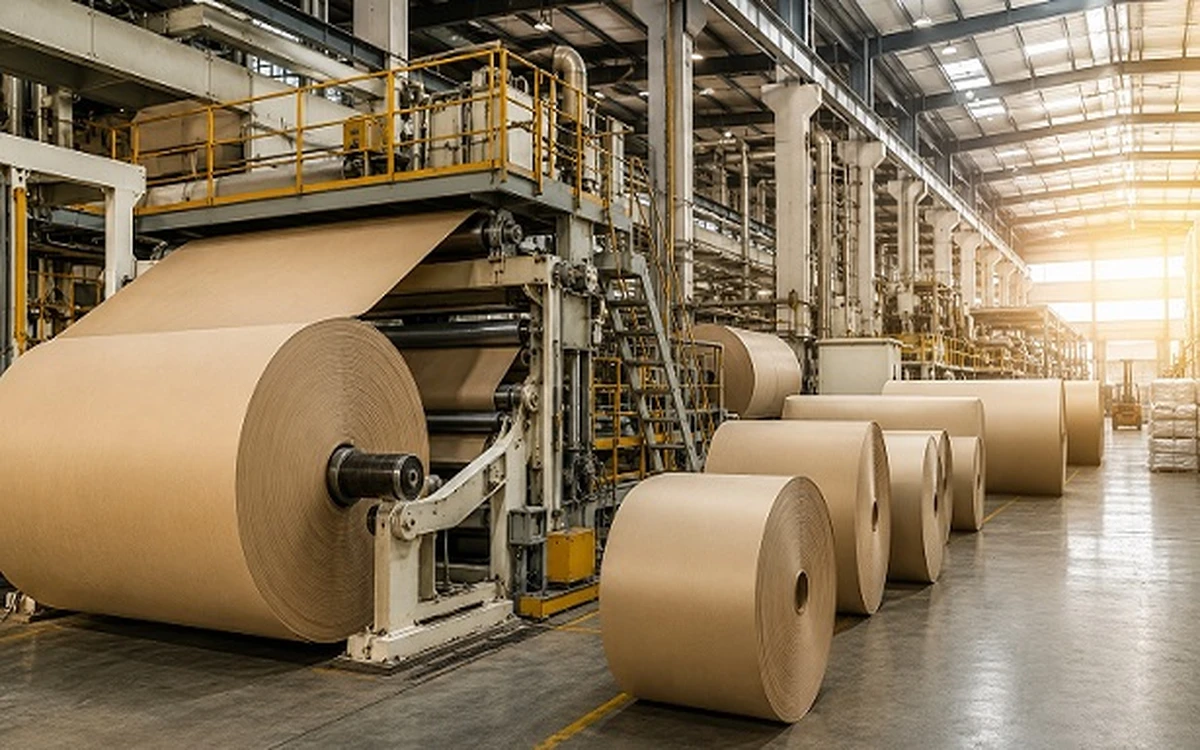
Morbi paper mills see full-capacity operations as ceramic industry revives; Kraft paper exports to China spike, Prices strengthen; Janmashtami shutdown ahead

The BE and caustic soda plant marks a key milestone for Mohit Paper Mills, enabling full utilization of installed capacity and enhancing overall production efficiency
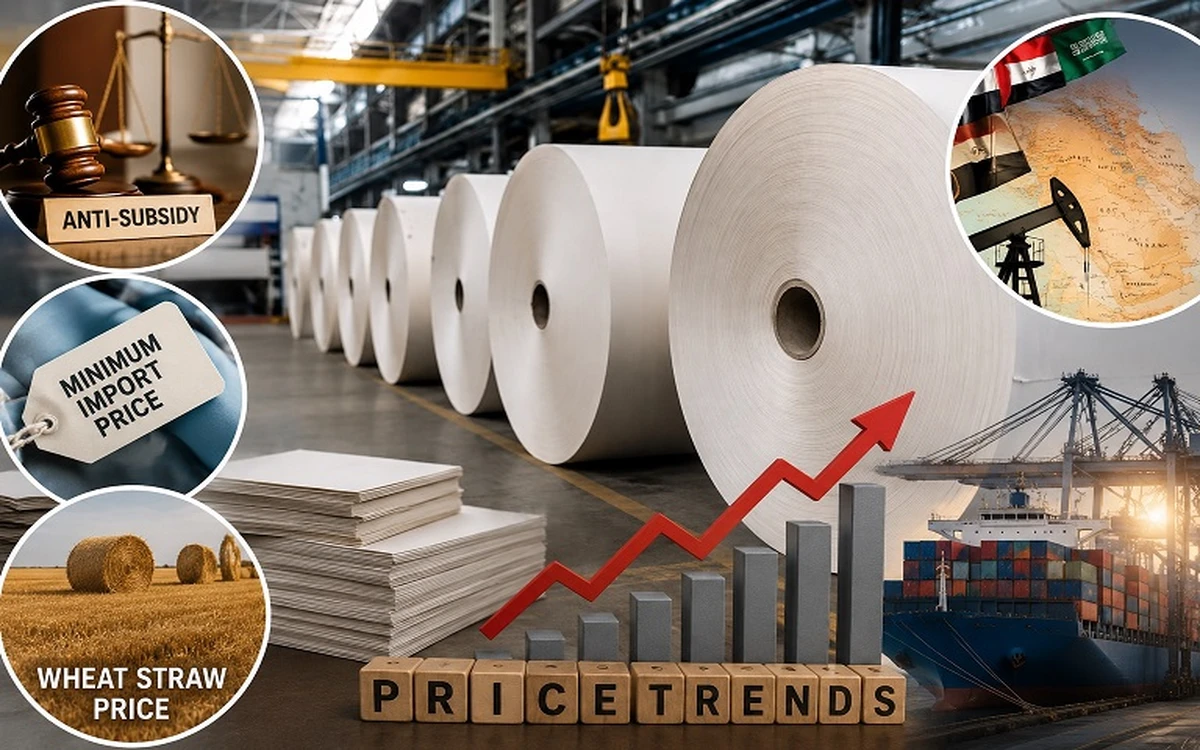
Expert Views on the paper market scenario, How the West Asia Crisis Helped the Industry, MIP for WPP, Anti-Subsidy implementation, and paper price trends
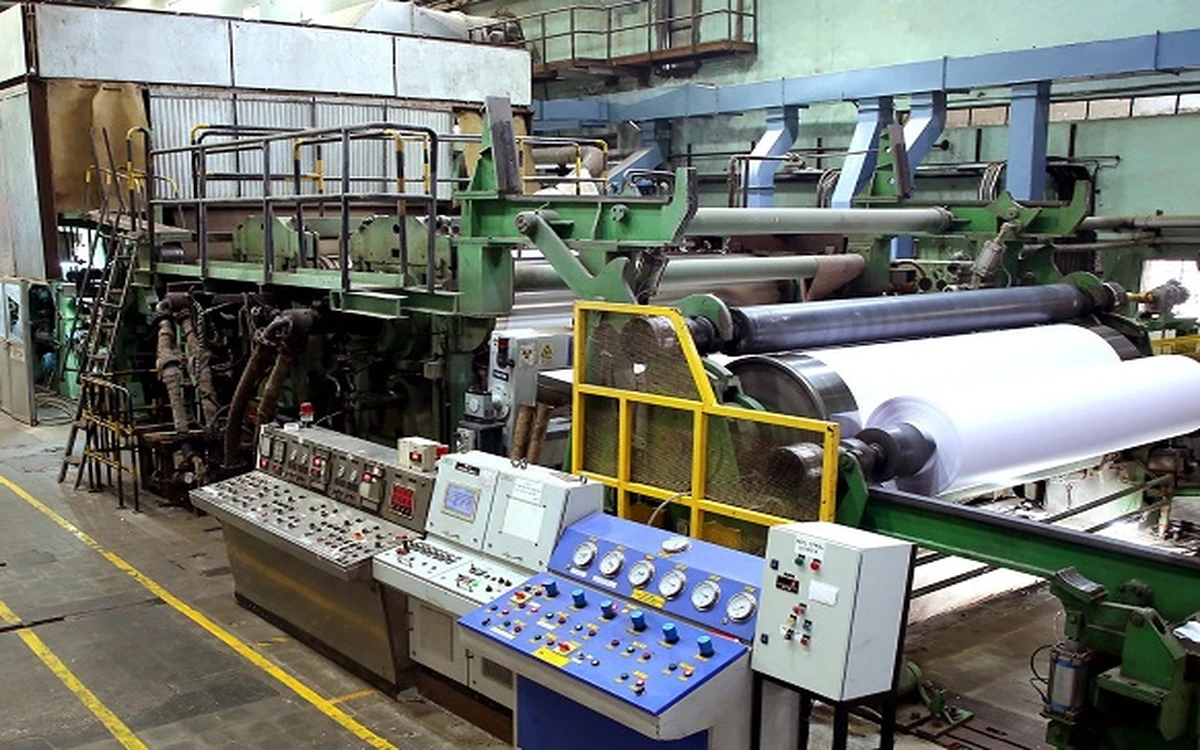
Pudumjee Paper intends to develop new varieties addressing applications for stronger paper bags and cupcakes; Plans 68,000 MT Mahad Specialty Paper Facility within 5 years
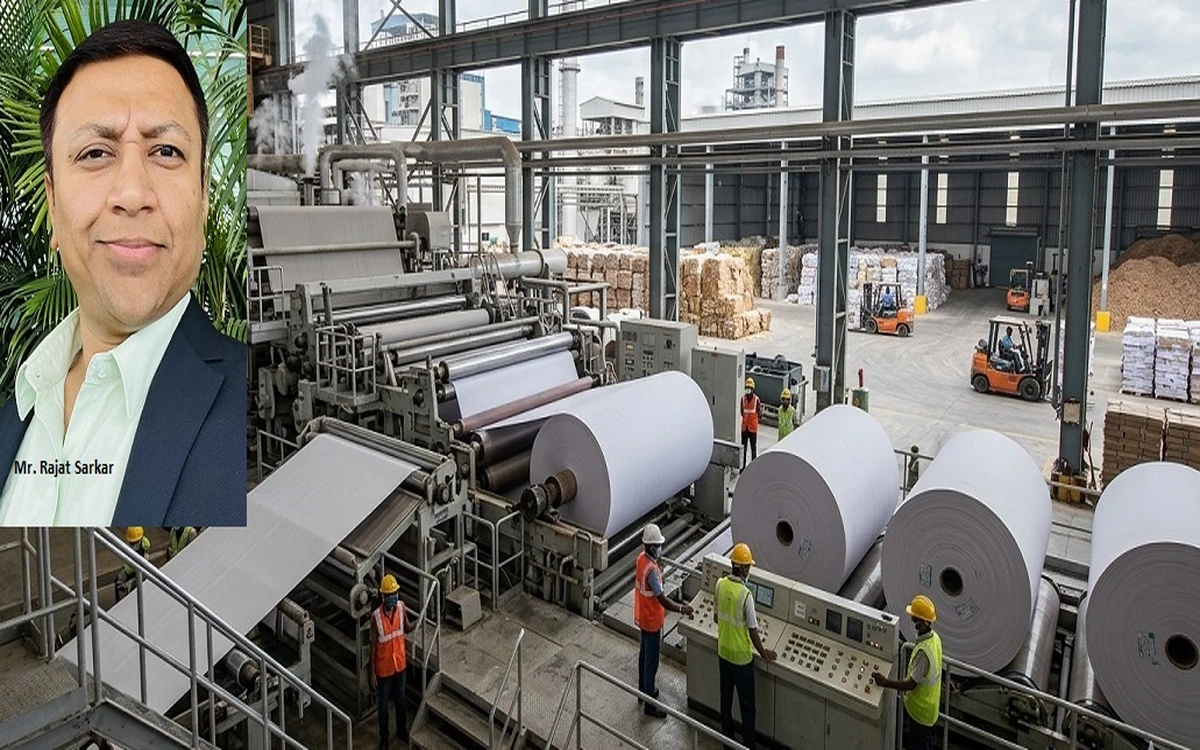
India Paper Industry at an Inflection Point: War, Costs, and Capacity; Demand growth expected at 5–7% in FY26
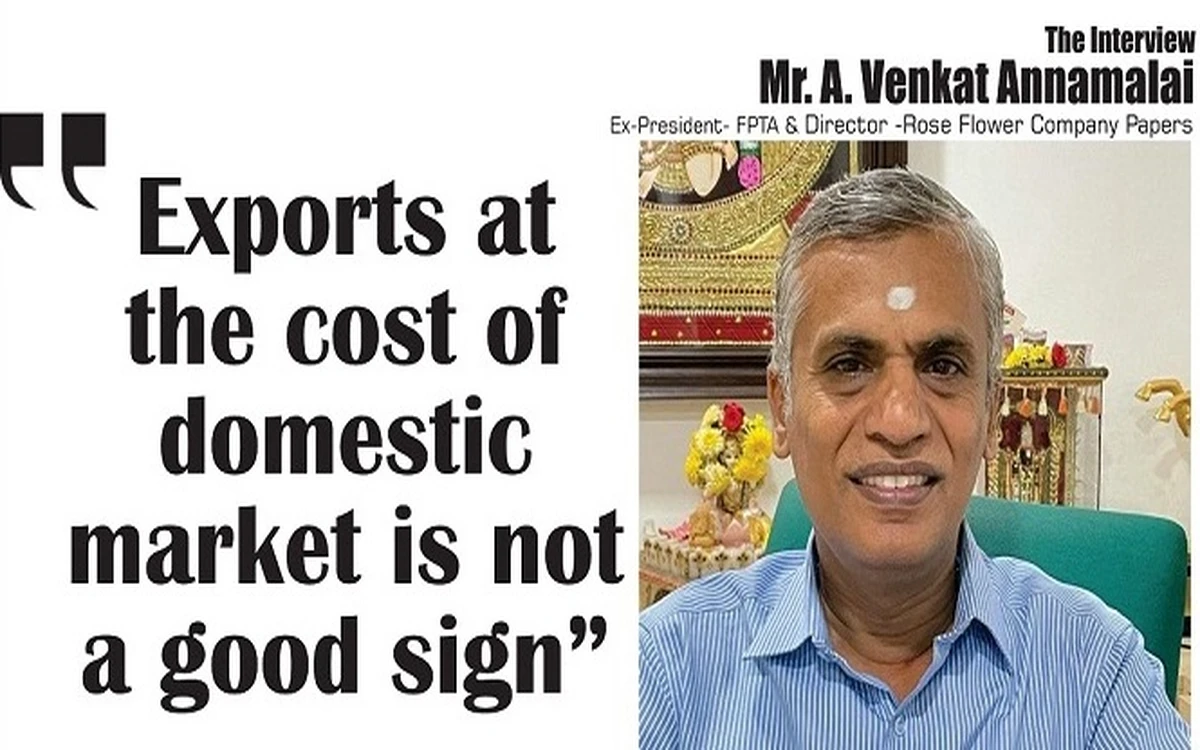
“Surging exports of paper will most certainly keep the domestic prices quite high”: Mr. A. Annamalai, Director – RFC
The Status of the Global Container board Industry, Recycled Paper Demand and Supply and its impact on the Indian Industry

Akshay Jain, director of Silverton Pulp & Paper, says it's time to promote agro residue as a raw material to lessen the scarcity of fibre
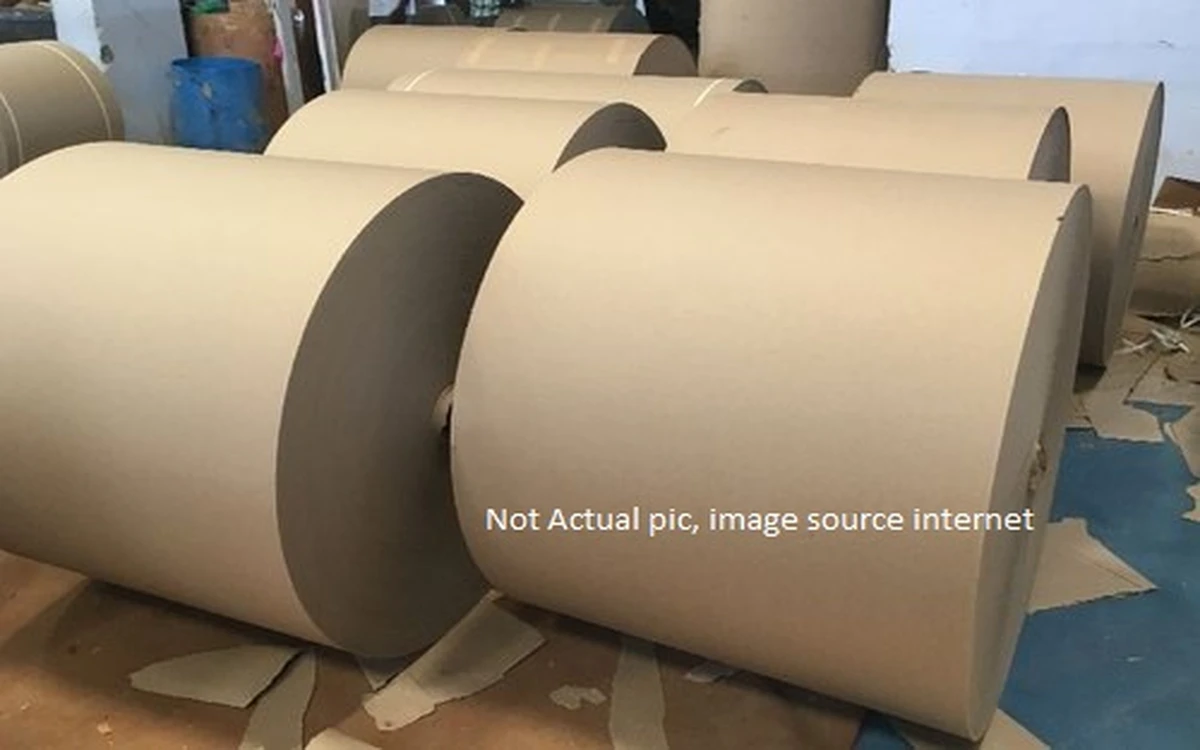
Advantageously located, a new paper mill is all set to roll kraft paper in Madhya Pradesh
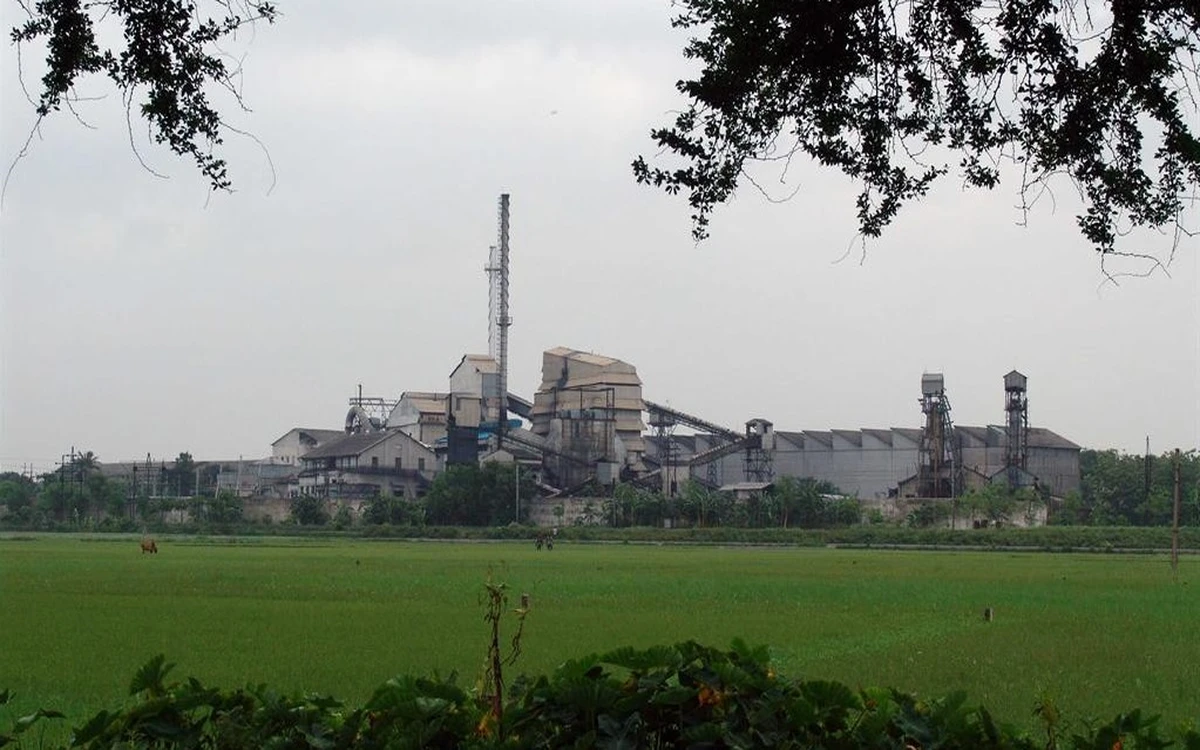
Several agile interventions helped ITC-PSPD fortify its clear leadership of the Value Added Paperboards (VAP) segment
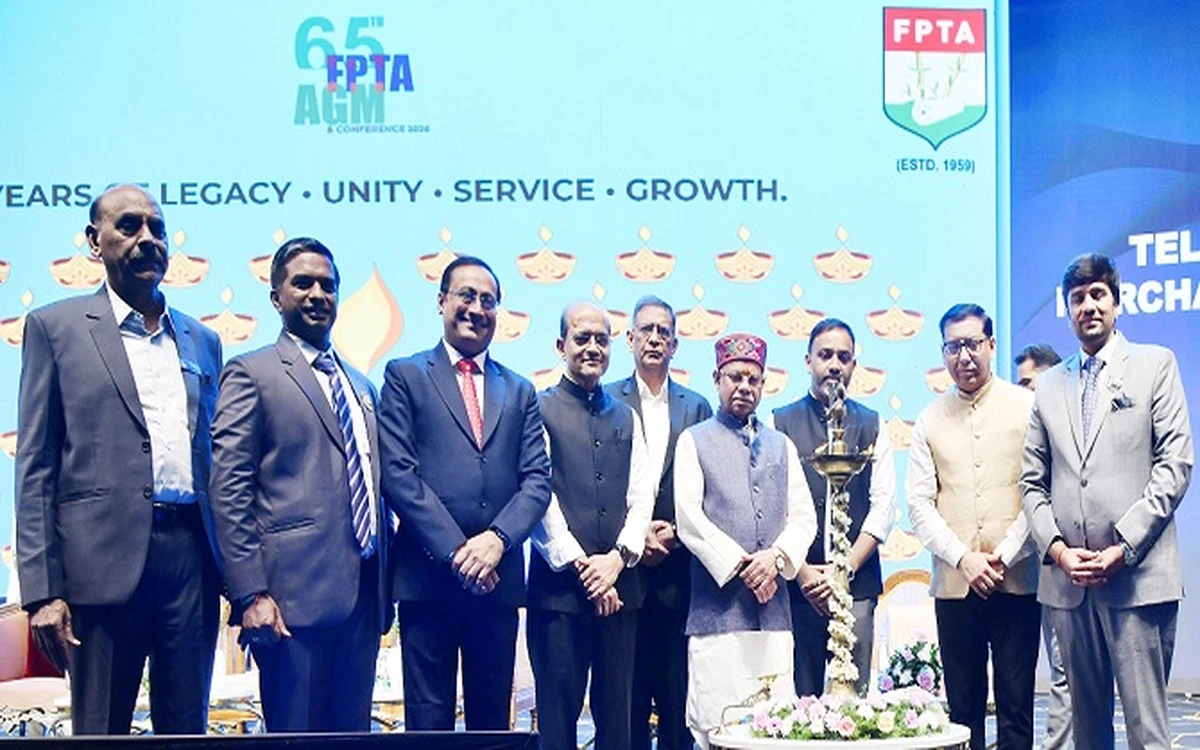
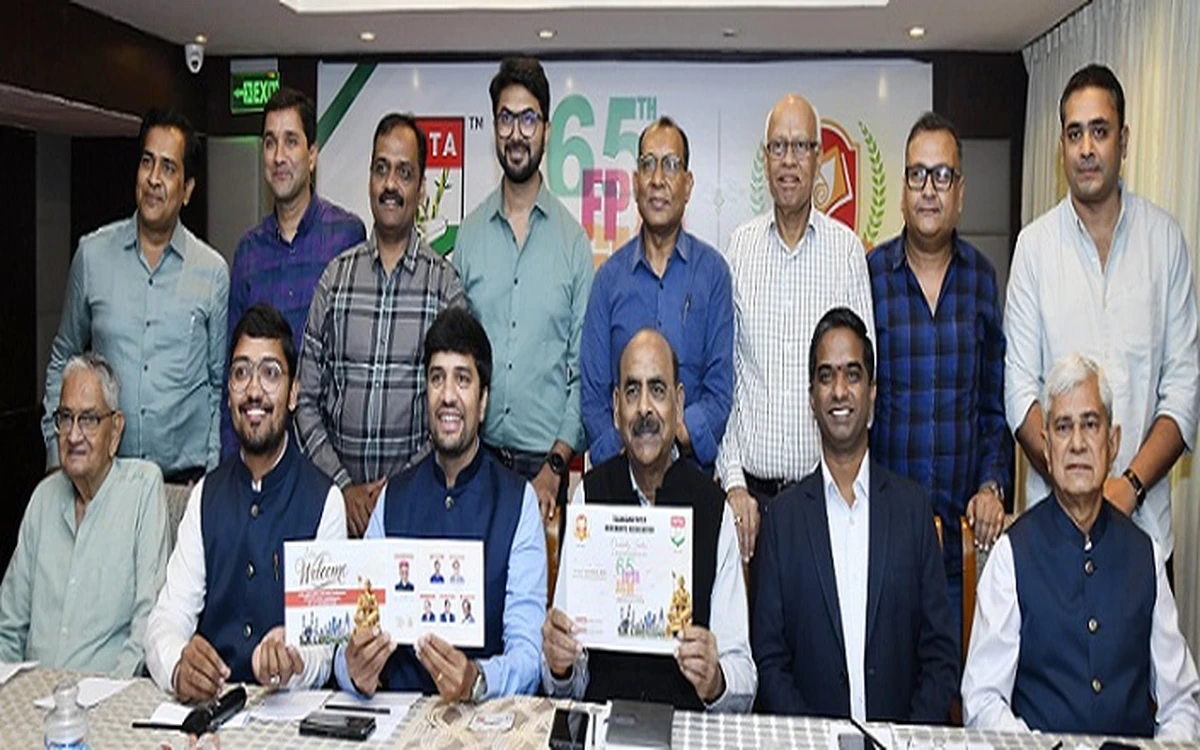
Paper Mills and Dealers Must Work Together to Create New Demand, Say Industry Leaders at FPTA’s 65th AGM
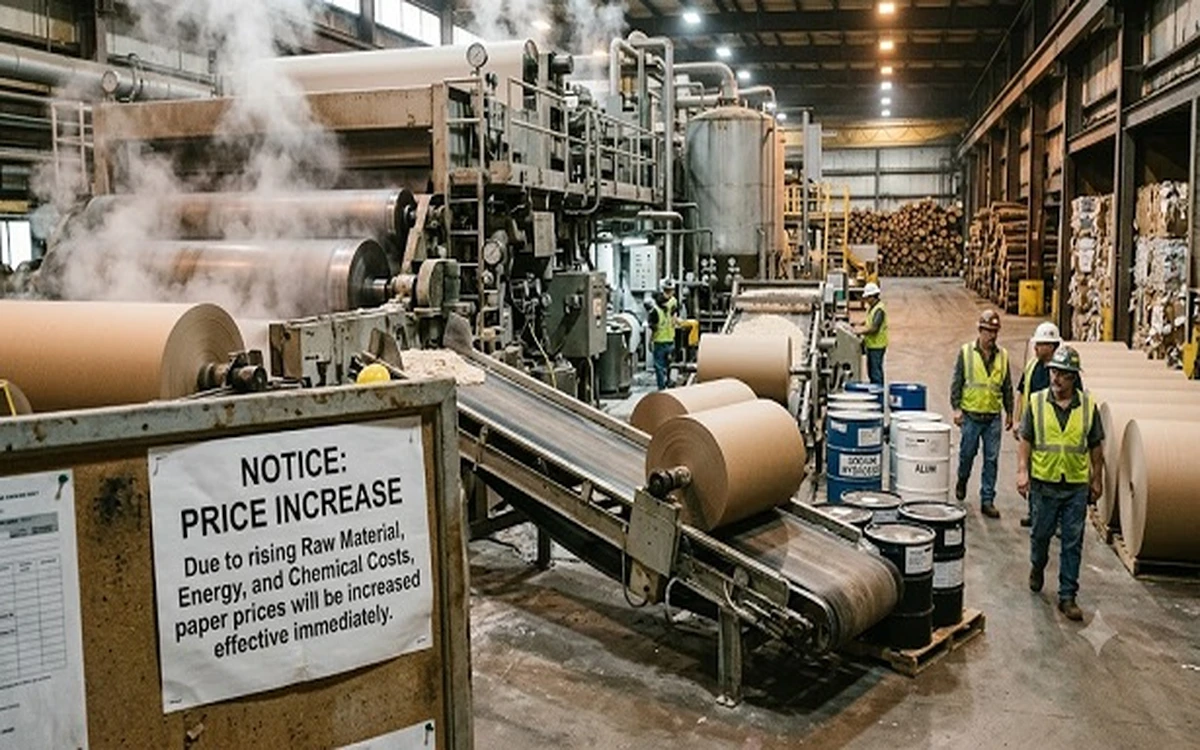
Paper Industry Cost Pressures Deepen; Price Revisions Announced Across Writing & Printing Grades
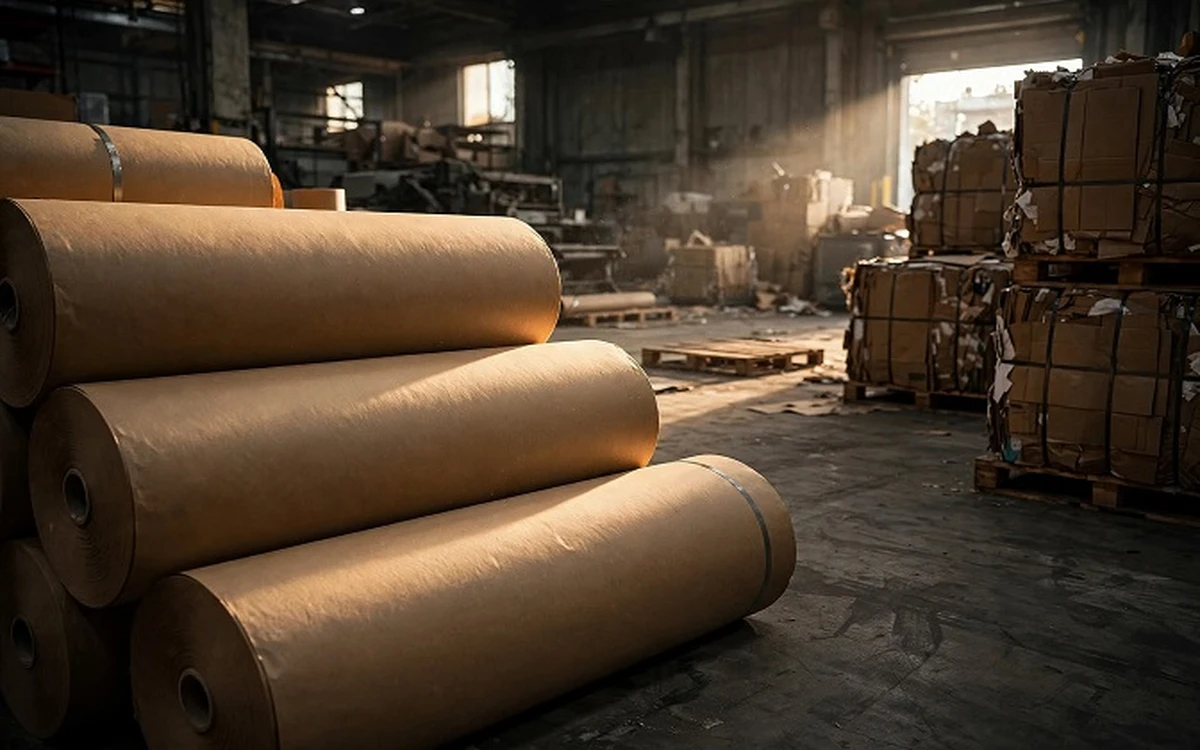
Imported Waste Paper Shortage Pushes Kraft Paper Prices Higher; Domestic Market Remains Firm
Ruchira Papers Invests a Sizeable Capex of Rs. 235–240 Crore Towards Writing & Printing Paper Capacity Expansion
Paper mills inflated the basic ex-mill price of paper post GST 2.0, AINMA seeks action against Anti-Profiteering
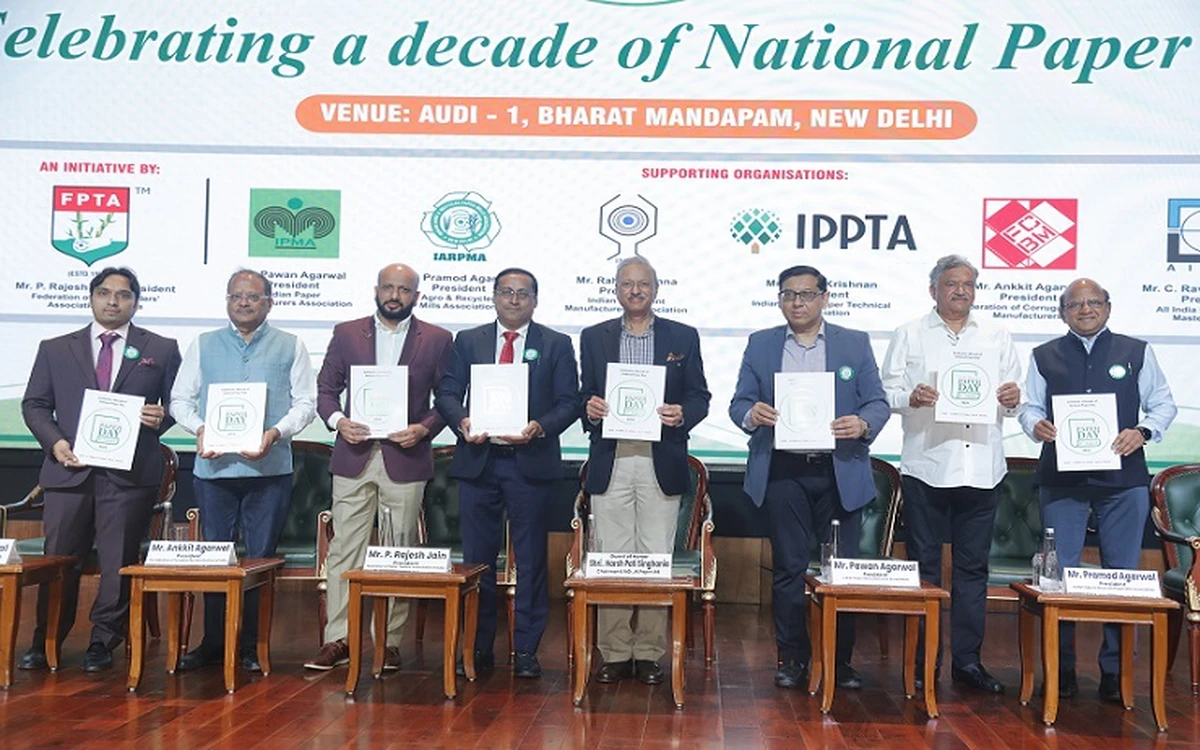
Seven Leading Associations Unite to Celebrate National Paper Day, Highlighting Paper's Sustainability and Circular Economy Advantage
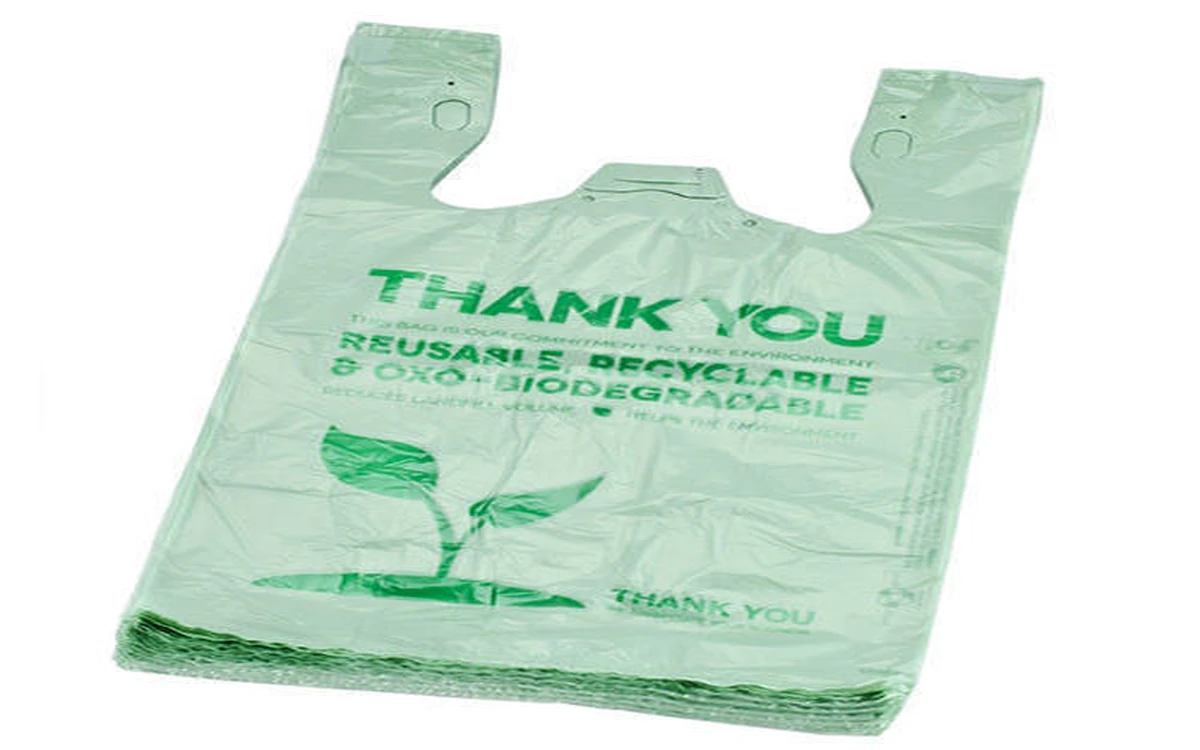
Scientists from IIT-Guwahati develop India's first biodegradable plastic

Navneet Education focuses on brand building, curriculum-led growth, and export recovery; expects stationery margins to improve in FY27

It is estimated that USD10B to USD20B worth of single-use plastic packaging will convert to molded fiber, ZUME
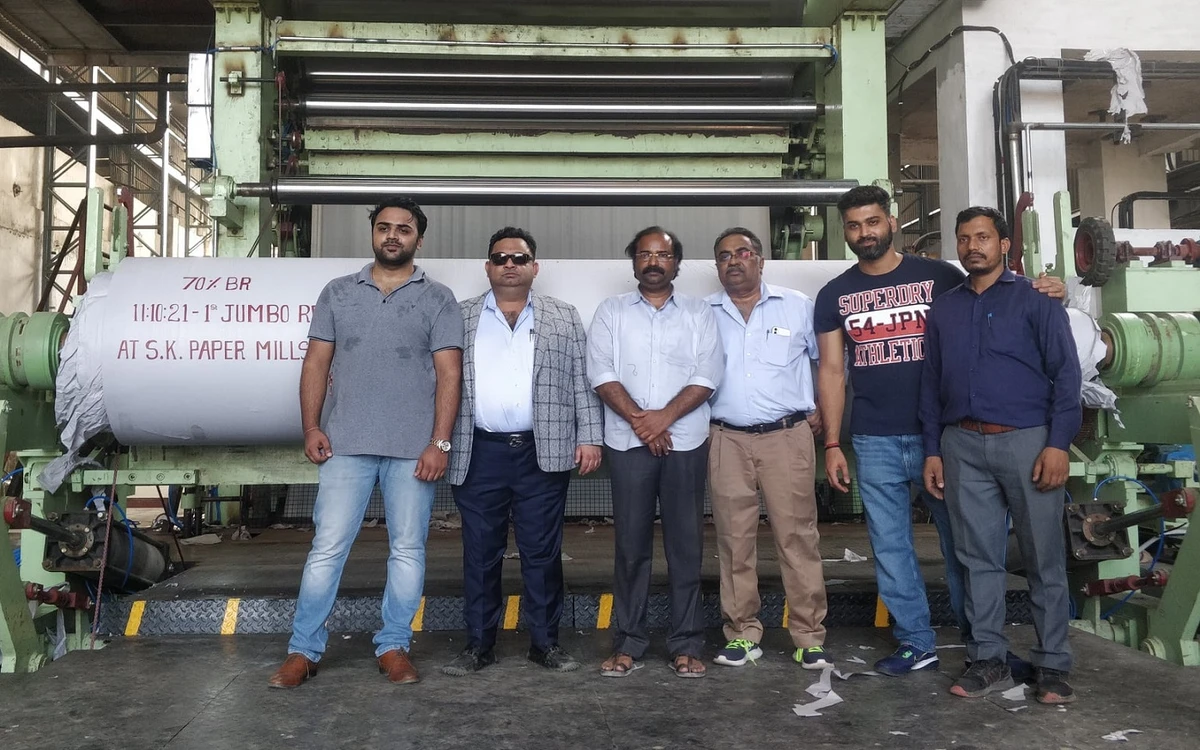
Muzaffarnagar gets a new capacity of Tissue Paper and MG Poster paper

“The integration of digitalization, automation, and Artificial Intelligence (AI) is no longer a futuristic concept—it is the baseline for competitiveness in 2036” - Vinit Garg, Director, Vizen Solutions
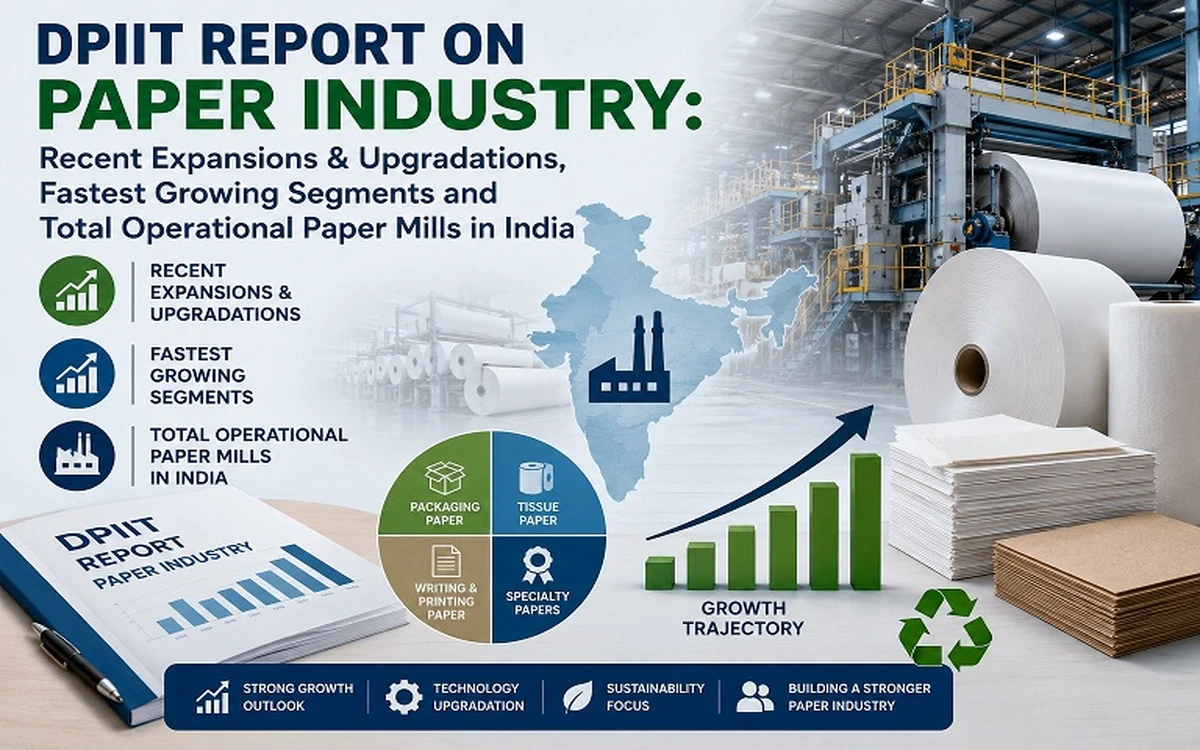
DPIIT Report on the Paper Industry: Recent Expansions & Upgrades, Fastest-Growing Segments, and Total Operational Paper Mills in India
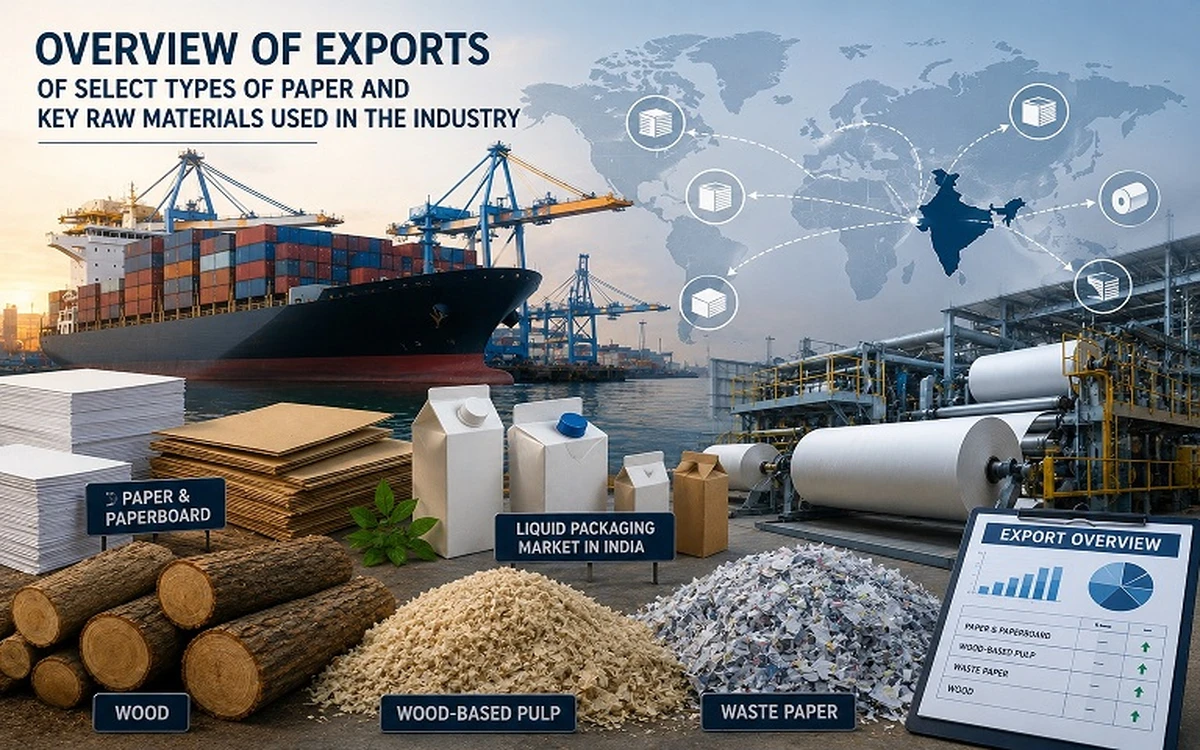
Overview of exports of select type of paper and key raw material used in the industry by Crisil Intelligence

Margin pressure pushes Pulp & Paper Packaging sector toward AI-Driven cost optimization, Cutting costs by 8–20%
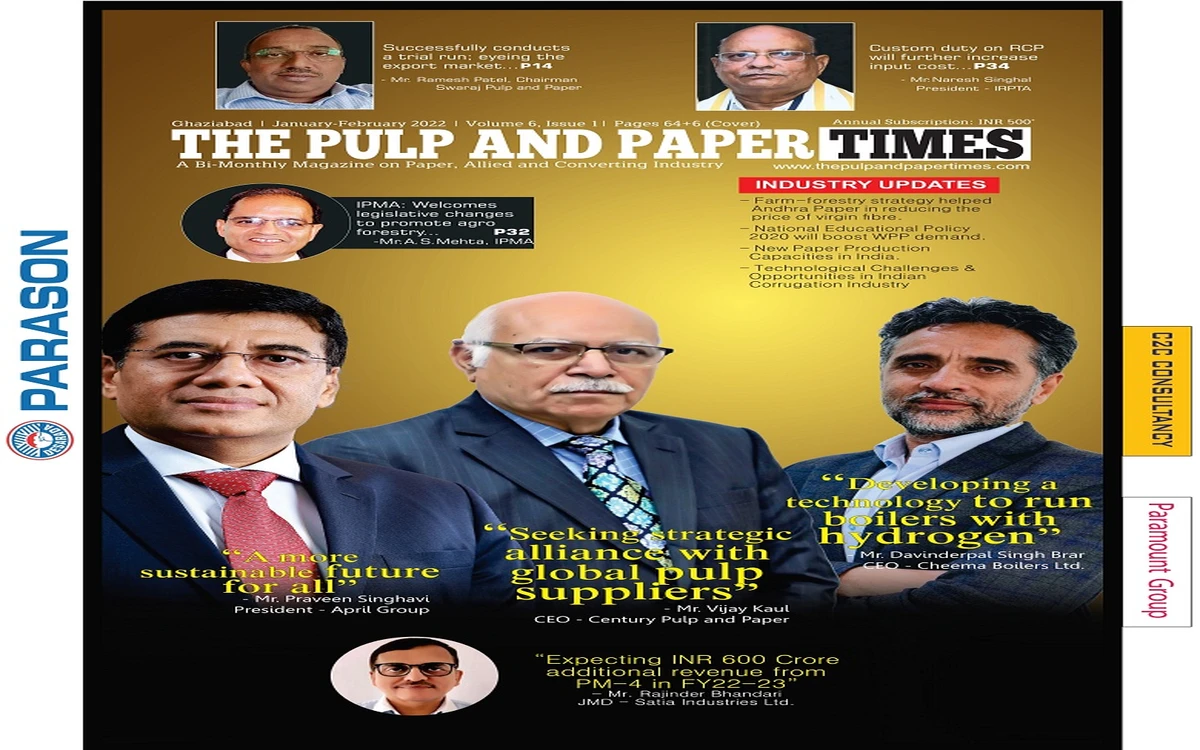
The Pulp and Paper Times Magazine : Volume 6, Issue 1

The Pulp and Paper Times Magazine : Volume 5, Issue 6
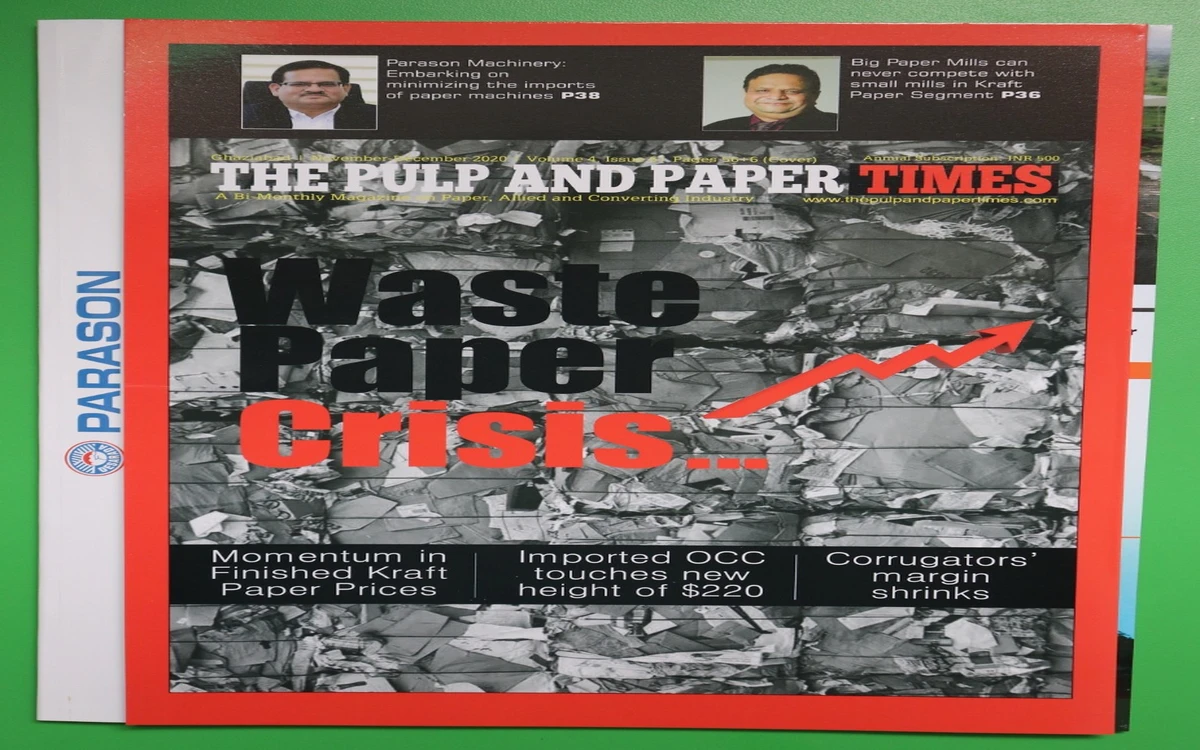
The Pulp and Paper Times: Volume 4, Issue 6
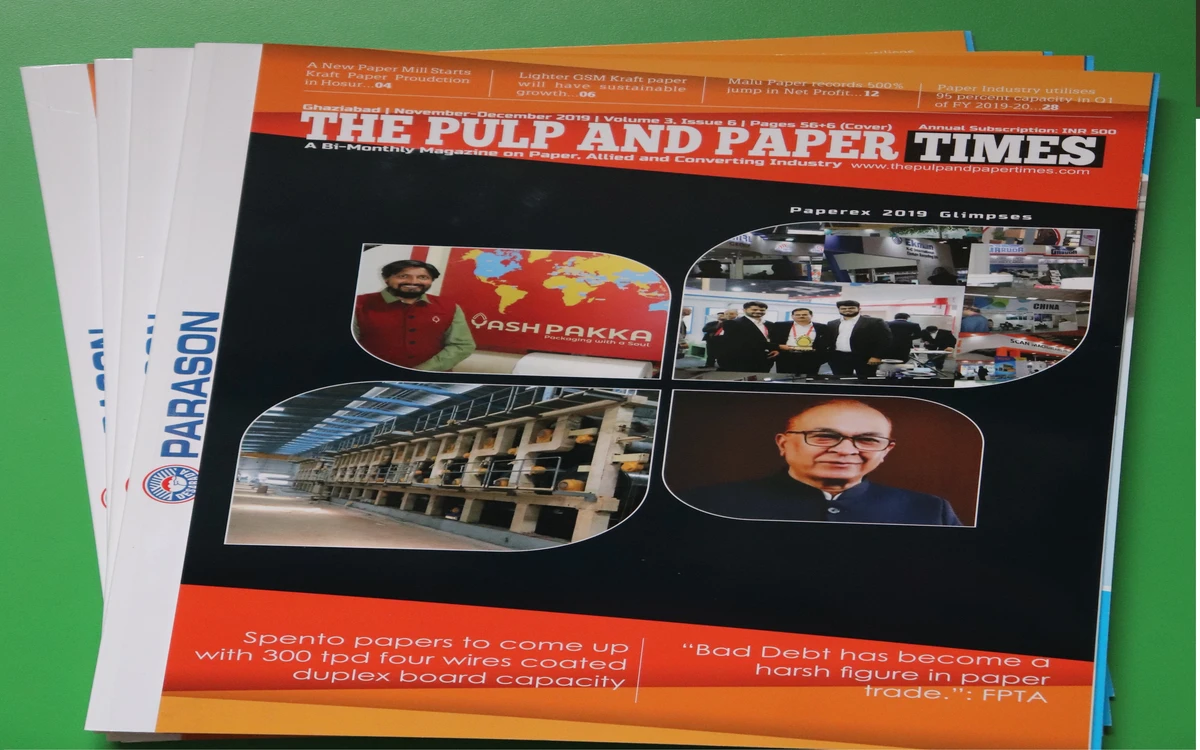
The Pulp and Paper Times : Volume 3, Issue 6
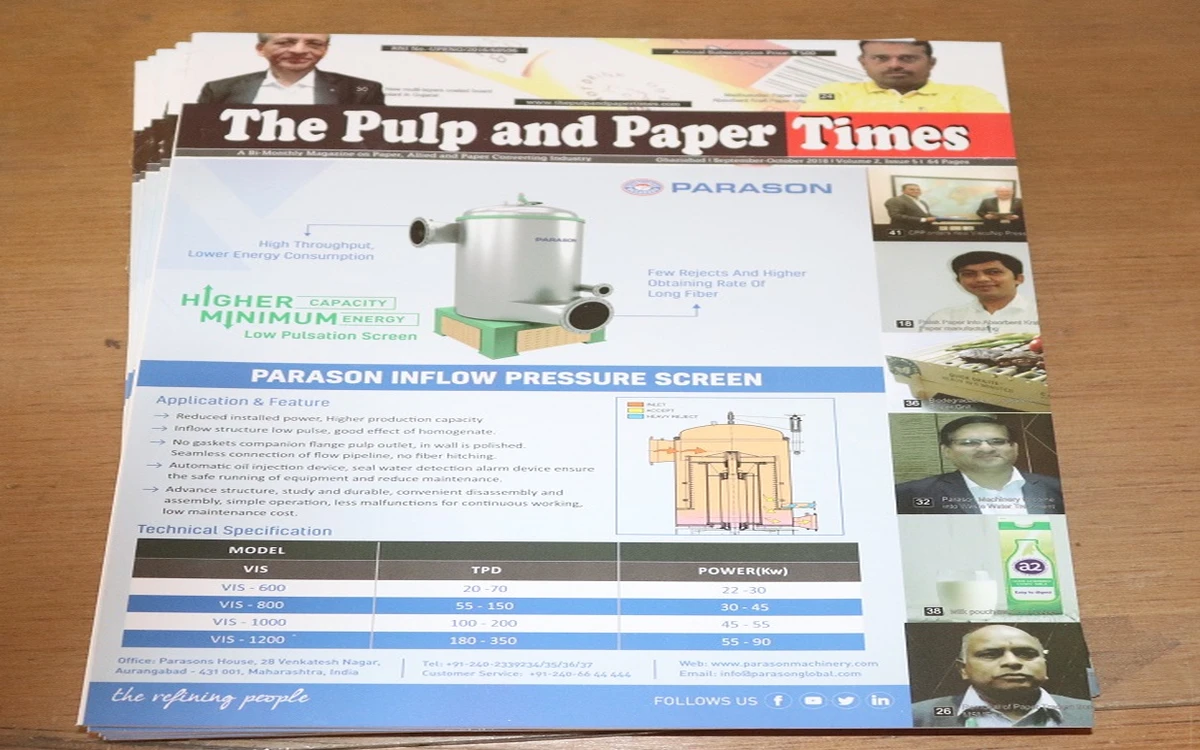
The Pulp and Paper Times: Volume 2 Issue 5

The Pulp and Paper Times, Volume 1, Issue 3
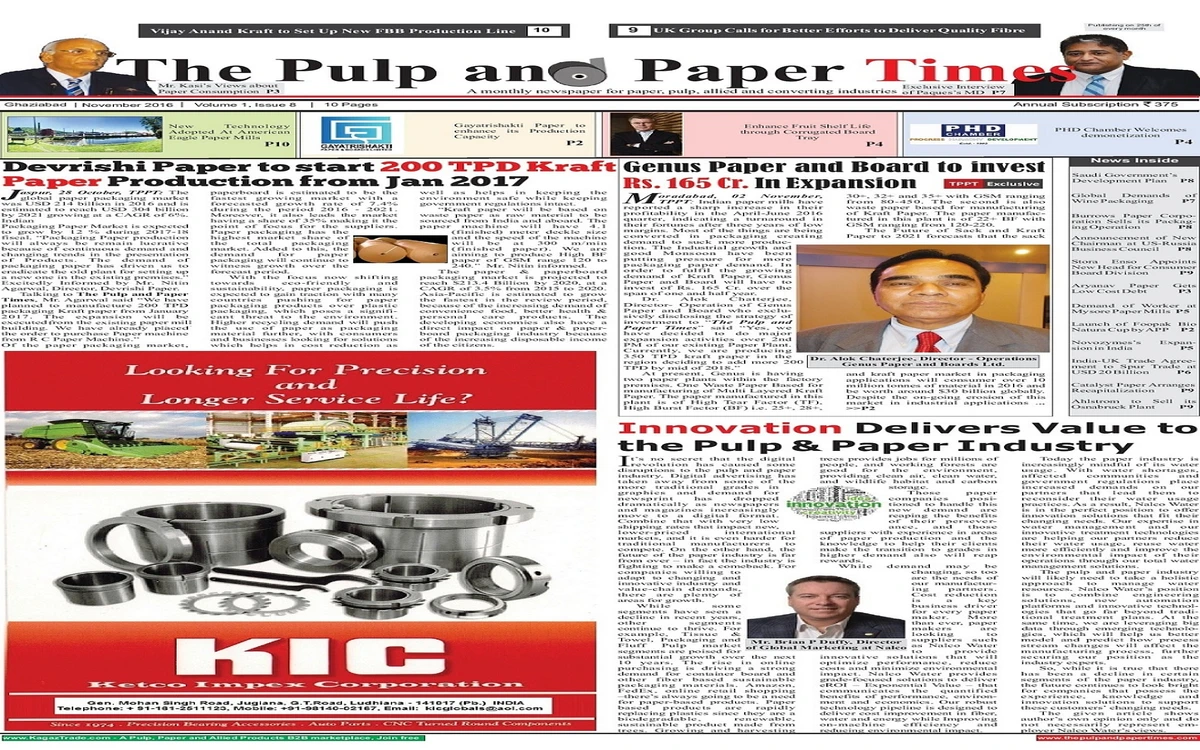
The Pulp and Paper Times, November 2016 Issue

- Buyers have become increasingly cautious and are now purchasing strictly according to requirements rather than maintaining excess inventories
- Chennai-Bengaluru has become one market, Hyderabad is a separate market, Mumbai has its own dynamics
The Pulp and Paper Times | 8th July 2026
India's kraft paper industry continues to grapple with a challenging operating environment marked by excess capacity, regional demand disparities, volatile raw material prices and prolonged payment cycles. While demand remains present across most markets, industry participants indicate that production growth has outpaced consumption, intensifying competition among mills. Paper mills in Southern and Western India have largely avoided coordinated shutdowns, although order inflows remain uneven. Waste paper prices continue to vary significantly by region, ranging from around ₹16.5–18 per kg in South and Western India to ₹20–20.5 per kg in Western Uttar Pradesh, while finished kraft paper prices are currently hovering around ₹29–30.5 per kg. Industry executives also highlighted that delayed payments, weaker exports, cautious buying behaviour and global geopolitical uncertainties are weighing on market sentiment. Despite the onset of the festive season, expectations for a strong demand revival remain subdued, with participants suggesting that sustained improvement will depend on better export conditions, balanced capacity additions and greater stability in international markets.

Speaking to The Pulp and Paper Times, Mr. Milind Ganpat Kashid, Director Tuljabhavani Paper Mills situated at Solapur, Maharashtra said market conditions remain challenging, with fluctuations in raw material and finished paper prices adding uncertainty. While orders are available in the market, delayed recoveries have emerged as a major concern for manufacturers.
"Orders are there, and material is moving, but payments are not being received on time. Delayed recovery has become one of the biggest pressures on the industry," Mr. Kashid said.
Speaking to The Pulp and Paper Times, Mr. Shelly Agarwal, Director, Kolar Paper Mills Ltd., said that the Kraft Paper market can no longer be viewed as a single unified segment, as each region now operates under distinct supply-demand dynamics.

"Chennai-Bengaluru has become one market, Hyderabad is a separate market, Mumbai has its own dynamics, and North India behaves differently. Demand conditions vary from region to region, depending largely on the concentration of paper mills and local consumption patterns," Mr. Agarwal said.
India's kraft paper industry continues to face significant pressure despite stable demand, as weak order visibility, delayed payment cycles and overcapacity weigh heavily on mill profitability, according to Mr. Kashid.
Tuljabhavani Paper Mills has an installed capacity of 250 tonnes per day and produces around 6,000 tonnes per month. Although the plant continues to operate without shutdowns, he acknowledged that several kraft paper mills in Maharashtra have been forced to shutdown operations due to inadequate order flow.

Mr. Kashid noted that mills are increasingly competing for limited demand by lowering prices and focusing on cost control measures to sustain operations. According to him, the difficult market conditions have persisted for nearly three years because capacity additions have outpaced consumption growth.
Speaking on the prevailing market situation, Mr. Naresh Singhal, President of the Indian Recycled Paper Traders Association (IRPTA) anticipated that transportation challenges during the Kanwar period could affect dispatches for nearly eight days. Producers are therefore looking to manufacture and stock material in advance, using available waste paper inventories to maintain supply continuity while movement remains constrained.

According to Singhal, The logistical disruptions expected during the Kanwar Yatra, when transportation routes across Western Uttar Pradesh, including corridors leading towards Meerut and Moradabad, become increasingly restricted.
Speaking to The Pulp and Paper Times, Mr. Karan Khanna, director of Nvesons Paper Mill near Dholpur, Rajasthan, described the current kraft paper market as a "see-saw game", where prices and demand frequently move up and down depending on domestic and global developments.
“Demand is good, but the market keeps moving up and down. Exports are weak and many exporters are diverting their material into the domestic market, creating additional pressure,” Mr. Khanna said.
According to him, domestic buying power remains healthy, but purchasing behaviour has changed significantly. Buyers have become increasingly cautious and are now purchasing strictly according to requirements rather than maintaining excess inventories.
“While some markets continue to witness reasonable order inflows, others are experiencing weaker demand, making the overall market environment difficult to assess uniformly. Despite these regional differences, he acknowledged that the broader kraft paper market remains slow,” Mr. Agarwal said.
Mr. Agarwal also noted that predicting future market trends has become increasingly challenging due to volatility in raw material availability and global uncertainties. He pointed out that disruptions linked to recent geopolitical tensions had temporarily tightened waste paper availability, resulting in a brief improvement in market sentiment before prices corrected again.
Prices:
Tuljabhavani Paper Mills ‘s director said, Waste paper prices in Maharashtra are currently hovering around Rs. 17–18 per kilogram, lower than prevailing levels in Western Uttar Pradesh. However, he stressed that profitability remains under severe pressure, with rising costs and long payment cycles affecting cash flows.
"Payments are often delayed by as much as 120 days, while raw material suppliers require payments within 20–25 days. It has become a very difficult situation for paper mills," Kashid said.
Mr. Naresh Singhal observed that many mills are encouraging customers to secure their requirements early, allowing producers to fulfil orders before the transportation bottlenecks emerge. He noted that mills have already implemented a price increase of around Rs. 1–1.5 per kilogram in finished kraft paper, while additional hikes are being attempted in the market.

Current kraft paper prices are largely in the range of Rs. 29–29.50 per kilogram, although some mills are seeking to raise realizations to Rs. 30–30.50 per kilogram. According to Singhal, if the proposed shutdown materialises, producers may be able to reinforce perceptions of tighter supply conditions and support higher price levels.
"The intention is to ensure orders are booked in advance and inventories are built before the holiday period. Mills are trying to create a balance between production availability and expected supply interruptions," Mr. Singhal said.
Mr. Agarwal of Kolar Paper Mill has indicated that domestic waste paper prices in the region are currently hovering around Rs. 16.5 per kilogram, significantly lower than the Rs. 20.5 per kilogram prevailing in Western Uttar Pradesh.
Mr. Agarwal attributed the regional price difference primarily to logistics costs. He explained that mills in North India incur higher freight expenses while sourcing imported waste paper, resulting in comparatively higher raw material prices.
Mr. Naresh Singhal further noted that the spread between waste paper costs and finished kraft paper prices had improved from around Rs. 8.5 per kilogram earlier to approximately Rs. 9 per kilogram currently. Domestic waste paper prices have risen significantly over the past one-and-a-half months, climbing from around Rs. 18 per kilogram to nearly Rs. 20.50 per kilogram.

Imported waste paper prices have also strengthened. Singhal said US-origin recovered paper that was previously being booked at around US$190–195 per tonne is now being traded at approximately US$202–205 per tonne, reflecting an increase of US$7–10 per tonne. Currency movements have added further pressure, with the rupee remaining weak against the US dollar.
According to him, domestic waste paper suppliers often respond to rising prices by holding inventories in anticipation of further gains. Large traders with storage capacities of 1,000–2,000 tonnes may delay sales if they expect shortages to emerge, hoping to realise better prices later.
On pricing, Mr. Karan Khanna indicated that 18 BF kraft paper is currently trading at around Rs. 30–30.50 per kilogram. Waste paper prices, meanwhile, vary significantly across regions. Rates in the Meerut-Muzaffarnagar belt are currently in the range of Rs. 19–20.50 per kilogram, while Punjab, Indore and Gujarat markets are operating at lower levels of around Rs. 17–17.50 per kilogram.
Mr. Kashid further observed that corrugators and buyers are no longer maintaining large inventories and are instead purchasing material strictly on a need-based basis. The stock-building trend seen three years ago has largely disappeared, reflecting cautious buying sentiment and continued uncertainty in the kraft paper market.
Demand:
Mr. Singhal noted, during the peak Kanwar Yatra period, even Uttarakhand mills face challenges as transportation routes become severely restricted.
On the demand outlook, Singhal expressed caution regarding the upcoming festive season. Although the traditional consumption period extending from mid-August to mid-November encompasses major festivals such as Teej, Raksha Bandhan, Janmashtami and Diwali, he believes overall demand momentum may remain subdued.
Mr. Singhal attributed this concern primarily to delayed and uneven monsoon activity. Referring to weather trends and media reports, Singhal observed that rainfall in several regions could remain substantially below normal, potentially affecting kharif crop production and rural incomes. Given that a large segment of India's population depends directly or indirectly on agriculture, weaker farm earnings could reduce purchasing power and dampen consumption across multiple sectors.
Mr. Agarwal said festive-related demand is typically concentrated within a short window during July and August, when manufacturers of corrugated boxes begin procuring paper to meet packaging requirements for Dussehra and Diwali.
According to him, buyers generally secure orders well in advance, allowing box manufacturers to complete their procurement before the peak festival season begins.
"The festive demand is largely limited to about two months. Purchases for Dussehra and Diwali packaging are generally completed during July and August, as box manufacturers execute orders ahead of the festival season," Mr. Agarwal said.
“Consumers have become smart buyers. The purchasing power exists, but people are avoiding unnecessary spending and buying only what they actually need,” Mr. Khanna noted.
The executive said that the impact of overcapacity is still visible across the industry. While new projects continue to come up, many expansion plans remain stuck in intermediate stages due to volatile market conditions and funding constraints.
“Several mills are still in the middle phase of expansion. Whenever the market improves, investors see an opportunity, but when prices soften again, financial pressures emerge,” Mr. Khanna said.
Mr. Khanna observed that large, automated paper and packaging facilities serving multinational companies continue to perform relatively well due to stable demand and better product quality. However, smaller corrugation units and manually operated plants are facing difficulties in sustaining operations amid weak demand and intense competition.
Despite the onset of the festive season, supported by demand from fruits, agriculture and consumer goods packaging, he believes the expected growth remains below industry expectations. Looking ahead, he said the market outlook will largely depend on geopolitical stability and the reopening of international markets, particularly Europe, which continues to be affected by conflicts and inflationary pressures.


7 hours ago
Total Views : 182
1 days ago
Total Views : 2428
4 days ago
Total Views : 2123
5 days ago
Total Views : 5819

6 days ago
Total Views : 810
last week
Total Views : 804
last week
Total Views : 716
last week
Total Views : 3595
2 weeks ago
Total Views : 4058
2 weeks ago
Total Views : 807