Join Groups & Channels, No Spamming









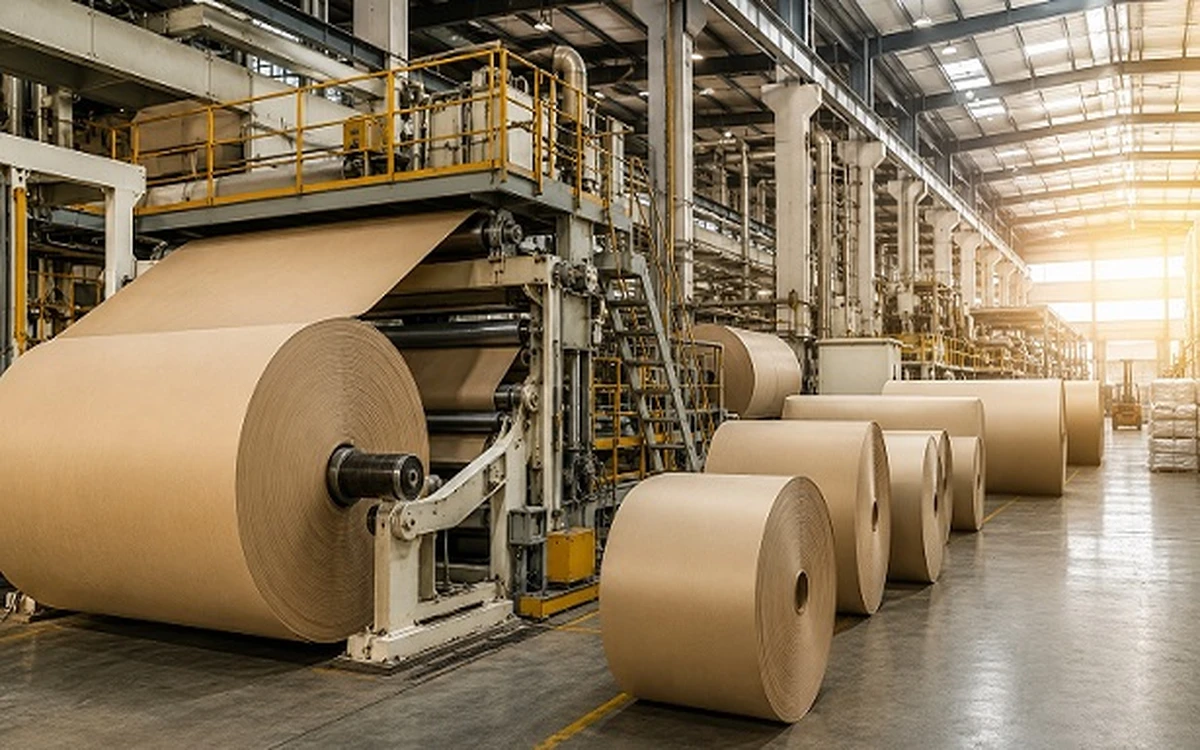
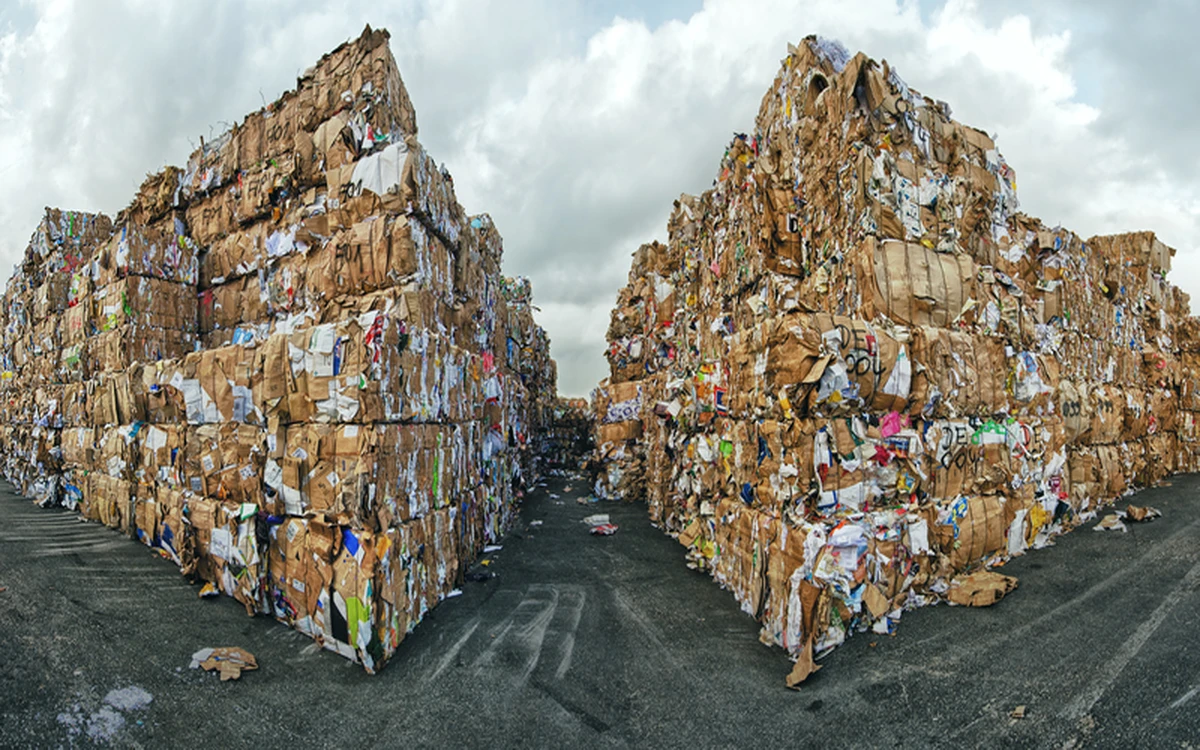
Morbi paper mills see full-capacity operations as ceramic industry revives; Kraft paper exports to China spike, Prices strengthen; Janmashtami shutdown ahead
The BE and caustic soda plant marks a key milestone for Mohit Paper Mills, enabling full utilization of installed capacity and enhancing overall production efficiency
Expert Views on the paper market scenario, How the West Asia Crisis Helped the Industry, MIP for WPP, Anti-Subsidy implementation, and paper price trends
Pudumjee Paper intends to develop new varieties addressing applications for stronger paper bags and cupcakes; Plans 68,000 MT Mahad Specialty Paper Facility within 5 years
India Paper Industry at an Inflection Point: War, Costs, and Capacity; Demand growth expected at 5–7% in FY26
“Surging exports of paper will most certainly keep the domestic prices quite high”: Mr. A. Annamalai, Director – RFC
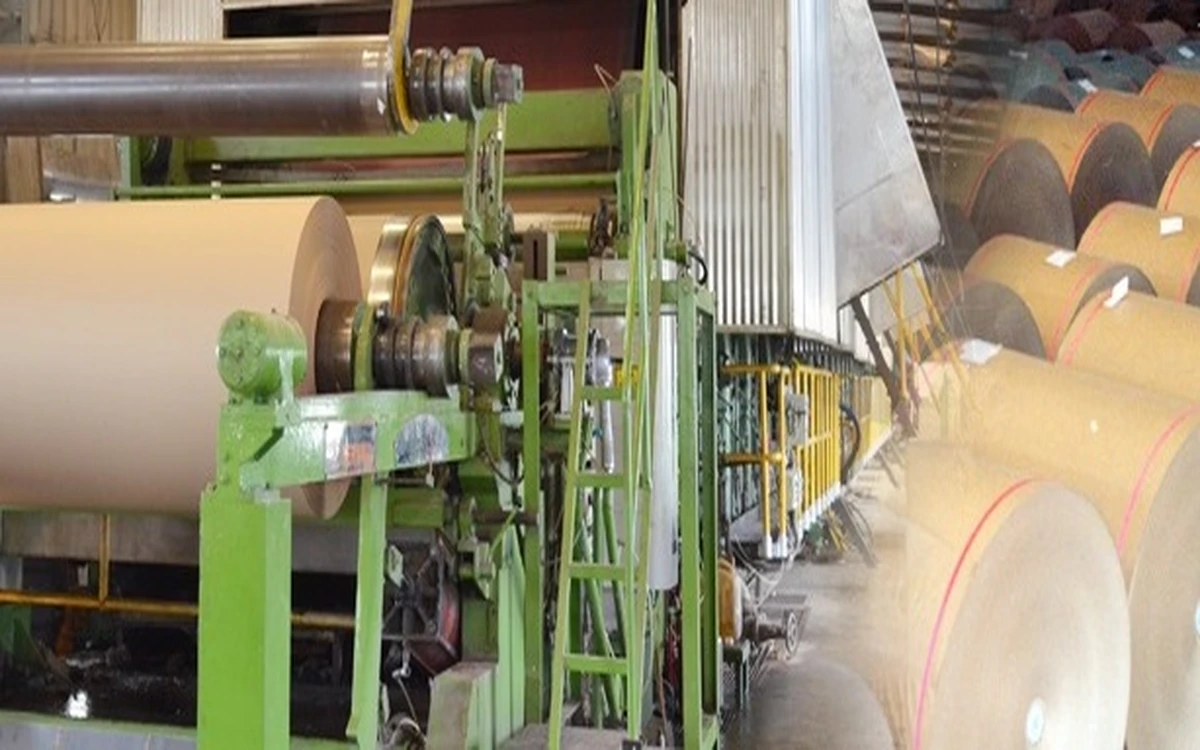
The Status of the Global Container board Industry, Recycled Paper Demand and Supply and its impact on the Indian Industry

Akshay Jain, director of Silverton Pulp & Paper, says it's time to promote agro residue as a raw material to lessen the scarcity of fibre
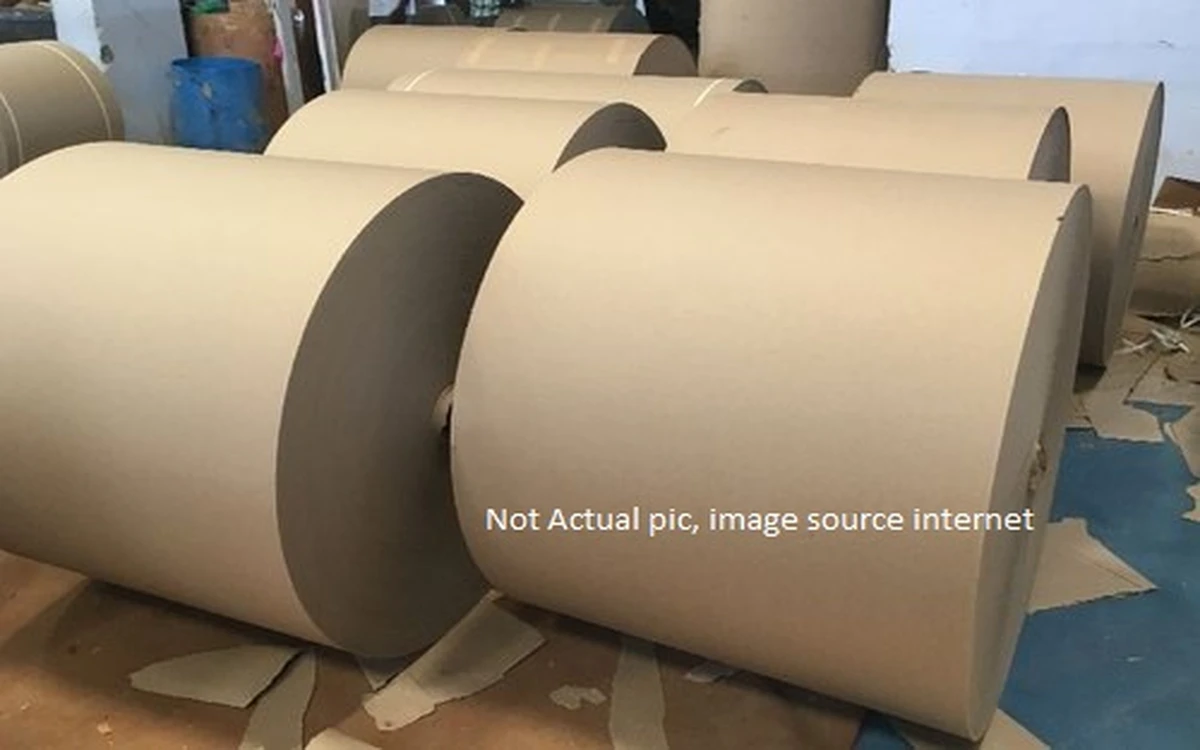
Advantageously located, a new paper mill is all set to roll kraft paper in Madhya Pradesh
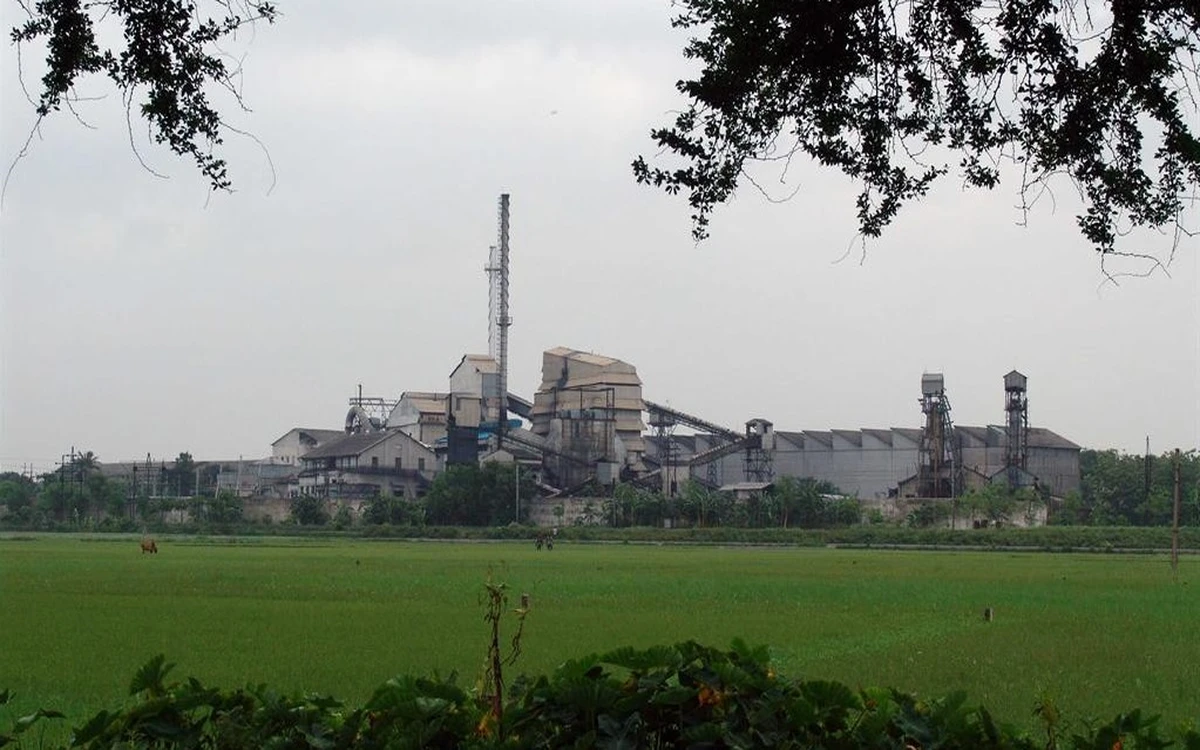
Several agile interventions helped ITC-PSPD fortify its clear leadership of the Value Added Paperboards (VAP) segment
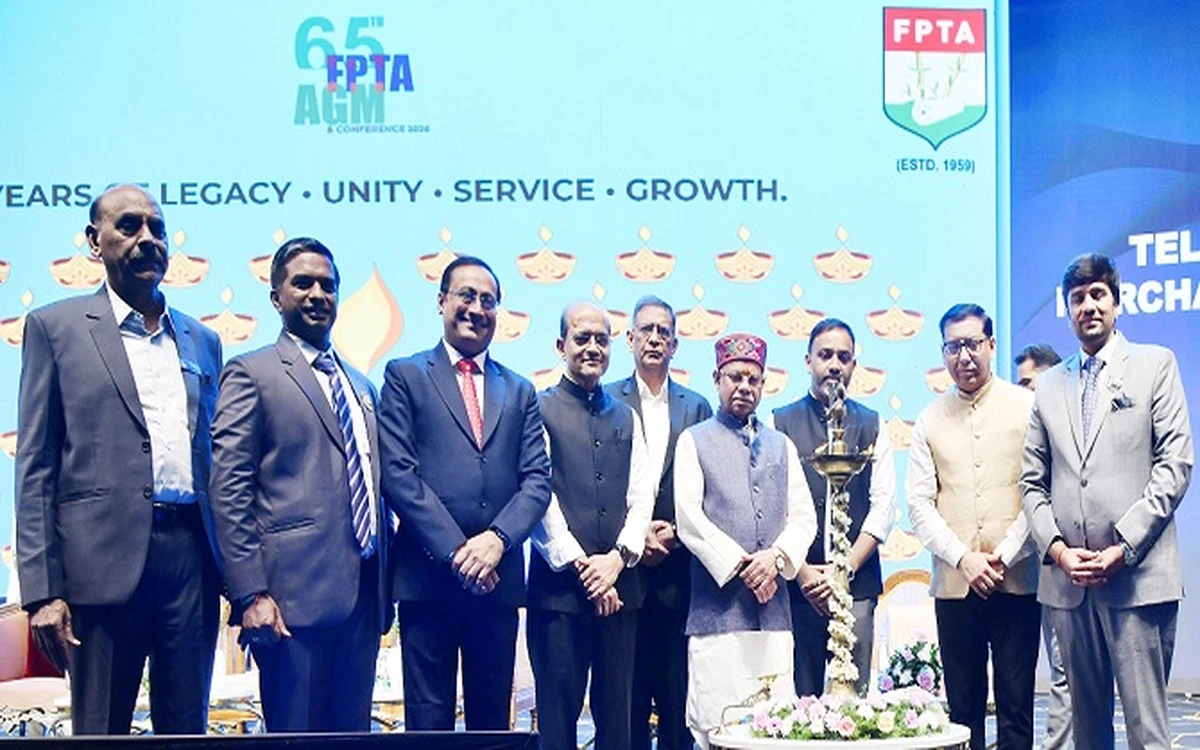
Paper Mills and Dealers Must Work Together to Create New Demand, Say Industry Leaders at FPTA’s 65th AGM
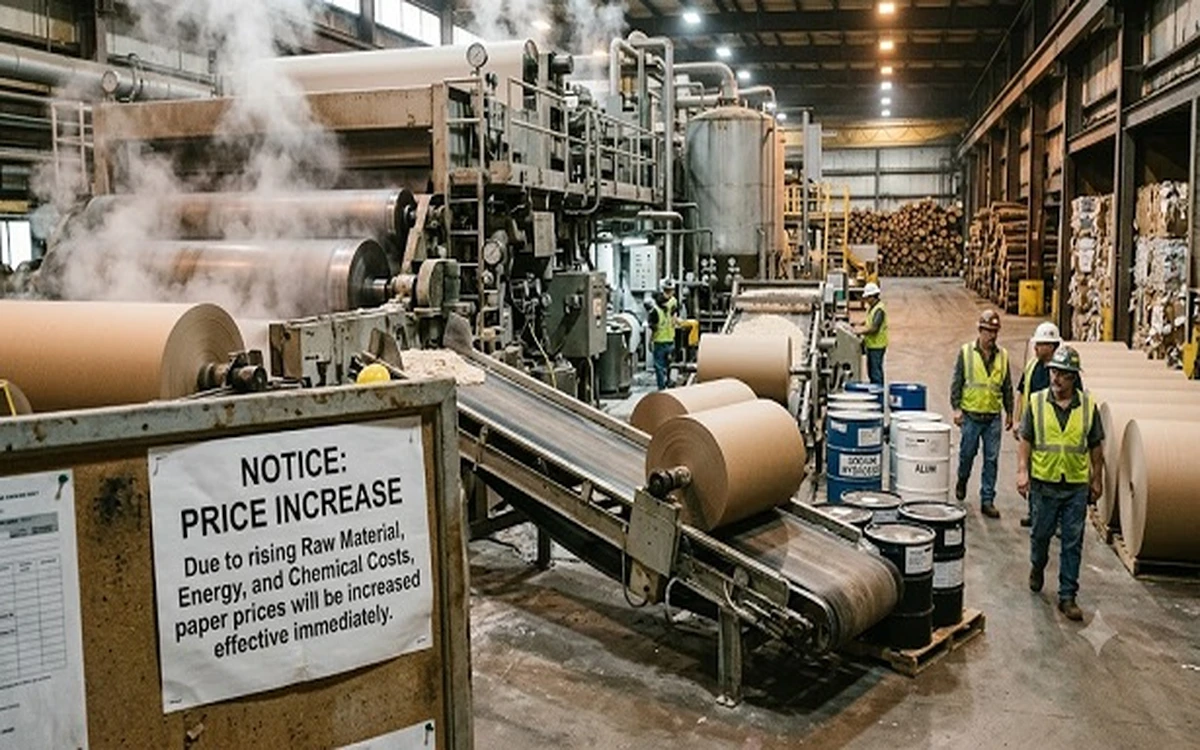
Paper Industry Cost Pressures Deepen; Price Revisions Announced Across Writing & Printing Grades
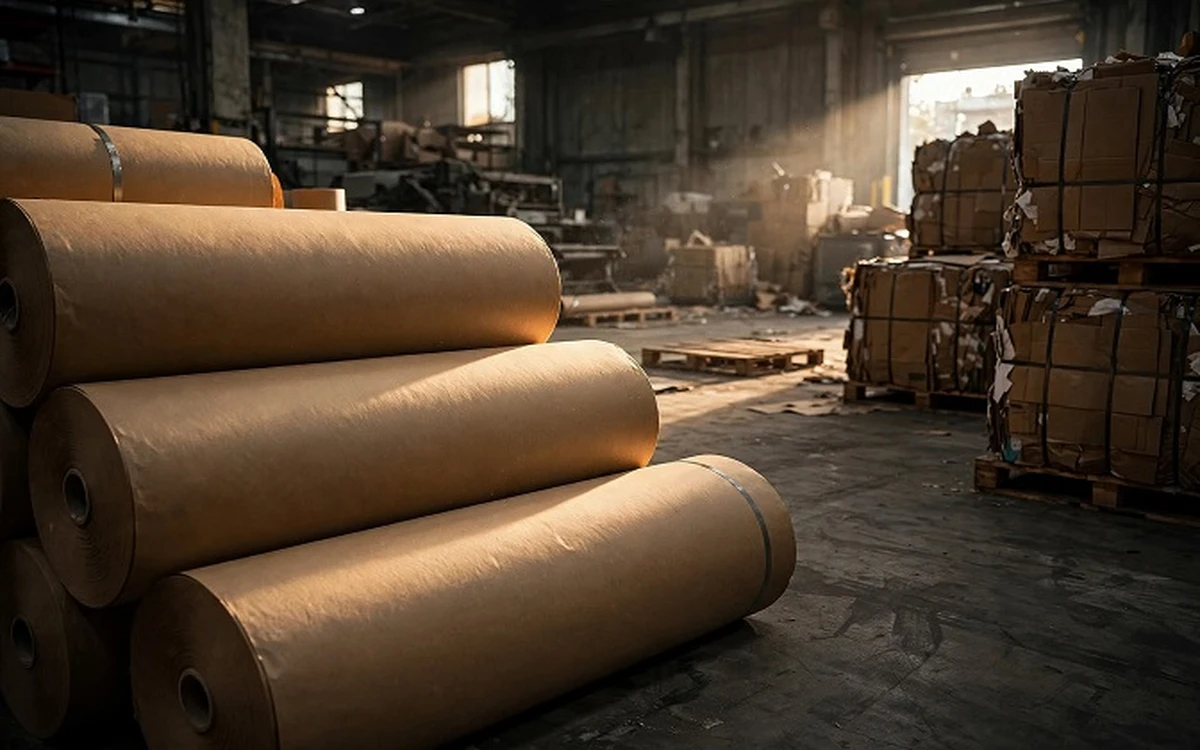
Imported Waste Paper Shortage Pushes Kraft Paper Prices Higher; Domestic Market Remains Firm
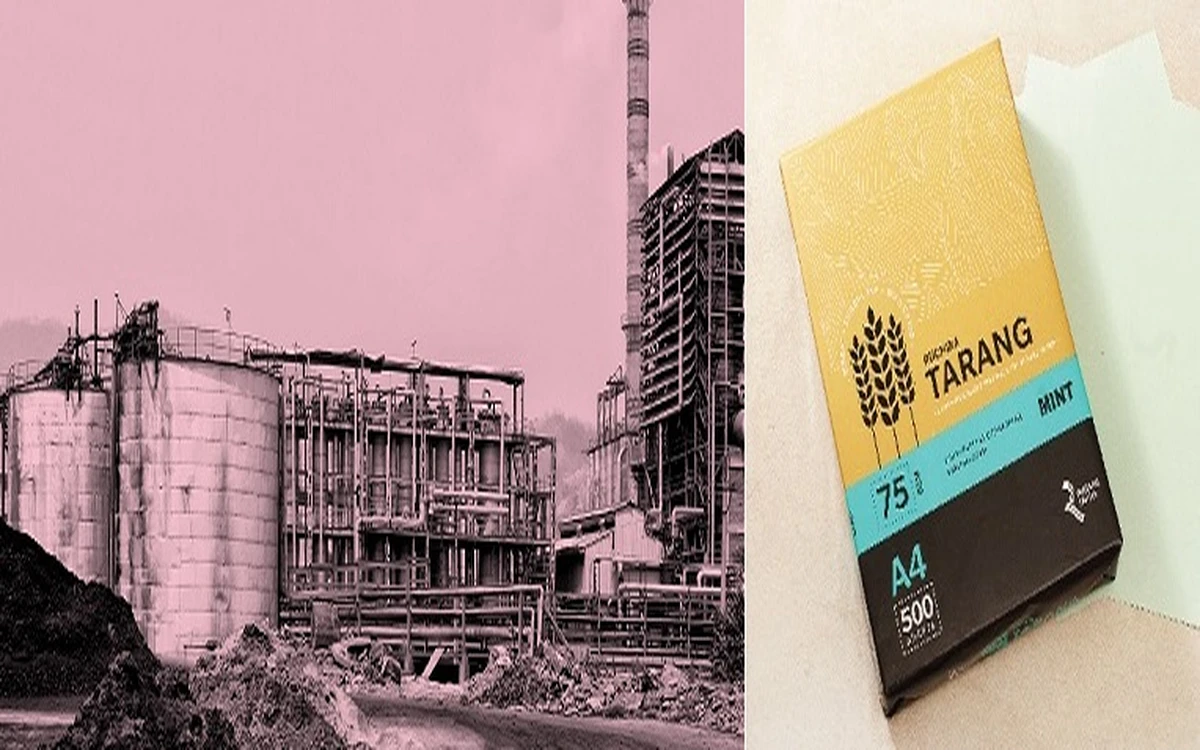
Ruchira Papers Invests a Sizeable Capex of Rs. 235–240 Crore Towards Writing & Printing Paper Capacity Expansion
Paper mills inflated the basic ex-mill price of paper post GST 2.0, AINMA seeks action against Anti-Profiteering
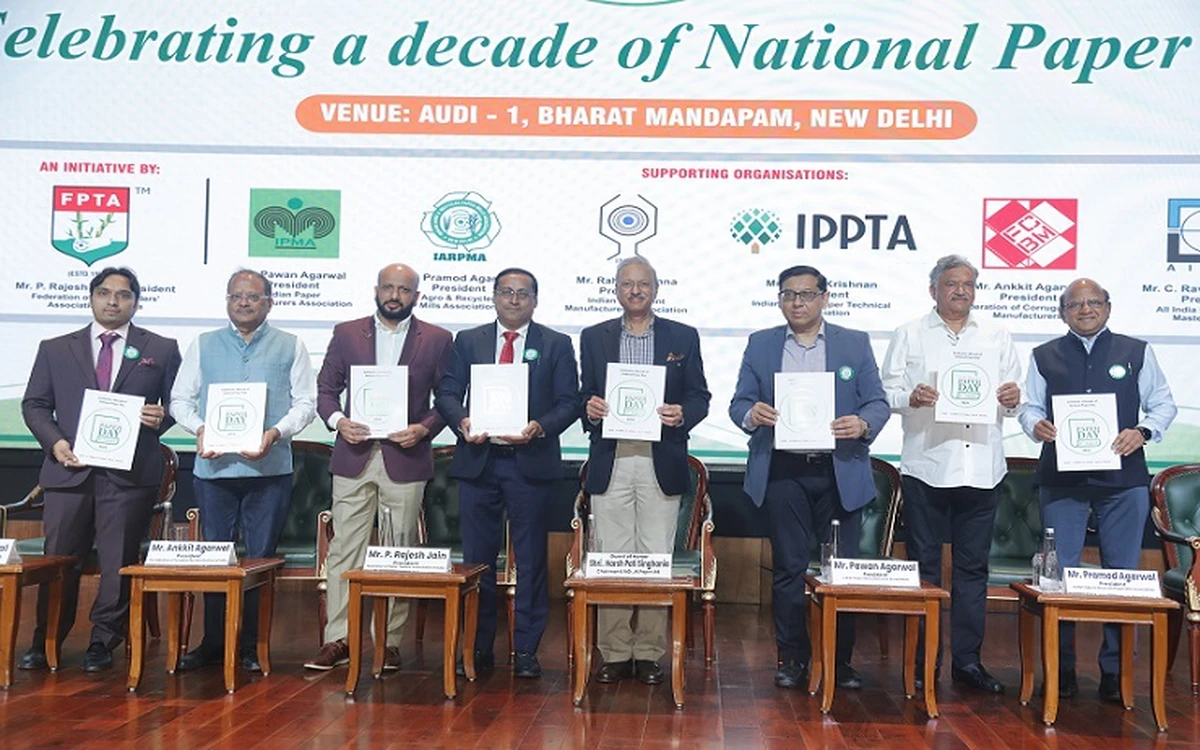
Seven Leading Associations Unite to Celebrate National Paper Day, Highlighting Paper's Sustainability and Circular Economy Advantage
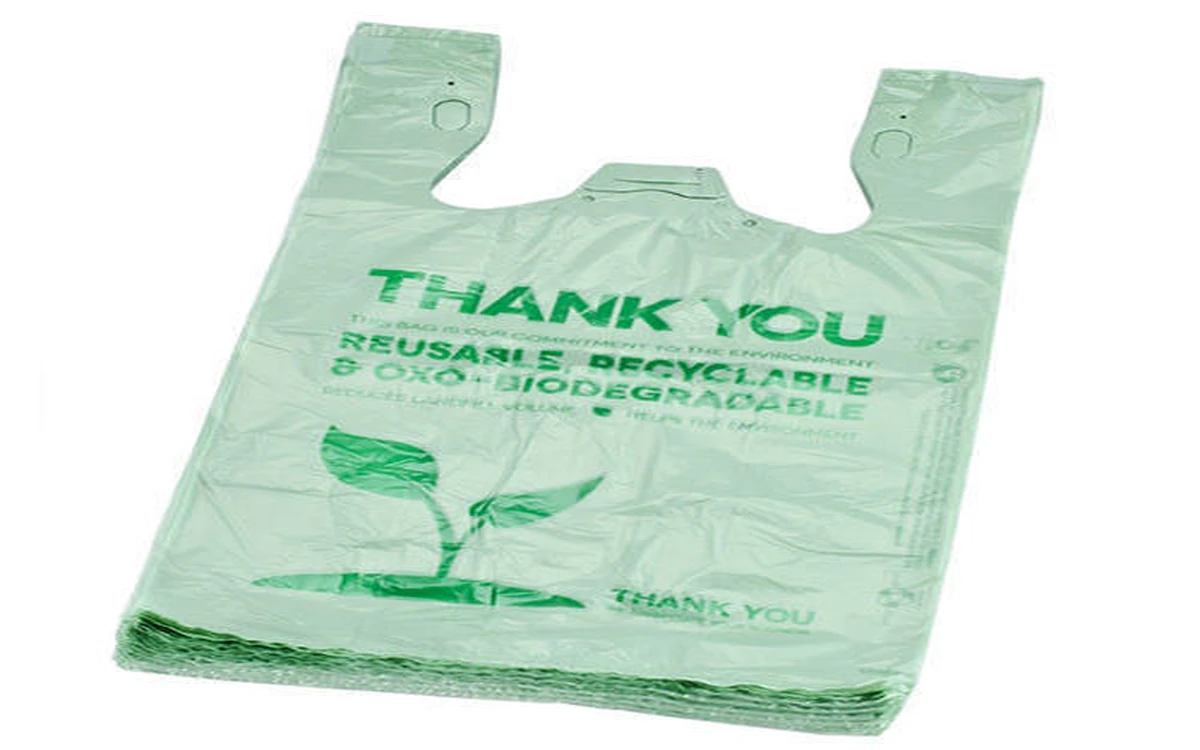
Scientists from IIT-Guwahati develop India's first biodegradable plastic
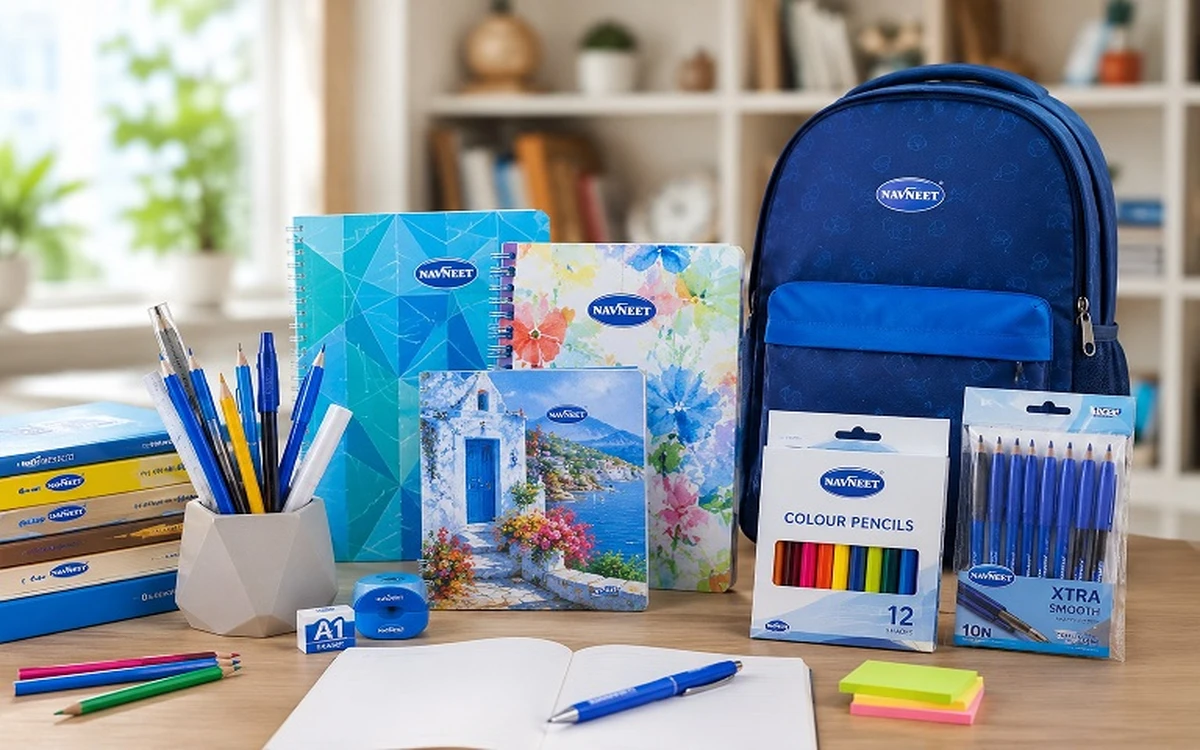
Navneet Education focuses on brand building, curriculum-led growth, and export recovery; expects stationery margins to improve in FY27

It is estimated that USD10B to USD20B worth of single-use plastic packaging will convert to molded fiber, ZUME
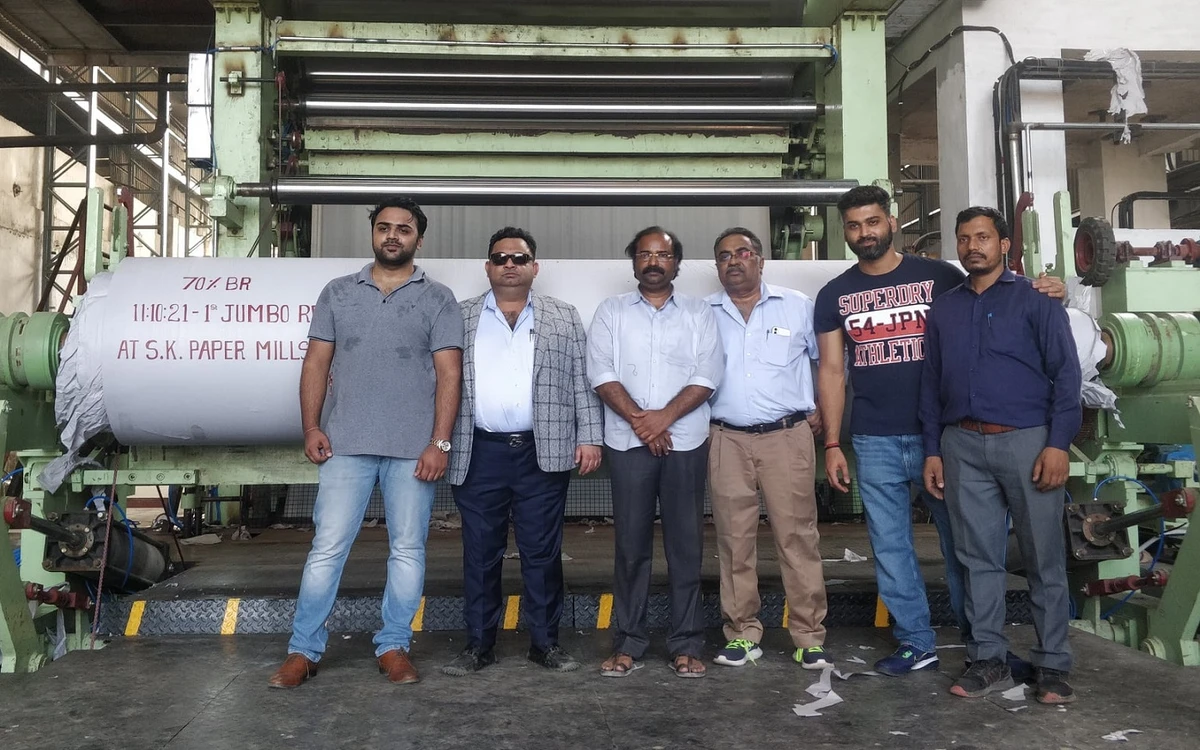
Muzaffarnagar gets a new capacity of Tissue Paper and MG Poster paper

“The integration of digitalization, automation, and Artificial Intelligence (AI) is no longer a futuristic concept—it is the baseline for competitiveness in 2036” - Vinit Garg, Director, Vizen Solutions
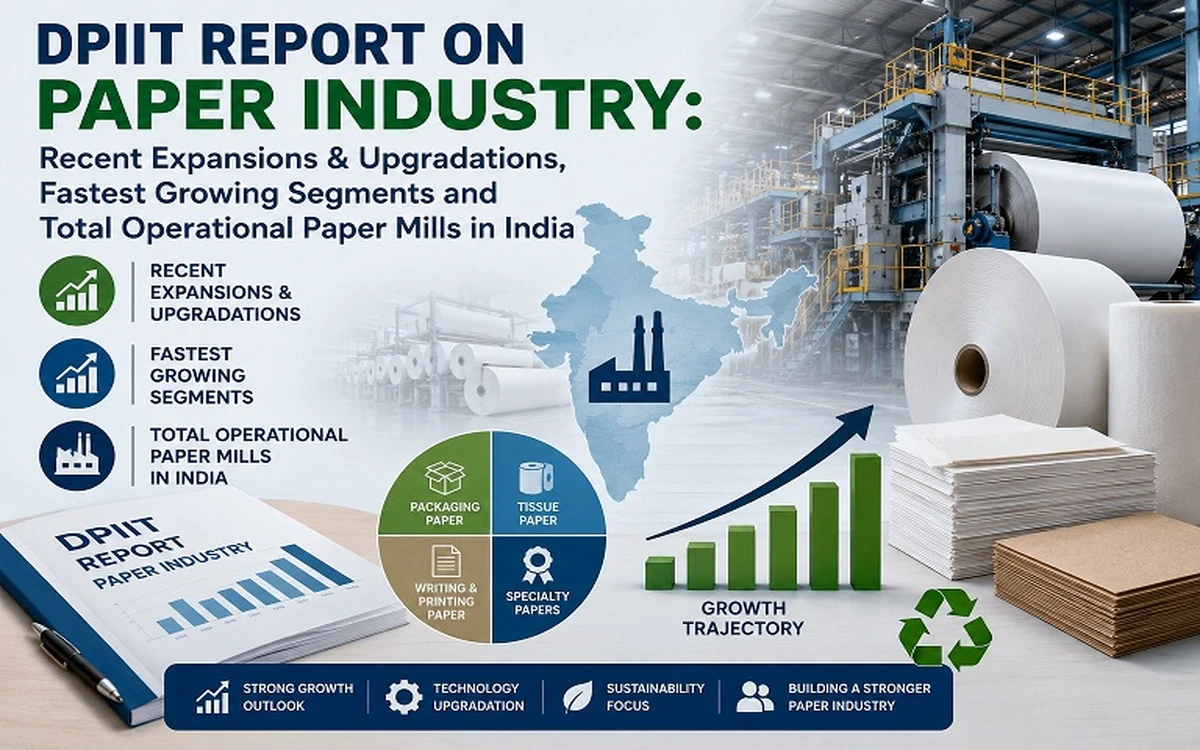
DPIIT Report on the Paper Industry: Recent Expansions & Upgrades, Fastest-Growing Segments, and Total Operational Paper Mills in India
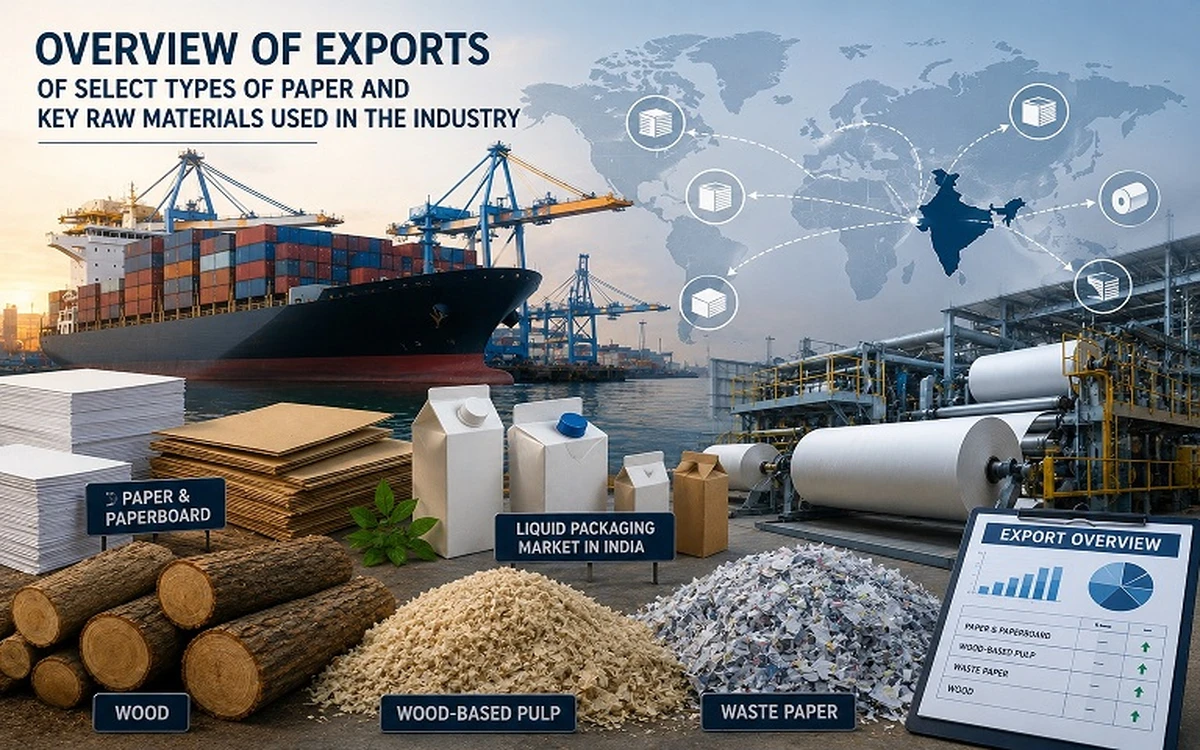
Overview of exports of select type of paper and key raw material used in the industry by Crisil Intelligence

Margin pressure pushes Pulp & Paper Packaging sector toward AI-Driven cost optimization, Cutting costs by 8–20%
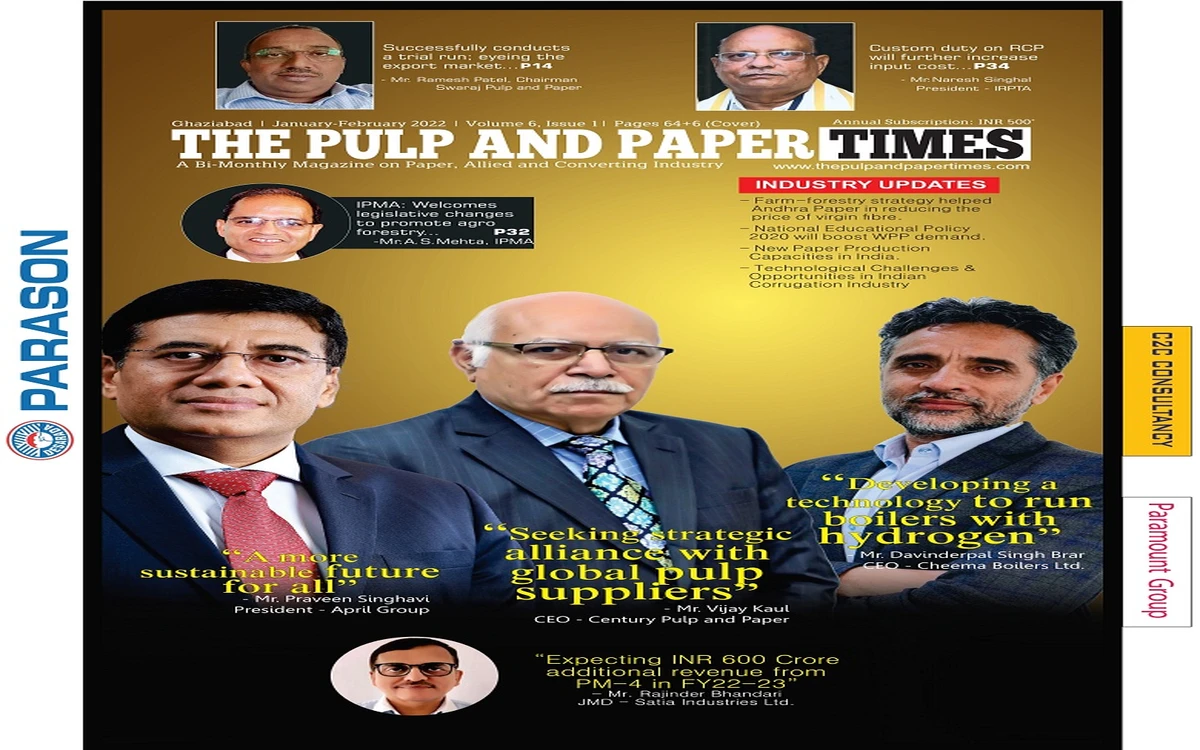
The Pulp and Paper Times Magazine : Volume 6, Issue 1
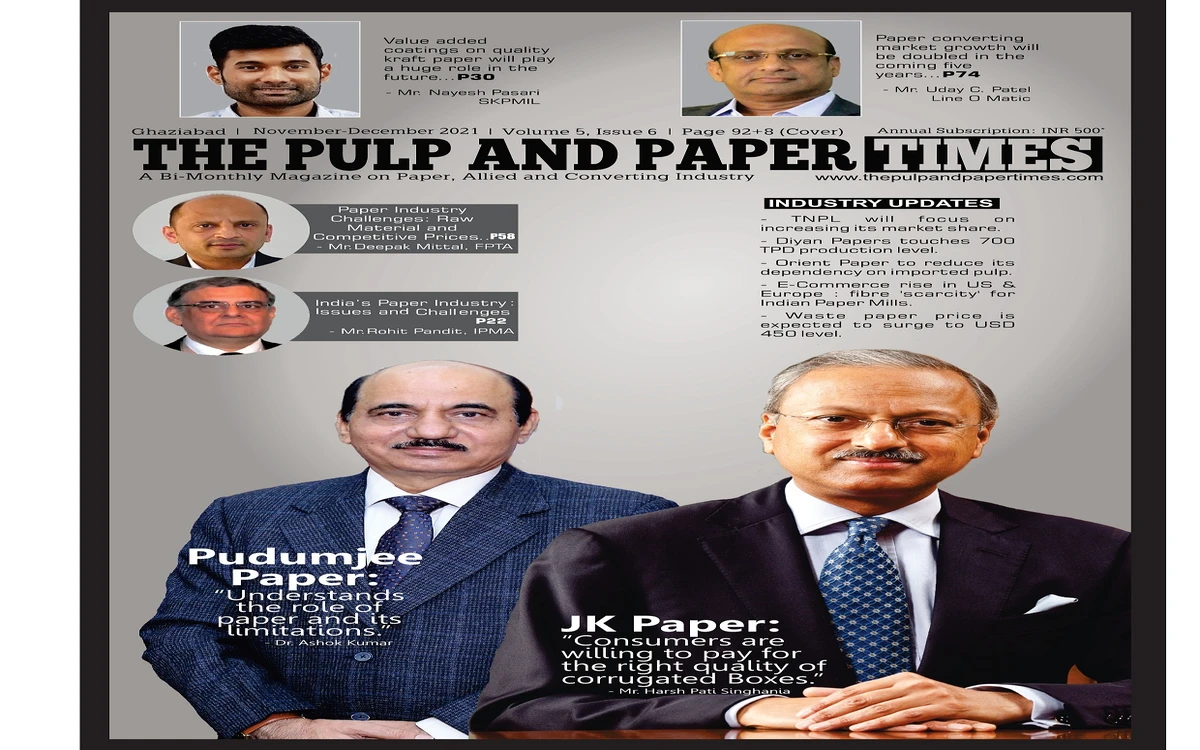
The Pulp and Paper Times Magazine : Volume 5, Issue 6
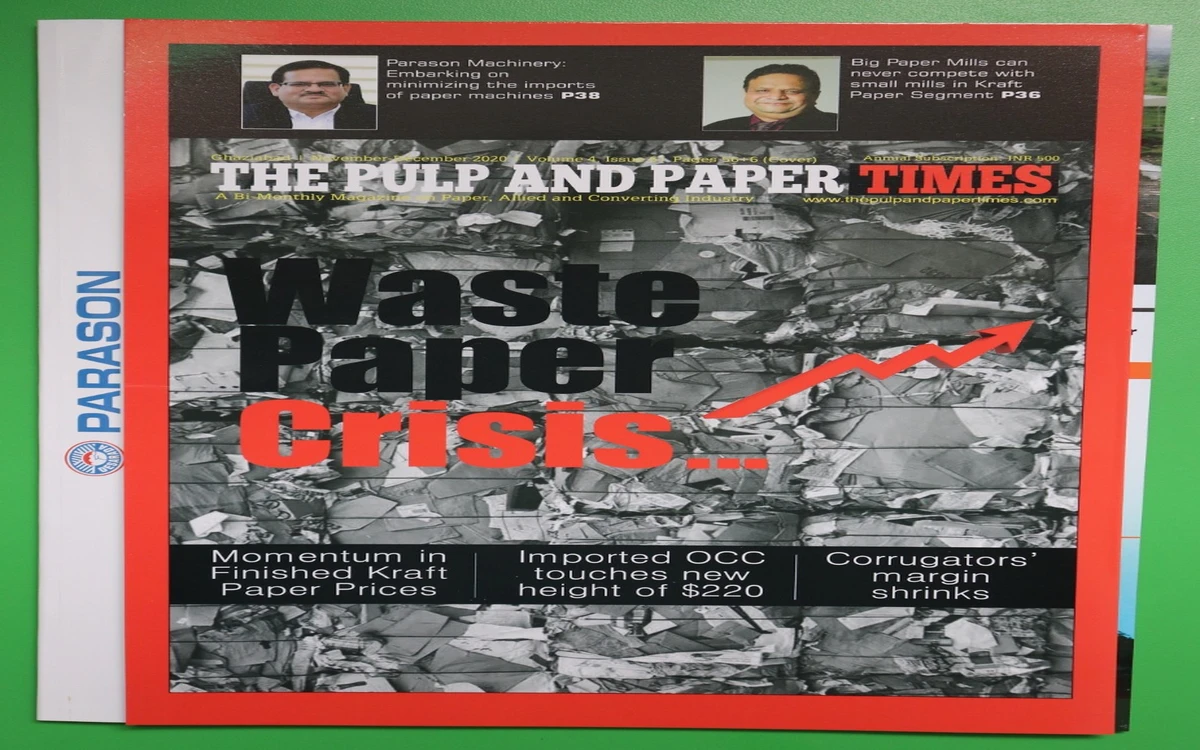
The Pulp and Paper Times: Volume 4, Issue 6
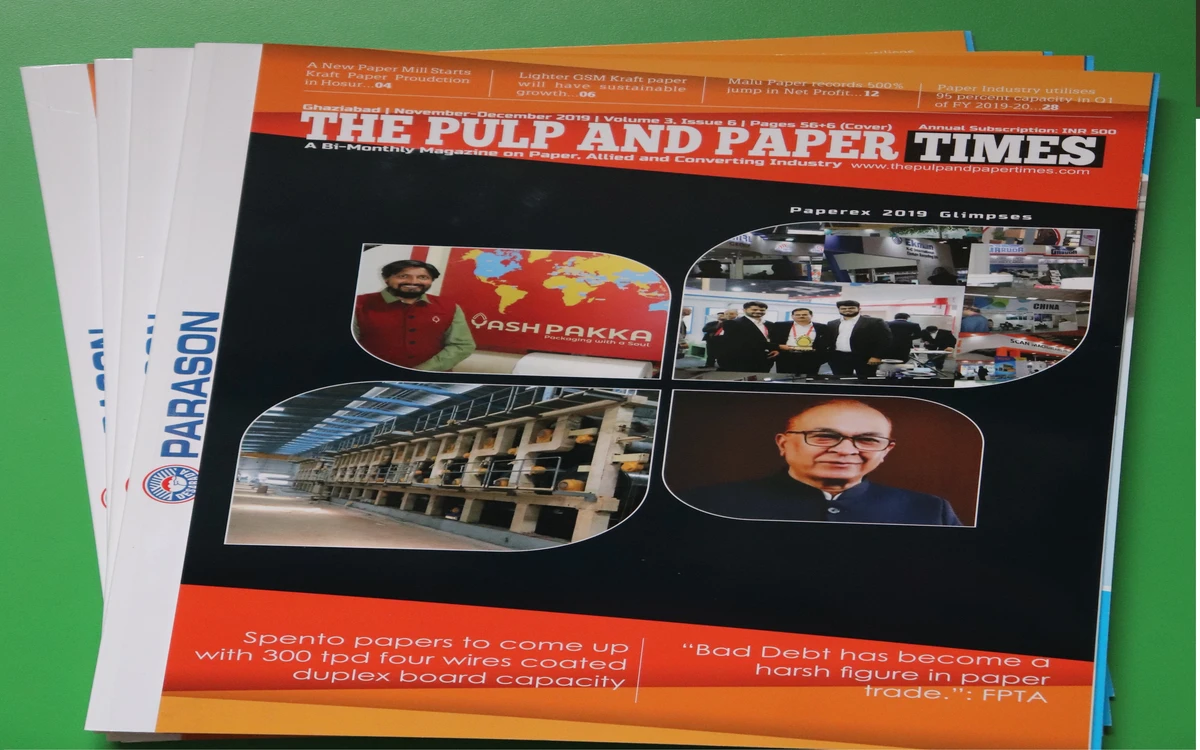
The Pulp and Paper Times : Volume 3, Issue 6
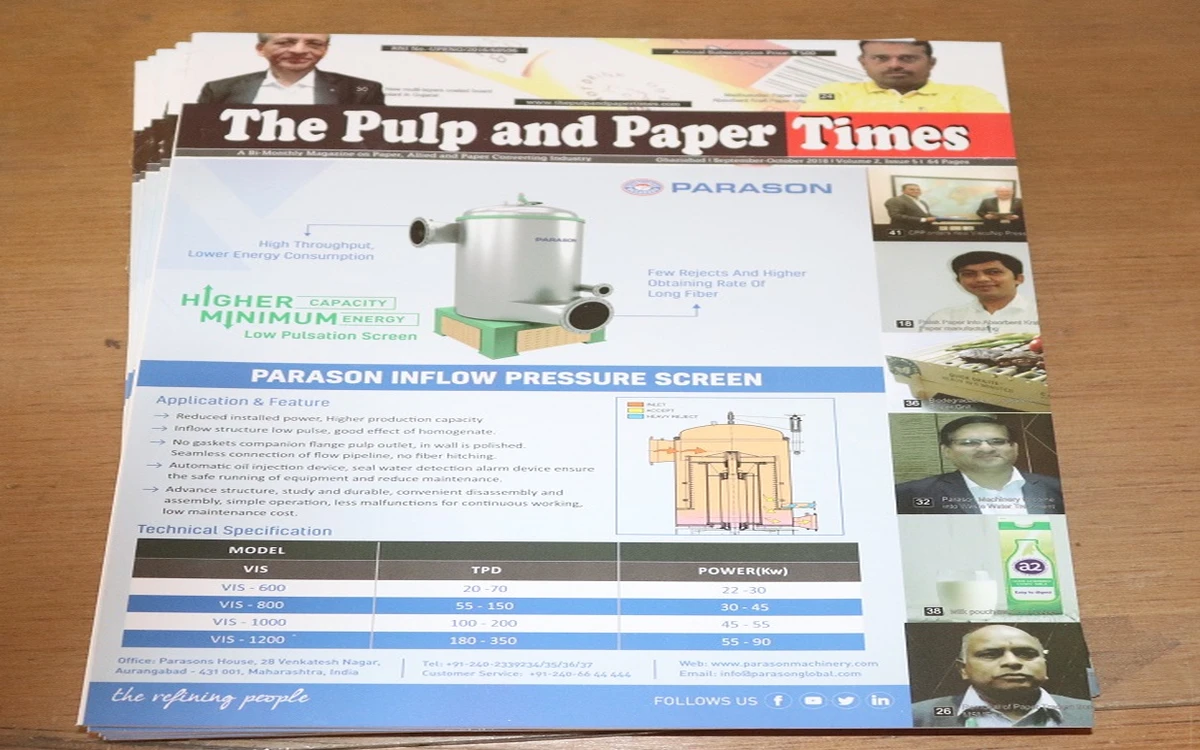
The Pulp and Paper Times: Volume 2 Issue 5
The Pulp and Paper Times, Volume 1, Issue 3
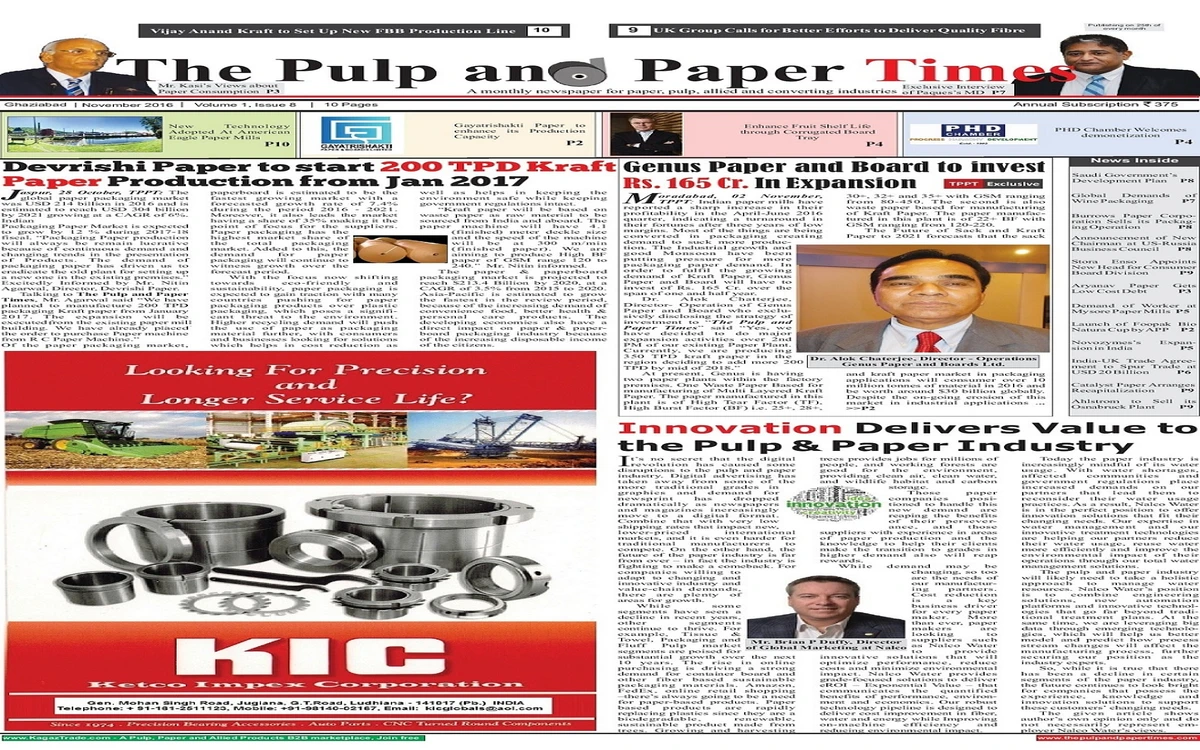
The Pulp and Paper Times, November 2016 Issue

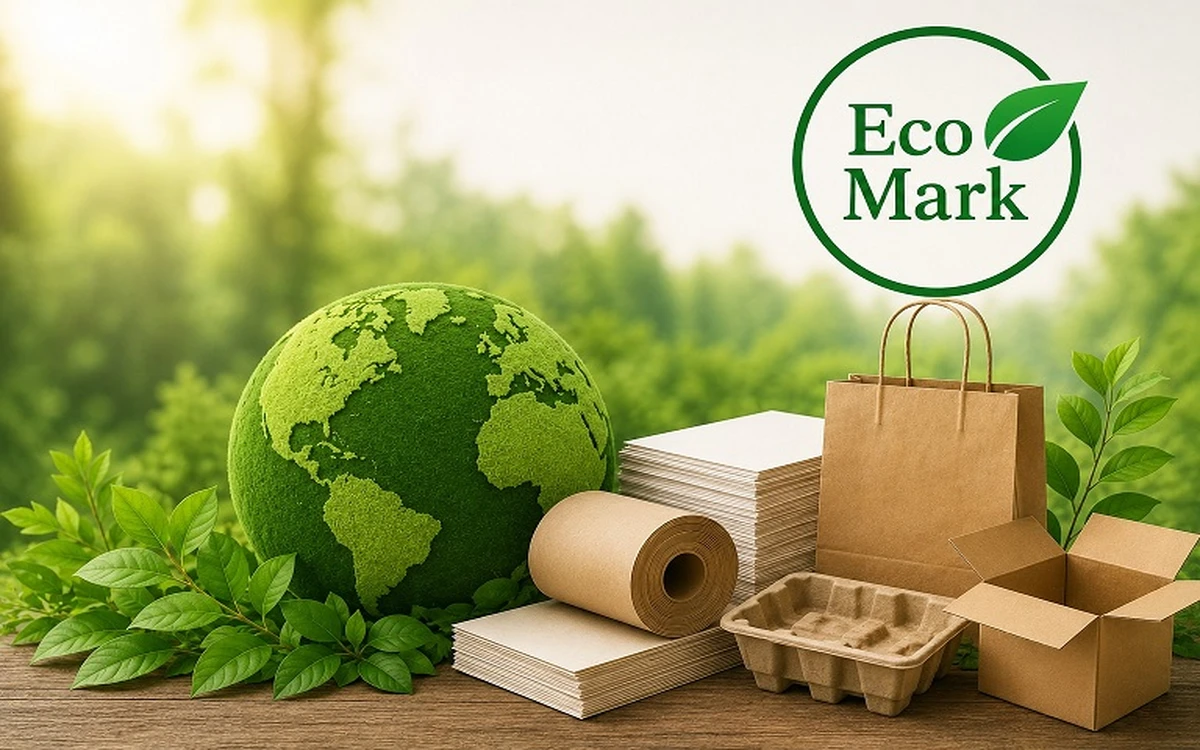
- India Strengthens Green Certification Framework for Paper and Paperboard
- Eco-mark certified products will also have to carry a QR code detailing the criteria under which the product has been certified.
The Pulp and Paper Times
New Delhi, June 2026: The Ministry of Environment, Forest and Climate Change (MoEF&CC) has issued a draft notification proposing significant amendments to the Eco-mark Rules, 2024, introducing stricter environmental and sustainability criteria for paper and paperboard products. The notification, published in the Official Gazette on 8 June 2026, will remain open for public comments for 60 days before final consideration by the Central Government.
Eco-Mark Framework Strengthened
The draft amendments cover multiple product categories, including paints, batteries, paper, wood and wood-substitute products, fire extinguishers, and coir products. For the paper sector, the proposed criteria represent one of the most comprehensive sustainability frameworks introduced by the government in recent years.

Under the Eco-mark Rules, 2024, products seeking the Eco-mark label must already possess relevant BIS certification or conformity and comply with applicable Quality Control Orders. The Central Pollution Control Board (CPCB) has been tasked with periodically reviewing and updating Eco-mark criteria based on technological advancements and global best practices.
New Requirements for Paper Manufacturers
The proposed criteria require all paper manufacturers applying for Eco-mark certification to comply with relevant Bureau of Indian Standards (BIS) specifications and obtain mandatory environmental clearances under the Water Act, 1974, Air Act, 1981, and the Environment (Protection) Act, 1986.
In a notable move toward consumer transparency, Eco-mark certified products will also have to carry a QR code detailing the criteria under which the product has been certified.

Focus on Sustainable Fibre Sources
The notification places strong emphasis on sustainable raw materials.
Eco-mark eligibility will be available to:
• Agro-residue-based paper containing at least 60% pulp from materials such as agro residues, cotton linters, and cotton rags.
• Wood-based paper containing at least 70% pulp from bamboo, hardwood, softwood, and reed sourced domestically from agro/farm forestry and certified under the Indian Forest and Wood Certification Scheme.
• Recycled paper and paperboard made from at least 80% wastepaper or recovered paper.
Stricter Chemical and Bleaching Norms
The draft rules propose tighter controls on chemicals used in paper manufacturing.
Key provisions include:
• Mandatory Elemental Chlorine Free (ECF) or Total Chlorine Free (TCF) bleaching in Wood / Agro based pulp & paper manufacturing unit.
• AOX limit in pulp below 0.5 mg/g.
• Ban on carcinogenic and mutagenic biocides.
• Pentachlorophenol (PCP) in paper products limited to 0.15 mg/kg.
• Prohibition of azo dyes and benzidine-based dyes in coloured paper and paperboard.

Food-Contact and Packaging Papers Under Scrutiny
For food-contact applications, the ministry has proposed additional safeguards.
Greaseproof and food-contact papers must not contain PFAS/PFOA, while Optical Brightening Agents (OBA) will be prohibited in food-contact paper.
Paper products used for food packaging and delivery must comply with BIS limits for heavy metals, PCP, PCB, and other contaminants.
New Rules for Tissue and Handmade Papers
Hygiene and tissue paper products will face restrictions on quaternary ammonium compounds (QAC).

For handmade drawing papers, the draft proposes:
• Ban on gelatine-based sizing agents containing formaldehyde.
• Handmade drawing paper must be acid-free paper (pH 7 or higher).
• Blotting papers to maintain near-neutral pH (6–8).
Major Push for Pollution Control
The notification also introduces stringent operational requirements for mills.
Wood and agro-based pulp mills must have chemical recovery facilities to achieve zero black-liquor discharge, while wastepaper-based mills must install fibre recovery systems.
Agro-based mills will need wastewater pre-treatment systems capable of achieving at least 75% reduction in organic load.
All units must comply with prescribed effluent and emission standards and submit laboratory reports from EPA/NABL-accredited laboratories along with inspection records from state pollution control authorities.
Online Monitoring and Waste Utilisation
Another important proposal is the mandatory installation of Online Continuous Effluent and Emission Monitoring Systems (OCEMS) connected to CPCB and State Pollution Control Board servers.

Manufacturers will also be required to ensure that at least 70% of hazardous waste is utilised or recycled and submit a three-year recycling plan.
Public Comments Invited
The Ministry has invited objections and suggestions from stakeholders within 60 days of the Gazette publication. Comments can be submitted to the Joint Secretary, MoEF&CC, New Delhi, or via the ministry's designated email address.
The final notification, once approved, could become one of the most comprehensive environmental certification frameworks for paper and paperboard manufacturing in India.
Industry Impact
The proposed amendments are likely to have far-reaching implications for India's paper industry. Mills using high recycled fibre content, certified agro-forestry pulp, cleaner bleaching technologies, and advanced wastewater treatment systems may gain a competitive advantage in the growing market for sustainable packaging and paper products.
At the same time, the stricter requirements on PFAS, dyes, hazardous waste utilization, and online monitoring could require additional investments by manufacturers seeking Eco-mark certification.
“This notification signals a policy push toward decarbonization, resource efficiency, and circular economy practices. Paper manufacturers will need to align with recycled-content targets, renewable energy adoption, and transparent labeling, reinforcing India's commitment to sustainable production. The government has invited public comments within 60 days of the notification. This is a crucial opportunity for industry stakeholders to shape the future of Eco-mark certification in India.” Mr. Bipin Thapliyal, Sec. Gen, IARPMA said on LinkedIn.

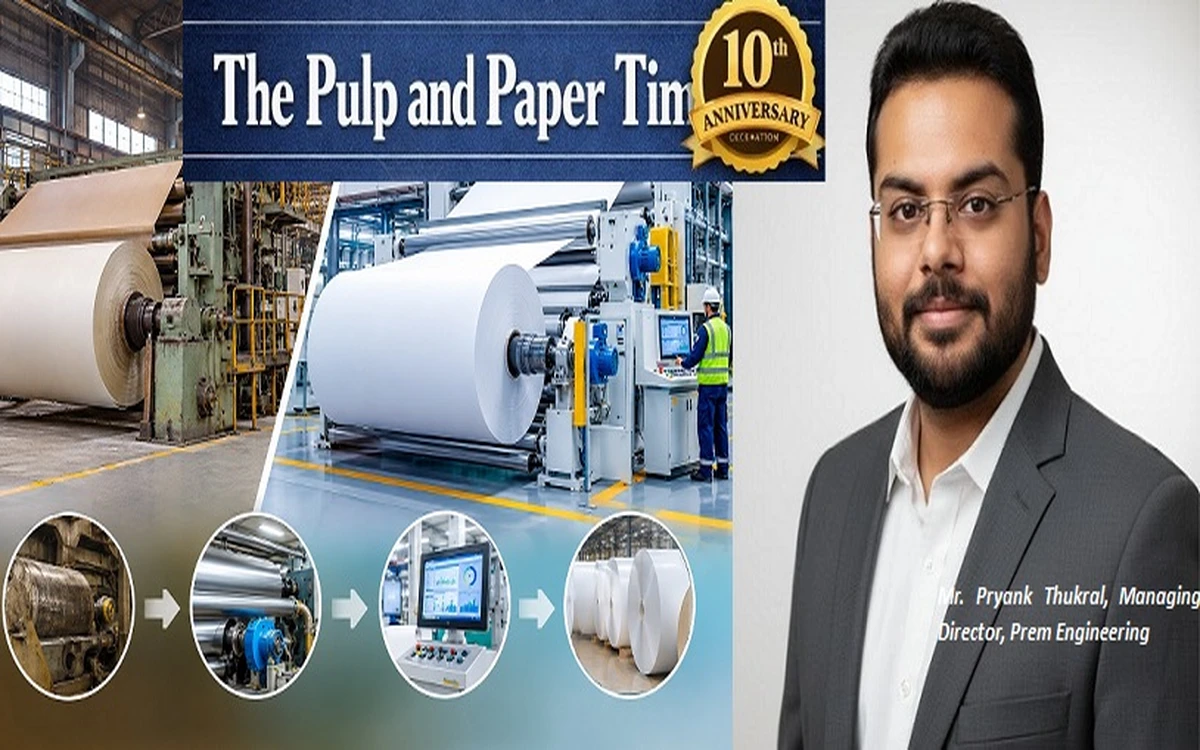
22 hours ago
Total Views : 225
2 days ago
Total Views : 2504
4 days ago
Total Views : 2239
5 days ago
Total Views : 5913

6 days ago
Total Views : 846
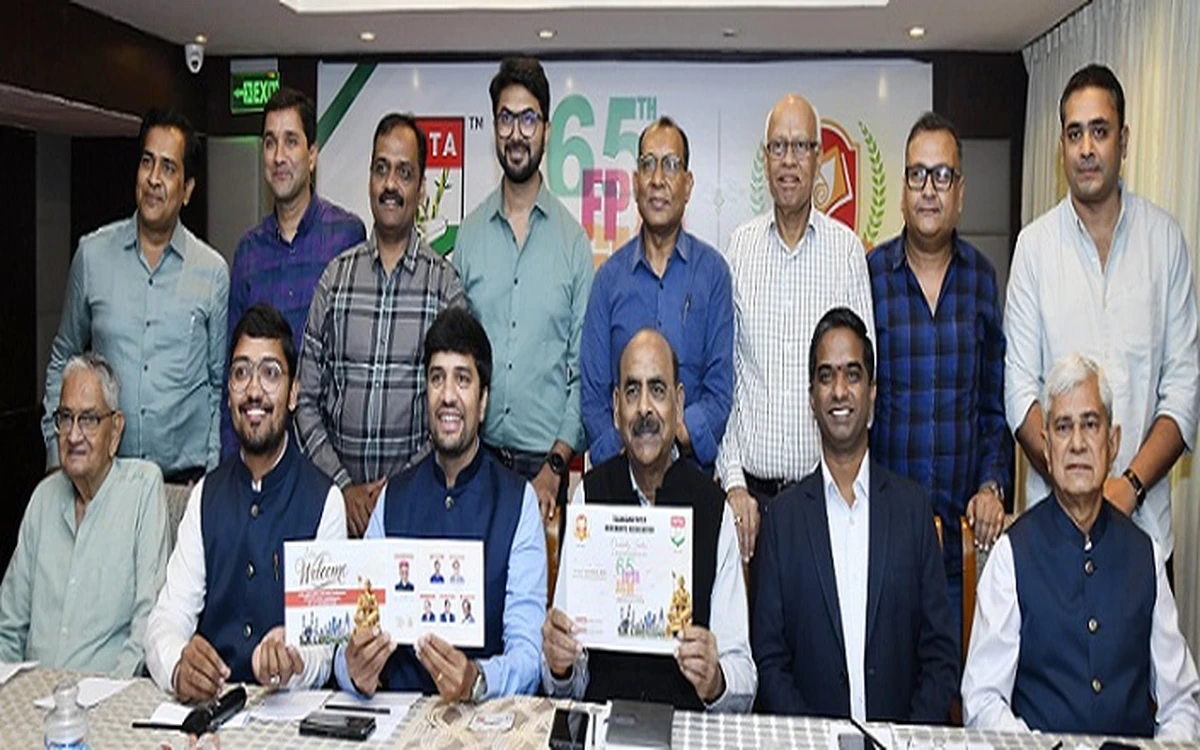
last week
Total Views : 815
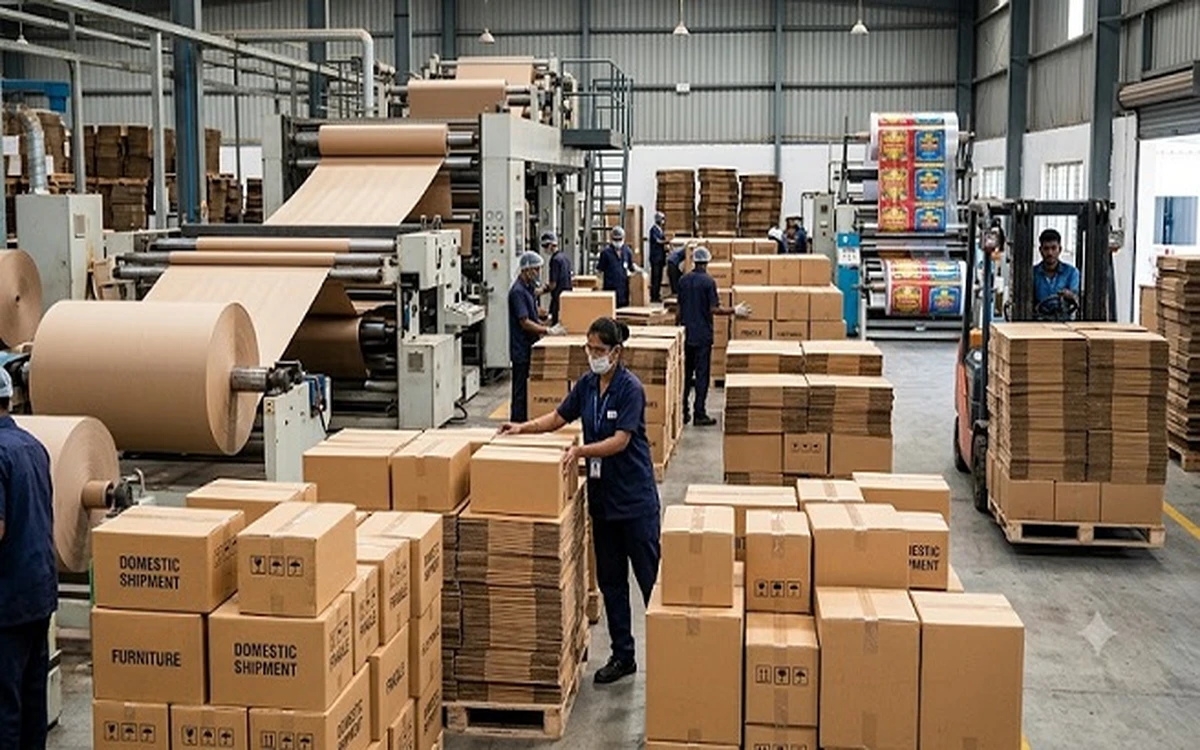
last week
Total Views : 730
last week
Total Views : 3604
2 weeks ago
Total Views : 4068
2 weeks ago
Total Views : 815