Join Groups & Channels, No Spamming









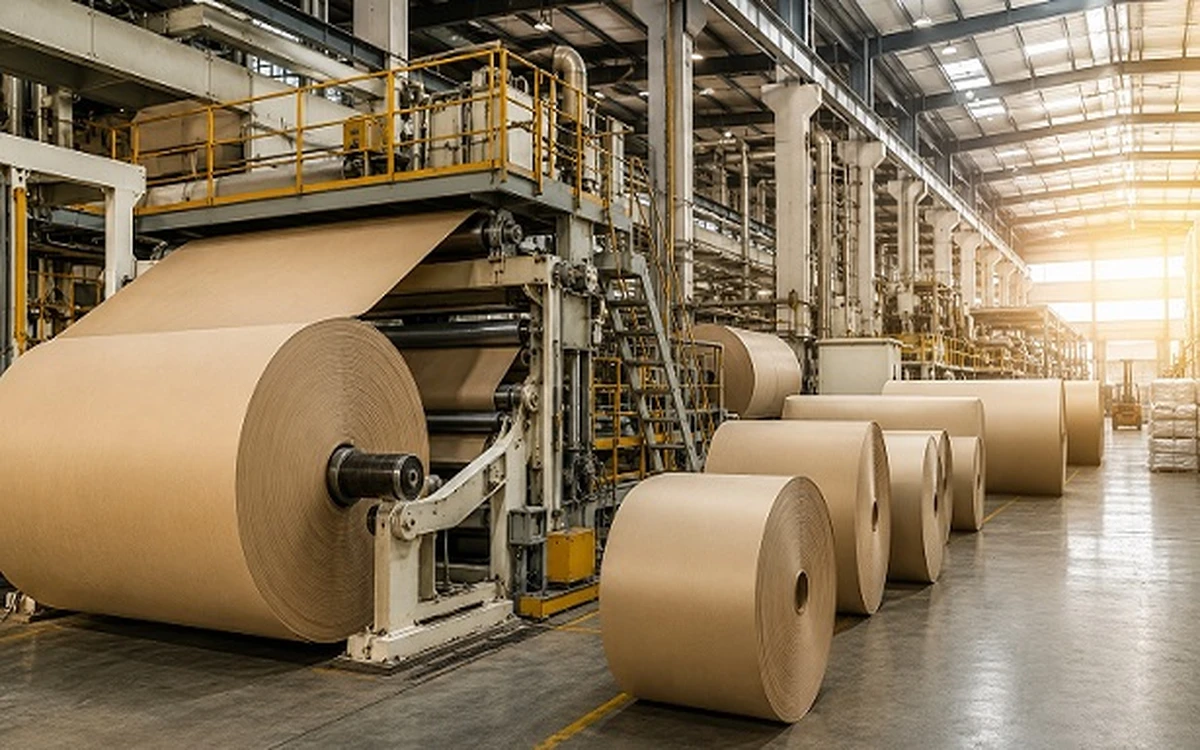
Morbi paper mills see full-capacity operations as ceramic industry revives; Kraft paper exports to China spike, Prices strengthen; Janmashtami shutdown ahead

The BE and caustic soda plant marks a key milestone for Mohit Paper Mills, enabling full utilization of installed capacity and enhancing overall production efficiency
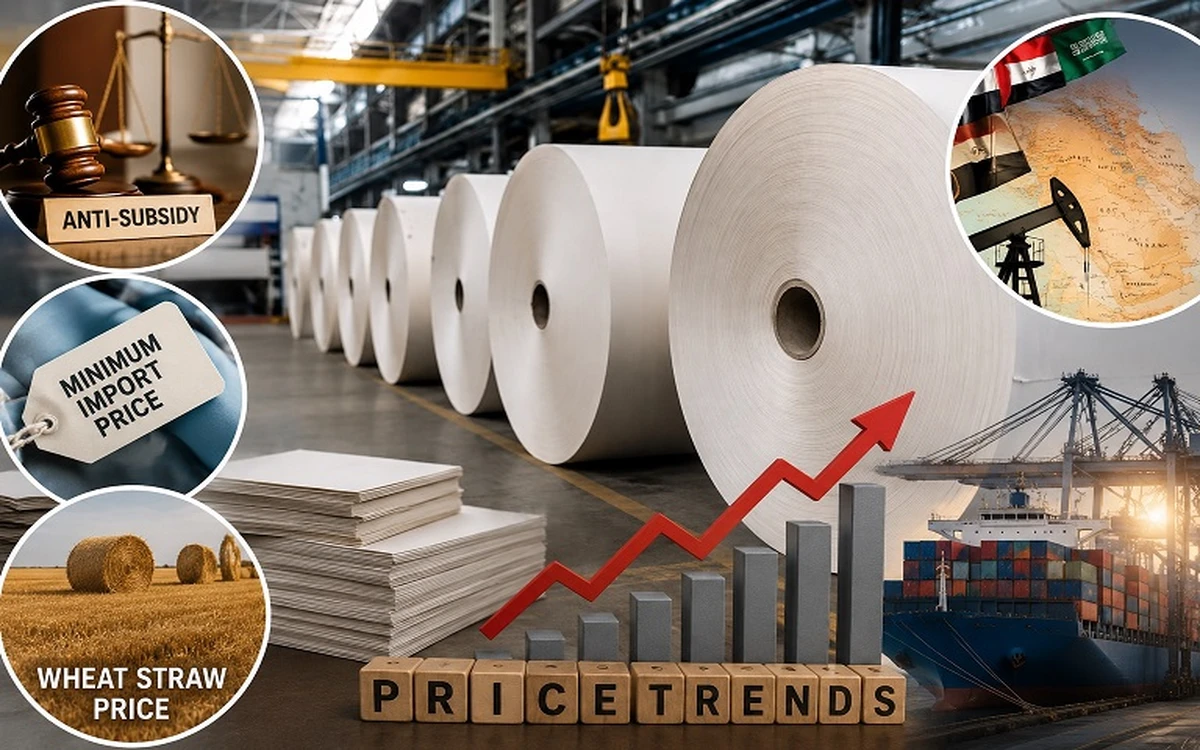
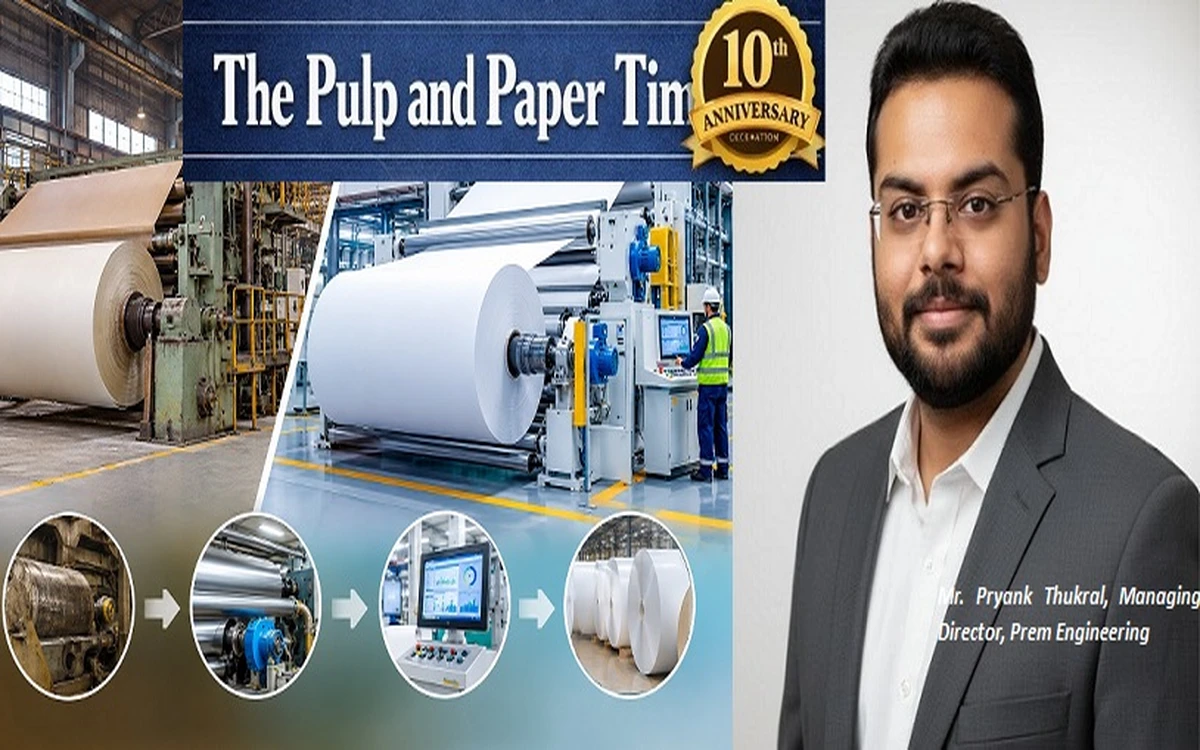
Expert Views on the paper market scenario, How the West Asia Crisis Helped the Industry, MIP for WPP, Anti-Subsidy implementation, and paper price trends
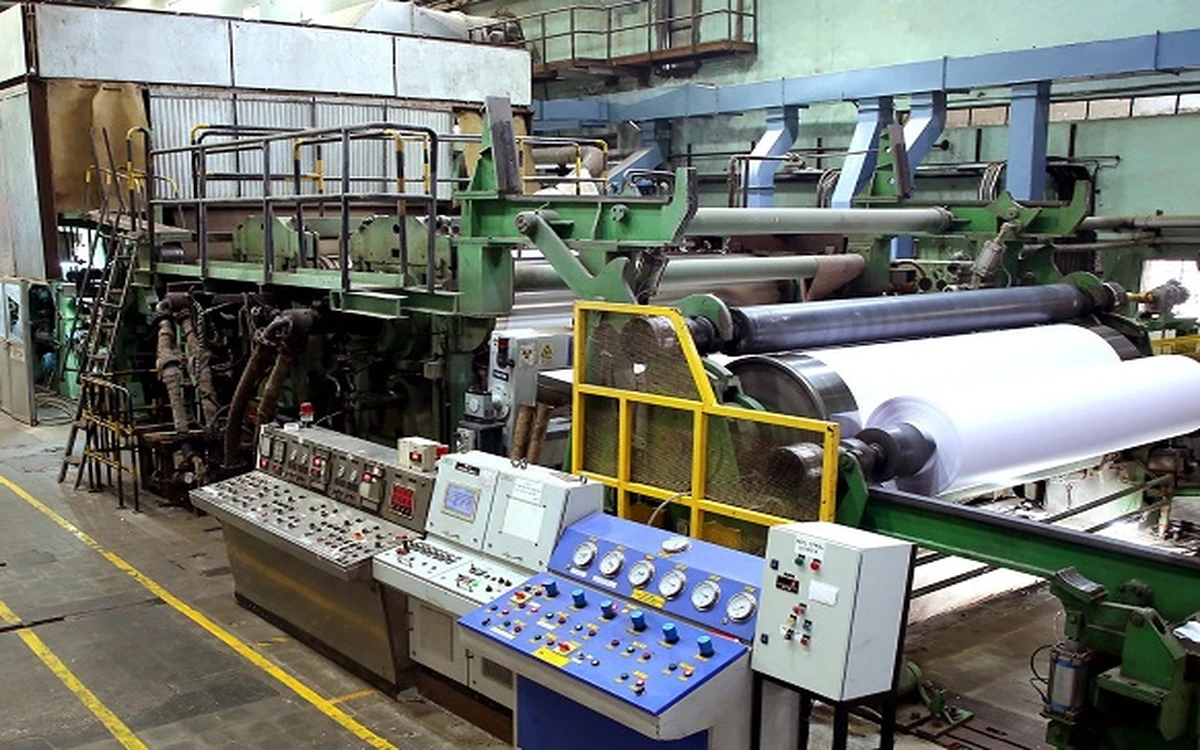
Pudumjee Paper intends to develop new varieties addressing applications for stronger paper bags and cupcakes; Plans 68,000 MT Mahad Specialty Paper Facility within 5 years
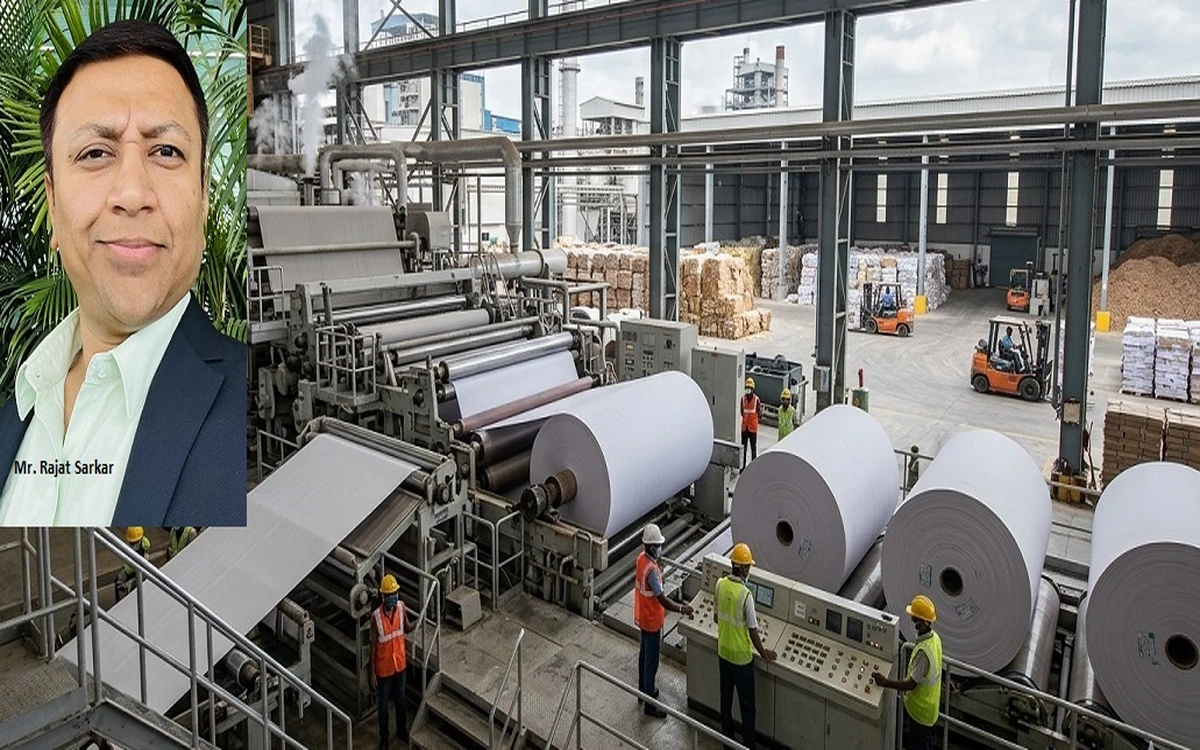
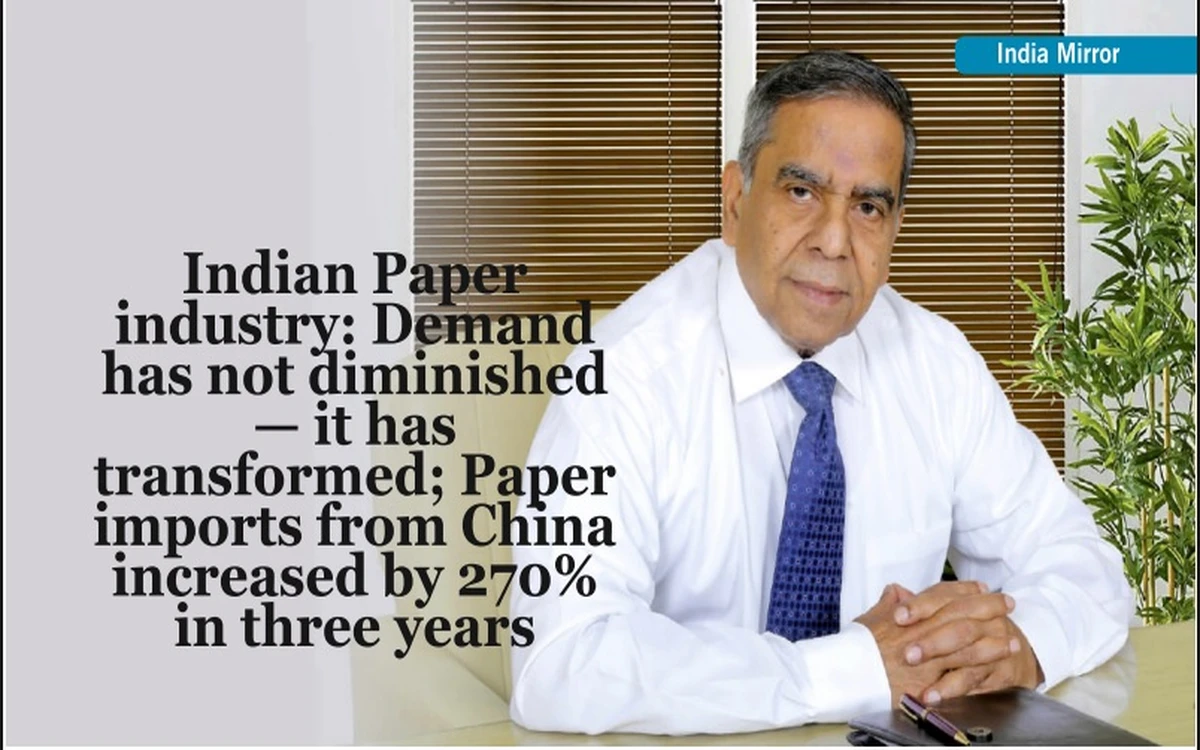
India Paper Industry at an Inflection Point: War, Costs, and Capacity; Demand growth expected at 5–7% in FY26
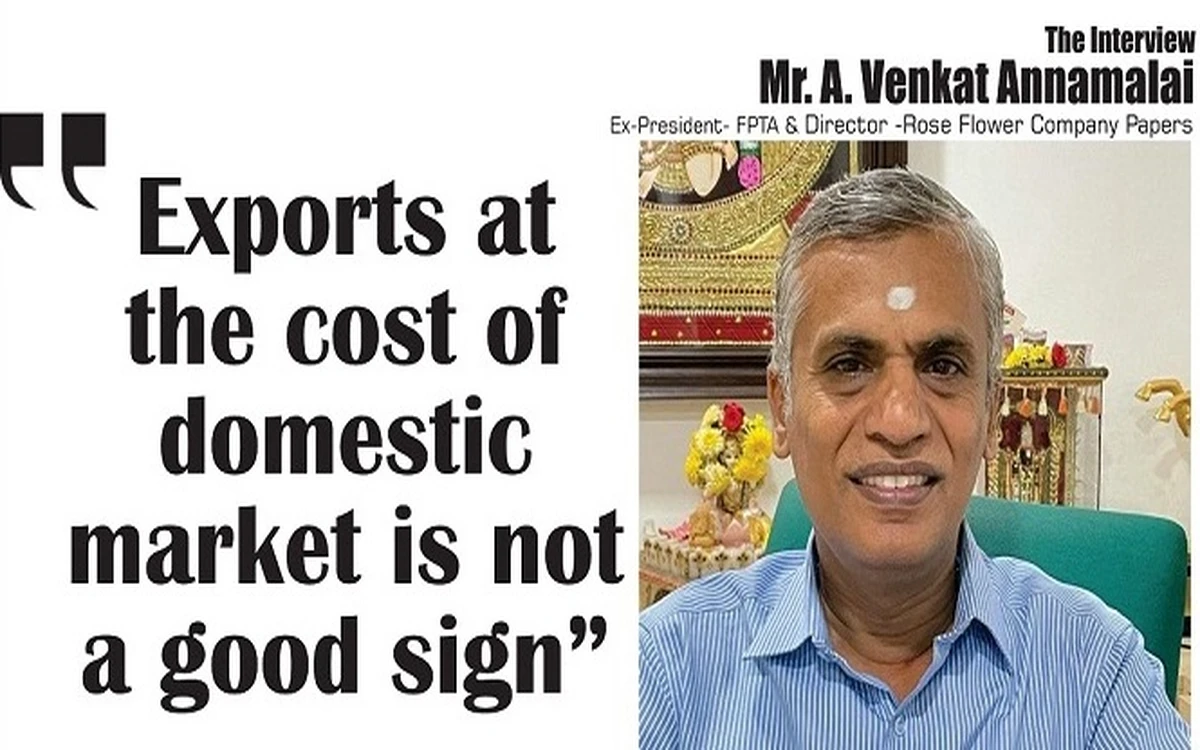
“Surging exports of paper will most certainly keep the domestic prices quite high”: Mr. A. Annamalai, Director – RFC
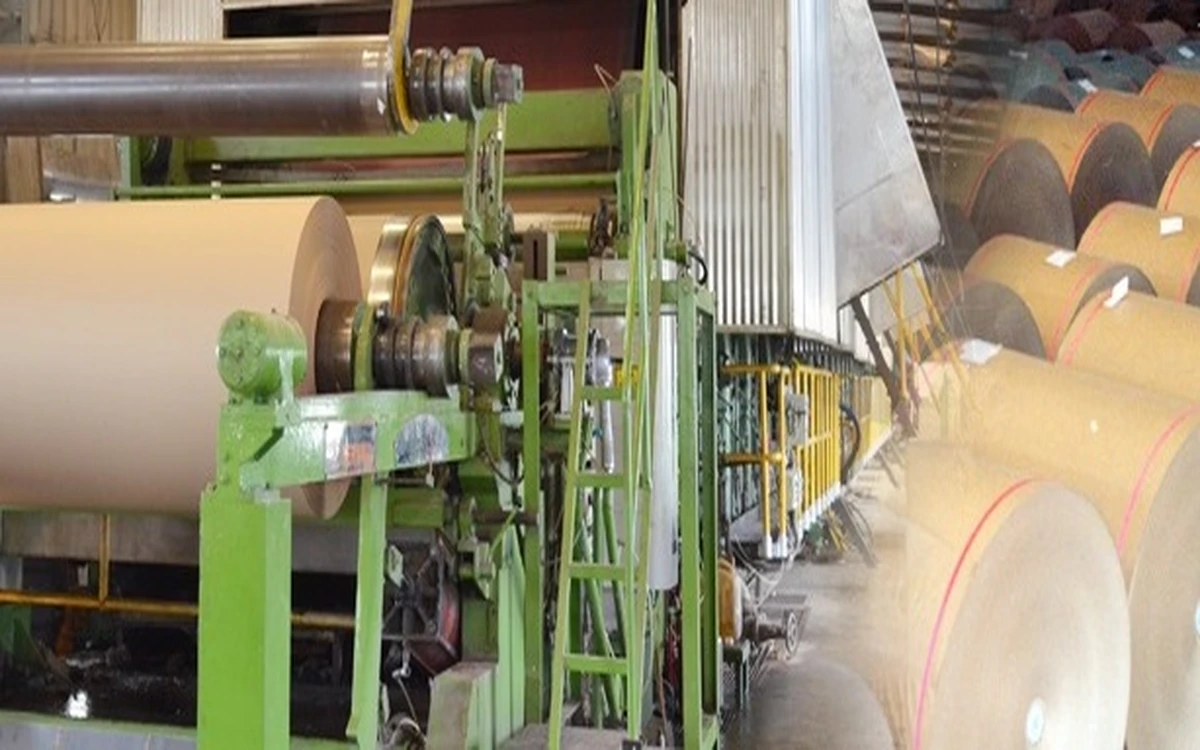
The Status of the Global Container board Industry, Recycled Paper Demand and Supply and its impact on the Indian Industry

Akshay Jain, director of Silverton Pulp & Paper, says it's time to promote agro residue as a raw material to lessen the scarcity of fibre
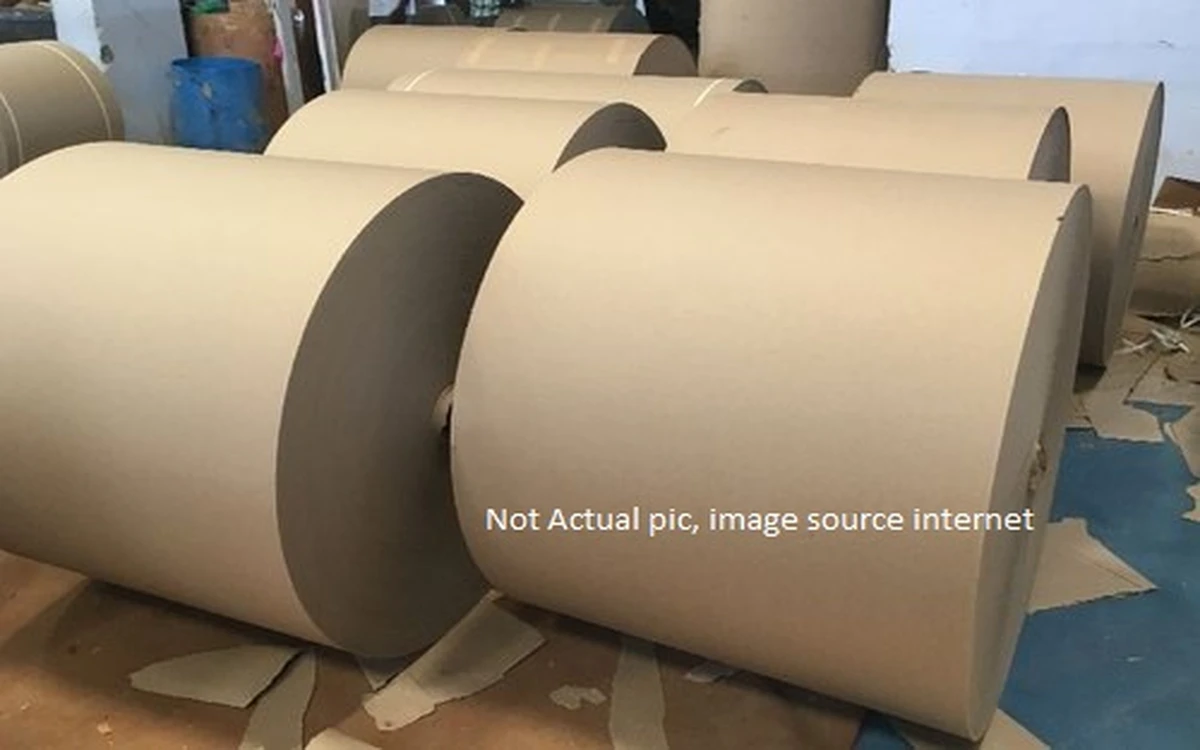
Advantageously located, a new paper mill is all set to roll kraft paper in Madhya Pradesh
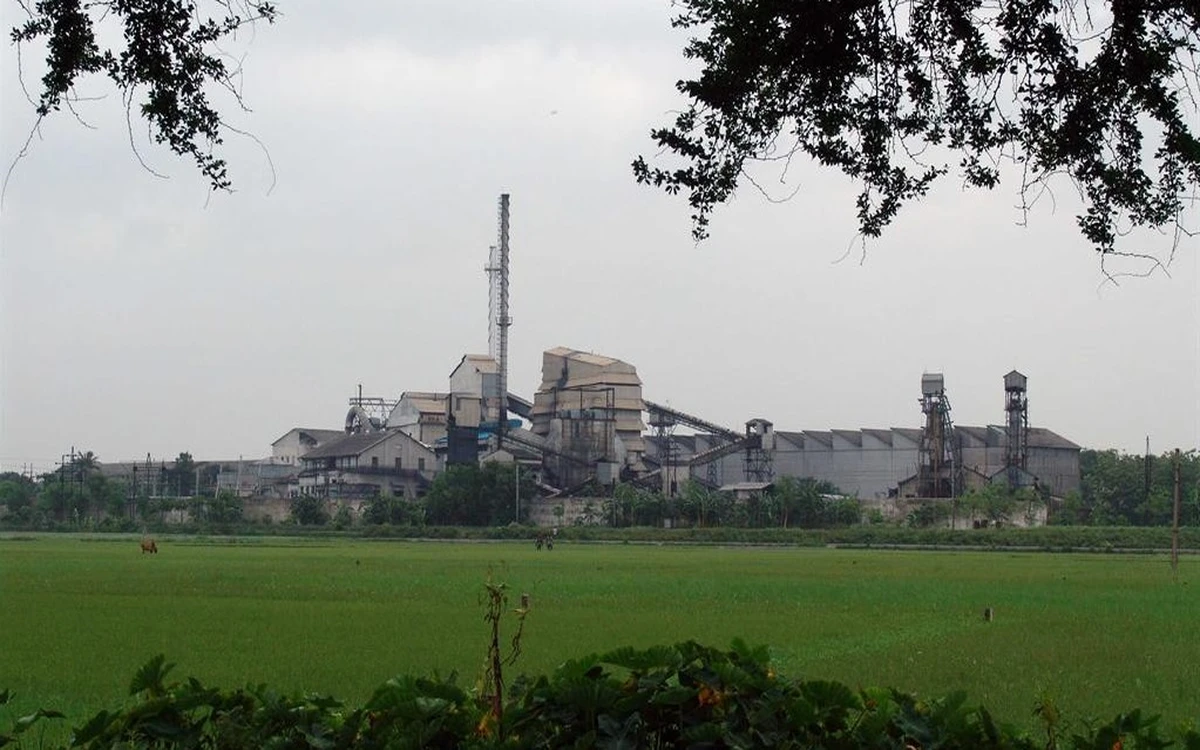
Several agile interventions helped ITC-PSPD fortify its clear leadership of the Value Added Paperboards (VAP) segment
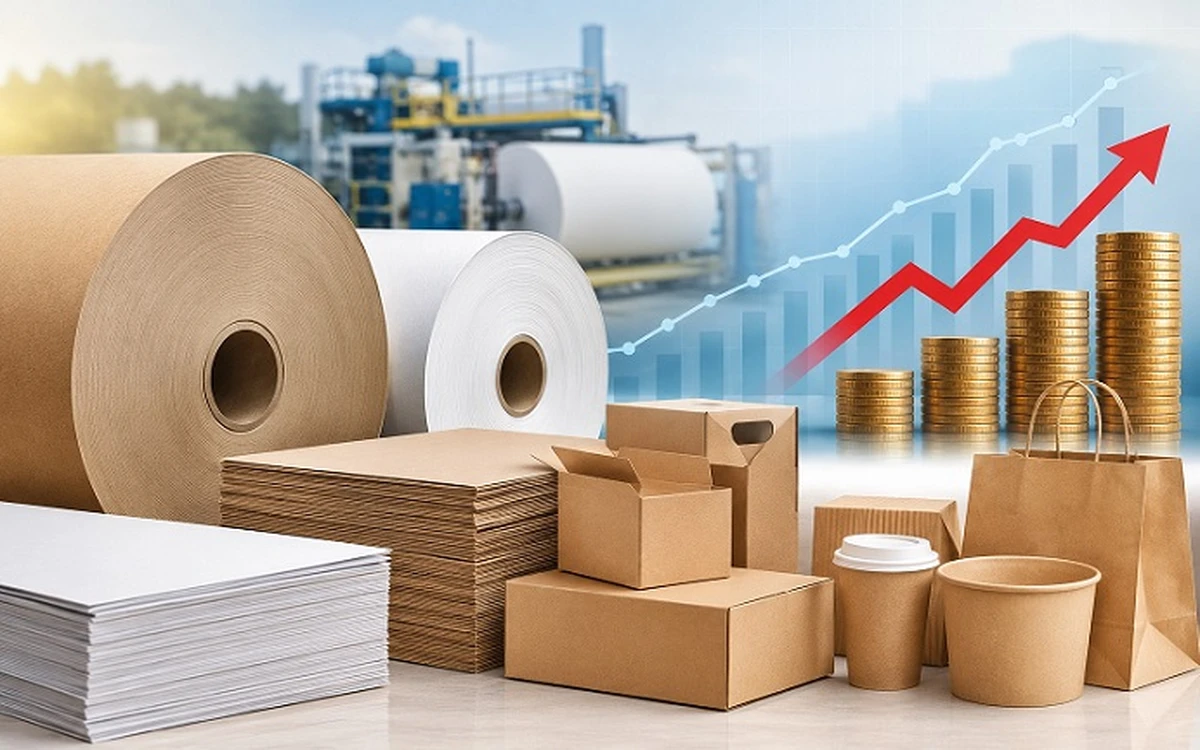
Paper and Packaging Board Market May Face Cost Pressures Through March 2027; FPTA Advises Traders

Steeper-than-expected drop in realisations hits Seshasayee Paper’s FY2025–26 operating margins; Box boards, Absorption Kraft, and Virgin Kraft now form a growing share of the product mix
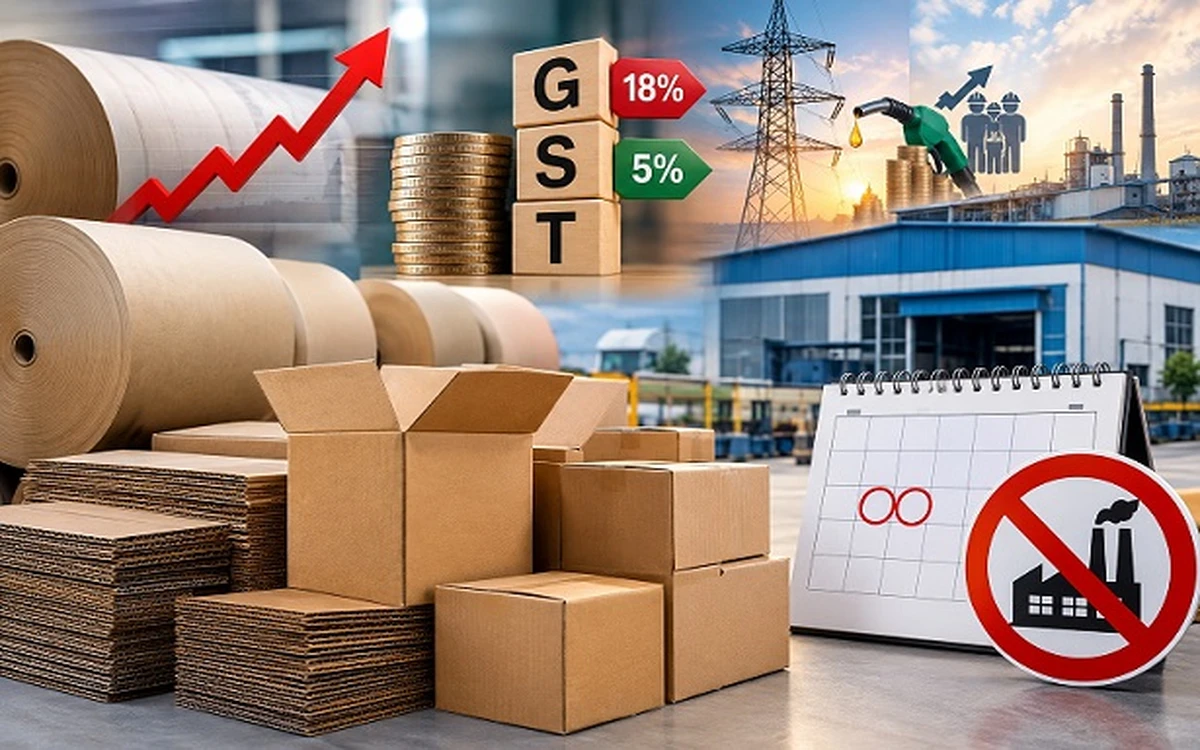
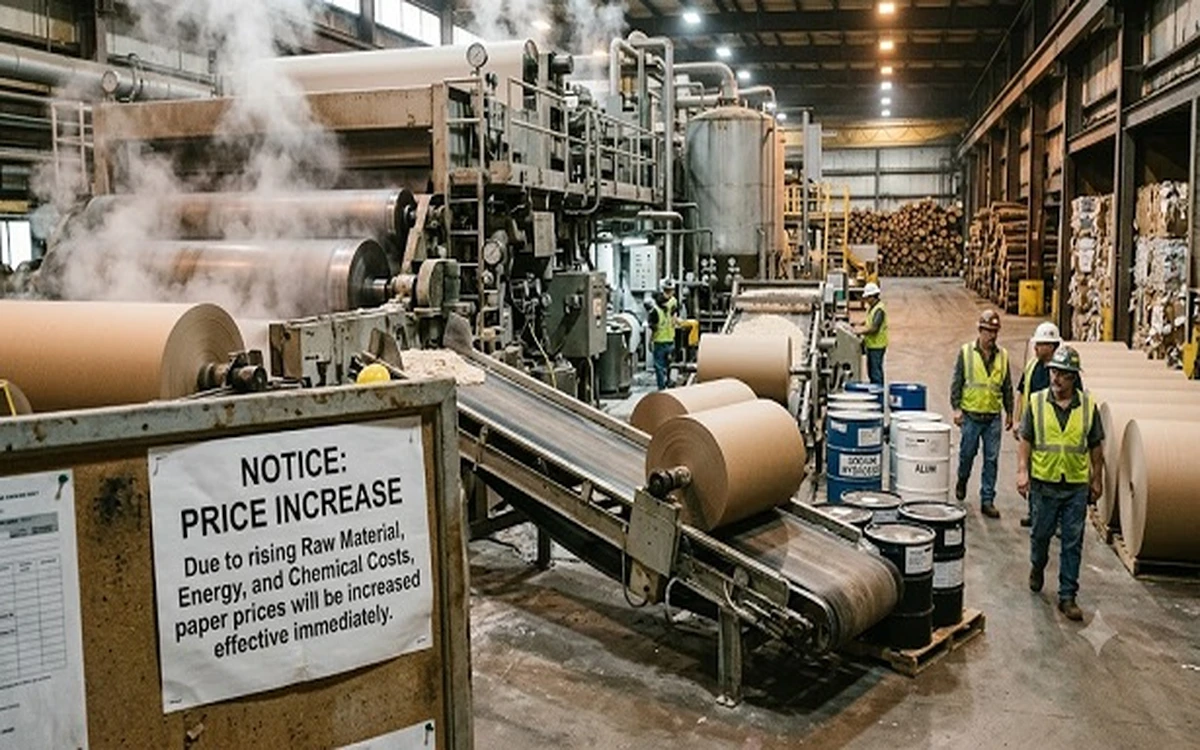
Overall Increase in Kraft Paper Prices Could Reach 35%; Industry Calls for 20% Box Price Increase, Voluntary Shutdown Proposed

Ruchira Papers Invests a Sizeable Capex of Rs. 235–240 Crore Towards Writing & Printing Paper Capacity Expansion
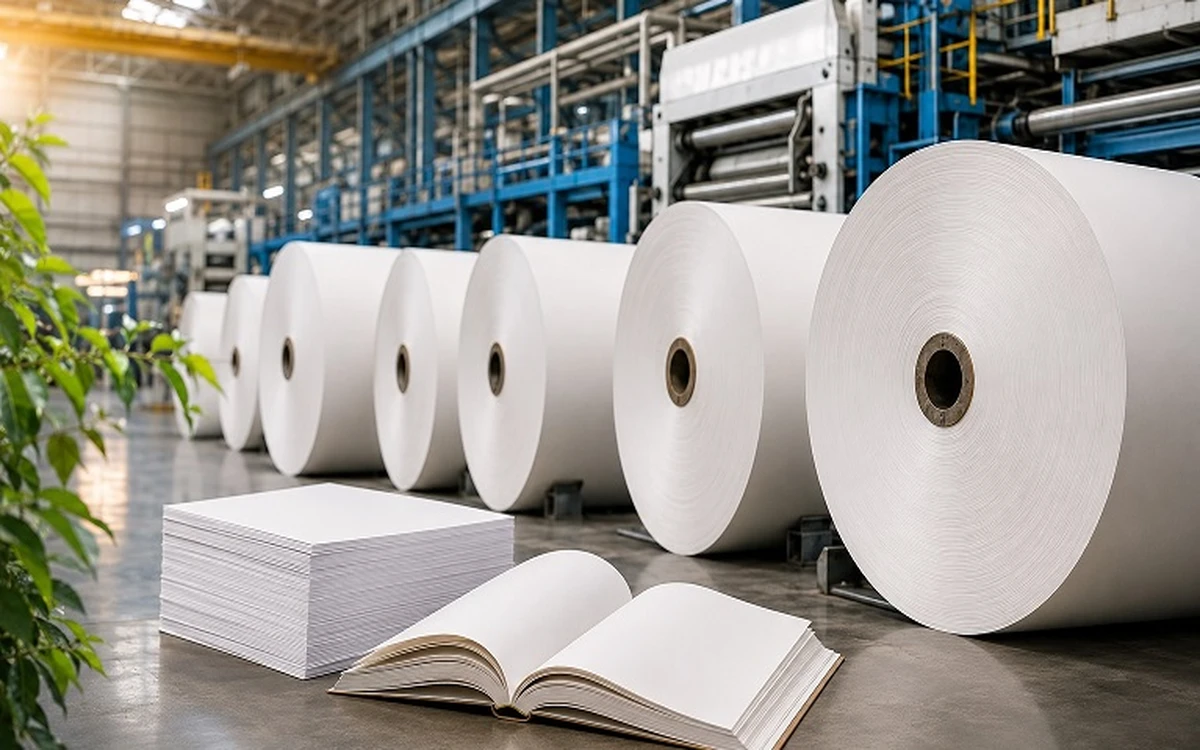
Paper mills inflated the basic ex-mill price of paper post GST 2.0, AINMA seeks action against Anti-Profiteering

Seven Leading Associations Unite to Celebrate National Paper Day, Highlighting Paper's Sustainability and Circular Economy Advantage

Scientists from IIT-Guwahati develop India's first biodegradable plastic

Navneet Education focuses on brand building, curriculum-led growth, and export recovery; expects stationery margins to improve in FY27

It is estimated that USD10B to USD20B worth of single-use plastic packaging will convert to molded fiber, ZUME
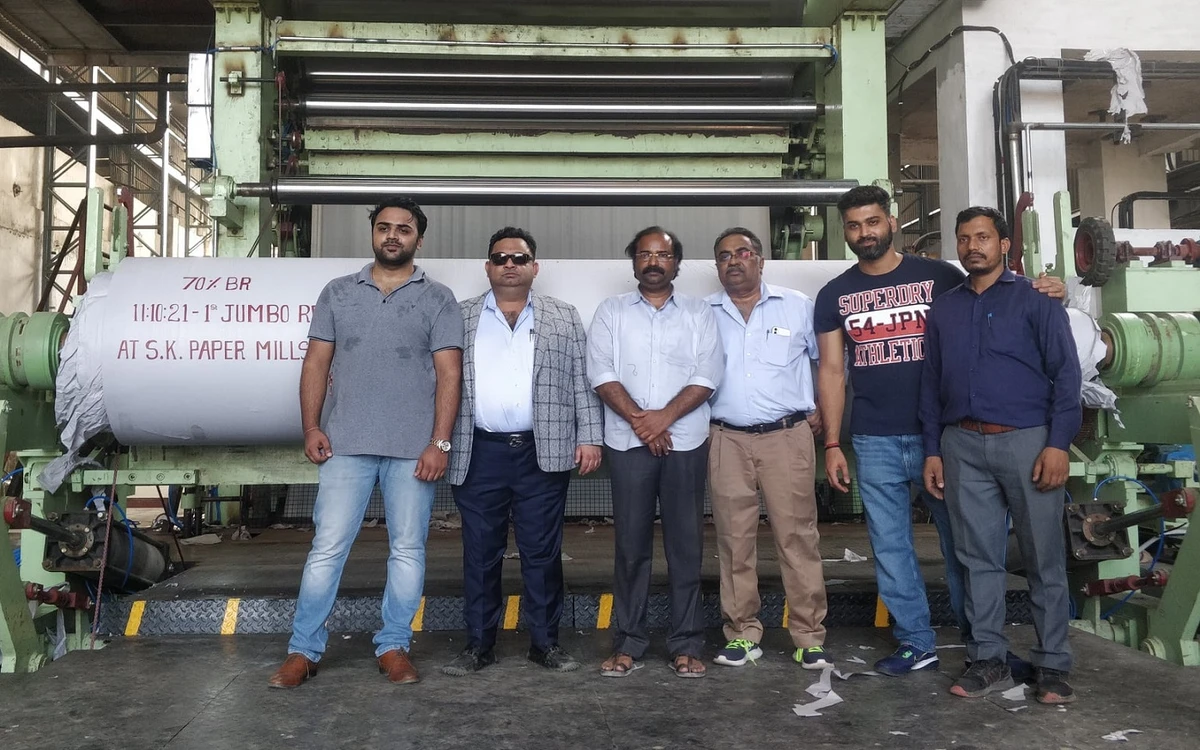
Muzaffarnagar gets a new capacity of Tissue Paper and MG Poster paper

“The integration of digitalization, automation, and Artificial Intelligence (AI) is no longer a futuristic concept—it is the baseline for competitiveness in 2036” - Vinit Garg, Director, Vizen Solutions
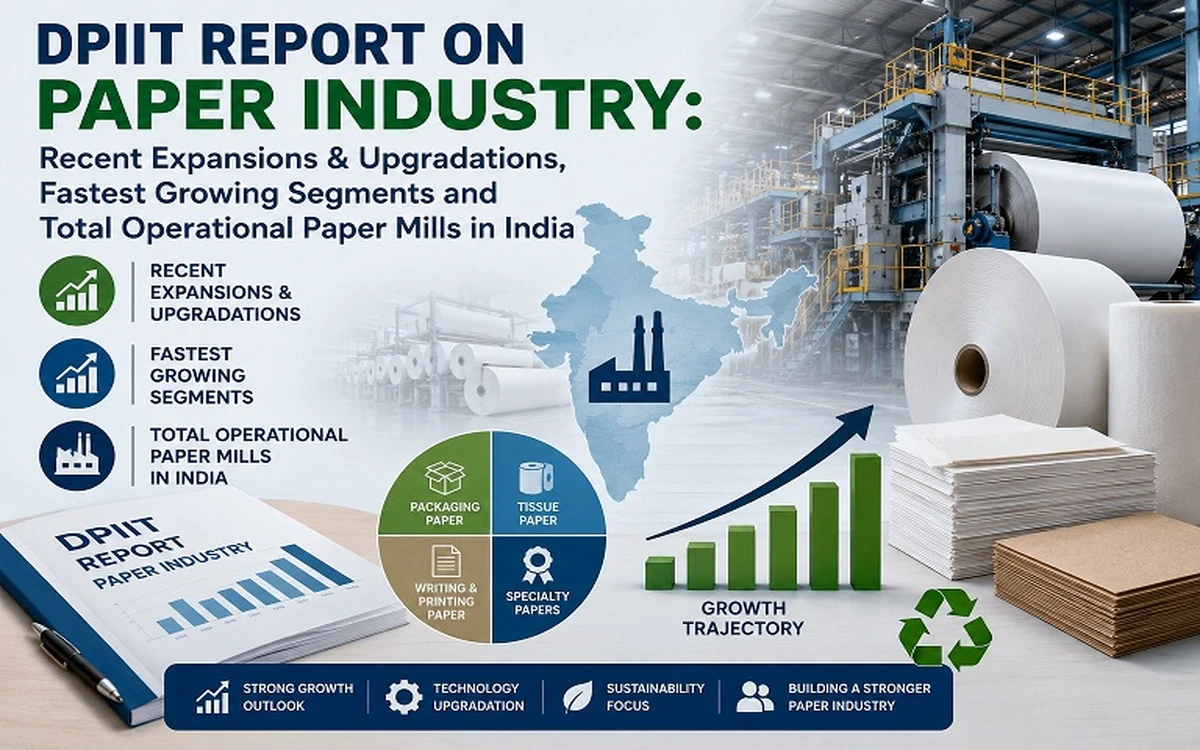
DPIIT Report on the Paper Industry: Recent Expansions & Upgrades, Fastest-Growing Segments, and Total Operational Paper Mills in India
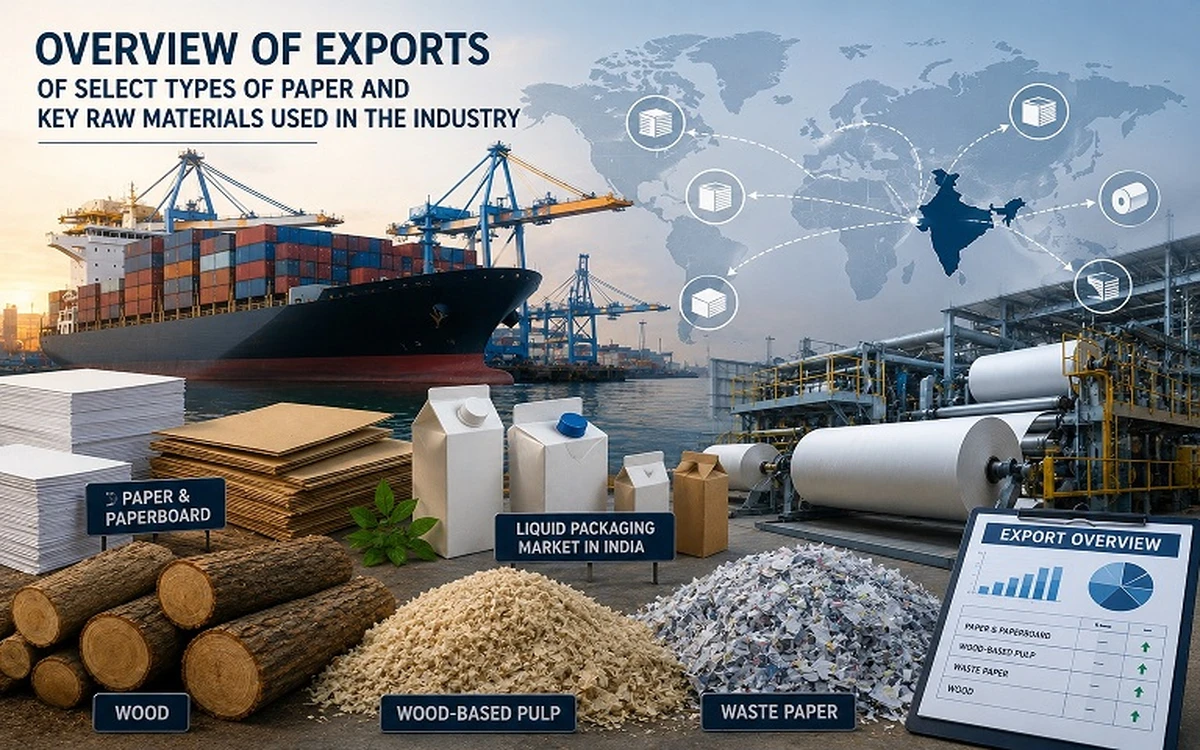
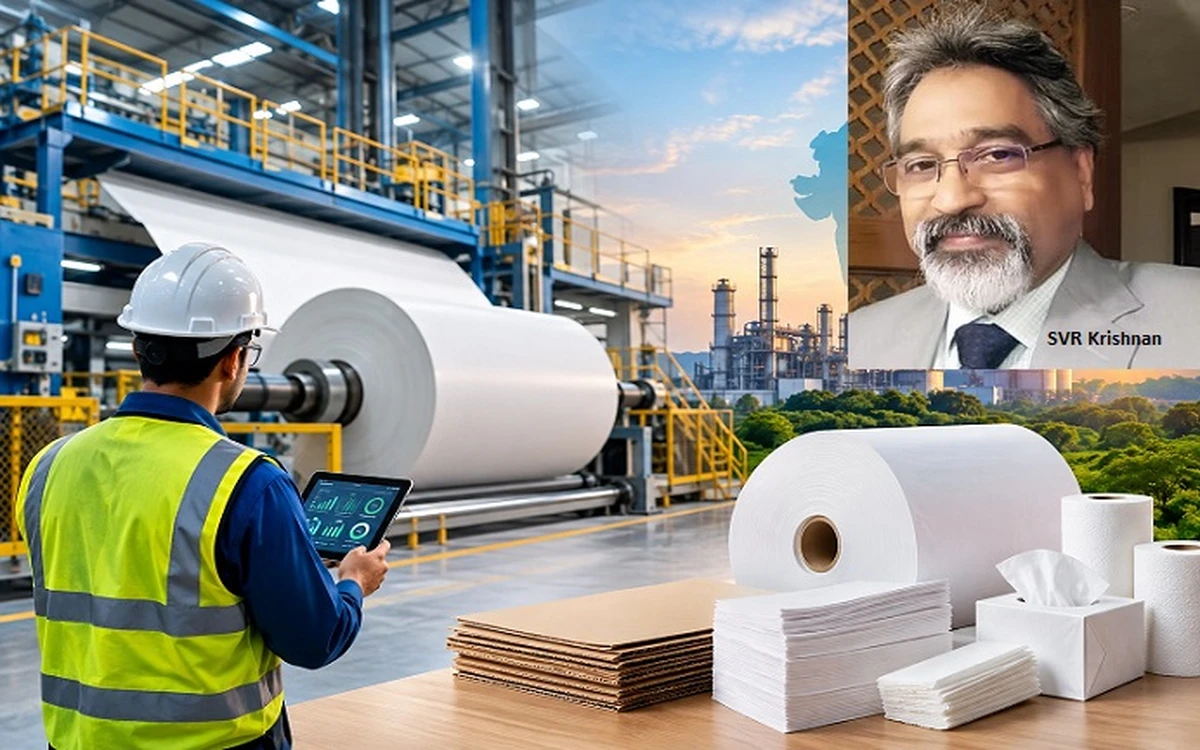
Overview of exports of select type of paper and key raw material used in the industry by Crisil Intelligence

Margin pressure pushes Pulp & Paper Packaging sector toward AI-Driven cost optimization, Cutting costs by 8–20%
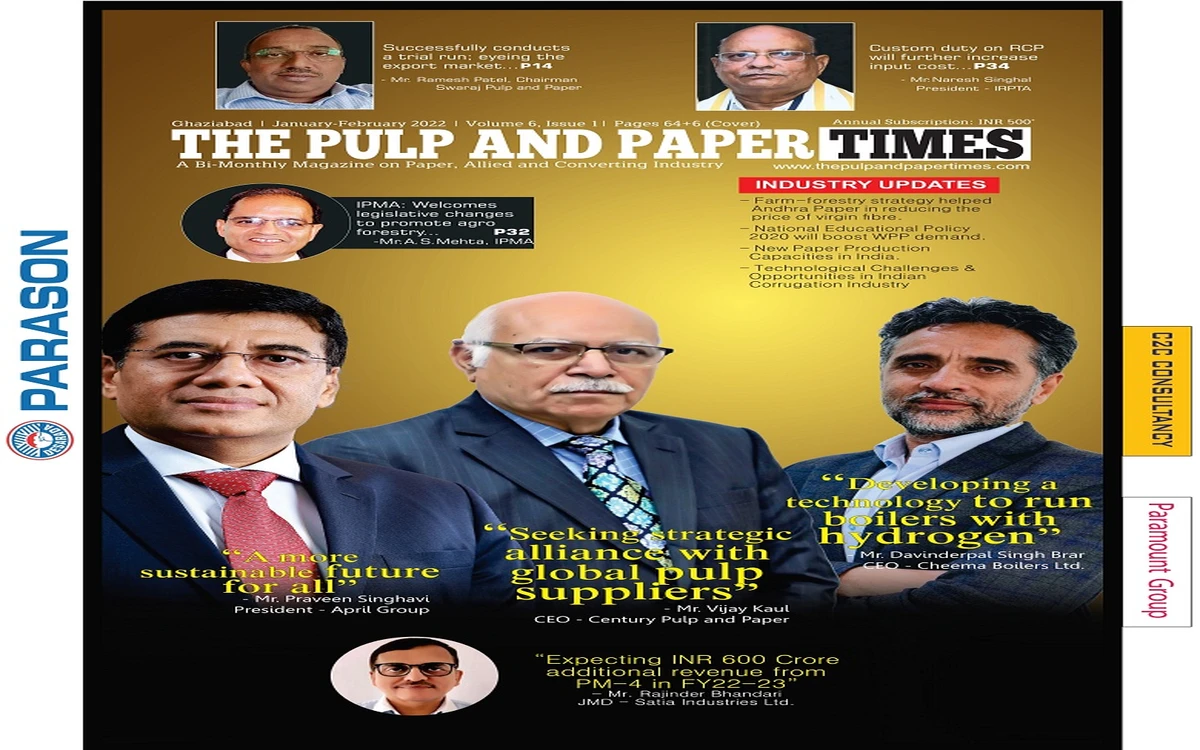
The Pulp and Paper Times Magazine : Volume 6, Issue 1

The Pulp and Paper Times Magazine : Volume 5, Issue 6
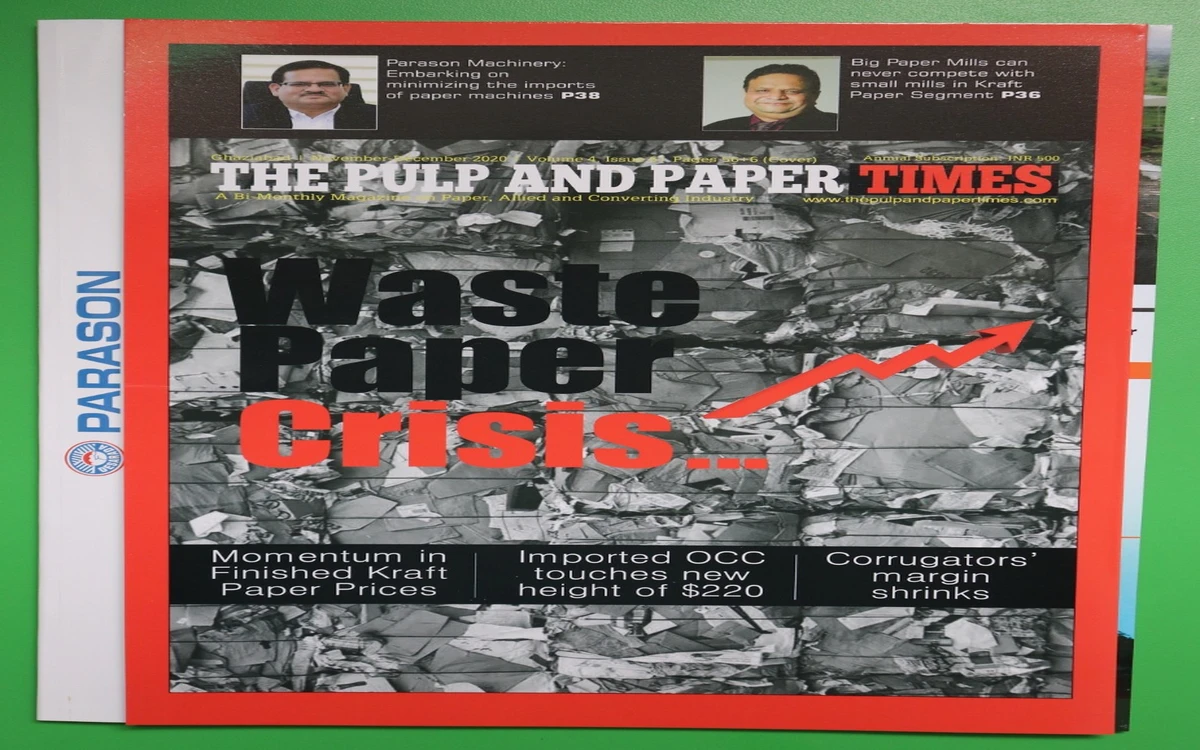
The Pulp and Paper Times: Volume 4, Issue 6
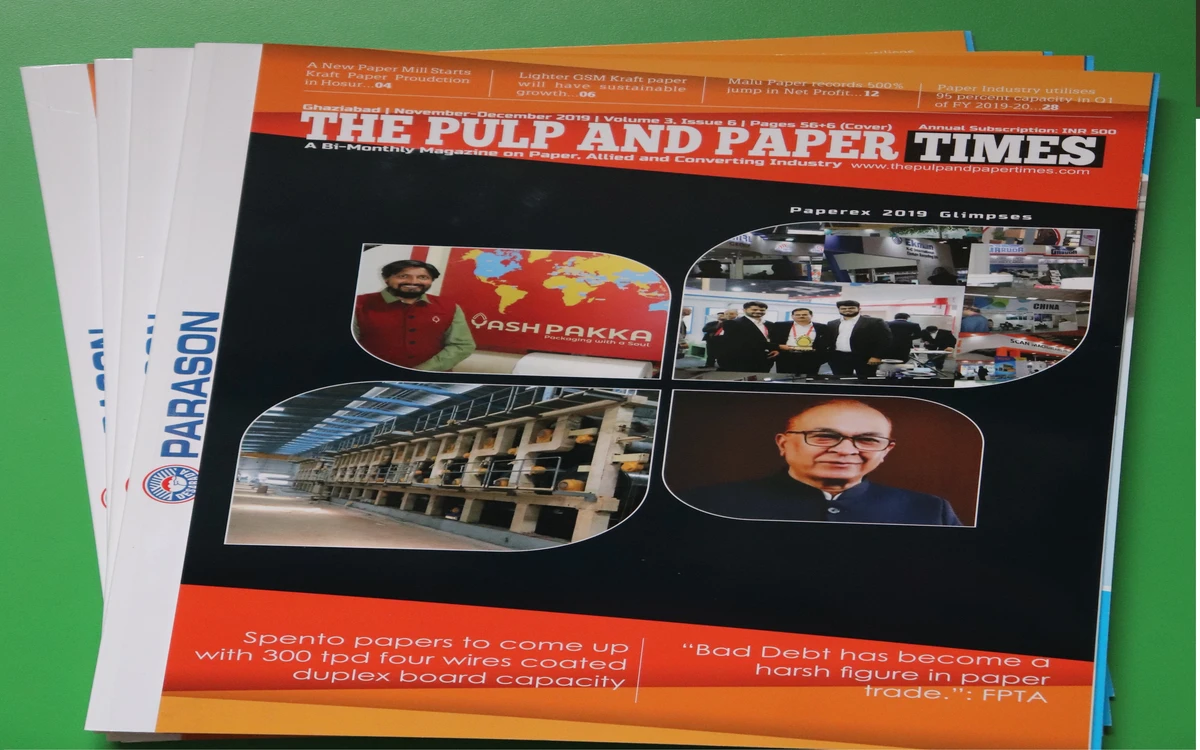
The Pulp and Paper Times : Volume 3, Issue 6
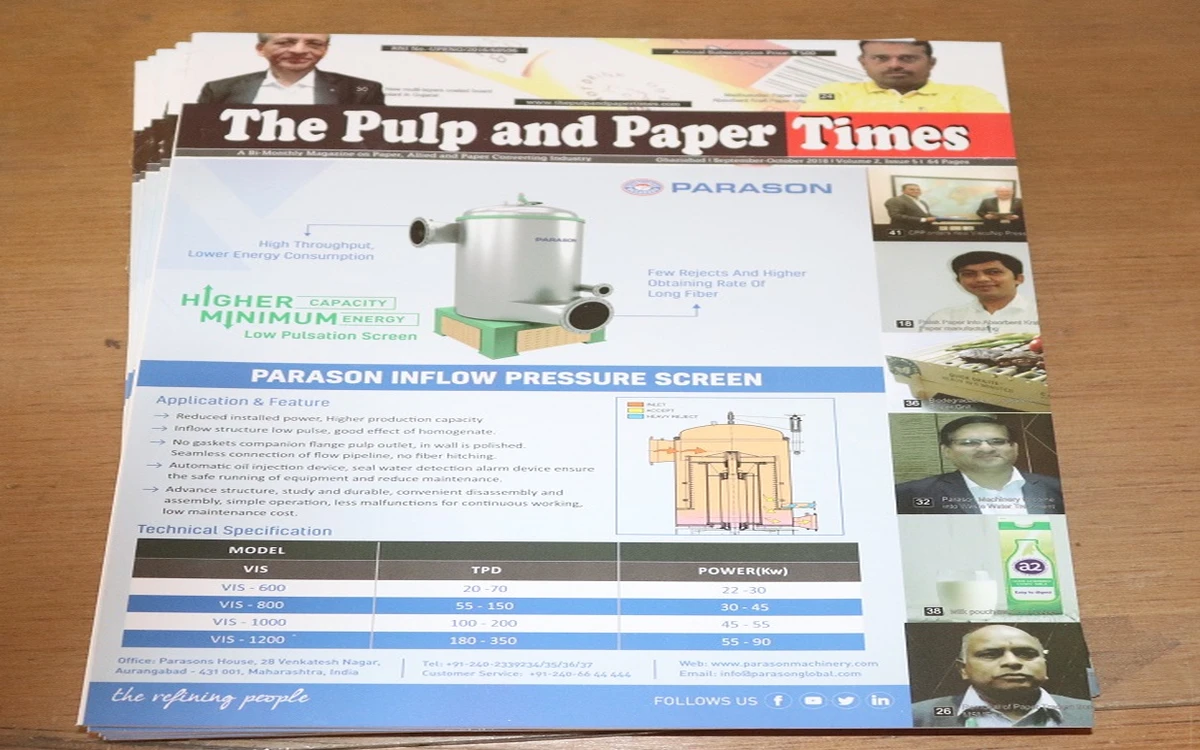
The Pulp and Paper Times: Volume 2 Issue 5

The Pulp and Paper Times, Volume 1, Issue 3
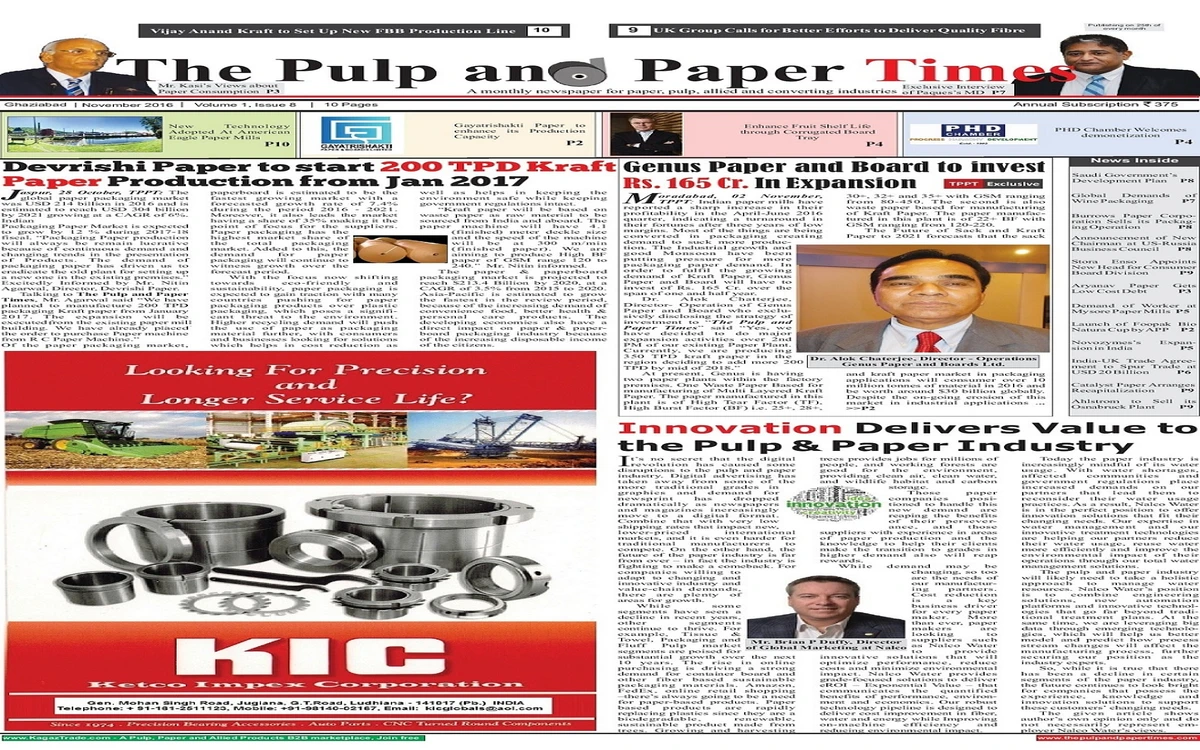
The Pulp and Paper Times, November 2016 Issue

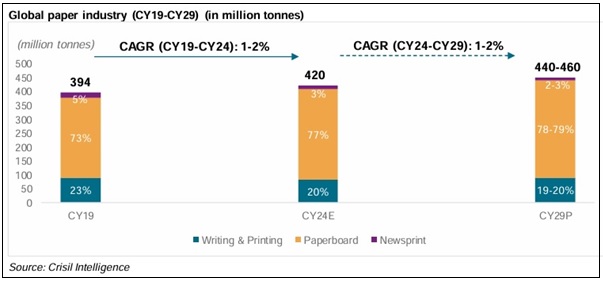
Global paper industry is expected to grow at a CAGR of 1-2% from CY24-CY29 with the paperboard segment emerging as a key driver of growth, according to Crisil Intelligence
The global paper industry has grown at a CAGR of 1.3% from CY19 to CY24
The global paper industry has grown from 394 million tonnes in CY19 to 420 million tonnes in CY24, achieving a Compounded Annual Growth Rate (CAGR) of 1-2% from CY19 to CY24. This growth has been primarily driven by the paperboard segment, which has seen its share increase from 73% in CY19 to 77% in CY24. The rising demand for sustainable and eco-friendly packaging solutions, particularly in the e-commerce and food industries, has been a significant factor contributing to the growth of the paperboard segment. Additionally, the increasing focus on reducing plastic waste and promoting circular economy practices has led to a shift towards paper-based packaging, further boosting the demand for paperboards. On the other hand, the newsprint segment and the writing and printing segment have seen their shares decrease from 5% to 3% and 23% to 20%, respectively, mainly due to digitization and the subsequent decline in print media consumption. The widespread adoption of digital platforms for news, entertainment, and communication has reduced the demand for printed materials, leading to a decline in the newsprint segment. Furthermore, the shift towards digital documentation and online communication has also contributed to the decline of the writing and printing segment. Going forward, the global paper industry is expected to grow at a CAGR of 1-2% from CY24-CY29 with the paperboard segment emerging as a key driver of growth.

Overview of key drivers and trends in the global paper industry
Increased focus on sustainability:
The paper industry is heavily dependent on water, the estimated consumption of water in the paper industry very from 30 cubic meter per ton to 60 cubic metre per ton with the usage varying as per type and the raw materials used. In order to reduce the water consumption further, the industry is expected to prioritize water conservation, with a focus on efficient irrigation systems and wastewater treatment technologies. The use of renewable energy sources, such as biomass and solar power, is also expected to gain traction, reducing the sector's reliance on fossil fuels. Furthermore, the rise of circular economy practices, including upcycling and downcycling, will minimize waste and maximize resource utilization.

Rise of E-Commerce and the subsequent packaging needs:
The proliferation of online shopping has revolutionized the paper industry, as consumers' expectations for safe and secure delivery have fuelled a substantial increase in demand for paper based packaging solutions. The production of cardboard boxes, shipping labels, corrugated packaging, and protective materials has increased, creating a domino effect throughout the paper supply chain, from manufacturers of packaging materials to logistics providers handling shipments. Furthermore, the e-commerce phenomenon has also had an impact on the industry beyond packaging, driving the demand for printed promotional materials, such as product catalogues, promotional brochures, and insert cards, as companies strive to capture the attention of online shoppers and build brand awareness.

Circular economy and waste reduction:
The paper industry is under increasing pressure to reduce waste and adopt circular economy practices, with companies seeking to minimize their environmental impact while maintaining profitability. This trend is driven by regulatory pressures, consumer demand for sustainable products, and the need to reduce costs associated with waste disposal. Paper manufacturers are responding by implementing recycling programs, reducing packaging waste, and developing new products made from recycled fibres. Additionally, companies are exploring new business models, such as product-as-a-service, where products are designed to be recycled or reused, reducing waste and the demand for virgin raw materials.

Technological advancements and innovation:
The paper industry is experiencing advancements in digital printing, nanotechnology, and biotechnology driving innovation and investment. Digital printing technologies, such as inkjet and toner-based printing, are enabling paper manufacturers to produce high-quality, customized products with shorter lead times and lower minimum order quantities. Nanotechnology is being used to develop new paper products with enhanced strength, durability, and functionality, while biotechnology is being used to develop new biomaterials and bio-based products. Additionally, the use of artificial intelligence, machine learning, and data analytics is improving manufacturing efficiency, reducing costs, and enabling paper manufacturers to respond quickly to changing market trends.

Overview of raw materials used in the paper industry:
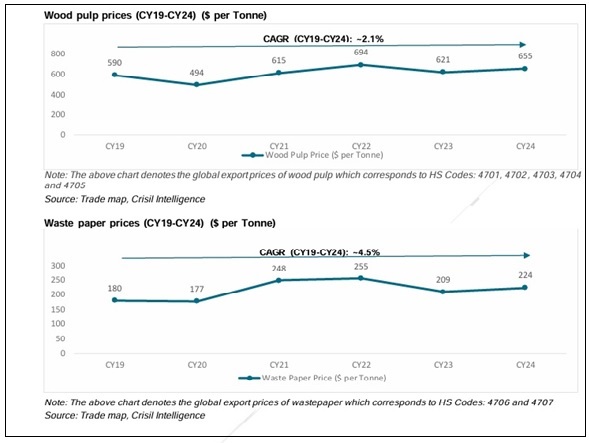
The paper industry relies heavily on raw materials, particularly pulp and wastepaper, to produce a wide range of paper products, with the prices of these materials having a significant impact on the industry's profitability and competitiveness. The global pulp market is influenced by factors such as supply and demand, production costs, and trade policies, with prices varying depending on the type, quality, and location. Wood pulp prices have grown from $590 per tonne in CY19 to $655 per tonne in CY24 growing at a CAGR 2.1% from CY19 to CY24, driven by factors such as increased demand from emerging markets, supply chain disruptions, and reduced supply. Similarly, wastepaper prices, also known as recovered paper, vary depending on the grade, quality, and location. The global wastepaper prices have grown from $180 per tonne in CY19 to $224 per tonne in CY24 growing at a CAGR 4.5% from CY19 to CY24, driven by factors such as higher freight costs, reduced production in the European mills affecting the generation of wastepaper, increasing cost of energy and labour etc. Additionally, trade policies, such as tariffs and quotas, have also played a significant role in shaping the global pulp and wastepaper markets, with the ongoing trade tensions between major economies affecting the prices and availability of these critical raw materials.

3 days ago
Total Views : 2622

4 days ago
Total Views : 2486
6 days ago
Total Views : 713
last week
Total Views : 1306
last week
Total Views : 3800
last week
Total Views : 2746
2 weeks ago
Total Views : 804

2 weeks ago
Total Views : 3592
2 weeks ago
Total Views : 3741

2 weeks ago
Total Views : 7070